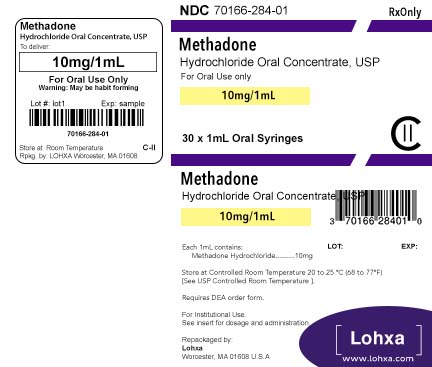
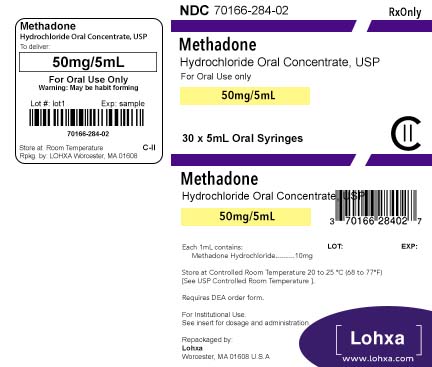
The initial methadone dose should be carefully titrated to the individual. Too rapid titration for the patient’s sensitivity is more likely to produce adverse effects.
The major hazards of methadone are respiratory depression and, to a lesser degree, systemic hypotension. Respiratory arrest, shock, cardiac arrest, and death have occurred.
The
most frequently observed adverse reactions include lightheadedness, dizziness, sedation, nausea, vomiting, and sweating. These effects seem to be more prominent in ambulatory patients and in those who are not suffering severe pain. In such individuals, lower doses are advisable.
Other adverse reactions include the following: (listed alphabetically under each subsection)
Body as a Whole: asthenia (weakness), edema, headache
Cardiovascular:(also see WARNINGS:
Cardiac Conduction Effects): arrhythmias, bigeminal rhythms, bradycardia, cardiomyopathy, ECG abnormalities, extrasystoles, flushing, heart failure, hypotension, palpitations, phlebitis, QT interval prolongation, syncope, T-wave inversion, tachycardia, torsade de pointes, ventricular fibrillation, ventricular tachycardia
Digestive: abdominal pain, anorexia, biliary tract spasm, constipation, dry mouth, glossitis
Hematologic and Lymphatic: reversible thrombocytopenia has been described in opioid addicts with chronic hepatitis
Metabolic and Nutritional: hypokalemia, hypomagnesemia, weight gain
Nervous: agitation, confusion, disorientation, dysphoria, euphoria, insomnia, seizures
Respiratory: pulmonary edema, respiratory depression (see
WARNINGS:
Respiratory Depression)
Skin and Appendages: pruritis, urticaria, other skin rashes, and rarely, hemorrhagic urticaria
Special Senses: hallucinations, visual disturbances
Urogenital: amenorrhea, antidiuretic effect, reduced libido and/or potency, urinary retention or hesitancy