[
see FDA-Approved Patient Labeling (
Patient Information and
Instructions for Use)
]
A healthcare provider should review the patient instructions and operation of epinephrine injection, USP auto-injector, in detail, with the patient or caregiver.
Epinephrine is essential for the treatment of anaphylaxis. Patients who are at risk of or with a history of severe allergic reactions (anaphylaxis) to insect stings or bites, foods, drugs, and other allergens, as well as idiopathic and exercise-induced anaphylaxis, should be carefully instructed about the circumstances under which epinephrine should be used.
Administration and Training
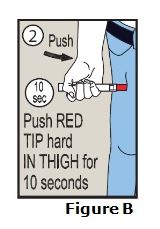
Patients and/or caregivers should be instructed in the appropriate use of epinephrine injection, USP auto-injector. Epinephrine injection, USP auto-injector should be injected into the middle of the outer thigh (through clothing if necessary). Each epinephrine injection, USP auto-injector is a single-use injection. Advise patients to seek immediate medical care in conjunction with administration of epinephrine injection, USP auto-injector.
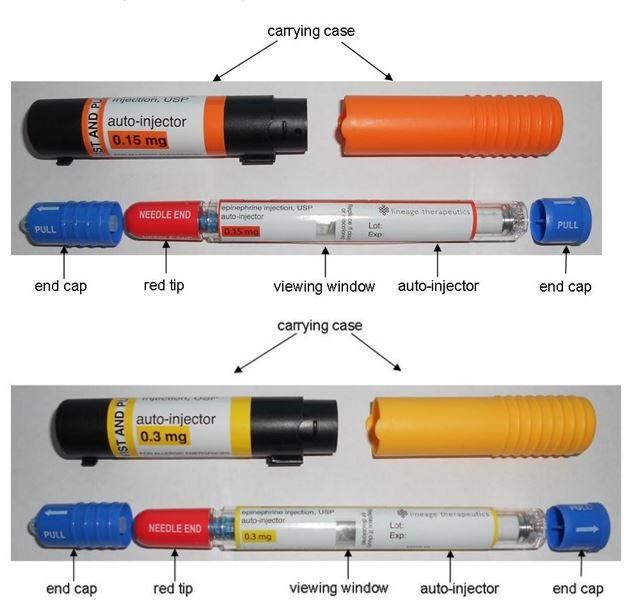
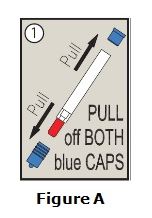
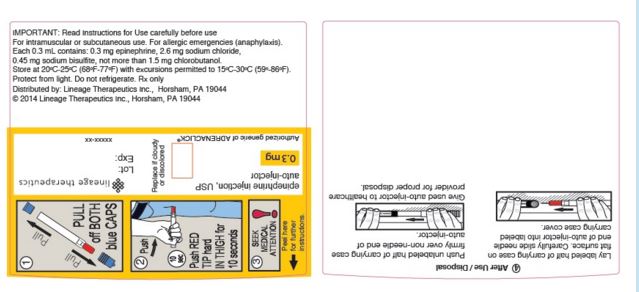
Complete patient information, including dosage, directions for proper administration and precautions can be found inside each epinephrine injection, USP auto-injector carton. A printed label on the surface of epinephrine injection, USP auto-injector shows instructions for use and a diagram depicting the injection process.
Patients and/or caregivers should be instructed to use the Trainer to familiarize themselves with the use of epinephrine injection, USP auto-injector in an allergic emergency. The Trainer may be used multiple times.
Adverse Reactions
Epinephrine may produce symptoms and signs that include an increase in heart rate, the sensation of a more forceful heartbeat, palpitations, sweating, nausea and vomiting, difficulty breathing, pallor, dizziness, weakness or shakiness, headache, apprehension, nervousness, or anxiety. These signs and symptoms usually subside rapidly, especially with rest, quiet, and recumbency. Patients with hypertension or hyperthyroidism may develop more severe or persistent effects, and patients with coronary artery disease could experience angina. Patients with diabetes may develop increased blood glucose levels following epinephrine administration. Patients with Parkinson's disease may notice a temporary worsening of symptoms
[see Warnings and Precautions (
5.4)]
.
Accidental Injection
Advise patients to seek immediate medical care in the case of accidental injection. Since epinephrine is a strong vasoconstrictor when injected into the digits, hands or feet, treatment should be directed at vasodilation if there is such an accidental injection to these areas
[see Warnings and Precautions (
5.2)]
.
Storage and Handling
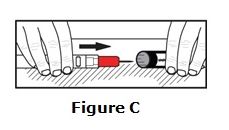
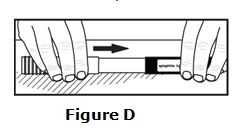
Instruct patients to inspect the epinephrine solution visually through the viewing window periodically. Epinephrine injection, USP auto-injector should be replaced if the epinephrine solution appears discolored (pinkish or brown), cloudy, or contains particles. Epinephrine is light sensitive and should be stored in the outer case provided to protect it from light. Patients should be instructed that epinephrine injection, USP auto-injector must be properly disposed of once the blue caps have been removed or after use
[see How Supplied/Storage and Handling (
16.2)]
.
Complete patient information, including dosage, directions for proper administration and precautions are provided inside each epinephrine injection, USP auto-injector carton.
Manufactured for and Distributed by: Lineage Therapeutics Inc., Horsham, PA 19044
© 2014 Lineage Therapeutics Inc., Horsham, PA. All rights reserved. This product and the use thereof is proprietary and protected under one or more of United States Patents 5,358,489; 5,540,664; 5,833,669; 5,665,071; 5,695,472; 7,297,136; 7,905,352; 7,621,891; 7,927,303; 7,931,618; 8,187,224; and/or related patents in countries other than the U.S.
For inquiries call 1-888-894-6528
71006-07