Other
Rx only
Repackaged and Distributed By:
Remedy Repack, Inc.
625 Kolter Dr. Suite #4 Indiana, PA 1-724-465-8762
The following Structured Product Label (SPL) was submitted to the FDA by Remedyrepack Inc. for the product Ibuprofen (NDC 70518-4595). This document serves as the official prescribing information, containing essential scientific data and clinical materials required for healthcare providers and patients.
This specific version of the label includes detailed information regarding other, cardiovascular thrombotic events, gastrointestinal risk, description, pharmacodynamics, pharmacokinetics, absorption, antacids, and other regulatory disclosures. Use the navigation below to review specific sections of the FDA submission.
Rx only
Repackaged and Distributed By:
Remedy Repack, Inc.
625 Kolter Dr. Suite #4 Indiana, PA 1-724-465-8762
Clinical trials of several COX-2 selective and nonselective NSAIDs of up to three years duration have shown an increased risk of serious cardiovascular (CV) thrombotic events, including myocardial infarction (MI) and stroke, which can be fatal. Based on available data, it is unclear that the risk for CV thrombotic events is similar for all NSAIDs. The relative increase in serious CV thrombotic events over baseline conferred by NSAID use appears to be similar in those with and without known CV disease or risk factors for CV disease. However, patients with known CV disease or risk factors had a higher absolute incidence of excess serious CV thrombotic events, due to their increased baseline rate. Some observational studies found that this increased risk of serious CV thrombotic events began as early as the first weeks of treatment. The increase in CV thrombotic risk has been observed most consistently at higher doses. To minimize the potential risk for an adverse CV event in NSAID-treated patients, use the lowest effective dose for the shortest duration possible. Physicians and patients should remain alert for the development of such events, throughout the entire treatment course, even in the absence of previous CV symptoms. Patients should be informed about the signs and/or symptoms of serious CV events and the steps to take if they occur.
There is no consistent evidence that concurrent use of aspirin mitigates the increased risk of serious CV thrombotic events associated with NSAID use. The concurrent use of aspirin and an NSAID, such as ibuprofen, increases the risk of serious gastrointestinal (GI) events (see WARNINGS).
The active ingredient in ibuprofen oral suspension USP is ibuprofen, which is a member of the propionic acid group of nonsteroidal anti-inflammatory drugs (NSAIDs). Ibuprofen is a racemic mixture of [+]S- and [-]R-enantiomers. It is a white to off-white crystalline powder, with a melting point of 74° to 77°C. It is practically insoluble in water (< 0.1 mg/mL), but readily soluble in organic solvents such as ethanol and acetone. Ibuprofen, USP has a pKa of 4.43 ± 0.03 and an n-octanol/water partition coefficient of 11.7 at pH 7.4. The chemical name for ibuprofen is (±)-2-( p-Isobutylphenyl) propionic acid. The molecular weight of ibuprofen is 206.28. Its molecular formula is C 13H 18O 2and it has the following structural formula:
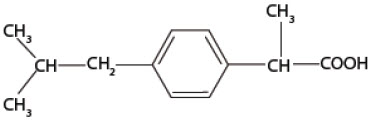
Chemical Structure (Ibuprofen 01)
Ibuprofen oral suspension USP is a sucrose-sweetened, white to off-white, berry-flavored suspension containing 100 mg of ibuprofen in 5 mL (20 mg/mL). Inactive ingredients include: acesulfame potassium, berry flavor natural & artificial, citric acid anhydrous, glycerin, pregelatinized modified starch, polysorbate 80, sodium benzoate, purified water, sucrose, xanthan gum.
Meets USP Dissolution Test 2.
Ibuprofen is a nonsteroidal anti-inflammatory drug (NSAID) that possesses anti-inflammatory, analgesic and antipyretic activity. Its mode of action, like that of other NSAIDs, is not completely understood, but may be related to prostaglandin synthetase inhibition. After absorption of the racemic ibuprofen, the [-]R-enantiomer undergoes interconversion to the [+]S-form. The biological activities of ibuprofen are associated with the [+]S-enantiomer.
In a healthy volunteer study, ibuprofen 400 mg given once daily, administered 2 hours prior to immediate-release aspirin (81 mg) for 6 days, showed an interaction with the antiplatelet activity of aspirin as measured by % serum thromboxane B2 (TxB2) inhibition at 24 hours following the day-6 aspirin dose [53%]. An interaction was still observed, but minimized, when ibuprofen 400 mg given once-daily was administered as early as 8 hours prior to the immediate-release aspirin dose [90.7%]. However, there was no interaction with the antiplatelet activity of aspirin when ibuprofen 400 mg, given once daily, was administered 2 hours after (but not concomitantly, 15 min, or 30 min after) the immediate-release aspirin dose [99.2%].
In another study, where immediate-release aspirin 81 mg was administered once daily with ibuprofen 400 mg given three times daily (1, 7, and 13 hours post-aspirin dose) for 10 consecutive days, the mean % serum thromboxane B2 (TxB2) inhibition suggested no interaction with the antiplatelet activity of aspirin [98.3%]. However, there were individual subjects with serum TxB2 inhibition below 95%, with the lowest being 90.2%.
When a similarly designed study was conducted with enteric-coated aspirin, where healthy subjects were administered enteric-coated aspirin 81 mg once daily for 6 days and ibuprofen 400 mg three times daily (2, 7 and 12 h post-aspirin dose) for 6 days, there was an interaction with the antiplatelet activity at 24 hours following the day-6 aspirin dose [67%] (see PRECAUTIONS-Drug Interactions).
Ibuprofen is a racemic mixture of [-]R-and [+]S-isomers.
In vivoand in vitrostudies indicate that the [+]S-isomer is responsible for clinical activity. The [-]R-form, while thought to be pharmacologically inactive, is slowly and incompletely (~ 60%) interconverted into the active [+]S species in adults. The degree of interconversion in children is unknown, but is thought to be similar. The [-]R-isomer serves as a circulating reservoir to maintain levels of active drug. Ibuprofen is well absorbed orally, with less than 1% being excreted in the urine unchanged. It has a biphasic elimination time curve with a plasma half-life of approximately 2 hours.
Studies in febrile children have established the dose-proportionality of 5 and 10 mg/kg doses of ibuprofen. Studies in adults have established the dose-proportionality of ibuprofen as a single oral dose from 50 to 600 mg for total drug and up to 1200 mg for free drug.
In vivostudies indicate that ibuprofen is well absorbed orally from the suspension formulation, with peak plasma levels usually occurring within 1 to 2 hours (see Table 1).
| Dose | 200 mg (2.8 mg/kg) in Adults | 10 mg/kg in Febrile Children |
|---|---|---|
| Formulation | Suspension | Suspension |
| Legend: AUC inf= Area-under-the-curve to infinity T max= Time-to-peak plasma concentration C max= Peak plasma concentration Cl/F = Clearance divided by fraction at drug absorbed | ||
| Number of Patients | 24 | 18 |
| AUC inf(mcg∙h/mL) | 64
(27%) | 155
(24%) |
| C max(mcg/mL) | 19
(22%) | 55
(23%) |
| T max(h) | 0.79
(69%) | 0.97
(57%) |
| Cl/F (mg/h/kg) | 45.6
(22%) | 68.6
(22%) |
A bioavailability study in adults has shown that there was no interference with the absorption of ibuprofen when given in conjunction with an antacid containing both aluminum hydroxide and magnesium hydroxide.
In studies with human volunteers, coadministration of cimetidine or ranitidine with ibuprofen had no substantive effect on ibuprofen serum concentrations.
Absorption is most rapid when ibuprofen is given under fasting conditions.
Administration of ibuprofen with food affects the rate but not the extent of absorption. When taken with food, T maxis delayed by approximately 30 to 60 minutes, and peak levels are reduced by approximately 30 to 50%.
Ibuprofen, like most drugs of its class, is highly protein bound (>99% bound at 20 mcg/mL). Protein binding is saturable and at concentrations >20 mcg/mL binding is non-linear. Based on oral dosing data there is an age- or fever-related change in volume of distribution for ibuprofen. Febrile children <11 years old have a volume of approximately 0.2 L/kg while adults have a volume of approximately 0.12 L/kg. The clinical significance of these findings is unknown.
Following oral administration, the majority of the dose was recovered in the urine within 24 hours as the hydroxy-(25%) and carboxypropyl-(37%) phenylpropionic acid metabolites. The percentages of free and conjugated ibuprofen found in the urine were approximately 1% and 14%, respectively. The remainder of the drug was found in the stool as both metabolites and unabsorbed drug.
Ibuprofen is rapidly metabolized and eliminated in the urine. The excretion of ibuprofen is virtually complete 24 hours after the last dose. It has a biphasic plasma elimination time curve with a half-life of approximately 2 hours. There is no difference in the observed terminal elimination rate or half-life between children and adults, however, there is an age- or fever-related change in total clearance. This suggests that the observed change in clearance is due to changes in the volume of distribution of ibuprofen (see Table 1for Cl/F values).
Controlled clinical trials comparing doses of 5 and 10 mg/kg ibuprofen suspension and 10 to 15 mg/kg of acetaminophen elixir have been conducted in children 6 months to 12 years of age with fever primarily due to viral illnesses. In these studies there were no differences between treatments in fever reduction for the first hour and maximum fever reduction occurred between 2 and 4 hours. Response after 1 hour was dependent on both the level of temperature elevation as well as the treatment. In children with baseline temperatures at or below 102.5°F both ibuprofen doses and acetaminophen were equally effective in their maximum effect. In children with temperatures above 102.5°F, the ibuprofen 10 mg/kg dose was more effective. By 6 hours, children treated with ibuprofen 5 mg/kg tended to have recurrence of fever, whereas children treated with ibuprofen 10 mg/kg still had significant fever reduction at 8 hours. In control groups treated with 10 mg/kg acetaminophen, fever reduction resembled that seen in children treated with 5 mg/kg of ibuprofen, with the exception that temperature elevation tended to return 1 to 2 hours earlier.
In patients with primary dysmenorrhea, ibuprofen has been shown to reduce elevated levels of prostaglandin activity in the menstrual fluid and to reduce testing and active intrauterine pressure, as well as the frequency of uterine contractions. The probable mechanism of action is to inhibit prostaglandin synthesis rather than simply to provide analgesia.
Carefully consider the potential benefits and risks of ibuprofen oral suspension and other treatment options before deciding to use ibuprofen. Use the lowest effective dose for the shortest duration consistent with individual patient treatment goals (see WARNINGS).
In Pediatric Patients, Ibuprofen Oral Suspension is indicated:
In Adults, Ibuprofen Oral Suspension is indicated:
Since there have been no controlled trials to demonstrate whether there is any beneficial effect or harmful interaction with the use of ibuprofen in conjunction with aspirin, the combination cannot be recommended (see PRECAUTIONS-Drug Interactions).
Ibuprofen oral suspension is contraindicated in patients with known hypersensitivity to ibuprofen.
Ibuprofen should not be given to patients who have experienced asthma, urticaria, or allergic-type reactions after taking aspirin or other NSAIDs. Severe, rarely fatal, anaphylactic-like reactions to NSAIDs have been reported in such patients (see WARNINGS-Anaphylactoid Reactions, and PRECAUTIONS-Preexisting Asthma).
Ibuprofen is contraindicated in the setting of coronary artery bypass graft (CABG) surgery (see WARNINGS).
Two large, controlled clinical trials of a COX-2 selective NSAID for the treatment of pain in the first 10 to 14 days following CABG surgery found an increased incidence of myocardial infarction and stroke. NSAIDs are contraindicated in the setting of CABG (see CONTRAINDICATIONS).
Observational studies conducted in the Danish National Registry have demonstrated that patients treated with NSAIDs in the post-MI period were at increased risk of reinfarction, CV-related death, and all-cause mortality beginning in the first week of treatment. In this same cohort, the incidence of death in the first year post MI was 20 per 100 person years in NSAID-treated patients compared to 12 per 100 person years in non-NSAID exposed patients. Although the absolute rate of death declined somewhat after the first year post-MI, the increased relative risk of death in NSAID users persisted over at least the next four years of follow-up.
Avoid the use of ibuprofen oral suspension in patients with a recent MI unless the benefits are expected to outweigh the risk of recurrent CV thrombotic events. If ibuprofen oral suspension is used in patients with a recent MI, monitor patients for signs of cardiac ischemia.
NSAIDs, including ibuprofen, can lead to onset of new hypertension or worsening of pre-existing hypertension, either of which may contribute to the increased incidence of CV events. Patients taking thiazides or loop diuretics may have impaired response to these therapies when taking NSAIDs. NSAIDs, including ibuprofen, should be used with caution in patients with hypertension. Blood pressure (BP) should be monitored closely during the initiation of NSAID treatment and throughout the course of therapy.
The Coxib and traditional NSAID Trialists' Collaboration meta-analysis of randomized controlled trials demonstrated an approximately 2-fold increase in hospitalizations for heart failure in COX-2 selective-treated patients and nonselective NSAID-treated patients compared to placebo-treated patients. In a Danish National Registry study of patients with heart failure, NSAID use increased the risk of MI, hospitalization for heart failure, and death.
Additionally, fluid retention and edema have been observed in some patients treated with NSAIDs. Use of ibuprofen may blunt the CV effects of several therapeutic agents used to treat these medical conditions [e.g., diuretics, ACE inhibitors, or angiotensin receptor blockers (ARBs)] (see Drug Interactions).
Avoid the use of ibuprofen oral suspension in patients with severe heart failure unless the benefits are expected to outweigh the risk of worsening heart failure. If ibuprofen oral suspension is used in patients with severe heart failure, monitor patients for signs of worsening heart failure.
NSAIDs, including ibuprofen, can cause serious gastrointestinal (GI) adverse events including inflammation, bleeding, ulceration, and perforation of the stomach, small intestine, or large intestine, which can be fatal. These serious adverse events can occur at any time, with or without warning symptoms, in patients treated with NSAIDs. Only one in five patients, who develop a serious upper GI adverse event on NSAID therapy, is symptomatic. Upper GI ulcers, gross bleeding, or perforation caused by NSAIDs occur in approximately 1% of patients treated for 3 to 6 months, and in about 2 to 4% of patients treated for one year. These trends continue with longer duration of use, increasing the likelihood of developing a serious GI event at some time during the course of therapy. However, even short-term therapy is not without risk. NSAIDs should be prescribed with extreme caution in those with a prior history of ulcer disease or gastrointestinal bleeding. Patients with a prior history of peptic ulcer disease and/or gastrointestinal bleedingwho use NSAIDs have a greater than 10-fold risk for developing a GI bleed compared to patients with neither of these risk factors. Other factors that increase the risk for GI bleeding in patients treated with NSAIDs include concomitant use of oral corticosteroids or anticoagulants, longer duration of NSAID therapy, smoking, use of alcohol, older age, and poor general health status. Most spontaneous reports of fatal GI events are in elderly or debilitated patients and therefore, special care should be taken in treating this population. To minimize the potential risk for an adverse GI event in patients treated with an NSAID, the lowest effective dose should be used for the shortest possible duration. Patients and physicians should remain alert for signs and symptoms of GI ulceration and bleeding during NSAID therapy and promptly initiate additional evaluation and treatment if a serious GI adverse event is suspected. This should include discontinuation of the NSAID until a serious GI adverse event is ruled out. For high risk patients, alternate therapies that do not involve NSAIDs should be considered.
Long-term administration of NSAIDs has resulted in renal papillary necrosis and other renal injury. Renal toxicity has also been seen in patients in whom renal prostaglandins have a compensatory role in the maintenance of renal perfusion. In these patients, administration of a nonsteroidal anti-inflammatory drug may cause a dose-dependent reduction in prostaglandin formation and, secondarily, in renal blood flow, which may precipitate overt renal decompensation. Patients at greatest risk of this reaction are those with impaired renal function, heart failure, liver dysfunction, those taking diuretics and ACE inhibitors, and the elderly. Discontinuation of NSAID therapy is usually followed by recovery to the pretreatment state.
No information is available from controlled clinical studies regarding the use of ibuprofen in patients with advanced renal disease. Therefore, treatment with ibuprofen is not recommended in these patients with advanced renal disease. If ibuprofen therapy must be initiated, close monitoring of the patient's renal function is advisable.
As with other NSAIDs, anaphylactoid reactions may occur in patients without known prior exposure to ibuprofen. Ibuprofen should not be given to patients with the aspirin triad. This symptom complex typically occurs in asthmatic patients who experience rhinitis with or without nasal polyps, or who exhibit severe, potentially fatal bronchospasm after taking aspirin or other NSAIDs (see CONTRAINDICATIONSand PRECAUTIONS-Preexisting Asthma). Emergency help should be sought in cases where an anaphylactoid reaction occurs.
NSAIDs, including ibuprofen, can cause serious skin adverse reactions such as exfoliative dermatitis, Stevens-Johnson Syndrome (SJS), and toxic epidermal necrolysis (TEN), which can be fatal. NSAIDs can also cause fixed drug eruption (FDE). FDE may present as a more severe variant known as generalized bullous fixed drug eruption (GBFDE), which can be life-threatening. These serious events may occur without warning. Inform patients about the signs and symptoms of serious skin reactions, and to discontinue the use of ibuprofen oral suspension at the first appearance of skin rash or any other sign of hypersensitivity. Ibuprofen oral suspension is contraindicated in patients with previous serious skin reactions to NSAIDs (see CONTRAINDICATIONS).
Drug Reaction with Eosinophilia and Systemic Symptoms (DRESS) has been reported in patients taking NSAIDs such as ibuprofen oral suspension. Some of these events have been fatal or life-threatening. DRESS typically, although not exclusively, presents with fever, rash, lymphadenopathy, and/or facial swelling. Other clinical manifestations may include hepatitis, nephritis, hematological abnormalities, myocarditis, or myositis. Sometimes symptoms of DRESS may resemble an acute viral infection. Eosinophilia is often present. Because this disorder is variable in its presentation, other organ systems not noted here may be involved. It is important to note that early manifestations of hypersensitivity, such as fever or lymphadenopathy, may be present even though rash is not evident. If such signs or symptoms are present, discontinue ibuprofen oral suspension and evaluate the patient immediately.
Avoid use of NSAIDs, including ibuprofen oral suspension, in pregnant women at about 30 weeks gestation and later. NSAIDs including ibuprofen oral suspension, increase the risk of premature closure of the fetal ductus arteriosus at approximately this gestational age.
Use of NSAIDs, including ibuprofen oral suspension, at about 30 weeks gestation or later in pregnancy increases the risk of premature closure of the fetal ductus arteriosus.
Avoid use of NSAIDs in women at about 30 weeks gestation and later in pregnancy, because NSAIDs, including ibuprofen oral suspension, can cause premature closure of the fetal ductus arteriosus (see WARNINGS; Fetal Toxicity) .
Published literature reports that the use of NSAIDs at about 30 weeks of gestation and later in pregnancy may cause premature closure of the fetal ductus arteriosus.
Use of NSAIDs, including ibuprofen oral suspension, at about 20 weeks gestation or later in pregnancy may cause fetal renal dysfunction leading to oligohydramnios and, in some cases, neonatal renal impairment. These adverse outcomes are seen, on average, after days to weeks of treatment, although oligohydramnios has been infrequently reported as soon as 48 hours after NSAID initiation. Oligohydramnios is often, but not always, reversible with treatment discontinuation. Complications of prolonged oligohydramnios may, for example, include limb contractures and delayed lung maturation. In some postmarketing cases of impaired neonatal renal function, invasive procedures such as exchange transfusion or dialysis were required.
If NSAID treatment is necessary between about 20 weeks and 30 weeks gestation, limit ibuprofen use to the lowest effective dose and shortest duration possible. Consider ultrasound monitoring of amniotic fluid if ibuprofen treatment extends beyond 48 hours. Discontinue ibuprofen if oligohydramnios occurs and follow up according to clinical practice [ see PRECAUTIONS; Pregnancy] .
Use of NSAIDs at about 20 weeks gestation or later in pregnancy has been associated with cases of fetal renal dysfunction leading to oligohydramnios, and in some cases, neonatal renal impairment.
Data from observational studies regarding other potential embryo-fetal risks of NSAID use in women in the first or second trimesters of pregnancy are inconclusive.
Reproductive studies conducted in rats and rabbits have not demonstrated evidence of developmental abnormalities. However, animal reproduction studies are not always predictive of human response. Based on animal data, prostaglandins have been shown to have an important role in endometrial vascular permeability, blastocyst implantation, and decidualization. In animal studies, administration of prostaglandin synthesis inhibitors such as ibuprofen, resulted in increased pre- and post-implantation loss. Prostaglandins also have been shown to have an important role in fetal kidney development. In published animal studies, prostaglandin synthesis inhibitors have been reported to impair kidney development when administered at clinically relevant doses.
The estimated background risk of major birth defects and miscarriage for the indicated population(s) is unknown. All pregnancies have a background risk of birth defect, loss, or other adverse outcomes. In the U.S. general population, the estimated background risk of major birth defects and miscarriage in clinically recognized pregnancies is 2 to 4% and 15 to 20%, respectively.
If an NSAID is necessary at about 20 weeks gestation or later in pregnancy, limit the use to the lowest effective dose and shortest duration possible. If ibuprofen oral suspension treatment extends beyond 48 hours, consider monitoring with ultrasound for oligohydramnios. If oligohydramnios occurs, discontinue ibuprofen oral suspension and follow up according to clinical practice (see WARNINGS; Fetal Toxicity) .
Published studies and postmarketing reports describe maternal NSAID use at about 20 weeks gestation or later in pregnancy associated with fetal renal dysfunction leading to oligohydramnios, and in some cases, neonatal renal impairment. These adverse outcomes are seen, on average, after days to weeks of treatment, although oligohydramnios has been infrequently reported as soon as 48 hours after NSAID initiation. In many cases, but not all, the decrease in amniotic fluid was transient and reversible with cessation of the drug. There have been a limited number of case reports of maternal NSAID use and neonatal renal dysfunction without oligohydramnios, some of which were irreversible. Some cases of neonatal renal dysfunction required treatment with invasive procedures, such as exchange transfusion or dialysis.
Methodological limitations of these postmarketing studies and reports include lack of a control group; limited information regarding dose, duration, and timing of drug exposure; and concomitant use of other medications. These limitations preclude establishing a reliable estimate of the risk of adverse fetal and neonatal outcomes with maternal NSAID use. Because the published safety data on neonatal outcomes involved mostly preterm infants, the generalizability of certain reported risks to the full-term infant exposed to NSAIDs through maternal use is uncertain.
Ibuprofen cannot be expected to substitute for corticosteroids or to treat corticosteroid insufficiency. Abrupt discontinuation of corticosteroids may lead to disease exacerbation. Patients on prolonged corticosteroid therapy should have their therapy tapered slowly if a decision is made to discontinue corticosteroids. The pharmacological activity of ibuprofen in reducing fever and inflammation may diminish the utility of these diagnostic signs in detecting complications of presumed noninfectious, painful conditions.
Borderline elevations of one or more liver tests may occur in up to 15% of patients taking NSAIDs including ibuprofen. These laboratory abnormalities may progress, may remain unchanged, or may be transient with continuing therapy. Notable elevations of ALT or AST (approximately three or more times the upper limit of normal) have been reported in approximately 1% of patients in clinical trials with NSAIDs. In addition, rare cases of severe hepatic reactions, including jaundice and fatal fulminant hepatitis, liver necrosis and hepatic failure, some of them with fatal outcomes have been reported.
A patient with symptoms and/or signs suggesting liver dysfunction, or in whom an abnormal liver test has occurred, should be evaluated for evidence of the development of a more severe hepatic reaction while on therapy with ibuprofen. If clinical signs and symptoms consistent with liver disease develop, or if systemic manifestations occur (e.g., eosinophilia, rash, etc.), ibuprofen should be discontinued.
Anemia is sometimes seen in patients receiving NSAIDs, including ibuprofen. This may be due to fluid retention, occult or gross GI blood loss, or an incompletely described effect upon erythropoiesis. Patients on long-term treatment with NSAIDs, including ibuprofen, should have their hemoglobin or hematocrit checked if they exhibit any signs or symptoms of anemia.
In two postmarketing clinical studies the incidence of a decreased hemoglobin level was greater than previously reported. Decrease in hemoglobin of 1 gram or more was observed in 17.1% of 193 patients on 1600 mg ibuprofen daily (osteoarthritis), and in 22.8% of 189 patients taking 2400 mg of ibuprofen daily (rheumatoid arthritis). Positive stool occult blood tests and elevated serum creatinine levels were also observed in these studies.
NSAIDs inhibit platelet aggregation and have been shown to prolong bleeding time in some patients. Unlike aspirin, their effect on platelet function is quantitatively less, of shorter duration, and reversible. Patients receiving ibuprofen who may be adversely affected by alterations in platelet function, such as those with coagulation disorders or patients receiving anticoagulants, should be carefully monitored.
Patients with asthma may have aspirin-sensitive asthma. The use of aspirin in patients with aspirin-sensitive asthma has been associated with severe bronchospasm, which can be fatal. Since cross reactivity, including bronchospasm, between aspirin and other nonsteroidal anti-inflammatory drugs has been reported in such aspirin-sensitive patients, ibuprofen should not be administered to patients with this form of aspirin sensitivity and should be used with caution in patients with preexisting asthma.
Aseptic meningitis, with fever and coma, has been observed on rare occasions in patients on ibuprofen therapy. Although it is probably more likely to occur in patients with systemic lupus erythematosus and related connective tissue diseases, it has been reported in patients who do not have an underlying chronic disease.
Ibuprofen oral suspension contains 0.3 g sucrose and 1.6 calories per mL, or 1.5 g sucrose and 8 calories per teaspoon, which should be taken into consideration when treating diabetic patients with this product.
Patients should be informed of the following information before initiating therapy with an NSAID and periodically during the course of ongoing therapy. Patients should also be encouraged to read the NSAID Medication Guide that accompanies each prescription dispensed.
Repackaged By / Distributed By: RemedyRepack Inc.
625 Kolter Drive, Indiana, PA 15701
(724) 465-8762
Because serious GI tract ulcerations and bleeding can occur without warning symptoms, physicians should monitor for signs or symptoms of GI bleeding. Patients on long-term treatment with NSAIDs should have their CBC and a chemistry profile checked periodically. If clinical signs and symptoms consistent with liver or renal disease develop, systemic manifestations occur (e.g., eosinophilia, rash, etc.) or if abnormal liver tests persist or worsen, ibuprofen should be discontinued.
Reports suggest that NSAIDs may diminish the antihypertensive effect of ACE-inhibitors. This interaction should be given consideration in patients taking NSAIDs concomitantly with ACE-inhibitors.
Pharmacodynamic studies have demonstrated interference with the antiplatelet activity of aspirin when ibuprofen 400 mg, given three times daily, is administered with enteric-coated low-dose aspirin. The interaction exists even following a once-daily regimen of ibuprofen 400 mg, particularly when ibuprofen is dosed prior to aspirin. The interaction is alleviated if immediate-release low-dose aspirin is dosed at least 2 hours prior to a once-daily regimen of ibuprofen; however, this finding cannot be extended to enteric-coated low-dose aspirin (see CLINICAL PHARMACOLOGY-Pharmacodynamics) .
Because there may be an increased risk of cardiovascular events due to the interference of ibuprofen with the antiplatelet effect of aspirin, for patients taking low-dose aspirin for cardioprotection who require analgesics, consider use of an NSAID that does not interfere with the antiplatelet effect of aspirin, or non-NSAID analgesics, where appropriate.
As with other NSAIDs, concomitant administration of ibuprofen and aspirin is not generally recommended because of the potential of increased adverse effects.
Clinical studies, as well as post marketing observations, have shown that ibuprofen can reduce the natriuretic effect of furosemide and thiazides in some patients. This response has been attributed to inhibition of renal prostaglandin synthesis. During concomitant therapy with NSAIDs, the patient should be observed closely for signs of renal failure (see WARNINGS, Renal Effects), as well as to assure diuretic efficacy.
Ibuprofen produced an elevation of plasma lithium levels and a reduction in renal lithium clearance in a study of eleven normal volunteers. The mean minimum lithium concentration increased 15% and the renal clearance of lithium was decreased by 19% during this period of concomitant drug administration. This effect has been attributed to inhibition of renal prostaglandin synthesis by ibuprofen. Thus, when ibuprofen and lithium are administered concurrently, subjects should be observed carefully for signs of lithium toxicity. (Read circulars for lithium preparation before use of such concurrent therapy.)
NSAIDs have been reported to competitively inhibit methotrexate accumulation in rabbit kidney slices. This may indicate that they could enhance the toxicity of methotrexate. Caution should be used when NSAIDs are administered concomitantly with methotrexate.
Several short-term controlled studies failed to show that ibuprofen significantly affected prothrombin times or a variety of other clotting factors when administered to individuals on warfarin-type anticoagulants. However, because bleeding has been reported when ibuprofen and other NSAIDs have been administered to patients on warfarin-type anticoagulants, the physician should be cautious when administering ibuprofen to patients on anticoagulants. The effects of warfarin and NSAIDs on GI bleeding are synergistic, such that the users of both drugs together have a risk of serious GI bleeding higher than users of either drug alone.
Use of NSAIDs, including ibuprofen oral suspension, can cause premature closure of the fetal ductus arteriosus and fetal renal dysfunction leading to oligohydramnios and, in some cases, neonatal renal impairment. Because of these risks, limit dose and duration of ibuprofen oral suspension use between about 20 and 30 weeks of gestation, and avoid ibuprofen use at about 30 weeks of gestation and later in pregnancy (see
WARNINGS; Fetal Toxicity).
There are no adequate and well-controlled studies in pregnant women. Ibuprofen should be used in pregnancy only if the potential benefit justifies the potential risk to the fetus.
In rat studies with NSAIDs, as with other drugs known to inhibit prostaglandin synthesis, an increased incidence of dystocia, delayed parturition, and decreased pup survival occurred. The effects of ibuprofen on labor and delivery in pregnant women are unknown. Therefore, administration of ibuprofen is not recommended during labor and delivery.
It is not known whether this drug is excreted in human milk. Because many drugs are excreted in human milk and because of the potential for serious adverse reactions in nursing infants from ibuprofen, a decision should be made whether to discontinue nursing or to discontinue the drug, taking into account the importance of the drug to the mother.
Safety and effectiveness of ibuprofen in pediatric patients below the age of 6 months have not been established (see CLINICAL PHARMACOLOGY-Clinical Studies). Dosing of ibuprofen in children 6 months or older should be guided by their body weight (see DOSAGE AND ADMINISTRATION).
As with any NSAIDs, caution should be exercised in treating the elderly (65 years and older).
In patients taking ibuprofen or other NSAIDs, the most frequently reported adverse experiences occurring in approximately 1 to 10% of patients are: Abnormal renal function, anemia, dizziness, edema, elevated liver enzymes, fluid retention, gastrointestinal experiences (including abdominal pain, bloating, constipation, diarrhea, dyspepsia, epigastric pain, flatulence, heartburn, nausea, vomiting), headaches, increased bleeding time, nervousness, pruritus, rashes (including maculopapular) and tinnitus.
Additional adverse experiences reported occasionally include:
Body as a whole- fever, infection, sepsis
Cardiovascular system- congestive heart failure in patients with marginal cardiac function, hypertension, tachycardia, syncope
Digestive system- dry mouth, duodenitis, esophagitis, gastric or duodenal ulcer with bleeding and/or perforation, gastritis, gastrointestinal bleeding, glossitis, hematemesis, hepatitis, jaundice, melena, rectal bleeding
Hemic and lymphatic system- ecchymosis, eosinophilia, leukopenia, purpura, stomatitis, thrombocytopenia
Metabolic and nutritional- weight changes
Nervous system- anxiety, asthenia, confusion, depression, dream abnormalities, drowsiness, insomnia, malaise, paresthesia, somnolence, tremors, vertigo
Respiratory system- asthma, dyspnea
Skin and appendages- alopecia, photosensitivity, sweat
Special senses- blurred vision
Urogenital system- cystitis, dysuria, hematuria, interstitial nephritis, oliguria/polyuria, proteinuria, acute renal failure in patients with pre-existing significantly impaired renal function
Other adverse reactions, which occur rarely are:
Body as a whole- anaphylactic reactions, anaphylactoid reactions, appetite changes
Cardiovascular system- arrhythmia, cerebrovascular accident, hypotension, myocardial infarction, palpitations, vasculitis
Digestive system- eructation, gingival ulcer, hepatorenal syndrome, liver necrosis, liver failure, pancreatitis
Hemic and lymphatic system- agranulocystosis, hemolytic anemia, aplastic anemia, lymphadenopathy, neutropenia, pancytopenia
Metabolic and nutritional- hyperglycemia
Nervous system- convulsions, coma, emotional liability hallucinations, aseptic meningitis
Respiratory- apnea, respiratory depression, pneumonia, rhinitis
Skin and appendages- angioedema, toxic epidermal necrosis, erythema multiforme, exfoliative dermatitis, Stevens Johnson Syndrome, fixed drug eruption (FDE), urticaria, vesiculobullous eruptions
Special senses- amblyopia (blurred and/or diminished vision, scotomata and/or changes in color vision), conjunctivitis, dry eyes, hearing impairment
Urogenital- azotemia, decreased creatinine clearance, glomerulitis, renal papillary necrosis, tubular necrosis
To report SUSPECTED ADVERSE EVENTS, contact Sun Pharmaceutical Industries, Inc., at 1-866-923-4914 or FDA at 1-800-FDA-1088 or http://www.fda.gov/medwatch for voluntary reporting of adverse reactions.
The toxicity of ibuprofen overdose is dependent upon the amount of drug ingested and the time elapsed since ingestion, though individual response may vary, which makes it necessary to evaluate each case individually. Although uncommon, serious toxicity and death have been reported in the medical literature with ibuprofen overdosage. The most frequently reported symptoms of ibuprofen overdose include abdominal pain, nausea, vomiting, lethargy and drowsiness. Other central nervous system symptoms include headache, tinnitus, CNS depression and seizures. Metabolic acidosis, coma, acute renal failure and apnea (primarily in very young children) may rarely occur. Cardiovascular toxicity, including hypotension, bradycardia, tachycardia and atrial fibrillation also have been reported.
The treatment of acute ibuprofen overdose is primarily supportive. Management of hypotension, acidosis and gastrointestinal bleeding may be necessary.
In cases of acute overdose, the stomach should be emptied through ipecac-induced emesis or lavage. Emesis is most effective if initiated within 30 minutes of ingestion. Orally administered activated charcoal may help in reducing the absorption and reabsorption of ibuprofen.
In children, the estimated amount of ibuprofen ingested per body weight may be helpful to predict the potential for development of toxicity although each case must be evaluated. Ingestion of less than 100 mg/kg is unlikely to produce toxicity. Children ingesting 100 to 200 mg/kg may be managed with induced emesis and a minimal observation time of four hours. Children ingesting 200 to 400 mg/kg of ibuprofen should have immediate gastric emptying and at least four hours observation in a health care facility. Children ingesting greater than 400 mg/kg require immediate medical referral, careful observation and appropriate supportive therapy. Ipecac-induced emesis is not recommended in overdoses greater than 400 mg/kg because of the risk for convulsions and the potential for aspiration of gastric contents.
In adult patients the history of the dose reportedly ingested does not appear to be predictive of toxicity. The need for referral and follow-up must be judged by the circumstances at the time of the overdose ingestion. Symptomatic adults should be carefully evaluated, observed and supported.
Carefully consider the potential benefits and risks of ibuprofen oral suspension and other treatment options before deciding to use ibuprofen oral suspension. Use the lowest effective dose for the shortest duration consistent with individual patient treatment goals (see WARNINGS).
After observing the response to initial therapy with ibuprofen oral suspension, the dose and frequency should be adjusted to suit an individual patient's needs.
For reduction of fever in children, 6 months up to 2 years of age, the dosage should be adjusted on the basis of the initial temperature level (see CLINICAL PHARMACOLOGY). The recommended dose is 5 mg/kg if the baseline temperature is less than 102.5°F, or 10 mg/kg if the baseline temperature is 102.5°F or greater. The duration of fever reduction is generally 6 to 8 hours. The recommended maximum daily dose is 40 mg/kg.
For relief of mild to moderate pain in children 6 months up to 2 years of age, the recommended dosage is 10 mg/kg, every 6 to 8 hours. The recommended maximum daily dose is 40 mg/kg. Doses should be given so as not to disturb the child's sleep pattern.
The recommended dose is 30 to 40 mg/kg/day divided into three to four doses (see Individualization of Dosage). Patients with milder disease may be adequately treated with 20 mg/kg/day. In patients with juvenile arthritis, doses above 50 mg/kg/day are not recommended because they have not been studied and doses exceeding the upper recommended dose of 40 mg/kg/day may increase the risk of causing serious adverse events. The therapeutic response may require from a few days to several weeks to be achieved. Once a clinical effect is obtained, the dosage should be lowered to the smallest dose of ibuprofen oral suspension needed to maintain adequate control of symptoms.
Pediatric patients receiving doses above 30 mg/kg/day or if abnormal liver function tests have occurred with previous NSAID treatments should be carefully followed for signs and symptoms of early liver dysfunction.
For the treatment of primary dysmenorrhea, beginning with the earliest onset of such pain, ibuprofen oral suspension should be given in a dose of 400 mg every 4 hours, as necessary, for the relief of pain.
Suggested dosage: 1200 to 3200 mg daily (300 mg q.i.d. or 400 mg, 600 mg or 800 mg t.i.d. or q.i.d.). Individual patients may show a better response to 3200 mg daily, as compared with 2400 mg, although in well-controlled clinical trials patients on 3200 mg did not show a better mean response in terms of efficacy. Therefore, when treating patients with 3200 mg/day, the physician should observe sufficient increased clinical benefits to offset potential increased risk.
The dose of ibuprofen oral suspension should be tailored to each patient, and may be lowered or raised from the suggested doses depending on the severity of symptoms either at time of initiating drug therapy or as the patient responds or fails to respond. One fever study showed that, after the initial dose of ibuprofen oral suspension, subsequent doses may be lowered and still provide adequate fever control.
In a situation when low fever would require the ibuprofen oral suspension 5 mg/kg dose in a child with pain, the dose that will effectively treat the predominant symptom should be chosen. In chronic conditions, a therapeutic response to ibuprofen therapy is sometimes seen in a few days to a week, but most often is observed by two weeks. After a satisfactory response has been achieved, the patient's dose should be reviewed and adjusted as required. Patients with rheumatoid arthritis seem to require higher doses than do patients with osteoarthritis. The smallest dose of ibuprofen oral suspension that yields acceptable control should be employed. Ibuprofen oral suspension may be used in combination with gold salts and/or corticosteroids.
Ibuprofen Oral Suspension USP, 100 mg/5 mL
White to off-white, berry-flavored suspension
NDC: 70518-4595-00
PACKAGING: 1 in 1 CARTON, 118 mL in 1 BOTTLE, TYPE 0
Shake well before using. Store at 20° to 25°C (68° to 77°F) [see USP Controlled Room Temperature].
Dispense in a well-closed container as defined in the USP.
Repackaged and Distributed By:
Remedy Repack, Inc.
625 Kolter Dr. Suite #4 Indiana, PA 1-724-465-8762
What is the most important information I should know about medicines called Nonsteroidal Anti-inflammatory Drugs (NSAIDs)?
NSAIDs can cause serious side effects, including:
Do not take NSAIDs right before or after a heart surgery called a "coronary artery bypass graft (CABG)."
Avoid taking NSAIDs after a recent heart attack, unless your healthcare provider tells you to. You may have an increased risk of another heart attack if you take NSAIDs after a recent heart attack.
The risk of getting an ulcer or bleeding increases with:
|
|
NSAIDs should only be used:
What are NSAIDs?
NSAIDs are used to treat pain and redness, swelling, and heat (inflammation) from medical conditions such as different types of arthritis, menstrual cramps, and other types of short-term pain.
Who should not take NSAIDs?
Do not take NSAIDs:
Before taking NSAIDs, tell your healthcare provider about all of your medical conditions, including if you:
Tell your healthcare provider about all of the medicines you take, including prescription or over-the-counter medicines, vitamins or herbal supplements.NSAIDs and some other medicines can interact with each other and cause serious side effects. Do not start taking any new medicine without talking to your healthcare provider first.
What are the possible side effects of NSAIDs?
NSAIDs can cause serious side effects, including:
Get emergency help right away if you get any of the following symptoms:
Stop taking your NSAID and call your healthcare provider right away if you get any of the following symptoms:
If you take too much of your NSAID, call your healthcare provider or get medical help right away.
These are not all the possible side effects of NSAIDs. For more information, ask your healthcare provider or pharmacist about NSAIDs.
Call your doctor for medical advice about side effects. You may report side effects to FDA at 1-800-FDA-1088.
Other information about NSAIDs
General information about the safe and effective use of NSAIDs
Medicines are sometimes prescribed for purposes other than those listed in a Medication Guide. Do not use NSAIDs for a condition for which it was not prescribed. Do not give NSAIDs to other people, even if they have the same symptoms that you have. It may harm them.
If you would like more information about NSAIDs, talk with your healthcare provider. You can ask your pharmacist or healthcare provider for information about NSAIDs that is written for health professionals.
For more information, call Sun Pharmaceutical Industries, Inc. at 1-866-923-4914.
This Medication Guide has been approved by the U.S. Food and Drug Administration.
Repackaged By / Distributed By: RemedyRepack Inc.
625 Kolter Drive, Indiana, PA 15701
(724) 465-8762
DRUG: Ibuprofen
GENERIC: Ibuprofen
DOSAGE: SUSPENSION
ADMINSTRATION: ORAL
NDC: 70518-4595-0
COLOR: white
FLAVOR: BERRY
PACKAGING: 118 mL in 1 BOTTLE
OUTER PACKAGING: 1 in 1 CARTON
ACTIVE INGREDIENT(S):
INACTIVE INGREDIENT(S):
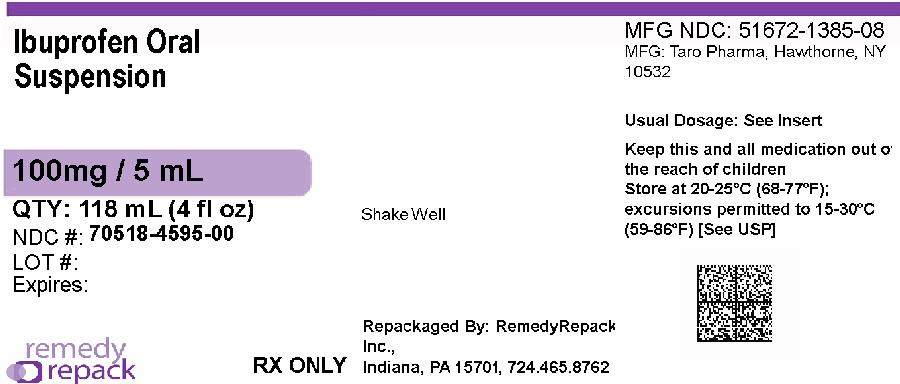
Remedy_label (Remedy Label)
* Please review the disclaimer below.
