Enilloring
Product Images NDC 70700-156

View Photos of Packaging, Regulatory Labels, and Product Appearance

Product Visual Gallery

This gallery contains 11 technical images submitted to the FDA as part of the official labeling for Enilloring (NDC 70700-156). Unlike standard consumer photos, these assets often include clinical data figures, molecular chemical structures, and official manufacturer packaging layouts.

As provided by Xiromed, Llc, these visuals offer a comprehensive scientific overview of the product's physical and chemical identity, aiding pharmacists and researchers in product verification and study.

FDA Label Image

Carton (Enilloring Carton Label)

Carton (Enilloring Carton Label)
The packaging label for EnilloRing, a vaginal ring contraceptive containing etonogestrel and ethinyl estradiol. The label states it delivers 0.120 mg/0.015 mg per day and contains 3 rings. Manufactured by Xiromed, LLC, the label includes storage instructions to refrigerate and warnings for vaginal use. The label also features barcodes and product identifiers.*
FDA Label Image

Structure (Enilloring Chemical Structure)

Structure (Enilloring Chemical Structure)
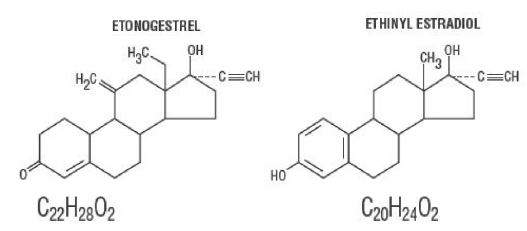
Chemical structure diagrams of the active ingredients etonogestrel and ethinyl estradiol, showing their molecular formulas C22H28O2 and C20H24O2 respectively, associated with the EnilloRing vaginal ring.*
FDA Label Image

Image Description (Enilloring Figure 1)

Image Description (Enilloring Figure 1)
Horizontal bar chart depicting the number of women with a blood clot per 10,000 woman-years (WY) for four groups: Non-CHC user, non-pregnant; CHC user; pregnancy; and postpartum (12 weeks only). Each bar shows a range of clot incidences, increasing from non-CHC users (1 to 5) to postpartum women (40 to 65).*
FDA Label Image

Enilloring-chart (Enilloring Figure 2)

Enilloring-chart (Enilloring Figure 2)
A forest plot chart comparing effect estimates from multiple studies on oral contraceptive use, separated into groups 'Ever COC vs. Never COC Use' and 'Current COC use vs. Never-Use.' The horizontal axis shows effect estimates ranging from -1.50 to 2.00, with each study represented by a point estimate and confidence intervals plotted horizontally. Studies include NICHD Women’s Care Study, French E3N cohort Study, and others, displaying odds ratios (OR), relative risks (RR), and hazard ratios (HR) with their confidence intervals.*
FDA Label Image

Image Description (Enilloring Figure 3)

Image Description (Enilloring Figure 3)
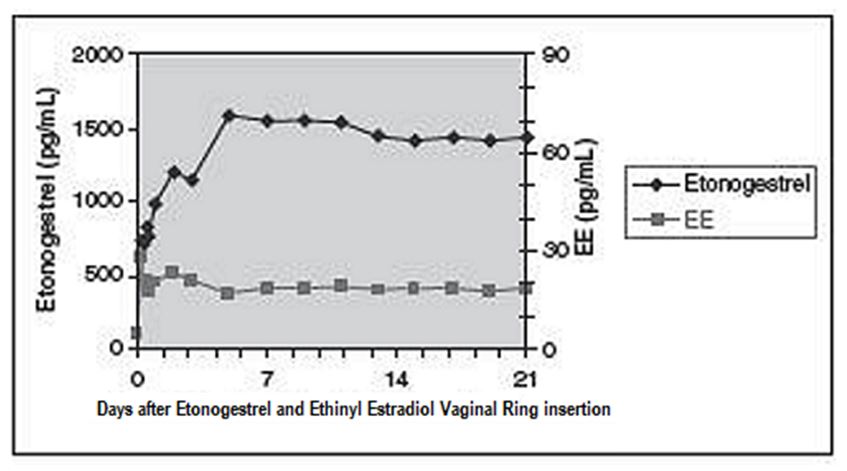
A line graph showing plasma concentrations of Etonogestrel and Ethinyl Estradiol (EE) over 21 days after insertion of the Etonogestrel and Ethinyl Estradiol Vaginal Ring. Etonogestrel levels (pg/mL) rise sharply and plateau around 1500 pg/mL, while Ethinyl Estradiol levels remain steady around 400 pg/mL. Time is shown in days on the x-axis; concentration in pg/mL on the y-axes.*
FDA Label Image

Fig-1b (Enilloring Figure 4)

Fig-1b (Enilloring Figure 4)
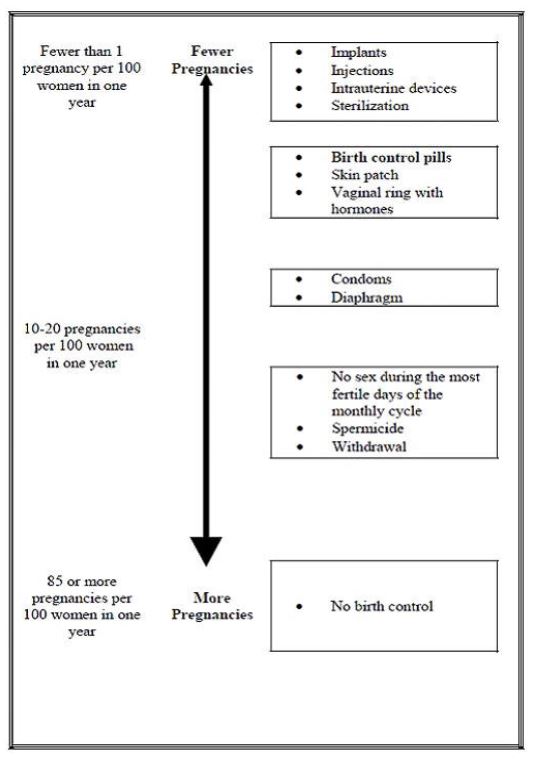
Diagram illustrating pregnancy rates per 100 women in one year related to different birth control methods. It ranks methods from fewer than 1 pregnancy per 100 women (implants, injections, intrauterine devices, sterilization) to 85 or more pregnancies per 100 women (no birth control), with intermediate rates for birth control pills, skin patch, vaginal ring with hormones, condoms, diaphragm, and behavioral methods.*
FDA Label Image

Enilloring-barchart 2 (Enilloring Figure 5)

Enilloring-barchart 2 (Enilloring Figure 5)
A bar chart depicting the estimated number of women with a blood clot out of 10,000 woman-years, categorized by Non-CHC User Non-Pregnant, CHC User, Pregnancy, and Postpartum (12 weeks only). The ranges increase from 1 to 5 for Non-CHC users up to 40 to 65 for postpartum women, showing relative clot risks across these groups.*
FDA Label Image

Image Description (Enilloring Figure 6)

Image Description (Enilloring Figure 6)
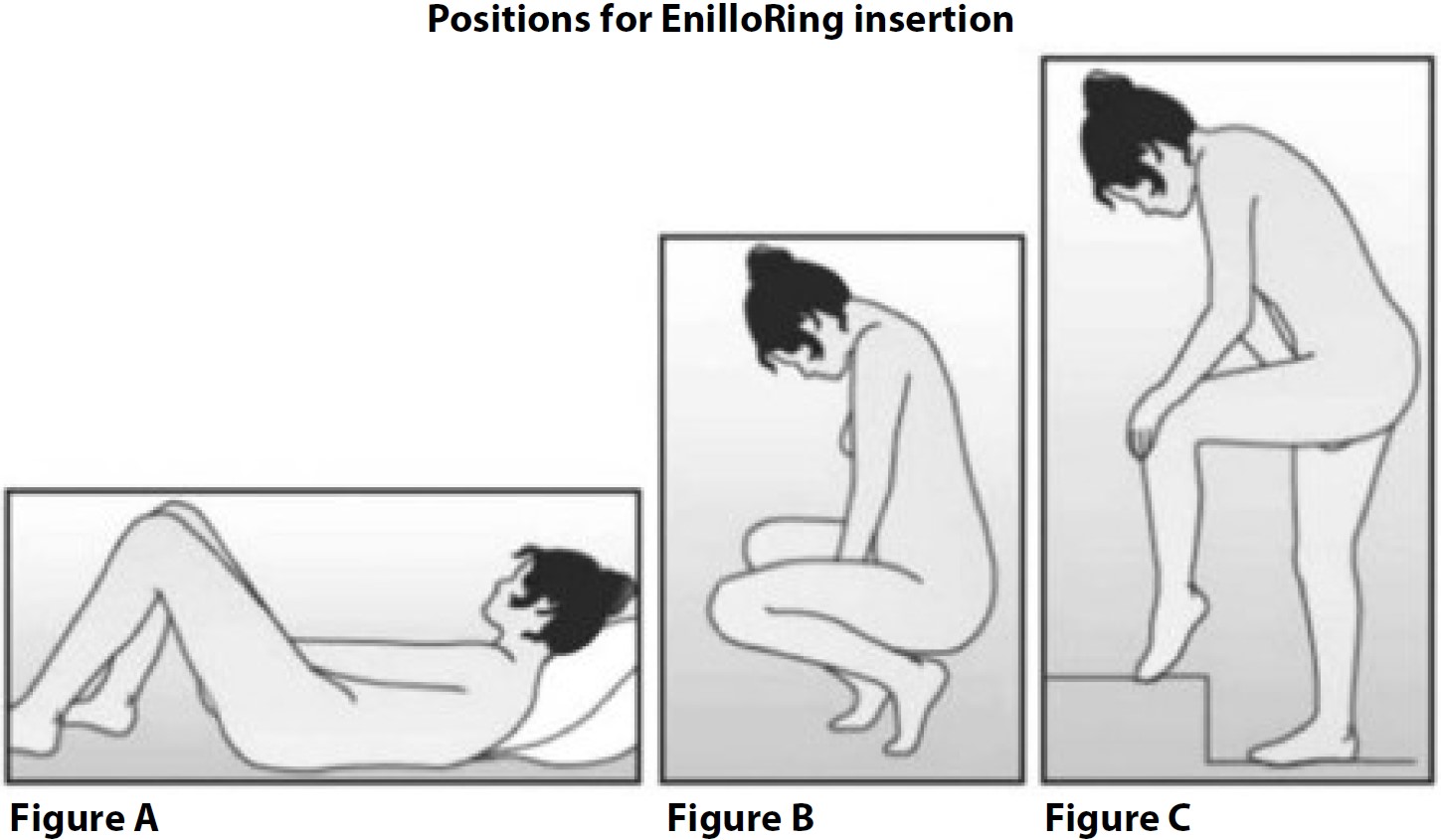
Illustration showing three different body positions for EnilloRing vaginal ring insertion. Figure A depicts a person lying on their back with knees bent. Figure B shows a person in a squatting position. Figure C illustrates a person standing and resting one foot on a raised surface, leaning forward slightly.*
FDA Label Image

Image Description (Enilloring Figure 7)

Image Description (Enilloring Figure 7)
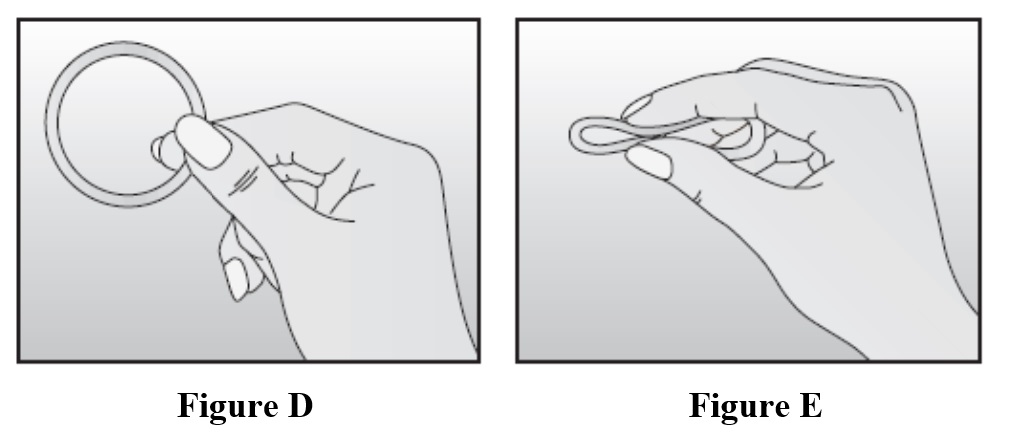
Two black and white instructional illustrations labeled Figure D and Figure E show a hand holding a vaginal ring. Figure D depicts the ring being held with the thumb and index finger gripping the ring's outer edge. Figure E shows a hand pinching the vaginal ring into a narrower, elongated shape between the thumb and index finger, demonstrating how to fold it for insertion.*
FDA Label Image

Image Description (Enilloring Figure 8)

Image Description (Enilloring Figure 8)
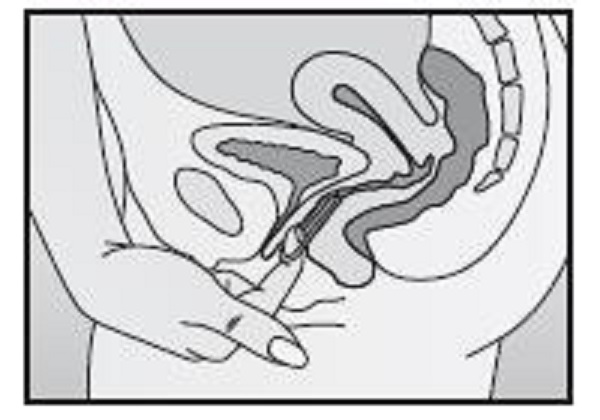
An anatomical illustration showing a side view of female pelvic organs and a hand inserting a vaginal ring. The diagram highlights the placement of the vaginal ring inside the vaginal canal near the cervix.*
FDA Label Image

Image Description (Enilloring Figure 9)

Image Description (Enilloring Figure 9)
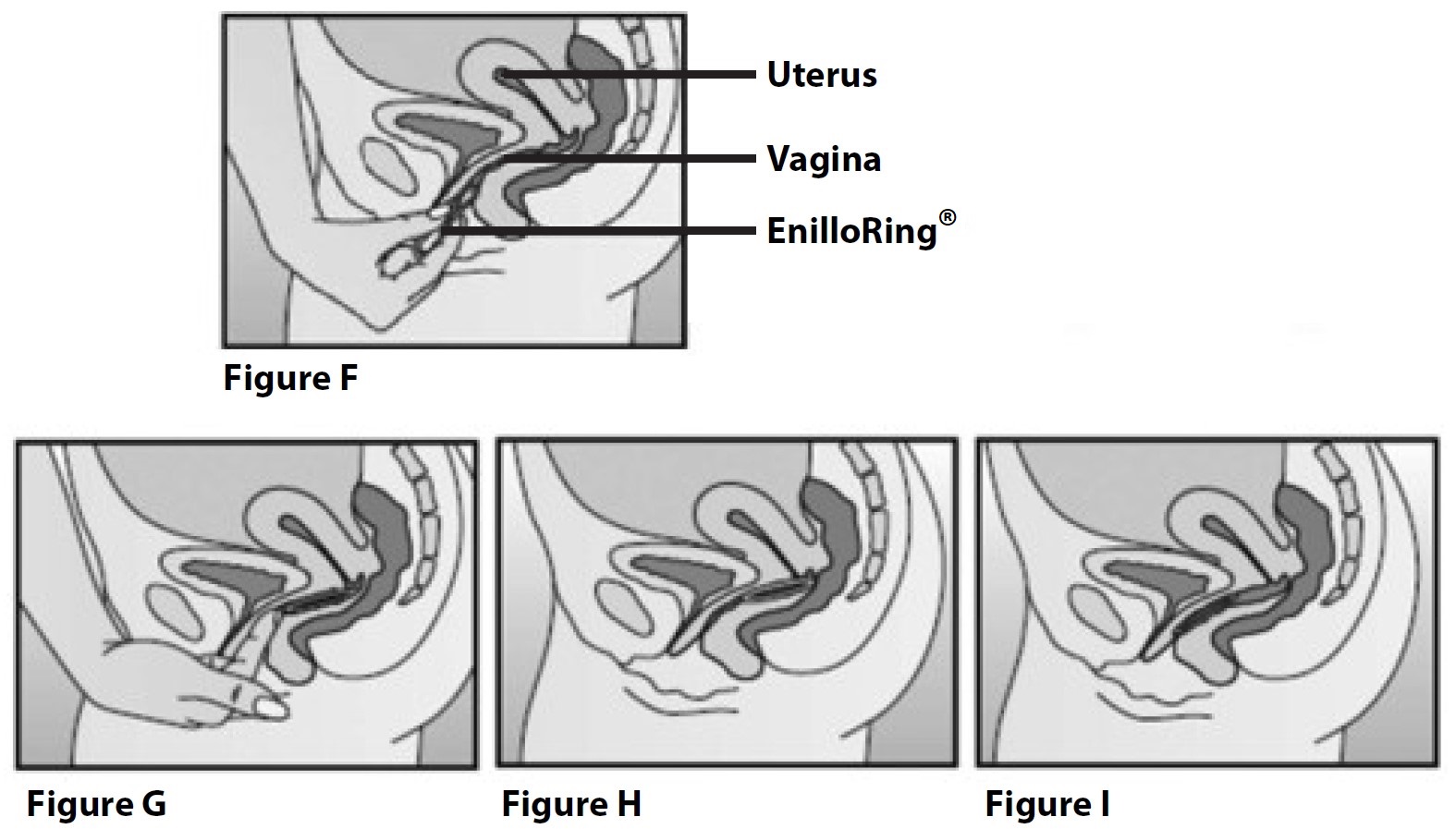
Illustrations show the placement of the EnilloRing vaginal ring within the female reproductive system. Figure F labels the uterus, vagina, and EnilloRing in situ. Figures G, H, and I depict steps for inserting the EnilloRing into the vagina, demonstrating correct placement near the cervix.*

* About these descriptions: Image descriptions on this page are generated by automated AI analysis of the product label images from the manufacturer's FDA label submission (SPL). They are provided for reference only and may contain errors or omissions. Always rely on the printed label itself and the official FDA labeling, and consult a pharmacist or healthcare professional with any questions about this product.