Cavhanza Tablet, Orally Disintegrating
FDA Label NDC 70709-191

Full FDA labeling including Indications, Dosage, Usage, and Precautions

Structured Product Label

The following Structured Product Label (SPL) was submitted to the FDA by Cycle Pharmaceuticals Ltd for the product Cavhanza (NDC 70709-191). This document serves as the official prescribing information, containing essential scientific data and clinical materials required for healthcare providers and patients.

This specific version of the label includes detailed information regarding warning: qt prolongation and sudden deaths, 1 indications and usage, 1.1 adult patients with newly diagnosed ph+ cml-cp, 1.2 adult patients with resistant or intolerant ph+ cml-cp and cml-ap, 2 dosage and administration, 2.1 important use and administration instructions, 2.2 recommended dosage and administration, 2.3 discontinuation of treatment after a sustained molecular response (mr4.5) on cavhanza, and other regulatory disclosures. Use the navigation below to review specific sections of the FDA submission.

Label Section Quick Index

Warning: Qt Prolongation And Sudden Deaths

  • Nilotinib prolongs the QT interval. Prior to CAVHANZA administration and periodically, monitor for hypokalemia or hypomagnesemia and correct deficiencies [see Warnings and Precautions (5.3)]. Obtain ECGs to monitor the QTc at baseline, seven days after initiation, and periodically thereafter, and following any dose adjustments [see Warnings and Precautions (5.3, 5.4, 5.8, 5.12)].
  • Sudden deaths have been reported in patients receiving nilotinib [see Warnings and Precautions (5.4)]. Do not administer CAVHANZA to patients with hypokalemia, hypomagnesemia, or long QT syndrome [see Contraindications (4), Warnings and Precautions (5.3)].
  • Avoid use of concomitant drugs known to prolong the QT interval and strong CYP3A4 inhibitors [see Drug Interactions (7.1, 7.2)].

1 Indications And Usage

1.1 Adult Patients With Newly Diagnosed Ph+ Cml-Cp

CAVHANZA is indicated for the treatment of adult patients with newly diagnosed Philadelphia chromosome positive chronic myeloid leukemia (Ph+ CML) in chronic phase.

1.2 Adult Patients With Resistant Or Intolerant Ph+ Cml-Cp And Cml-Ap

CAVHANZA is indicated for the treatment of adult patients with chronic phase and accelerated phase Philadelphia chromosome positive chronic myelogenous leukemia (Ph+ CML) resistant or intolerant to prior therapy that included imatinib.

Additional pediatric use information is approved for Novartis Pharmaceuticals Corporation’s TASIGNA (nilotinib) capsules. However, due to Novartis Pharmaceuticals Corporation’s marketing exclusivity rights, this drug product is not labeled with that pediatric information

2 Dosage And Administration

2.1 Important Use And Administration Instructions

  • Nilotinib is available in different formulations, dosage forms, and strengths that are approved with different indications and recommended dosages.
  • CAVHANZA may not be substitutable with other nilotinib products, including other nilotinib tablets, on a milligram per milligram basis; to avoid medication errors, including overdosage or underdosage, when using CAVHANZA ensure that the recommended dosage of CAVHANZA (not the recommended dosage of other nilotinib products) is prescribed [see Dosage and Administration (2.2) and Warnings and Precautions (5.1)].
  • When switching between CAVHANZA (nilotinib) orally disintegrating tablets and Tasigna (nilotinib) capsules, use the dosage conversion table [see Dosage and Administration (2.2)].

Dosage in Adult Patients with Newly Diagnosed Ph+ CML-CP

The recommended dosage of CAVHANZA is 120 mg orally twice daily at approximately 12-hour intervals with or without food [see Clinical Pharmacology (12.3)].

Dosage in Adult Patients with Resistant or Intolerant Ph+ CML-CP and CML-AP

The recommended dosage of CAVHANZA is 160 mg orally twice daily at approximately 12-hour intervals with or without food [see Clinical Pharmacology (12.3)].

Additional Administration Instructions

  • Use dry hands when opening the bottle and handling tablets.
  • Place the tablet(s) on top of the tongue and allow to disintegrate, then swallow with saliva. Administration with liquid is not necessary.
  • CAVHANZA may also be chewed prior to swallowing with saliva or swallowed intact with water. CAVHANZA should not be crushed prior to administration.
  • If a dose of CAVHANZA is missed, the patient should take the next scheduled dose at its regular time. The patient should not take two doses at the same time.
  • Switching Instructions

    Use Table 1 when switching between CAVHANZA and Tasigna based on dosage equivalence.

    Table 1: Recommendations for Switching Between CAVHANZA and Tasigna

    Approved Indications

    CAVHANZA dosage

    Tasigna dosage

    Newly diagnosed Ph+ CML-CP

    120 mg orally twice daily

    300 mg orally twice daily

    Resistant or intolerant Ph+ CML-CP and CML-AP

    160 mg orally twice daily

    400 mg orally twice daily

    Optional Concomitant Therapy

    CAVHANZA may be given in combination with hematopoietic growth factors, such as erythropoietin or G-CSF if clinically indicated. CAVHANZA may be given with hydroxyurea or anagrelide if clinically indicated.

    Additional pediatric use information is approved for Novartis Pharmaceuticals Corporation’s Tasigna (nilotinib) capsules. However, due to Novartis Pharmaceuticals Corporation’s marketing exclusivity rights, the drug product is not labeled with that pediatric information.

2.3 Discontinuation Of Treatment After A Sustained Molecular Response (Mr4.5) On Cavhanza

Patient Selection

Eligibility for Discontinuation of Treatment

Ph+ CML-CP patients with typical BCR-ABL transcripts, who have been taking CAVHANZA for a minimum of 3 years and have achieved a sustained molecular response (MR4.5, corresponding to = BCR-ABL/ABL ≤ 0.0032% IS), may be eligible for treatment discontinuation [see Clinical Studies (14.3, 14.4)]. Information on FDA authorized tests for the detection and quantitation of BCR-ABL transcripts to determine eligibility for treatment discontinuation is available at http://www.fda.gov/CompanionDiagnostics.

Patients with typical BCR-ABL transcripts (e13a2/b2a2 or e14a2/b3a2), who achieve the sustained MR4.5 criteria, are eligible for discontinuation of CAVHANZA. Patients must continue to be monitored for possible loss of molecular remission after treatment discontinuation. Use the same FDA-authorized test to consistently monitor molecular response levels while on and off treatment.

Consider discontinuation in patients with newly diagnosed Ph+ CML-CP who have:

  • been treated with nilotinib for at least 3 years
  • maintained a molecular response of at least MR4.0 (corresponding to = BCR-ABL/ABL ≤ 0.01% IS) for one year prior to discontinuation of therapy
  • achieved an MR4.5 for the last assessment taken immediately prior to discontinuation of therapy
  • been confirmed to express the typical BCR-ABL transcripts (e13a2/b2a2 or e14a2/b3a2)
  • no history of accelerated phase or blast crisis
  • no history of prior attempts of treatment-free remission discontinuation that resulted in relapse.
  • Consider discontinuation in patients with Ph+ CML-CP that are resistant or intolerant to imatinib who have achieved a sustained molecular response (MR4.5) on CAVHANZA who have:

    • been treated with nilotinib for a minimum of 3 years
    • been treated with imatinib only prior to treatment with CAVHANZA
    • achieved a molecular response of MR4.5 (corresponding to = BCR-ABL/ABL ≤ 0.0032% IS)
    • sustained an MR4.5 for a minimum of one year immediately prior to discontinuation of therapy
    • been confirmed to express the typical BCR-ABL transcripts (e13a2/b2a2 or e14a2/b3a2)
    • no history of accelerated phase or blast crisis
    • no history of prior attempts of treatment-free remission discontinuation that resulted in relapse.
    • Monitor BCR-ABL transcript levels and complete blood count (CBC) with differential in patients who have discontinued CAVHANZA therapy monthly for one year, then every 6 weeks for the second year, and every 12 weeks thereafter [see Warnings and Precautions (5.16)].

      Upon the loss of MR4.0 (corresponding to = BCR-ABL/ABL ≤ 0.01% IS) during the treatment-free phase, monitor BCR-ABL transcript levels every 2 weeks until BCR-ABL levels remain lower than major molecular response [(MMR), corresponding to MR3.0 or = BCR-ABL/ABL ≤ 0.1% IS] for 4 consecutive measurements. The patient can then proceed to the original monitoring schedule.

2.4 Reinitiation Of Treatment In Patients Who Lose Molecular Response After Discontinuation Of Therapy With Cavhanza

  • Newly diagnosed patients who lose MMR must reinitiate treatment within 4 weeks at the dose level prior to discontinuation of therapy [see Warnings and Precautions (5.16)]. Patients who reinitiate CAVHANZA therapy should have their BCR-ABL transcript levels monitored monthly until major molecular response is re-established and every 12 weeks thereafter.
  • Patients resistant or intolerant to prior treatment that included imatinib with confirmed loss of MR4.0 (2 consecutive measures separated by at least 4 weeks showing loss of MR4.0) or loss of MMR must reinitiate treatment within 4 weeks at the dose level prior to discontinuation of therapy [see Warnings and Precautions (5.16)]. Patients who reinitiate CAVHANZA therapy should have their BCR-ABL transcript levels monitored monthly until previous major molecular response or MR4.0 is re-established and every 12 weeks thereafter.

2.5 Dosage Modification For Qt Interval Prolongation

See Table 2 for dose adjustments for QT interval prolongation [see Warnings and Precautions (5.3) and Clinical Pharmacology (12.2)].

Table 2: Dosage Adjustments for Adult Patients With QT Prolongation

Diagnosis

Degree of QTc Prolongation

Dosage Adjustment

Adult patients with:

  • Newly diagnosed Ph+ CML in chronic phase receiving CAVHANZA 120 mg twice daily
  • Resistant or intolerant Ph+ CML in chronic phase or accelerated phase receiving CAVHANZA 160 mg twice daily

ECGs with a QTc greater than 480 msec

1. Withhold CAVHANZA, and perform an analysis of serum potassium and magnesium, and if below lower limit of normal, correct with supplements to within normal limits. Concomitant medication usage must be reviewed.

2. Resume within 2 weeks at prior dose if QTcF returns to less than 450 msec and to within 20 msec of baseline.

3. If QTcF is between 450 msec and 480 msec after 2 weeks, reduce the dose to 160 mg once daily in adult patients.

4. Discontinue CAVHANZA if, following dose-reduction to 160 mg once daily in adults, QTcF returns to greater than 480 msec.

5. An ECG should be repeated approximately 7 days after any dose adjustment.

Abbreviation: ECG, electrocardiogram.

2.6 Dosage Modifications For Myelosuppression

Withhold or reduce CAVHANZA dosage for hematological toxicities (neutropenia, thrombocytopenia) that are not related to underlying leukemia (Table 3) [see Warnings and Precautions (5.2)].

Table 3: Dosage Adjustments for Neutropenia and Thrombocytopenia
DiagnosisDegree of MyelosuppressionDosage Adjustment

Adult patients with:

  • Newly diagnosed Ph+ CML in chronic phase receiving CAVHANZA 120 mg twice daily
  • Resistant or intolerant Ph+ CML in chronic phase or accelerated phase receiving CAVHANZA 160 mg twice daily
ANC less than 1 x 10⁹/L and/or platelet counts less than 50 x 109/L
  • Stop CAVHANZA, and monitor blood counts.
    • Resume within 2 weeks at prior dose if ANC greater than 1 x 10⁹/L and platelets greater than 50 x 109/L.
    • If blood counts remain low for greater than 2 weeks, reduce the dose to 160 mg once daily.
Abbreviations: ANC, absolute neutrophil count; Ph+ CML, Philadelphia chromosome positive chronic myeloid leukemia.

2.7 Dosage Modifications For Selected Non-Hematologic Laboratory Abnormalities And Other Toxicities

See Table 4 for dosage adjustments for elevations of lipase, amylase, bilirubin, and/or hepatic transaminases [see Warnings and Precautions (5.6, 5.7) and Adverse Reactions (6.1)].

Table 4: Dosage Adjustments for Selected Non-Hematologic Laboratory Abnormalities

Diagnosis

Degree of Non-Hematologic Laboratory Abnormality

Dosage Adjustment

Adult patients with:

  • Newly diagnosed Ph+ CML in chronic phase receiving CAVHANZA 120 mg twice daily
  • Resistant or intolerant Ph+ CML in chronic phase or accelerated phase receiving CAVHANZA 160 mg twice daily

Elevated serum lipase or amylase greater than or equal to Grade 3

Adult patients:

  • Withhold CAVHANZA, and monitor serum lipase or amylase.
  • Resume treatment at 160 mg once daily if serum lipase or amylase returns to less than or equal to Grade 1.

Elevated bilirubin greater than or equal to Grade 3 in adult patients

Adult patients:

  • Withhold CAVHANZA, and monitor bilirubin.
  • Resume treatment at 160 mg once daily if bilirubin returns to less than or equal to Grade 1.

Elevated hepatic transaminases greater than or equal to Grade 3

Adult patients:

  • Withhold CAVHANZA and monitor hepatic transaminases.
  • Resume treatment at 160 mg once daily if hepatic transaminases return to less than or equal to Grade 1.

If clinically significant moderate or severe non-hematologic toxicity develops (including medically severe fluid retention), see Table 5 for dosage adjustments [see Adverse Reactions (6.1)].

Table 5: Dosage Adjustments for Other Non-Hematologic Toxicities

Degree of “Other Non-Hematologic Toxicity”

Dosage Adjustment

Other clinically moderate or severe non- hematologic toxicity

Adult patients:

  • Withhold CAVHANZA until toxicity has resolved.
  • Resume treatment at 160 mg once daily if previous dose was 120 mg twice daily in adult patients newly diagnosed with CML-CP or 160 mg twice daily in adult patients with resistant or intolerant CML-CP and CML-AP.
  • Discontinue treatment if the prior dose was 160 mg once daily in adult patients.
  • If clinically appropriate, consider re-escalation of the dose to 120 mg (newly diagnosed Ph+ CML-CP) or 160 mg (resistant or intolerant Ph+ CML-CP and CML- AP) twice daily.

Abbreviations: CML-AP, chronic myeloid leukemia-accelerated phase; CML-CP, chronic myeloid leukemia-chronic phase; Ph+, Philadelphia chromosome positive.

If possible, consider alternative therapies. If CAVHANZA must be administered to patients with hepatic impairment, the recommended CAVHANZA dosage is provided in Table 6. [see Use in Specific Populations (8.7)]:

Table 6: Recommended CAVHANZA Dosage in Patients with Hepatic Impairment

Diagnosis

Degree of Hepatic Impairment

Dosage Adjustment

Adult patients with newly diagnosed Ph+ CML in chronic phase receiving CAVHANZA 120 mg twice daily

Mild (Child-Pugh A), Moderate (Child-Pugh B), or Severe (Child-Pugh C)

Reduce CAVHANZA dosage to 80 mg twice daily. Increase CAVHANZA dosage to 120 mg twice daily based on tolerability.

Adult patients with resistant or intolerant Ph+ CML in chronic phase or accelerated phase receiving CAVHANZA 160 mg twice daily

Mild or Moderate

Reduce CAVHANZA dosage to 120 mg twice daily. Increase CAVHANZA dosage to 160 mg twice daily based on tolerability.

Severe

Reduce CAVHANZA dosage to 80 mg twice daily. Increase CAVHANZA dosage to 120 mg twice daily and then to 160 mg twice daily based on tolerability.

2.9 Dosage Modification With Concomitant Strong Cyp3a4 Inhibitors

Avoid the concomitant use of strong CYP3A4 inhibitors. Should treatment with any of these agents be required, interrupt therapy with CAVHANZA.

If concomitant use is required, reduce CAVHANZA dosage to 120 mg once daily in patients with resistant or intolerant Ph+ CML or to 80 mg once daily in patients with newly diagnosed Ph+ CML-CP. If the strong inhibitor is discontinued, allow a washout period of 5 half-lives before adjusting CAVHANZA dose upward to the indicated dose. For patients who cannot avoid use of strong CYP3A4 inhibitors, monitor closely for prolongation of the QT interval [see Boxed Warning, Warnings and Precautions (5.3), Drug Interactions (7.1, 7.2), Clinical Pharmacology (12.3)].

3 Dosage Forms And Strengths

Orally disintegrating tablets:

  • 60 mg strength: white to tan, round, debossed on one side with “15” over “5”
  • 80 mg strength: white to tan, round, debossed on one side with “15” over “7”

4 Contraindications

CAVHANZA is contraindicated in patients with hypokalemia, hypomagnesemia, or long QT syndrome [see Boxed Warning and Warnings and Precautions (5.3)].

5 Warnings And Precautions

5.1 Substitution With Other Nilotinib Products And Risk Of Medication Errors

Nilotinib is available in different formulations, recommended dosages, and strengths, and for different indications. CAVHANZA (nilotinib) orally disintegrating tablets may not be substitutable with other nilotinib products, including other nilotinib tablets, on a milligram per milligram basis. When switching patients between other nilotinib products and CAVHANZA (nilotinib) orally disintegrating tablets, a dose conversion is required [see Dosage and Administration (2.1 and 2.2)]. Substitution of CAVHANZA (nilotinib) orally disintegrating tablets for another nilotinib product to achieve the same daily nilotinib dosage on a milligram per milligram basis may result in a clinically significant:

  • Increase in nilotinib exposure which may increase the risk of nilotinib-associated adverse reactions.
  • Decrease in nilotinib exposure which may reduce CAVHANZA effectiveness.
  • Confirm that the intended nilotinib product is being prescribed and dispensed.

5.2 Myelosuppression

Treatment with CAVHANZA can cause Grade 3/4 thrombocytopenia, neutropenia, and anemia. Perform CBCs every 2 weeks for the first 2 months and then monthly thereafter, or as clinically indicated. Myelosuppression was generally reversible and usually managed by withholding CAVHANZA temporarily or dose reduction [see Dosage and Administration (2.6)].

5.3 Qt Prolongation

Nilotinib has been shown to prolong cardiac ventricular repolarization as measured by the QT interval on the surface electrocardiogram (ECG) in a concentration-dependent manner [see Adverse Reactions (6.1), Clinical Pharmacology (12.2)]. Prolongation of the QT interval can result in a type of ventricular tachycardia called torsade de pointes, which may result in syncope, seizure, and/or death. Electrocardiograms should be performed at baseline, 7 days after initiation of CAVHANZA, and periodically as clinically indicated and following dose adjustments [see Dosage and Administration (2.5) and Warnings and Precautions (5.12)].

CAVHANZA should not be used in patients who have hypokalemia, hypomagnesemia, or long QT syndrome. Before initiating CAVHANZA and periodically, test electrolyte, calcium, and magnesium blood levels. Hypokalemia or hypomagnesemia must be corrected prior to initiating CAVHANZA and these electrolytes should be monitored periodically during therapy [see Warnings and Precautions (5.12)].

Significant prolongation of the QT interval may occur when CAVHANZA is inappropriately taken with strong CYP3A4 inhibitors and/or medicinal products with a known potential to prolong QT. Therefore, avoid concomitant CAVHANZA use with strong CYP3A4 inhibitors and/or medicinal products with a known potential to prolong QT [see Dosage and Administration (2.9), Drug Interactions (7.1, 7.2)]. The presence of hypokalemia and hypomagnesemia may further prolong the QT interval [see Warnings and Precautions (5.8, 5.12)].

5.4 Sudden Deaths

Sudden deaths have been reported in 0.3% of patients with CML treated with nilotinib in clinical studies of 5661 patients. The relative early occurrence of some of these deaths relative to the initiation of nilotinib suggests the possibility that ventricular repolarization abnormalities may have contributed to their occurrence.

5.5 Cardiac And Arterial Vascular Occlusive Events

Cardiovascular events, including arterial vascular occlusive events, were reported in a randomized, clinical trial in newly diagnosed CML patients and observed in the postmarketing reports of patients receiving nilotinib therapy [see Adverse Reactions (6.1)]. With a median time on therapy of 60 months in the clinical trial, cardiovascular events, including arterial vascular occlusive events, occurred in 9% and 15% of patients in the nilotinib dosages equivalent to 120 mg and 160 mg of CAVHANZA twice daily, respectively, and in 3.2% in the imatinib arm. These included cases of cardiovascular events, including ischemic heart disease-related cardiac events (5% and 9% in the nilotinib dosages equivalent to 120 mg and 160 mg of CAVHANZA twice daily, respectively and 2.5% in the imatinib arm), peripheral arterial occlusive disease (3.6% and 2.9% in the nilotinib dosages equivalent to 120 mg and 160 mg of CAVHANZA twice daily, respectively and 0% in the imatinib arm), and ischemic cerebrovascular events (1.4% and 3.2% in the nilotinib dosages equivalent to 120 mg and 160 mg of CAVHANZA twice daily, respectively and 0.7% in the imatinib arm). If acute signs or symptoms of cardiovascular events occur, advise patients to seek immediate medical attention. The cardiovascular status of patients should be evaluated, and cardiovascular risk factors should be monitored and actively managed during CAVHANZA therapy according to standard guidelines [see Dosage and Administration (2.5)].

5.6 Pancreatitis And Elevated Serum Lipase

Nilotinib can cause increases in serum lipase [see Adverse Reactions (6.1)]. Patients with a previous history of pancreatitis may be at greater risk of elevated serum lipase. If lipase elevations are accompanied by abdominal symptoms, interrupt dosing and consider appropriate diagnostics to exclude pancreatitis [see Dosage and Administration (2.7)]. Test serum lipase levels monthly or as clinically indicated.

5.7 Hepatotoxicity

Nilotinib may result in hepatotoxicity as measured by elevations in bilirubin, aspartate aminotransferase (AST), alanine aminotransferase (ALT), and alkaline phosphatase. Grade 3-4 elevations of bilirubin, AST, and ALT were reported in adult patients. Grade 3-4 elevations of bilirubin, AST, and ALT were reported at a higher frequency in pediatric than in adult patients. Monitor hepatic function tests monthly or as clinically indicated [see Warnings and Precautions (5.12)] and following dose adjustments [see Dosage and Administration (2.8)].

5.8 Electrolyte Abnormalities

The use of nilotinib can cause hypophosphatemia, hypokalemia, hyperkalemia, hypocalcemia, and hyponatremia. Correct electrolyte abnormalities prior to initiating CAVHANZA and during therapy. Monitor these electrolytes periodically during therapy [see Warnings and Precautions (5.12)].

5.9 Tumor Lysis Syndrome

Tumor lysis syndrome (TLS) cases have been reported in nilotinib treated patients with resistant or intolerant CML. Malignant disease progression, high white blood cell (WBC) counts and/or dehydration were present in the majority of these cases. Due to potential for TLS, maintain adequate hydration and correct uric acid levels prior to initiating therapy with CAVHANZA.

5.10 Hemorrhage

Serious hemorrhagic events, including fatal events, have occurred in patients with CML treated with nilotinib. In a randomized trial in patients with newly diagnosed Ph+ CML in chronic phase comparing nilotinib and imatinib, Grade 3 or 4 hemorrhage occurred in 1.1% of patients in the nilotinib dosage equivalent to 120 mg of CAVHANZA twice daily arm, in 1.8% of patients in the nilotinib dosage equivalent to 160 mg of CAVHANZA twice daily arm, and 0.4% of patients in the imatinib arm. GI hemorrhage occurred in 2.9% and 5% of patients in the nilotinib dosage equivalent to 120 mg and 160 mg of CAVHANZA twice daily arms and in 1.4% of patients in the imatinib arm, respectively. Grade 3 or 4 events occurred in 0.7% and 1.4% of patients in the nilotinib dosage equivalent to 120 mg and 160 mg of CAVHANZA twice daily arms, respectively, and in no patients in the imatinib arm. Monitor for signs and symptoms of bleeding and medically manage as needed.

5.11 Total Gastrectomy

Since the exposure of nilotinib is reduced in patients with total gastrectomy, perform more frequent monitoring of these patients. Consider dose increase or alternative therapy in patients with total gastrectomy [see Clinical Pharmacology (12.3)].

5.12 Monitoring Laboratory Tests

Complete blood counts should be performed every 2 weeks for the first 2 months and then monthly thereafter. Perform chemistry panels, including electrolytes, calcium, magnesium, liver enzymes, lipid profile, and glucose prior to therapy and periodically. Electrocardiograms should be obtained at baseline, 7 days after initiation and periodically thereafter, as well as following dose adjustments [see Warnings and Precautions (5.3)]. Monitor lipid profiles and glucose periodically during the first year of CAVHANZA therapy and at least yearly during chronic therapy. Should treatment with any HMG-CoA reductase inhibitor (a lipid lowering agent) be needed to treat lipid elevations, evaluate the potential for a drug-drug interaction before initiating therapy as certain HMG-CoA reductase inhibitors are metabolized by the CYP3A4 pathway [see Drug Interactions (7.1)]. Assess glucose levels before initiating treatment with CAVHANZA and monitor during treatment as clinically indicated. If test results warrant therapy, physicians should follow their local standards of practice and treatment guidelines.

5.13 Fluid Retention

In the randomized trial in patients with newly diagnosed Ph+ CML in chronic phase, severe (Grade 3 or 4) fluid retention occurred in 3.9% and 2.9% of patients receiving nilotinib dosage equivalent to 120 mg and 160 mg CAVHANZA twice daily, respectively, and in 2.5% of patients receiving imatinib. Effusions (including pleural effusion, pericardial effusion, ascites) or pulmonary edema, were observed in 2.2% and 1.1% of patients receiving the nilotinib dosage equivalent to 120 mg and 160 mg of CAVHANZA twice daily, respectively, and in 2.1% of patients receiving imatinib. Effusions were severe (Grade 3 or 4) in 0.7% and 0.4% of patients receiving the nilotinib dosage equivalent to 120 mg and 160 mg of CAVHANZA twice daily, respectively, and in no patients receiving imatinib. Similar events were also observed in postmarketing reports. Monitor patients for signs of severe fluid retention (e.g., unexpected rapid weight gain or swelling) and for symptoms of respiratory or cardiac compromise (e.g., shortness of breath) during CAVHANZA treatment; evaluate etiology and treat patients accordingly.

5.14 Effects On Growth And Development In Pediatric Patients

Growth retardation has been reported in pediatric patients treated with nilotinib. Growth deceleration was more pronounced in children who were less than age 12 at baseline. Monitor growth and development in pediatric patients receiving nilotinib treatment.

5.15 Embryo-Fetal Toxicity

Based on findings from animal studies and its mechanism of action, CAVHANZA can cause fetal harm when administered to a pregnant woman. In animal reproduction studies, administration of nilotinib to pregnant rats and rabbits during organogenesis caused adverse developmental outcomes, including embryo-fetal lethality/fetal effects (small renal papilla, fetal edema, and skeletal variations) in rats and increased resorptions of fetuses and fetal skeletal variations in rabbits at maternal area under the curve (AUCs) approximately 2 and
0.5 times, respectively, the AUC in patients receiving the recommended dose.

Advise pregnant women of the potential risk to a fetus. Advise females of reproductive potential to use effective contraception during treatment and for 14 days after the last dose [see Use in Specific Populations (8.1, 8.3), Clinical Pharmacology (12.1)].

5.16 Monitoring Of Bcr-Abl Transcript Levels

Monitoring of BCR-ABL Transcript Levels in Patients Who Discontinued Nilotinib

Monitor BCR-ABL transcript levels in patients eligible for treatment discontinuation using an FDA authorized test validated to measure molecular response levels with a sensitivity of at least MR4.5 (BCR-ABL/ABL ≤ 0.0032% IS). In patients who discontinue CAVHANZA therapy, assess BCR-ABL transcript levels monthly for one year, then every 6 weeks for the second year, and every 12 weeks thereafter during treatment discontinuation [see Clinical Studies (14.3,14.4), Dosage and Administration (2.3)].

Newly diagnosed patients must reinitiate CAVHANZA therapy within 4 weeks of a loss of major molecular response [(MMR), corresponding to MR3.0 or = BCR-ABL/ABL ≤ 0.1% IS].

Patients resistant or intolerant to prior treatment which included imatinib must reinitiate CAVHANZA therapy within 4 weeks of a loss of MMR or confirmed loss of MR4.0 (two consecutive measures separated by at least 4 weeks showing loss of MR4.0, corresponding to = BCR-ABL/ABL ≤ 0.01% IS).

For patients who fail to achieve MMR after three months of treatment reinitiation, BCR-ABL kinase domain mutation testing should be performed.

Monitoring of BCR-ABL Transcript Levels in Patients Who Have Reinitiated Therapy After Loss of Molecular Response

Monitor CBC and BCR-ABL transcripts in patients who reinitiate treatment with CAVHANZA due to loss of molecular response quantitation every 4 weeks until a major molecular response is re-established, then every 12 weeks. [see Dosage and Administration (2.4)].

6 Adverse Reactions

The following clinically significant adverse reactions can occur with CAVHANZA and are discussed in greater detail in other sections of labeling:

  • Myelosuppression [see Warnings and Precautions (5.2)]
  • QT Prolongation [see Boxed Warning, Warnings and Precautions (5.3)]
  • Sudden Deaths [see Boxed Warning, Warnings and Precautions (5.4)]
  • Cardiac and Arterial Vascular Occlusive Events [see Warnings and Precautions (5.5)]
  • Pancreatitis and Elevated Serum Lipase [see Warnings and Precautions (5.6)]
  • Hepatotoxicity [see Warnings and Precautions (5.7)]
  • Electrolyte Abnormalities [see Boxed Warning, Warnings and Precautions (5.8)]
  • Hemorrhage [see Warnings and Precautions (5.10)]
  • Fluid Retention [see Warnings and Precautions (5.13)]

6.1 Clinical Trials Experience

Because clinical trials are conducted under widely varying conditions, adverse reaction rates observed in the clinical trials of a drug cannot be directly compared to rates in the clinical trials of another drug and may not reflect the rates observed in practice.

The safety of CAVHANZA (nilotinib) orally disintegrating tablets has been established from adequate and well-controlled studies of Tasigna® (nilotinib) capsules, which has different recommended dosages than CAVHANZA, in adult patients with newly diagnosed Philadelphia chromosome positive chronic myeloid leukemia (Ph+ CML) in chronic phase (CP) and adult patients with CP and accelerated phase (AP) Ph+ CML resistant to or intolerant to prior therapy that included imatinib [see Clinical Studies (14)]. Below is a display of the adverse reactions of Tasigna® (nilotinib) capsules in these adequate and well-controlled studies.

In Adult Patients with Newly Diagnosed Ph+ CML-CP

The data below reflect exposure to nilotinib from a randomized trial in patients with newly diagnosed Ph+ CML in chronic phase treated at the equivalent recommended dosage of 120 mg of CAVHANZA twice daily (n = 279). The median time on treatment at the equivalent recommended dosage of 120 mg of CAVHANZA twice daily group was 61 months (range, 0.1 to 71 months).

The most common (greater than 10%) non-hematologic adverse drug reactions were rash, pruritus, headache, nausea, fatigue, alopecia, myalgia, and upper abdominal pain. Constipation, diarrhea, dry skin, muscle spasms, arthralgia, abdominal pain, peripheral edema, vomiting, and asthenia were observed less commonly (less than or equal to 10% and greater than 5%).

Increase in QTcF greater than 60 msec from baseline was observed in 1 patient (0.4%) at the equivalent recommended dosage of 120 mg of CAVHANZA twice daily treatment group. No patient had an absolute QTcF of greater than 500 msec while on study drug.

The most common hematologic adverse drug reactions (all Grades) were myelosuppression, including: thrombocytopenia (18%), neutropenia (15%), and anemia (8%). See Table 10 for Grade 3/4 laboratory abnormalities.

Discontinuation due to adverse reactions, regardless of relationship to study drug, was observed in 10% of patients.

In Adult Patients With Resistant or Intolerant Ph+ CML-CP and CML-AP

In the single-arm, open-label multicenter clinical trial, a total of 458 patients with Ph+ CML-CP and CML-AP resistant to or intolerant to at least one prior therapy, including imatinib were treated (CML-CP = 321; CML-AP = 137) at the equivalent recommended dosage of 160 mg of CAVHANZA twice daily.

The median duration of exposure in days for CML-CP and CML-AP patients is 561 (range, 1 to 1096) and 264 (range, 2 to 1160), respectively.

The median cumulative duration in days of dose interruptions for the CML-CP patients was 20 (range, 1 to 345), and the median duration in days of dose interruptions for the CML-AP patients was 23 (range, 1 to 234).

In patients with CML-CP, the most commonly reported non-hematologic adverse drug reactions (greater than or equal to 10%) were rash, pruritus, nausea, fatigue, headache, constipation, diarrhea, vomiting, and myalgia. The common serious drug-related adverse reactions (greater than or equal to 1% and less than 10%) were thrombocytopenia, neutropenia, and anemia.

In patients with CML-AP, the most commonly reported non-hematologic adverse drug reactions (greater than or equal to 10%) were rash, pruritus and fatigue. The common serious adverse drug reactions (greater than or equal to 1% and less than 10%) were thrombocytopenia, neutropenia, febrile neutropenia, pneumonia, leukopenia, intracranial hemorrhage, elevated lipase, and pyrexia.

Sudden deaths and QT prolongation were reported. The maximum mean QTcF change from baseline at steady- state was 10 msec. Increase in QTcF greater than 60 msec from baseline was observed in 4.1% of the patients and QTcF of greater than 500 msec was observed in 4 patients (less than 1%) [see Boxed Warning, Warnings and Precautions (5.3, 5.4), Clinical Pharmacology (12.2)].

Discontinuation due to adverse drug reactions was observed in 16% of CML-CP and 10% of CML-AP patients.

Most Frequently Reported Adverse Reactions

Tables 7 and 8 show the percentage of adult patients experiencing non-hematologic adverse reactions (excluding laboratory abnormalities) regardless of relationship to study drug. Adverse reactions reported in greater than 10% of adult patients who received at least 1 dose of nilotinib are listed.

Table 7: Most Frequently Reported Non-Hematologic Adverse Reactions (Regardless of Relationship to Study Drug) in Adult Patients With Newly Diagnosed Ph+ CML-CP (≥10% in nilotinib 300 mg twice daily* or imatinib 400 mg once daily groups) 60-Month Analysisa

Patients With Newly Diagnosed Ph+ CML-CP

nilotinib
300 mg

Twice Daily

imatinib
400 mg

Once Daily

nilotinib
300 mg

Twice Daily

imatinib
400 mg

Once Daily

N = 279

N = 280

N = 279

N = 280

Body System and Adverse Reaction

All Grades (%)

CTC Gradesb 3/4 (%)

Skin and subcutaneous tissue disorders

Rash

38

19

< 1

2

Pruritus

21

7

< 1

0

Alopecia

13

7

0

0

Dry skin

12

6

0

0

Gastrointestinal disorders

Nausea

22

41

2

2

Constipation

20

8

< 1

0

Diarrhea

19

46

1

4

Vomiting

15

27

< 1

< 1

Abdominal pain upper

18

14

1

< 1

Abdominal pain

15

12

2

0

Dyspepsia

10

12

0

0

Nervous system disorders

Headache

32

23

3

< 1

Dizziness

12

11

< 1

< 1

General disorders and administration-site conditions

Fatigue

23

20

1

1

Pyrexia

14

13

< 1

0

Asthenia

14

12

< 1

0

Peripheral edema

9

20

< 1

0

Face edema

< 1

14

0

< 1

Musculoskeletal and connective tissue disorders

Myalgia

19

19

< 1

< 1

Arthralgia

22

17

< 1

< 1

Muscle spasms

12

34

0

1

Pain in extremity

15

16

< 1

< 1

Back pain

19

17

1

1

Respiratory, thoracic, and mediastinal disorders

Cough

17

13

0

0

Oropharyngeal pain

12

6

0

0

Dyspnea

11

6

2

< 1

Infections and infestations

Nasopharyngitis

27

21

0

0

Upper respiratory tract infection

17

14

< 1

0

Influenza

13

9

0

0

Gastroenteritis

7

10

0

< 1

Eye disorders

Eyelid edema

1

19

0

< 1

Periorbital edema

< 1

15

0

0

Psychiatric disorders

Insomnia

11

9

0

0

Vascular disorder

Hypertension

10

4

1

< 1

Abbreviations: CML-CP, chronic myeloid leukemia-chronic phase; Ph+, Philadelphia chromosome positive.
aExcluding laboratory abnormalities.
bNCI Common Terminology Criteria (CTC) for Adverse Events, version 3.0.
* Equivalent to the recommended dosage of CAVHANZA 120 mg twice daily

Table 8: Most Frequently Reported Non-Hematologic Adverse Reactions in Adult Patients with Resistant or Intolerant Ph+ CML Receiving Nilotinib 400 mg Twice Daily* (regardless of relationship to study drug) (greater than or equal to 10% in any group) 24-Month Analysisa

Body System and Adverse Reaction

CML-CP

CML-AP

N = 321

N = 137

All Grades (%)

CTC Gradesb 3/4 (%)

All Grades (%)

CTC Gradesb 3/4 (%)

Skin and subcutaneous tissue disorders

Rash

36

2

29

0

Pruritus

32

< 1

20

0

Night sweat

12

< 1

27

0

Alopecia

11

0

12

0

Gastrointestinal disorders

Nausea

37

1

22

< 1

Constipation

26

< 1

19

0

Diarrhea

28

3

24

2

Vomiting

29

< 1

13

0

Abdominal pain

15

2

16

3

Abdominal pain upper

14

< 1

12

< 1

Dyspepsia

10

< 1

4

0

Nervous system disorders

Headache

35

2

20

1

General disorders and administration-site conditions

Fatigue

32

3

23

< 1

Pyrexia

22

< 1

28

2

Asthenia

16

0

14

1

Peripheral edema

15

< 1

12

0

Musculoskeletal and connective tissue disorders

Myalgia

19

2

16

< 1

Arthralgia

26

2

16

0

Muscle spasms

13

< 1

15

0

Bone pain

14

< 1

15

2

Pain in extremity

20

2

18

1

Back pain

17

2

15

< 1

Musculoskeletal pain

11

< 1

12

1

Respiratory, thoracic, and mediastinal disorders

Cough

27

< 1

18

0

Dyspnea

15

2

9

2

Oropharyngeal pain

11

0

7

0

Infections and infestations

Nasopharyngitis

24

< 1

15

0

Upper respiratory tract infection

12

0

10

0

Metabolism and nutrition disorders

Decreased appetitec

15

< 1

17

< 1

Psychiatric disorders

Insomnia

12

1

7

0

Vascular disorders

Hypertension

10

2

11

< 1

Abbreviations: CML-AP, chronic myeloid leukemia-accelerated phase; CML-CP, chronic myeloid leukemia-chronic phase; Ph+, Philadelphia chromosome positive.
aExcluding laboratory abnormalities.
bNCI Common Terminology Criteria for Adverse Events, version 3.0.
cAlso includes preferred term anorexia.
* Equivalent to the recommended dosage of CAVHANZA 160 mg twice daily

Laboratory Abnormalities

Table 9 shows the percentage of adult patients experiencing treatment-emergent Grade 3/4 laboratory abnormalities in patients who received at least one dose of nilotinib.

Table 9: Percent Incidence of Clinically Relevant Grade 3/4* Laboratory Abnormalities

Patient Population

Resistant or Intolerant Adult Ph+

Newly Diagnosed Adult Ph+ CML-CP

CML-CP

CML-AP

nilotinib 300 mg1

imatinib 400 mg

nilotinib 400 mg2

nilotinib 400 mg2

Twice Daily

Once Daily

Twice Daily

Twice Daily

N = 279

N = 280

N = 321

N = 137

(%)

(%)

(%)

(%)

Hematologic Parameters

Thrombocytopenia

10

9

303

425

Neutropenia

12

22

314

426

Anemia

4

6

11

27

Biochemistry Parameters

Elevated lipase

9

4

18

18

Hyperglycemia

7

< 1

12

6

Hypophosphatemia

8

10

17

15

Elevated bilirubin (total)

4

< 1

7

9

Elevated SGPT (ALT)

4

3

4

4

Hyperkalemia

2

1

6

4

Hyponatremia

1

< 1

7

7

Hypokalemia

< 1

2

2

9

Elevated SGOT (AST)

1

1

3

2

Decreased albumin

0

< 1

4

3

Hypocalcemia

< 1

< 1

2

5

Elevated alkaline phosphatase

0

< 1

< 1

1

Elevated creatinine

0

< 1

< 1

< 1

Abbreviations: ALT alanine aminotransferase; AST, aspartate aminotransferase; CML-AP, chronic myeloid leukemia-accelerated phase; CML-CP, chronic myeloid leukemia-chronic phase; Ph+, Philadelphia chromosome positive.
*NCI Common Terminology Criteria for Adverse Events, version 3.0.
1Equivalent to the recommended dosage of CAVHANZA 120 mg twice daily
2Equivalent to the recommended dosage of CAVHANZA 160 mg twice daily
3CML-CP: Thrombocytopenia: 12% were Grade 3, 18% were Grade 4.
4CML-CP: Neutropenia: 16% were Grade 3, 15% were Grade 4.
5CML-AP: Thrombocytopenia: 11% were Grade 3, 32% were Grade 4.
6CML-AP: Neutropenia: 16% were Grade 3, 26% were Grade 4.

Elevated total cholesterol (all Grades) occurred in 28% (equivalent recommended dosage of 120 mg CAVHANZA twice daily) and 4% (imatinib). Elevated triglycerides (all Grades) occurred in 12% and 8% of patients in the nilotinib and imatinib arms, respectively. Hyperglycemia (all Grades) occurred in 50% and 31% of patients in the nilotinib and imatinib arms, respectively.

Most common biochemistry laboratory abnormalities (all Grades) were alanine aminotransferase increased (72%), blood bilirubin increased (59%), aspartate aminotransferase increased (47%), lipase increased (28%), blood glucose increased (50%), blood cholesterol increased (28%), and blood triglyceride increased (12%).

Treatment Discontinuation in Patients with Ph+ CML-CP Who Have Achieved a Sustained Molecular Response (MR4.5)

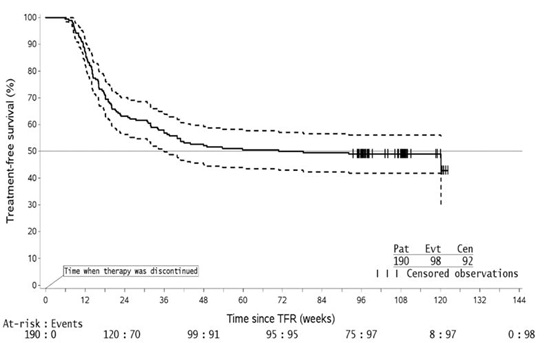
In eligible patients who discontinued nilotinib therapy after attaining a sustained molecular response (MR4.5), musculoskeletal symptoms (e.g., myalgia, pain in extremity, arthralgia, bone pain, spinal pain, or musculoskeletal pain), were reported more frequently than before treatment discontinuation in the first year, as noted in Table 10. The rate of new musculoskeletal symptoms generally decreased in the second year after treatment discontinuation.

In the newly diagnosed population in whom musculoskeletal symptoms occurred at any time during the TFR phase, 23/53 (43%) had not resolved by the TFR end date or data cut-off date. In the population previously treated with imatinib in whom musculoskeletal events occurred at any time during the TFR phase, 32/57 (56%) had not resolved by the data cut-off date.

The rate of musculoskeletal symptoms decreased in patients who entered the nilotinib treatment reinitiation (NTRI) phase, at 11/88 (13%) in the newly diagnosed population and 14/56 (25%) in the population previously treated with imatinib. Other adverse reactions observed in the nilotinib re-treatment phase were similar to those observed during nilotinib use in patients with newly diagnosed Ph+ CML-CP and resistant or intolerant Ph+ CML-CP and CML-AP.

Table 10: Musculoskeletal Symptoms Occurring Upon Treatment Discontinuation in the Context of Treatment-Free Remission (TFR)

Entire TFR period in all TFR patients

By time interval, in subset of patients in TFR greater than 48 weeks

Ph+ CML-

CP patients

N

Median follow-

up in

Patients with musculoskeletal

symptoms

N

Year prior to nilotinib

discontinuation

1st year after nilotinib

discontinuation

2nd year after nilotinib

discontinuation

TFR

All Grades

Grade 3/4

All Grades

Grade 3/4

All Grades

Grade 3/4

All Grades

Grade 3/4

Newly Diagnosed

190

76

weeks

28%

1%

100

17%

0%

34%

2%

9%

0%

Previously

treated with imatinib

126

99

weeks

45%

2%

73

14%

0%

48%

3%

15%

1%

Abbreviations: CML-CP, chronic myeloid leukemia-chronic phase; Ph+, Philadelphia chromosome positive ;TFR, treatment-free remission.

Additional Data from Clinical Trials

The following adverse drug reactions were reported in adult patients in the nilotinib clinical studies at the recommended doses. These adverse drug reactions are ranked under a heading of frequency, the most frequent first using the following convention: common (greater than or equal to 1% and less than 10%), uncommon (greater than or equal to 0.1% and less than 1%), and unknown frequency (single events) and were not included in Tables 7 and 8. For laboratory abnormalities, very common events (greater than or equal to 10%), which were not included in Table 9, are also reported. These adverse reactions are included based on clinical relevance and ranked in order of decreasing seriousness within each category, obtained from 2 clinical studies:

  • Adult patients with newly diagnosed Ph+ CML-CP 60 month analysis and,
  • Adult patients with resistant or intolerant Ph+ CML-CP and CML-AP 24 months’ analysis.
  • Infections and Infestations: Common: folliculitis. Uncommon: pneumonia, bronchitis, urinary tract infection, candidiasis (including oral candidiasis). Unknown frequency: hepatitis B reactivation, sepsis, subcutaneous abscess, anal abscess, furuncle, tinea pedis.

    Neoplasms Benign, Malignant, and Unspecified: Common: skin papilloma. Unknown frequency: oral papilloma, paraproteinemia.
    Blood and Lymphatic System Disorders: Common: leukopenia, eosinophilia, febrile neutropenia, pancytopenia, lymphopenia. Unknown frequency: thrombocythemia, leukocytosis.

    Immune System Disorders: Unknown frequency: hypersensitivity.

    Endocrine Disorders: Uncommon: hyperthyroidism, hypothyroidism. Unknown frequency: hyperparathyroidism secondary, thyroiditis.

    Metabolism and Nutrition Disorders: Very Common: hypophosphatemia. Common: electrolyte imbalance (including hypomagnesemia, hyperkalemia, hypokalemia, hyponatremia, hypocalcemia, hypercalcemia, hyperphosphatemia), diabetes mellitus, hyperglycemia, hypercholesterolemia, hyperlipidemia, hypertriglyceridemia. Uncommon: gout, dehydration, increased appetite. Unknown frequency: hyperuricemia, hypoglycemia.

    Psychiatric Disorders: Common: depression, anxiety. Unknown frequency: disorientation, confusional state, amnesia, dysphoria.

    Nervous System Disorders: Common: peripheral neuropathy, hypoesthesia, paresthesia. Uncommon: intracranial hemorrhage, ischemic stroke, transient ischemic attack, cerebral infarction, migraine, loss of consciousness (including syncope), tremor, disturbance in attention, hyperesthesia, facial paralysis. Unknown frequency: basilar artery stenosis, brain edema, optic neuritis, lethargy, dysesthesia, restless legs syndrome.

    Eye Disorders: Common: eye hemorrhage, eye pruritus, conjunctivitis, dry eye (including xerophthalmia). Uncommon: vision impairment, vision blurred, visual acuity reduced, photopsia, hyperemia (scleral, conjunctival, ocular), eye irritation, conjunctival hemorrhage. Unknown frequency: papilledema, diplopia, photophobia, eye swelling, blepharitis, eye pain, chorioretinopathy, conjunctivitis allergic, ocular surface disease.

    Ear and Labyrinth Disorders: Common: vertigo. Unknown frequency: hearing impaired, ear pain, tinnitus.

    Cardiac Disorders: Common: angina pectoris, arrhythmia (including atrioventricular block, cardiac flutter, extrasystoles, atrial fibrillation, tachycardia, bradycardia), palpitations, electrocardiogram QT prolonged.  Uncommon: cardiac failure, myocardial infarction, coronary artery disease, cardiac murmur, coronary artery stenosis, myocardial ischemia, pericardial effusion, cyanosis. Unknown frequency: ventricular dysfunction, pericarditis, ejection fraction decrease.

    Vascular Disorders: Common: flushing. Uncommon: hypertensive crisis, peripheral arterial occlusive disease, intermittent claudication, arterial stenosis limb, hematoma, arteriosclerosis. Unknown frequency: shock hemorrhagic, hypotension, thrombosis, peripheral artery stenosis.

    Respiratory, Thoracic and Mediastinal Disorders: Common: dyspnea exertional, epistaxis, dysphonia. Uncommon: pulmonary edema, pleural effusion, interstitial lung disease, pleuritic pain, pleurisy, pharyngolaryngeal pain, throat irritation. Unknown frequency: pulmonary hypertension, wheezing.

    Gastrointestinal Disorders: Common: pancreatitis, abdominal discomfort, abdominal distension, dysgeusia, flatulence. Uncommon: gastrointestinal hemorrhage, melena, mouth ulceration, gastroesophageal reflux, stomatitis, esophageal pain, dry mouth, gastritis, sensitivity of teeth. Unknown frequency: gastrointestinal ulcer perforation, retroperitoneal hemorrhage, hematemesis, gastric ulcer, esophagitis ulcerative, subileus, enterocolitis, hemorrhoids, hiatus hernia, rectal hemorrhage, gingivitis.

    Hepatobiliary Disorders: Very common: hyperbilirubinemia. Common: hepatic function abnormal. Uncommon: hepatotoxicity, toxic hepatitis, jaundice. Unknown frequency: cholestasis, hepatomegaly.

    Skin and Subcutaneous Tissue Disorders: Common: eczema, urticaria, erythema, hyperhidrosis, contusion, acne, dermatitis (including allergic, exfoliative and acneiform). Uncommon: exfoliative rash, drug eruption, pain of skin, ecchymosis. Unknown frequency: psoriasis, erythema multiforme, erythema nodosum, skin ulcer, palmar-plantar erythrodysesthesia syndrome, petechiae, photosensitivity, blister, dermal cyst, sebaceous hyperplasia, skin atrophy, skin discoloration, skin exfoliation, skin hyperpigmentation, skin hypertrophy, hyperkeratosis.

    Musculoskeletal and Connective Tissue Disorders: Common: bone pain, musculoskeletal chest pain, musculoskeletal pain, back pain, neck pain, flank pain, muscular weakness. Uncommon: musculoskeletal stiffness, joint swelling. Unknown frequency: arthritis.

    Renal and Urinary Disorders: Common: pollakiuria. Uncommon: dysuria, micturition urgency, nocturia. Unknown frequency: renal failure, hematuria, urinary incontinence, chromaturia.

    Reproductive System and Breast Disorders: Uncommon: breast pain, gynecomastia, erectile dysfunction. Unknown frequency: breast induration, menorrhagia, nipple swelling.

    General Disorders and Administration Site Conditions: Common: pyrexia, chest pain (including non-cardiac chest pain), pain, chest discomfort, malaise. Uncommon: gravitational edema, influenza-like illness, chills, feeling body temperature change (including feeling hot, feeling cold). Unknown frequency: localized edema.

    Investigations: Very Common: alanine aminotransferase increased, aspartate aminotransferase increased, lipase increased, lipoprotein cholesterol (including very low density and high density) increased, total cholesterol increased, blood triglycerides increased. Common: hemoglobin decreased, blood amylase increased, gamma- glutamyl transferase increased, blood creatinine phosphokinase increased, blood alkaline phosphatase increased, weight decreased, weight increased, globulins decreased. Uncommon: blood lactate dehydrogenase increased, blood urea increased. Unknown frequency: troponin increased, blood bilirubin unconjugated increased, insulin C-peptide decreased, blood parathyroid hormone increased.

    Growth Retardation in Pediatric Population

    Close monitoring of growth in pediatric patients under nilotinib treatment is recommended [see Warnings and Precautions (5.14)].
6.2 Postmarketing Experience

The following adverse reactions have been identified during postapproval use of nilotinib. Because these reactions are reported voluntarily from a population of uncertain size, it is not always possible to reliably estimate their frequency or establish a causal relationship to drug exposure.

Blood and Lymphatic System Disorders: thrombotic microangiopathy

Nervous System Disorders: facial paralysis

Musculoskeletal and Connective Tissue Disorders: osteonecrosis

7 Drug Interactions

7.1 Effect Of Other Drugs On Cavhanza

Strong CYP3A Inhibitors

Avoid concomitant use of strong CYP3A inhibitors with CAVHANZA. If concomitant use cannot be avoided, reduce CAVHANZA dose [see Dosage and Administration (2.9)].

Nilotinib is a CYP3A substrate [see Clinical Pharmacology (12.3)]. Concomitant use with a strong CYP3A inhibitor increases nilotinib exposure [see Clinical Pharmacology (12.3)], which may increase the risk of CAVHANZA adverse reactions.

Strong CYP3A Inducers

Avoid concomitant use of strong CYP3A inducers with CAVHANZA.

Nilotinib is a CYP3A substrate [see Clinical Pharmacology (12.3)].  Concomitant use with a strong CYP3A inducer decreases nilotinib exposure [see Clinical Pharmacology (12.3)] which may reduce CAVHANZA efficacy.

7.2 Drugs That Prolong The Qt Interval

Avoid coadministration of CAVHANZA with agents that may prolong the QT interval, such as anti-arrhythmic drugs [see Boxed Warning, Dosage and Administration (2.5), Warnings and Precautions (5.3), Drug Interactions (7.1), Clinical Pharmacology (12.2)].

Nilotinib is associated with a clinically significant concentration-dependent QT prolongation [see Clinical Pharmacology (12.2)].

8.1 Pregnancy

Risk Summary

Based on findings from animal studies and the mechanism of action, CAVHANZA can cause fetal harm when administered to a pregnant woman [see Clinical Pharmacology (12.1)]. There are no available data in pregnant women to inform the drug-associated risk. In animal reproduction studies, administration of nilotinib to pregnant rats and rabbits during organogenesis caused adverse developmental outcomes, including embryo-fetal lethality, fetal effects, and fetal variations in rats and rabbits at maternal exposures (AUC) approximately 2 and 0.5 times, respectively, the exposures in patients at the recommended dose (see Data). Advise pregnant women of the potential risk to a fetus.

The background risk of major birth defects and miscarriage for the indicated population is unknown. All pregnancies have a background risk of birth defect, loss, or other adverse outcomes. In the U.S. general population, the estimated background risk of major birth defects and miscarriage in clinically recognized pregnancies are 2%-4% and 15%-20%, respectively.

Data

Animal Data

In embryo-fetal development studies in rats and rabbits, pregnant animals received oral doses of nilotinib up to 100 mg/kg/day and 300 mg/kg/day, respectively, during the period of organogenesis.

In rats, oral administration of nilotinib produced embryo-lethality/fetal effects at doses ≥ 30 mg/kg/day. At ≥ 30 mg/kg/day, skeletal variations of incomplete ossification of the frontals and misshapen sternebra were noted, and there was an increased incidence of small renal papilla and fetal edema. At 100 mg/kg/day, nilotinib was associated with maternal toxicity (decreased gestation weight, gravid uterine weight, net weight gain, and food consumption) and resulted in a single incidence of cleft palate and two incidences of pale skin were noted in the fetuses. A single incidence of dilated ureters was noted in a fetus also displaying small renal papilla at 100 mg/kg/day. Additional variations of forepaw and hindpaw phalanx unossified, fused sternebra, bipartite sternebra ossification, and incomplete ossification of the cervical vertebra were noted at 100 mg/kg/day.

In rabbits, oral administration of nilotinib resulted in the early sacrifice of two females, maternal toxicity and increased resorption of fetuses at 300 mg/kg/day. Fetal skeletal variations (incomplete ossification of the hyoid, bent hyoid, supernumerary short detached ribs and the presence of additional ossification sites near the nasals, frontals and in the sternebral column) were also increased at this dose in the presence of maternal toxicity.

Slight maternal toxicity was evident at 100 mg/kg/day but there were no reproductive or embryo-fetal effects at this dose.
At 30 mg/kg/day in rats and 300 mg/kg/day in rabbits, the maternal systemic exposure (AUC) were 72700 ng*hr/mL and 17100 ng*hr/mL respectively, representing approximately 2 and 0.5 times the exposure in humans at the highest recommended dose 400 mg twice daily (equivalent to 160 mg twice daily of CAVHANZA).

When pregnant rats were dosed with nilotinib during organogenesis and through lactation, the adverse effects included a longer gestational period, lower pup body weights until weaning and decreased fertility indices in the pups when they reached maturity, all at a maternal dose of 60 mg/kg (i.e., 360 mg/m2, approximately 0.7 times the clinical dose of 400 mg [equivalent to 160 mg of CAVHANZA] twice daily based on body surface area). At doses up to 20 mg/kg (i.e., 120 mg/m2, approximately 0.25 times the clinical dose of 400 mg twice daily based on body surface area) no adverse effects were seen in the maternal animals or the pups.

8.2 Lactation

Risk Summary

There are no data on the presence of nilotinib or its metabolites in human milk or its effects on a breastfed child or on milk production. However, nilotinib is present in the milk of lactating rats. Because of the potential for serious adverse reactions in a breastfed child, advise women not to breastfeed during treatment with CAVHANZA and for 14 days after the last dose.

Animal Data

After a single 20 mg/kg of [14C] nilotinib dose to lactating rats, the transfer of parent drug and its metabolites into milk was observed. The overall milk-to-plasma exposure ratio of total radioactivity was approximately 2, based on the AUC0-24h or AUC0-INF values. No rat metabolites of nilotinib were detected that were unique to milk.

8.3 Females And Males Of Reproductive Potential

Based on animal studies, nilotinib can cause fetal harm when administered to a pregnant woman [see Use in Specific Populations (8.1)].

Pregnancy Testing

Females of reproductive potential should have a pregnancy test prior to starting treatment with CAVHANZA.

Contraception

Females

Advise females of reproductive potential to use effective contraception during treatment with CAVHANZA and for 14 days after the last dose.

Infertility

The risk of infertility in females or males of reproductive potential has not been studied in humans. In studies in rats and rabbits, the fertility in males and females was not affected [see Nonclinical Toxicology (13.1)].

8.4 Pediatric Use

CAVHANZA is not approved for use in pediatric patients. Laboratory abnormalities of hyperbilirubinemia and transaminase elevation were reported at a higher frequency in pediatric patients than in adults [see Adverse Reactions (6.1)]. For pediatric growth and development, growth retardation has been reported in pediatric patients treated with nilotinib [see Warnings and Precautions (5.14), Adverse Reactions (6.1)].

The safety and effectiveness of nilotinib in pediatric patients below the age of 1 year with newly diagnosed, or resistant or intolerant Ph+ CML in chronic phase and accelerated phase, have not been established.

Additional pediatric use information is approved for Novartis Pharmaceuticals Corporation’s TASIGNA (nilotinib) capsules. However, due to Novartis Pharmaceuticals Corporation’s marketing exclusivity rights, this drug product is not labeled with that pediatric information.

8.5 Geriatric Use

In the clinical trials of nilotinib (patients with newly diagnosed Ph+ CML-CP and resistant or intolerant Ph+ CML-CP and CML-AP), approximately 12% and 30% of patients were 65 years or over respectively.

  • Patients with newly diagnosed Ph+ CML-CP: There was no difference in major molecular response between patients aged less than 65 years and those greater than or equal to 65 years.
  • Patients with resistant or intolerant CML-CP: There was no difference in major cytogenetic response rate between patients aged less than 65 years and those greater than or equal to 65 years.
  • Patients with resistant or intolerant CML-AP: The hematologic response rate was 44% in patients less than 65 years of age and 29% in patients greater than or equal to 65 years.
  • No major differences for safety were observed in patients greater than or equal to 65 years of age as compared to patients less than 65 years.

8.6 Cardiac Disorders

In the clinical trials, patients with a history of uncontrolled or significant cardiovascular disease, including recent myocardial infarction, congestive heart failure, unstable angina or clinically significant bradycardia, were excluded. Caution should be exercised in patients with relevant cardiac disorders [see Boxed Warning, Warnings and Precautions (5.3)].

8.7 Hepatic Impairment

Reduce the CAVHANZA dosage in patients with hepatic impairment and monitor the QT interval closely in these patients [see Dosage and Administration (2.8), Clinical Pharmacology (12.3)].

10 Overdosage

Overdose with nilotinib has been reported, where an unspecified number of nilotinib were ingested in combination with alcohol and other drugs. Events included neutropenia, vomiting, and drowsiness. In the event of overdose, observe the patient and provide appropriate supportive treatment.

11 Description

CAVHANZA orally disintegrating tablets contain nilotinib, a kinase inhibitor.

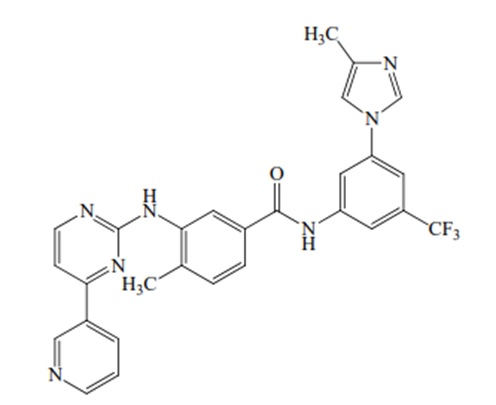
The chemical name of nilotinib is 4-methyl-N-[3-(4-methyl-1H-imidazol-1- yl)-5-(trifluoromethyl)phenyl]-3-[[4-(3-pyridinyl)-2-pyrimidinyl]amino]-benzamide. The molecular formula is C28H22F3N7O and molecular weight is 529.5 g/mol. The solubility of nilotinib in aqueous solutions decreases with increasing pH. The pKa1 was determined to be 2.6; pKa2 was determined to be 4.2.

Nilotinib has the following structure:

Structure (Structure)

Structure (Structure)

CAVHANZA (nilotinib) orally disintegrating tablets, contain 60 mg or 80 mg nilotinib with the following inactive ingredients: butylated hydroxytoluene, colloidal silicon dioxide, crospovidone, hypromellose acetate succinate, magnesium stearate, mannitol, microcrystalline cellulose, and starch.

12.1 Mechanism Of Action

Nilotinib is an inhibitor of the BCR-ABL kinase. Nilotinib binds to and stabilizes the inactive conformation of the kinase domain of ABL protein. In vitro, nilotinib inhibited BCR-ABL mediated proliferation of murine leukemic cell lines and human cell lines derived from patients with Ph+ CML. Under the conditions of the assays, nilotinib was able to overcome imatinib resistance resulting from BCR-ABL kinase mutations, in 32 out of 33 mutations tested. Nilotinib inhibited the autophosphorylation of the following kinases at IC50 values as indicated: BCR-ABL (20 to 60 nM), PDGFR (69 nM), c-KIT (210 nM), CSF-1R (125 to 250 nM), and DDR1 (3.7 nM).

12.2 Pharmacodynamics

A relationship between nilotinib exposure and a greater likelihood of response and safety events, including a higher occurrence of total bilirubin elevations, was observed in clinical studies. Nilotinib time course of pharmacodynamic response is unknown.

Cardiac Electrophysiology

Nilotinib is associated with concentration-dependent QT prolongation. At the equivalent recommended dosage of 160 mg CAVHANZA twice daily given without food in healthy subjects, the maximum mean placebo-adjusted QTcF changes were 10.4 msec (90% CI: 2.85, 18.0). Peak plasma concentrations in a QT study were 26% lower than or comparable with those observed in patients enrolled in a single-arm study [see Boxed Warning, Warnings and Precautions (5.3), Adverse Reactions (6.1)].

12.3 Pharmacokinetics

Nilotinib single-dose maximum concentration (Cmax) and area under the time concentration curve (AUC) in fasted subjects receiving the CAVHANZA approved recommended dosages are presented in Table 11.

Table 11: Nilotinib mean ±SD single-dose exposure in fasted subjects receiving the CAVHANZA approved recommended dosages

CAVHANZA Dosage

Cmax

AUC

120 mg

848 ± 315 ng/mL

13240 ± 6030 ng*hr/mL

160 mg

1042 ± 383 ng/mL

15460 ± 6020 ng*hr/mL

Abbreviations: Cmax= maximum concentration; AUC = area under the time concentration curve

Absorption

There were no differences in the rate and extent of nilotinib systemic exposures when the orally disintegrating tablet was swallowed intact relative to allowing the tablet to orally disintegrate prior to swallowing. The median time (range) to reach maximal plasma concentration (Tmax) of nilotinib is 2 hours (1-8 hours) in the fasted state after oral administration.

Median steady-state trough concentration of nilotinib was decreased by 53% in patients with total gastrectomy compared to patients who had not undergone surgeries [see Warnings and Precautions (5.10)].

Effect of Food

The AUC and Cmax increased by no more than 14% and 13%, respectively, when administered with a high-fat (50% fat), moderate-fat (37% fat), or low-fat (25% fat) meal relative to the fasted state.

Distribution

The blood-to-serum ratio of nilotinib is 0.68. Serum protein binding is approximately 98%.

Elimination

The geometric mean (coefficient of variation) apparent first-order terminal elimination half-life was 13.6 h (36.4%) for a single 160 mg dose of CAVHANZA. The geometric mean (coefficient of variation) clearance was 10.9 L/h (44.8%) for a single 160 mg dose (fasted) of CAVHANZA.

Metabolism

Nilotinib is primarily metabolized via CYP3A4-mediated oxidation and to a minor extent by CYP2C8. Nilotinib is the main circulating component in the serum. None of the metabolites contribute significantly to the pharmacological activity of nilotinib.

Excretion

After a single dose of radiolabeled nilotinib, more than 90% of the administered dose was eliminated within 7 days: 93% of the dose in feces. Parent drug accounted for 69% of the dose.

Specific Populations

No clinically meaningful differences in the pharmacokinetic of nilotinib were observed based on age, sex, race/ethnicity, or body weight.

The effect of renal impairment on nilotinib pharmacokinetics is unknown.

Patients with Hepatic Impairment

Following a single dose of nilotinib capsules 200 mg (0.5 times the maximum approved recommended dosage and equivalent to 80 mg of CAVHANZA), the mean AUC of nilotinib increased 1.4-fold, 1.4-fold, and 1.6-fold in subjects with mild (Child-Pugh class A), moderate (Child-Pugh class B) and severe (Child-Pugh class C) hepatic impairment, respectively, compared to subjects with normal hepatic function.

Drug Interaction Studies

Clinical Studies

Gastric Acid Reducing Agents: Following concomitant use of multiple doses of esomeprazole (PPI) 40 mg daily, the total systemic exposure (AUC) of CAVHANZA decreased by approximately 0.5%. CAVHANZA can be coadministered with proton pump inhibitors, H2 antagonists, and antacids.

Strong CYP3A Inhibitors:Nilotinib AUC increased by approximately 3-fold following concomitant administration of ketoconazole (strong CYP3A inhibitor) 400 mg once daily for 6 days. Nilotinib AUC increased by 1.3-fold with concomitant use with double-strength grapefruit juice.

Strong CYP3A Inducers:Nilotinib AUC decreased by approximately 80% following concomitant use with rifampicin (strong CYP3A inducer) 600 mg daily.

Moderate CYP3A Inhibitors: Following coadministration of nilotinib 400 mg twice daily with imatinib (a moderate CYP3A inhibitor) 400 mg daily or 400 mg twice daily, the AUC increased 30% to 50% for nilotinib and approximately 20% for imatinib.

CYP3A4 Substrates: Multiple doses of nilotinib capsules increased the systemic exposure of oral midazolam (a substrate of CYP3A4) 2.6-fold.

CYP2C9 Substrates: Single-dose of nilotinib capsules did not change the pharmacokinetics and pharmacodynamics of warfarin (a CYP2C9 substrate).

In Vitro Studies Where Drug Interaction Potential was not Further Evaluated Clinically

CYP Enzymes: Nilotinib is a competitive inhibitor of CYP2C8, CYP2D6, and is an inducer of CYP2B6 and CYP2C8.

UGT Enzymes: Nilotinib is an inhibitor of UGT1A.

Transporter Systems: Nilotinib is a substrate and an inhibitor of P-gp.

12.5 Pharmacogenomics

Nilotinib can increase bilirubin levels. The (TA)7/(TA)7 genotype of UGT1A1 was associated with a statistically significant increase in the risk of hyperbilirubinemia relative to the (TA)6/(TA)6 and (TA)6/(TA)7 genotypes.  However, the largest increases in bilirubin were observed in the (TA)7/(TA)7 genotype (UGT1A1*28) patients [see Warnings and Precautions (5.7)].

13.1 Carcinogenesis, Mutagenesis, Impairment Of Fertility

A 2-year carcinogenicity study was conducted orally in rats at nilotinib doses of 5, 15, and 40 mg/kg/day. Exposures in animals at the highest dose tested were approximately 2- to 3-fold the human exposure (based on AUC) at the nilotinib dose of 400 mg (equivalent to 160 mg of CAVHANZA) twice daily. The study was negative for carcinogenic findings. A 26-week carcinogenicity study was conducted orally in Tg.rasH2 mice, a model genetically modified to enhance susceptibility to neoplastic transformation, at nilotinib doses of 30, 100, and 300 mg/kg/day. Nilotinib induced in the skin and subcutis statistically significant increases in the incidence of papillomas in females and of papillomas and combined papillomas and carcinomas in males at 300 mg/kg/day. The no-observed-adverse- effect-level (NOAEL) for skin neoplastic lesions was 100 mg/kg/day.

Nilotinib was not mutagenic in a bacterial mutagenesis (Ames) assay, was not clastogenic in a chromosome aberration assay in human lymphocytes, did not induce DNA damage (comet assay) in L5178Y mouse lymphoma cells, nor was it clastogenic in an in vivo rat bone marrow micronucleus assay with two oral treatments at doses up to 2000 mg/kg/dose.

There were no effects on male or female rat and female rabbit mating or fertility at doses up to 180 mg/kg in rats (approximately 4- to 7-fold for males and females, respectively, the AUC in patients at the dose of 400 mg twice daily) or 300 mg/kg in rabbits (approximately one-half the AUC in patients at the dose of 400 mg twice daily). The effect of nilotinib on human fertility is unknown. In a study where male and female rats were treated with nilotinib at oral doses of 20 to 180 mg/kg/day (approximately 1- to 6.6-fold the AUC in patients at the dose of 400 mg twice daily) during the pre-mating and mating periods and then mated, and dosing of pregnant rats continued through gestation Day 6, nilotinib increased post-implantation loss and early resorption, and decreased the number of viable fetuses and litter size at all doses tested.

14 Clinical Studies

14.1 Adult Newly Diagnosed Ph+ Cml-Cp

The effectiveness of 120 mg twice daily of CAVHANZA (nilotinib) orally disintegrating tablets for the treatment of adult patients with newly diagnosed Ph+ CML-CP has been established from an adequate and well-controlled study of Tasigna® (nilotinib) capsules, which has a different recommended dosage than CAVHANZA. Below is a display of the results of Tasigna® (nilotinib) capsules in this adequate and well-controlled study.

The ENESTnd (Evaluating Nilotinib Efficacy and Safety in clinical Trials-Newly Diagnosed patients) study (NCT00471497was an open-label, multicenter, randomized trial conducted to determine the efficacy of nilotinib versus imatinib tablets in adult patients with cytogenetically confirmed newly diagnosed Ph+ CML-CP. Patients were within 6 months of diagnosis and were previously untreated for CML-CP, except for hydroxyurea and/or anagrelide. Efficacy was based on a total of 846 patients: 283 patients in the imatinib 400 mg once daily group, 282 patients in the nilotinib dosage equivalent to 120 mg of CAVHANZA twice daily group, 281 patients in the nilotinib dosage equivalent to 160 mg of CAVHANZA twice daily group.

Median age was 46 years in the imatinib group and 47 years in the nilotinib group, with 12% and 13% of patients greater than or equal to 65 years of age in imatinib 400 mg once daily, nilotinib dosage equivalent to 120 mg of CAVHANZA twice daily and nilotinib dosage equivalent to 160 mg of CAVHANZA twice daily treatment groups, respectively. There were slightly more male than female patients in all groups (56% and 56%, in imatinib 400 mg once daily, nilotinib dosage equivalent to 120 mg and 160 mg CAVHANZA twice daily treatment groups, respectively). Approximately 60% of all patients were White, and 25% were Asian.

The primary data analysis was performed when all 846 patients completed 12 months of treatment (or discontinued earlier). Subsequent analyses were done when patients completed 24, 36, 48, and 60 months of treatment (or discontinued earlier). The median time on treatment was approximately 61 months in all three treatment groups.

The primary efficacy endpoint was major molecular response (MMR) at 12 months after the start of study medication. MMR was defined as less than or equal to 0.1% BCR-ABL/ABL % by international scale measured by RQ-PCR, which corresponds to a greater than or equal to 3 log reduction of BCR-ABL transcript from standardized baseline. Efficacy endpoints are summarized in Table 12.

Two patients in the nilotinib arm progressed to either accelerated phase or blast crisis (both within the first 6 months of treatment) while 12 patients on the imatinib arm progressed to either accelerated phase or blast crisis (7 patients within first 6 months, 2 patients within 6 to 12 months, 2 patients within 12 to 18 months and 1 patient within 18 to 24 months).

Table 12: Efficacy (MMR and CCyR) of Nilotinib Compared to Imatinib in Adult Newly Diagnosed Ph+ CML-CP (ENESTnd)

nilotinib 300 mg

Twice Daily*

imatinib 400 mg

Once Daily

N = 282

N = 283

MMR at 12 months (95% CI)

44% (38.4, 50.3)

22% (17.6, 27.6)

   P-Valuea

< 0.0001

CCyRb by 12 months (95% CI)

80% (75.0, 84.6)

65% (59.2, 70.6)

MMR at 24 months (95% CI)

62% (55.8, 67.4)

38% (31.8, 43.4)

CCyRb by 24 months (95% CI)

87% (82.4, 90.6)

77% (71.7, 81.8)

Abbreviation: CI, confidence interval.
*equivalent to CAVHANZA 120 mg twice daily
aCMH test stratified by Sokal risk group.
bCCyR: 0% Ph+ metaphases. Cytogenetic responses were based on the percentage of Ph+ metaphases among greater than or equal to 20 metaphase cells in each bone marrow sample.

By 60 months, MMR was achieved by 77% of patients on nilotinib and 60% of patients on imatinib; MR4.5 was achieved by 53.5% of patients on nilotinib and 31.4% on imatinib. Median overall survival was not reached in either arm. At the time of the 60-month final analysis, the estimated survival rate was 93.7% for patients on nilotinib and 91.7% for patients on imatinib.

14.2 Adult Patients With Resistant Or Intolerant Ph+ Cml-Cp And Cml-Ap

The effectiveness of 160 mg twice daily of CAVHANZA (nilotinib) orally disintegrating tablets for the treatment of adult patients with Ph+ CML- CP and Ph+ CML-AP resistant or intolerant to prior therapy that included imatinib has been established from an adequate and well-controlled study of Tasigna® (nilotinib) capsules, which has a different recommended dosage than CAVHANZA. Below is a display of the results of Tasigna® (nilotinib) capsules in this adequate and well-controlled study.

Study CAMN107A2101 (referred to as Study A2101) (NCT00109707) was a single-arm, open-label, multicenter study conducted to evaluate the efficacy and safety of nilotinib (dosage equivalent to 160 mg twice daily of CAVHANZA) in patients with imatinib-resistant or -intolerant CML with separate cohorts for chronic and accelerated phase disease. The definition of imatinib resistance included failure to achieve a complete hematologic response (by 3 months), cytogenetic response (by 6 months) or major cytogenetic response (by 12 months) or progression of disease after a previous cytogenetic or hematologic response. Imatinib intolerance was defined as discontinuation of treatment due to toxicity and lack of a major cytogenetic response at time of study entry. At the time of data cut- off, 321 patients with CML-CP and 137 patients with CML-AP with a minimum follow-up of 24 months were enrolled. In this study, about 50% of CML-CP and CML-AP patients were males, over 90% (CML-CP) and 80% (CML-AP) were White, and approximately 30% were age 65 years or older.

Overall, 73% of patients were imatinib resistant while 27% were imatinib intolerant. The median time of prior imatinib treatment was approximately 32 (CML-CP) and 28 (CML-AP) months. Prior therapy included hydroxyurea in 85% of patients, interferon in 56% and stem cell or bone marrow transplant in 8%. The median highest prior imatinib dose was 600 mg per day for patients with CML-CP and CML-AP, and the highest prior imatinib dose was greater than or equal to 600 mg/day in 74% of all patients with 40% of patients receiving imatinib doses greater than or equal to 800 mg/day.

Median duration of nilotinib treatment was 18.4 months in patients with CML-CP and 8.7 months in patients with CML-AP.
The efficacy endpoint in CML-CP was unconfirmed major cytogenetic response (MCyR) which included complete and partial cytogenetic responses.
The efficacy endpoint in CML-AP was confirmed hematologic response (HR), defined as either a complete hematologic response (CHR) or no evidence of leukemia (NEL). The rates of response for CML-CP and CML- AP patients are reported in Table 14.

Median durations of response had not been reached at the time of data analysis.

Table 13: Efficacy of Nilotinib in Adult Resistant or Intolerant Ph+ CML-CP and CML-AP (Study A2101)

Cytogenetic Response Rate (Unconfirmed) (%)a

Chronic Phase

(n = 321)

Major (95% CI)

51% (46%-57%)

Complete (95% CI)

37% (32%-42%)

Partial (95% CI)

15% (11%-19%)

Accelerated Phase

(n = 137)

Hematologic Response Rate (Confirmed) (95% CI)b

39% (31%-48%)

Complete Hematologic Response Rate (95% CI)

30% (22%-38%)

No Evidence of Leukemia (95% CI)

9% (5%-16%)

aCytogenetic response criteria: Complete (0% Ph+ metaphases) or partial (1% to 35%). Cytogenetic responses were based on the percentage of Ph-positive metaphases among greater than or equal to 20 metaphase cells in each bone marrow sample. bHematologic response = CHR + NEL (all responses confirmed after 4 weeks).
CHR (CML-CP): WBC less than 10 x 109/L, platelets less than 450,000/mm3, no blasts or promyelocytes in peripheral blood, less than 5% myelocytes + metamyelocytes in bone marrow, less than 20% basophils in peripheral blood, and no extramedullary involvement. CHR (CML-AP): neutrophils greater than or equal to 1.5 x 10⁹/L, platelets greater than or equal to 100 x 109/L, no myeloblasts in peripheral blood, myeloblasts less than 5% in bone marrow, and no extramedullary involvement.
NEL: same criteria as for CHR but neutrophils greater than or equal to 1.0 x 10⁹/L and platelets greater than or equal to 20 x 109/L without transfusions or bleeding.

Adult Patients with Chronic Phase CML

The MCyR rate in 321 CML-CP patients was 51%. The median time to MCyR among responders was 2.8 months (range, 1 to 28 months). The median duration of MCyR cannot be estimated. The median duration of exposure on this single arm-trial was 18.4 months. Among the CML-CP patients who achieved MCyR, 62% of them had MCyR lasting more than 18 months. The CCyR rate was 37%.

Adult Patients with Accelerated Phase CML

The overall confirmed hematologic response rate in 137 patients with CML-AP was 39%. The median time to first hematologic response among responders was 1 month (range, 1 to 14 months). Among the CML-AP patients who achieved HR, 44% of them had a response lasting for more than 18 months.

After imatinib failure, 24 different BCR-ABL mutations were noted in 42% of chronic phase and 54% of accelerated phase CML patients who were evaluated for mutations.

14.3 Treatment Discontinuation In Newly Diagnosed Ph+ Cml-Cp Patients Who Have Achieved A Sustained Molecular Response (Mr4.5)

The efficacy of CAVHANZA (nilotinib) orally disintegrating tablets treatment discontinuation in adult patients with newly diagnosed Ph+ CML-CP has been established from an adequate and well-controlled study of Tasigna® (nilotinib) capsules, which has a different recommended dosage than CAVHANZA. Below is a display of the results of Tasigna® (nilotinib) capsules in this adequate and well-controlled study.

The ENESTfreedom (Evaluating Nilotinib Efficacy and Safety in clinical Trials-freedom) study (NCT01784068) is an open-label, multicenter, single-arm study, where 215 adult patients with Ph+ CML-CP treated with nilotinib in first-line for ≥ 2 years who achieved MR4.5 as measured with the MolecularMD MRDx® BCR-ABL Test were enrolled to continue nilotinib treatment for an additional 52 weeks (nilotinib consolidation phase).

Of the 215 patients, 190 patients (88.4%) entered the “Treatment-Free Remission” (TFR) phase after achieving a sustained molecular response (MR4.5) during the consolidation phase, defined by the following criteria:

  • The 4 last quarterly assessments (taken every 12 weeks) were at least MR4 (BCR-ABL/ABL ≤ 0.01% IS), and maintained for 1 year
  • The last assessment being MR4.5 (BCR-ABL/ABL ≤ 0.0032% IS)
  • No more than two assessments falling between MR4 and MR4.5 (0.0032% IS < BCR-ABL/ABL ≤ 0.01% IS).
  • The median age of patients who entered the TFR phase was 55 years, 49.5% were females, and 21.1% of the patients were ≥ 65 years of age. BCR-ABL levels were monitored every 4 weeks during the first 48 weeks of the TFR phase. Monitoring frequency was intensified to every 2 weeks upon the loss of MR4.0. Biweekly monitoring ended at one of the following time points:

    • Loss of MMR requiring patient to reinitiate nilotinib treatment
    • When the BCR-ABL levels returned to a range between MR4.0 and MR4.5
    • When the BCR-ABL levels remained lower than MMR for 4 consecutive measurements (8 weeks from initial loss of MR4.0).
    • Any patient with loss of MMR during the TFR phase reinitiated nilotinib at a dosage equivalent to 120 mg of CAVHANZA twice daily or at a reduced dose level of equivalent to 160 mg of CAVHANZA once daily if required from the perspective of tolerance, within 5 weeks after the collection date of the blood sample demonstrating loss of MMR. Patients who required reinitiation of nilotinib treatment were monitored for BCR-ABL levels every 4 weeks for the first 24 weeks and then every 12 weeks thereafter in patients who regained MMR.

      Efficacy was based on the 96-week analysis data cut-off date, by which time, 91 patients (47.9%) discontinued from the TFR phase due to loss of MMR, and 1 (0.5%), 1 (0.5%), 1 (0.5%) and 3 patients (1.6%) due to death from unknown cause, physician decision, lost to follow-up and subject decision, respectively. Among the 91 patients who discontinued the TFR phase due to loss of MMR, 88 patients restarted nilotinib treatment and 3 patients permanently discontinued from the study.

      By the 96-week data cut-off, of the 88 patients who restarted treatment due to loss of MMR in the TFR phase, 87 patients (98.9%) patients regained MMR (one patient discontinued study permanently due to subject decision after 7.1 weeks of retreatment without regaining MMR) and 81 patients (92.0%) regained MR4.5 by the time of the cut-off date. The cumulative rate of MMR and MR4.5 regained at 24 weeks since treatment reinitiation was 97.7% (86/88 patients) and 86.4% (76/88 patients), respectively.

      Table 14: Efficacy Results for ENESTfreedom

      Patients Who Entered the Treatment Free Remission (TFR) Phase (Full Analysis Set, N = 190)

      Patients in TFR phase1 at the specified time point

      Loss of MMR2 by the specified time point

      %

      95% CI

      %

      24 weeks

      62.1

      (54.8, 69.0)

      35.8

      48 weeks

      51.6

      (44.2, 58.9)

      45.8

      96 weeks

      48.9

      (41.6, 56.3)

      47.9

      Abbreviation: CI, confidence interval.
      1Patients in MMR at the specified time point in the TFR phase.
      2Based on the time to event (loss of MMR) data during the TFR phase.

      Among the 190 patients in the TFR phase, 98 patients had a treatment-free survival (TFS) event (defined as discontinuation from TFR phase due to any reason, loss of MMR, death due to any cause, progression to AP/BC up to the end of TFR phase, or reinitiation of treatment due to any cause in the study) by the 96-week cut-off date.

      Figure 1: Kaplan-Meier Estimate of Treatment-Free Survival After Start of TFR (Full Analysis Set ENESTfreedom)

      Figure-1 (Figure 1)

      Figure-1 (Figure 1)

      • For a given time point, the points on the dashed curves represent the 95% confidence limits for the associated KM estimate on the solid curve.
      • By the time of the 96-week data cut-off date, one single patient lost MMR at Week 120, at the time when only 8 patients were considered at risk. This explains the artificial drop at the end of the curve.

14.4 Treatment Discontinuation In Ph+ Cml-Cp Patients Who Have Achieved A Sustained Molecular Response (Mr4.5) On Cavhanza Following Prior Imatinib Therapy

The efficacy of CAVHANZA (nilotinib) orally disintegrating tablets treatment discontinuation in adult patients with Ph+ CML-CP following prior imatinib has been established from an adequate and well-controlled study of Tasigna® (nilotinib) capsules. Below is a display of the results of Tasigna® (nilotinib) capsules in this adequate and well-controlled study.

The ENESTop (Evaluating Nilotinib Efficacy and Safety in clinical Trials-STop) study (NCT01698905) is an open-label, multicenter, single-arm study, where 163 adult patients with Ph+ CML-CP taking tyrosine kinase inhibitors (TKIs) for ≥ 3 years (imatinib as initial TKI therapy for more than 4 weeks without documented MR4.5 on imatinib at the time of switch to nilotinib, then switched to nilotinib for at least 2 years), and who achieved MR4.5 on nilotinib treatment as measured with the MolecularMD MRDx® BCR-ABL Test were enrolled to continue nilotinib treatment for an additional 52 weeks (nilotinib consolidation phase). Of the 163 patients, 126 patients (77.3%) entered the TFR phase after achieving a sustained molecular response (MR4.5) during the consolidation phase, defined by the following criterion:

  • The 4 last quarterly assessments (taken every 12 weeks) showed no confirmed loss of MR4.5 (BCR- ABL/ABL ≤ 0.0032% IS) during 1 year.
  • The median age of patients who entered the TFR phase was 56 years, 55.6% were females, and 27.8% of the patients were ≥ 65 years of age. The median actual dose intensity during the 52-week nilotinib consolidation phase was 771.8 mg/day with 52.4%, 29.4%, 0.8%, 16.7%, and 0.8% of patients receiving a daily nilotinib dose of 800 mg, 600 mg, 450 mg, 400 mg and 300 mg (equivalent to 320, 240, 180, 160, and 120 mg of CAVHANZA, respectively) just before entry into the TFR phase, respectively.

    Patients who entered the TFR phase but experienced two consecutive measurements of BCR-ABL/ABL > 0.01% IS were considered having a confirmed loss of MR4.0, triggering reinitiation of nilotinib treatment. Patients with loss of MMR in the TFR phase immediately restarted nilotinib treatment without confirmation. All patients who restarted nilotinib therapy had BCR-ABL transcript levels monitored every 4 weeks for the first 24 weeks, then once every 12 weeks.

    Efficacy was based on the 96-week analysis data cut-off date, by which time, 61 patients (48.4%) had discontinued from the TFR phase: 58 patients (46.0%) due to loss of MMR or confirmed loss of MR4.0, 2 patients (1.6%) due to subject/guardian decision and one patient (0.8%) due to pregnancy. Among the 58 patients who discontinued from the TFR phase due to confirmed loss of MR4.0 or loss of MMR, 56 patients restarted nilotinib therapy and 2 patients permanently discontinued from the study.

    By the 96-week data cut-off, of the 56 patients who restarted nilotinib treatment due to confirmed loss of MR4.0 or loss of MMR in the TFR phase, 52 patients (92.9%) regained MR4.0 and MR4.5; 4 patients (7.1%) did not regain MR4.0 by the time of the cut-off date. The cumulative rate of MR4 and MR4.5 regained by 48-weeks since treatment reinitiation, was 92.9% (52/56 patients) and 91.1% (51/56 patients), respectively.

    Table 15: Efficacy Results for ENESTop

    Patients Who Entered the Treatment Free Remission (TFR) Phase (Full Analysis Set, N = 126)

    Patients in TFR phase1 at the specified time point

    Loss of MMR or confirmed loss of MR42 by the specified time point

    %

    95% CI

    %

    24 weeks

    60.3

    (51.2, 68.9)

    38.9

    48 weeks

    57.9

    (48.8, 66.7)

    41.3

    96 weeks

    53.2

    (44.1, 62.1)

    43.7

    Abbreviation: CI, confidence interval.
    1Patients without loss of MMR or confirmed loss of MR4 by specified time point of TFR phase.
    2Based on the time to event (loss of MMR or confirmed loss of MR4) data during the TFR phase.


    Among the 126 patients in the TFR phase, 61 patients (48.4%) had a treatment-free survival (TFS) event (defined as discontinuation from TFR phase due to any reason, loss of MMR, confirmed loss of MR4, death due to any cause, progression to AP/BC up to the end of TFR phase, or reinitiation of treatment due to any cause in the study) on or before the 96-month cut-off date.

    Figure 2: Kaplan-Meier Estimate of Treatment-Free Survival after Start of TFR (Full Analysis Set ENESTop)

    Figure-2 (Figure 2)

    Figure-2 (Figure 2)

    1. For a given time point, the points on the dashed curves represent the 95% confidence limits for the associated KM estimate on the solid curve.

16 How Supplied/Storage And Handling

How Supplied

CAVHANZA (nilotinib) orally disintegrating tablets are available in bottles containing desiccant with a child-resistant closure as described in Table 16.

Table 16: CAVHANZA Trade Presentations

NDC Number

Strength

Description

Tablets per Bottle

70709-191-12

60 mg

white to tan tablets debossed on one side with “15” over “5”

112

70709-192-12

80 mg

white to tan tablets debossed on one side with “15” over “7”

112

Storage and Handling

CAVHANZA (nilotinib) orally disintegrating tablets should be stored at 20°C to 25°C (68°F to 77°F); excursions permitted between 15°C and 30°C (59°F and 86°F) [see USP Controlled Room Temperature].

Store and dispense to patient in original container only. Replace cap securely each time after opening. Do not discard desiccants.

17 Patient Counseling Information

Advise the patient to read the FDA-approved patient labeling (Medication Guide).

Taking CAVHANZA

Advise patients that CAVHANZA may not be substitutable, on a milligram per milligram basis, with other nilotinib products. 

Advise patients to take CAVHANZA exactly as prescribed [see Warnings and Precautions (5.1)].

Advise patients to take CAVHANZA doses twice daily approximately 12 hours apart.  CAVHANZA may be orally disintegrated and swallowed with saliva, chewed and swallowed with saliva, or swallowed intact with water.  CAVHANZA may be taken with or without food.

Patients should not consume grapefruit products and other foods that are known to inhibit CYP3A4 at any time during CAVHANZA treatment [see Dosage and Administration (2.2), Drug Interactions (7.1)].

If the patient misses a dose of CAVHANZA, the patient should take the next scheduled dose at its regular time.  The patient should not take two doses at the same time.

Compliance

Advise patients of the following:

  • Continue taking CAVHANZA every day for as long as their doctor tells them.
  • This is a long-term treatment.
  • Do not change dose or stop taking CAVHANZA without first consulting their doctor.
  • Myelosuppression

    Advise patients that treatment with nilotinib can cause serious thrombocytopenia, neutropenia, and anemia. Advise patients to seek immediate medical attention if symptoms suggestive of low blood counts occur, such as fever, chills or other signs of infection, unexplained bleeding or bruising, or unexplained weakness or shortness of breath [see Warnings and Precautions (5.2)].

    QT Prolongation

    Advise patients that nilotinib can cause possibly life-threatening, abnormal heartbeat. Advise patients to seek immediate medical attention if symptoms of abnormal heartbeat occur, such as feeling light-headed, faint or experiencing an irregular heartbeat [see Warnings and Precautions (5.3)].

    Cardiac and Arterial Vascular Occlusive Events

    Advise patients that cardiovascular events (including ischemic heart disease, peripheral arterial occlusive disease, and ischemic cerebrovascular events) have been reported. Advise patients to seek immediate medical attention if any symptoms suggestive of a cardiovascular event occur, such as chest or leg pain, numbness or weakness, or problems walking or speaking occur suddenly [see Warnings and Precautions (5.5)].

    Pancreatitis and Elevated Serum Lipase

    Advise patients that nilotinib can increase the risk of pancreatitis and that patients with a previous history of pancreatitis may be at greater risk. Advise patients to seek immediate medical attention if symptoms suggestive of pancreatitis occur, such as sudden stomach area pain with accompanying nausea and vomiting [see Warnings and Precautions (5.6)].

    Hepatotoxicity

    Advise patients that nilotinib can increase the risk of hepatotoxicity and that patients with previous history of liver diseases may be at risk. Advise patients to seek immediate medical attention if any symptoms suggestive of hepatotoxicity occur, such as stomach pain, yellow skin and eyes, and dark-colored urine [see Warnings and Precautions (5.7)].

    Tumor Lysis Syndrome

    Advise patients that nilotinib can cause TLS and to seek immediate medical attention if any symptoms suggestive of TLS occur, such as an abnormal heartbeat or less urine production [see Warnings and Precautions (5.9)].

    Hemorrhage

    Advise patients that serious hemorrhagic events, including fatal events, have occurred in patients with CML treated with nilotinib. Advise patients to seek immediate medical attention if symptoms suggestive of hemorrhage occur, such as uncontrolled bleeding, changes in eyesight, unconsciousness, or sudden headache or sudden confusion in surroundings [see Warnings and Precautions (5.10)].

    Fluid Retention

    Inform patients that nilotinib can cause fluid retention and advise them to seek immediate medical attention if any symptoms suggestive of fluid retention, such as shortness of breath, rapid weight gain, or swelling occur [see Warnings and Precautions (5.13)].

    Effects on Growth and Development in Pediatric Patients

    Inform pediatric patients and their caregivers of the possibility of developing growth abnormalities. Growth retardation has been reported in pediatric patients treated with nilotinib. Therefore, monitor growth and development in pediatric patients [see Warnings and Precautions (5.14)].
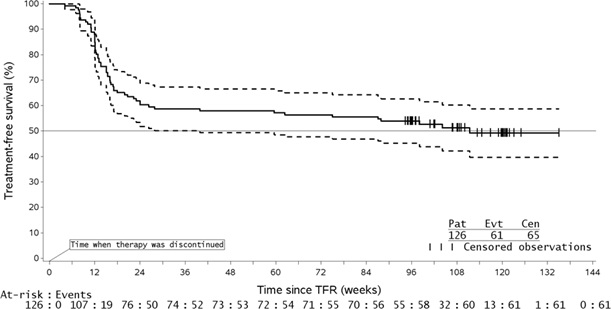
    Treatment-Free Remission (TFR)

    Advise patients that frequent monitoring is required to detect possible loss of remission if TFR is attempted. Advise patients that musculoskeletal symptoms, such as muscle pain, pain in extremity, joint pain, bone pain, or spinal pain, may occur more frequently than before treatment discontinuation [see Warnings and Precautions (5.16)].

    Embryo-Fetal Toxicity

    Advise pregnant women of the potential risk to a fetus. Advise females of reproductive potential to inform their healthcare provider of a known or suspected pregnancy [see Warnings and Precautions (5.15), Use in Specific Populations (8.1)].

    Advise females of reproductive potential to use effective contraception during treatment and for 14 days after receiving the last dose of CAVHANZA [see Use in Specific Populations (8.3)].

    Lactation

    Advise women not to breastfeed during treatment with CAVHANZA and for 14 days after the last dose [see Use in Specific Populations (8.2)].

    Drug Interactions

    Advise patients that CAVHANZA and certain other medicines, including over the counter medications or herbal supplements (such as St. John’s Wort), can interact with each other [see Drug Interactions (7)].

    Marketed by:
    Cycle Pharmacueticals Ltd,
    Cambridge,
    CB3 0FA, UK

    Revised: 06/2026

Principal Display Panel - 60 Mg

112 Tablets  NDC: 70709-191-12

CAVHANZA™
(nilotinib)
orally disintegrating tablets

60 mg

Rx only

WARNING: Nilotinib orally disintegrating tablets and other nilotinib products are NOT substitutable on a mg-to-mg basis

Dispense with enclosed Medication Guide

60 mg Label (Label 60mg)

60 mg Label (Label 60mg)

Principal Display Panel - 80 Mg

112 Tablets NDC: 70709-192-12

CAVHANZA™
(nilotinib)
orally disintegrating tablets

80 mg

Rx only

WARNING: Nilotinib orally disintegrating tablets and other nilotinib products are NOT substitutable on a mg-to-mg basis

Dispense with enclosed Medication Guide

80 mg Label (Label 80mg)

80 mg Label (Label 80mg)

* Please review the disclaimer below.