Description
Loteprednol etabonate ophthalmic suspension contains a sterile, topical anti- inflammatory corticosteroid for ophthalmic use. Loteprednol etabonate is a white to off-white crystalline powder.
Loteprednol etabonate is represented by the following structural formula:
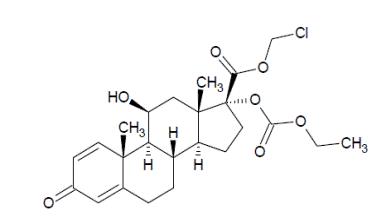
Image (4e52b9da 99d5 49b3 9e5a 09e689f623b4 01)
C24H31ClO7 Mol. Wt. 466.95
Chemical Name:
chloromethyl 17a-[(ethoxycarbonyl)oxy]-11β-hydroxyandrosta-1,4-diene-3-one-17β-carboxylate
Each mL contains
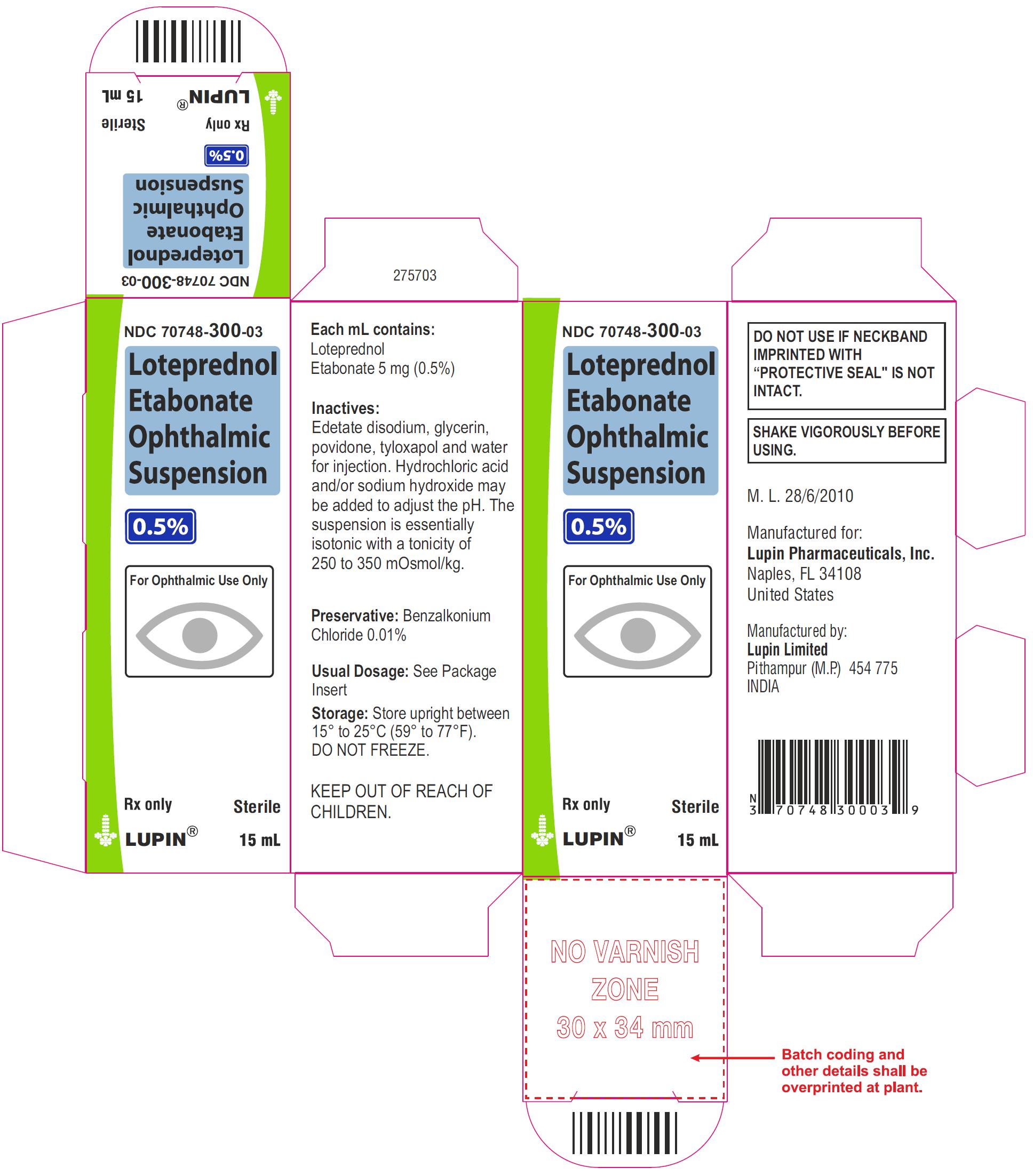
ACTIVE: Loteprednol Etabonate 0.5% (5 mg)
INACTIVES: Edetate disodium, glycerin, povidone, tyloxapol and water for injection. Hydrochloric Acid and/or sodium hydroxide may be added to adjust the pH. The suspension is essentially isotonic with a tonicity of 250 to 350 mOsmol/kg.
PRESERVATIVE ADDED: Benzalkonium Chloride 0.01%.