Tapentadol Hydrochloride Solution
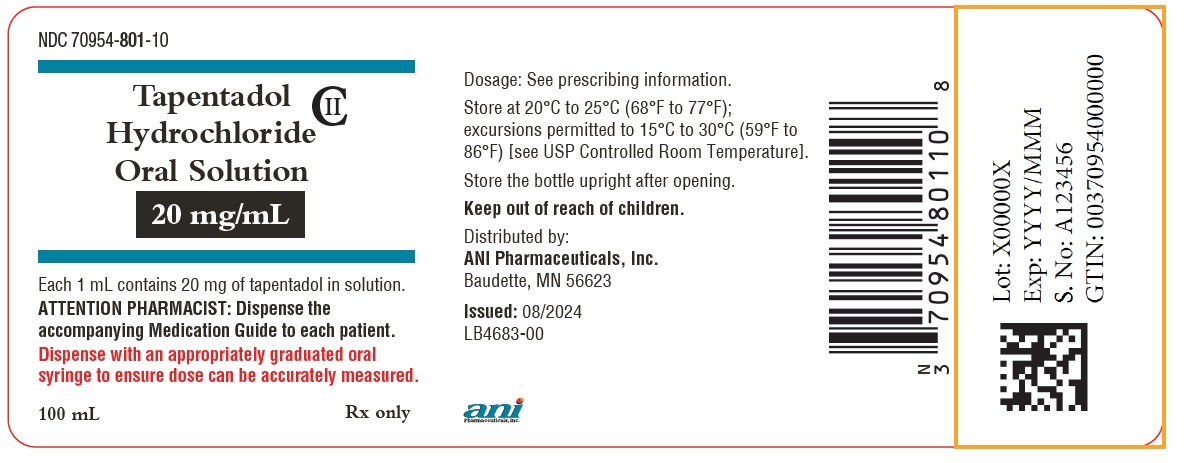
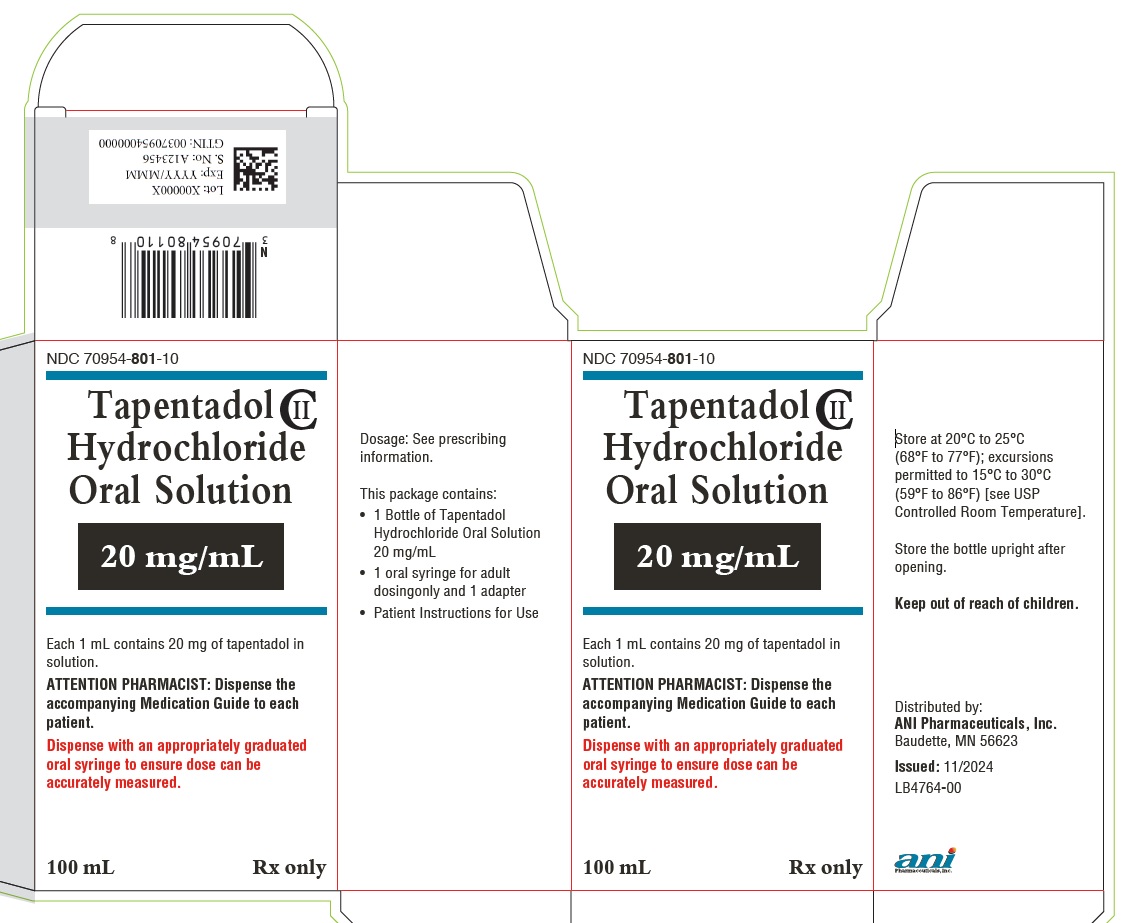
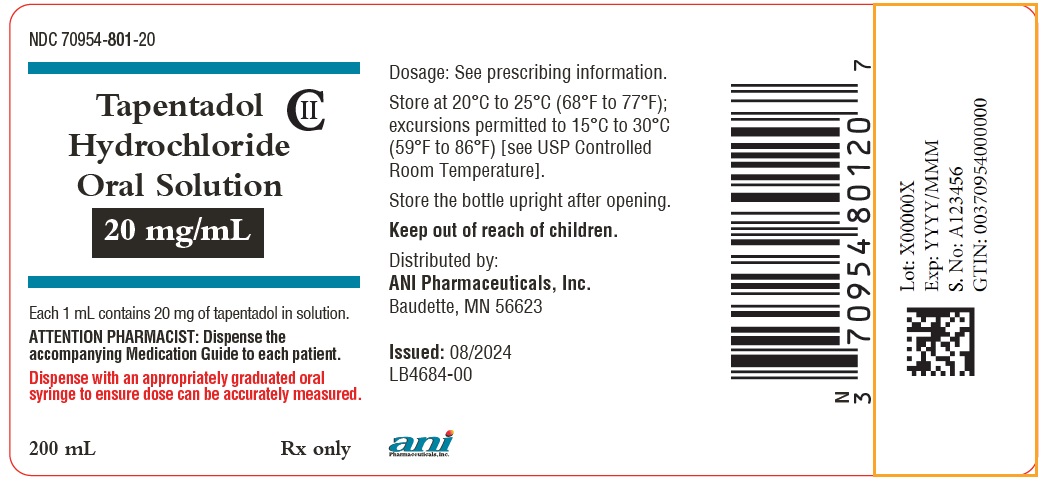
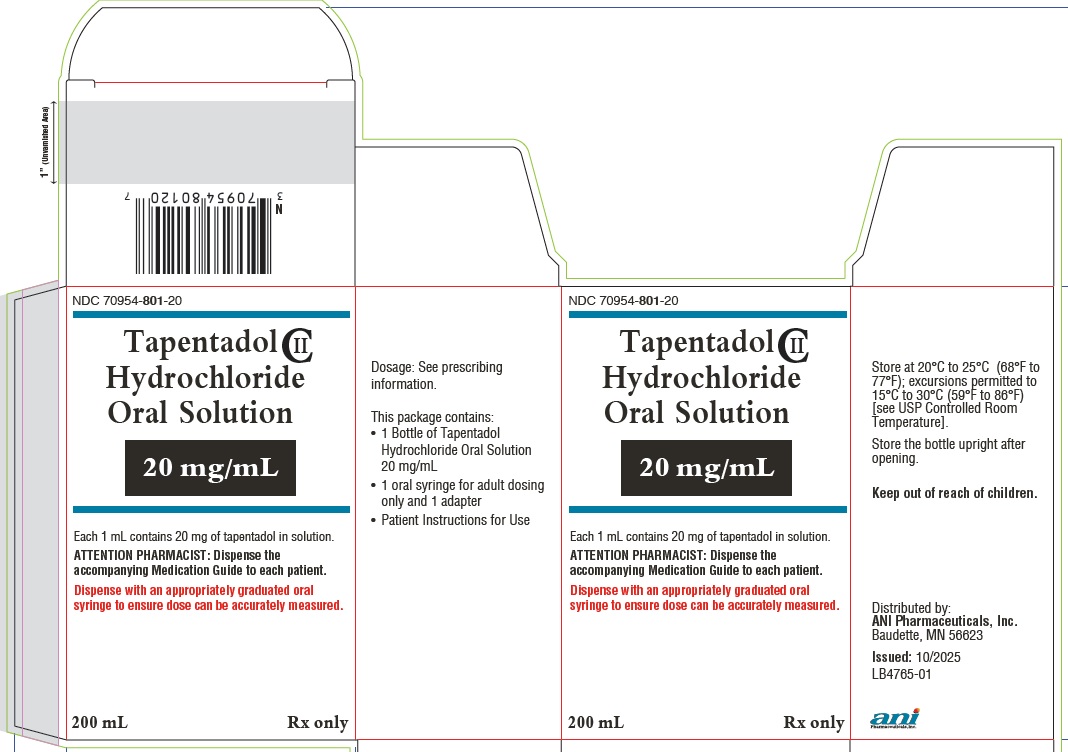
FDA Label NDC 70954-801

Full FDA labeling including Indications, Dosage, Usage, and Precautions

Structured Product Label

The following Structured Product Label (SPL) was submitted to the FDA by Ani Pharmaceuticals, Inc. for the product Tapentadol Hydrochloride (NDC 70954-801). This document serves as the official prescribing information, containing essential scientific data and clinical materials required for healthcare providers and patients.

This specific version of the label includes detailed information regarding boxed warning, 1 indications & usage, 2.1 important dosage and administration instructions, 2.2 patient access to an opioid overdose reversal agent for the emergency treatment of opioid overdose, 2.3 dosage in adults, 2.5 dosage modifications in adult patients with hepatic impairment, 2.6 titration and maintenance of therapy, 2.7 safe reduction or discontinuation of tapentadol hydrochloride oral solution, and other regulatory disclosures. Use the navigation below to review specific sections of the FDA submission.

Label Section Quick Index

Boxed Warning

WARNING: SERIOUS AND LIFE-THREATENING RISKS FROM USE OF TAPENTADOL HYDROCHLORIDE ORAL SOLUTION


Risk of Medication Errors

Ensure accuracy when prescribing, dispensing, and administering tapentadol hydrochlorideoral solution. Dosing errors due to confusion between mg and mL and other tapentadol oral solutions can result in accidental overdose and death [see Dosage and Administration (2.1), Warnings and Precautions (5.1)].


Addiction, Abuse, and Misuse

Because the use of tapentadol hydrochlorideoral solution exposes patients and other users to the risks of opioid addiction, abuse, and misuse, which can lead to overdose and death, assess each patient’s risk prior to prescribing tapentadol hydrochloride oral solution, and reassess all patients regularly for the development of these behaviors and conditions [see Warnings and Precautions (5.2)].


Life-Threatening Respiratory Depression

Serious, life-threatening, or fatal respiratory depression may occur with use of tapentadol hydrochlorideoral solution, especially during initiation or following a dosage increase. To reduce the risk of respiratory depression, proper dosing and titration of tapentadol hydrochlorideoral solution are essential [see Warnings and Precautions (5.3)].


Accidental Ingestion

Accidental ingestion of even one dose of tapentadol hydrochlorideoral solution, especially by children, can result in a fatal overdose of tapentadol [see Warnings and Precautions (5.3)].


Risks From Concomitant Use With Benzodiazepines Or Other CNS Depressants

Concomitant use of opioids with benzodiazepines or other central nervous system (CNS) depressants, including alcohol, may result in profound sedation, respiratory depression, coma, and death. Reserve concomitant prescribing of tapentadol hydrochloride oral solution and benzodiazepines or other CNS depressants for use in patients for whom alternative treatment options are inadequate [see Warnings and Precautions (5.4), Drug Interactions (7)].


Neonatal Opioid Withdrawal Syndrome (NOWS)

Advise pregnant women using opioids for an extended period of time of the risk of Neonatal Opioid Withdrawal Syndrome, which may be life-threatening if not recognized and treated. Ensure that management by neonatology experts will be available at delivery [see Warnings and Precautions (5.5)].


Opioid Analgesic Risk Evaluation and Mitigation Strategy (REMS)

Healthcare providers are strongly encouraged to complete a REMS-compliant education program and to counsel patients and caregivers on serious risks, safe use, and the importance of reading the Medication Guide with each prescription [see Warnings and Precautions (5.6)]
1 Indications & Usage

Tapentadol hydrochloride oral solution is indicated for the management of acute pain severe enough to require an opioid analgesic and for which alternative treatments are inadequate in adults.


Limitations of Use

Because of the risks of addiction, abuse, misuse, overdose, and death, which can occur at any dosage or duration and persist over the course of therapy, [see Warnings and Precautions (5.2)], reserve opioid analgesics, including tapentadol hydrochloride oral solution for use in patients for whom alternative treatment options are ineffective, not tolerated, or would be otherwise inadequate to provide sufficient management of pain.


Pediatric use information is approved for Collegium Pharmaceutical, Inc.’s NUCYNTA oral solution. However, due to Collegium Pharmaceutical, Inc.’s marketing exclusivity rights, this drug product is not labeled with that information.

2.1 Important Dosage And Administration Instructions

  • Tapentadol hydrochloride oral solution should be prescribed only by healthcare professionals who are knowledgeable about the use of opioids and how to mitigate the associated risks.
  • Use the lowest effective dosage for the shortest duration of time consistent with individual patient treatment goals [see Warnings and Precautions (5)]. Because the risk of overdose increases as opioid doses increase, reserve titration to higher doses of tapentadol hydrochloride oral solution for patients in whom lower doses are insufficiently effective and in whom the expected benefits of using a higher dose opioid clearly outweigh the substantial risks.
  • Many acute pain conditions (e.g., the pain that occurs with a number of surgical procedures or acute musculoskeletal injuries) require no more than a few days of an opioid analgesic. Clinical guidelines on opioid prescribing for some acute pain conditions are available.
  • There is variability in the opioid analgesic dose and duration needed to adequately manage pain due both to the cause of pain and to individual patient factors. Initiate the dosing regimen for each patient individually, taking into account the patient’s underlying cause and severity of pain, prior analgesic treatment and response, and risk factors for addiction, abuse, and misuse [see Warnings and Precautions (5.1)].
  • Respiratory depression can occur at any time during opioid therapy, especially when initiating and following dosage increases with tapentadol hydrochloride oral solution. Consider this risk when selecting an initial dose and when making dose adjustments [see Warnings and Precautions (5)].
  • Ensure accuracy when prescribing, dispensing, and administering tapentadol hydrochloride oral solution to avoid dosing errors due to confusion between mg and mL, which could result in accidental overdose and death. Ensure the proper dose is communicated and dispensed. The oral solution contains 20 mg tapentadol per milliliter (mL), when writing prescriptions, include both the total dose in mg and the total dose in volume.
  • Instruct patients and caregivers on how to accurately measure and take or administer the correct dose of tapentadol hydrochloride oral solution.
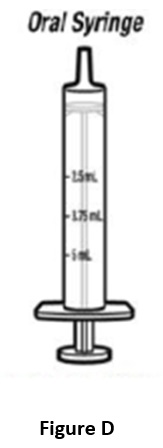
    • Strongly advise patients and caregivers to always use a graduated oral syringe with metric units of measurements (i.e., mL), to correctly measure the prescribed amount of medication.
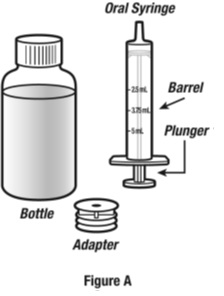
    • For adults, dispense with the enclosed graduated oral syringe and adapter and strongly advise patients and caregivers to use the enclosed graduated oral syringe when administering tapentadol hydrochloride oral solution to ensure the dose is measured and administered correctly.
    •  Inform patients and caregivers that oral dosing devices may be obtained from their pharmacy and to never use household teaspoons or tablespoons to measure tapentadol hydrochloride oral solution. 
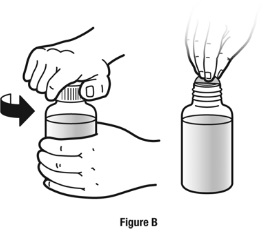
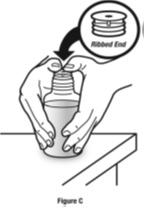
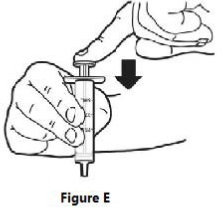
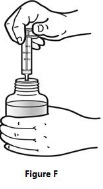
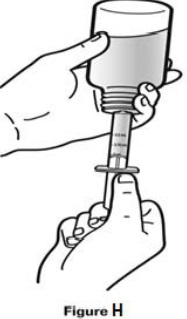
      • Inform patients and caregivers of the availability of FDA-approved patient labeling, Instructions for Use, for step-by-step instructions for patients on how to use the medicine bottle with an oral syringe.
      • Tapentadol hydrochloride oral solution can be taken with or without food. [see Clinical Pharmacology (12.3)].

      • Pediatric use information is approved for Collegium Pharmaceutical, Inc.’s NUCYNTA oral solution. However, due to Collegium Pharmaceutical, Inc.’s marketing exclusivity rights, this drug product is not labeled with that information.

2.2 Patient Access To An Opioid Overdose Reversal Agent For The Emergency Treatment Of Opioid Overdose

Inform patients and caregivers about opioid overdose reversal agents (e.g., naloxone, nalmefene). Discuss the importance of having access to an opioid overdose reversal agent, especially if the patient has risk factors for overdose (e.g., concomitant use of CNS depressants, a history of opioid use disorder, or prior opioid overdose) or if there are household members (including children) or other close contacts at risk for accidental ingestion or opioid overdose. The presence of risk factors for overdose should not prevent the management of pain in any patient [see Warnings and Precautions (5.2, 5.3, 5.4)].


Discuss the options for obtaining an opioid overdose reversal agent (e.g., prescription, over-the-counter, or as part of a community-based program) [see Warnings and Precautions (5.2)].


There are important differences among the opioid overdose reversal agents, such as route of administration, product strength, approved patient age range, and pharmacokinetics. Be familiar with these differences, as outlined in the approved labeling for those products, prior to recommending or prescribing such an agent.

2.3 Dosage In Adults

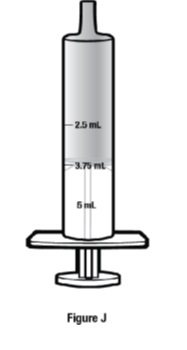
Initiate treatment with tapentadol hydrochloride oral solution in a dosing range of 50 mg (2.5 mL) to 100 mg (5 mL) every 4 to 6 hours as needed for pain, and at the lowest dose necessary to achieve adequate analgesia. Titrate the dose based upon the individual patient’s response to their initial dose of tapentadol hydrochloride oral solution.


On the first day of dosing, the second dose may be administered as soon as one hour after the first dose, if adequate pain relief is not attained with the first dose. Subsequent dosing is 2.5 mL (equivalent to 50 mg), 3.75 mL (equivalent to 75 mg), or 5 mL (equivalent to 100 mg) every 4 to 6 hours and should be adjusted to maintain adequate analgesia with acceptable tolerability.


Daily doses greater than 700 mg on the first day of therapy and 600 mg on subsequent days have not been studied and are not recommended.


Conversion from tapentadol hydrochloride oral solution to NUCYNTA ER

Patients can be converted from tapentadol hydrochloride oral solution to NUCYNTA ER using the equivalent total daily dose of tapentadol hydrochloride oral solution and dividing it into two equal doses of NUCYNTA ER separated by approximately 12-hour intervals. As an example, a patient receiving 50 mg of tapentadol hydrochloride oral solution four times per day (200 mg/day) may be converted to 100 mg NUCYNTA ER twice a day. Conversion to NUCYNTA ER may lead to increased risk of excessive sedation and respiratory depression.


Pediatric use information is approved for Collegium Pharmaceutical, Inc.’s NUCYNTA oral solution. However, due to Collegium Pharmaceutical, Inc.’s marketing exclusivity rights, this drug product is not labeled with that information.

2.5 Dosage Modifications In Adult Patients With Hepatic Impairment

The safety and efficacy of tapentadol hydrochloride oral solution has not been studied in patients with severe hepatic impairment (Child-Pugh Score 10-15) and use in this population is not recommended [see Warnings and Precautions (5.17)].


Initiate treatment of patients with moderate hepatic impairment (Child-Pugh Score 7 to 9) with 50 mg no more frequently than once every 8 hours (maximum of three doses in 24 hours).


Further treatment should reflect maintenance of analgesia with acceptable tolerability, to be achieved by either shortening or lengthening the dosing interval. Regularly evaluate patients for respiratory and central nervous system depression [see Clinical Pharmacology (12.3)].


No dosage adjustment is recommended in patients with mild hepatic impairment (Child-Pugh Score 5 to 6) [see Clinical Pharmacology (12.3)].

2.6 Titration And Maintenance Of Therapy

Individually titrate tapentadol hydrochloride oral solution to a dose that provides adequate analgesia and minimizes adverse reactions. Continually reevaluate patients receiving tapentadol hydrochloride oral solution to assess the maintenance of pain control, signs and symptoms of opioid withdrawal, and other adverse reactions, as well as to reassess for the development of addiction, abuse, or misuse [see Warnings and Precautions (5.2, 5.15)]. Frequent communication is important among the prescriber, other members of the healthcare team, the patient, and the caregiver/family during periods of changing analgesic requirements, including initial titration.


If the level of pain increases after dosage stabilization, attempt to identify the source of increased pain before increasing the tapentadol hydrochloride oral solution dosage. If after increasing the dosage, unacceptable opioid-related adverse reactions are observed (including an increase in pain after a dosage increase), consider reducing the dosage [Warnings and Precautions (5)]. Adjust the dosage to obtain an appropriate balance between management of pain and opioid-related adverse reactions.

2.7 Safe Reduction Or Discontinuation Of Tapentadol Hydrochloride Oral Solution

Do not rapidly reduce or abruptly discontinue tapentadol hydrochloride oral solution in patients who may be physically dependent on opioids. Rapid reduction or abrupt discontinuation of opioid analgesics in patients who are physically dependent on opioids has resulted in serious withdrawal symptoms, uncontrolled pain, and suicide. Rapid reduction or abrupt discontinuation has also been associated with attempts to find other sources of opioid analgesics, which may be confused with drug-seeking for abuse. Patients may also attempt to treat their pain or withdrawal symptoms with illicit opioids, such as heroin, and other substances.


When a decision has been made to decrease the dose or discontinue therapy in an opioid-dependent patient taking tapentadol hydrochloride oral solution, there are a variety of factors that should be considered, including the total daily dose of opioid (including tapentadol hydrochloride oral solution) the patient has been taking, the duration of treatment, the type of pain being treated, and the physical and psychological attributes of the patient. It is important to ensure ongoing care of the patient and to agree on an appropriate tapering schedule and follow-up plan so that patient and provider goals and expectations are clear and realistic. When opioid analgesics are being discontinued due to a suspected substance use disorder, evaluate and treat the patient, or refer for evaluation and treatment of the substance use disorder. Treatment should include evidence-based approaches, such as medication-assisted treatment of opioid use disorder. Complex patients with co-morbid pain and substance use disorders may benefit from referral to a specialist.


There are no standard opioid tapering schedules that are suitable for all patients. Good clinical practice dictates a patient-specific plan to taper the dose of the opioid gradually. For patients on tapentadol hydrochloride oral solution who are physically opioid-dependent, initiate the taper by a small enough increment (e.g., no greater than 10% to 25% of the total daily dose) to avoid withdrawal symptoms, and proceed with dose-lowering at an interval of every 2 to 4 weeks. Patients who have been taking opioids for briefer periods of time may tolerate a more rapid taper.


It may be necessary to provide the patient with lower dosage strengths to accomplish a successful taper. Reassess the patient frequently to manage pain and withdrawal symptoms, should they emerge. Common withdrawal symptoms include restlessness, lacrimation, rhinorrhea, yawning, perspiration, chills, myalgia, and mydriasis. Other signs and symptoms also may develop, including irritability, anxiety, backache, joint pain, weakness, abdominal cramps, insomnia, nausea, anorexia, vomiting, diarrhea, or increased blood pressure, respiratory rate, or heart rate. If withdrawal symptoms arise, it may be necessary to pause the taper for a period of time or raise the dose of the opioid analgesic to the previous dose, and then proceed with a slower taper. In addition, evaluate patients for any changes in mood, emergence of suicidal thoughts, or use of other substances.


When managing patients taking opioid analgesics, particularly those who have been treated for an extended period of time, and/or with high doses for chronic pain, ensure that a multimodal approach to pain management, including mental health support (if needed), is in place prior to initiating an opioid analgesic taper. A multimodal approach to pain management may optimize the treatment of chronic pain, as well as assist with the successful tapering of the opioid analgesic [see Warnings and Precautions (5.15), Drug Abuse and Dependence (9.3)].

3 Dosage Forms & Strengths

Oral solution: 20 mg/mL in 100 mL and 200 mL fill bottles with child-resistant closure [see Description (11) and How Supplied/Storage and Handling (16)].

4 Contraindications

Tapentadol hydrochloride oral solution is contraindicated in patients with:

  • Significant respiratory depression [see Warnings and Precautions (5.3)]
  • Acute or severe bronchial asthma in an unmonitored setting or in the absence of resuscitative equipment [see Warnings and Precautions (5.9)]
  • Known or suspected gastrointestinal obstruction, including suspected paralytic ileus [see Warnings and Precautions (5.13)]
  • Hypersensitivity to tapentadol (e.g. anaphylaxis, angioedema) or to any other ingredients of the product [see Adverse Reactions (6.2)]
  • Concurrent use of monoamine oxidase inhibitors (MAOIs) or use of MAOIs within the last 14 days [see Drug Interactions (7)]

5.1 Risk Of Accidental Overdose And Death Due To Medication Errors

Dosing errors can result in accidental overdose and death. Avoid dosing errors that may result from confusion between mg and mL when prescribing, dispensing, and administering tapentadol hydrochloride oral solution. Ensure that the dose is communicated clearly and dispensed accurately.


Instruct patients and caregivers on how to measure and take or administer the correct dose of tapentadol hydrochloride oral solution and to use extreme caution when measuring the dose. Instruct patients and caregivers to always use the enclosed graduated syringe when administering tapentadol hydrochloride oral solution to adult patients to ensure the dose is measured and administered accurately.. Instruct patients and caregivers to never use a household teaspoon or tablespoon to measure a dose because these are not adequate measuring devices.


Pediatric use information is approved for Collegium Pharmaceutical, Inc.’s NUCYNTA oral solution. However, due to Collegium Pharmaceutical, Inc.’s marketing exclusivity rights, this drug product is not labeled with that information.

5.2 Addiction, Abuse, And Misuse

Tapentadol hydrochloride oral solution contains tapentadol, a Schedule II controlled substance.


Although the risk of addiction in any individual is unknown, it can occur in patients appropriately prescribed tapentadol hydrochloride oral solution. Addiction can occur at recommended dosages and if the drug is misused or abused. The risk of opioid-related overdose or overdose-related death is increased with higher opioid doses, and this risk persists over the course of therapy. In postmarketing studies, addiction, abuse, misuse, and fatal and non-fatal opioid overdose were observed in patients with long-term opioid use [see Adverse Reactions (6.2)].


Assess each patient’s risk for opioid addiction, abuse, or misuse prior to prescribing tapentadol hydrochloride oral solution and reassess all patients receiving tapentadol hydrochloride oral solution for the development of these behaviors and conditions. Risks are increased in patients with a personal or family history of substance abuse (including drug or alcohol abuse or addiction) or mental illness (e.g., major depression). The potential for these risks should not, however, prevent the proper management of pain in any given patient. Patients at increased risk may be prescribed opioids such as tapentadol hydrochloride oral solution but use in such patients necessitates intensive counseling about the risks and proper use of tapentadol hydrochloride oral solution along with frequent reevaluation for signs of addiction, abuse, and misuse. Consider recommending or prescribing an opioid overdose reversal agent [see Dosage and Administration (2.2), Warnings and Precautions (5.3)].


Opioids are sought for nonmedical use and are subject to diversion from legitimate prescribed use. Consider these risks when prescribing or dispensing tapentadol hydrochloride oral solution. Strategies to reduce these risks include prescribing the drug in the smallest appropriate quantity and advising the patient on careful storage of the drug during the course of treatment and on the proper disposal of unused drug.


Contact local state professional licensing board or state-controlled substances authority for information on how to prevent and detect abuse or diversion of this product.


5.3 Life-Threatening-Respiratory Depression

Serious, life-threatening, or fatal respiratory depression has been reported with the use of opioids, even when used as recommended. Respiratory depression, if not immediately recognized and treated, may lead to respiratory arrest and death. Management of respiratory depression may include close observation, supportive measures, and use of opioid overdose reversal agents, depending on the patient’s clinical status [see Overdosage (10)]. Carbon dioxide (CO2) retention from opioid-induced respiratory depression can exacerbate the sedating effects of opioids.


While serious, life-threatening, or fatal respiratory depression can occur at any time during the use of tapentadol hydrochloride oral solution, the risk is greatest during the initiation of therapy or following a dosage increase.


To reduce the risk of respiratory depression, proper dosing and titration of tapentadol hydrochloride oral solution are essential [see Dosage and Administration (2)]. Overestimating the tapentadol hydrochloride oral solution dosage when converting patients from another opioid product can result in a fatal overdose with the first dose.


Accidental ingestion of even one dose of tapentadol hydrochloride oral solution, especially by children, can result in respiratory depression and death due to an overdose of tapentadol.


Educate patients and caregivers on how to recognize respiratory depression and emphasize the importance of calling 911 or getting emergency medical help right away in the event of a known or suspected overdose.


Opioids can cause sleep-related breathing disorders including central sleep apnea (CSA) and sleep-related hypoxemia. Opioid use increases the risk of CSA in a dose-dependent fashion. In patients who present with CSA, consider decreasing the opioid dosage using best practices for opioid taper [see Dosage and Administration (2.6)].


Patient Access to an Opioid Overdose Reversal Agent for the Emergency Treatment of Opioid Overdose

Inform patients and caregivers about opioid overdose reversal agents (e.g., naloxone, nalmefene). Discuss the importance of having access to an opioid overdose reversal agent, especially if the patient has risk factors for overdose (e.g., concomitant use of CNS depressants, a history of opioid use disorder, or prior opioid overdose) or if there are household members (including children) or other close contacts at risk for accidental ingestion or opioid overdose. The presence of risk factors for overdose should not prevent the management of pain in any patient [see Warnings and Precautions (5.2, 5.4)].


Discuss the options for obtaining an opioid overdose reversal agent (e.g., prescription, over-the-counter, or as part of a community-based program). There are important differences among the opioid overdose reversal agents, such as route of administration, product strength, approved patient age range, and pharmacokinetics. Be familiar with these differences, as outlined in the approved labeling for those products, prior to recommending or prescribing such an agent.


Educate patients and caregivers on how to recognize respiratory depression, and how to use an opioid overdose reversal agent for the emergency treatment of opioid overdose. Emphasize the importance of calling 911 or getting emergency medical help, even if an opioid overdose reversal agent is administered [see Dosage and Administration (2.2), Warnings and Precautions (5.2, 5.4), Overdosage (10)].


5.4 Risks From Concomitant Use With Benzodiazepines Or Other Cns Depressants

Profound sedation, respiratory depression, coma, and death may result from the concomitant use of tapentadol hydrochloride oral solution with benzodiazepines and/or other CNS depressants, including alcohol (e.g., nonbenzodiazepine sedatives/hypnotics, anxiolytics, tranquilizers, muscle relaxants, general anesthetics, antipsychotics, gabapentinoids [gabapentin or pregabalin], and other opioids). Because of these risks, reserve concomitant prescribing of these drugs for use in patients for whom alternative treatment options are inadequate.


Observational studies have demonstrated that concomitant use of opioid analgesics and benzodiazepines increases the risk of drug-related mortality compared to use of opioid analgesics alone. Because of similar pharmacological properties, it is reasonable to expect similar risk with the concomitant use of other CNS depressant drugs with opioid analgesics [see Drug Interactions (7)].


If the decision is made to prescribe a benzodiazepine or other CNS depressant concomitantly with an opioid analgesic, prescribe the lowest effective dosages and minimum durations of concomitant use. In patients already receiving an opioid analgesic, prescribe a lower initial dose of the benzodiazepine or other CNS depressant than indicated in the absence of an opioid, and titrate based on clinical response. If an opioid analgesic is initiated in a patient already taking a benzodiazepine or other CNS depressant, prescribe a lower initial dose of the opioid analgesic, and titrate based on clinical response. Inform patients and caregivers of this potential interaction and educate them on the signs and symptoms of respiratory depression (including sedation). If concomitant use is warranted, consider recommending or prescribing naloxone for the emergency treatment of opioid overdose [see Dosage and Administration (2.2), Warnings and Precautions (5.3), Overdosage (10)].


Advise both patients and caregivers about the risks of respiratory depression and sedation when tapentadol hydrochloride oral solution is used with benzodiazepines or other CNS depressants (including alcohol and illicit drugs). Advise patients not to drive or operate heavy machinery until the effects of concomitant use of the benzodiazepine or other CNS depressant have been determined. Screen patients for risk of substance use disorders, including opioid abuse and misuse, and warn them of the risk for overdose and death associated with the use of additional CNS depressants including alcohol and illicit drugs [see Drug Interactions (7)].


5.5 Neonatal Opioid Withdrawal Syndrome

Use of tapentadol hydrochloride oral solution for an extended period of time during pregnancy can result in withdrawal in the neonate. Neonatal opioid withdrawal syndrome, unlike opioid withdrawal syndrome in adults, may be life-threatening if not recognized and treated, and requires management according to protocols developed by neonatology experts. Observe newborns for signs of neonatal opioid withdrawal syndrome and manage accordingly. Advise pregnant women using opioids for an extended period of time of the risk of neonatal opioid withdrawal syndrome and ensure that appropriate treatment will be available [see Use in Specific Populations (8.1)].

5.6 Opioid Analgesic Risk Evaluation And Mitigation Strategy (Rems)

To ensure that the benefits of opioid analgesics outweigh the risks of addiction, abuse, and misuse, the Food and Drug Administration (FDA) has required a Risk Evaluation and Mitigation Strategy (REMS) for these products. Under the requirements of the REMS, drug companies with approved opioid analgesic products must make REMS-compliant education programs available to healthcare providers. Prescribers are strongly encouraged to do all of the following:

  • Complete a REMS-compliant education program offered by an accredited provider of continuing education (CE) or another education program that includes all the elements of the FDA Education Blueprint for Health Care Providers Involved in the Management or Support of Patients with Pain.
  • Discuss the safe use, serious risks, and proper storage and disposal of opioid analgesics with patients and/or their caregivers every time these medicines are prescribed. The Patient Counseling Guide (PCG) can be obtained at this link: www.fda.gov/OpioidAnalgesicREMSPCD.
  • Emphasize to patients and their caregivers the importance of reading the Medication Guide that they will receive from their pharmacist every time an opioid analgesic is dispensed to them.
  • Consider using other tools to improve patient, household, and community safety, such as patient-prescriber agreements that reinforce patient-prescriber responsibilities.
  • To obtain further information on the opioid analgesic REMS and for a list of accredited REMS CME/CE, call 1-800-503-0784, or log on to www.opioidanalgesicrems.com. The FDA Blueprint can be found at www.fda.gov/OpioidAnalgesicREMSBlueprint.

5.7 Opioid-Induced Hyperalgesia And Allodynia

Opioid-Induced Hyperalgesia (OIH) occurs when an opioid analgesic paradoxically causes an increase in pain, or an increase in sensitivity to pain. This condition differs from tolerance, which is the need for increasing doses of opioids to maintain a defined effect [see Dependence (9.3)]. Symptoms of OIH include (but may not be limited to) increased levels of pain upon opioid dosage increase, decreased levels of pain upon opioid dosage decrease, or pain from ordinarily non-painful stimuli (allodynia). These symptoms may suggest OIH only if there is no evidence of underlying disease progression, opioid tolerance, opioid withdrawal, or addictive behavior.


Cases of OIH have been reported, both with short-term and longer-term use of opioid analgesics. Though the mechanism of OIH is not fully understood, multiple biochemical pathways have been implicated. Medical literature suggests a strong biologic plausibility between opioid analgesics and OIH and allodynia. If a patient is suspected to be experiencing OIH, carefully consider appropriately decreasing the dose of the current opioid analgesic or opioid rotation (safely switching the patient to a different opioid moiety) [see Dosage and Administration (2.6), Warnings and Precautions (5.15)].

5.8 Serotonin Syndrome With Concomitant Use Of Serotonergic Drugs

Cases of serotonin syndrome, a potentially life-threatening condition, have been reported during concomitant use of tapentadol with serotonergic drugs. Serotonergic drugs include selective serotonin reuptake inhibitors (SSRIs), serotonin and norepinephrine reuptake inhibitors (SNRIs), tricyclic antidepressants (TCAs), triptans, 5-HT3 receptor antagonists, drugs that affect the serotonergic neurotransmitter system (e.g., mirtazapine, trazodone, tramadol), certain muscle relaxants (i.e., cyclobenzaprine, metaxalone), and drugs that impair metabolism of serotonin (including monoamine oxidase inhibitors, both those intended to treat psychiatric disorders and also others, such as linezolid and intravenous methylene blue) [see Drug Interactions (7)]. This may occur within the recommended dosage range.


Serotonin syndrome symptoms may include mental-status changes (e.g., agitation, hallucinations, coma), autonomic instability (e.g., tachycardia, labile blood pressure, hyperthermia), neuromuscular aberrations (e.g., hyperreflexia, incoordination, rigidity) and/or gastrointestinal symptoms (e.g., nausea, vomiting, diarrhea) and can be fatal. The onset of symptoms generally occurs within several hours to a few days of concomitant use but may occur later than that. Discontinue tapentadol hydrochloride oral solution if serotonin syndrome is suspected.

5.9 Life-Threatening Respiratory Depression In Patients With Chronic Pulmonary Disease Or In Elderly, Cachectic, Or Debilitated Patients

The use of tapentadol hydrochloride oral solution in patients with acute or severe bronchial asthma in an unmonitored setting or in the absence of resuscitative equipment is contraindicated.


Patients with Chronic Pulmonary Disease: Tapentadol hydrochloride oral solution-treated patients with significant chronic obstructive pulmonary disease or cor pulmonale, and those with a substantially decreased respiratory reserve, hypoxia, hypercapnia, or pre-existing respiratory depression are at increased risk of decreased respiratory drive including apnea, even at recommended dosages of tapentadol hydrochloride oral solution [see Warnings and Precautions (5.3)].


Elderly, Cachectic, or Debilitated Patients: Life-threatening respiratory depression is more likely to occur in elderly, cachectic, or debilitated patients because they may have altered pharmacokinetics or altered clearance compared to younger, healthier patients [see Warnings and Precautions (5.3)].


Regularly evaluate patients, particularly when initiating and titrating tapentadol hydrochloride oral solution and when tapentadol hydrochloride oral solution is given concomitantly with other drugs that depress respiration [see Warnings and Precautions (5.3, 5.4), Drug Interactions (7)]. Alternatively, consider the use of non-opioid analgesics in these patients.

5.10 Adrenal Insufficiency

Cases of adrenal insufficiency have been reported with opioid use, more often following greater than one month of use. Presentation of adrenal insufficiency may include non-specific symptoms and signs including nausea, vomiting, anorexia, fatigue, weakness, dizziness, and low blood pressure. If adrenal insufficiency is suspected, confirm the diagnosis with diagnostic testing as soon as possible. If adrenal insufficiency is diagnosed, treat with physiologic replacement doses of corticosteroids. Wean the patient off of the opioid to allow adrenal function to recover and continue corticosteroid treatment until adrenal function recovers. Other opioids may be tried as some cases reported use of a different opioid without recurrence of adrenal insufficiency. The information available does not identify any particular opioids as being more likely to be associated with adrenal insufficiency.

5.11 Severe Hypotension

Tapentadol hydrochloride oral solution may cause severe hypotension including orthostatic hypotension and syncope in ambulatory patients. There is increased risk in patients whose ability to maintain blood pressure has already been compromised by a reduced blood volume or concurrent administration of certain CNS depressant drugs (e.g., phenothiazines or general anesthetics) [see Drug Interactions (7)]. Regularly evaluate these patients for signs of hypotension after initiating or titrating the dosage of tapentadol hydrochloride oral solution. In patients with circulatory shock, tapentadol hydrochloride oral solution may cause vasodilation that can further reduce cardiac output and blood pressure. Avoid the use of tapentadol hydrochloride oral solution in patients with circulatory shock. 

5.12 Risks Of Use In Patients With Increased Intracranial Pressure, Brain Tumors, Head Injury, Or Impaired Consciousness

In patients who may be susceptible to the intracranial effects of CO2 retention (e.g., those with evidence of increased intracranial pressure or brain tumors), tapentadol hydrochloride oral solution may reduce respiratory drive, and the resultant CO2 retention can further increase intracranial pressure. Monitor such patients for signs of sedation and respiratory depression, particularly when initiating therapy with tapentadol hydrochloride oral solution.


Opioids may also obscure the clinical course in a patient with a head injury. Avoid the use of tapentadol hydrochloride oral solution in patients with impaired consciousness or coma.

5.13 Risks Of Gastrointestinal Complications

Tapentadol hydrochloride oral solution is contraindicated in patients with known or suspected gastrointestinal obstruction, including paralytic ileus.


The tapentadol in tapentadol hydrochloride oral solution may cause spasm of the sphincter of Oddi. Opioids may cause increases in serum amylase. Regularly evaluate patients with biliary tract disease, including acute pancreatitis for worsening symptoms.


Cases of opioid-induced esophageal dysfunction (OIED) have been reported in patients taking opioids. The risk of OIED may increase as the dose and/or duration of opioids increases. Regularly evaluate patients for signs and symptoms of OIED (e.g., dysphagia, regurgitation, non-cardiac chest pain) and, if necessary, adjust opioid therapy as clinically appropriate [see Pharmacodynamics (12.2)].

5.14 Increased Risk Of Seizures In Patients With Seizure Disorders

The tapentadol in tapentadol hydrochloride oral solution may increase the frequency of seizures in patients with seizure disorders and may increase the risk of seizures occurring in other clinical settings associated with seizures. Regularly evaluate patients with a history of seizure disorders for worsened seizure control during tapentadol hydrochloride oral solution therapy.

5.15 Withdrawal

Do not rapidly reduce or abruptly discontinue tapentadol hydrochloride oral solution in a patient physically dependent on opioids. When discontinuing tapentadol hydrochloride oral solution in a physically dependent patient, gradually taper the dosage. Rapid tapering of tapentadol in a patient physically dependent on opioids may lead to a withdrawal syndrome and return of pain [see Dosage and Administration (2.6), Drug Abuse and Dependence (9.3)].


Additionally, avoid the use of mixed agonist/antagonist (e.g., pentazocine, nalbuphine, and butorphanol) or partial agonist (e.g., buprenorphine) analgesics in patients who are receiving a full opioid agonist analgesic, including tapentadol hydrochloride oral solution. In these patients, mixed agonist/antagonist and partial agonist analgesics may reduce the analgesic effect and/or precipitate withdrawal symptoms [see Drug Interactions (7)].

5.16 Risks Of Driving And Operating Machinery

Tapentadol hydrochloride oral solution may impair the mental or physical abilities needed to perform potentially hazardous activities such as driving a car or operating machinery. Warn patients not to drive or operate dangerous machinery unless they are tolerant to the effects of tapentadol hydrochloride oral solution and know how they will react to the medication.

5.17 Interactions With Alcohol, Other Opioids, And Drugs Of Abuse

Due to its mu-opioid agonist activity, tapentadol hydrochloride oral solution may be expected to have additive effects when used in conjunction with alcohol, other opioids, or illicit drugs that cause central nervous system depression, respiratory depression, hypotension, and profound sedation, coma or death [see Drug Interactions (7)]. Instruct patients not to consume alcoholic beverages or use prescription or non-prescription products containing alcohol, other opioids, or drugs of abuse while on tapentadol hydrochloride oral solution therapy [see Drug Interactions (7)].

5.18 Risk Of Toxicity In Patients With Hepatic Impairment

A study with tapentadol hydrochloride oral solution in subjects with hepatic impairment showed higher serum concentrations of tapentadol than in those with normal hepatic function. Avoid use of tapentadol hydrochloride oral solution in patients with severe hepatic impairment. Reduce the dose of tapentadol hydrochloride oral solution in patients with moderate hepatic impairment [see Dosage and Administration (2.5) and Clinical Pharmacology (12.3)]. Regularly evaluate patients with moderate hepatic impairment for respiratory and central nervous system depression when receiving tapentadol hydrochloride oral solution.

5.19 Risk Of Toxicity In Patients With Renal Impairment

Use of tapentadol hydrochloride oral solution in patients with severe renal impairment is not recommended due to accumulation of a metabolite formed by glucuronidation of tapentadol. The clinical relevance of the elevated metabolite is not known [see Clinical Pharmacology (12.3)].

6 Adverse Reactions

The following adverse reactions are discussed, or described in greater detail in other sections:

  • Addiction, Abuse, and Misuse [see Warnings and Precautions (5.2)]
  • Life-Threatening Respiratory Depression [see Warnings and Precautions (5.3)]
  • Interactions with CNS Benzodiazepine or Other Depressants [see Warnings and Precautions (5.4)]
  • Neonatal Opioid Withdrawal Syndrome [see Warnings and Precautions (5.5)]
  • Opioid-Induced Hyperalgesia and Allodynia [see Warnings and Precautions (5.7)]
  • Serotonin Syndrome [see Warnings and Precautions (5.8)]
  • Adrenal Insufficiency [see Warnings and Precautions (5.10)]
  • Severe Hypotension [see Warnings and Precautions (5.11)]
  • Gastrointestinal Adverse Reactions [see Warnings and Precautions (5.13)]
  • Seizures [see Warnings and Precautions (5.14)]
  • Withdrawal [see Warnings and Precautions (5.15)] 

6.1 Clinical Trials Experience

Adults

Because clinical trials are conducted under widely varying conditions, adverse reaction rates observed in the clinical trials of a drug cannot be directly compared to rates in the clinical trials of another drug and may not reflect the rates observed in practice.


Based on data from nine Phase 2/3 studies that administered multiple doses (seven placebo-and/or active-controlled, one noncontrolled and one Phase 3 active-controlled safety study) the most common adverse reactions (reported by ≥10% in any tapentadol hydrochloride dose group) were: nausea, dizziness, vomiting and somnolence.


The most common reasons for discontinuation due to adverse reactions in the studies described above (reported by ≥1% in any tapentadol hydrochloride dose group) were dizziness (2.6% vs. 0.5%), nausea (2.3% vs. 0.6%), vomiting (1.4% vs. 0.2%), somnolence (1.3% vs. 0.2%) and headache (0.9% vs. 0.2%) for  tapentadol hydrochloride -and placebo-treated patients, respectively. Seventy-six percent of tapentadol hydrochloride -treated patients from the nine studies experienced adverse events.


Tapentadol hydrochloride was studied in multiple-dose, active-or placebo-controlled studies, or noncontrolled studies (n = 2178), in single-dose studies (n = 870), in open-label study extension (n = 483) and in Phase 1 studies (n = 597). Of these, 2034 patients were treated with doses of 50 mg to 100 mg of tapentadol hydrochloride dosed every 4 to 6 hours.


The data described below reflect exposure to tapentadol hydrochloride in 3161 patients, including 449 exposed for 45 days. Tapentadol hydrochloride was studied primarily in placebo-and active-controlled studies (n = 2266, and n = 2944, respectively). The population was 18 to 85 years old (mean age 46 years), 68% were female, 75% white and 67% were postoperative. Most patients received tapentadol hydrochloride doses of 50 mg, 75 mg, or 100 mg every 4 to 6 hours.


Table 1 Adverse Reactions Reported by ≥1% of Tapentadol Hydrochloride-Treated Patients In Seven Phase 2/3 Placebo- and/or Oxycodone-Controlled, One Non-controlled, and One Phase 3 Oxycodone-Controlled Safety, Multiple-Dose Clinical Studies


System/Organ Class MedDRA Preferred Term
Tapentadol Hydrochloride
21 mg – 120 mg
(n = 2178)
%
Placebo (n = 619)
%
Gastrointestinal disorders
Nausea
30
13
Vomiting
18
4
Constipation
8
3
Dry mouth
4
<1
Dyspepsia
2
<1
General disorders and administration site conditions
Fatigue
3
<1
Feeling hot
1
<1
Infections and infestations
Nasopharyngitis
1
<1
Upper respiratory tract infection
1
<1
Urinary tract infection
1
<1
Metabolism and nutrition
Decreased appetite
2
0
Nervous system disorders
Dizziness
24
8
Somnolence
15
3
Tremor
1
<1
Lethargy
1
<1
Psychiatric disorders
Insomnia
2
<1
Confusional state
1
0
Abnormal dreams
1
<1
Anxiety
1
<1
Skin and subcutaneous tissue disorders
Pruritus
5
1
Hyperhidrosis
3
<1
Pruritus generalized
3
<1
Rash
1
<1
Vascular disorders
Hot flush
1
<1

The following adverse drug reactions occurred in less than 1% of  tapentadol hydrochloride -treated patients in the pooled safety data from nine Phase 2/3 clinical studies:


Cardiac disorders: heart rate increased, heart rate decreased


Eye disorders: visual disturbance


Gastrointestinal disorders: abdominal discomfort, impaired gastric emptying


General disorders and administration site conditions: irritability, edema, drug withdrawal syndrome, feeling drunk


Immune system disorders: hypersensitivity


Investigations: gamma-glutamyltransferase increased, alanine aminotransferase increased, aspartate aminotransferase increased


Musculoskeletal and connective tissue disorders: involuntary muscle contractions, sensation of heaviness


Nervous system disorders: hypoesthesia, paresthesia, disturbance in attention, sedation, dysarthria, depressed level of consciousness, memory impairment, ataxia, presyncope, syncope, coordination abnormal, seizure


Psychiatric disorders: euphoric mood, disorientation, restlessness, agitation, nervousness, thinking abnormal


Renal and urinary disorders: urinary hesitation, pollakiuria


Respiratory, thoracic and mediastinal disorders: oxygen saturation decreased, cough, dyspnea, respiratory depression


Skin and subcutaneous tissue disorders: urticarial


Vascular disorders: blood pressure decreased


In the pooled safety data, the overall incidence of adverse reactions increased with increased dose of tapentadol hydrochloride, as did the percentage of patients with adverse reactions of nausea, dizziness, vomiting, somnolence, and pruritus.


Pediatric use information is approved for Collegium Pharmaceutical, Inc.’s NUCYNTA oral solution. However, due to Collegium Pharmaceutical, Inc.’s marketing exclusivity rights, this drug product is not labeled with that information.

6.2 Post-Marketing Experience

The following additional adverse reactions have been identified during post-approval use of tapentadol. Because these reactions are reported voluntarily from a population of uncertain size, it is not always possible to reliably estimate their frequency or establish a causal relationship to drug exposure.


Gastrointestinal disorders: diarrhea


Nervous system disorders: headache


Psychiatric disorders: hallucination, suicidal ideation, panic attack


Cardiac disorders: palpitations


Serotonin syndrome: Cases of serotonin syndrome, a potentially life-threatening condition, have been reported during concomitant use of opioids with serotonergic drugs.


Adrenal insufficiency: Cases of adrenal insufficiency have been reported with opioid use, more often following greater than one month of use.


Anaphylaxis: Anaphylaxis has been reported with ingredients contained in tapentadol hydrochloride oral solution.


Androgen deficiency: Cases of androgen deficiency have occurred with use of opioids for an extended period of time [see Clinical Pharmacology (12.2)].


Hyperalgesia and Allodynia: Cases of hyperalgesia and allodynia have been reported with opioid therapy of any duration [see Warnings and Precautions (5.7)].


Hypoglycemia: Cases of hypoglycemia have been reported in patients taking opioids. Most reports were in patients with at least one predisposing risk factor (e.g., diabetes).


Opioid-induced esophageal dysfunction (OIED): Cases of OIED have been reported in patients taking opioids and may occur more frequently in patients taking higher doses of opioids, and/or in patients taking opioids longer term [see Warnings and Precautions (5.13)].


Adverse Reactions from Observational Studies

A prospective, observational cohort study estimated the risks of addiction, abuse, and misuse in patients initiating long-term use of Schedule II opioid analgesics between 2017 and 2021. Study participants included in one or more analyses had been enrolled in selected insurance plans or health systems for at least one year, were free of at least one outcome at baseline, completed a minimum number of follow-up assessments, and either: 1) filled multiple extended-release/long-acting opioid analgesic prescriptions during a 90-day period (n=978); or 2) filled any Schedule II opioid analgesic prescriptions covering at least 70 of 90 days (n=1,244). Those included also had no dispensing of the qualifying opioids in the previous 6 months.


Over 12 months:

  • approximately 1% to 6% of participants across the two cohorts newly met criteria for addiction, as assessed with two validated interview based measures of moderate-to-severe opioid use disorder based on Diagnostic and Statistical Manual of Mental Disorders, Fifth Edition (DSM-5) criteria, and
  • approximately 9% and 22% of participants across the two cohorts newly met criteria for prescription opioid abuse and misuse [defined in Drug Abuse and Dependence (9.2)], respectively, as measured with a validated self-reported instrument.

  • A retrospective, observational cohort study estimated the risk of opioid involved overdose or opioid overdose-related death in patients with new long-term use of Schedule II opioid analgesics from 2006 through 2016 (n=220,249). Included patients had been enrolled in either one of two commercial insurance programs, one managed care program, or one Medicaid program for at least 9 months. New long-term use was defined as having Schedule II opioid analgesic prescriptions covering at least 70 days’ supply over the 3 months prior to study entry and none during the preceding 6 months. Patients were excluded if they had an opioid-involved overdose in the 9 months prior to study entry. Overdose was measured using a validated medical code-based algorithm with linkage to the National Death Index database. The 5-year cumulative incidence estimates for opioid-involved overdose or opioid overdose-related death ranged from approximately 1.5% to 4% across study sites, counting only the first event during follow-up. Approximately 17% of first opioid overdoses observed over the entire study period (5-11 years, depending on the study site) were fatal. Higher baseline opioid dose was the strongest and most consistent predictor of opioid-involved overdose or opioid overdose-related death. Study exclusion criteria may have selected patients at lower risk of overdose, and substantial loss to follow-up (approximately 80%) also may have biased estimates.


    The risk estimates from the studies described above may not be generalizable to all patients receiving opioid analgesics, such as those with exposures shorter or longer than the duration evaluated in the studies.

7 Drug Interactions

Table 2 includes clinically significant drug interactions with tapentadol hydrochloride oral solution.


Table 2 Clinically Significant Drug Interactions with tapentadol hydrochlorideoral solution

Benzodiazepines and other Central Nervous System (CNS) Depressants
Clinical Impact:
Due to additive pharmacologic effect, the concomitant use of benzodiazepines or other CNS depressants including alcohol, increases the risk of respiratory depression, profound sedation, coma, and death [Warnings and Precautions (5.4)].
Intervention:
Reserve concomitant prescribing of these drugs for use in patients for whom alternative treatment options are inadequate. Limit dosages and durations to the minimum required. Inform patients and caregivers of this potential interaction and educate them on the signs and symptoms of respiratory depression (including sedation). If concomitant use is warranted, consider recommending or prescribing an opioid overdose [see Dosage and Administration (2.2), Warnings and Precautions (5.2, 5.3, 5.4)].
Examples:
Benzodiazepines and other sedatives/hypnotics, anxiolytics, tranquilizers, muscle relaxants, general anesthetics, antipsychotics, gabapentinoids (gabapentin or pregabalin), other opioids, alcohol.
Serotonergic Drugs
Clinical Impact:
The concomitant use of opioids with other drugs that affect the serotonergic neurotransmitter system has resulted in serotonin syndrome [see Warnings and Precautions (5.8)].
Intervention:
If concomitant use is warranted, frequently evaluate the patient, particularly during treatment initiation and dose adjustment. Discontinue tapentadol hydrochloride oral solution if serotonin syndrome is suspected.
Examples:
Selective serotonin reuptake inhibitors (SSRIs), serotonin and norepinephrine reuptake inhibitors (SNRIs), tricyclic antidepressants (TCAs), triptans, 5-HT3 receptor antagonists, drugs that affect the serotonin neurotransmitter system (e.g., mirtazapine, trazodone, tramadol), certain muscle relaxants (i.e., cyclobenzaprine, metaxalone), monoamine oxidase (MAO) inhibitors (those intended to treat psychiatric disorders and also others, such as linezolid and intravenous methylene blue).
Monoamine Oxidase Inhibitors (MAOIs)
Clinical Impact:
MAOI interactions with opioids may manifest as serotonin syndrome or opioid toxicity (e.g., respiratory depression, coma) [see Warnings and Precautions (5.3)]
Intervention:
Do not use tapentadol hydrochloride oral solution in patients taking MAOIs or within 14 days of stopping such treatment. If urgent use of an opioid is necessary, use test doses and frequent titration of small doses of other opioids (such as oxycodone, hydrocodone, oxymorphone, hydrocodone, or buprenorphine) to treat pain while closely monitoring blood pressure and signs and symptoms of CNS and respiratory depression.
Examples:
phenelzine, tranylcypromine, linezolid
Mixed Agonist/Antagonist and Partial Agonist Opioid Analgesics
Clinical Impact:
May reduce the analgesic effect of tapentadol hydrochloride oral solution and/or precipitate withdrawal symptoms.
Intervention:
Avoid concomitant use.
Examples:
butorphanol, nalbuphine, pentazocine, buprenorphine
Muscle Relaxants
Clinical Impact:
Tapentadol may enhance the neuromuscular blocking action of skeletal muscle relaxants and produce an increased degree of respiratory depression.
Intervention:
Because respiratory depression may be greater than otherwise expected, decrease the dosage of tapentadol hydrochloride oral solution and/or the muscle relaxant as necessary. Due to the risk of respiratory depression with concomitant use of skeletal muscle relaxants and opioids, consider recommending or prescribing an opioid overdose reversal agent [see Dosage and Administration (2.2), Warnings and Precautions (5.3, 5.4)]. 
Examples:
cyclobenzaprine, metaxalone
Diuretics
Clinical Impact:
Opioids can reduce the efficacy of diuretics by inducing the release of antidiuretic hormone.
Intervention:
Evaluate patients for signs of diminished diuresis and/or effects on blood pressure and increase the dosage of the diuretic as needed.
Anticholinergic Drugs
Clinical Impact:
The concomitant use of anticholinergic drugs may increase risk of urinary retention and/or severe constipation, which may lead to paralytic ileus.
Intervention:
Evaluate patients for signs of urinary retention or reduced gastric motility when tapentadol hydrochloride oral solution is used concomitantly with anticholinergic drugs.
Alcohol, Other Opioids, and Drugs of Abuse
Clinical Impact:
Due to its mu-opioid agonist activity, tapentadol hydrochloride oral solution may be expected to have additive effects when used in conjunction with alcohol, other opioids, or illicit drugs that cause central nervous system depression, respiratory depression, hypotension, and profound sedation, coma or death [see Warnings and Precautions (5.17)].
Intervention:
Instruct patients not to consume alcoholic beverages or use prescription or non-prescription products containing alcohol, other opioids, or drugs of abuse while on tapentadol hydrochloride oral solution therapy.
Examples:
Alcohol, other opioids, illicit drugs

8.1 Pregnancy

Risk Summary

Use of opioid analgesics for an extended period of time during pregnancy may cause neonatal opioid withdrawal syndrome [see Warnings and Precautions (5.5)]. Available data with tapentadol hydrochloride oral solution in pregnant women are insufficient to inform a drug-associated risk for major birth defects and miscarriage or adverse maternal outcomes. There are risks to the mother and infant associated with use of tapentadol hydrochloride oral solution for an extended period of time during pregnancy (see Clinical Considerations).


In animal reproduction studies, embryofetal mortality and structural malformations were observed with subcutaneous administration of tapentadol during organogenesis to rabbits and delays in skeletal maturation were observed in rats at exposures equivalent to and less than the maximum recommended human dose (MRHD), respectively. When administered to pregnant rats during organogenesis and through lactation, increased pup mortality was noted following oral tapentadol exposures to doses equivalent to the MRHD [see Data].


Based on animal data, advise pregnant women of the potential risk to a fetus.


The background risk of major birth defects and miscarriage for the indicated population is unknown. All pregnancies have a background risk of birth defect, loss, or other adverse outcomes. In the U.S. general population, the estimated background risk of major birth defects and miscarriage in clinically recognized pregnancies is 2 to 4% and 15 to 20%, respectively.


Clinical Considerations


Fetal/Neonatal Adverse Reactions

Use of opioid analgesics for an extended period of time during pregnancy for medical or nonmedical purposes can result in physical dependence in the neonate and neonatal opioid withdrawal syndrome shortly after birth.


Neonatal opioid withdrawal syndrome presents as irritability, hyperactivity and abnormal sleep pattern, high pitched cry, tremor, vomiting, diarrhea and failure to gain weight. The onset, duration, and severity of neonatal opioid withdrawal syndrome vary based on the specific opioid used, duration of use, timing and amount of last maternal use, and rate of elimination of the drug by the newborn. Observe newborns for symptoms of neonatal opioid withdrawal syndrome and manage accordingly [see Warnings and Precautions (5.5)].


Labor or Delivery

Opioids cross the placenta and may produce respiratory depression and psycho-physiologic effects in neonates. An opioid overdose reversal agent, such as naloxone or nalmefene, must be available for reversal of opioid-induced respiratory depression in the neonate. Tapentadol hydrochloride oral solution is not recommended for use in pregnant women during or immediately prior to labor, when other analgesic techniques are more appropriate. Opioid analgesics, including tapentadol hydrochloride oral solution, can prolong labor through actions which temporarily reduce the strength, duration, and frequency of uterine contractions. However, this effect is not consistent and may be offset by an increased rate of cervical dilation, which tends to shorten labor. Monitor neonates exposed to opioid analgesics during labor for signs of excess sedation and respiratory depression.


Data

Animal Data

Tapentadol hydrochloride was evaluated for teratogenic effects in pregnant rats and rabbits following subcutaneous exposure during organogenesis. When tapentadol was administered twice daily by the subcutaneous route in rats at dose levels of 10, 20, or 40 mg/kg/day [producing up to 1 times the plasma exposure at the maximum recommended human dose (MRHD) of 700 mg/day based on an area under the time-curve (AUC) comparison], no teratogenic effects were observed. Evidence of embryo fetal toxicity included transient delays in skeletal maturation (i.e. reduced ossification) at the 40 mg/kg/day dose which was associated with significant maternal toxicity.


Administration of tapentadol hydrochloride in rabbits at doses of 4, 10, or 24 mg/kg/day by subcutaneous injection [producing 0.2, 0.6, and 1.85 times the plasma exposure at the MRHD based on an AUC comparison] revealed embryo fetal toxicity at doses ≥10 mg/kg/day. Findings included reduced fetal viability, skeletal delays and other variations. In addition, there were multiple malformations including gastroschisis/thoracogastroschisis, amelia/phocomelia, and cleft palate at doses ≥10 mg/kg/day and above, and ablepharia, encephalopathy, and spina bifida at the high dose of 24 mg/kg/day. Embryofetal toxicity, including malformations, may be secondary to the significant maternal toxicity observed in the study.


In a study of pre-and postnatal development in rats, oral administration of tapentadol at doses of 20, 50, 150, or 300 mg/kg/day to pregnant and lactating rats during the late gestation and early postnatal period [resulting in up to 1.7 times the plasma exposure at the MRHD on an AUC basis] did not influence physical or reflex development, the outcome of neurobehavioral tests or reproductive parameters. Treatment-related developmental delay was observed, including incomplete ossification, and significant reductions in pup body weights and body weight gains at doses associated with maternal toxicity (150 mg/kg/day and above). At maternal tapentadol doses ≥150 mg/kg/day, a dose-related increase in pup mortality was observed through postnatal Day 4.

8.2 Lactation

Risk Summary

There are no data on the presence of tapentadol in human milk, the effects on the breastfed infant, or the effects on milk production. Tapentadol is present in animal milk. When a drug is present in animal milk, it is likely that the drug will be present in human milk. Infants exposed to tapentadol hydrochloride oral solution through breast milk should be monitored for excess sedation and respiratory depression. Withdrawal symptoms can occur in breastfed infants when maternal administration of an opioid analgesic is stopped, or when breast-feeding is stopped.


The developmental and health benefits of breastfeeding should be considered along with the mother’s clinical need for tapentadol hydrochloride oral solution and any potential adverse effects on the breastfed infant from tapentadol hydrochloride oral solution or from the underlying maternal condition.

8.3 Females And Males Of Reproductive Potential

Infertility

Use of opioids for an extended period of time may cause reduced fertility in females and males of reproductive potential. It is not known whether these effects on fertility are reversible [see Adverse Reactions (6.2) and Clinical Pharmacology (12.2)].

8.4 Pediatric Use

The safety and effectiveness of tapentadol hydrochloride oral solution in pediatric patients less than 6 years of age or who weigh less than 16 kg have not been established.


Tapentadol hydrochloride oral solution has not been studied in pediatric patients with hepatic or renal impairment; therefore, use in these populations is not recommended [see Dosage and Administration (2.4)].


Pediatric use information is approved for Collegium Pharmaceutical, Inc.’s NUCYNTA oral solution. However, due to Collegium Pharmaceutical, Inc.’s marketing exclusivity rights, this drug product is not labeled with that information.

8.5 Geriatric Use

Of the total number of patients in Phase 2/3 double-blind, multiple-dose clinical studies of tapentadol hydrochloride, 19% were 65 and over, while 5% were 75 and over. No overall differences in effectiveness were observed between these patients and younger patients. The rate of constipation was higher in subjects greater than or equal to 65 years than those less than 65 years (12% vs. 7%).


Elderly patients (aged 65 years or older) may have increased sensitivity to tapentadol. In general, use caution when selecting a dosage for an elderly patient, usually starting at the low end of the dosing range, reflecting the greater frequency of decreased hepatic, renal, or cardiac function and of concomitant disease or other drug therapy.


Respiratory depression is the chief risk for elderly patients treated with opioids and has occurred after large initial doses were administered to patients who were not opioid-tolerant or when opioids were co-administered with other agents that depress respiration. Titrate the dosage of tapentadol hydrochloride oral solution slowly in geriatric patients and frequently reevaluate the patient for signs of central nervous system and respiratory depression [see Warnings and Precautions (5.9)]. Tapentadol is known to be substantially excreted by the kidney, and the risk of adverse reactions to this drug may be greater in patients with impaired renal function. Because elderly patients are more likely to have decreased renal function, care should be taken in dose selection, and it may be useful to regularly evaluate renal function.

8.6 Hepatic Impairment

Administration of tapentadol resulted in higher exposures and serum levels of tapentadol in subjects with impaired hepatic function compared to subjects with normal hepatic function [see Clinical Pharmacology (12.3)]. Use of tapentadol hydrochloride oral solution is not recommended in patients with severe hepatic impairment (Child-Pugh Score 10 to 15). The dose of tapentadol hydrochloride oral solution should be reduced in patients with moderate hepatic impairment (Child-Pugh Score 7 to 9) [see Dosage and Administration (2.5)]. No dosage adjustment is recommended in patients with mild hepatic impairment (Child-Pugh Score 5 to 6) [see Warnings and Precautions (5.18), Clinical Pharmacology (12.3)].

8.7 Renal Impairment

Use of tapentadol hydrochloride oral solution in patients with severe renal impairment (creatinine clearance less than 30 mL/minute) is not recommended. No dosage adjustment is recommended in patients with mild or moderate renal impairment (creatinine clearance 30-90 mL/minute) [see Warnings and Precautions (5.19), Clinical Pharmacology (12.3)].

9.1 Controlled Substance

Tapentadol hydrochloride oral solution contains tapentadol, a Schedule II controlled substance.

9.2 Abuse

Tapentadol hydrochloride oral solution contains tapentadol, a substance with a high potential for misuse and abuse, which can lead to the development of substance use disorder, including addiction [see Warnings and Precautions (5.2)].


Misuse is the intentional use, for therapeutic purposes, of a drug by an individual in a way other than prescribed by a healthcare provider or for whom it was not prescribed.


Abuse is the intentional, non-therapeutic use of a drug, even once, for its desirable psychological or physiological effects.


Drug addiction is a cluster of behavioral, cognitive, and physiological phenomena that may include a strong desire to take the drug, difficulties in controlling drug use (e.g., continuing drug use despite harmful consequences, giving a higher priority to drug use than other activities and obligations), and possible tolerance or physical dependence.


Misuse and abuse of tapentadol hydrochloride oral solution increases risk of overdose, which may lead to central nervous system and respiratory depression, hypotension, seizures, and death. The risk is increased with concurrent abuse of tapentadol hydrochloride oral solution with alcohol and/or other CNS depressants. Abuse of and addiction to opioids in some individuals may not be accompanied by concurrent tolerance and symptoms of physical dependence. In addition, abuse of opioids can occur in the absence of addiction.


All patients treated with opioids require careful and frequent reevaluation for signs of misuse, abuse, and addiction, because use of opioid analgesic products carries the risk of addiction even under appropriate medical use. Patients at high risk of tapentadol hydrochloride oral solution abuse include those with a history of prolonged use of any opioid, including products containing tapentadol, those with a history of drug or alcohol abuse, or those who use tapentadol hydrochloride oral solution in combination with other abused drugs.


“Drug-seeking” behavior is very common in persons with substance use disorders. Drug-seeking tactics include emergency calls or visits near the end of office hours, refusal to undergo appropriate examination, testing, or referral, repeated “loss” of prescriptions, tampering with prescriptions, and reluctance to provide prior medical records or contact information for other treating healthcare provider(s). “Doctor shopping” (visiting multiple prescribers to obtain additional prescriptions) is common among people who abuse drugs and people with substance use disorder. Preoccupation with achieving adequate pain relief can be appropriate behavior in a patient with inadequate pain control.


Tapentadol hydrochloride oral solution, like other opioids, can be diverted for nonmedical use into illicit channels of distribution. Careful record-keeping of prescribing information, including quantity, frequency, and renewal requests, as required by state and federal law, is strongly advised.


Proper assessment of the patient, proper prescribing practices, periodic reevaluation of therapy, and proper dispensing and storage are appropriate measures that help to limit abuse of opioid drugs.


Risks Specific to Abuse of Tapentadol Hydrochloride

Abuse of tapentadol hydrochloride oral solution poses a risk of overdose and death. The risk is increased with concurrent use of tapentadol hydrochloride oral solution with alcohol and/or other CNS depressants.


Tapentadol hydrochloride oral solution is approved for oral use only.


Parenteral drug abuse is commonly associated with transmission of infectious diseases such as hepatitis and HIV.

9.3 Dependence

Both tolerance and physical dependence can develop during chronic opioid therapy.


Tolerance is a physiological state characterized by a reduced response to a drug after repeated administration (i.e., a higher dose of a drug is required to produce the same effect that was once obtained at a lower dose).


Physical dependence is a state that develops as a result of a physiological adaptation in response to repeated drug use, manifested by withdrawal signs and symptoms after abrupt discontinuation or a significant dose reduction of a drug.


Withdrawal may be precipitated through the administration of drugs with opioid antagonist activity (e.g., naloxone, nalmefene), mixed agonist/antagonist analgesics (e.g., pentazocine, butorphanol, nalbuphine), or partial agonists (e.g., buprenorphine). Physical dependence may not occur to a clinically significant degree until after several days to weeks of continued use.


Do not rapidly reduce or abruptly discontinue tapentadol hydrochloride oral solution in a patient physically dependent on opioids. Rapid reduction or abrupt discontinuation of tapentadol hydrochloride oral solution in a patient physically dependent on opioids may lead to serious withdrawal symptoms, uncontrolled pain, and suicide. Rapid discontinuation has also been associated with attempts to find other sources of opioid analgesics, which may be confused with drug-seeking for abuse.


When discontinuing tapentadol hydrochloride oral solution, gradually taper the dosage using a patient-specific plan that considers the following: the dose of tapentadol hydrochloride oral solution the patient has been taking, the duration of treatment, and the physical and psychological attributes of the patient. To improve the likelihood of a successful taper and minimize withdrawal symptoms, it is important that the opioid tapering schedule is agreed upon by the patient. In patients taking opioids for an extended period of time at high doses, ensure that a multimodal approach to pain management, including mental health support (if needed), is in place prior to initiating an opioid analgesic taper [see Dosage and Administration (2.6), Warnings and Precautions (5.15)].


Infants born to mothers physically dependent on opioids will also be physically dependent and may exhibit respiratory difficulties and withdrawal symptoms [see Use in Specific Populations (8.1)].


10 Overdosage

Clinical Presentation

Acute overdosage with tapentadol can be manifested by respiratory depression, somnolence progressing to stupor or coma, skeletal muscle flaccidity, cold and clammy skin, constricted pupils, and in some cases, pulmonary edema, bradycardia, hypotension, hypoglycemia, partial or complete airway obstruction, atypical snoring, and death. Marked mydriasis rather than miosis may be seen due to severe hypoxia in overdose situations [see Clinical Pharmacology (12.2)]. Toxic leukoencephalopathy has been reported after opioid overdose and can present hours, days, or weeks after apparent recovery from the initial intoxication.


Treatment of Overdose

In case of overdose, priorities are the reestablishment of a patent and protected airway and institution of assisted or controlled ventilation, if needed. Employ other supportive measures (including oxygen, and vasopressors) in the management of circulatory shock and pulmonary edema as indicated. Cardiac arrest or arrhythmias will require advanced life-support measures.


For clinically significant respiratory or circulatory depression secondary to tapentadol overdose, administer an opioid overdose reversal agent such as naloxone or nalmefene.


Because the duration of opioid reversal is expected to be less than the duration of action of tapentadol in tapentadol hydrochloride oral solution, carefully monitor the patient until spontaneous respiration is reliably re-established. If the response to an opioid overdose reversal agent is suboptimal or only brief in nature, administer additional reversal agent as directed in the product’s prescribing information.


In an individual physically dependent on opioids, administration of the recommended usual dosage of the opioid overdose reversal agent will precipitate an acute withdrawal. The severity of the withdrawal symptoms experienced will depend on the degree of physical dependence and the dose of the reversal agent administered. If a decision is made to treat serious respiratory depression in the physically dependent patient, administration of the reversal agent should be initiated with care and by titration with smaller than usual doses of the reversal agent.


11 Description

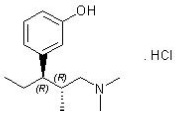
Tapentadol hydrochloride oral solution is a mu-opioid receptor agonist, available in a liquid solution for oral administration. The chemical name is 3-[(1R,2R)-3-(dimethylamino)-1-ethyl-2-methylpropyl]phenol monohydrochloride and it has the following chemical structure:

Structure (Structure)

Structure (Structure)


The molecular weight of tapentadol HCl is 257.80, and the molecular formula is C14H23NO·HCl. The n-octanol:water partition coefficient log P value is 2.87. The pKa values are 9.34 and 10.45.


Tapentadol Hydrochloride Oral Solution is supplied as a clear, colorless solution free from visible particulate matter and contains 20 mg/mL of tapentadol (corresponding to 23 mg/mL of tapentadol hydrochloride). The inactive ingredients in tapentadol hydrochloride oral solution include: citric acid anhydrous, purified water, artificial raspberry flavor (flavoring ingredients, propylene glycol), sodium hydroxide, and sucralose.

12.1 Mechanism Of Action

Tapentadol is a centrally-acting synthetic analgesic. The exact mechanism of action is unknown. Although the clinical relevance is unclear, preclinical studies have shown that tapentadol is a mu-opioid receptor (MOR) agonist and a norepinephrine reuptake inhibitor (NRI). Analgesia in animal models is derived from both of these properties.

12.2 Pharmacodynamics

Effects on the Central Nervous System (CNS)

Tapentadol produces respiratory depression by direct action on the brainstem respiratory centers. The respiratory depression involves a reduction in the responsiveness of the brain stem respiratory centers to both increases in carbon dioxide tension and electrical stimulation.


Tapentadol causes miosis, even in total darkness. Pinpoint pupils are a sign of opioid overdose but are not pathognomonic (e.g., pontine lesions of hemorrhagic or ischemic origin may produce similar findings). Marked mydriasis rather than miosis may be seen with hypoxia in overdose situations.


Effects on the Gastrointestinal Tract and on Other Smooth Muscle

Tapentadol causes a reduction in motility associated with an increase in smooth muscle tone in the antrum of the stomach and duodenum. Digestion of food in the small intestine is delayed and propulsive contractions are decreased. Propulsive peristaltic waves in the colon are decreased, while tone is increased to the point of spasm, resulting in constipation. Other opioid-induced effects may include a reduction in biliary and pancreatic secretions, spasm of sphincter of Oddi, transient elevations in serum amylase, and opioid-induced esophageal dysfunction (OIED).


Effects on the Cardiovascular System

There was no effect of therapeutic and supratherapeutic doses of tapentadol on the QT interval. In a randomized, double-blind, placebo- and positive-controlled crossover study, healthy subjects were administered five consecutive doses of tapentadol hydrochloride 100 mg every 6 hours, tapentadol hydrochloride 150 mg every 6 hours, placebo and a single oral dose of moxifloxacin. Similarly, tapentadol hydrochloride had no relevant effect on other ECG parameters (heart rate, PR interval, QRS duration, T-wave or U-wave morphology).


Tapentadol produces peripheral vasodilation which may result in orthostatic hypotension or syncope. Manifestations of histamine release and/or peripheral vasodilation may include pruritus, flushing, red eyes, sweating, and/or orthostatic hypotension.


Effects on the Endocrine System

Opioids inhibit the secretion of adrenocorticotropic hormone (ACTH), cortisol, and luteinizing hormone (LH) in humans [see Adverse Reactions (6.2)]. They also stimulate prolactin, growth hormone (GH) secretion, and pancreatic secretion of insulin and glucagon [see Adverse Reactions (6.2)].


Use of opioids for an extended period of time may influence the hypothalamic-pituitary-gonadal axis, leading to androgen deficiency that may manifest as low libido, impotence, erectile dysfunction, amenorrhea, or infertility. The causal role of opioids in the clinical syndrome of hypogonadism is unknown because the various medical, physical, lifestyle, and psychological stressors that may influence gonadal hormone levels have not been adequately controlled for in studies conducted to date [see Adverse Reactions (6.2)].


Effects on the Immune System

Opioids have been shown to have a variety of effects on components of the immune system in in vitro and animal models. The clinical significance of these findings is unknown. Overall, the effects of opioids appear to be modestly immunosuppressive.


Concentration-Efficacy Relationships

The minimum effective analgesic concentration will vary widely among patients, especially among patients who have been previously treated with opioid agonists. The minimum effective analgesic concentration of tapentadol for any individual patient may increase over time due to an increase in pain, the development of a new pain syndrome and/or the development of analgesic tolerance [see Dosage and Administration (2.1, 2.6)].


Concentration-Adverse Experience Relationships

There is a relationship between increasing tapentadol plasma concentration and increasing frequency of dose-related adverse reactions such as nausea, vomiting, CNS effects, and respiratory depression. In opioid-tolerant patients, the situation may be altered by the development of tolerance to opioid-related adverse reactions [see Dosage and Administration (2.1, 2.6)].

12.3 Pharmacokinetics

Absorption

The mean absolute bioavailability after single-dose administration (fasting) of tapentadol hydrochloride is approximately 32% due to extensive first-pass metabolism. Maximum serum concentrations of tapentadol are typically observed at around 1.25 hours after dosing.


Dose-proportional increases in the Cmax and AUC values of tapentadol have been observed over the 50 to 150 mg dose range.


A multiple (every 6 hour) dose study with doses ranging from 75 to 175 mg tapentadol showed a mean accumulation factor of 1.6 for the parent drug and 1.8 for the major metabolite tapentadol- O-glucuronide, which are primarily determined by the dosing interval and apparent half-life of tapentadol and its metabolite.


Food Effect

The AUC and Cmax increased by 25% and 16%, respectively, when tapentadol hydrochloride was administered after a high-fat, high-calorie breakfast. Tapentadol hydrochloride may be given with or without food.


Distribution

Tapentadol is widely distributed throughout the body. Following intravenous administration, the volume of distribution (Vz) for tapentadol is 540 +/-98 L. The plasma protein binding is low and amounts to approximately 20%.


Elimination

Metabolism

In humans, about 97% of the parent compound is metabolized. Tapentadol is mainly metabolized via Phase 2 pathways, and only a small amount is metabolized by Phase 1 oxidative pathways. The major pathway of tapentadol metabolism is conjugation with glucuronic acid to produce glucuronides. After oral administration approximately 70% (55% O-glucuronide and 15% sulfate of tapentadol) of the dose is excreted in urine in the conjugated form. A total of 3% of drug was excreted in urine as unchanged drug. Tapentadol is additionally metabolized to N-desmethyl tapentadol (13%) by CYP2C9 and CYP2C19 and to hydroxy tapentadol (2%) by CYP2D6, which are further metabolized by conjugation. Therefore, drug metabolism mediated by cytochrome P450 system is of less importance than phase 2 conjugation.


None of the metabolites contribute to the analgesic activity.


Excretion

Tapentadol and its metabolites are excreted almost exclusively (99%) via the kidneys. The terminal half-life is on average 4 hours after oral administration. The total clearance is 1530 +/- 177 mL/min.


Specific Populations

Age: Geriatric Population

The mean exposure (AUC) to tapentadol was similar in elderly subjects compared to young adults, with a 16% lower mean Cmax observed in the elderly subject group compared to young adult subjects.


Hepatic Impairment

Administration of tapentadol hydrochloride resulted in higher exposures and serum levels to tapentadol in subjects with impaired hepatic function compared to subjects with normal hepatic function. The ratio of tapentadol pharmacokinetic parameters for the mild hepatic impairment group (Child-Pugh Score 5 to 6) and moderate hepatic impairment group (Child-Pugh Score 7 to 9) in comparison to the normal hepatic function group were 1.7 and 4.2, respectively, for AUC; 1.4 and 2.5, respectively, for Cmax; and 1.2 and 1.4, respectively, for t1/2. The rate of formation of tapentadol-O-glucuronide was lower in subjects with increased liver impairment.


Renal Impairment

AUC and Cmax of tapentadol were comparable in subjects with varying degrees of renal function (from normal to severely impaired). In contrast, increasing exposure (AUC) to tapentadol-O-glucuronide was observed with increasing degree of renal impairment. In subjects with mild (CLCR = 50 to <80 mL/min), moderate (CLCR = 30 to <50 mL/min), and severe (CLCR = <30 mL/min) renal impairment, the AUC of tapentadol-O-glucuronide was 1.5-, 2.5-, and 5.5-fold higher compared with normal renal function, respectively.


Drug Interaction Studies

Pharmacokinetic Drug Interactions

Tapentadol is mainly metabolized by Phase 2 glucuronidation, a high capacity/low affinity system; therefore, clinically relevant interactions caused by Phase 2 metabolism are unlikely to occur. Naproxen and probenecid increased the AUC of tapentadol by 17% and 57%, respectively. These changes are not considered clinically relevant and no change in dose is required.


No changes in the pharmacokinetic parameters of tapentadol were observed when acetaminophen and acetylsalicylic acid were given concomitantly.


In vitro studies did not reveal any potential of tapentadol to either inhibit or induce cytochrome P450 enzymes. Furthermore, a minor amount of tapentadol hydrochloride is metabolized via the oxidative pathway. Thus, clinically relevant interactions mediated by the cytochrome P450 system are unlikely to occur.


The pharmacokinetics of tapentadol were not affected when gastric pH or gastrointestinal motility were increased by omeprazole and metoclopramide, respectively.


Plasma protein binding of tapentadol is low (approximately 20%). Therefore, the likelihood of pharmacokinetic drug-drug interactions by displacement from the protein binding site is low.


Pediatric use information is approved for Collegium Pharmaceutical, Inc.’s NUCYNTA oral solution. However, due to Collegium Pharmaceutical, Inc.’s marketing exclusivity rights, this drug product is not labeled with that information.

13.1 Carcinogenesis & Mutagenesis & Impairment Of Fertility

Carcinogenesis

Tapentadol was administered to rats (diet) and mice (oral gavage) for two years.


In mice, tapentadol HCl was administered by oral gavage at dosages of 50, 100 and 200 mg/kg/day for 2 years (up to 0.2 times the plasma exposure at the maximum recommended human dose [MRHD] on an area under the time-curve [AUC] basis). No increase in tumor incidence was observed at any dose level.


In rats, tapentadol HCl was administered in diet at dosages of 10, 50, 125 and 250 mg/kg/day for two years (up to 0.2times in the male rats and 0.6 times in the female rats the MRHD on an AUC basis). No increase in tumor incidence was observed at any dose level.


Mutagenesis

Tapentadol did not induce gene mutations in bacteria, but was clastogenic with metabolic activation in a chromosomal aberration test in V79 cells. The test was repeated and was negative in the presence and absence of metabolic activation. The one positive result for tapentadol was not confirmed in vivo in rats, using the two endpoints of chromosomal aberration and unscheduled DNA synthesis, when tested up to the maximum tolerated dose.


Impairment of Fertility

Tapentadol HCl was administered intravenously to male or female rats at dosages of 3, 6, or 12 mg/kg/day (representing exposures of up to approximately 0.4 times the exposure at the MRHD on an AUC basis, based on extrapolation from toxicokinetic analyses in a separate 4-week intravenous study in rats). Tapentadol did not alter fertility at any dose level. Maternal toxicity and adverse effects on embryonic development, including decreased number of implantations, decreased numbers of live conceptuses, and increased pre-and post-implantation losses occurred at dosages ≥6 mg/kg/day.

13.2 Animal Pharmacology & Or Toxicology

In toxicological studies with tapentadol, the most common systemic effects of tapentadol were related to the mu-opioid receptor agonist and norepinephrine reuptake inhibition pharmacodynamic properties of the compound. Transient, dose-dependent and predominantly CNS-related findings were observed, including impaired respiratory function and convulsions, the latter occurring in the dog at plasma levels (Cmax) which are in the range associated with the maximum recommended human dose (MRHD).

14.1 Clinical Studies In Adult Patients

The efficacy and safety of tapentadol hydrochloride in the treatment of acute pain in adults has been established in two randomized, double-blind, placebo-and active-controlled studies of moderate to severe pain from first metatarsal bunionectomy and end-stage degenerative joint disease.


Orthopedic Surgery – Bunionectomy

A randomized, double-blind, parallel-group, active- and placebo-controlled, multiple-dose study demonstrated the efficacy of 50 mg, 75 mg, and 100 mg tapentadol hydrochloride given every 4 to 6 hours for 72 hours in patients aged 18 to 80 years experiencing moderate to severe pain following unilateral, first metatarsal bunionectomy surgery. Patients who qualified for the study with a baseline pain score of ≥4 on an 11-point rating scale ranging from 0 to 10 were randomized to 1 of 5 treatments. Patients were allowed to take a second dose of study medication as soon as 1 hour after the first dose on study Day 1, with subsequent dosing every 4 to 6 hours. If rescue analgesics were required, the patients were discontinued for lack of efficacy. Efficacy was evaluated by comparing the sum of pain intensity difference over the first 48 hours (SPID48) versus placebo. Tapentadol hydrochloride at each dose provided a greater reduction in pain compared to placebo based on SPID48 values.


For various degrees of improvement from baseline to the 48-hour endpoint, Figure 1 shows the fraction of patients achieving that level of improvement. The figures are cumulative, such that every patient that achieves a 50% reduction in pain from baseline is included in every level of improvement below 50%. Patients who did not complete the 48-hour observation period in the study were assigned 0% improvement.


Figure 1: Percentage of Patients Achieving Various Levels of Pain Relief as Measured by Pain Severity at 48 Hours Compared to Baseline-Post Operative Bunionectomy

Figure-1 (Figure 1)

Figure-1 (Figure 1)


The proportions of patients who showed reduction in pain intensity at 48 hours of 30% or greater, or 50% or greater were significantly higher in patients treated with tapentadol hydrochloride at each dose versus placebo.


End-Stage Degenerative Joint Disease

A randomized, double-blind, parallel-group, active- and placebo-controlled, multiple-dose study evaluated the efficacy and safety of 50 mg and 75 mg tapentadol hydrochloride given every 4 to 6 hours during waking hours for 10 days in patients aged 18 to 80 years, experiencing moderate to severe pain from end stage degenerative joint disease of the hip or knee, defined as a 3-day mean pain score of ≥5 on an 11-point pain intensity scale, ranging from 0 to 10. Pain scores were assessed twice daily and assessed the pain the patient had experienced over the previous 12 hours. Patients were allowed to continue non-opioid analgesic therapy for which they had been on a stable regimen before screening throughout the study. Eighty-three percent (83%) of patients in the tapentadol treatment groups and the placebo group took such analgesia during the study. The 75 mg treatment group was dosed at 50 mg for the first day of the study, followed by 75 mg for the remaining nine days. Patients requiring rescue analgesics other than study medication were discontinued for lack of efficacy. Efficacy was evaluated by comparing the sum of pain intensity difference (SPID) versus placebo over the first five days of treatment. Tapentadol hydrochloride 50 mg and 75 mg provided improvement in pain compared with placebo based on the 5-Day SPID.


For various degrees of improvement from baseline to the Day 5 endpoint, Figure 2 shows the fraction of patients achieving that level of improvement. The figures are cumulative, such that every patient that achieves a 50% reduction in pain from baseline is included in every level of improvement below 50%. Patients who did not complete the 5-day observation period in the study were assigned 0% improvement.


Figure 2: Percentage of Patients Achieving Various Levels of Pain Relief as Measured by Average Pain Severity for the Previous 12 hours, Measured on Study Day 5 Compared to Baseline -­End Stage Degenerative Joint Disease

Figure-2 (Figure 2)

Figure-2 (Figure 2)


The proportions of patients who showed reduction in pain intensity at 5 days of 30% or greater, or 50% or greater were significantly higher in patients treated with tapentadol hydrochloride at each dose versus placebo.


Pediatric use information is approved for Collegium Pharmaceutical, Inc.’s NUCYNTA oral solution. However, due to Collegium Pharmaceutical, Inc.’s marketing exclusivity rights, this drug product is not labeled with that information.

16 How Supplied/Storage And Handling

Tapentadol Hydrochloride Oral Solution, 20 mg/mL, is available as a clear, colorless solution free from visible particulate matter. Supplied with calibrated syringes for adult dosing. Tapentadol Hydrochloride Oral Solution, 20 mg/mL, is available as:


Bottles of 100 mL (NDC 70954-801-10)

Bottles of 200 mL (NDC 70954-801-20)


Storage and Handling

Store at 20°C to 25°C (68°F to 77°F); excursions permitted to 15°C to 30°C (59°F to 86°F) [see USP Controlled Room Temperature].


Store the oral solution bottle upright after opening.


Store Tapentadol Hydrochloride Oral Solution securely and dispose of properly [see Patient Counseling Information (17)]

17 Patient Counseling Information

Advise the patient to read the FDA-approved patient labeling (Medication Guide).


Storage and Disposal:

Because of the risks associated with accidental ingestion, misuse, and abuse, advise patients to store tapentadol hydrochloride oral solution securely, out of sight and reach of children, and in a location not accessible by others, including visitors to the home. Inform patients that leaving tapentadol hydrochloride oral solution unsecured can pose a deadly risk to others in the home [see Warnings and Precautions (5.2, 5.3), Drug Abuse and Dependence (9.2)].


Advise patients and caregivers that when medicines are no longer needed, they should be disposed of promptly. Expired, unwanted, or unused tapentadol hydrochloride oral solution should be disposed of by flushing the unused medication down the toilet if a drug take-back option is not readily available. Inform patients that they can visit www.fda.gov/drugdisposal for a complete list of medicines recommended for disposal by flushing, as well as additional information on disposal of unused medicines.


Medication Errors

Instruct patients and caregivers how to measure and take or administer the correct dose of tapentadol hydrochloride oral solution, and to always use the enclosed syringe when administering tapentadol hydrochloride oral solution to correctly measure the prescribed amount of medication for adult patients.. Inform patients and caregivers that oral dosing devices may be obtained from their pharmacy and to never use household teaspoons or tablespoons to measure tapentadol hydrochloride oral solution [see Dosage and Administration (2), Warnings and Precautions (5.1)].


If the prescribed concentration is changed, instruct patients and caregivers on how to correctly measure the new dose to avoid errors which could result in accidental overdose and death.


Addiction, Abuse, and Misuse

Inform patients that the use of tapentadol hydrochloride oral solution, even when taken as recommended, can result in addiction, abuse, and misuse, which can lead to overdose and death [see Warnings and Precautions (5.2)]. Instruct patients not to share tapentadol hydrochloride oral solution with others and to take steps to protect tapentadol hydrochloride oral solution from theft or misuse.


Life-Threatening Respiratory Depression

Inform patients of the risk of life-threatening respiratory depression, including information that the risk is greatest when starting tapentadol hydrochloride oral solution or when the dosage is increased, and that it can occur even at recommended dosages.


Educate patients and caregivers on how to recognize respiratory depression and emphasize the importance of calling 911 or getting emergency medical help right away in the event of a known or suspected overdose [see Warnings and Precautions (5.3)].


Accidental Ingestion

Inform patients that accidental ingestion, especially by children, may result in respiratory depression or death [see Warnings and Precautions (5.3)].


Interactions with Benzodiazepines and Other CNS Depressants

Inform patients that potentially fatal serious additive effects may occur if tapentadol hydrochloride oral solution is used with benzodiazepines or other CNS depressants, including alcohol (e.g., non-benzodiazepine sedative/hypnotics, anxiolytics, tranquilizers, muscle relaxants, general anesthetics, antipsychotics, gabapentinoids [gabapentin or pregabalin], and other opioids), and not to use these concomitantly unless supervised by a health care provider  [see Warnings and Precautions (5.4), Drug Interactions (7)].


Patient Access to an Opioid Overdose Reversal Agent for the Emergency Treatment of Opioid Overdose

Inform patients and caregivers about opioid overdose reversal agents (e.g., naloxone, nalmefene). Discuss the importance of having access to an opioid overdose reversal agent, especially if the patient has risk factors for overdose (e.g., concomitant use of CNS depressants, a history of opioid use disorder, or prior opioid overdose) or if there are household members (including children) or other close contacts at risk for accidental ingestion or opioid overdose.


Discuss with the patient the options for obtaining an opioid overdose reversal agent (e.g., prescription, over-the-counter, or as part of a community-based program) [see Dosage and Administration (2.2), Warnings and Precautions (5.3)].


Educate patients and caregivers on how to recognize the signs and symptoms of an overdose.


Explain to patients and caregivers that effects of opioid overdose reversal agents like naloxone and nalmefene are temporary, and that they must call 911 or get emergency medical help right away in all cases of known or suspected opioid overdose, even if an opioid overdose reversal agent is administered [see Overdosage (10)].


Advise patients and caregivers:

  • how to treat with the overdose reversal agent in the event of an opioid overdose to tell family and friends about their opioid overdose reversal agent, and to keep it in a place where family and friends can access it in an emergency to read the Patient Information (or other educational material) that will come with their opioid overdose reversal agent. Emphasize the importance of doing this before an opioid emergency happens, so the patient and caregiver will know what to do.

  • Hyperalgesia and Allodynia

    Inform patients and caregivers not to increase opioid dosage without first consulting a clinician. Advise patients to seek medical attention if they experience symptoms of hyperalgesia, including worsening pain, increased sensitivity to pain, or new pain [see Warnings and Precautions (5.7), Adverse Reactions (6.2)].


    Serotonin Syndrome

    Inform patients that opioids could cause a rare but potentially life-threatening condition called serotonin syndrome resulting from concomitant administration of serotonergic drugs. Warn patients of the symptoms of serotonin syndrome and to seek medical attention right away if symptoms develop. Instruct patients to inform their healthcare provider if they are taking, or plan to take serotonergic medications [see Drug Interactions (7)].


    MAOI Interaction

    Inform patients not to take tapentadol hydrochloride oral solution while using any drugs that inhibit monoamine oxidase. Patients should not start MAOIs while taking tapentadol hydrochloride oral solution [see Warnings and Precautions (5.8), Drug Interactions (7)]


    Important Administration Instructions

    Instruct patients how to properly take tapentadol hydrochloride oral solution [see Dosage and Administration (2), Warning and Precautions (5.1)]

    • For adult patients, strongly advise patients and caregivers to always use the enclosed graduated oral syringe when administering tapentadol hydrochloride oral solution to correctly measure the prescribed amount of medication [see Warnings and Precautions (5.1)].
    • Inform patients and caregivers that oral dosing devices may be obtained from their pharmacy and to never use household teaspoons or tablespoons to measure tapentadol hydrochloride oral solution [see Dosage and Administration (2)].
    • Advise patients and caregivers not to adjust the dose of tapentadol hydrochloride oral solution without consulting with a physician or other healthcare professional.

    • Important Discontinuation Instructions

      In order to avoid developing withdrawal symptoms, instruct patients not to discontinue tapentadol hydrochloride oral solution without first discussing a tapering plan with the prescriber [see Dosage and Administration (2.6)]


      Driving or Operating Heavy Machinery

      Inform patients that tapentadol hydrochloride oral solution may impair the ability to perform potentially hazardous activities such as driving a car or operating heavy machinery. Advise patients not to perform such tasks until they know how they will react to the medication [see Warnings and Precautions (5.16)].


      Constipation

      Advise patients of the potential for severe constipation, including management instructions and when to seek medical attention [see Adverse Reactions (6)].


      Adrenal Insufficiency

      Inform patients that opioids could cause adrenal insufficiency, a potentially life-threatening condition. Adrenal insufficiency may present with non-specific symptoms and signs such as nausea, vomiting, anorexia, fatigue, weakness, dizziness, and low blood pressure. Advise patients to seek medical attention if they experience a constellation of these symptoms [see Warnings and Precautions (5.10)].


      Hypotension

      Inform patients that tapentadol hydrochloride oral solution may cause orthostatic hypotension and syncope. Instruct patients how to recognize symptoms of low blood pressure and how to reduce the risk of serious consequences should hypotension occur (e.g., sit or lie down, carefully rise from a sitting or lying position). [see Warnings and Precautions (5.11)]


      Anaphylaxis

      Inform patients that anaphylaxis has been reported with ingredients contained in tapentadol hydrochloride oral solution. Advise patients to recognize such a reaction and when to seek medical attention [see Contraindications (4), Adverse Reactions (6)].


      Pregnancy


      Neonatal Opioid Withdrawal Syndrome

      Inform female patients of reproductive potential that use of tapentadol hydrochloride oral solution for an extended period of time during pregnancy can result in neonatal opioid withdrawal syndrome, which may be life-threatening if not recognized and treated [see Warnings and Precautions (5.5), Use in Specific Populations (8.1)].


      Embryo-Fetal Toxicity

      Inform female patients of reproductive potential that tapentadol hydrochloride oral solution can (or may) cause fetal harm and to inform the healthcare provider of a known or suspected pregnancy [see Use in Specific Populations (8.1)].


      Lactation

      Advise nursing mothers to carefully observe infants for increased sleepiness (more than usual), breathing difficulties, or limpness. Instruct nursing mothers to seek immediate medical care if they notice these signs [see Use in Specific Populations (8.2)].


      Infertility

      Inform patients that use of opioids for an extended period of time may cause reduced fertility. It is not known whether these effects on fertility are reversible [see Use in Specific Populations (8.3)]


      Pediatric use information is approved for Collegium Pharmaceutical, Inc.’s NUCYNTA oral solution. However, due to Collegium Pharmaceutical, Inc.’s marketing exclusivity rights, this drug product is not labeled with that information.


      Trademarks are the property of their respective owners.


      Distributed by:

      ANI Pharmaceuticals, Inc.

      Baudette, MN 56623


      Issued: 01/2026

      LB4685-01

Medication Guide


Medication Guide
Tapentadol Hydrochloride (ta-PEN-ta-dol hai·drow·klaw·ride)
Oral Solution, CII
Tapentadol hydrochlorideoral solution is:
  • A strong prescription pain medicine that contains an opioid (narcotic) that is used to manage short term (acute) pain in adults, when other pain treatments such as non-opioid pain medicines do not treat your pain well enough or you cannot tolerate them.
  • An opioid pain medicine that can put you at risk for overdose and death. Even if you take your dose correctly as prescribed you are at risk for opioid addiction, abuse, and misuse that can lead to death.
Important information about tapentadol hydrochlorideoral solution:
  • Get emergency help or call 911 right away if you take too much tapentadol hydrochlorideoral solution (overdose). When you first start taking tapentadol hydrochloride oral solution, when your dose is changed, or if you take too much (overdose), serious or life-threatening breathing problems that can lead to death may occur. Ask your healthcare provider about medicines like naloxone or nalmefene that can be used in an emergency to reverse an opioid overdose.
  • Taking tapentadol hydrochloride oral solution with other opioid medicines, benzodiazepines, gabapentinoids (gabapentin or pregabalin), alcohol, or other central nervous system depressants (including street drugs) can cause severe drowsiness, decreased awareness, breathing problems, coma, and death.
  • Never give anyone else your tapentadol hydrochloride oral solution. They could die from taking it. Selling or giving away tapentadol hydrochloride oral solution is against the law.
  • Store tapentadol hydrochloride oral solution securely, out of sight and reach of children, and in a location not accessible by others, including visitors to the home.
Do not take tapentadol hydrochlorideoral solution if you have:
  • severe asthma, trouble breathing, or other lung problems.
  • a bowel blockage or have narrowing of the stomach or intestines.
Before taking tapentadol hydrochlorideoral solution, tell your healthcare provider if you have a history of:
  • head injury, seizures
  • liver, kidney, thyroid problems
  • problems urinating
  • pancreas or gallbladder problems
  • abuse of street or prescription drugs, alcohol addiction, opioid overdose, or mental health problems.  
  •  
    Tell your healthcare provider if you are: 

    • noticing your pain getting worse. If your pain gets worse after you take tapentadol hydrochloride oral solution, do not take more of tapentadol hydrochloride oral solution without first talking to your healthcare provider. Tell your healthcare provider if the pain that you have increases, if you feel more sensitive to pain, or if you have new pain after taking tapentadol hydrochloride oral solution.
    • pregnant or planning to become pregnant. Use of tapentadol hydrochloride oral solution for an extended period of time during pregnancy can cause withdrawal symptoms in your newborn baby that could be life-threatening if not recognized and treated.
    • breastfeeding. Tapentadol hydrochloride oral solution passes into breast milk and may harm your baby. Carefully observe infants for increased sleepiness (more than usual), breathing difficulties, or limpness. Seek immediate medical care if you notice these signs.
    • living in a household where there are small children or someone who has abused street or prescription drugs.
    • taking prescription or over-the-counter medicines, vitamins, or herbal supplements. Taking tapentadol hydrochloride oral solution with certain other medicines can cause serious side effects that could lead to death.
When taking tapentadol hydrochlorideoral solution:
  • Do not change your dose. Take tapentadol hydrochloride oral solution exactly as prescribed by your healthcare provider. Use the lowest dose possible for the shortest time needed.
  • For acute (short-term) pain, you may only need to take tapentadol hydrochloride oral solution for a few days. You may have some tapentadol hydrochloride oral solution left over that you did not use. See disposal information at the bottom of this section for directions on how to safely throw away (dispose of) your unused tapentadol hydrochloride oral solution.
  • See the detailed Instructions for Use for information about how to take tapentadol hydrochloride oral solution.
  • Adults should always use the syringe that comes with tapentadol hydrochloride oral solution to correctly measure and take their dose. Never use a household teaspoon or tablespoon to measure tapentadol hydrochloride oral solution.
  • Take your prescribed dose every 4-6 hours as needed for pain, at the same time every day. Do not take more than your prescribed dose. If you miss a dose, take your next dose at your usual time.
  • Call your healthcare provider if the dose you are taking does not control your pain.
  • If you have been taking tapentadol hydrochloride oral solution regularly, do not stop taking tapentadol hydrochloride oral solution without talking to your healthcare provider.
  • Dispose of expired, unwanted, or unused tapentadol hydrochloride oral solution by promptly flushing down the toilet, if a drug take-back option is not readily available. Visit www.fda.gov/drugdisposal for additional information on disposal of unused medicines.
While taking tapentadol hydrochloride oral solution DO NOT:
  • Drive or operate heavy machinery, until you know how tapentadol hydrochloride oral solution affects you. Tapentadol hydrochloride oral solution can make you sleepy, dizzy, or lightheaded.
  • Drink alcohol or use prescription or over-the-counter medicines that contain alcohol. Using products containing alcohol during treatment with tapentadol hydrochloride oral solution may cause you to overdose and die.
  • The possible side effects of tapentadol hydrochloride oral solution:
    • constipation, nausea, sleepiness, vomiting, tiredness, headache, dizziness, abdominal pain. Call your healthcare provider if you have any of these symptoms and they are severe.
    • Get emergency medical help or call 911 right away if you have:
      • trouble breathing, shortness of breath, fast heartbeat, chest pain, swelling of your face, tongue, or throat, extreme drowsiness, light-headedness when changing positions, feeling faint, agitation, high body temperature, trouble walking, stiff muscles, or mental changes such as confusion.
      •  
        These are not all the possible side effects of tapentadol hydrochloride oral solution. Call your healthcare provider for medical advice about side effects. You may report side effects to FDA at 1-800-FDA-1088. For more information go to dailymed.nlm.nih.gov
         
        Pediatric use information is approved for Collegium Pharmaceutical, Inc.’s NUCYNTA oral solution. However, due to Collegium Pharmaceutical, Inc.’s marketing exclusivity rights, this drug product is not labeled with that information.
         
        Trademarks are the property of their respective owners.
         
        Distributed by:
        ANI Pharmaceuticals, Inc.
        Baudette, MN 56623

This Medication Guide has been approved by the U.S. Food and Drug Administration.


Issued: 01/2026

LB4685-01

Instructions For Use

Tapentadol HydrochlorideOral Solution CII

20 mg/mL

This Instructions for Use contains information on how to take tapentadol hydrochloride oral solution.


Read this Instructions for Use before you start taking tapentadol hydrochloride oral solution and each time you get a refill. There may be new information. This information does not take the place of talking to your healthcare provider about your medical condition or your treatment.


Important Information You Need to Know Before taking tapentadol hydrochloride oral solution


  • For dosing in adults, always use the oral syringe provided with your tapentadol hydrochlorideoral solution to make sure you measure the right amount. Do not use a household teaspoon or tablespoon to measure tapentadol hydrochloride oral solution.
  • You will be provided (See Figure A):
    •  1 bottle of tapentadol hydrochloride oral solution
    •  1 oral syringe for adult dosing only and 1 adapter for adult dosing only

    • Figure-a (Figure A)

      Figure-a (Figure A)


      Before you use tapentadol hydrochloride oral solution for the first time:

      Step 1: Remove the child-resistant cap and completely remove the foil seal if present (See Figure B).
       
      • Do not throw away the child-resistant cap. 
       
      Fig-b (Figure B)

      Fig-b (Figure B)

      Step 2: Push the ribbed end of the adapter into the neck of the bottle until it is firmly in place. The bottom edge of the adapter should fully contact the top rim of the bottle (See Figure C).
      Do not remove the adapter from the bottle after it is inserted.
       
      Fig-c (Figure C)

      Fig-c (Figure C)

       To prepare a dose of tapentadol hydrochloride oral solution: 
      Step 3: Check the dose in milliliters (mL) as prescribed by your healthcare provider. Find this number on the oral syringe that you will use to take the right amount of tapentadol hydrochloride oral solution (See Figure D).
       
      Fig-d (Figure D)

      Fig-d (Figure D)

      Step 4: Hold the oral syringe in one hand. With your other hand, fully push down (depress) the plunger to the bottom of the syringe barrel to remove excess air (See Figure E). 
      Fig-e (Figure E)

      Fig-e (Figure E)

      Step 5: Insert the tip of the oral syringe into the adapter (See Figure F). 
      Fig-f (Figure F)

      Fig-f (Figure F)

      Step 6: Turn the bottle upside down (See Figure H).
      • Pull back slowly on the oral syringe plunger to withdraw the dose prescribed by your healthcare provider (the amount of oral solution in Step 3).
      •  
        If you see air bubbles in the oral syringe:
        • Fully push in the plunger until it reaches the bottom of the syringe barrel so that all of the oral solution flows back into the bottle.
          • Repeat Steps 5 and 6.
       
      Fig-h (Figure H)

      Fig-h (Figure H)

      Step 7: Leave the oral syringe in the bottle adapter and turn the bottle right-side up. Place the bottle onto a flat surface. Remove the oral syringe from the bottle (See Figure I). 
      Fig-i (Figure I)

      Fig-i (Figure I)

      Step 8: Check that the correct dose in mL was drawn up into the oral dosing syringe (See Figure J).
      • If the dose is not correct:
        • Insert the oral syringe tip into the bottle and fully push in the plunger to the bottom of the syringe barrel so that all of the oral solution flows back into the bottle.
        • Repeat Steps 5 through 7.
       
      Fig-j (Figure J)

      Fig-j (Figure J)

      Step 9: Take the dose of tapentadol hydrochloride oral solution.
       
      For dosing in adults, take the dose of tapentadol hydrochloride oral solution (See Figure K).
      • Place the tip of the oral syringe in your mouth.
      • Close your lips around the syringe barrel.
      • Squirt the oral solution into your mouth by slowly pushing on the syringe plunger until the oral syringe is empty.
       
      Fig-k (Figure K)

      Fig-k (Figure K)

       Step 10: Put the child-resistant cap back on the bottle (See Figure M).
       
      Fig-m (Figure M)

      Fig-m (Figure M)


      Step 11: Clean the oral dosing syringe

      • Remove the plunger from the oral syringe barrel.
      • Rinse the oral syringe and plunger with water after each use and let them air dry.
      • When the oral syringe and plunger are dry, put the plunger back into the oral syringe barrel for the next use.

      • Do not throw away the oral syringe.


        Talk to your pharmacist or healthcare provider if you have questions about how to use the oral syringe, or if you lose or misplace the oral syringe.


        Step 12: Storing tapentadol hydrochlorideoral solution

        • Store tapentadol hydrochloride oral solution at room temperature between 68°F to 77°F (20°C to 25°C).
        • Store the tapentadol hydrochloride oral solution bottle upright after opening. Keep the oral syringe with your medicine.
        • Store tapentadol hydrochloride oral solution securely, out of sight and reach of children, and in a location not accessible by others, including visitors to the home. Leaving tapentadol hydrochloride oral solution unsecured can be deadly.

        • Step 13: Disposing of tapentadol hydrochlorideoral solution

          After you stop taking tapentadol hydrochloride oral solution, throw away (dispose of) expired, unwanted, or unused tapentadol hydrochloride oral solution by promptly flushing down the toilet, if a drug take-back option is not readily available. Visit www.fda.gov/drugdisposal for additional information on disposal of unused medicines.


          Keep tapentadol hydrochlorideoral solution and all medicines out of the reach of children.


          Tapentadol hydrochloride oral solution ingredients


          Active ingredient: tapentadol

          Inactive ingredients: citric acid anhydrous, purified water, artificial raspberry flavor (flavoring ingredients, propylene glycol), sodium hydroxide, and sucralose.


          Pediatric use information is approved for Collegium Pharmaceutical, Inc.’s NUCYNTA oral solution. However, due to Collegium Pharmaceutical, Inc.’s marketing exclusivity rights, this drug product is not labeled with that information.


          Trademarks are the property of their respective owners.


          Distributed by:

          ANI Pharmaceuticals, Inc.

          Baudette, MN 56623


          This Instructions for Use has been approved by the U.S. Food and Drug Administration.


          Issued: 01/2026

           LB4685-01

Package Label.Principal Display Panel

Tapentadol Hydrochloride Oral Solution, 20 mg/mL

Bottles of 100 mL - NDC 70954-801-10

Container label

Label-1 (Label 1)

Label-1 (Label 1)


Carton label

Carton-1 (Carton 1)

Carton-1 (Carton 1)


Bottles of 200 mL - NDC 70954-801-20

 Container label

Label-2 (Label 2)

Label-2 (Label 2)


Carton label

Carton-2 (Carton 2)

Carton-2 (Carton 2)

* Please review the disclaimer below.