ELOCTATE has been evaluated in 276 subjects in five completed studies in previously treated patients (PTPs) with severe Hemophilia A (<1% endogenous FVIII activity or a genetic mutation consistent with severe Hemophilia A) who received at least one dose of ELOCTATE as part of either routine prophylaxis, on-demand treatment of bleeding episodes or perioperative management. Sixty-nine (25.0%) were pediatric subjects <12 years of age, 25 (9.1%) were adolescents (12 to <18 years of age), and 182 (65.9%) were adults (18 years of age and older). There were 200 subjects treated for at least 104 weeks, 151 subjects treated for at least 156 weeks and 107 subjects treated for at least 208 weeks. The total number of exposure days (EDs) was 80,848 with a median of 294 (range 1-735) exposure days per subject. The subjects received a total of 82,024 injections with a median of 303.5 injections of ELOCTATE (range 1-755) per subject. Adverse events (AEs) were monitored for a total of 893.72 subject-years. Two subjects (0.7% of total 276) with cardiovascular risk factors each experienced a serious adverse reaction of myocardial infarction during the study.
Adverse reactions (ARs) were reported for 11 of 276 (4.0%) subjects treated with routine prophylaxis or episodic (on-demand) therapy. No age-specific differences in ARs were observed between pediatric and adult subjects. Table 3 summarizes the most frequently occurring adverse reactions in PTPs. Additional adverse reactions, each occurring in a single subject (incidence 0.4%), include dizziness, dysgeusia, bradycardia, hypertension, hot flush, angiopathy (investigator term: vascular pain after injection of study drug), cough, lower abdominal pain, back pain, joint swelling, chest pain, feeling cold, feeling hot, and procedural hypotension. Two subjects were withdrawn from study due to adverse reactions of rash and arthralgia. In the studies, no inhibitors were detected and no events of anaphylaxis were reported.
ELOCTATE safety was also evaluated in one completed study (PUPs study) in 103 subjects with severe hemophilia A (<1% endogenous FVIII activity). Overall, the median number of weeks on treatment was 64.24 weeks (range: 0.0–206.8 weeks). The number of subjects with at least 10 exposure days (EDs) was 87 (84.5%), at least 20 EDs was 85 (82.5%), and at least 50 EDs was 81 (78.6%).
Adverse drug reactions (ADRs) were reported in 29 of 103 (28.2%) subjects treated with ELOCTATE on routine prophylaxis, episodic, and/or immune tolerance induction (ITI) therapies. ADRs in PUPs are summarized in Table 4.
Clinical trial subjects were monitored for neutralizing antibodies to Factor VIII. No PTPs developed confirmed neutralizing antibodies to Factor VIII. One 25 year old subject had a transient, positive, neutralizing antibody of 0.73 BU at week 14, which was not confirmed upon repeat testing 18 days later and thereafter.
In PUPs Study, development of neutralizing antibodies (inhibitors) was observed in 28 subjects, 14 of them had a high-titer inhibitor. Based on subjects with an inhibitor test following an exposure day (ED) milestone or who developed an inhibitor at any time during the study, the incidence of Factor VIII inhibitor development was:
- 28/90 subjects (31.1%) with at least 10 EDs
- 28/86 subjects (32.6%) with at least 50 EDs
The median time to inhibitor development for the 28 subjects was 9 EDs (interquartile range: 6.5–12).
The detection of antibodies that are reactive to Factor VIII is highly dependent on many factors, including the sensitivity and specificity of the assay, sample handling, timing of sample collection, concomitant medications and underlying disease. Therefore, it may be misleading to compare of the incidence of antibodies to ELOCTATE with the incidence of antibodies to other products.
Risk Summary
There are no studies of ELOCTATE use in pregnant women to inform a drug-associated risk. The background risk of major birth defects and miscarriage in the indicated population is unknown; however, the background risk of major birth defects in the U.S. general population is 2-4% and of miscarriage is 15-20% of clinically recognized pregnancies.
Animal reproductive and developmental toxicity studies have not been conducted with ELOCTATE. In a placental transfer study, ELOCTATE was detected in murine fetal blood samples at approximately 1% of the maternal blood levels (range, 0.2% to 1.9%), 3 to 4 hours following dosing of pregnant mice with 260 to 650 times the clinical dose of 20 to 50 IU/kg ELOCTATE [see Data].
It is not known whether ELOCTATE can cause fetal harm when administered to a pregnant woman, or whether it can affect reproduction capacity. If ELOCTATE is clearly needed to treat a pregnant woman, advise the patient that the risks to the mother and to the fetus are unknown.
Data
Animal data
Pregnant, genetically-modified, FVIII-deficient mice (Hem A mice) were injected intravenously with a single dose of 400 IU (approximately 13,000 IU/kg) ELOCTATE at the end of pregnancy on Gestation Day 19. Blood samples were collected from the maternal mice and the fetuses 3 to 4 hours after dosing, and FVIII activity was measured in both maternal and fetal plasma using a FVIII chromogenic assay. After dosing pregnant HemA mice with ELOCTATE, FVIII activity in fetal blood was approximately 1% of the maternal blood levels, suggesting that placental transfer of ELOCTATE may occur. The relevance of these data to humans is unknown.
Risk Summary
There is no information regarding the presence of ELOCTATE in human milk, its effects on the breastfed infant, or its effects on milk production. The developmental and health benefits of breastfeeding should be considered along with the mother's clinical need for ELOCTATE and any potential adverse effects on the breastfed infant from ELOCTATE or from the underlying maternal condition.
Pediatric and Adolescent Pharmacokinetics
Pharmacokinetic (PK) parameters of ELOCTATE were determined for adolescents (ages 12 to 17 years) in the adult and adolescent study and for children (ages 1 to 5 years and 6 to 11 years) in the pediatric study. Table 5 presents the PK parameters calculated from the pediatric data of 65 subjects, less than 18 years of age, after receiving a single 50 IU/kg dose.
Compared to adults and adolescents, body weight adjusted clearance was 75% higher in children 1 to 5 years of age. These results indicate a need for dose adjustments in children 1 to 5 years of age.
The PK evaluation of pediatric subjects, ages 6 to 17 years, showed that their PK profiles and arithmetic means of PK parameters are similar to those of adults. Therefore, for subjects 6 years and older, an age-based dose adjustment is not required.
Table 5: Comparison of PK Parameters of ELOCTATE by Age| PK Parameters PK parameters are presented in Arithmetic Mean (95% CI) | Pediatric Study | Adult and Adolescent Study |
|---|
| 1 to 5 Years | 6 to 11 Years | 12 to 17 Years | Adults The analysis included two adolescent subjects (15 and 16 years old) |
|---|
| N=23 | N=31 | N=11 | N=28 |
|---|
|
Incremental Recovery
(IU/dL per IU/kg) | 1.92
(1.80, 2.04) | 2.44
(2.07, 2.80) | 1.85
(1.58, 2.12) | 2.26
(2.13, 2.40) |
AUC/Dose
(IU x h/dL per IU/kg) | 30.0
(26.5, 33.6) | 41.9
(34.0, 49.8) | 38.7
(34.3, 43.1) | 54.1
(47.0, 61.1) |
| t½ (h) | 12.7
(11.2, 14.1) | 14.9
(12.0, 17.8) | 16.4
(14.1, 18.6) | 19.7
(17.4, 22.0) |
| MRT (h) | 17.2
(15.4, 19.1) | 20.9
(17.1, 24.7) | 23.1
(19.9, 26.4) | 26.1
(23.2, 28.9) |
| CL (mL/h/kg) | 3.60
(3.13, 4.07) | 2.78
(2.44, 3.13) | 2.66
(2.34, 2.98) | 2.06
(1.78, 2.34) |
| Vss (mL/kg) | 58.6
(54.9, 62.3) | 52.1
(45.3, 59.0) | 60.3
(53.3, 67.3) | 49.5
(46.9, 52.2) |
On-demand Treatment and Control of Bleeding Episodes
In the adult and adolescent study, a total of 757 bleeding episodes in 106 subjects were treated with ELOCTATE. The majority of the bleeding episodes were spontaneous and localized in joints. The median dose per injection used to treat a bleeding episode was 27.35 (IQR 22.73, 32.71) IU/kg. Assessment of response to each injection was recorded by subjects at 8-12 hours after treatment. A 4-point rating scale of excellent, good, moderate, and no response was used to assess response. Efficacy in control of bleeding episodes in subjects ≥12 years of age is summarized in Table 6.
Table 6: ELOCTATE Efficacy in Control of Bleeding in Subjects ≥12 Years of Age| New bleeding episodes | | (n=757) |
|---|
| # of Injections to treat bleeding episodes | | |
| 1 injection | 661 (87.3%) |
| 2 injections | 79 (10.4%) |
| >2 injections | 17 (2.2%) |
| Response to first injection Excellent: abrupt pain relief and/or improvement in bleeding; Good: definite pain relief and/or improvement in signs of bleeding but possibly requiring more than one injection; Moderate: probable beneficial effect and requiring more than one injection; No response: no improvement or condition worsens. Response evaluated at approximately 8-12 hours after treatment. | | (n=745) |
| Excellent or good | 78.1% |
| Moderate | 21.2% |
| No response | 0.7% |
In the pediatric study, a total of 86 bleeding episodes in 69 pediatric subjects were treated with ELOCTATE. Assessment of response to each injection was recorded by subjects at 8 to 12 hours post-treatment. A 4-point rating scale of excellent, good, moderate, and no response was used to assess response. Efficacy in control of bleeding episodes in subjects <12 years of age is summarized in Table 7.
The hemostatic efficacy in treatment of bleeds was rated excellent or good in 92.6% for all evaluable first injections.
Table 7: ELOCTATE Efficacy in Control of Bleeding in Pediatric Subjects <12 Years of Age | | 1-5 Years
(n=35) | 6 to 11 Years
(n=34) | Total
(<12 Years)
(n=69) |
|---|
| New bleeding episodes | | (n=38) | (n=48) | (n=86) |
| # of Injections to treat bleeding episodes | 1 injection | 29 (76.3%) | 41 (85.4%) | 70 (81.4%) |
| 2 injections | 7 (18.4%) | 3 (6.3%) | 10 (11.6%) |
| >2 injections | 2 (5.3%) | 4 (8.3%) | 6 (7.0%) |
| Median dose per injection (IU/kg) to treat a bleeding episode (IQR) | | 51.35
(29.94, 59.52) | 48.15
(29.08, 55.97) | 49.69
(29.41, 56.82) |
| Median total dose (IU/kg) to treat a bleeding episode (IQR) | | 56.40
(29.94, 72.46) | 53.49
(29.08, 66.80) | 54.90
(29.41, 71.09) |
| Response to first injection Excellent: abrupt pain relief and/or improvement in bleeding; Good: definite pain relief and/or improvement in signs of bleeding but possibly requiring more than one injection; Moderate: probable beneficial effect and requiring more than one injection; No response: no improvement or condition worsens. Response evaluated at approximately 8-12 hours after treatment. | | (n=35) | (n=46) | (n=81) |
| Excellent or good | 32 (91.4%) | 43 (93.5%) | 75 (92.6%) |
| Moderate | 3 (8.6%) | 1 (2.2%) | 4 (4.9%) |
| No response | 0 (0.0%) | 2 (4.3%) | 2 (2.5%) |
Perioperative Management
Major surgeries
Hemostasis was assessed in forty-five (45) surgeries in thirty-two (32) subjects from the adult and adolescent study and the extension study. There were no major surgeries in the pediatric study or the pharmacokinetics studies. Of the 45 major surgeries, 36 surgeries (80.0%) required a single perioperative dose to maintain hemostasis. Of the 42 major surgeries treated with at least one dose, the median average dose per injection to maintain hemostasis during surgery was 59.1 IU/kg (range 35-111). On the day of surgery, most subjects received a second injection. The total dose on the day of surgery ranged from 37.6-157.9 IU/kg.
Hemostatic response was assessed by the investigator using ordinal scales as follows:
Excellent: Intraoperative and postoperative blood loss similar to (or less than) the nonhemophilic patient. No extra doses of rFVIIIFc needed and blood component transfusions required are similar to nonhemophilic patient
Good: Intraoperative and/or postoperative bleeding slightly increased over expectations for the nonhemophilic patient, but the difference was not clinically significant. Intraoperative blood loss no more than 250 mL greater than expected for a nonhemophilic patient and no extra doses of rFVIIIFc needed and blood component transfusions required are similar to nonhemophilic patient
Fair: Intraoperative and/or postoperative blood loss is increased over expectation for the nonhemophilic patient and additional treatment was needed. Intraoperative blood loss 250 to 500 mL greater than expected for person without hemophilia or extra dose of rFVIIIFc needed or increased blood component transfusion requirement
Poor/none: Significant intraoperative and/or postoperative bleeding that was substantially increased over expectations for the nonhemophilic patient, required intervention, and was not explained by a surgical/medical issue other than hemophilia: Intraoperative blood loss >500 mL greater than for the nonhemophilic patient or unexpected hypotension or unexpected transfer to intensive care unit due to bleeding or substantially increased blood component transfusion requirement.
For forty-one (41) major surgeries in twenty-nine (29) subjects, hemostatic response was assessed and rated as excellent in 38 (93%) surgeries and good in 3 (7%) surgeries.
Types of surgeries assessed include major orthopedic procedures such as joint replacements (bilateral knee, as well as unilateral elbow, hip and knee replacements), ankle fusion and amputation. Other major surgeries include appendectomy, arthroscopy, spinal surgery, and inguinal hernia repair.
Minor surgeries
A hemostatic assessment of 72 minor surgical procedures in 59 subjects from all three studies was conducted with all (100%) having excellent or good response (excellent response [61 of 72; 84.7%] and good response [11 of 72; 15.3%]).
Routine Prophylaxis
Adult and adolescent study
The efficacy of routine prophylaxis was evaluated against on-demand treatment. A total of 117 subjects received an individualized, twice weekly regimen, which started with 25 IU/kg on the first day followed by 50 IU/kg on the fourth day. The dose and interval were adjusted within the range of 25-65 IU/kg every 3-5 days to maintain trough levels between 1% and 3% above baseline, or higher, as clinically indicated to prevent bleeding. The median dosing interval was 3.5 days. Among the 112 subjects treated for at least 6 months, 111 (99%) achieved a dosing interval of three days or longer, 39 (35%) achieved a dosing interval of 4 days or longer, and 33 (29%) achieved a dosing interval of 5 days or longer during the last 3 months on study. Twenty-three subjects received 65 IU/kg of ELOCTATE once weekly for a median period of 28 weeks. An additional 23 subjects received episodic (on-demand) doses of ELOCTATE for the treatment of bleeding episodes and were on study for a median period of 29 weeks. Using a negative binomial model to analyze the annualized bleeding rate (ABR), there was a statistically significant reduction in ABR of 92% (p<0.001) for subjects in the individualized prophylaxis arm and a statistically significant reduction of 76% (p<0.001) for subjects in the weekly prophylaxis arm compared to the episodic (on-demand) arm. Fifty-three (53) of 117 (45%) subjects experienced no bleeding episodes while on individualized prophylaxis and 4 of 23 (17%) subjects experienced no bleeding episodes while on weekly prophylaxis.
Median ABRs in subjects evaluable for efficacy is summarized in Table 8.
Table 8: Median (IQR)Median (interquartile range, 25th and 75th percentiles)
Annualized Bleed Rate by ELOCTATE Treatment Arm in Subjects ≥12 Years of Age| Bleeding Episode Etiology | Individualized Prophylaxis
(N=117) | Episodic (On-Demand)
(N=23) |
|---|
| Overall ABR | 1.6 | 33.6 |
| (0.0, 4.7) | (21.1, 48.7) |
| Spontaneous ABR | 0.0 | 20.2 |
| (0.0, 2.0) | (12.2, 36.8) |
| Joint ABR | 0.0 | 22.8 |
| (0.0, 3.1) | (15.1, 39.0) |
Pediatric study
Sixty-nine (69) subjects received ELOCTATE on an individualized prophylactic dose regimen starting with a twice weekly regimen consisting of 25 IU/kg on the first day followed by 50 IU/kg on the fourth day. The dose could be adjusted within the range of 25-80 IU/kg with a minimum dosing interval of every 2 days to maintain trough of 1% above baseline or as clinically indicated to prevent bleeding. The median dosing interval was 3.49 days (interquartile range, 3.46 to 3.51 days) with no difference in the median dosing interval between age cohorts. 89.9% of subjects remained on a twice weekly interval. The median weekly dose of ELOCTATE for subjects 1-5 years of age was 91.63 IU/kg (interquartile range (IQR), 84.72 to 104.56 IU/kg). For subjects in the 6 to 11 years of age cohort, the median weekly dose was 86.88 IU/kg (IQR, 79.12 to 103.08 IU/kg).
Of all subjects, 32 (46.4%) experienced no bleeding episodes (18 subjects (51.4%) 1-5 years of age and 14 subjects (41.2%) 6 to 11 years of age). A presentation of the median ABRs evaluable for efficacy is summarized in Table 9.
Table 9: Median (IQR)Median (interquartile range, 25th and 75th percentiles)
Annualized Bleed Rate in Pediatric Subjects <12 Years of Age| Bleeding Episode Etiology | 1-5 Years
(N=35) | 6 to 11 Years
(N=34) | Total (<12 Years)
(N=69) |
|---|
| Overall ABR | 0.0 | 2.0 | 2.0 |
| (0.0, 4.0) | (0.0, 4.0) | (0.0, 4.0) |
| Spontaneous ABR | 0.0 | 0.0 | 0.0 |
| (0.0, 0.0) | (0.0, 0.0) | (0.0, 0.0) |
| Joint ABR | 0.0 | 0.0 | 0.0 |
| (0.0, 1.9) | (0.0, 2.0) | (0.0, 2.0) |
How Supplied
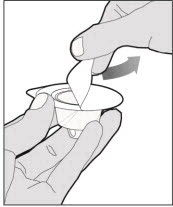
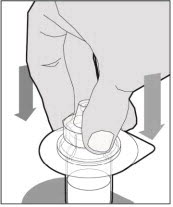
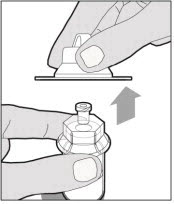
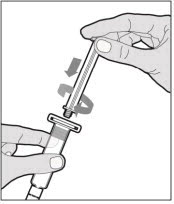
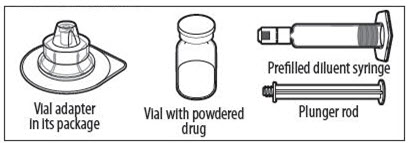
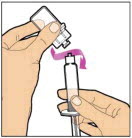
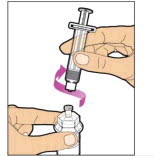
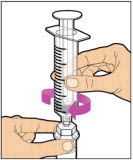
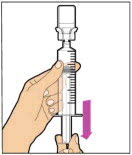
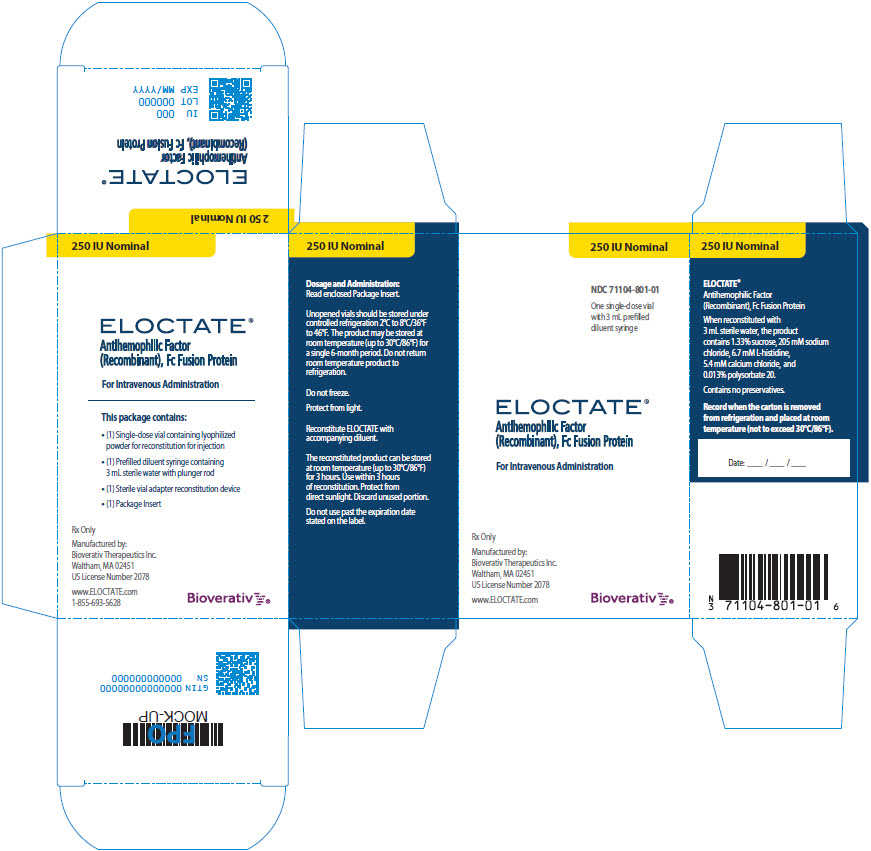
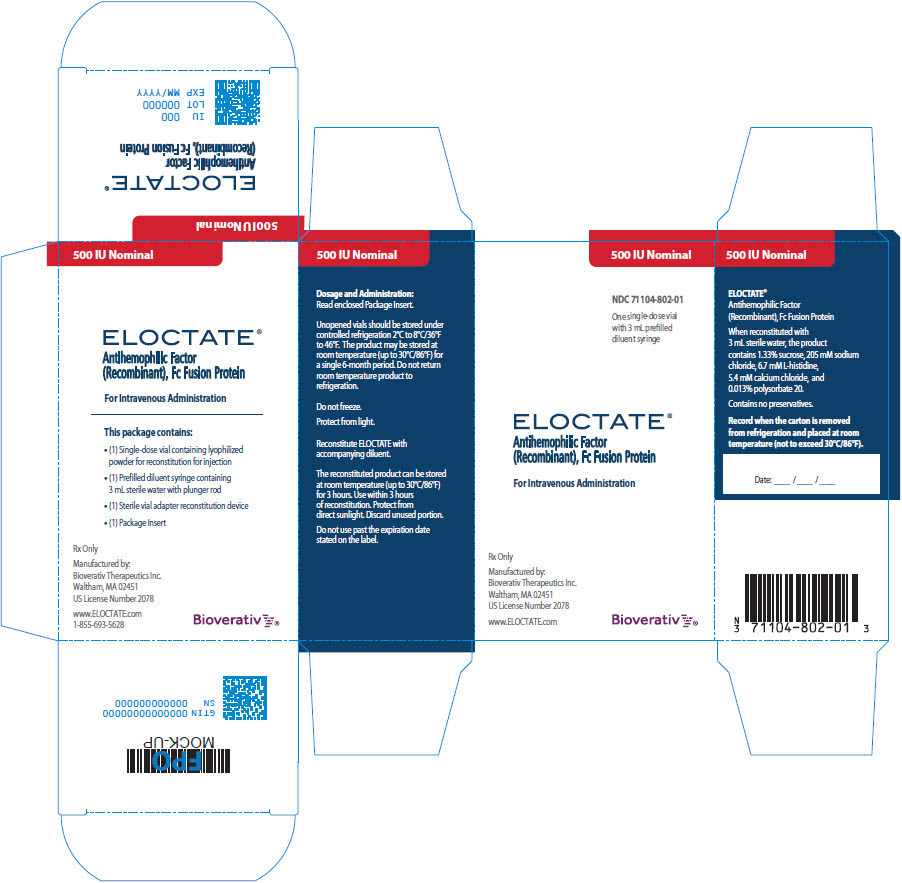
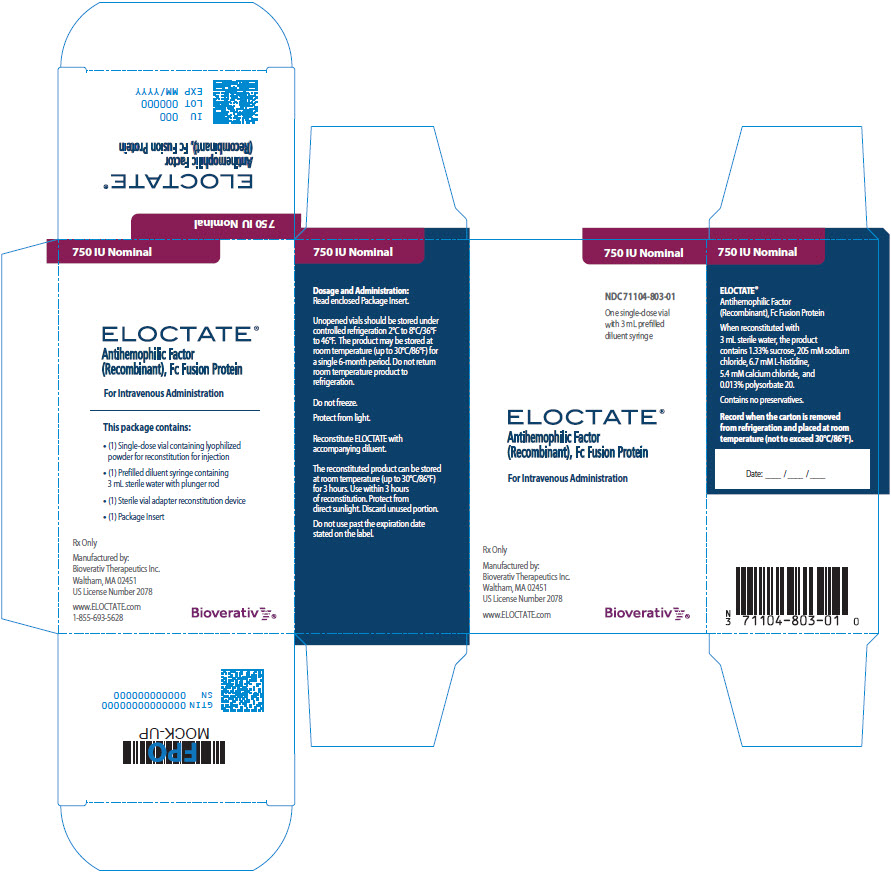
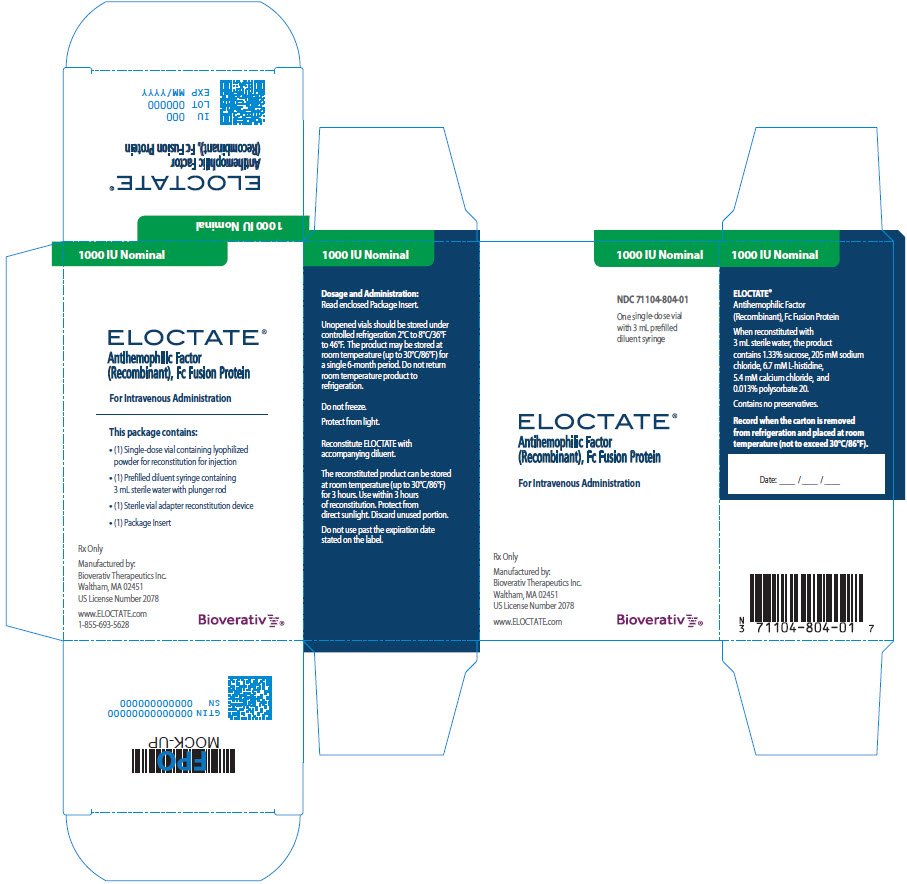
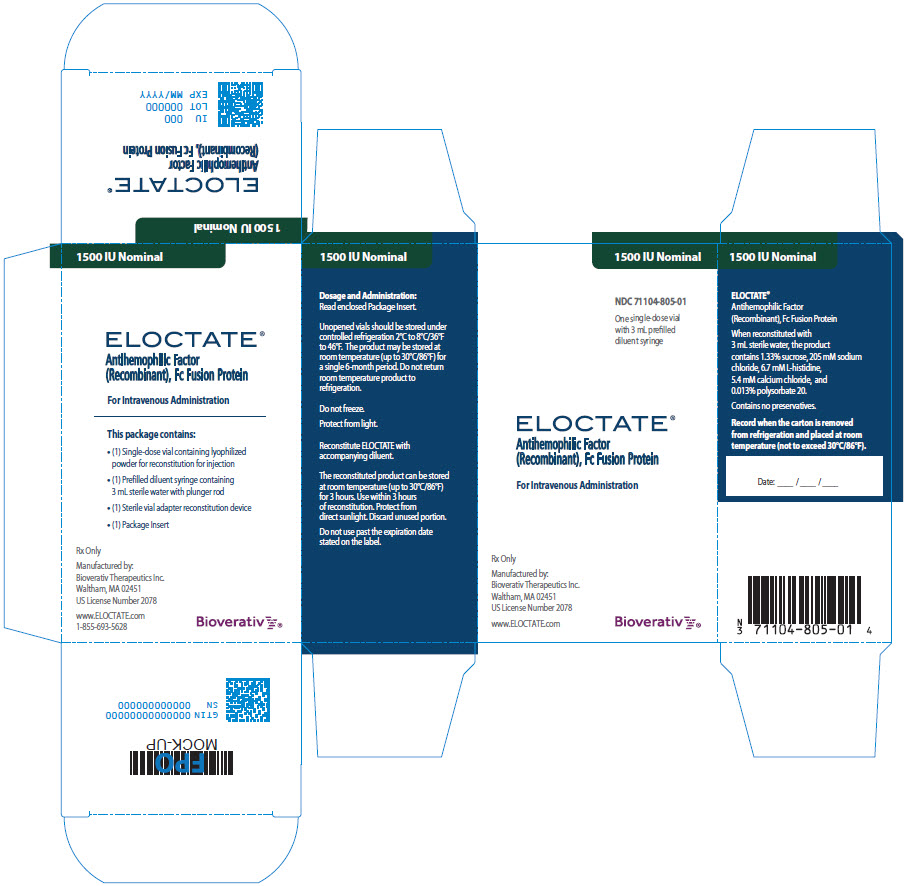
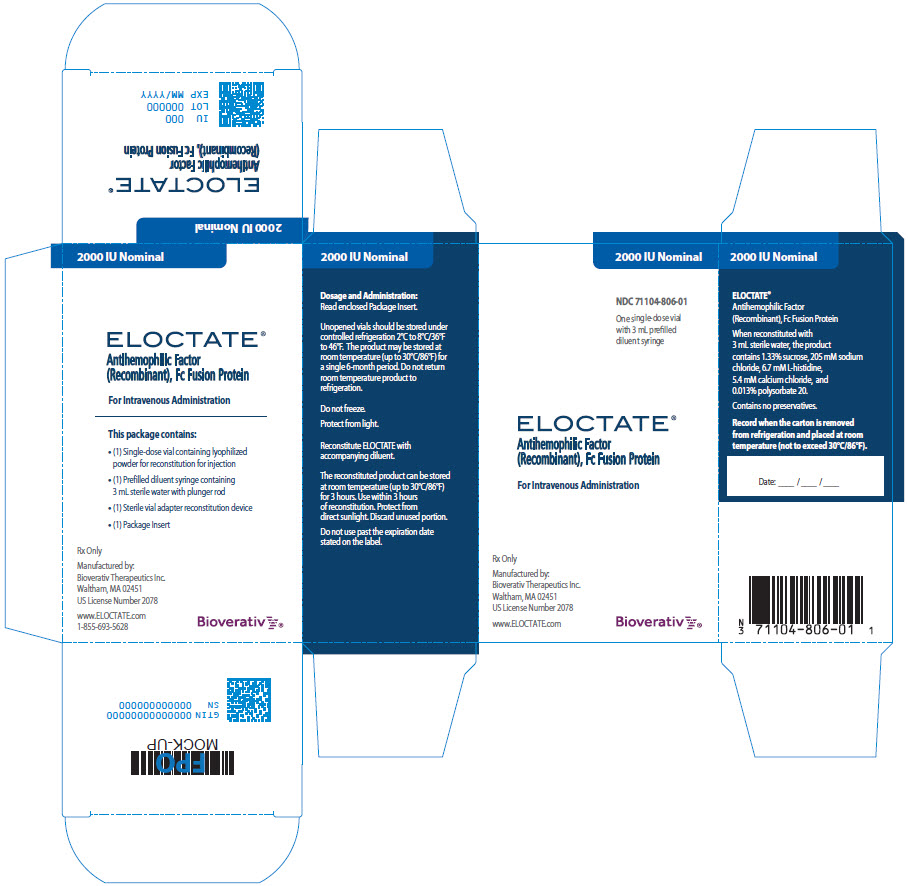
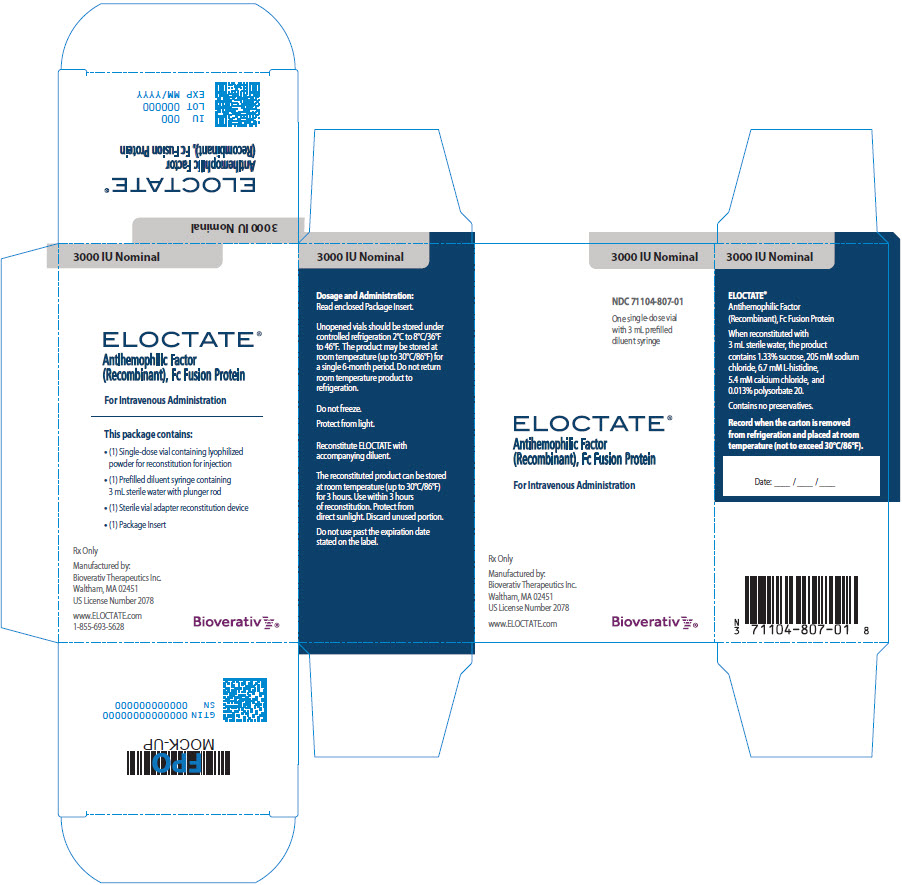
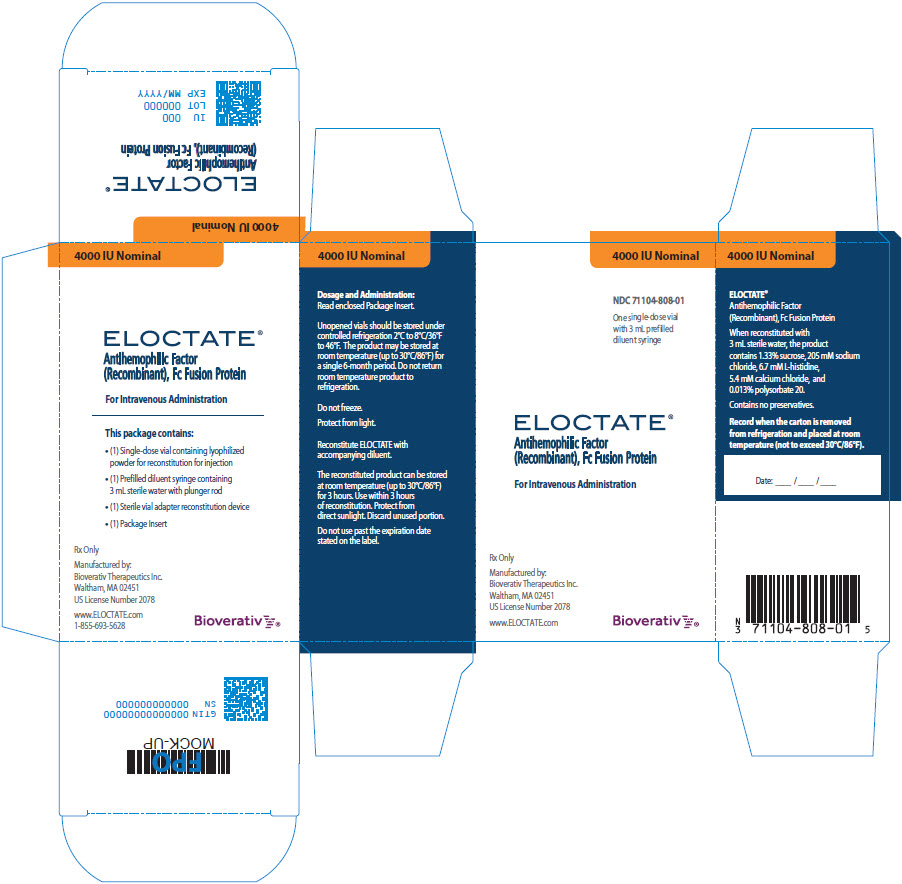
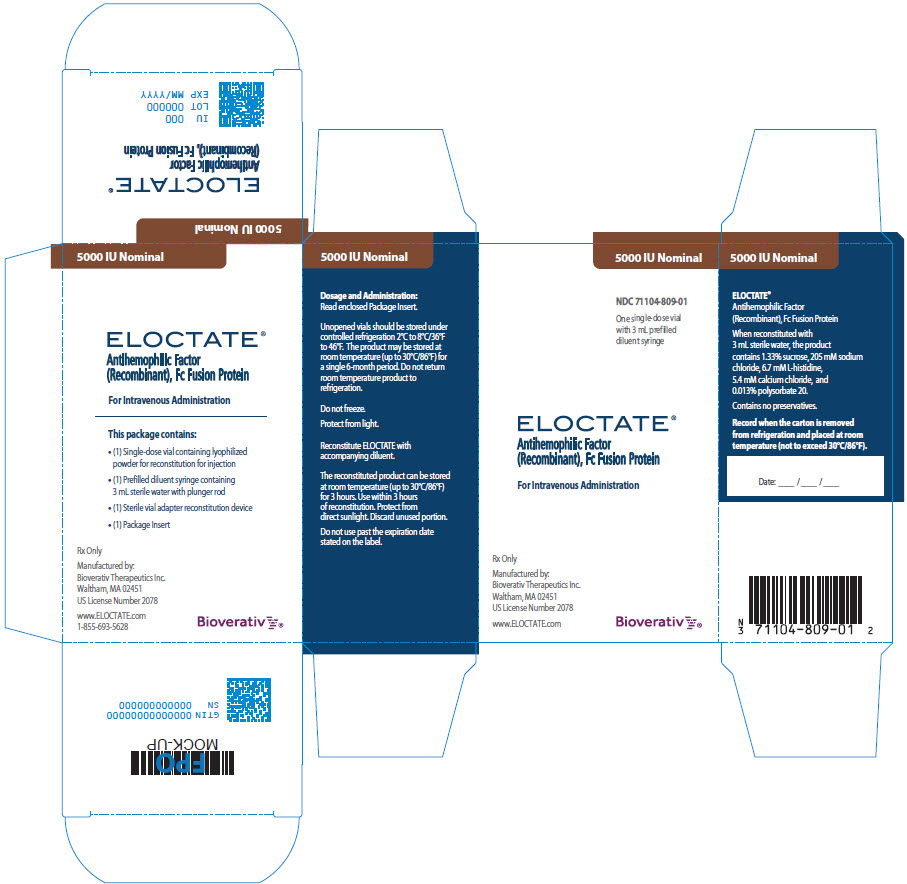
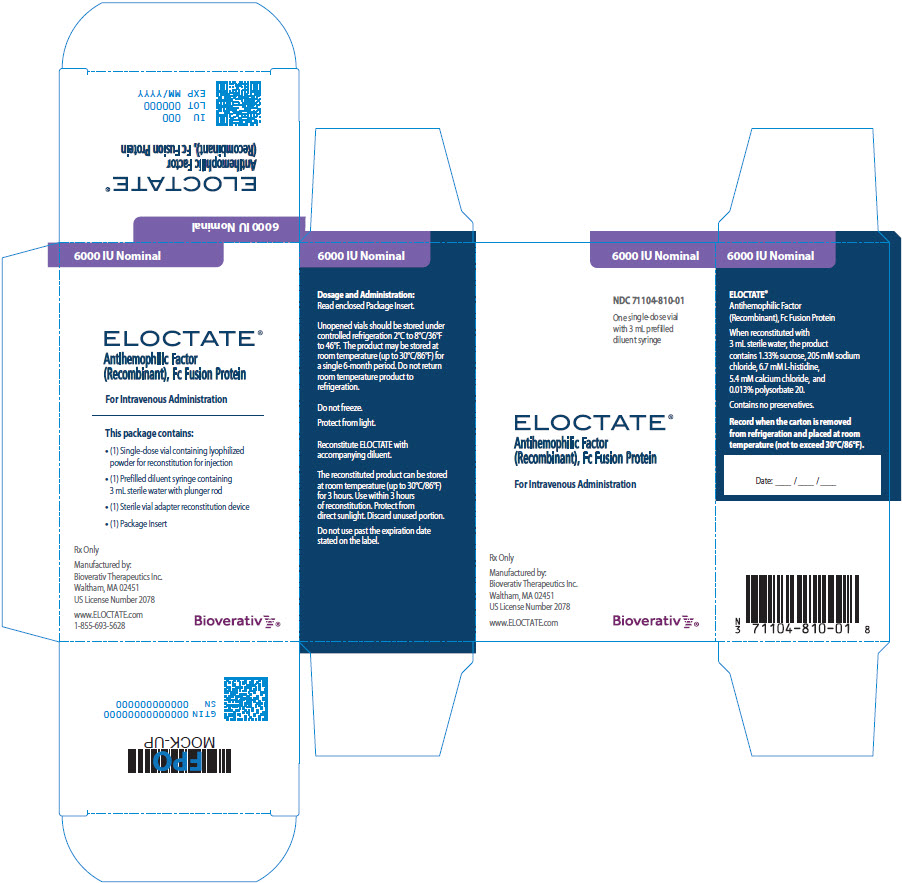
ELOCTATE is supplied in kits comprising a single-dose vial containing nominally, 250, 500, 750, 1000, 1500, 2000, 3000, 4000, 5000 or 6000 international units (IU) of Factor VIII potency, a pre-filled syringe with 3 mL sterile water for injection, and a sterile vial adapter (reconstitution device). The actual amount of ELOCTATE in IU is stated on the label and carton of each vial.
Not made with natural rubber latex.
| Strength | Potency Color Code | Kit NDC Number |
| 250 IU | Yellow | 71104-801-01 |
| 500 IU | Red | 71104-802-01 |
| 750 IU | Garnet | 71104-803-01 |
| 1000 IU | Green | 71104-804-01 |
| 1500 IU | Dark Green | 71104-805-01 |
| 2000 IU | Royal Blue | 71104-806-01 |
| 3000 IU | Mist Grey | 71104-807-01 |
| 4000 IU | Orange | 71104-808-01 |
| 5000 IU | Mist Brown | 71104-809-01 |
| 6000 IU | Purple | 71104-810-01 |
Prior to reconstitution:
- Store ELOCTATE in the original package to protect the ELOCTATE vials from light.
- Store ELOCTATE in powder form at 2°C to 8°C (36°F to 46°F). Do not freeze to avoid damage to the pre-filled diluent syringe.
- ELOCTATE may be stored at room temperature, not to exceed 30°C (86°F), for a single period of up to 6 months, within the expiration date printed on the label.
- If stored at room temperature, record the date that ELOCTATE is removed from refrigeration on the carton in the area provided. After storage at room temperature, do not return the product to the refrigerator.
- Do not use beyond the expiration date printed on the vial or 6 months after the date that was written on the carton, whichever is earlier.
After Reconstitution:
- The reconstituted product may be stored at room temperature, not to exceed 30°C (86°F), for up to 3 hours. Protect from direct sunlight. After reconstitution, if the product is not used within 3 hours, it must be discarded.
- Do not use ELOCTATE if the reconstituted solution is cloudy or has particulate matter.
- Discard any unused ELOCTATE.