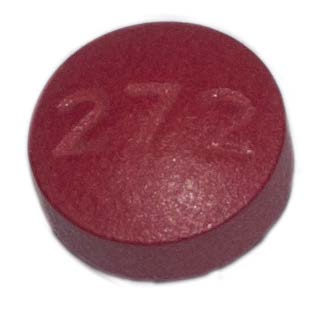
Redicare Nasal And Sinus Decongestant Tablet
Product Images NDC 71105-272
View Photos of Packaging, Regulatory Labels, and Product Appearance
Product Visual Gallery
This gallery contains 3 technical images submitted to the FDA as part of the official labeling for Redicare Nasal And Sinus Decongestant (NDC 71105-272). Unlike standard consumer photos, these assets often include clinical data figures, molecular chemical structures, and official manufacturer packaging layouts.
As provided by Redicare Llc, these visuals offer a comprehensive scientific overview of the product's physical and chemical identity, aiding pharmacists and researchers in product verification and study.
Product Images & Figures Index
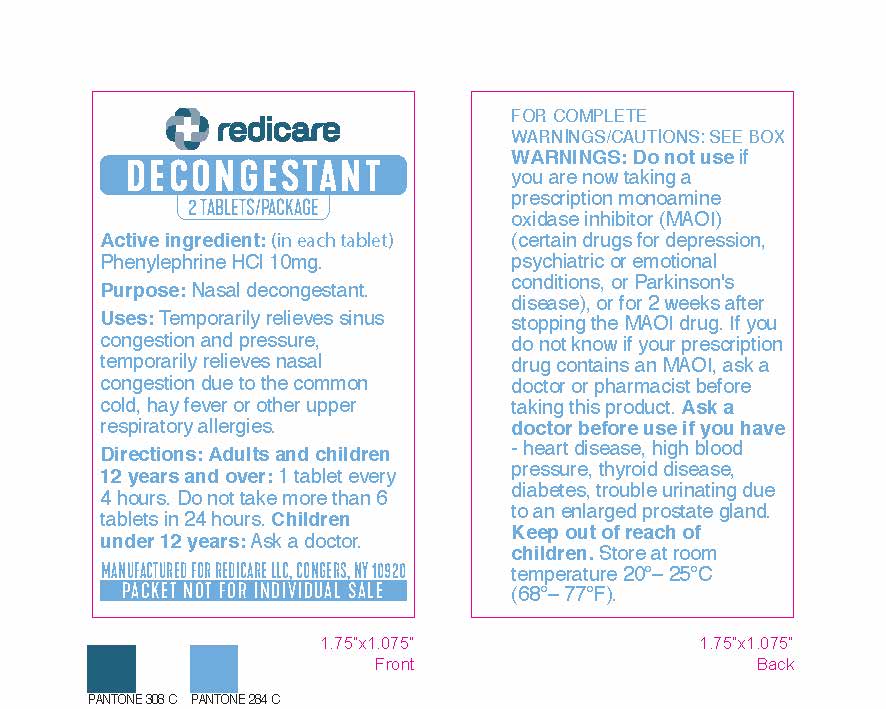
Packet (Decongestant 02 Packet)
This is a description of a decongestant tablet manufactured by Redicare LLC, containing Phenylephrine HCI 10mg as the active ingredient. It is used to relieve sinus and nasal congestion caused by allergies, the common cold, or hay fever. The recommended dosage for adults and children over 12 years old is one tablet every 4 hours, not exceeding 6 tablets in 24 hours. It is not recommended for children under 12 years old without consulting a doctor. The product comes with warnings/cautions, advising against use with MAOIs or in certain health conditions like heart disease or high blood pressure. The tablets should be stored at room temperature.*
Principal Image (Decongestant 107x86x63 08feb2025 03)
This is a drug label for a nasal decongestant tablet containing Phenylephrine HCl 10mg as its active ingredient. It is used to temporarily relieve sinus and nasal congestion due to the common cold, hay fever, or allergies. The label includes information on usage directions, warnings, and inactive ingredients. The product is comparable to SudafedĀ® Congestion. It is important to consult a doctor before use if you have certain medical conditions. It also mentions not to exceed the recommended dose and to contact a doctor if certain symptoms persist.*
* These product label images have been analyzed using experimental machine learning. Please verify findings with the primary label text.