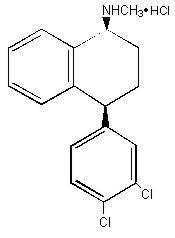
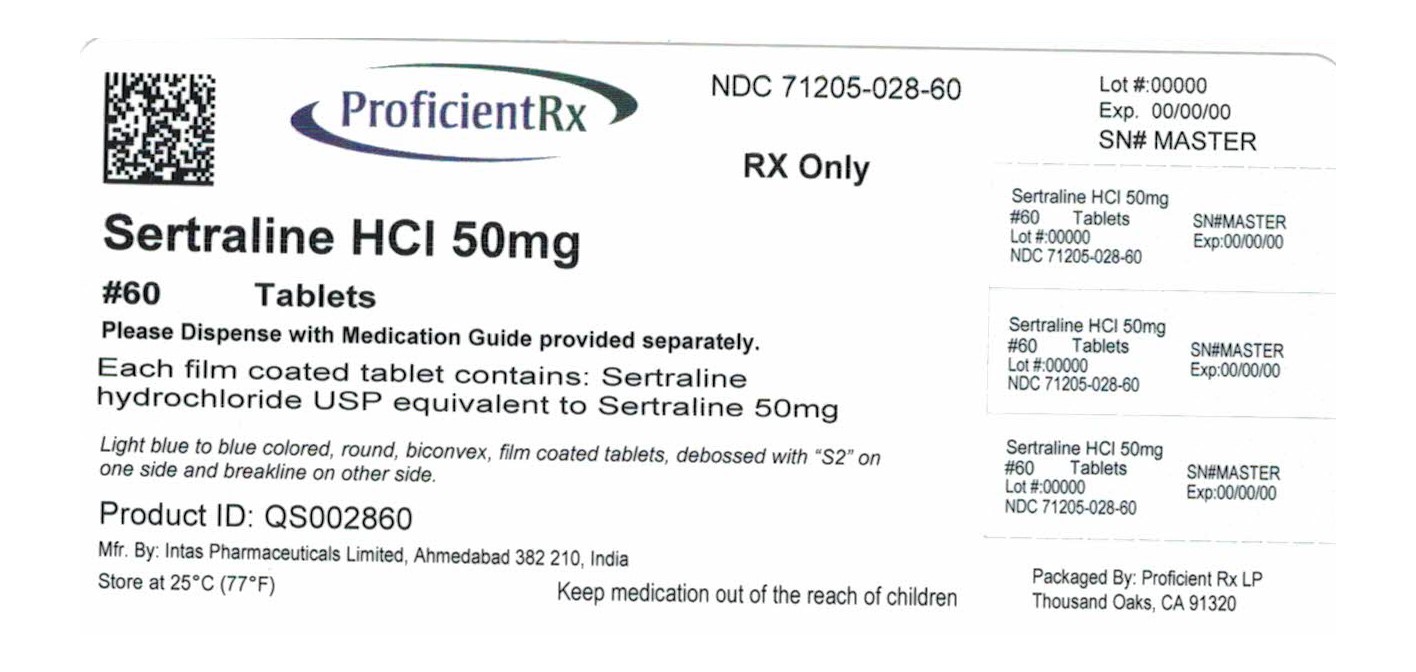
The concomitant use of sertraline hydrochloride tablets with MAOIs intended to treat psychiatric disorders is contraindicated. Sertraline hydrochloride tablets should also not be started in a patient who is being treated with MAOIs such as linezolid or intravenous methylene blue. All reports with methylene blue that provided information on the route of administration involved intravenous administration in the dose range of 1 mg/kg to 8 mg/kg. No reports involved the administration of methylene blue by other routes (such as oral tablets or local tissue injection) or at lower doses. There may be circumstances when it is necessary to initiate treatment with a MAOI such as linezolid or intravenous methylene blue in a patient taking sertraline hydrochloride tablets. Sertraline hydrochloride tablets should be discontinued before initiating treatment with the MAOI (see CONTRAINDICATIONS and DOSAGE AND ADMINISTRATION).
- If concomitant use of sertraline hydrochloride tablets with other serotonergic drugs including triptans, tricyclic antidepressants, fentanyl, lithium, tramadol, buspirone, tryptophan, and St. John’s Wort is clinically warranted, patients should be made aware of a potential increased risk for serotonin syndrome, particularly during treatment initiation and dose increases.
- Treatment with sertraline hydrochloride and any concomitant serotonergic agents should be discontinued immediately if the above events occur and supportive symptomatic treatment should be initiated.
- Angle-Closure Glaucoma: The pupillary dilation that occurs following use of many antidepressant drugs including sertraline hydrochloride may trigger an angle closure attack in a patient with anatomically narrow angles who does not have a patent iridectomy.
Activation of Mania/Hypomania: During premarketing testing, hypomania or mania occurred in approximately 0.4% of sertraline hydrochloride treated patients.
Weight Loss– Significant weight loss may be an undesirable result of treatment with sertraline for some patients, but on average, patients in controlled trials had minimal, 1 to 2 pound weight loss, versus smaller changes on placebo. Only rarely have sertraline patients been discontinued for weight loss.
Seizure– Sertraline hydrochloride has not been evaluated in patients with a seizure disorder. These patients were excluded from clinical studies during the product's premarket testing. No seizures were observed among approximately 3000 patients treated with sertraline hydrochloride in the development program for major depressive disorder. However, 4 patients out of approximately 1800 (220 <18 years of age) exposed during the development program for obsessive-compulsive disorder experienced seizures, representing a crude incidence of 0.2%. Three of these patients were adolescents, two with a seizure disorder and one with a family history of seizure disorder, none of whom were receiving anticonvulsant medication. Accordingly, sertraline hydrochloride should be introduced with care in patients with a seizure disorder.
Weak Uricosuric Effect– Sertraline hydrochloride is associated with a mean decrease in serum uric acid of approximately 7%. The clinical significance of this weak uricosuric effect is unknown.
Use in Patients with Concomitant Illness– Clinical experience with sertraline hydrochloride in patients with certain concomitant systemic illness is limited. Caution is advisable in using sertraline hydrochloride in patients with diseases or conditions that could affect metabolism or hemodynamic responses.
Patients with a recent history of myocardial infarction or unstable heart disease were excluded from clinical studies during the product's premarket testing. However, the electrocardiograms of 774 patients who received sertraline hydrochloride in double-blind trials were evaluated and the data indicate that sertraline hydrochloride is not associated with the development of significant ECG abnormalities.
Sertraline hydrochloride administered in a flexible dose range of 50 to 200 mg/day (mean dose of 89 mg/day) was evaluated in a post-marketing, placebo-controlled trial of 372 randomized subjects with a DSM-IV diagnosis of major depressive disorder and recent history of myocardial infarction or unstable angina requiring hospitalization. Exclusions from this trial included, among others, patients with uncontrolled hypertension, need for cardiac surgery, history of CABG within 3 months of index event, severe or symptomatic bradycardia, non-atherosclerotic cause of angina, clinically significant renal impairment (creatinine > 2.5 mg/dl), and clinically significant hepatic dysfunction. Sertraline hydrochloride treatment initiated during the acute phase of recovery (within 30 days post-MI or post-hospitalization for unstable angina) was indistinguishable from placebo in this study on the following week 16 treatment endpoints: left ventricular ejection fraction, total cardiovascular events (angina, chest pain, edema, palpitations, syncope, postural dizziness, CHF, MI, tachycardia, bradycardia, and changes in BP), and major cardiovascular events involving death or requiring hospitalization (for MI, CHF, stroke, or angina).
Sertraline hydrochloride is extensively metabolized by the liver. In patients with chronic mild liver impairment, sertraline clearance was reduced, resulting in increased AUC, Cmax and elimination half-life. The effects of sertraline in patients with moderate and severe hepatic impairment have not been studied. The use of sertraline in patients with liver disease must be approached with caution. If sertraline is administered to patients with liver impairment, a lower or less frequent dose should be used (see CLINICAL PHARMACOLOGY and DOSAGE AND ADMINISTRATION).
Since sertraline hydrochloride is extensively metabolized, excretion of unchanged drug in urine is a minor route of elimination. A clinical study comparing sertraline pharmacokinetics in healthy volunteers to that in patients with renal impairment ranging from mild to severe (requiring dialysis) indicated that the pharmacokinetics and protein binding are unaffected by renal disease. Based on the pharmacokinetic results, there is no need for dosage adjustment in patients with renal impairment (see CLINICAL PHARMACOLOGY).
Interference with Cognitive and Motor Performance– In controlled studies, sertraline hydrochloride did not cause sedation and did not interfere with psychomotor performance. (See Information for Patients. )
Hyponatremia–
Hyponatremia may occur as a result of treatment with SSRIs and SNRIs, including sertraline hydrochloride. In many cases, this hyponatremia appears to be the result of the syndrome of inappropriate antidiuretic hormone secretion (SIADH). Cases with serum sodium lower than 110 mmol/L have been reported. Elderly patients may be at greater risk of developing hyponatremia with SSRIs and SNRIs. Also, patients taking diuretics or who are otherwise volume depleted may be at greater risk (see GERIATRIC USE). Discontinuation of sertraline hydrochloride should be considered in patients with symptomatic hyponatremia and appropriate medical intervention should be instituted.
Signs and symptoms of hyponatremia include headache, difficulty concentrating, memory impairment, confusion, weakness, and unsteadiness, which may lead to falls. Signs and symptoms associated with more severe and/or acute cases have included hallucination, syncope, seizure, coma, respiratory arrest, and death.
Platelet Function– There have been rare reports of altered platelet function and/or abnormal results from laboratory studies in patients taking sertraline hydrochloride. While there have been reports of abnormal bleeding or purpura in several patients taking sertraline hydrochloride, it is unclear whether sertraline hydrochloride had a causative role.
Clinical Worsening and Suicide Risk:
Patients, their families, and their caregivers should be encouraged to be alert to the emergence of anxiety, agitation, panic attacks, insomnia, irritability, hostility, aggressiveness, impulsivity, akathisia (psychomotor restlessness), hypomania, mania, other unusual changes in behavior, worsening of depression, and suicidal ideation, especially early during antidepressant treatment and when the dose is adjusted up or down. Families and caregivers of patients should be advised to look for the emergence of such symptoms on a day-to-day basis, since changes may be abrupt. Such symptoms should be reported to the patient's prescriber or health professional, especially if they are severe, abrupt in onset, or were not part of the patient's presenting symptoms. Symptoms such as these may be associated with an increased risk for suicidal thinking and behavior and indicate a need for very close monitoring and possibly changes in the medication.
Patients should be cautioned about the risk of serotonin syndrome with the concomitant use of SNRIs and SSRIs, including sertraline hydrochloride, and triptans, tramadol, or other serotonergic agents.
Patients should be advised that taking sertraline hydrochloride can cause mild pupillary dilation, which in susceptible individuals, can lead to an episode of angle closure glaucoma. Pre-existing glaucoma is almost always open-angle glaucoma because angle closure glaucoma, when diagnosed, can be treated definitively with iridectomy. Open-angle glaucoma is not a risk factor for angle closure glaucoma. Patients may wish to be examined to determine whether they are susceptible to angle closure, and have a prophylactic procedure (e.g., iridectomy), if they are susceptible.
Patients should be told that although sertraline hydrochloride has not been shown to impair the ability of normal subjects to perform tasks requiring complex motor and mental skills in laboratory experiments, drugs that act upon the central nervous system may affect some individuals adversely. Therefore, patients should be told that until they learn how they respond to sertraline hydrochloride they should be careful doing activities when they need to be alert, such as driving a car or operating machinery.
Patients should be cautioned about the concomitant use of sertraline hydrochloride and NSAIDs, aspirin, warfarin, or other drugs that affect coagulation since combined use of psychotropic drugs that interfere with serotonin reuptake and these agents has been associated with an increased risk of bleeding.
Patients should be told that although sertraline hydrochloride has not been shown in experiments with normal subjects to increase the mental and motor skill impairments caused by alcohol, the concomitant use of sertraline hydrochloride and alcohol is not advised.
Patients should be told that while no adverse interaction of sertraline hydrochloride with over-the-counter (OTC) drug products is known to occur, the potential for interaction exists. Thus, the use of any OTC product should be initiated cautiously according to the directions of use given for the OTC product.
Patients should be advised to notify their physician if they become pregnant or intend to become pregnant during therapy.
Patients should be advised to notify their physician if they are breast feeding an infant.
Potential Effects of Coadministration of Drugs Highly Bound to Plasma Proteins– Because sertraline is tightly bound to plasma protein, the administration of sertraline hydrochloride to a patient taking another drug which is tightly bound to protein (e.g., warfarin, digitoxin) may cause a shift in plasma concentrations potentially resulting in an adverse effect. Conversely, adverse effects may result from displacement of protein bound sertraline hydrochloride by other tightly bound drugs.
In a study comparing prothrombin time AUC (0 to 120 hr) following dosing with warfarin (0.75 mg/kg) before and after 21 days of dosing with either sertraline hydrochloride (50 to 200 mg/day) or placebo, there was a mean increase in prothrombin time of 8% relative to baseline for sertraline hydrochloride compared to a 1% decrease for placebo (p<0.02). The normalization of prothrombin time for the sertraline hydrochloride group was delayed compared to the placebo group. The clinical significance of this change is unknown. Accordingly, prothrombin time should be carefully monitored when sertraline hydrochloride therapy is initiated or stopped.
Cimetidine– In a study assessing disposition of sertraline hydrochloride (100 mg) on the second of 8 days of cimetidine administration (800 mg daily), there were significant increases in sertraline hydrochloride mean AUC (50%), Cmax (24%) and half-life (26%) compared to the placebo group. The clinical significance of these changes is unknown.
CNS Active Drugs– In a study comparing the disposition of intravenously administered diazepam before and after 21 days of dosing with either sertraline hydrochloride (50 to 200 mg/day escalating dose) or placebo, there was a 32% decrease relative to baseline in diazepam clearance for the sertraline hydrochloride group compared to a 19% decrease relative to baseline for the placebo group (p<0.03). There was a 23% increase in Tmax for desmethyldiazepam in the sertraline hydrochloride group compared to a 20% decrease in the placebo group (p<0.03). The clinical significance of these changes is unknown.
In a placebo-controlled trial in normal volunteers, the administration of two doses of sertraline hydrochloride did not significantly alter steady-state lithium levels or the renal clearance of lithium.
Nonetheless, at this time, it is recommended that plasma lithium levels be monitored following initiation of sertraline hydrochloride therapy with appropriate adjustments to the lithium dose.
In a controlled study of a single dose (2 mg) of pimozide, 200 mg sertraline (q.d.) co-administration to steady state was associated with a mean increase in pimozide AUC and Cmax of about 40%, but was not associated with any changes in EKG. Since the highest recommended pimozide dose (10 mg) has not been evaluated in combination with sertraline, the effect on QT interval and PK parameters at doses higher than 2 mg at this time are not known. While the mechanism of this interaction is unknown, due to the narrow therapeutic index of pimozide and due to the interaction noted at a low dose of pimozide, concomitant administration of sertraline hydrochloride and pimozide should be contraindicated (see CONTRAINDICATIONS).
Results of a placebo-controlled trial in normal volunteers suggest that chronic administration of sertraline 200 mg/day does not produce clinically important inhibition of phenytoin metabolism. Nonetheless, at this time, it is recommended that plasma phenytoin concentrations be monitored following initiation of sertraline hydrochloride therapy with appropriate adjustments to the phenytoin dose, particularly in patients with multiple underlying medical conditions and/or those receiving multiple concomitant medications.
The effect of sertraline hydrochloride on valproate levels has not been evaluated in clinical trials. In the absence of such data, it is recommended that plasma valproate levels be monitored following initiation of sertraline hydrochloride therapy with appropriate adjustments to the valproate dose.
The risk of using sertraline hydrochloride in combination with other CNS active drugs has not been systematically evaluated. Consequently, caution is advised if the concomitant administration of sertraline hydrochloride and such drugs is required.
There is limited controlled experience regarding the optimal timing of switching from other drugs effective in the treatment of major depressive disorder, obsessive-compulsive disorder, panic disorder, posttraumatic stress disorder, premenstrual dysphoric disorder and social anxiety disorder to sertraline hydrochloride. Care and prudent medical judgment should be exercised when switching, particularly from long-acting agents. The duration of an appropriate washout period which should intervene before switching from one selective serotonin reuptake inhibitor (SSRI) to another has not been established.
Monoamine Oxidase Inhibitors – See CONTRAINDICATIONS, WARNINGS and DOSAGE AND ADMINISTRATION.
Drugs Metabolized by P450 3A4– In three separate in vivo interaction studies, sertraline was co-administered with cytochrome P450 3A4 substrates, terfenadine, carbamazepine, or cisapride under steady-state conditions. The results of these studies indicated that sertraline did not increase plasma concentrations of terfenadine, carbamazepine, or cisapride. These data indicate that sertraline's extent of inhibition of P450 3A4 activity is not likely to be of clinical significance. Results of the interaction study with cisapride indicate that sertraline 200 mg (q.d.) induces the metabolism of cisapride (cisapride AUC and Cmax were reduced by about 35%).
Drugs Metabolized by P450 2D6 – Many drugs effective in the treatment of major depressive disorder, e.g., the SSRIs, including sertraline, and most tricyclic antidepressant drugs effective in the treatment of major depressive disorder inhibit the biochemical activity of the drug metabolizing isozyme cytochrome P450 2D6 (debrisoquin hydroxylase), and, thus, may increase the plasma concentrations of co-administered drugs that are metabolized by P450 2D6. The drugs for which this potential interaction is of greatest concern are those metabolized primarily by 2D6 and which have a narrow therapeutic index, e.g., the tricyclic antidepressant drugs effective in the treatment of major depressive disorder and the Type 1C antiarrhythmics propafenone and flecainide. The extent to which this interaction is an important clinical problem depends on the extent of the inhibition of P450 2D6 by the antidepressant and the therapeutic index of the co-administered drug. There is variability among the drugs effective in the treatment of major depressive disorder in the extent of clinically important 2D6 inhibition, and in fact sertraline at lower doses has a less prominent inhibitory effect on 2D6 than some others in the class. Nevertheless, even sertraline has the potential for clinically important 2D6 inhibition. Consequently, concomitant use of a drug metabolized by P450 2D6 with sertraline hydrochloride may require lower doses than usually prescribed for the other drug. Furthermore, whenever sertraline hydrochloride is withdrawn from co-therapy, an increased dose of the co-administered drug may be required (see Tricyclic Antidepressant Drugs Effective in the Treatment of Major Depressive Disorder under PRECAUTIONS).
Serotonergic Drugs – See CONTRAINDICATIONS, WARNINGS and DOSAGE AND ADMINISTRATION.
Triptans - There have been rare post marketing reports of serotonin syndrome with use of an SNRI or an SSRI and a triptan. If concomitant treatment of SNRIs and SSRIs, including sertraline hydrochloride, with a triptan is clinically warranted, careful observation of the patient is advised, particularly during treatment initiation and dose increases (see WARNINGS – Serotonin Syndrome).
Sumatriptan– There have been rare post marketing reports describing patients with weakness, hyperreflexia, and incoordination following the use of a selective serotonin reuptake inhibitor (SSRI) and sumatriptan. If concomitant treatment with sumatriptan and an SSRI (e.g., citalopram, fluoxetine, fluvoxamine, paroxetine, sertraline) is clinically warranted, appropriate observation of the patient is advised.
Tricyclic Antidepressant Drugs Effective in the Treatment of Major Depressive Disorder (TCAs)– The extent to which SSRI–TCA interactions may pose clinical problems will depend on the degree of inhibition and the pharmacokinetics of the SSRI involved. Nevertheless, caution is indicated in the co-administration of TCAs with sertraline hydrochloride, because sertraline may inhibit TCA metabolism. Plasma TCA concentrations may need to be monitored, and the dose of TCA may need to be reduced, if a TCA is co-administered with sertraline hydrochloride (see Drugs Metabolized by P450 2D6 under PRECAUTIONS).
Hypoglycemic Drugs- In a placebo-controlled trial in normal volunteers, administration of sertraline hydrochloride for 22 days (including 200 mg/day for the final 13 days) caused a statistically significant 16% decrease from baseline in the clearance of tolbutamide following an intravenous 1000 mg dose. Sertraline hydrochloride administration did not noticeably change either the plasma protein binding or the apparent volume of distribution of tolbutamide, suggesting that the decreased clearance was due to a change in the metabolism of the drug. The clinical significance of this decrease in tolbutamide clearance is unknown.
Atenolol- Sertraline hydrochloride (100 mg) when administered to 10 healthy male subjects had no effect on the beta-adrenergic blocking ability of atenolol.
Digoxin- In a placebo-controlled trial in normal volunteers, administration of sertraline hydrochloride for 17 days (including 200 mg/day for the last 10 days) did not change serum digoxin levels or digoxin renal clearance.
Microsomal Enzyme Induction- Preclinical studies have shown sertraline hydrochloride to induce hepatic microsomal enzymes. In clinical studies, sertraline hydrochloride was shown to induce hepatic enzymes minimally as determined by a small (5%) but statistically significant decrease in antipyrine half-life following administration of 200 mg/day for 21 days. This small change in antipyrine half-life reflects a clinically insignificant change in hepatic metabolism.
Drugs That Interfere With Hemostasis (Non-selective NSAIDs, Aspirin, Warfarin, etc.) - Serotonin release by platelets plays an important role in hemostasis. Epidemiological studies of the case-control and cohort design that have demonstrated an association between use of psychotropic drugs that interfere with serotonin reuptake and the occurrence of upper gastrointestinal bleeding have also shown that concurrent use of an NSAID or aspirin may potentiate this risk of bleeding. Altered anticoagulant effects, including increased bleeding, have been reported when SSRIs or SNRIs are coadministered with warfarin. Patients receiving warfarin therapy should be carefully monitored when sertraline hydrochloride is initiated or discontinued.
Electroconvulsive Therapy- There are no clinical studies establishing the risks or benefits of the combined use of electroconvulsive therapy (ECT) and sertraline hydrochloride.
Alcohol- Although sertraline hydrochloride did not potentiate the cognitive and psychomotor effects of alcohol in experiments with normal subjects, the concomitant use of sertraline hydrochloride and alcohol is not recommended.
Mutagenesis- Sertraline had no genotoxic effects, with or without metabolic activation, based on the following assays: bacterial mutation assay; mouse lymphoma mutation assay; and tests for cytogenetic aberrations in vivo in mouse bone marrow and in vitro in human lymphocytes.
Impairment of Fertility- A decrease in fertility was seen in one of two rat studies at a dose of 80 mg/kg (4 times the maximum recommended human dose on a mg/m 2 basis).
Other Events Observed During the Premarketing Evaluation of Sertraline Hydrochloride)– Following is a list of treatment-emergent adverse events reported during premarketing assessment of sertraline hydrochloride in clinical trials (over 4000 adult subjects) except those already listed in the previous tables or elsewhere in labeling.
In the tabulations that follow, a World Health Organization dictionary of terminology has been used to classify reported adverse events. The frequencies presented, therefore, represent the proportion of the over 4000 adult individuals exposed to multiple doses of sertraline hydrochloride who experienced an event of the type cited on at least one occasion while receiving sertraline hydrochloride. All events are included except those already listed in the previous tables or elsewhere in labeling and those reported in terms so general as to be uninformative and those for which a causal relationship to sertraline hydrochloride treatment seemed remote. It is important to emphasize that although the events reported occurred during treatment with sertraline hydrochloride, they were not necessarily caused by it.
Events are further categorized by body system and listed in order of decreasing frequency according to the following definitions: frequent adverse events are those occurring on one or more occasions in at least 1/100 patients; infrequent adverse events are those occurring in 1/100 to 1/1000 patients; rare events are those occurring in fewer than 1/1000 patients. Events of major clinical importance are also described in the PRECAUTIONS section.
Autonomic Nervous System Disorders–Frequent: impotence; Infrequent: flushing, increased saliva, cold clammy skin, mydriasis; Rare: pallor, angle-closure glaucoma, priapism, vasodilation.
Body as a Whole–General Disorders–Rare: allergic reaction, allergy.
Cardiovascular–Frequent: palpitations, chest pain; Infrequent: hypertension, tachycardia, postural dizziness, postural hypotension, periorbital edema, peripheral edema, hypotension, peripheral ischemia, syncope, edema, dependent edema; Rare: precordial chest pain, substernal chest pain, aggravated hypertension, myocardial infarction, cerebrovascular disorder.
Central and Peripheral Nervous System Disorders–Frequent: hypertonia, hypoesthesia; Infrequent: twitching, confusion, hyperkinesia, vertigo, ataxia, migraine, abnormal coordination, hyperesthesia, leg cramps, abnormal gait, nystagmus, hypokinesia; Rare: dysphonia, coma, dyskinesia, hypotonia, ptosis, choreoathetosis, hyporeflexia.
Disorders of Skin and Appendages–Infrequent: pruritus, acne, urticaria, alopecia, dry skin, erythematous rash, photosensitivity reaction, maculopapular rash; Rare: follicular rash, eczema, dermatitis, contact dermatitis, bullous eruption, hypertrichosis, skin discoloration, pustular rash.
Endocrine Disorders–Rare: exophthalmos, gynecomastia.
Gastrointestinal Disorders–Frequent: appetite increased; Infrequent: dysphagia, tooth caries aggravated, eructation, esophagitis, gastroenteritis; Rare: melena, glossitis, gum hyperplasia, hiccup, stomatitis, tenesmus, colitis, diverticulitis, fecal incontinence, gastritis, rectum hemorrhage, hemorrhagic peptic ulcer, proctitis, ulcerative stomatitis, tongue edema, tongue ulceration.
General–Frequent: back pain, asthenia, malaise, weight increase; Infrequent: fever, rigors, generalized edema; Rare: face edema, aphthous stomatitis.
Hearing and Vestibular Disorders–Rare: hyperacusis, labyrinthine disorder.
Hematopoietic and Lymphatic–Rare: anemia, anterior chamber eye hemorrhage.
Liver and Biliary System Disorders–Rare: abnormal hepatic function.
Metabolic and Nutritional Disorders–Infrequent: thirst; Rare: hypoglycemia, hypoglycemia reaction.
Musculoskeletal System Disorders–Frequent: myalgia; Infrequent: arthralgia, dystonia, arthrosis, muscle cramps, muscle weakness.
Psychiatric Disorders–Frequent: yawning, other male sexual dysfunction, other female sexual dysfunction; Infrequent: depression, amnesia, paroniria, teeth-grinding, emotional lability, apathy, abnormal dreams, euphoria, paranoid reaction, hallucination, aggressive reaction, aggravated depression, delusions; Rare: withdrawal syndrome, suicide ideation, libido increased, somnambulism, illusion.
Reproductive–Infrequent: menstrual disorder, dysmenorrhea, intermenstrual bleeding, vaginal hemorrhage, amenorrhea, leukorrhea; Rare: female breast pain, menorrhagia, balanoposthitis, breast enlargement, atrophic vaginitis, acute female mastitis.
Respiratory System Disorders–Frequent: rhinitis; Infrequent: coughing, dyspnea, upper respiratory tract infection, epistaxis, bronchospasm, sinusitis; Rare: hyperventilation, bradypnea, stridor, apnea, bronchitis, hemoptysis, hypoventilation, laryngismus, laryngitis.
Special Senses–Frequent: tinnitus; Infrequent: conjunctivitis, earache, eye pain, abnormal accommodation; Rare: xerophthalmia, photophobia, diplopia, abnormal lacrimation, scotoma, visual field defect.
Urinary System Disorders–Infrequent: micturition frequency, polyuria, urinary retention, dysuria, nocturia, urinary incontinence; Rare: cystitis, oliguria, pyelonephritis, hematuria, renal pain, strangury.
Other Events Observed During the Post marketing Evaluation of Sertraline Hydrochloride- Reports of adverse events temporally associated with sertraline hydrochloride that have been received since market introduction, that are not listed above and that may have no causal relationship with the drug, include the following: acute renal failure, anaphylactoid reaction, angioedema, blindness, optic neuritis, cataract, increased coagulation times, bradycardia, AV block, atrial arrhythmias, QT-interval prolongation, ventricular tachycardia (including Torsade de Pointes arrhythmias), cerebrovascular spasm (including reversible cerebral vasconstriction syndrome and Call-Fleming syndrome), hypothyroidism, agranulocytosis, aplastic anemia and pancytopenia, leukopenia, thrombocytopenia, lupus-like syndrome, serum sickness, diabetes mellitus, hyperglycemia, galactorrhea, hyperprolactinemia, extrapyramidal symptoms, oculogyric crisis, serotonin syndrome, psychosis, pulmonary hypertension, severe skin reactions, which potentially can be fatal, such as Stevens-Johnson syndrome, vasculitis, photosensitivity and other severe cutaneous disorders, rare reports of pancreatitis, and liver events—clinical features (which in the majority of cases appeared to be reversible with discontinuation of sertraline hydrochloride) occurring in one or more patients include: elevated enzymes, increased bilirubin, hepatomegaly, hepatitis, jaundice, abdominal pain, vomiting, liver failure and death.
Initial Treatment
Dosage for Adults
Major Depressive Disorder and Obsessive-Compulsive Disorder
Sertraline hydrochloride tablets treatment should be administered at a dose of 50 mg once daily.
Panic Disorder, Posttraumatic Stress Disorder and Social Anxiety Disorder
Sertraline hydrochloride treatment should be initiated with a dose of 25 mg once daily. After one week, the dose should be increased to 50 mg once daily.
While a relationship between dose and effect has not been established for major depressive disorder, OCD, panic disorder, PTSD or social anxiety disorder, patients were dosed in a range of 50 to 200 mg/day in the clinical trials demonstrating the effectiveness of sertraline hydrochloride tablets for the treatment of these indications. Consequently, a dose of 50 mg, administered once daily, is recommended as the initial therapeutic dose. Patients not responding to a 50 mg dose may benefit from dose increases up to a maximum of 200 mg/day. Given the 24 hour elimination half-life of sertraline hydrochloride, dose changes should not occur at intervals of less than 1 week.
Premenstrual Dysphoric Disorder
Sertraline hydrochloride treatment should be initiated with a dose of 50 mg/day, either daily throughout the menstrual cycle or limited to the luteal phase of the menstrual cycle, depending on physician assessment.
While a relationship between dose and effect has not been established for PMDD, patients were dosed in the range of 50 to 150 mg/day with dose increases at the onset of each new menstrual cycle (see Clinical Trials under CLINICAL PHARMACOLOGY). Patients not responding to a 50 mg/day dose may benefit from dose increases (at 50 mg increments/menstrual cycle) up to 150 mg/day when dosing daily throughout the menstrual cycle, or 100 mg/day when dosing during the luteal phase of the menstrual cycle. If a 100 mg/day dose has been established with luteal phase dosing, a 50 mg/day titration step for three days should be utilized at the beginning of each luteal phase dosing period.
Sertraline hydrochloride tablets should be administered once daily, either in the morning or evening.
Dosage for Pediatric Population (Children and Adolescents)
Obsessive-Compulsive Disorder
Sertraline hydrochloride tablets treatment should be initiated with a dose of 25 mg once daily in children (ages 6 to 12) and at a dose of 50 mg once daily in adolescents (ages 13 to 17).
While a relationship between dose and effect has not been established for OCD, patients were dosed in a range of 25 to 200 mg/day in the clinical trials demonstrating the effectiveness of sertraline hydrochloride for pediatric patients (6 to 17 years) with OCD. Patients not responding to an initial dose of 25 or 50 mg/day may benefit from dose increases up to a maximum of 200 mg/day. For children with OCD, their generally lower body weights compared to adults should be taken into consideration in advancing the dose, in order to avoid excess dosing. Given the 24 hour elimination half-life of sertraline hydrochloride, dose changes should not occur at intervals of less than 1 week.
Sertraline hydrochloride tablets should be administered once daily, either in the morning or evening.
Maintenance/Continuation/Extended Treatment
Major Depressive Disorder
It is generally agreed that acute episodes of major depressive disorder require several months or longer of sustained pharmacologic therapy beyond response to the acute episode. Systematic evaluation of sertraline hydrochloride tablets has demonstrated that its antidepressant efficacy is maintained for periods of up to 44 weeks following 8 weeks of initial treatment at a dose of 50 to 200 mg/day (mean dose of 70 mg/day) (see Clinical Trials under CLINICAL PHARMACOLOGY). It is not known whether the dose of sertraline hydrochloride tablets needed for maintenance treatment is identical to the dose needed to achieve an initial response. Patients should be periodically reassessed to determine the need for maintenance treatment.
Posttraumatic Stress Disorder
It is generally agreed that PTSD requires several months or longer of sustained pharmacological therapy beyond response to initial treatment. Systematic evaluation of sertraline hydrochloride tablets has demonstrated that its efficacy in PTSD is maintained for periods of up to 28 weeks following 24 weeks of treatment at a dose of 50 to 200 mg/day (see Clinical Trials under CLINICAL PHARMACOLOGY). It is not known whether the dose of sertraline hydrochloride tablets needed for maintenance treatment is identical to the dose needed to achieve an initial response. Patients should be periodically reassessed to determine the need for maintenance treatment.
Social Anxiety Disorder
Social anxiety disorder is a chronic condition that may require several months or longer of sustained pharmacological therapy beyond response to initial treatment. Systematic evaluation of sertraline hydrochloride tablets has demonstrated that its efficacy in social anxiety disorder is maintained for periods of up to 24 weeks following 20 weeks of treatment at a dose of 50 to 200 mg/day (see Clinical Trials under CLINICAL PHARMACOLOGY). Dosage adjustments should be made to maintain patients on the lowest effective dose and patients should be periodically reassessed to determine the need for long-term treatment.
Obsessive-Compulsive Disorder and Panic Disorder
It is generally agreed that OCD and Panic Disorder require several months or longer of sustained pharmacological therapy beyond response to initial treatment. Systematic evaluation of continuing sertraline hydrochloride tablets for periods of up to 28 weeks in patients with OCD and Panic Disorder who have responded while taking sertraline hydrochloride tablets during initial treatment phases of 24 to 52 weeks of treatment at a dose range of 50 to 200 mg/day has demonstrated a benefit of such maintenance treatment (see Clinical Trials under CLINICAL PHARMACOLOGY). It is not known whether the dose of sertraline hydrochloride tablets needed for maintenance treatment is identical to the dose needed to achieve an initial response. Nevertheless, patients should be periodically reassessed to determine the need for maintenance treatment.
Premenstrual Dysphoric Disorder
The effectiveness of sertraline hydrochloride tablets in long-term use, that is, for more than 3 menstrual cycles, has not been systematically evaluated in controlled trials. However, as women commonly report that symptoms worsen with age until relieved by the onset of menopause, it is reasonable to consider continuation of a responding patient. Dosage adjustments, which may include changes between dosage regimens (e.g., daily throughout the menstrual cycle versus during the luteal phase of the menstrual cycle), may be needed to maintain the patient on the lowest effective dosage and patients should be periodically reassessed to determine the need for continued treatment.
Switching a Patient to or From a Monoamine Oxidase Inhibitor (MAOI) Intended to Treat Psychiatric Disorders: –At least 14 days should elapse between discontinuation of an MAOI intended to treat psychiatric disorders and initiation of therapy with sertraline hydrochloride tablets.
Conversely, at least 14 days should be allowed after stopping sertraline hydrochloride tablets before starting an MAOI intended to treat psychiatric disorders (see CONTRAINDICATIONS).
Use of Sertraline Hydrochloride Tablets With Other MAOIs Such as Linezolid or Methylene Blue: Do not start sertraline hydrochloride tablets in a patient who is being treated with linezolid or intravenous methylene blue because there is increased risk of serotonin syndrome. In a patient who requires more urgent treatment of a psychiatric condition, other interventions, including hospitalization, should be considered (see CONTRAINDICATIONS).
In some cases, a patient already receiving sertraline hydrochloride therapy may require urgent treatment with linezolid or intravenous methylene blue. If acceptable alternatives to linezolid or intravenous methylene blue treatment are not available and the potential benefits of linezolid or intravenous methylene blue treatment are judged to outweigh the risks of serotonin syndrome in a particular patient, sertraline hydrochloride tablets should be stopped promptly, and linezolid or intravenous methylene blue can be administered. The patient should be monitored for symptoms of serotonin syndrome for 2 weeks or until 24 hours after the last dose of linezolid or intravenous methylene blue, whichever comes first. Therapy with sertraline hydrochloride may be resumed 24 hours after the last dose of linezolid or intravenous methylene blue (see CONTRAINDICATIONS).
The risk of administering methylene blue by non-intravenous routes (such as oral tablets or by local injection) or in intravenous doses much lower than 1 mg/kg with sertraline hydrochloride tablets is unclear. The clinician should, nevertheless, be aware of the possibility of emergent symptoms of serotonin syndrome with such use (see WARNINGS).
Special Populations
Dosage for Hepatically Impaired Patients- The use of sertraline in patients with liver disease should be approached with caution. The effects of sertraline in patients with moderate and severe hepatic impairment have not been studied. If sertraline is administered to patients with liver impairment, a lower or less frequent dose should be used (see CLINICAL PHARMACOLOGY and PRECAUTIONS).
Treatment of Pregnant Women During the Third Trimester- Neonates exposed to sertraline hydrochloride and other SSRIs or SNRIs, late in the third trimester have developed complications requiring prolonged hospitalization, respiratory support, and tube feeding (see PRECAUTIONS). When treating pregnant women with sertraline hydrochloride tablets during the third trimester, the physician should carefully consider the potential risks and benefits of treatment.
Discontinuation of Treatment with Sertraline Hydrochloride Tablets
Symptoms associated with discontinuation of sertraline hydrochloride tablets and other SSRIs and SNRIs, have been reported (see PRECAUTIONS). Patients should be monitored for these symptoms when discontinuing treatment. A gradual reduction in the dose rather than abrupt cessation is recommended whenever possible. If intolerable symptoms occur following a decrease in the dose or upon discontinuation of treatment, then resuming the previously prescribed dose may be considered. Subsequently, the physician may continue decreasing the dose but at a more gradual rate.