Aripiprazole Tablet
Product Images NDC 71205-480

View Photos of Packaging, Regulatory Labels, and Product Appearance

Product Visual Gallery

This gallery contains 8 technical images submitted to the FDA as part of the official labeling for Aripiprazole (NDC 71205-480). Unlike standard consumer photos, these assets often include clinical data figures, molecular chemical structures, and official manufacturer packaging layouts.

As provided by Proficient Rx Lp, these visuals offer a comprehensive scientific overview of the product's physical and chemical identity, aiding pharmacists and researchers in product verification and study.

FDA Label Image

Figure 1: The Effects Of Other Drugs On Aripiprazole Pharmacokinetics (Aripiprazole Fig1)
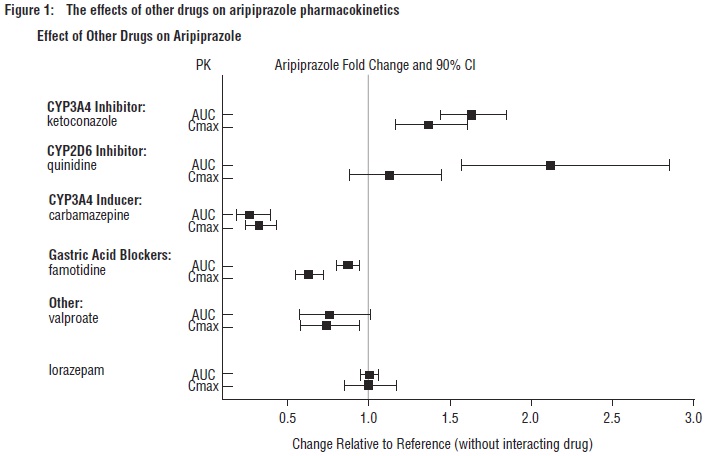
Figure 1: The Effects Of Other Drugs On Aripiprazole Pharmacokinetics (Aripiprazole Fig1)
This appears to be a diagram or figure depicting the effects of other drugs on the pharmacokinetics of aripiprazole. The figure shows the fold change and 90% confidence interval of various parameters (such as AUC and Cmax) for aripiprazole in the presence of different drugs that inhibit or induce certain enzymes (such as CYP3A4 and CYP2D6). Additionally, the figure includes the effects of gastric acid blockers and two other drugs (valproate and lorazepam). The specific numeric values and units are not clear from the text, so more context may be needed to fully understand the information presented in the figure.*
FDA Label Image

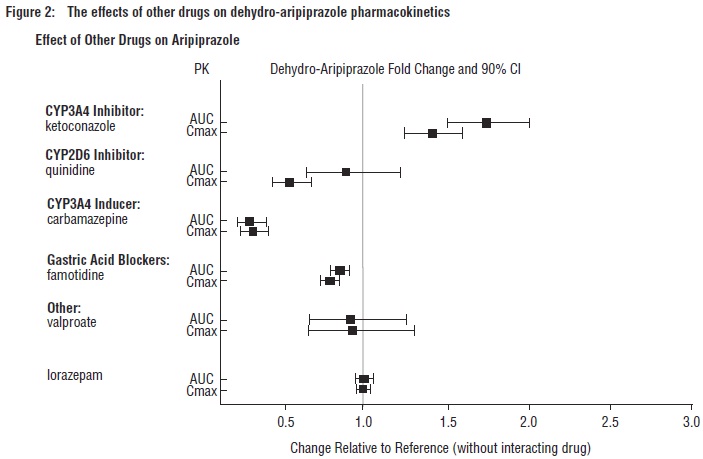
Figure 2: The Effects Of Other Drugs On Dehydro-aripiprazole Pharmacokinetics (Aripiprazole Fig2)

Figure 2: The Effects Of Other Drugs On Dehydro-aripiprazole Pharmacokinetics (Aripiprazole Fig2)
This is a description of the effects of different drugs on the pharmacokinetics of aripiprazole. The drugs studied include ketoconazole, quinidine, carbamazepine, famotidine, valproate, and lorazepam. The fold changes and 90% confidence intervals of dehydro-aripiprazole PK are presented in Figure 2.*
FDA Label Image

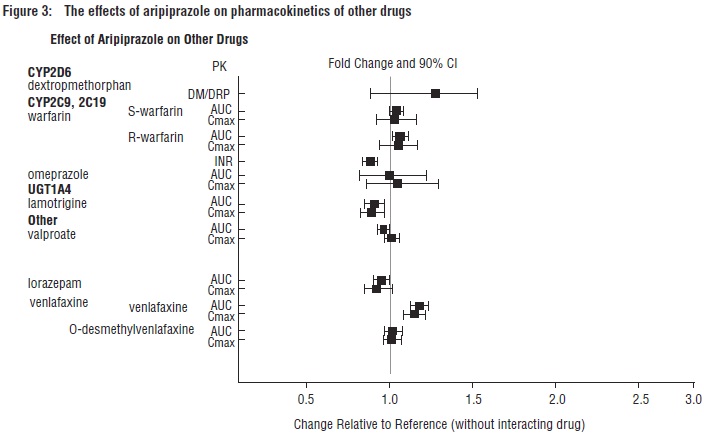
Figure3: The Effects Of Aripiprazole On Pharmacokinetics Of Other Drugs (Aripiprazole Fig3)

Figure3: The Effects Of Aripiprazole On Pharmacokinetics Of Other Drugs (Aripiprazole Fig3)
The text suggests a figure (Figure 3) showing the effects of aripiprazole on the pharmacokinetics of other drugs. The figure likely demonstrates the fold change and 90% confidence interval for the changes in parameters such as AUC and Cmax for drugs including extropmethorphan, Swartarin, Revartarin, omeprazole, lamotrigine, valproate, lorazepam, yontane, and O-desmethyivenlafaxine. The changes appear to range from 5% to 30%.*
FDA Label Image

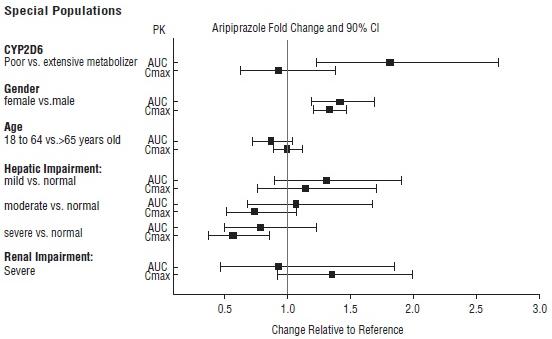
Figure4: Effects Of Intrinsic Factors On Aripiprazole Pharmacokinetics (Aripiprazole Fig4)

Figure4: Effects Of Intrinsic Factors On Aripiprazole Pharmacokinetics (Aripiprazole Fig4)
This appears to be a table showing the impact of PK AdpprzcleFad on special populations. The table compares changes in various factors between different groups such as females vs males, different age groups, and different levels of hepatic and renal impairment. Unfortunately, without additional context or a clearer image, it is difficult to provide more information.*
FDA Label Image

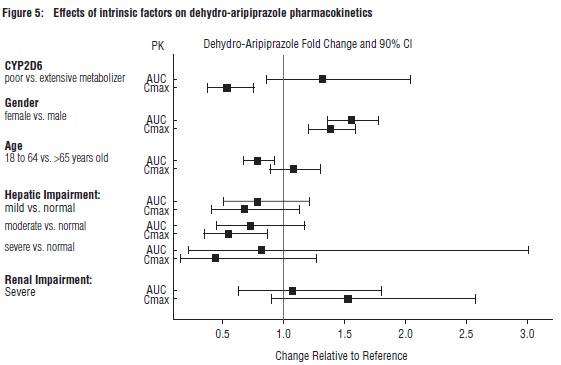
Figure 5: Effects Of Intrinsic Factors On Dehydro-aripiprazole Pharmacokinetics (Aripiprazole Fig5)

Figure 5: Effects Of Intrinsic Factors On Dehydro-aripiprazole Pharmacokinetics (Aripiprazole Fig5)
This is a figure showing the effects of various intrinsic factors on dehydro-aripiprazole pharmacokinetics. The factors evaluated include gender, age, hepatic impairment, and renal impairment. The figure depicts the change and 90% confidence interval (CI) in PK Dehydro-Aripiprazole between each factor and the reference. The x-axis represents the relative change on a scale of 0 to 30.*
FDA Label Image

Figure 6: Kaplan-meier Estimation Of Cumulative Proportion Of Patients With Relapse (schizophrenia Study 5) (Aripiprazole Fig6)

Figure 6: Kaplan-meier Estimation Of Cumulative Proportion Of Patients With Relapse (schizophrenia Study 5) (Aripiprazole Fig6)
This is a Kaplan-Meier plot of the cumulative proportion of patients with relapse in Schizophrenia Study 5. The plot displays the proportion of patients who experienced a relapse over time for those treated with aripiprazole versus those who received a placebo. The x-axis shows the number of subjects at risk, and the y-axis indicates the proportion with relapse. Days from randomization is also shown on the plot.*
FDA Label Image

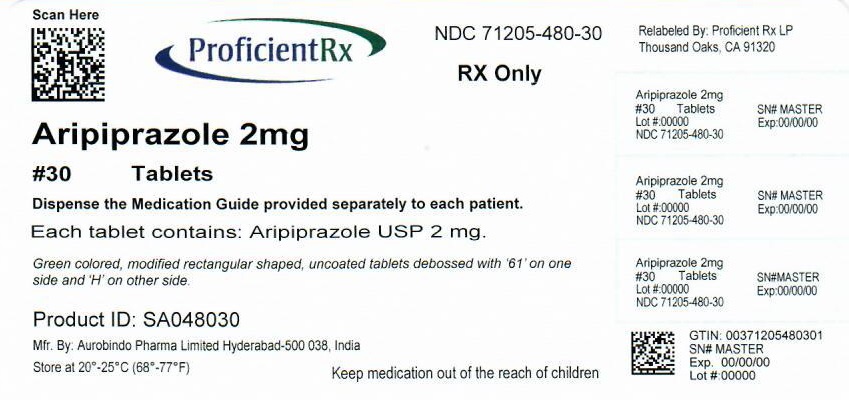
71205-480-30 (Aripiprazole Fig7)

71205-480-30 (Aripiprazole Fig7)
This is a medicine container of Aripiprazole 2mg with lot number #0000, containing 30 green coloured, modified rectangular shaped, uncoated tablets debossed with ‘61'on one side and ‘H' on other side. The medication guide is provided separately and should be dispensed to each patient along with the container. The medicine should be stored at a temperature between 20°C-25°C and has an expiry date of 00/00/00. This product is manufactured by Aurobindo Pharma Limited and distributed by ProficientRx located in Thousand Oaks, CA. This product is for prescription use only and should be kept out of the reach of children.*
FDA Label Image

Aripiprazole Structure (Aripiprazole Str)

* These product label images have been analyzed using experimental machine learning. Please verify findings with the primary label text.