Labetalol Hydrochloride Tablet, Film Coated
Product Images NDC 71247-130
View Photos of Packaging, Regulatory Labels, and Product Appearance
Product Visual Gallery
This gallery contains 6 technical images submitted to the FDA as part of the official labeling for Labetalol Hydrochloride (NDC 71247-130). Unlike standard consumer photos, these assets often include clinical data figures, molecular chemical structures, and official manufacturer packaging layouts.
As provided by Innogenix, Inc., these visuals offer a comprehensive scientific overview of the product's physical and chemical identity, aiding pharmacists and researchers in product verification and study.
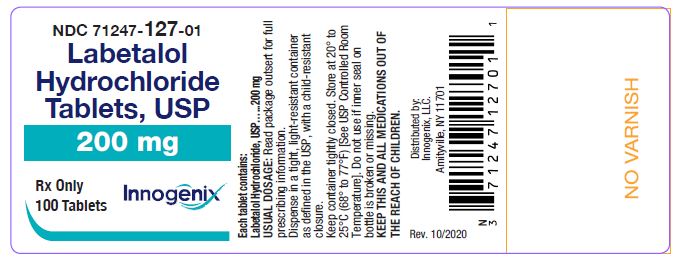
Labetalol 200 mg (Labetalol Label2)
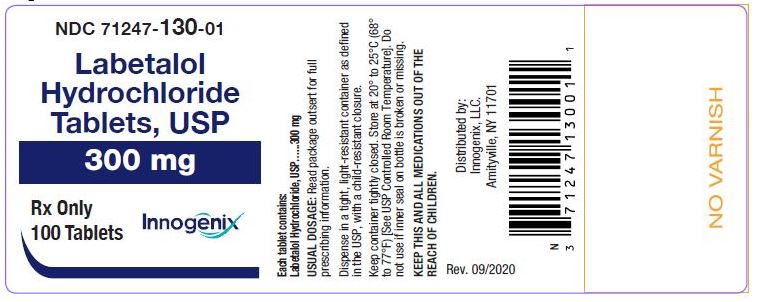
Labetalol 300 mg (Labetalol Label3)
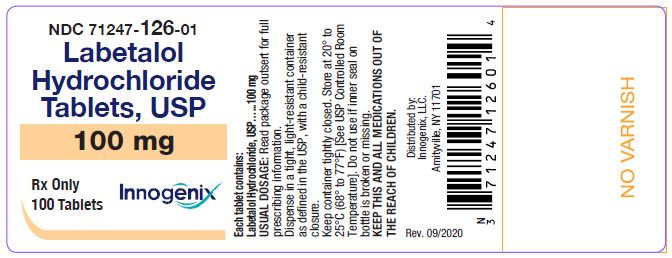
This is a description of a medication labeled as NDC 71247-130-01, with a revision date of September 2020. The medication is Labetalol Hydrochloride Tablets, USP, which is available with a prescription only, and comes in a bottle containing 100 tablets. The other text appears to be a mix of characters and is not usable.*
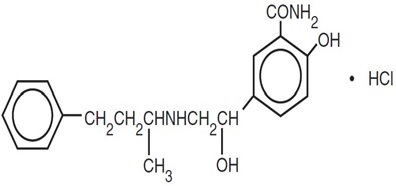
Labetalol-structure. (Labetalol Structure)
Table1 (Table1)
This is a table that shows the different side effects of four medications: Labetalol Hydrochloride, Placebo, Propranolol, and Metoprolol. The table displays the percentage of patients that experienced each side effect broken down by body system category, such as cardiovascular and respiratory. Some of the side effects listed are fatigue, headache, nausea, vomiting, abdominal pain, dizziness, and rash.*
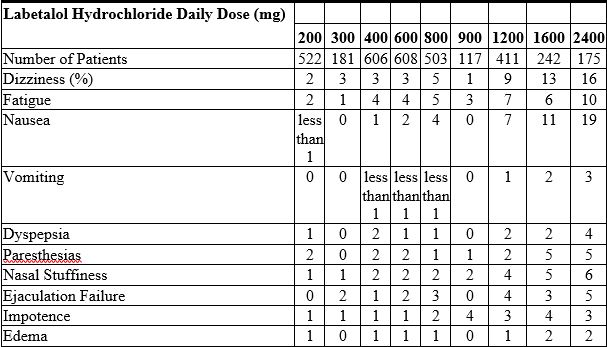
Table2 (Table2)
This is a table showing the number of patients and the percentage of certain side effects observed at different daily doses of Labetalol Hydrochloride (in milligrams). The doses range from 200mg to 2400mg, with varying numbers of patients in each dose group. Side effects listed include dizziness, fatigue, nausea, vomiting, dyspepsia, paresthesias, nasal stuffiness, ejaculation failure, impotence, and edema.*
* These product label images have been analyzed using experimental machine learning. Please verify findings with the primary label text.