Gemcitabine Injection, Powder, Lyophilized, For Solution
Product Images NDC 71288-113

View Photos of Packaging, Regulatory Labels, and Product Appearance

Product Visual Gallery

This gallery contains 9 technical images submitted to the FDA as part of the official labeling for Gemcitabine (NDC 71288-113). Unlike standard consumer photos, these assets often include clinical data figures, molecular chemical structures, and official manufacturer packaging layouts.

As provided by Meitheal Pharmaceuticals Inc., these visuals offer a comprehensive scientific overview of the product's physical and chemical identity, aiding pharmacists and researchers in product verification and study.

FDA Label Image

Structural Formula (Gem0d 0002 01)
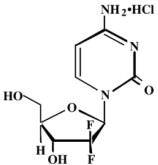
FDA Label Image

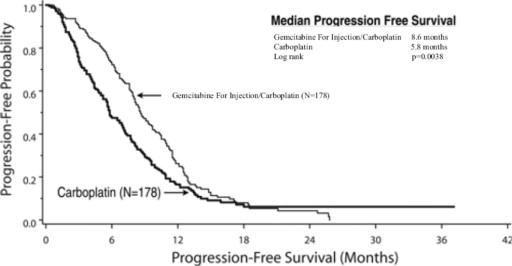
Figure 1 (Gem0d 0002 02)

FDA Label Image

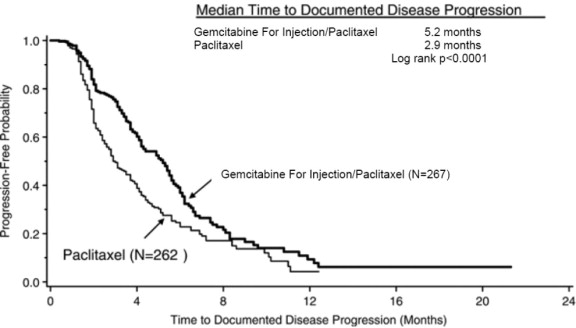
Figure 2 (Gem0d 0002 03)

Figure 2 (Gem0d 0002 03)
This is a description of the results obtained from a clinical trial that compared the efficacy of Gemcitabine for Injection/Paclitaxel to Paclitaxel alone in terms of progression-free survival time (length of time during which the disease doesn't worsen) for patients with an unspecified type of illness. The study involved 267 patients who received Gemcitabine for Injection/Paclitaxel and 262 patients who received Paclitaxel only. The results show that patients who received Gemcitabine for Injection/Paclitaxel had a significantly longer progression-free survival time (5.2 months) compared to those who received Paclitaxel only (2.8 months) with a p-value of <0.0001. The data is presented graphically as a survival curve with the time to documented disease progression measured in months on the horizontal axis and the proportion of patients without progression on the vertical axis.*
FDA Label Image

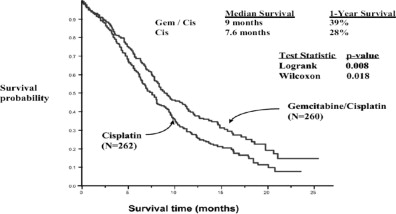
Figure 3 (Gem0d 0002 04)

FDA Label Image

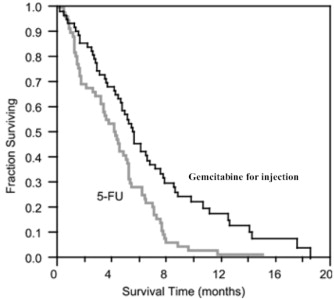
Figure 4 (Gem0d 0002 05)

Figure 4 (Gem0d 0002 05)
This seems to be a table from a medical study that compares the effectiveness of Gemeltabine or injection in regards to the fraction of patients who survived a certain amount of time after treatment. The table shows the fraction of patients surviving at different durations ranging from 0 to 16 months. However, since there is no clear indication of the actual percentages and values associated with each treatment, it's difficult to determine the efficacy of each treatment.*
FDA Label Image

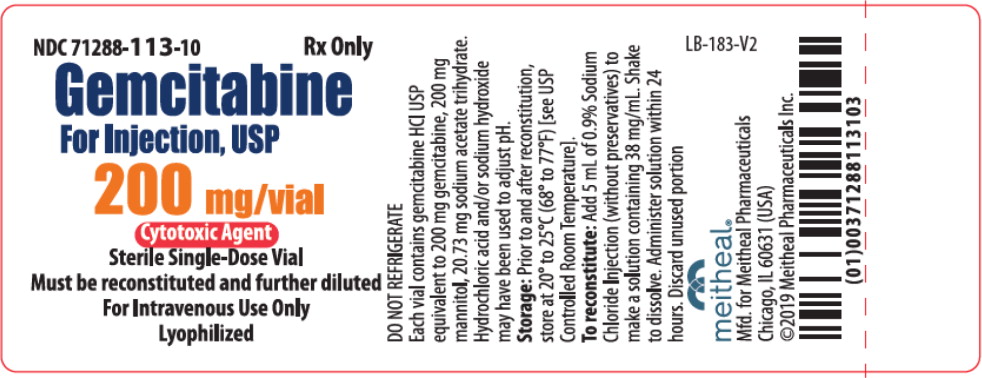
Principal Display Panel (Gemcitabine For Injection, USP 200 mg Vial Label)

FDA Label Image

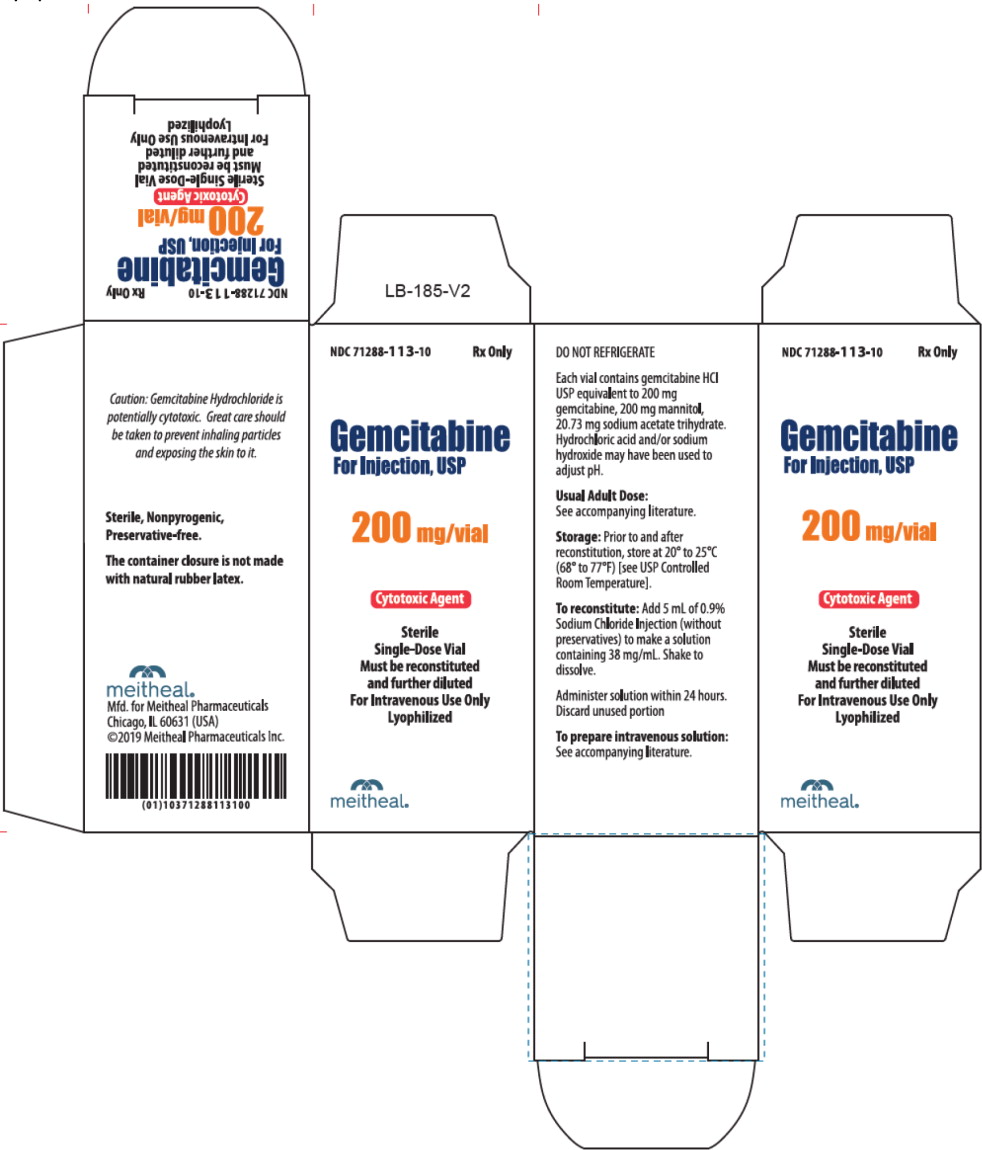
Principal Display Panel (Gemcitabine For Injection, USP 200 mg Carton)

Principal Display Panel (Gemcitabine For Injection, USP 200 mg Carton)
Gemcitabine Hydrochloride is a sterile, nonpyrogenic, and preservative-free injection contained in a single-dose vial. The usual adult dose is specified in the accompanying literature. The solution must be reconstituted by adding 5 mL of 0.9% Sodium Chloride Injection to make a solution containing 38 mg/mL. The intravenous solution must be prepared by a healthcare professional and administered within 24 hours. Gemcitabine Hydrochloride is not to be refrigerated and the unused portion must be discarded. The container closure is free from natural rubber latex.*
FDA Label Image

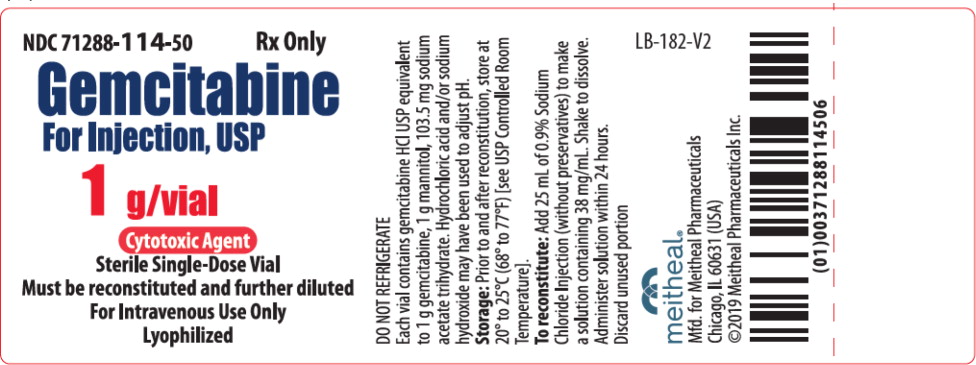
Principal Display Panel – Gemcitabine For Injection, Usp 1 G Vial Label (Gem0d 0002 08)

FDA Label Image

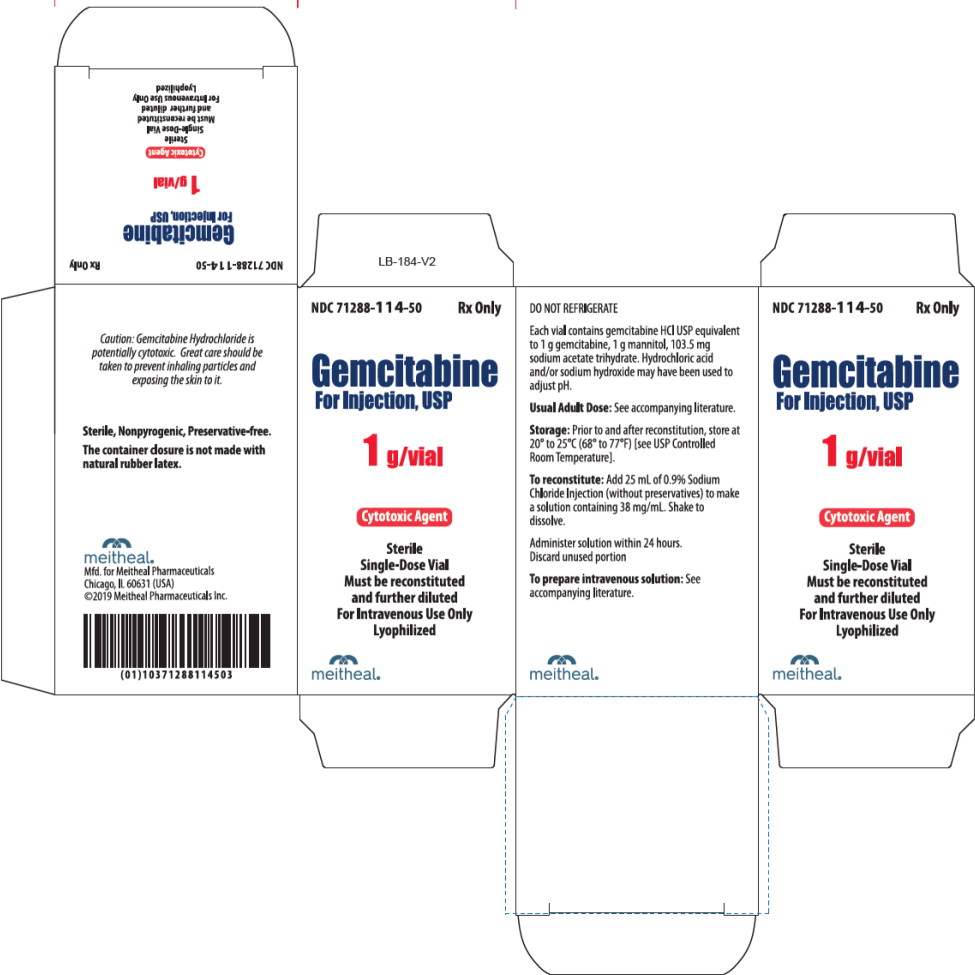
Principal Display Panel – Gemcitabine For Injection, Usp 1 G Carton (Gem0d 0002 09)

Principal Display Panel – Gemcitabine For Injection, Usp 1 G Carton (Gem0d 0002 09)
This is a description of Gemcitabine HCI USP, a sterile, nonpyrogenic, and preservative-free medicine that is used for injection. The container closure is not made with natural rubber latex, and each vial contains gemcitabine HCI USP, equivalent to 1 g of gemcitabine, 1 g of mannitol, and 103.5 mg of sodium. This medicine is a cytotoxic agent that must be administered intravenously within 24 hours after reconstitution. To prepare the intravenous solution, 25 mL of 0.9% sodium chloride injection (without preservatives) must be added to each vial that has been stored at room temperature, and it must be further diluted before use.*

* These product label images have been analyzed using experimental machine learning. Please verify findings with the primary label text.