Letrozole Tablet, Film Coated
Product Images NDC 71335-2396

View Photos of Packaging, Regulatory Labels, and Product Appearance

Product Visual Gallery

This gallery contains 9 technical images submitted to the FDA as part of the official labeling for Letrozole (NDC 71335-2396). Unlike standard consumer photos, these assets often include clinical data figures, molecular chemical structures, and official manufacturer packaging layouts.

As provided by Bryant Ranch Prepack, these visuals offer a comprehensive scientific overview of the product's physical and chemical identity, aiding pharmacists and researchers in product verification and study.

FDA Label Image

Figure-1 (11005a48 13fd 4c6d A024 1e39e3528e45 01)

Figure-1 (11005a48 13fd 4c6d A024 1e39e3528e45 01)
Chemical structure of Letrozole showing its molecular framework with two benzene rings each attached to a cyano group and connected via a triazole ring.*
FDA Label Image

Avet.jpg (Avet)

FDA Label Image

Figure-2 (Figure 1 Disease Free Survival Median Follow Up 73 Months Itt Approach)

Figure-2 (Figure 1 Disease Free Survival Median Follow Up 73 Months Itt Approach)
A Kaplan-Meier survival curve comparing patients treated with Letrozole versus Tamoxifen over 72 months. The graph includes the number of patients, events, and censored data for both groups, with Letrozole represented by a solid line and Tamoxifen by a dashed line. The x-axis shows time in months, and the y-axis shows survival probability.*
FDA Label Image

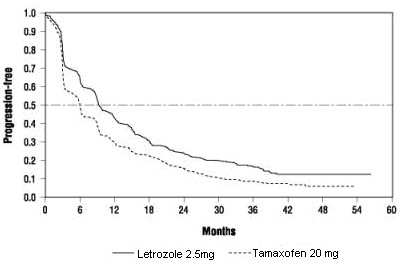
Figure-3 (Figure 2 Kaplan Meier Estimates Of Time To Progression Tamoxifen Study)

Figure-3 (Figure 2 Kaplan Meier Estimates Of Time To Progression Tamoxifen Study)
A line graph comparing progression-free outcomes over time in months for Letrozole 2.5 mg and Tamoxifen 20 mg. The y-axis represents the proportion of progression-free subjects, while the x-axis shows time in months, demonstrating changes in progression-free rates up to 60 months for the two treatments.*
FDA Label Image

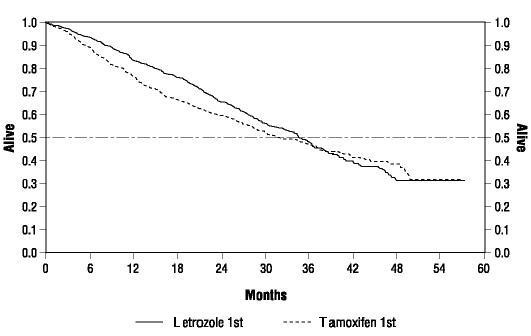
Figure-4 (Figure 3 Survival By Randomized Treatment Arm)

Figure-4 (Figure 3 Survival By Randomized Treatment Arm)
A survival curve graph comparing the fraction of patients alive over time in months, between two treatments labeled: Letrozole first and Tamoxifen first. The Y-axis represents the proportion alive from 0.0 to 1.0, and the X-axis spans months from 0 to 60.*
FDA Label Image

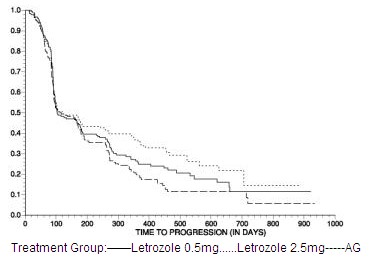
Figure-5 (Figure 4 Kaplan Meier Estimates Of Time To Progression Megestrol Acetate Study)

Figure-5 (Figure 4 Kaplan Meier Estimates Of Time To Progression Megestrol Acetate Study)
A Kaplan-Meier survival curve graph depicting time to progression in days for three treatment groups. The groups include Letrozole 0.5 mg, Letrozole 2.5 mg, and MA, with progression probabilities shown on the vertical axis and time on the horizontal axis, illustrating comparative progression rates over approximately 1000 days.*
FDA Label Image

Figure-6 (Figure 5 Kaplan Meier Estimates Of Time To Progression Amino)

Figure-6 (Figure 5 Kaplan Meier Estimates Of Time To Progression Amino)
A Kaplan-Meier survival curve chart comparing time to progression in days for two treatment groups: Letrozole 0.5 mg and Letrozole 2.5 mg. The y-axis represents the proportion without progression, decreasing over time shown on the x-axis, extending to approximately 900 days. The chart displays the effectiveness of each dosage in delaying progression.*
FDA Label Image

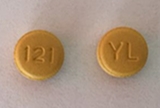
Figure 6

Figure 6
Letrozole 2.5 mg film-coated tablet for oral use, round and yellow. One side is imprinted with "121" and the other side with "YL". Labeler information not visible on the tablet itself.*
FDA Label Image

Label (Lbl713352396)

Label (Lbl713352396)
Label for Letrozole Tablets, USP 2.5 mg oral film-coated tablets. The package contains 30 tablets. The product is repackaged by Bryant Ranch Prepack, Inc., Burbank, CA, and manufactured by Beijing Yiling Bioengineering Technology Co., Ltd. The label includes NDC 71335-2396-1 and storage instructions at 25°C with permitted excursions.*

* About these descriptions: Image descriptions on this page are generated by automated AI analysis of the product label images from the manufacturer's FDA label submission (SPL). They are provided for reference only and may contain errors or omissions. Always rely on the printed label itself and the official FDA labeling, and consult a pharmacist or healthcare professional with any questions about this product.