Mirabegron Tablet, Film Coated, Extended Release
Product Images NDC 71335-2810
View Photos of Packaging, Regulatory Labels, and Product Appearance
Product Visual Gallery
This gallery contains 10 technical images submitted to the FDA as part of the official labeling for Mirabegron (NDC 71335-2810). Unlike standard consumer photos, these assets often include clinical data figures, molecular chemical structures, and official manufacturer packaging layouts.
As provided by Bryant Ranch Prepack, these visuals offer a comprehensive scientific overview of the product's physical and chemical identity, aiding pharmacists and researchers in product verification and study.
Product Images & Figures Index
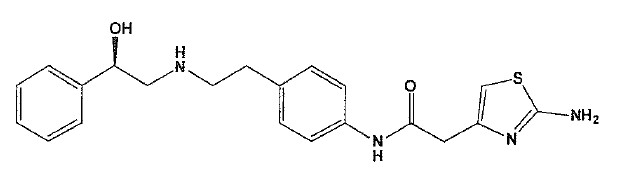
Fig 1 (3e871d38 8ab6 48fa 8c01 Fdbe8c65fd85 02)
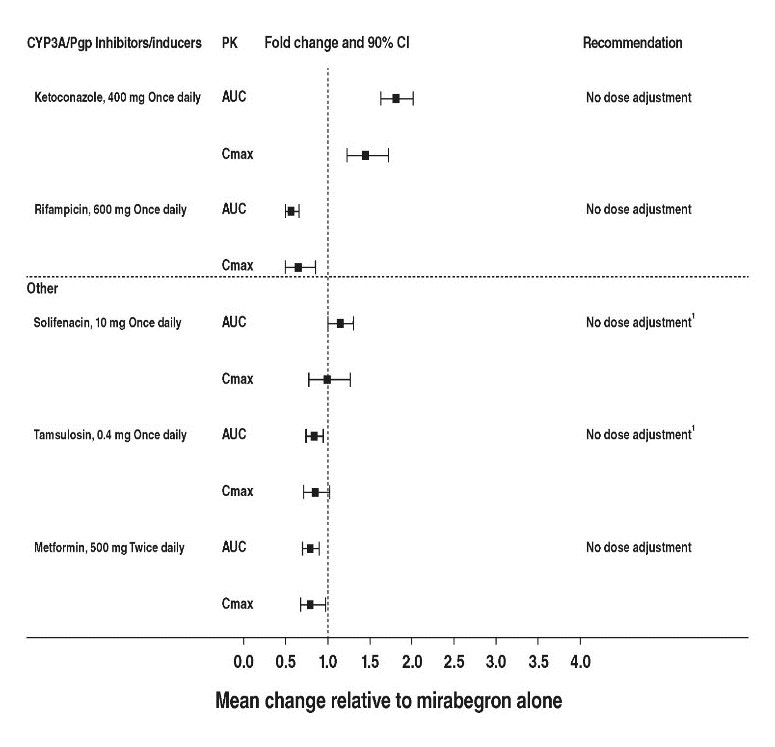
Fig 2 (3e871d38 8ab6 48fa 8c01 Fdbe8c65fd85 03)
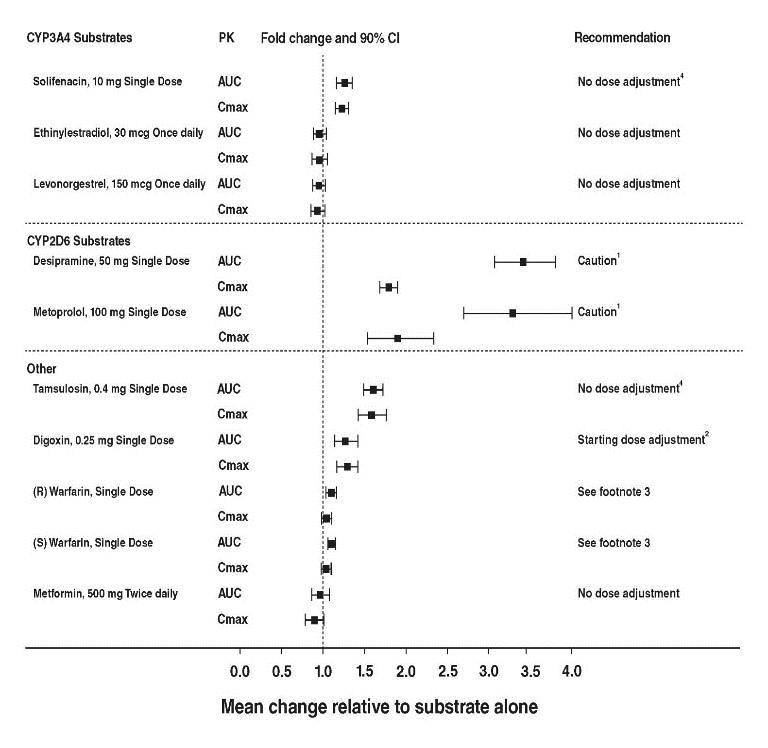
This text provides information on the recommended dosage adjustments for different drugs based on their interactions with specific enzymes (CYP3M and CYP2D6 substrates). It lists various medications such as Solifenacin, Ethinylestradiol, Levonorgestrel, Desipramine, Metoprolol, Tamsulosin, Digoxin, Warfarin, and Metformin, indicating whether dose adjustments are necessary when used together with these substrates. This data is valuable for healthcare professionals to ensure safe and effective medication management.*
Figure 3 (3e871d38 8ab6 48fa 8c01 Fdbe8c65fd85 04)
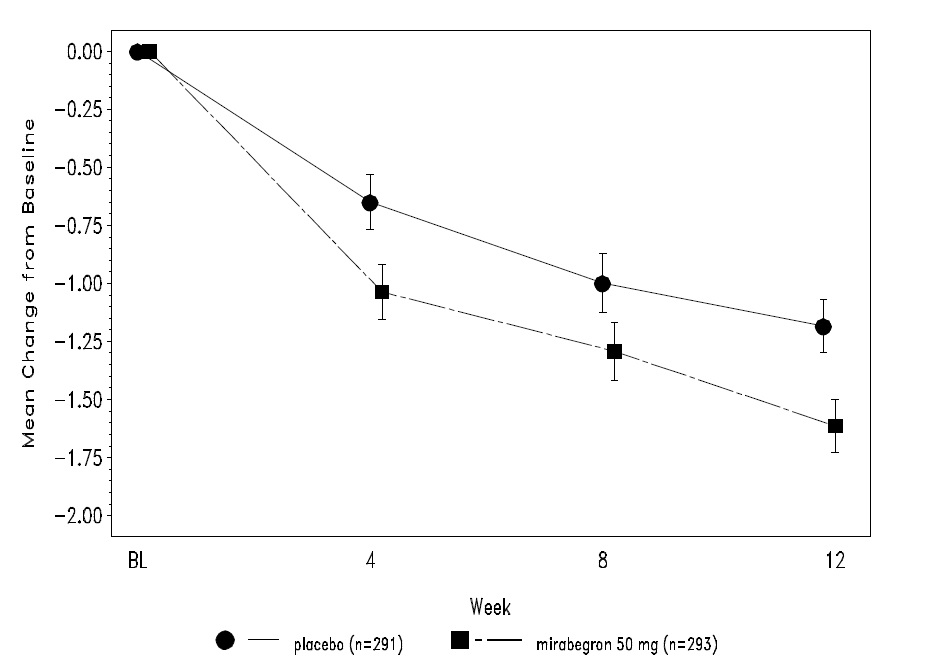
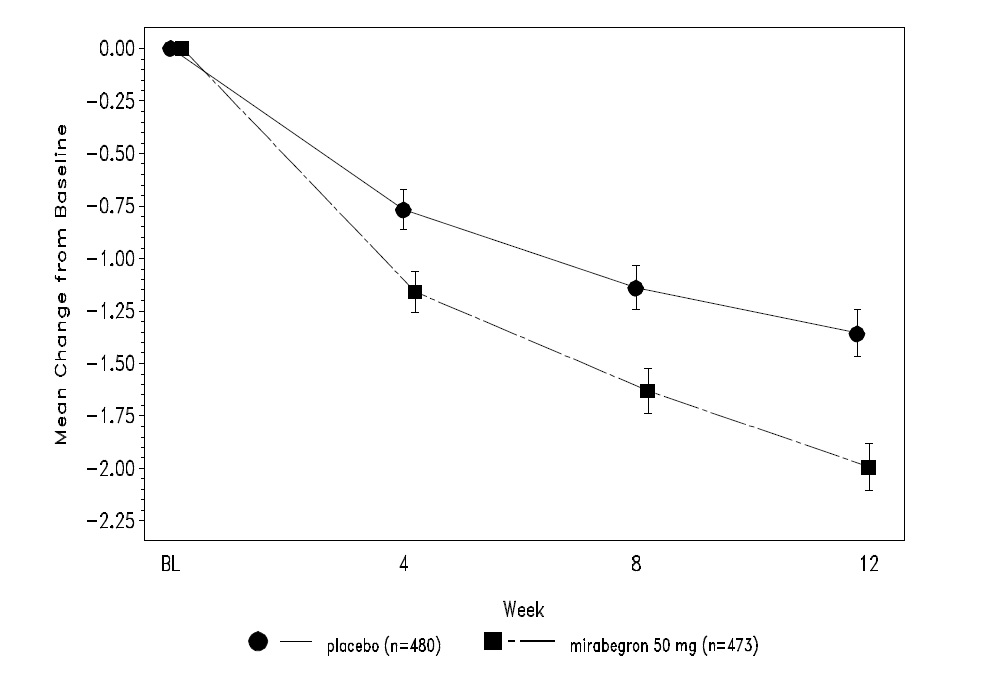
Figure 4 (3e871d38 8ab6 48fa 8c01 Fdbe8c65fd85 05)
This text shows a list of values indicating changes from the baseline and the mean change from baseline for a study comparing a placebo group with a group taking 50 mg of mirabegron. The data suggests a decrease over time in the values from 0.00 to -2.25. The sample sizes for the placebo and mirabegron groups are 480 and 473, respectively. The study spans weeks 4, 8, and 12.*
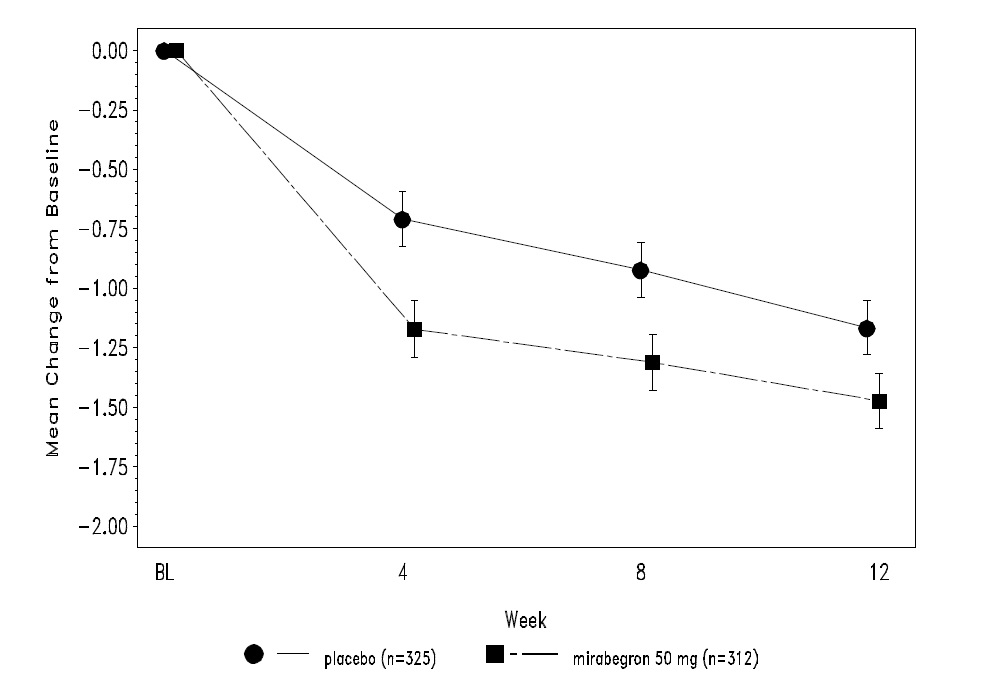
Figure 5 (3e871d38 8ab6 48fa 8c01 Fdbe8c65fd85 06)
This text appears to show a progression of numbers from 0 to -2, with references to baseline and different treatments. It seems to be data related to a study or experiment comparing the effects of a placebo and mirabegron 50 mg on a group of participants. The values listed indicate a decrease in some parameter measured from baseline.*
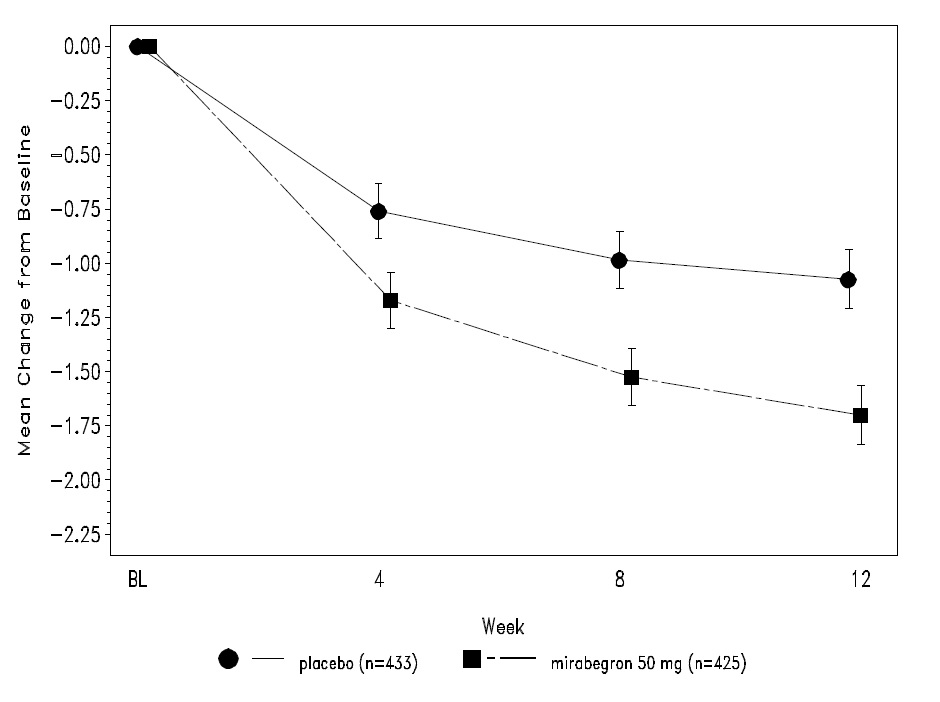
Figure 6 (3e871d38 8ab6 48fa 8c01 Fdbe8c65fd85 07)
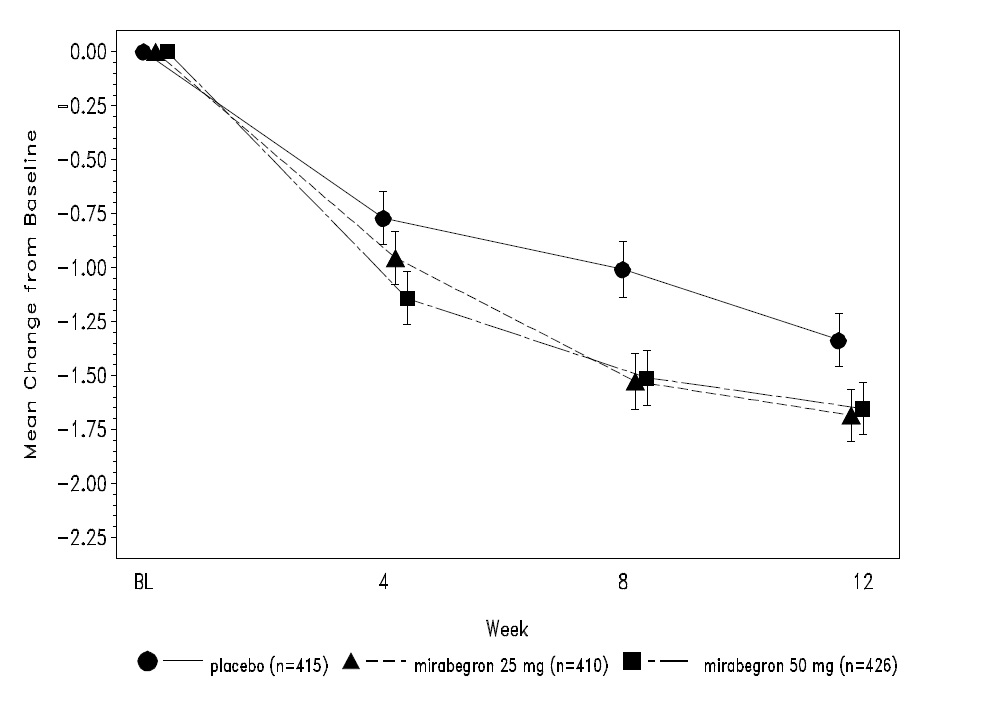
Figure 7 (3e871d38 8ab6 48fa 8c01 Fdbe8c65fd85 08)
This text provides data on changes from baseline measurements for different time points and medication doses. It compares the mean changes in values between placebo, mirabegron 25 mg, and mirabegron 50 mg groups over the course of the study. With a sample size mentioned for each group, the text highlights the progression of values over time for the different treatments.*
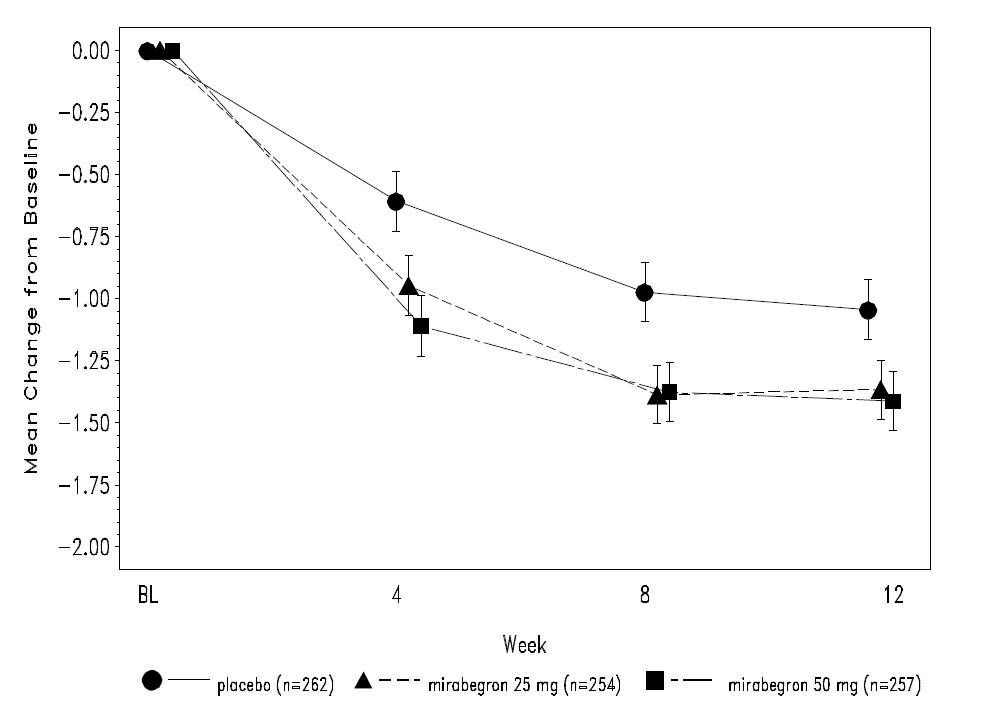
Figure 8 (3e871d38 8ab6 48fa 8c01 Fdbe8c65fd85 09)
This text appears to be a table displaying numerical values related to a study or experiment comparing the effects of different treatments. The table includes values like mean changes from baseline and measurements at various time points indicated by weeks. The treatments compared seem to be placebo, mirabegron 25 mg, and mirabegron 50 mg. Unfortunately, specific details or conclusions cannot be derived from this output.*
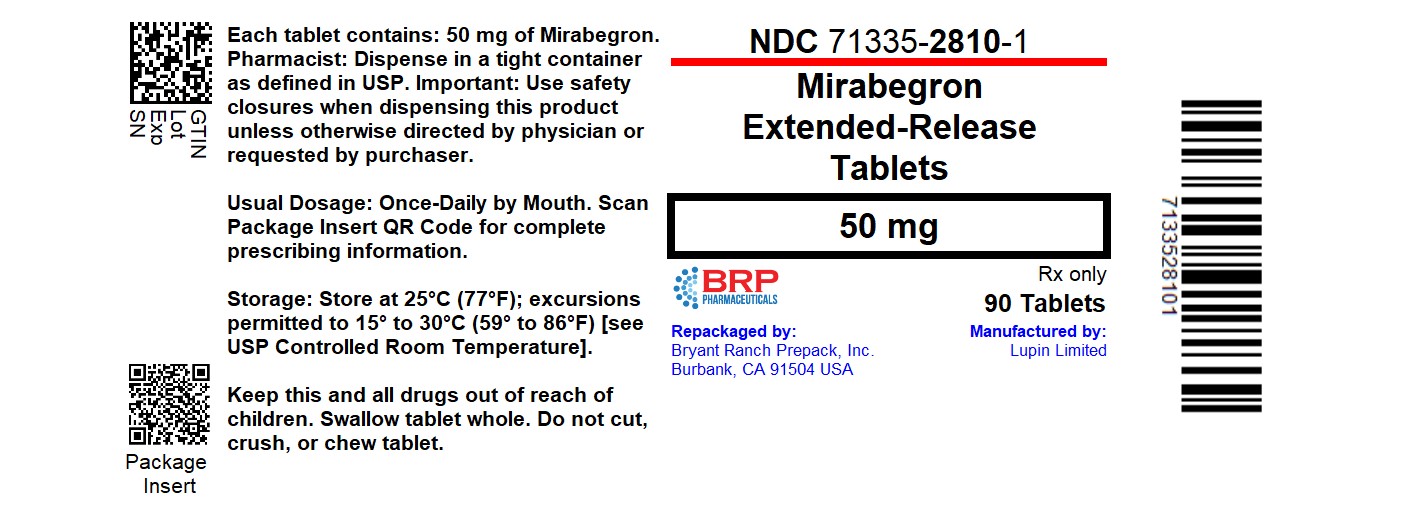
Label (Lbl713352810)
This is a description for Mirabegron tablets. Each tablet contains 50 mg of Mirabegron. It is important to dispense it in a tight container. Safety is emphasized by using child-resistant closures when dispensing the product unless directed otherwise by a physician. The usual dosage is once daily by mouth. The storage instructions indicate keeping the tablets at controlled room temperature. It is important to keep these tablets out of reach of children and swallow them whole without cutting, crushing, or chewing.*
* These product label images have been analyzed using experimental machine learning. Please verify findings with the primary label text.