Rhofade Cream
Product Images NDC 71403-003

View Photos of Packaging, Regulatory Labels, and Product Appearance

Product Visual Gallery

This gallery contains 11 technical images submitted to the FDA as part of the official labeling for Rhofade (NDC 71403-003). Unlike standard consumer photos, these assets often include clinical data figures, molecular chemical structures, and official manufacturer packaging layouts.

As provided by Epi Health, Llc, these visuals offer a comprehensive scientific overview of the product's physical and chemical identity, aiding pharmacists and researchers in product verification and study.

FDA Label Image

Chemical Structure (Rhofade 01)
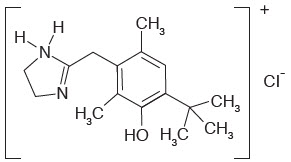
Chemical Structure (Rhofade 01)
Chemical structure of oxymetazoline hydrochloride. The image displays the molecular diagram of the salt form with the chloride ion indicated, consistent with the active ingredient in Rhofade topical cream 1 g/100 g by EPI Health, LLC.*
FDA Label Image

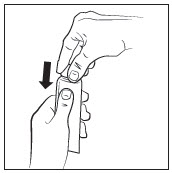
Image (Rhofade 02)

Image (Rhofade 02)
An instructional diagram showing a hand pressing down on the cap of a tube-shaped container, indicating how to open the tube by applying downward pressure with the thumb while holding it with the other hand.*
FDA Label Image

Image (Rhofade 03)

Image (Rhofade 03)
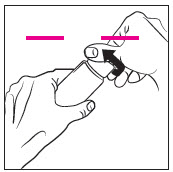
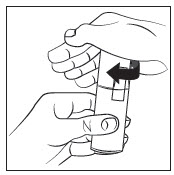
An instructional illustration showing a hand twisting the cap off a cylindrical tube or container, likely demonstrating how to open the product packaging of Rhofade topical cream.*
FDA Label Image

Image (Rhofade 04)

Image (Rhofade 04)
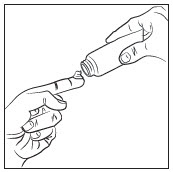
An instructional illustration showing a person dispensing a topical cream onto a fingertip from a tube. The image demonstrates how to apply Rhofade (oxymetazoline hydrochloride) cream, 1 g/100 g, topical dosage form by EPI Health, LLC.*
FDA Label Image

Image (Rhofade 05)

Image (Rhofade 05)
An instructional illustration showing a person using their hands to remove or open the cap of a small cream tube, demonstrating how to access the topical medication inside.*
FDA Label Image

Image (Rhofade 06)

Image (Rhofade 06)
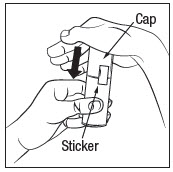
An instructional illustration showing a hand peeling off a protective cap from a small container or tube with a sticker attached on the side. The diagram is labeled to identify the 'Cap' and the 'Sticker,' indicating removal or opening action.*
FDA Label Image

Image (Rhofade 07)

Image (Rhofade 07)
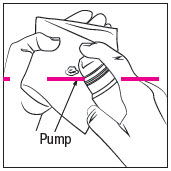
Illustration showing how to use a topical cream pump dispenser. One hand presses down on the pump while the other hand is positioned to receive the dispensed cream. The image demonstrates the method to dispense the cream from the container.*
FDA Label Image

Image (Rhofade 08)

Image (Rhofade 08)
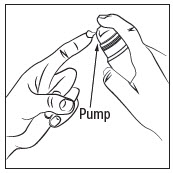
An instructional illustration showing a person pressing the pump of a topical cream container. The hand positioning demonstrates how to dispense the cream from the pump, with the word 'Pump' labeled and an arrow indicating the pumping action.*
FDA Label Image

Image (Rhofade 09)

Image (Rhofade 09)
An instructional illustration showing hands applying topical cream from a pump dispenser onto a fingertip. The image highlights pressing the pump to dispense the product for application.*
FDA Label Image

Image (Rhofade 10)

Image (Rhofade 10)
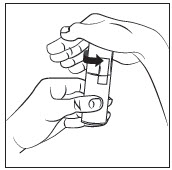
An instructional illustration showing a person using Rhofade cream. The image depicts a hand with the index finger pressing and pushing up the cream tube cap, indicating how to open or dispense the topical cream.*
FDA Label Image

Principal Display Panel (30 g Tube Carton)

Principal Display Panel (30 g Tube Carton)
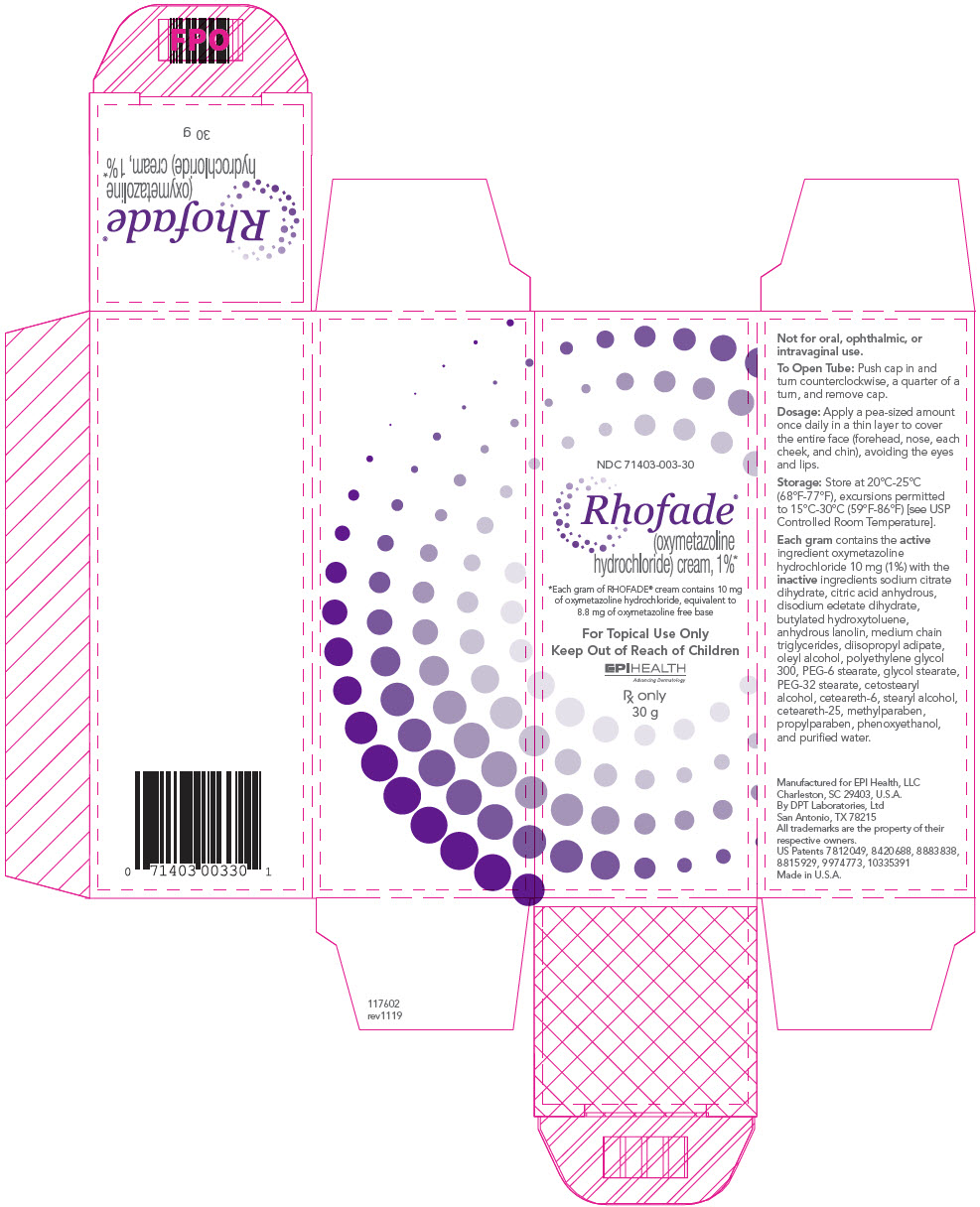
Packaging label for Rhofade (oxymetazoline hydrochloride) cream 1%, a topical prescription drug by EPI Health, LLC. The label shows a 30 g tube with the brand name Rhofade prominently displayed, dosage strength of 1 g/100 g, instructions for topical use only, and the NDC 71403-003-30. The design features a pattern of purple and gray dots and includes storage and usage information.*

* About these descriptions: Image descriptions on this page are generated by automated AI analysis of the product label images from the manufacturer's FDA label submission (SPL). They are provided for reference only and may contain errors or omissions. Always rely on the printed label itself and the official FDA labeling, and consult a pharmacist or healthcare professional with any questions about this product.