Alogliptin Tablet, Film Coated
Product Images NDC 71610-300
View Photos of Packaging, Regulatory Labels, and Product Appearance
Product Visual Gallery
This gallery contains 7 technical images submitted to the FDA as part of the official labeling for Alogliptin (NDC 71610-300). Unlike standard consumer photos, these assets often include clinical data figures, molecular chemical structures, and official manufacturer packaging layouts.
As provided by Aphena Pharma Solutions - Tennessee, Llc, these visuals offer a comprehensive scientific overview of the product's physical and chemical identity, aiding pharmacists and researchers in product verification and study.
Aphena Pharma Solutions (TN)
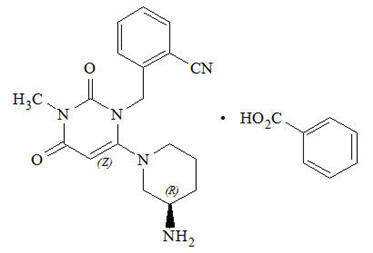
Chemical Structure (Alogliptin 01)
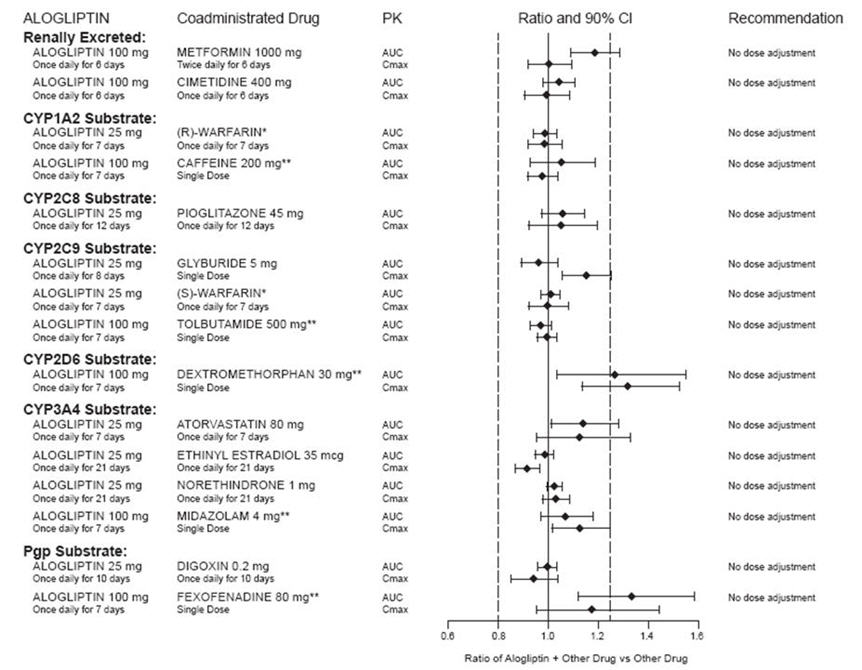
Figure 1 (Alogliptin 02)
ALOGLIPTIN is a medication that can be renally excreted. It is a substrate for several enzymes including CYP1A2, CYP2C8, CYP2CS, CYP2D6, CYP3A4, and Pgp. There are various dosages recommended for taking ALOGLIPTIN, depending on the drug it is being co-administered with and the duration of treatment. It is not apparent from the text what ALOGLIPTIN is used for.*
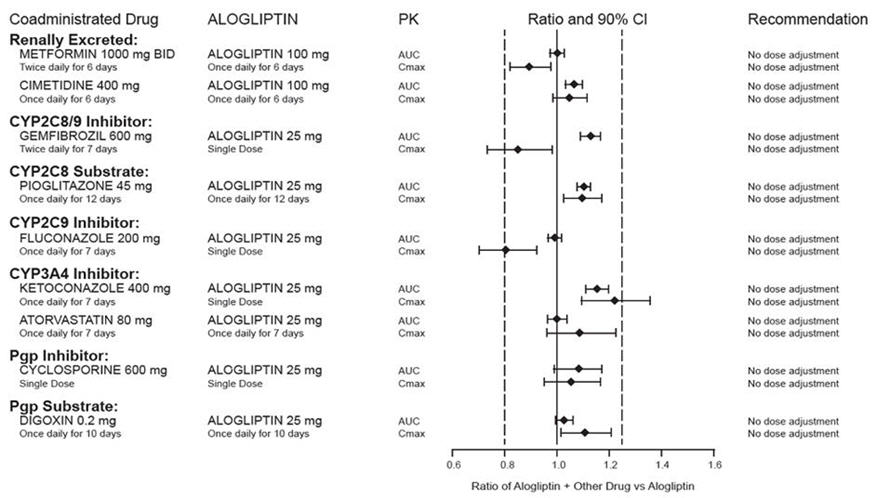
Figure 2 (Alogliptin 03)
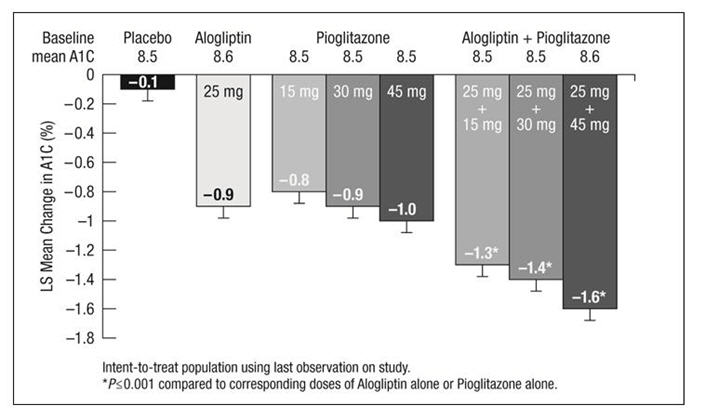
Figure 3 (Alogliptin 04)
This looks like a table with some numerical values for Baseline A1C and LS Mean Change in A1C (%) in different groups of people who might be taking medication for diabetes. The groups include Placebo, Alogliptin, Pioglitazone and Alogliptin + Pioglitazone. The results suggest that the combination of Alogliptin and Pioglitazone is more effective in reducing A1C levels when compared to each medication alone.*
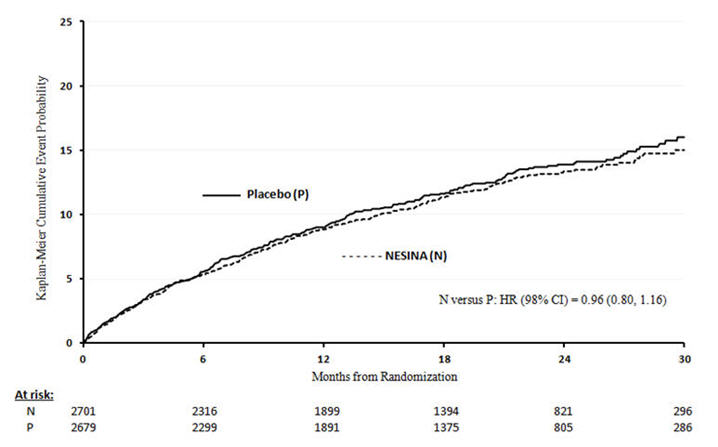
Figure 4 (Alogliptin 05)
The text appears to provide statistical data related to a medical study comparing the effects of NESINA and Placebo(P) on a certain health condition. The data suggests that the hazard ratio of NESINA versus placebo is 0.96 (with 98% confidence interval of 0.80 to 1.16). The number of individuals at risk in the study, for NESINA and Placebo respectively, were 70 and 267. The rest of the text contains some numbers that may have been values measured during the study or timepoints. It is not possible to interpret the information in a clinical context without further context.*
* These product label images have been analyzed using experimental machine learning. Please verify findings with the primary label text.