Divalproex Sodium Tablet, Film Coated, Extended Release
Product Images NDC 71610-707

View Photos of Packaging, Regulatory Labels, and Product Appearance

Product Visual Gallery

This gallery contains 6 technical images submitted to the FDA as part of the official labeling for Divalproex Sodium (NDC 71610-707). Unlike standard consumer photos, these assets often include clinical data figures, molecular chemical structures, and official manufacturer packaging layouts.

As provided by Aphena Pharma Solutions - Tennessee, Llc, these visuals offer a comprehensive scientific overview of the product's physical and chemical identity, aiding pharmacists and researchers in product verification and study.

FDA Label Image

Bottle Label 500 mg (71610 0707 53)
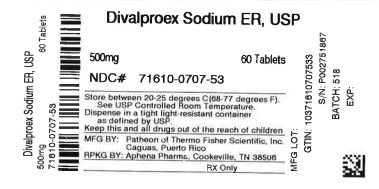
Bottle Label 500 mg (71610 0707 53)
This appears to be a medication label or prescription information. The medication is called Divalproex Sodium ER, USP. There is a reference to an NDC number, which is a unique identifier for drugs in the United States. The rest of the text is not clear due to errors produced by the process. Therefore, the full and accurate description cannot be provided.*
FDA Label Image

Aphena Pharma Solutions (TN)

FDA Label Image

Divalproex Structural Formula (Image 03)

FDA Label Image

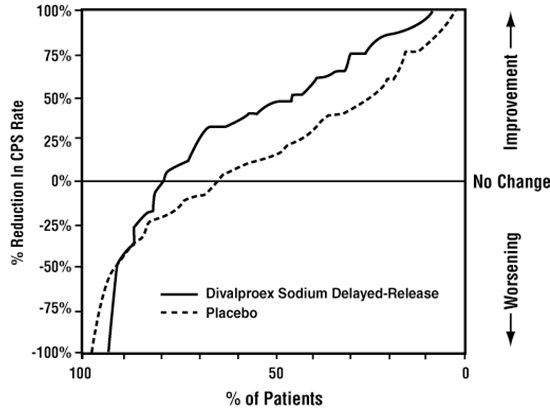
Figure 1: Proportion Of Patients (x Axis) Whose Percentage Reduction From Baseline In Complex Partial Seizure Rates Was At Least As Great As That Indicated On The Y Axis In The Adjunctive Therapy Study (Image 04)

Figure 1: Proportion Of Patients (x Axis) Whose Percentage Reduction From Baseline In Complex Partial Seizure Rates Was At Least As Great As That Indicated On The Y Axis In The Adjunctive Therapy Study (Image 04)
This is a chart that shows the percentage reduction in the CP$ rate categorized by the percentage of patients experiencing improvement, worsening, or no change. There is not enough context to provide further information about what CP$ rate refers to.*
FDA Label Image

Figure 2: Proportion Of Patients (x Axis) Whose Percentage Reduction From Baseline In Complex Partial Seizure Rates Was At Least As Great As That Indicated On The Y Axis In The Monotherapy Study (Image 05)

Figure 2: Proportion Of Patients (x Axis) Whose Percentage Reduction From Baseline In Complex Partial Seizure Rates Was At Least As Great As That Indicated On The Y Axis In The Monotherapy Study (Image 05)
This appears to be a graph displaying the effectiveness of different doses of a drug with delayed release. The drug is likely divalproex sodium. The graph shows that a high dose (50-100%) is associated with a higher percentage of patients experiencing a positive effect from the drug, while a low dose (0-2%) is less effective. There may also be a group of patients for whom there is no change in their condition (0%). However, it's difficult to interpret the graph without more context.*
FDA Label Image

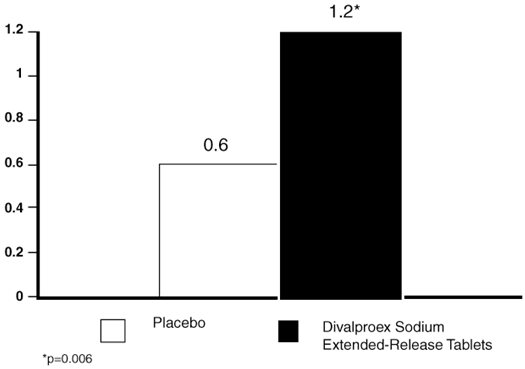
Figure 3. Mean Reduction In 4-week Migraine Headache Rates (Image 06)

* These product label images have been analyzed using experimental machine learning. Please verify findings with the primary label text.