Pregabalin Capsule
Product Images NDC 71610-871
View Photos of Packaging, Regulatory Labels, and Product Appearance
Product Visual Gallery
This gallery contains 16 technical images submitted to the FDA as part of the official labeling for Pregabalin (NDC 71610-871). Unlike standard consumer photos, these assets often include clinical data figures, molecular chemical structures, and official manufacturer packaging layouts.
As provided by Aphena Pharma Solutions - Tennessee, Llc, these visuals offer a comprehensive scientific overview of the product's physical and chemical identity, aiding pharmacists and researchers in product verification and study.
Product Images & Figures Index
Aphena (Aphena)
Pregabalin Equation (Pregabalin Equ)
This text provides a formula for estimating creatinine clearance (CLCr) using age, weight, and serum creatinine levels. It suggests multiplying the result of (1140 - age in years) and weight in kilograms to get an estimate for creatinine clearance. In addition, for female patients, it mentions that the product of 72 and serum creatinine concentration in mg/dL should be further multiplied by 0.85.*
Figure 1: Patients Achieving Various Levels Of Improvement In Pain Intensity – Study Dpn 1 (Pregabalin Fig1)
This text provides a graphical representation in Figure 1 of patients achieving different levels of improvement in pain intensity in Study DPN 1. The chart shows the percentage of patients who experienced improvement in pain intensity when treated with Pregabalin at different dosages (200 mg three times a day, 100 mg three times a day, 25 mg three times a day) compared to those who received a Placebo. The y-axis denotes the percentage of patients improved, while the x-axis represents the percentage improvement in pain from baseline. This data helps in understanding the efficacy of Pregabalin at varying dosages in managing pain intensity in patients with diabetic peripheral neuropathy.*
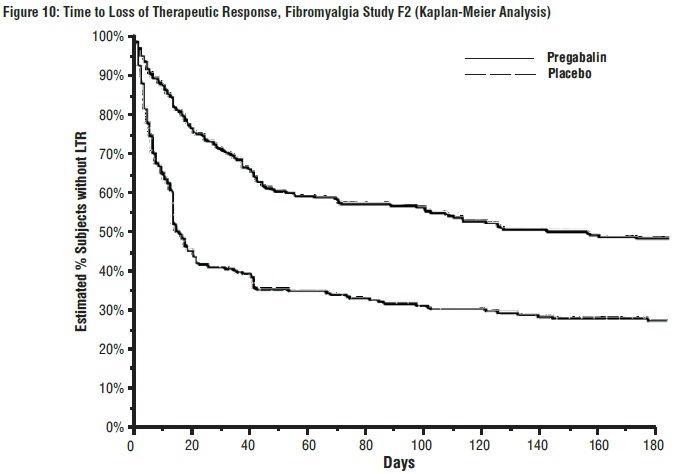
Figure 10 (Pregabalin Fig10)
This text provides data from a Fibromyalgia study comparing Pregabalin and Placebo in terms of Time to Loss of Therapeutic Response (LTR). The graph shows a Kaplan-Meier Analysis with the estimated percentage of subjects without LTR over time in days. The chart indicates that Pregabalin may have a positive impact on maintaining therapeutic response compared to Placebo.*
Figure 11 (Pregabalin Fig11)
Figure 12 (Pregabalin Fig12)
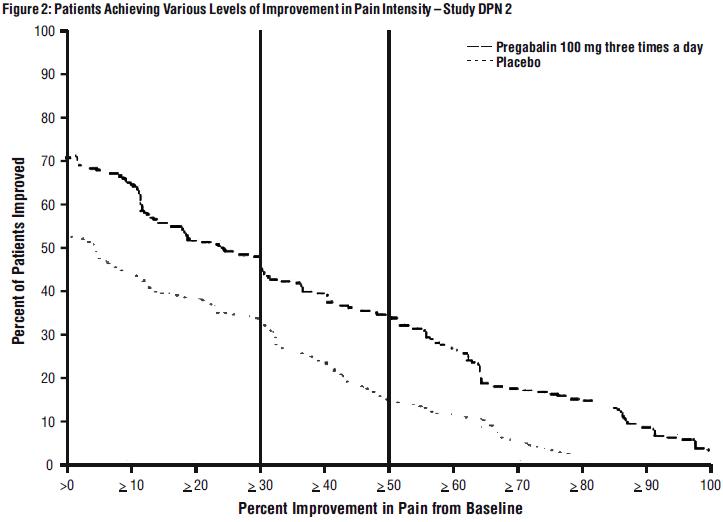
Figure 2: Patients Achieving Various Levels Of Improvement In Pain Intensity – Study (Pregabalin Fig2)
This text presents a figure showing patients achieving various levels of improvement in pain intensity in a study called DPN 2. The figure compares the effectiveness of Pregabalin 100 mg three times a day with a placebo in terms of the percentage of patients that experienced improvement in pain intensity from baseline.*
Figure 3: Patients Achieving Various Levels Of Improvement In Pain Intensity – Study Phn 1 (Pregabalin Fig3)
This data from Study PHN 1 shows the percentage of patients achieving different levels of improvement in pain intensity from baseline when prescribed different doses of pregabalin and a placebo. The graph depicts the effectiveness of pregabalin at doses of 75 mg, 150 mg, and 300 mg taken twice a day compared to a placebo. The results indicate a higher percentage of patients experienced pain relief with increasing doses of pregabalin.*
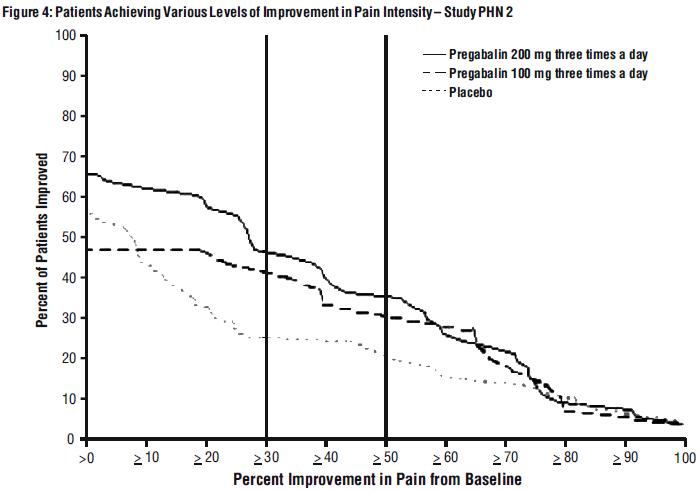
Figure 4: Patients Achieving Various Levels Of Improvement In Pain Intensity – Study Phn 2 (Pregabalin Fig4)
This data from Study PHN 2 illustrated in Figure 4 shows the percentage of patients achieving different levels of improvement in pain intensity with different treatments. Pregabalin at 200 mg three times a day led to the highest percentage of patients showing improvement, followed by pregabalin at 100 mg three times a day. The placebo group had the lowest percentage of improvement.*
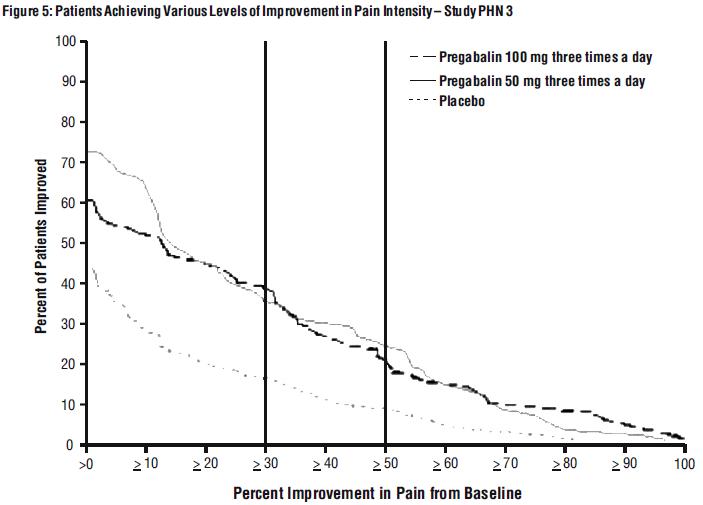
Figure 5: Patients Achieving Various Levels Of Improvement In Pain Intensity – Study Phn 3 (Pregabalin Fig5)
This is a graph showing the percentage of patients achieving various levels of improvement in pain intensity in Study PHN 3. The graph compares the outcomes for patients taking Pregabalin 100 mg three times a day, Pregabalin 50 mg three times a day, and Placebo. The x-axis represents the percentage of patients improved, while the y-axis shows the percentage improvement in pain from baseline. This visual representation helps in understanding the effectiveness of different treatments in managing pain intensity.*
Figure6 (Pregabalin Fig6)
Figure7 (Pregabalin Fig7)
Figure 8 (Pregabalin Fig8)
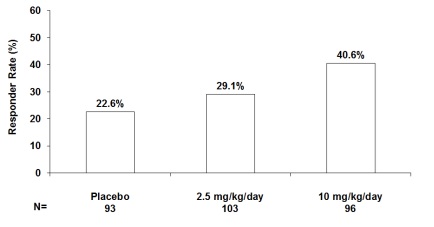
The text mentions different responder rates for different treatments. It includes percentages for each treatment group, such as a 8%, 2%, and 26% response rate. It also references a placebo and specific dosage amounts in mg/kg/day. The information provided seems to pertain to a study or evaluation of different treatments and their effectiveness.*
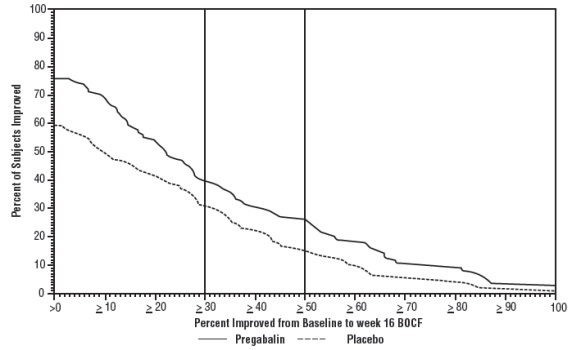
Figure 9 (Pregabalin Fig9)
This text provides data on the different levels of improvement in pain intensity achieved by patients in a fibromyalgia study. The percentages of patients experiencing improvement are compared across different daily doses of Pregabalin and a placebo. The graph shows how a 600 mg daily dose of Pregabalin had the highest percentage of patients reporting improvement, followed by the 450 mg and 300 mg doses, with the placebo having the lowest percentage.*
Chemical Structure (Pregabalin Str)
* These product label images have been analyzed using experimental machine learning. Please verify findings with the primary label text.