Jardiance Tablet, Film Coated
Product Images NDC 71610-900

View Photos of Packaging, Regulatory Labels, and Product Appearance

Product Visual Gallery

This gallery contains 18 technical images submitted to the FDA as part of the official labeling for Jardiance (NDC 71610-900). Unlike standard consumer photos, these assets often include clinical data figures, molecular chemical structures, and official manufacturer packaging layouts.

As provided by Aphena Pharma Solutions - Tennessee, Llc, these visuals offer a comprehensive scientific overview of the product's physical and chemical identity, aiding pharmacists and researchers in product verification and study.

FDA Label Image

Label (71610 0900 09)
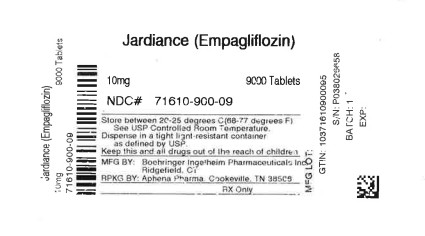
Label (71610 0900 09)
This text is not legible.*
FDA Label Image

Aphena (Aphena)

FDA Label Image

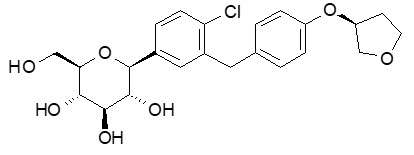
Chemical Structure (Jardiance 01)

FDA Label Image

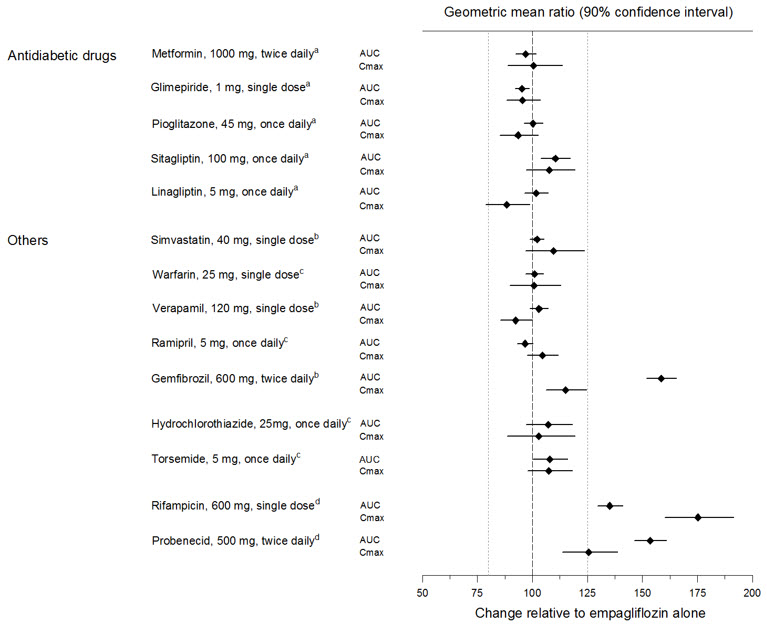
Figure 1 (Jardiance 02)

Figure 1 (Jardiance 02)
This text is a list of various medications, including antidiabetic drugs like Metformin, Glimepiride, Pioglitazone, and others. The list also includes other medications like Simvastatin, Warfarin, and Verapamil. The text provides information on dosage and frequency of these medications. Additionally, it mentions terms like "Geometric mean ratio" and "Change relative to empagliflozin alone". It seems to be a medication list or data related to drug administration and effects.*
FDA Label Image

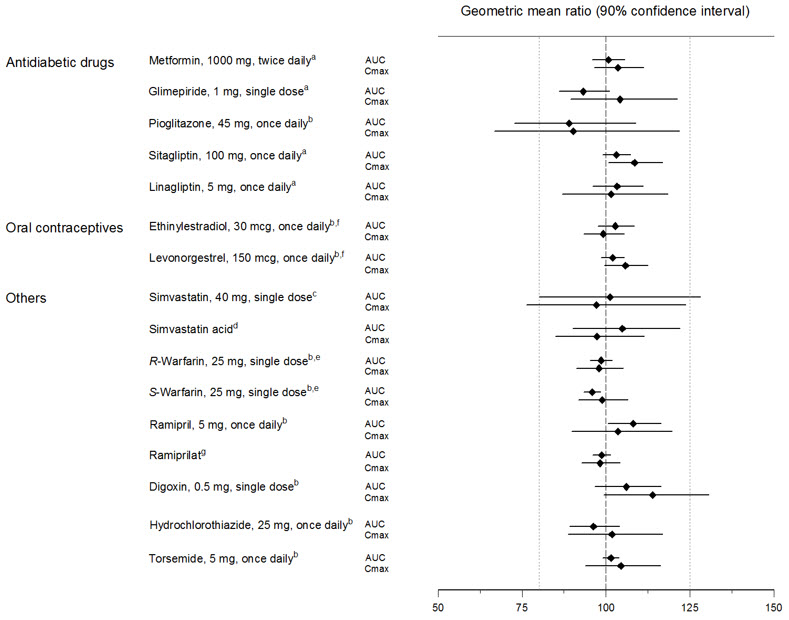
Figure 2 (Jardiance 03)

Figure 2 (Jardiance 03)
The text appears to show a list of medications with different dosages and frequencies. It includes antidiabetic drugs, oral contraceptives, and other types of medications like statins, anticoagulants, and cardiovascular drugs. Dosage instructions such as the amount per dose and frequency (once daily, twice daily) are provided for each medication. Some of the drugs mentioned are metformin, glimepiride, pioglitazone, sitagliptin, simvastatin, warfarin, ramipril, digoxin, hydrochlorothiazide, and torsemide. The text seems to also contain information on Cmax, Auc, and geometric mean ratio calculations. These details could be part of a medication regimen or clinical trial analysis.*
FDA Label Image

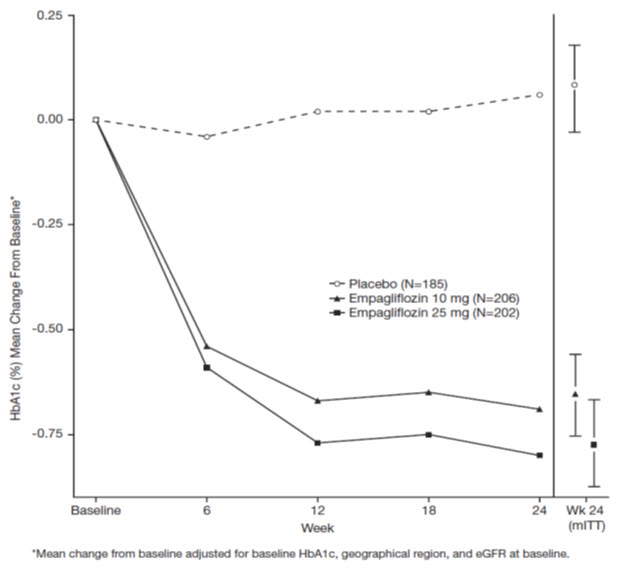
Figure 3 (Jardiance 04)

Figure 3 (Jardiance 04)
This text provides information on the mean change in HbA1C (%) from baseline for different treatment groups, including a placebo group, Empagliflozin 10 mg group, and Empagliflozin 25 mg group over a period of 24 weeks. The changes are adjusted for baseline HbA1c, geographical region, and oGFR at baseline.*
FDA Label Image

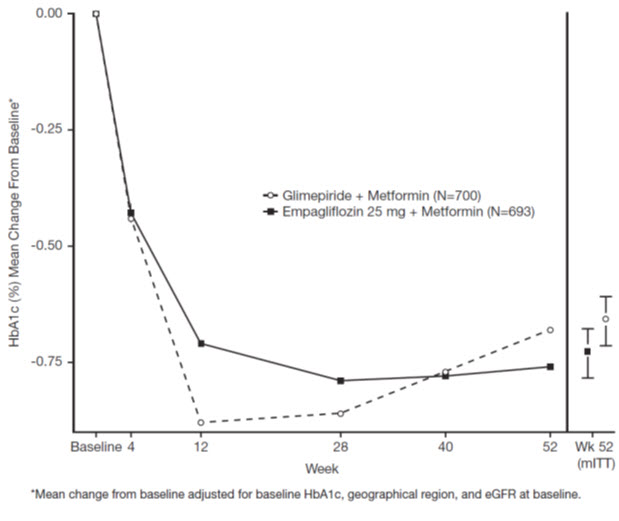
Figure 4 (Jardiance 05)

Figure 4 (Jardiance 05)
This information is a comparison of the mean change from baseline in HbA1c (%) levels between two medications: Glimepiride + Metformin and Empagliflozin 25 mg + Metformin. The data is based on a study with a sample size of 700 for Glimepiride + Metformin and 693 for Empagliflozin 25 mg + Metformin. The mean change from baseline is adjusted for baseline HbA1c, geographical region, and eGFR at baseline over a 52-week period.*
FDA Label Image

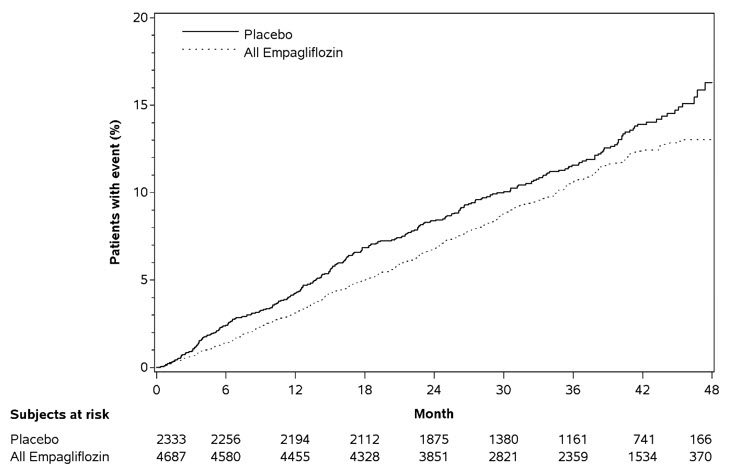
Figure 5 (Jardiance 06)

Figure 5 (Jardiance 06)
This data table provides information on patients with events (%) and the number of subjects at risk in a study comparing placebo versus Empagliflozin. The table indicates the number of subjects at risk for each group at various time intervals.*
FDA Label Image

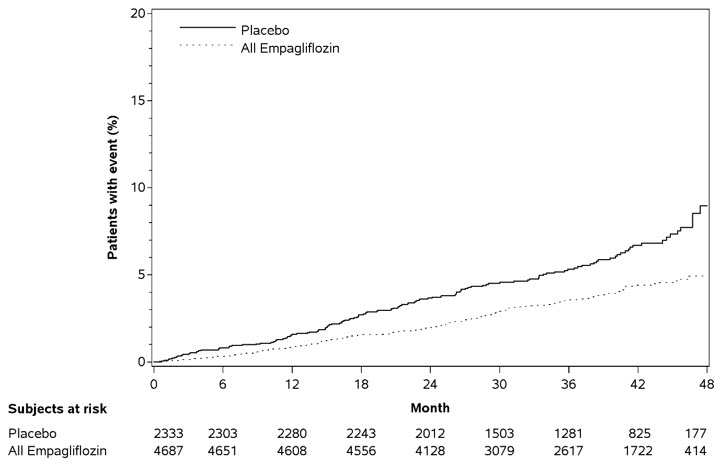
Figure 6 (Jardiance 07)

FDA Label Image

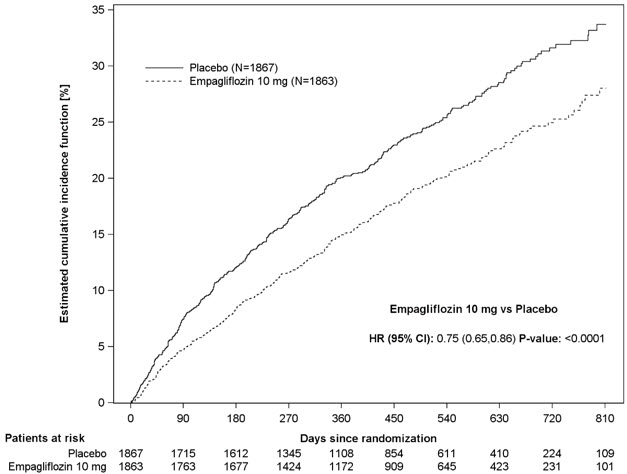
Figure 7 (Jardiance 08a)

Figure 7 (Jardiance 08a)
This is a table presenting data from a clinical trial comparing the incidence function of Empagliflozin 10 mg versus placebo. It shows the hazard ratio with 85% confidence interval and P-value. The table also includes the number of patients at risk in each group over days since randomization.*
FDA Label Image

Figure 8 (Jardiance 08b)

FDA Label Image

Figure 9 (Jardiance 08c)

Figure 9 (Jardiance 08c)
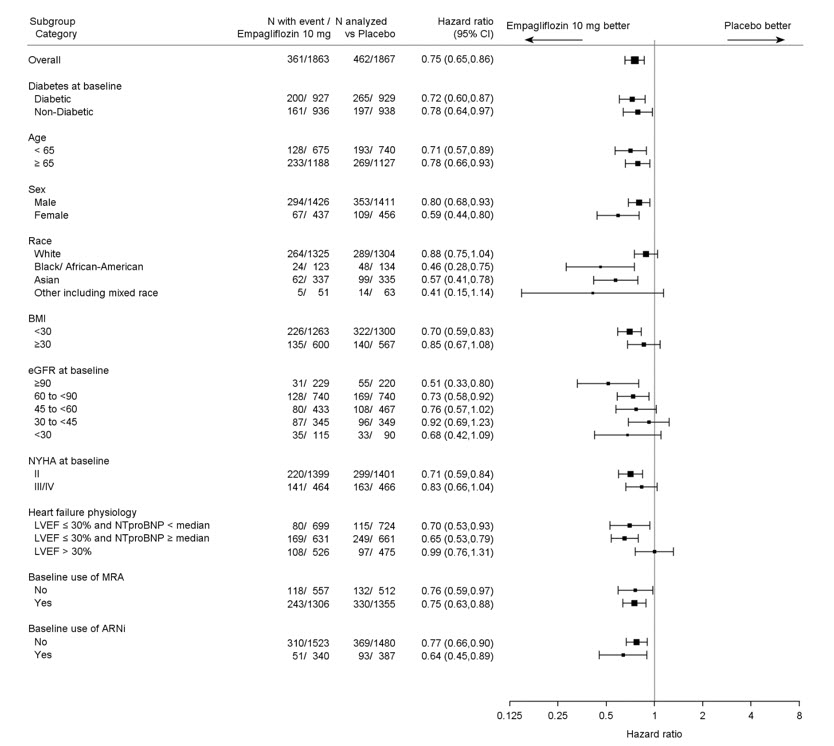
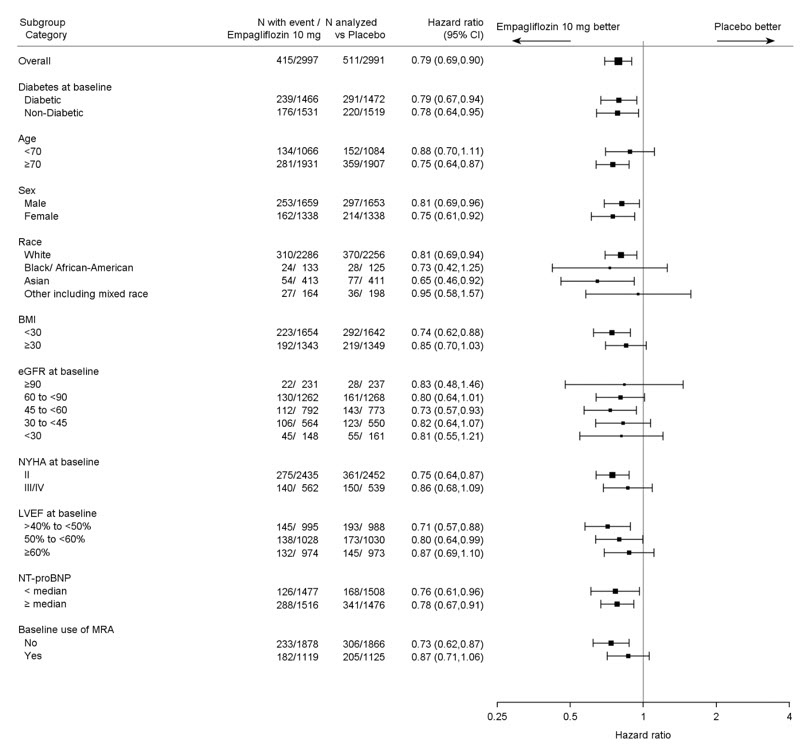
This text appears to be a comparison of the effects of Empagiflozin 10mg versus Placebo in different subgroups based on various parameters like diabetes status, sex, race, BMI, GFR, NYHA classification, heart failure physiology, and baseline use of medications like MRA and ARNI. The hazard ratios for Empagiflozin 10mg versus Placebo in each subgroup are provided for analysis.*
FDA Label Image

Figure 10 (Jardiance 08d)

Figure 10 (Jardiance 08d)
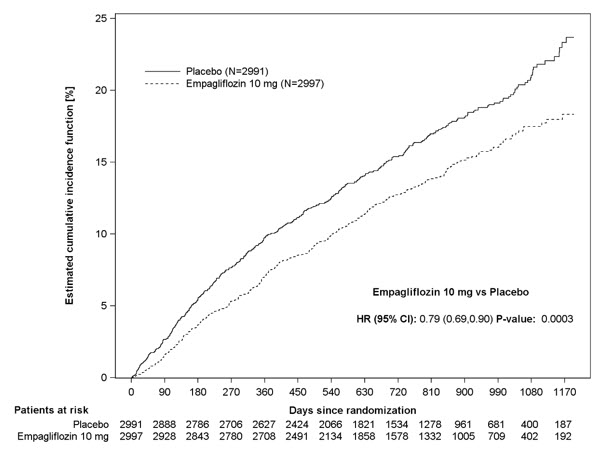
This data provides insights into the incidence function [%] of patients treated with Empagiflozin 10 mg compared to a placebo. The hazard ratio (HR) between Empagiflozin and Placebo is 0.79 with a confidence interval from 0.69 to 0.90 and a significant p-value of 0.0003. The patients at risk and days since randomization for both groups are also presented in the text for further analysis.*
FDA Label Image

Figure 11 (Jardiance 08e)

Figure 11 (Jardiance 08e)
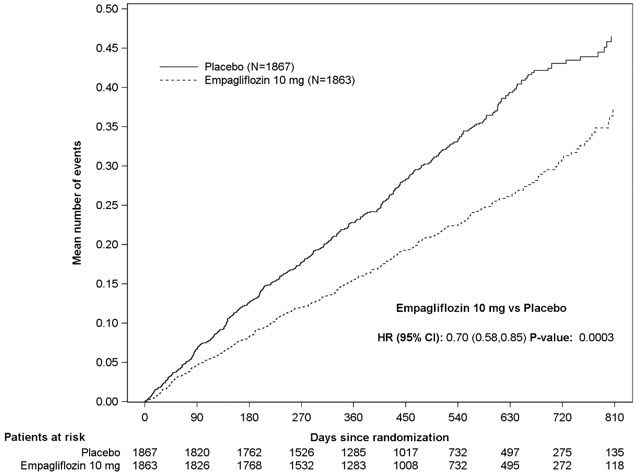
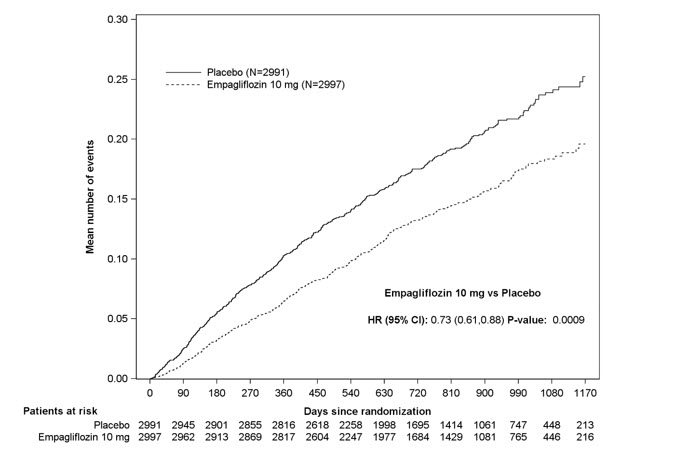
This is a summary of a clinical trial comparing the effects of Empagliflozin 10 mg versus a placebo in a group of over 2990 participants. The data shows a lower mean number of events in the Empagliflozin 10 mg group compared to the placebo group. The hazard ratio for Empagliflozin 10 mg versus placebo is 0.73 (95% CI: 0.61-0.89) with a statistically significant P-value of 0.0009. The table also provides the number of patients at risk and days since randomization for both groups over the course of the study.*
FDA Label Image

Figure 12 (Jardiance 08f)

FDA Label Image

Figure 13 (Jardiance 08g)

Figure 13 (Jardiance 08g)
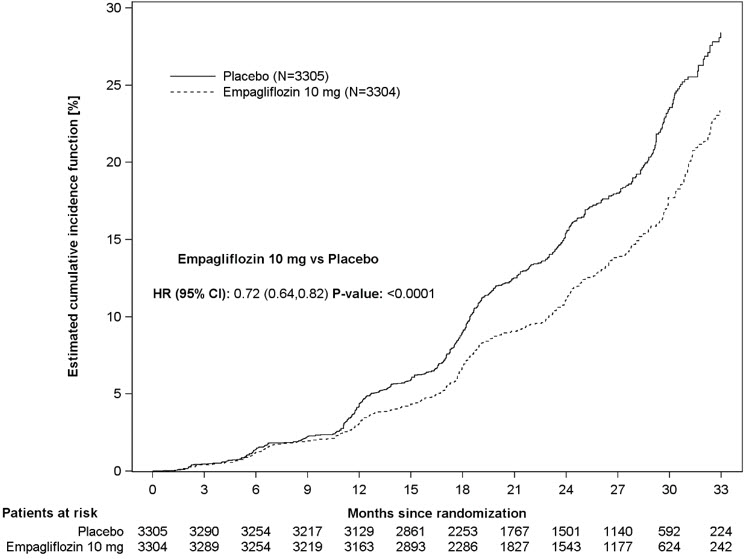
This description provides data on a clinical study comparing Empagliflozin 10 mg versus Placebo in 3305 and 3304 patients, respectively. The hazard ratio (HR) for Empagliflozin 10 mg vs Placebo was 0.72 (95% CI: 0.64, 0.82) with a statistically significant P-value of <0.0001. The graph displays the number of patients at risk over the months since randomization, showing a decrease in patients over time in both groups.*
FDA Label Image

Figure 14 (Jardiance 08h)

Figure 14 (Jardiance 08h)
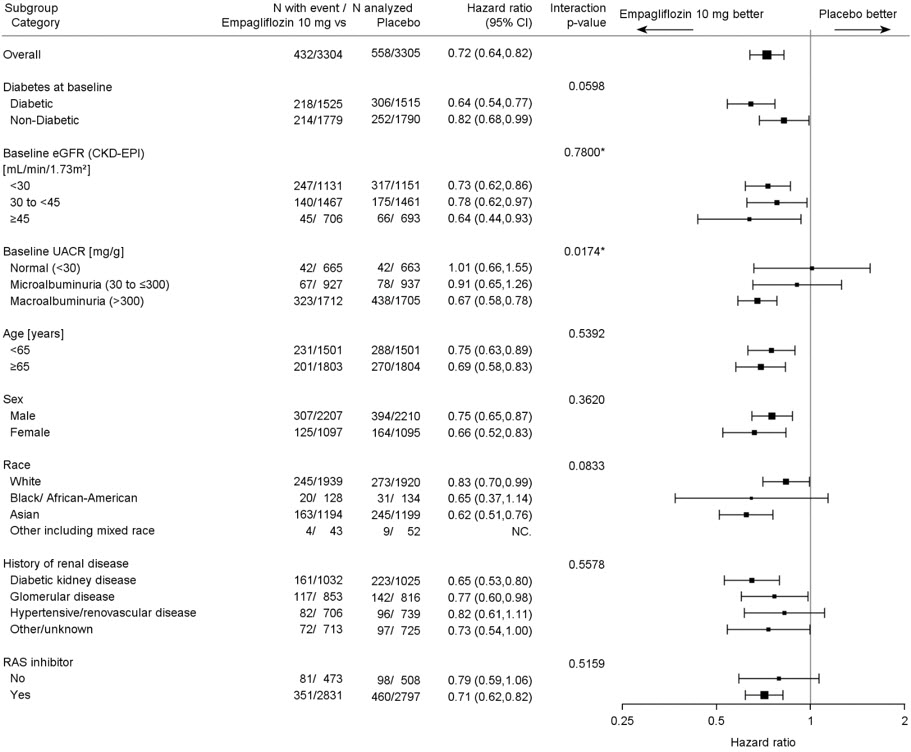
This is an analysis of subgroups within a study comparing Empagliflozin 10mg versus Placebo based on various categories such as diabetes status, baseline eGFR, baseline UACR, age, sex, race, history of renal disease, and use of RAS inhibitor. The Hazard ratios are provided for each subgroup to evaluate the impact of Empagliflozin on different patient characteristics.*
FDA Label Image

Qr Code (Jardiance 08i)

* These product label images have been analyzed using experimental machine learning. Please verify findings with the primary label text.