Ticagrelor Tablet
Product Images NDC 71610-958

View Photos of Packaging, Regulatory Labels, and Product Appearance

Product Visual Gallery

This gallery contains 21 technical images submitted to the FDA as part of the official labeling for Ticagrelor (NDC 71610-958). Unlike standard consumer photos, these assets often include clinical data figures, molecular chemical structures, and official manufacturer packaging layouts.

As provided by Aphena Pharma Solutions - Tennessee, Llc, these visuals offer a comprehensive scientific overview of the product's physical and chemical identity, aiding pharmacists and researchers in product verification and study.

FDA Label Image

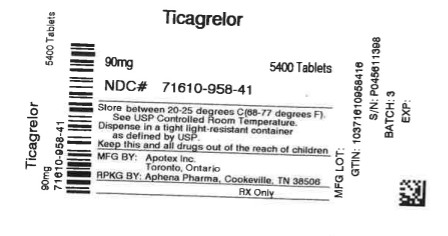
Label (71610 0958 41)
FDA Label Image

Aphena (Aphena)

FDA Label Image

Figure1.jpg (Figure1)

Figure1.jpg (Figure1)
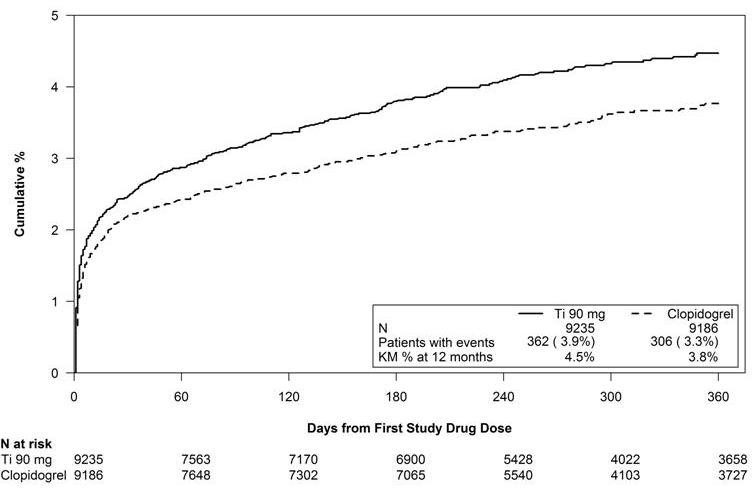
This is a comparison between two drugs, Ticagrelor and Clopidogrel, used to treat patients with events. The study shows the percentage of patients with events at 12 months, with 3.9% for Ticagrelor and 3.3% for Clopidogrel. The data also includes Kaplan-Meier percentages over time and the number of patients at risk at different time points.*
FDA Label Image

Figure10.jpg (Figure10)

Figure10.jpg (Figure10)
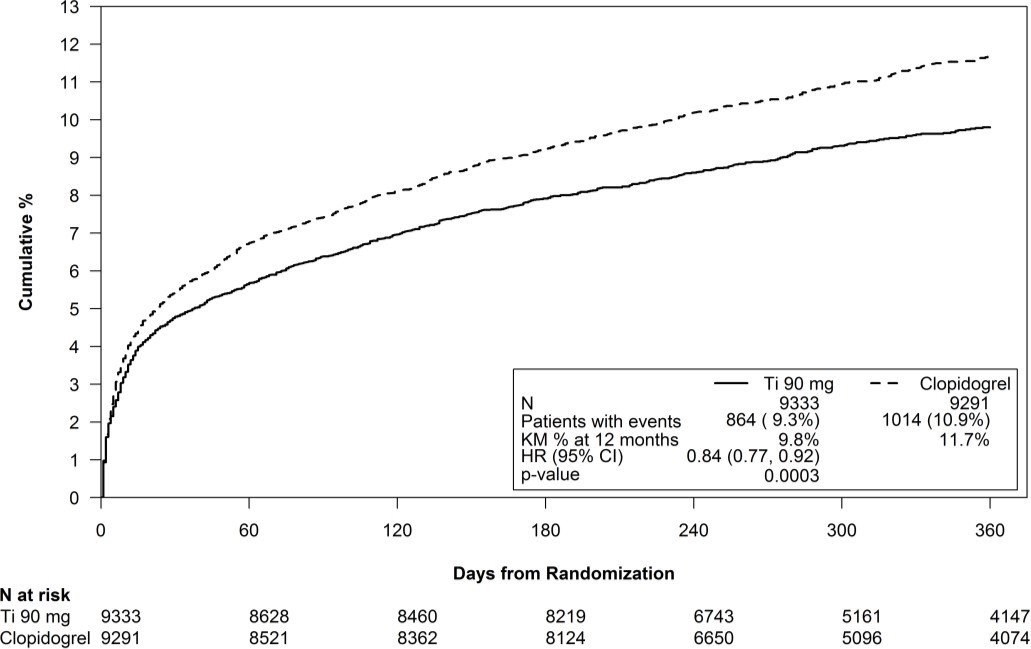
This text seems to contain data related to a clinical trial or medical study comparing the efficacy of TioOmg and Clopidogrel in patients over a 12-month period. It provides information on the number of patients experiencing events, Kaplan-Meier percentages at 12 months, hazard ratio, and p-value. Additionally, it includes the number of patients at risk over different time points during the study.*
FDA Label Image

Figure11.jpg (Figure11)

Figure11.jpg (Figure11)
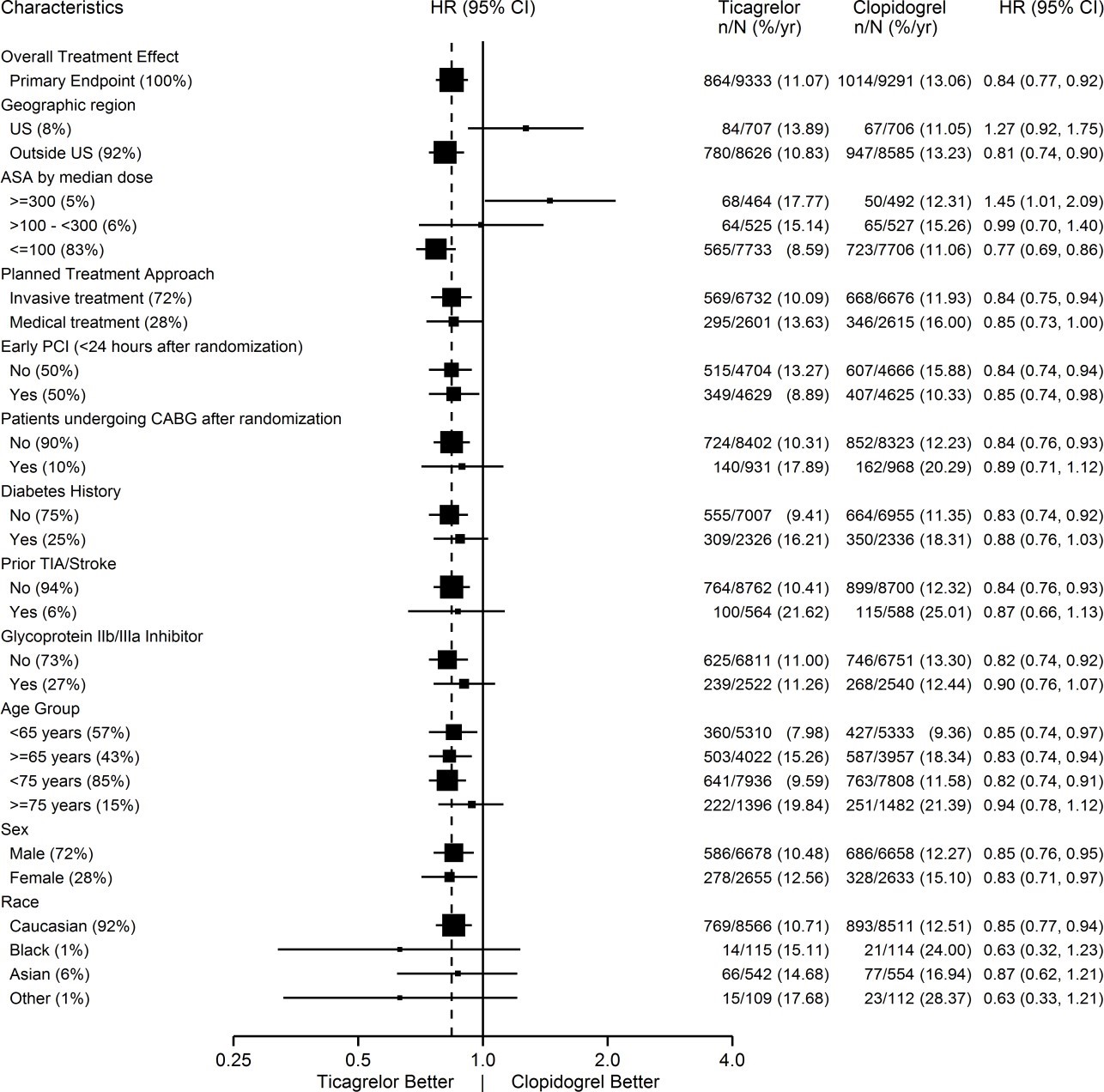
This is a detailed analysis of a clinical trial study, showcasing various characteristics of the participants, treatment approaches, and outcomes based on different variables such as age, sex, race, and medical history. The study compares the efficacy of ticagrelor and clopidogrel in terms of overall treatment effect and primary endpoints with corresponding confidence intervals. It also includes data on geographic distribution, planned treatment approaches, initial procedures post-randomization, and comorbidities like diabetes, prior TIA/Stroke, and administration of Glycoprotein Inhibitors. The results are presented in a tabular format with percentages and ratios, providing a comprehensive overview of the study parameters.*
FDA Label Image

Figure12.jpg (Figure12)

Figure12.jpg (Figure12)
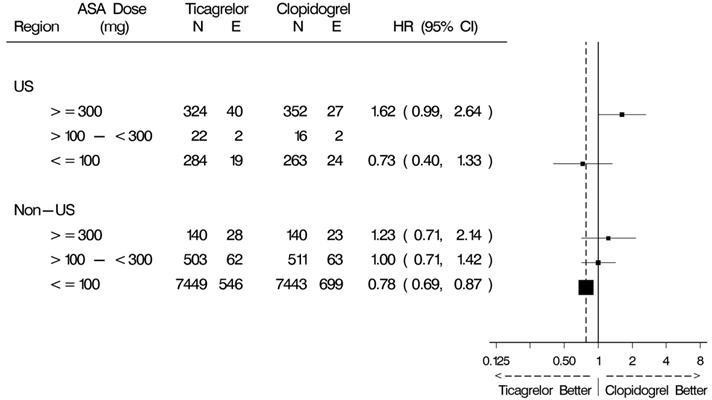
This data table presents information on the number of patients in different regions receiving Ticagrelor and Clopidogrel treatment, along with their corresponding outcomes. It shows the number of patients in each region based on different dose ranges of the medications and the corresponding hazard ratio (HR) with a confidence interval of 95%. The table is divided into two sections: one for the US region and the other for the Non-US region. The outcomes are indicated as Ticagrelor or Clopidogrel being better based on the HR values provided in the table. This data can be valuable for evaluating the efficacy of Ticagrelor and Clopidogrel treatments in different regions.*
FDA Label Image

Figure13.jpg (Figure13)

Figure13.jpg (Figure13)
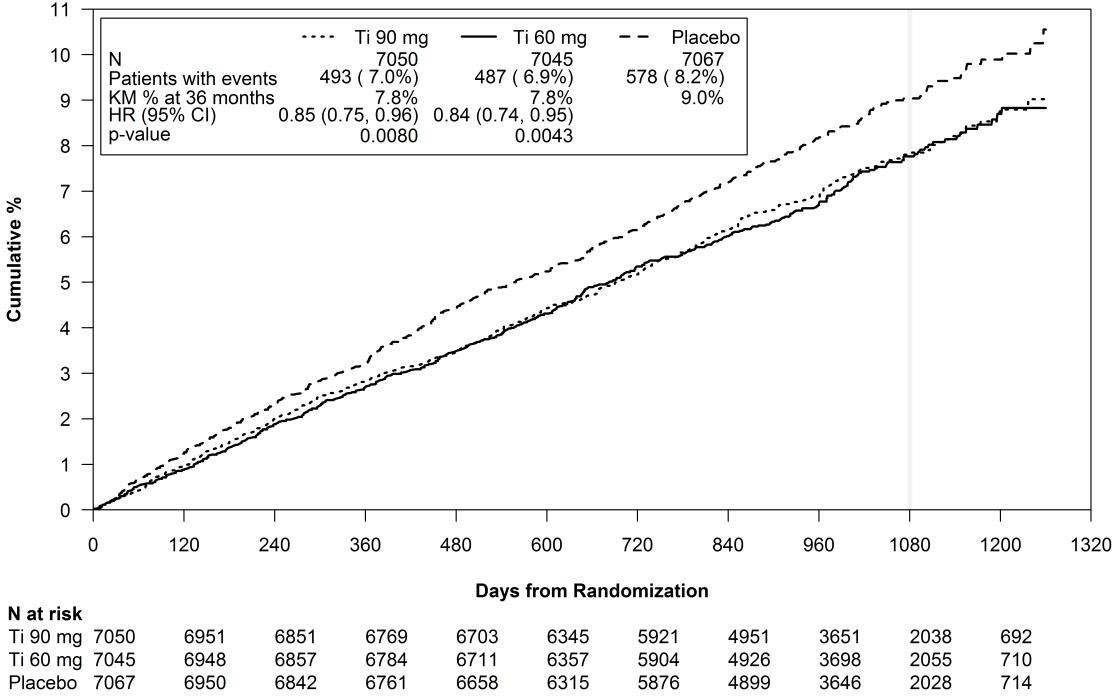
This text shows the comparison of different treatments (Ti90mg, Ti60mg, and Placebo) in a clinical trial. It includes the number of patients with events, Kaplan-Meier percentages at 36 months, hazard ratios, and p-values. The data is presented over a span of days from randomization, with the number of patients at risk for each treatment group indicated at various time points. The results suggest that both Ti90mg and Ti60mg have lower hazard ratios compared to Placebo, which may indicate a potential benefit from these treatments.*
FDA Label Image

Figure14.jpg (Figure14)

Figure14.jpg (Figure14)
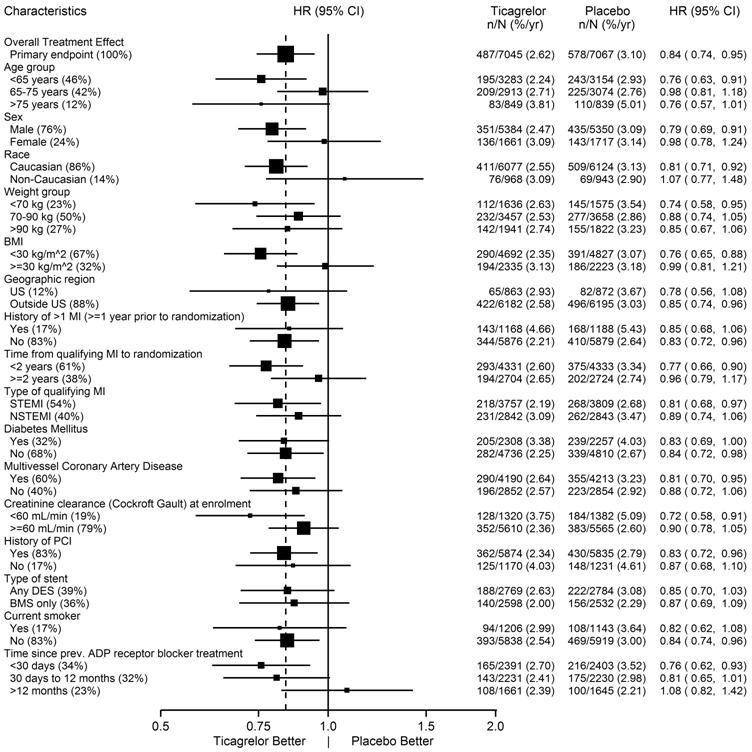
This dataset provides information on the characteristics of participants in a clinical trial, including demographics, medical history, and treatment details. It includes parameters such as overall treatment effect, primary endpoints, age group distribution, weight group distribution, geographic region distribution, type of qualifying myocardial infarction, diabetes mellitus prevalence, coronary artery disease status, creatinine clearance, history of previous coronary interventions, type of stent used, smoking status, and time since previous ADP receptor blocker treatment. It also includes data on the number of participants and the hazard ratio (HR) with 95% confidence intervals for various outcomes compared between Ticagrelor and Placebo.*
FDA Label Image

Figure15.jpg (Figure15)

FDA Label Image

Figure16.jpg (Figure16)

Figure16.jpg (Figure16)
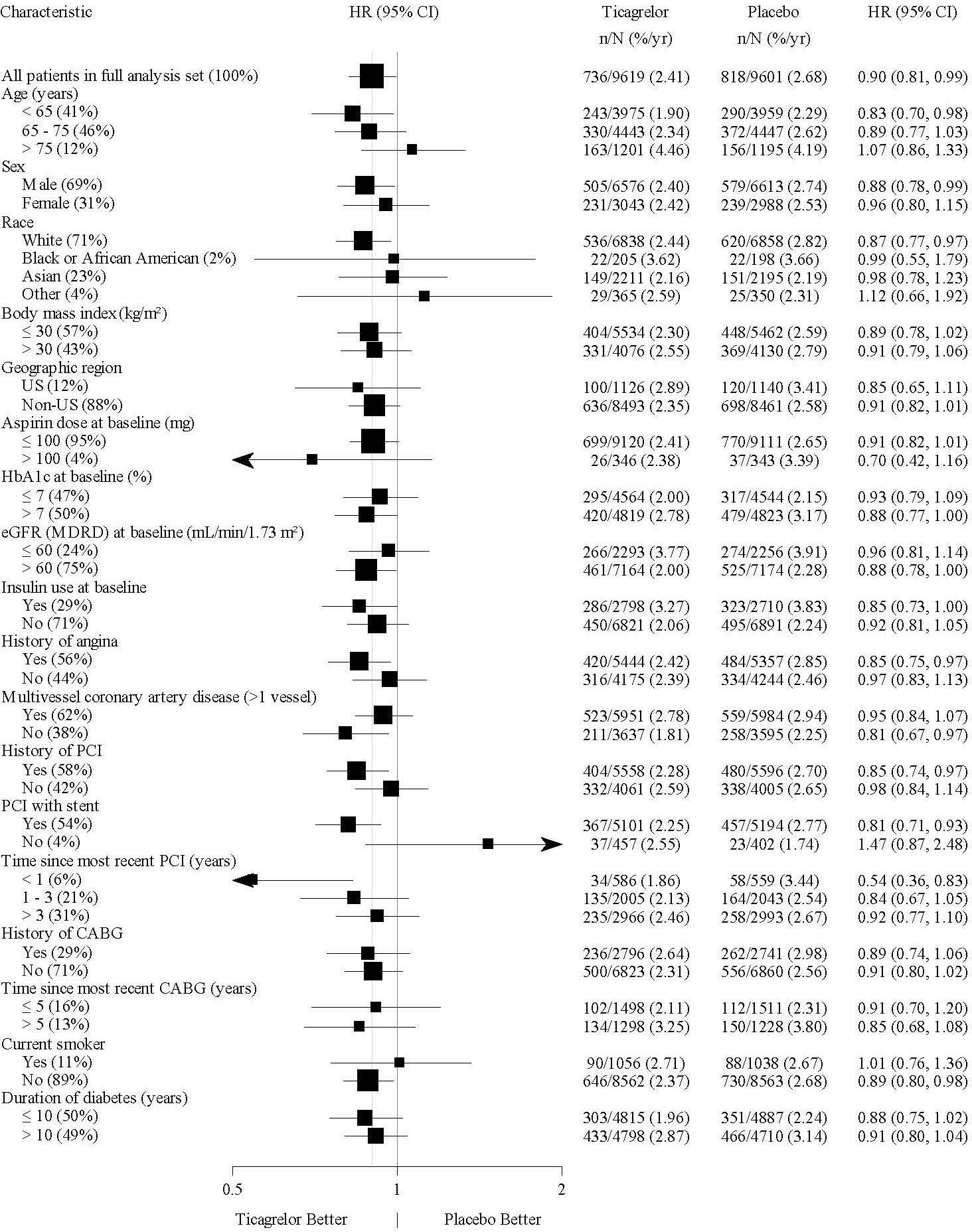
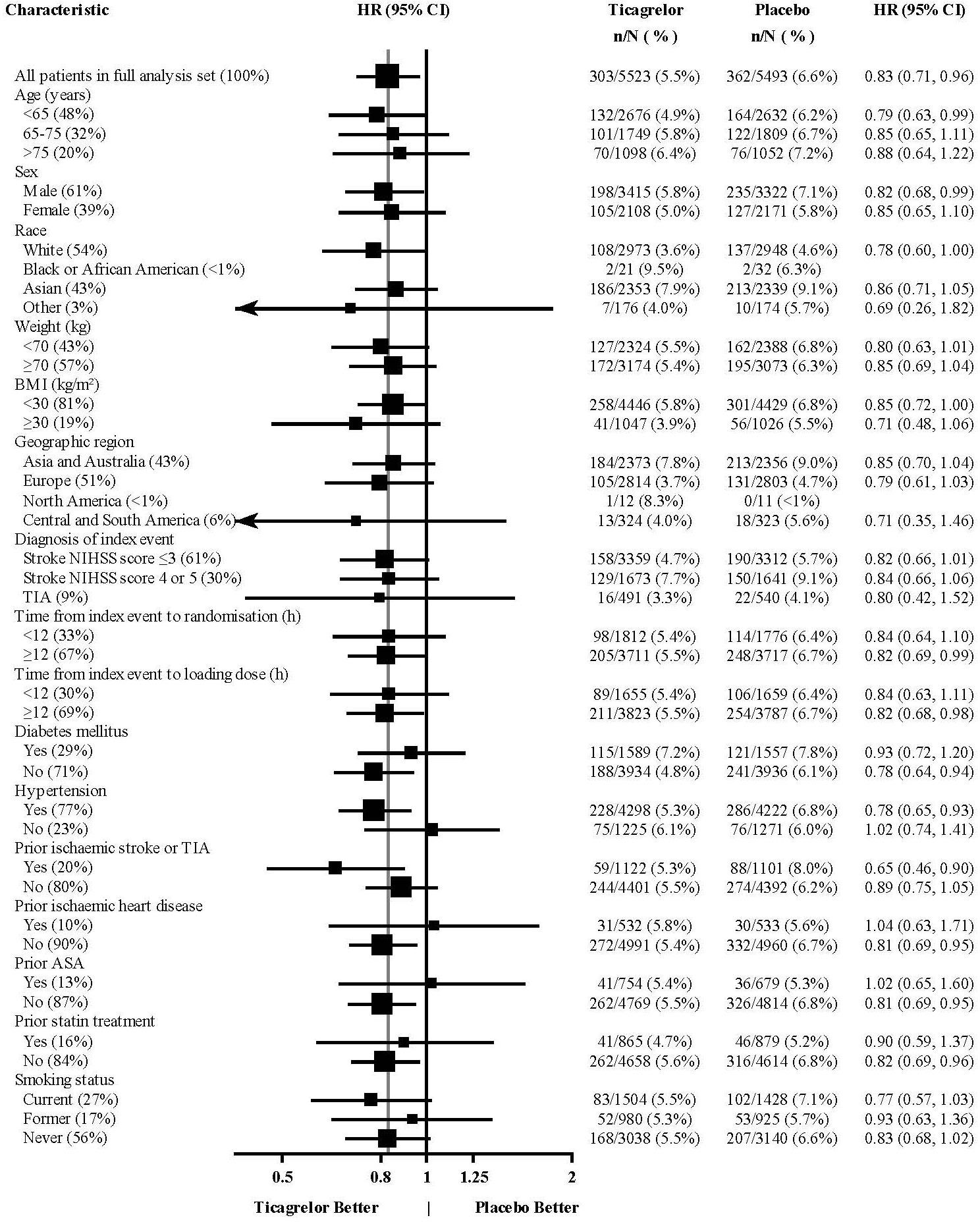
This is a detailed statistical analysis of patient characteristics, including age, sex, race, body mass index, geographic region, medical history, and treatment outcomes for a certain medication compared to a placebo. The text provides percentages and statistical values such as hazard ratios (HR) with 95% confidence intervals (CI) for various factors like age groups, gender, race, insulin use, history of angina, diabetes duration, and more. It appears to be a clinical study evaluating the efficacy of Ticagrelor compared to a placebo in patients with certain medical conditions.*
FDA Label Image

Figure17.jpg (Figure17)

Figure17.jpg (Figure17)
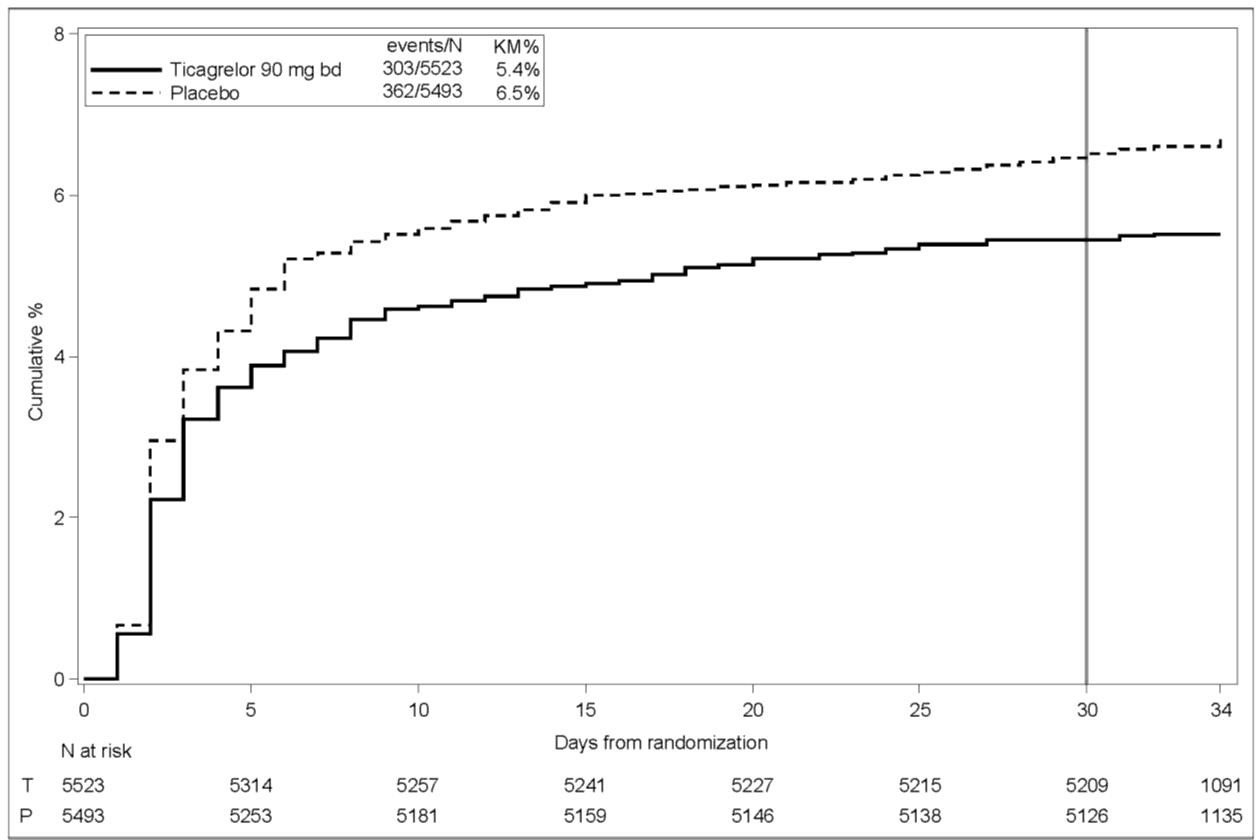
This text provides data on the percentage of events for Ticagrelor (90 mg) group and placebo group in a study. Ticagrelor group had 303 events out of 5523 participants, which is 5.4%, while the placebo group had 362 events out of 5493 participants, which is 6.5%. It also includes a table showing cumulative percentages over time for the two groups participating in the study. The text also indicates the number of participants at risk and days from randomization at various time points.*
FDA Label Image

Figure18.jpg (Figure18)

FDA Label Image

Figure2.jpg (Figure2)

Figure2.jpg (Figure2)
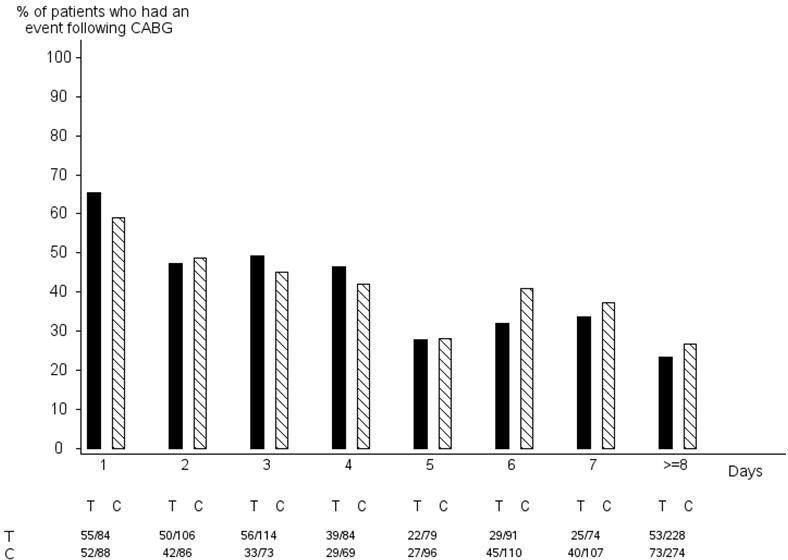
This text provides a graphical representation showing the percentage of patients who had an event following coronary artery bypass grafting (CABG) over time. The data is presented in a table format divided into days, with separate columns for different patient groups.*
FDA Label Image

Figure3.jpg (Figure3)

FDA Label Image

Figure4.jpg (Figure4)

Figure4.jpg (Figure4)
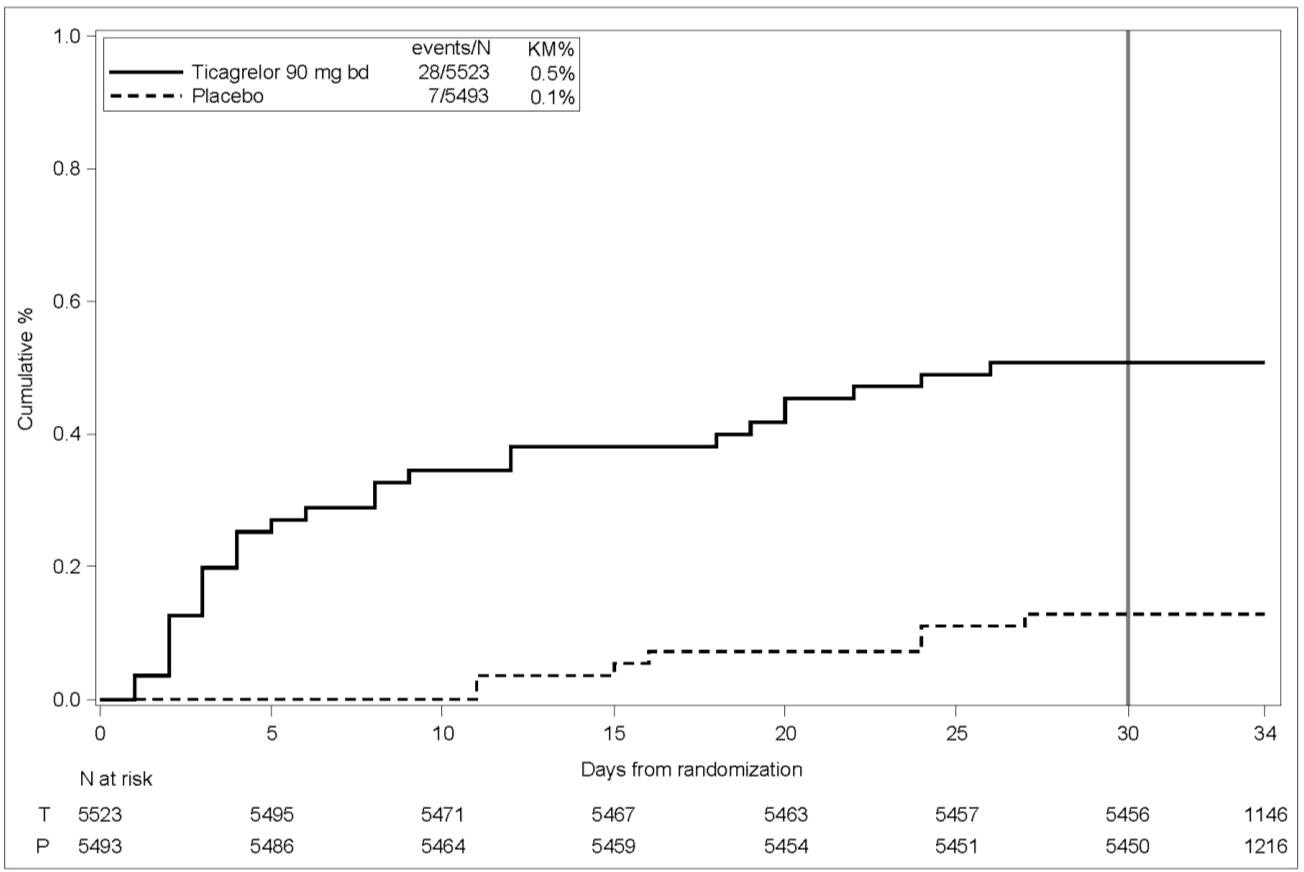
This text seems to be a data table showing the number of events with percentages in a study comparing Ticagrelor 90 mg bd to a placebo. It includes the number of patients at risk and the days from randomization. The table provides information on events for each group over time.*
FDA Label Image

Figure5.jpg (Figure5)

FDA Label Image

Figure6.jpg (Figure6)

FDA Label Image

Figure7.jpg (Figure7)

Figure7.jpg (Figure7)
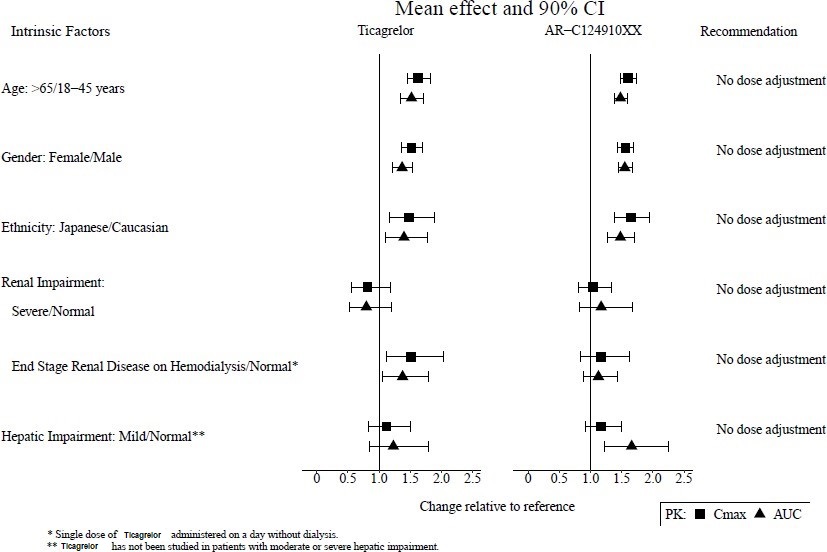
This is a table showing the mean effect and 90% Confidence Intervals for intrinsic factors and the recommendation for Ticagrelor AR-CID4010XX. It includes information on dose adjustment for age, gender, ethnicity, renal impairment, end-stage renal disease on hemodialysis, and hepatic impairment. It specifies that there is no dose adjustment required for these factors.*
FDA Label Image

Figure8.jpg (Figure8)

Figure8.jpg (Figure8)
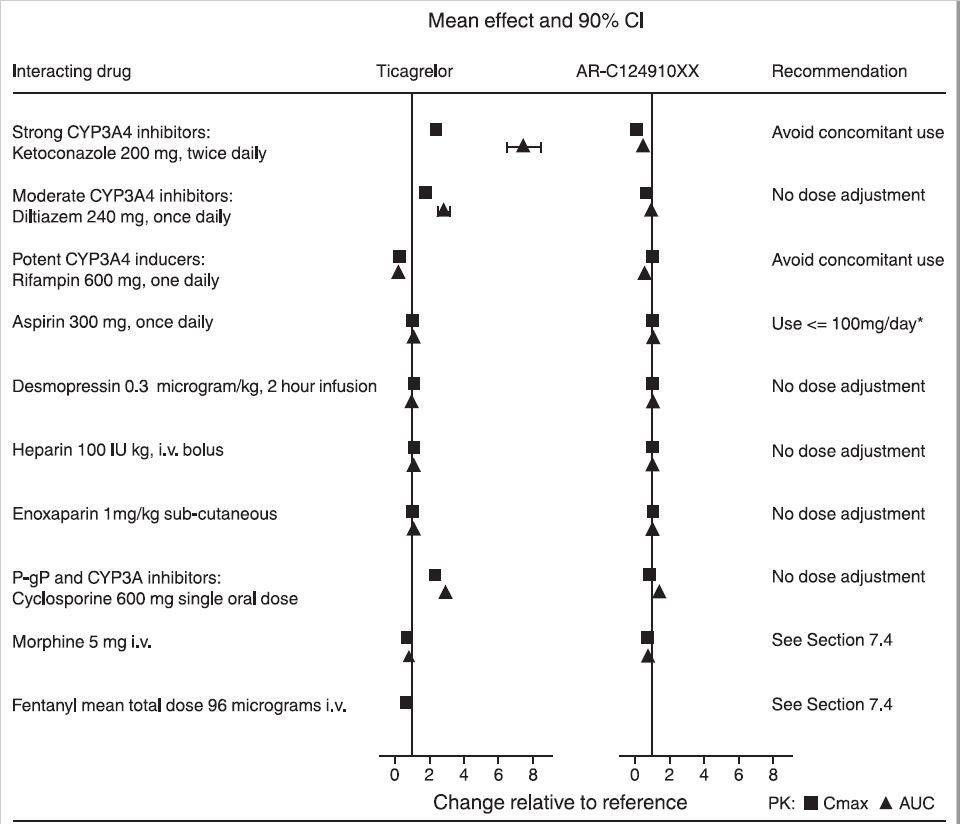
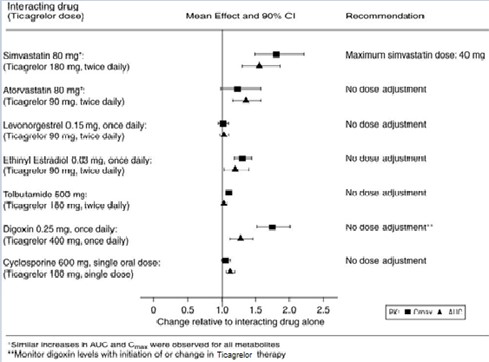
The text provides information on drug interactions involving Ticagrelor. It lists various types of inhibitors, inducers, and specific drugs that can interact with Ticagrelor, along with recommendations for dose adjustments or avoiding concomitant use. Specific medications like Ketoconazole, Diltiazem, Rifampin, and Aspirin are mentioned, as well as instructions for usage and potential side effects. The text also includes details on P-gP and CYP3A inhibitors and references section 7.4 for additional information.*
FDA Label Image

Figure9.jpg (Figure9)

FDA Label Image

Structure.jpg (Structure)

* These product label images have been analyzed using experimental machine learning. Please verify findings with the primary label text.