Pregabalin Capsule
Product Images NDC 71610-998
View Photos of Packaging, Regulatory Labels, and Product Appearance
Product Visual Gallery
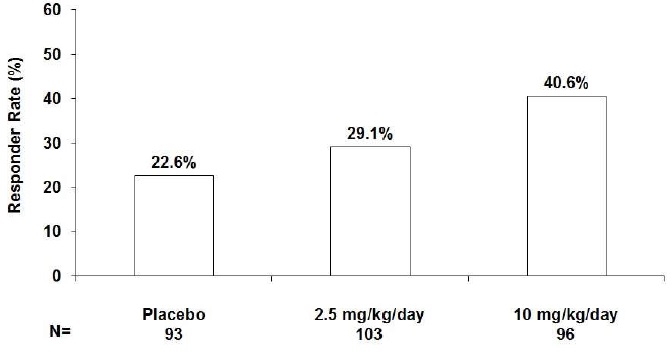
This gallery contains 16 technical images submitted to the FDA as part of the official labeling for Pregabalin (NDC 71610-998). Unlike standard consumer photos, these assets often include clinical data figures, molecular chemical structures, and official manufacturer packaging layouts.
As provided by Aphena Pharma Solutions - Tennessee, Llc, these visuals offer a comprehensive scientific overview of the product's physical and chemical identity, aiding pharmacists and researchers in product verification and study.
Product Images & Figures Index
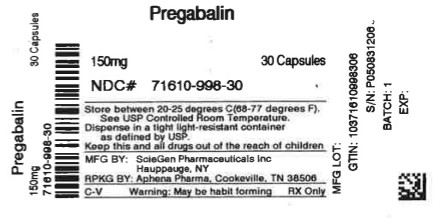
Aphena (Aphena)
Figure 1 (Pregabalin Fig01)
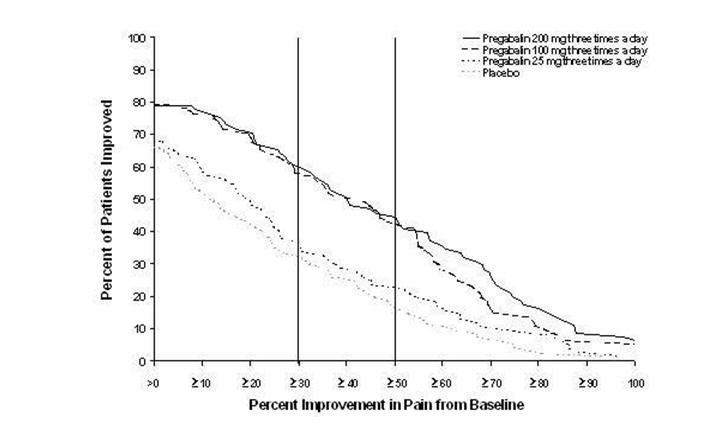
Figure 2 (Pregabalin Fig02)
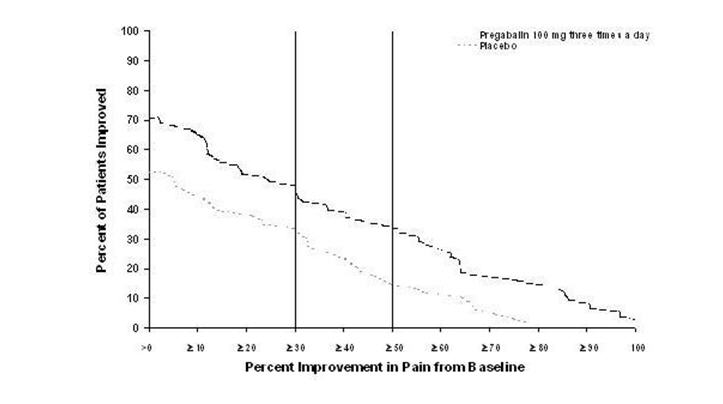
Figure 3 (Pregabalin Fig03)
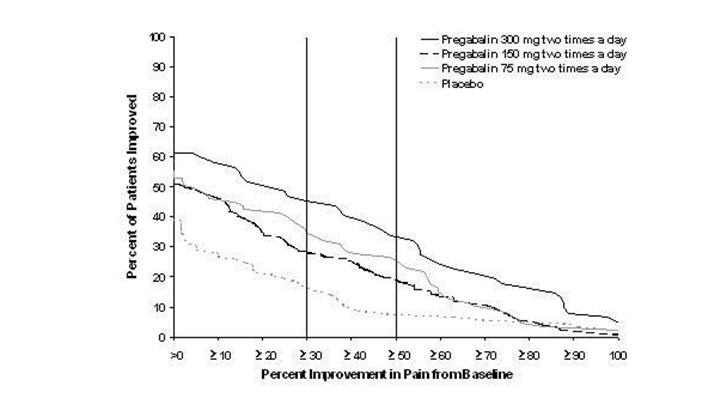
Figure 4 (Pregabalin Fig04)
Figure 5 (Pregabalin Fig05)
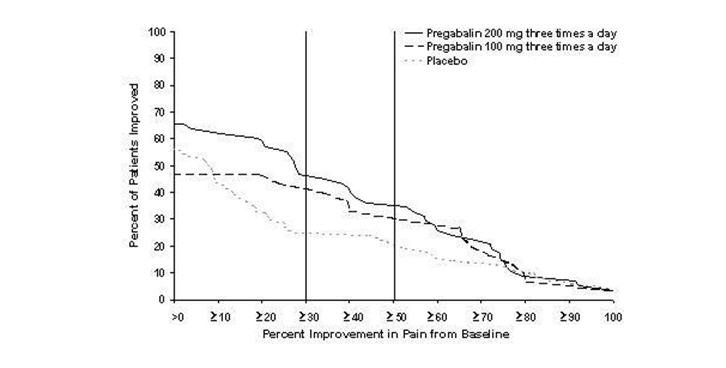
This text provides information about a study evaluating the effectiveness of different medications in treating a condition. It includes dosages of "Pregabalin" and "Placebo," along with the percentage of patients improved and the percent improvement in pain from baseline. The data suggests that the study involved a comparison between Pregabalin (at 80mg three times a day) and a Placebo. The results show the number of patients improved over time and the percentage of pain improvement from the starting point.*
Figure 6 (Pregabalin Fig06)
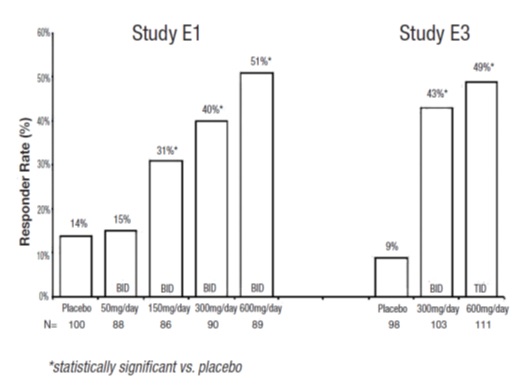
This text seems to be a comparison table showing different studies (Study E1, Study E3) using different dosages of a placebo drug (50mg/day, 150mg/day, 300mg/day, 600mg/day) and their statistical significance. The results indicate that certain dosages were statistically significant compared to placebo.*
Figure 7 (Pregabalin Fig07)
Figure 9 (Pregabalin Fig08)
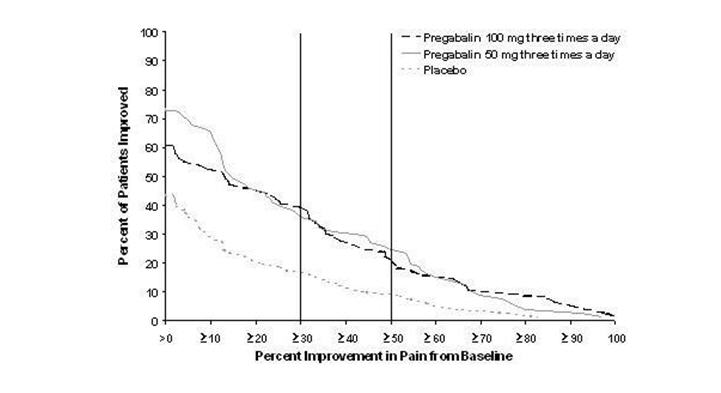
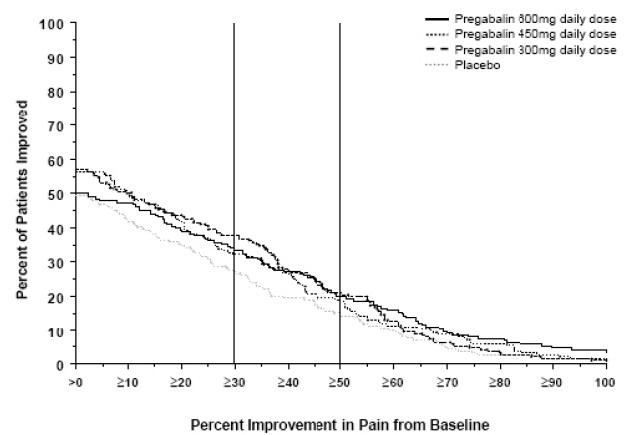
This text presents data showing the percentage of patients improved with different doses of pregabalin and a placebo. Each data point represents the percent improvement in pain from baseline after a specific treatment regimen. The graph displays the improvement rates for pregabalin doses of 300mg and 450mg daily, along with a placebo group. The x-axis ranges from 210 to 280, while the y-axis represents the percentage of patients improved. The chart enables comparison of the effectiveness of different doses of pregabalin and the placebo in managing patients' pain levels.*
Figure 10 (Pregabalin Fig09)
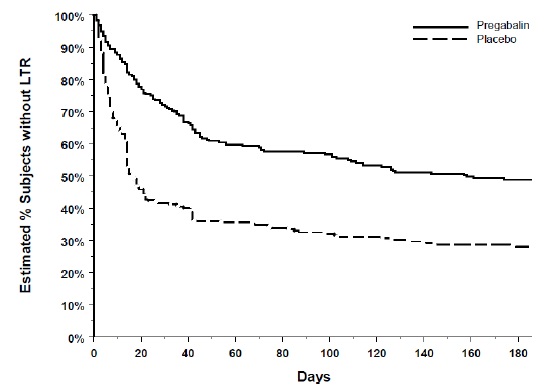
This information appears to show the percentage of subjects without a Letter of Transmittal (LTR) over a span of days when comparing a drug called Progabain and a placebo. The data ranges from 100% of subjects without LTR to 0% over specific days, allowing for observation of the effectiveness of Progabain compared to the placebo. This chart can be used to evaluate the impact of the drug on the given subjects.*
Figure 11 (Pregabalin Fig10)
Figure 12 (Pregabalin Fig11)
Figure 13 (Pregabalin Fig13)
Cockcroft And Gault Equation (Pregabalin Formula)
This text provides formulas for calculating the Creatinine Clearance (CLCT) in adults. The first equation is [140 - age (years)] x weight (kg), and for female patients, the result is then multiplied by 0.85. The second equation is 72 x serum creatinine (mg/dL). CLCT is an important parameter used in medicine to assess kidney function.*
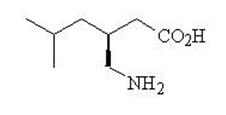
Chemical Structure (Pregabalin Str)
* These product label images have been analyzed using experimental machine learning. Please verify findings with the primary label text.