Twirla Patch
Product Images NDC 71671-100

View Photos of Packaging, Regulatory Labels, and Product Appearance

Product Visual Gallery

This gallery contains 23 technical images submitted to the FDA as part of the official labeling for Twirla (NDC 71671-100). Unlike standard consumer photos, these assets often include clinical data figures, molecular chemical structures, and official manufacturer packaging layouts.

As provided by Agile Therapeutics, Inc., these visuals offer a comprehensive scientific overview of the product's physical and chemical identity, aiding pharmacists and researchers in product verification and study.

FDA Label Image

Fig2a

Fig2a
This is a forest plot chart illustrating effect estimates from various studies comparing hormonal contraceptive (COC) use versus non-use. It shows odds ratios (OR), relative risks (RR), and hazard ratios (HR) from six studies categorized under Ever COC use versus Never use, and three studies under Current COC use versus Never use. Horizontal lines represent confidence intervals around effect estimates on a scale from about -1.5 to 2.0.*
FDA Label Image

Figure-1 (Figure 1)

Figure-1 (Figure 1)
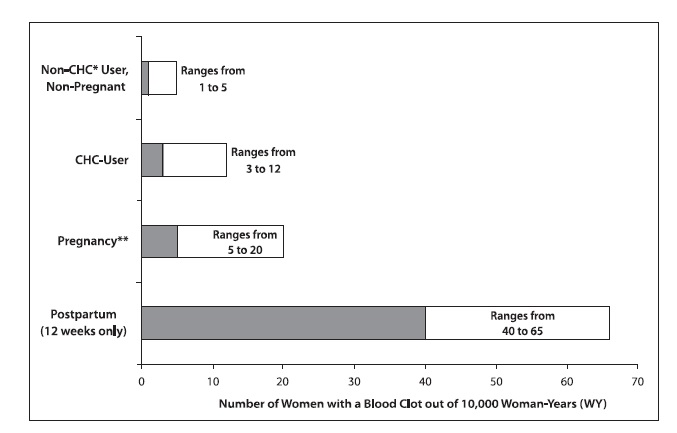
A horizontal bar chart depicting the number of women with a blood clot per 10,000 woman-years (WY) across four groups: Non-CHC user, Non-pregnant; CHC user; Pregnancy; and Postpartum (12 weeks only). The chart shows ranges for each group: 1 to 5 for Non-CHC users, 3 to 12 for CHC users, 5 to 20 for Pregnancy, and 40 to 65 for Postpartum. The horizontal axis represents the number of women with blood clots, ranging from 0 to 70.*
FDA Label Image

Figure-2 (Figure 2)

Figure-2 (Figure 2)
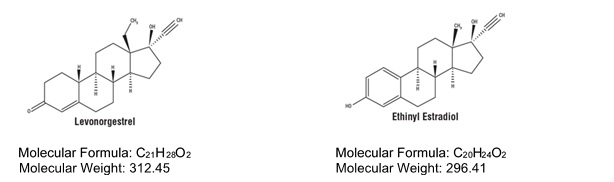
Chemical structure diagrams of the active ingredients in Twirla transdermal patch: levonorgestrel (C21H28O2, molecular weight 312.45) and ethinyl estradiol (C20H24O2, molecular weight 296.41). Each structure shows the molecular framework and composition.*
FDA Label Image

Figure-3 (Figure 3)

Figure-3 (Figure 3)
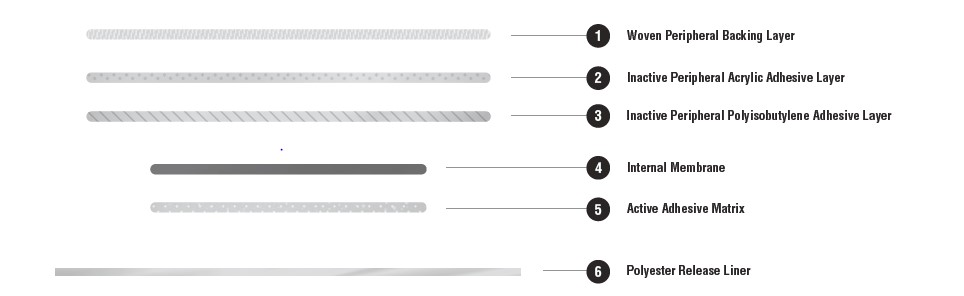
An illustration diagram showing the layered construction of the Twirla transdermal patch. The layers include the woven peripheral backing layer, inactive peripheral acrylic adhesive layer, inactive peripheral polyisobutylene adhesive layer, internal membrane, active adhesive matrix, and polyester release liner, each labeled with numbers 1 through 6 respectively.*
FDA Label Image

Figure-4 (Figure 4)

Figure-4 (Figure 4)
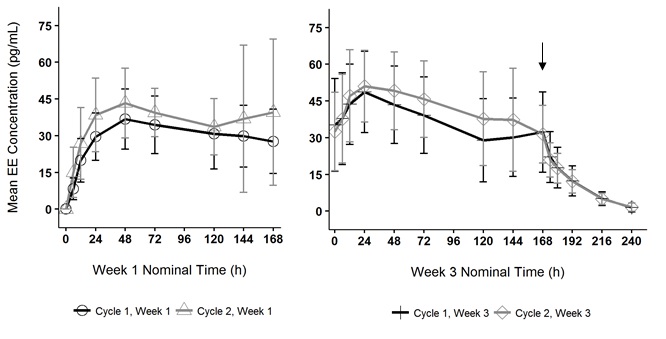
A two-part line graph showing mean ethinyl estradiol (EE) concentration (pg/mL) over nominal time in hours during Week 1 and Week 3 for two cycles. The first graph (Week 1) displays rising and then plateau levels while the second (Week 3) shows peak and declining EE concentrations with an indicated time point marked by an arrow.*
FDA Label Image

Figure-5 (Figure 5)

Figure-5 (Figure 5)
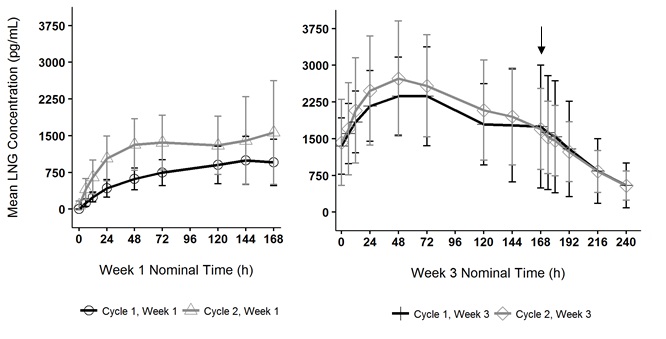
Two line graphs showing mean levonorgestrel (LNG) concentration in pg/mL over time in hours for Weeks 1 and 3. The left graph depicts LNG concentrations from 0 to 168 hours in Week 1 for Cycle 1 and Cycle 2. The right graph shows LNG concentrations from 0 to 240 hours in Week 3 for Cycle 1 and Cycle 2. Both graphs include error bars representing variability and a legend distinguishing cycles and weeks.*
FDA Label Image

Figure-6 (Figure 6)

Figure-6 (Figure 6)
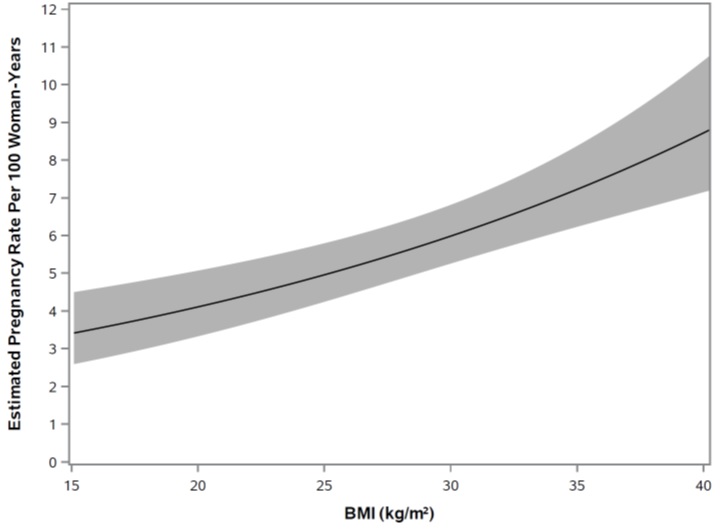
A line graph depicting the estimated pregnancy rate per 100 woman-years versus BMI (kg/m²). The x-axis represents BMI values ranging from 15 to 40, while the y-axis shows pregnancy rates from 0 to 12. The graph features a central line indicating increasing pregnancy rates with higher BMI and a shaded confidence interval around the line.*
FDA Label Image

No-placement (No Placement)

No-placement (No Placement)
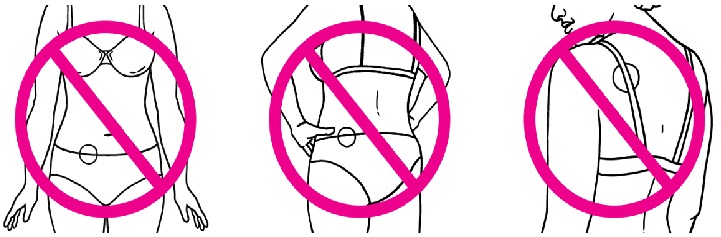
An instructional illustration related to the Twirla transdermal patch showing three female torsos with incorrect patch placement locations. Each torso indicates areas to avoid applying the patch: the lower abdomen, the waistline on the front, and the upper chest near the shoulder. Each area is marked with a pink circle and a diagonal line crossing it out, signifying prohibition of patch placement in these locations.*
FDA Label Image

Placement (Placement)

Placement (Placement)
An instructional diagram showing application sites for the Twirla levonorgestrel/ethinyl estradiol transdermal patch. It depicts a woman in front, side, and back views with a circular patch illustrated on the lower abdomen, upper buttock, and upper back/shoulder area, indicating acceptable patch placement locations.*
FDA Label Image

Image Description (Twirla Application 0)

Image Description (Twirla Application 0)
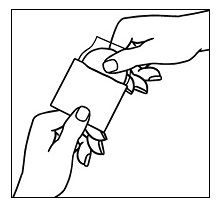
An illustration showing a hand holding a Twirla transdermal patch pouch. The pouch is labeled with the brand name Twirla, indicating the product's packaging before application.*
FDA Label Image

Image Description (Twirla Application 1)

Image Description (Twirla Application 1)
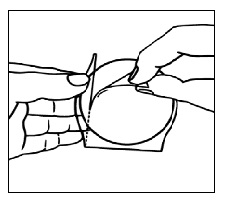
An instructional illustration showing a person peeling a transdermal patch from its backing. One hand holds the patch's backing while the other hand peels away the protective layer, demonstrating the proper way to remove the patch before application.*
FDA Label Image

Image Description (Twirla Application 10)

Image Description (Twirla Application 10)
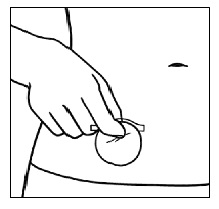
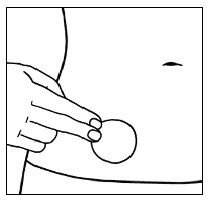
An instructional illustration showing the application of a transdermal patch to the lower abdomen. The image depicts a person using fingers to place the patch on the skin, demonstrating the proper placement area for the medication.*
FDA Label Image

Image Description (Twirla Application 2)

Image Description (Twirla Application 2)
An instructional illustration showing hands opening a foil pouch to remove a transdermal patch. This likely represents the packaging opening step for the Twirla contraceptive patch containing levonorgestrel and ethinyl estradiol.*
FDA Label Image

Image Description (Twirla Application 4)

Image Description (Twirla Application 4)
An instructional illustration showing hands peeling back the protective backing from a circular transdermal patch, demonstrating how to prepare the Twirla contraceptive patch for application to the skin.*
FDA Label Image

Image Description (Twirla Application 5)

Image Description (Twirla Application 5)
An illustration depicting the application of the Twirla transdermal patch. The image shows a hand placing a circular patch on the lower abdomen of a person, demonstrating the recommended site for patch placement.*
FDA Label Image

Image Description (Twirla Application 6)

Image Description (Twirla Application 6)
An instructional illustration showing a person applying a circular transdermal patch to the lower abdominal area near the hip. The image demonstrates placement of the medication patch on the skin.*
FDA Label Image

Image Description (Twirla Application 6a)

Image Description (Twirla Application 6a)
Illustration showing proper and improper application of the Twirla transdermal contraceptive patch. The left panel depicts an incorrect method of applying the patch folded between fingers with a no symbol, while the right panel shows the correct placement of the patch directly on clean, dry skin of the lower abdomen.*
FDA Label Image

Image Description (Twirla Application 7)

Image Description (Twirla Application 7)
An instructional illustration showing a hand applying a round transdermal patch to the lower abdominal area. The image is likely demonstrating the proper placement location for a contraceptive patch.*
FDA Label Image

Image Description (Twirla Application 8)

Image Description (Twirla Application 8)
An instructional line drawing showing a hand applying a transdermal patch to the lower abdomen area. The image illustrates the correct placement site for a patch medication.*
FDA Label Image

Image Description (Twirla Application 9)

Image Description (Twirla Application 9)
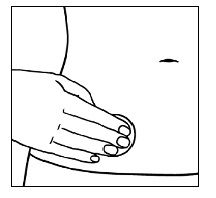
Illustration showing application of a Twirla contraceptive patch onto the abdomen. A hand is pressing the round patch to the skin, demonstrating the proper placement and adherence of the transdermal patch for hormonal delivery.*
FDA Label Image

Twirla-carton-1-replacement (Twirla Carton 1 Replacement)

Twirla-carton-1-replacement (Twirla Carton 1 Replacement)
Packaging label for Twirla (levonorgestrel and ethinyl estradiol) transdermal system, containing 2.6 mg levonorgestrel and 2.3 mg ethinyl estradiol per 28 cm² patch. The label indicates it is a prescription human drug by Agile Therapeutics, Inc., with storage instructions and replacement therapy for up to one week. Box includes printing for Rx label placement and user instructions for transdermal use only.*
FDA Label Image

Image Description (Twirla Carton 3 Trade)

Image Description (Twirla Carton 3 Trade)
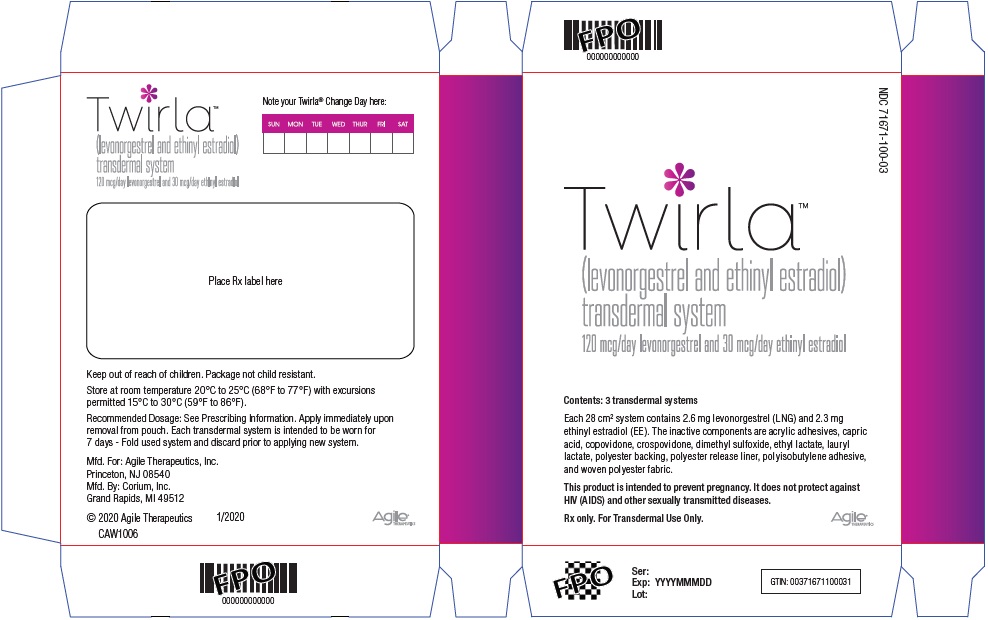
The packaging label for Twirla patch contains levonorgestrel and ethinyl estradiol as a transdermal system delivering 120 mcg/day levonorgestrel and 30 mcg/day ethinyl estradiol. The label includes directions to note the patch change day, dosage form information, and packaging details. Manufactured by Agile Therapeutics, the box contains 3 transdermal systems and provides precautions and storage instructions.*
FDA Label Image

Image Description (Twirla Pouch)

Image Description (Twirla Pouch)
Twirla transdermal system label for levonorgestrel 2.6 mg and ethinyl estradiol 2.3 mg per 28 cm² patch. The label includes detailed ingredient and storage information, usage instructions, and manufacturer details for Agile Therapeutics, Inc. It notes the product contains one transdermal system and contains warnings about safe handling and disposal.*

* About these descriptions: Image descriptions on this page are generated by automated AI analysis of the product label images from the manufacturer's FDA label submission (SPL). They are provided for reference only and may contain errors or omissions. Always rely on the printed label itself and the official FDA labeling, and consult a pharmacist or healthcare professional with any questions about this product.