Limitation of Use: Not indicated for the emergency treatment of allergic reactions, including anaphylaxis.
Initial Dose Escalation
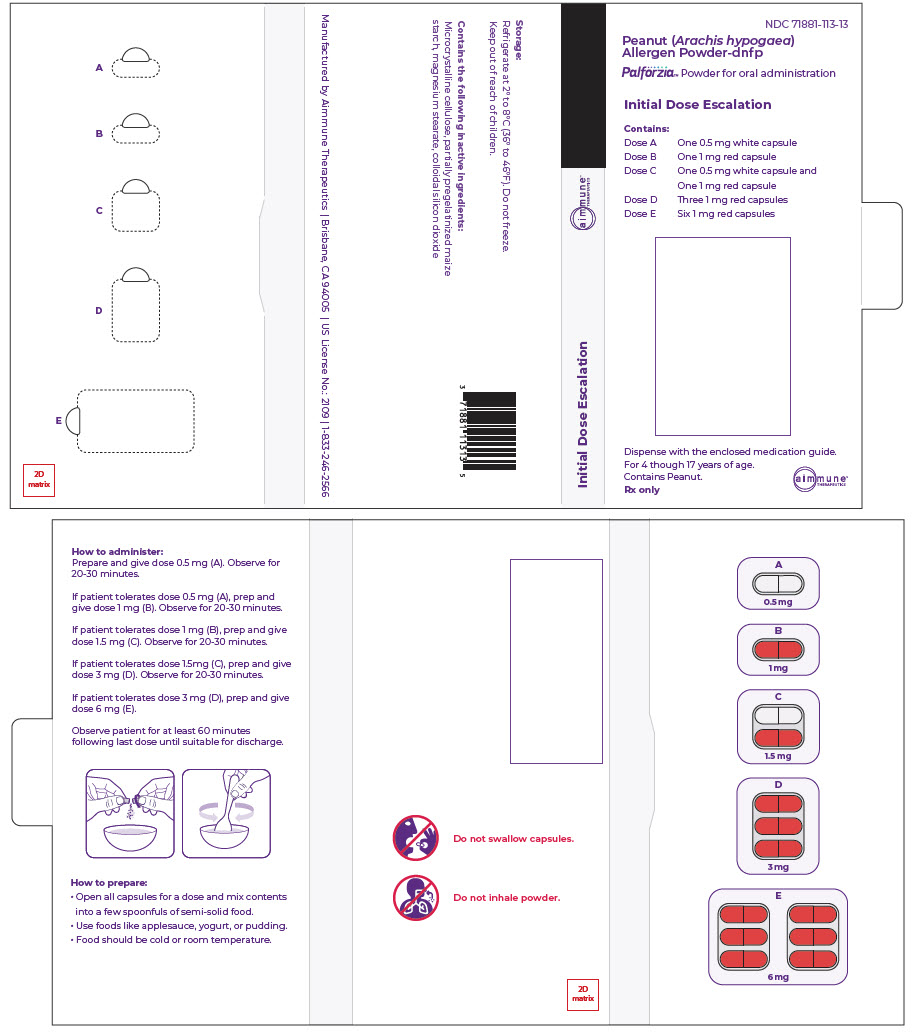
Initial Dose Escalation is administered on a single day under the supervision of a health care professional in a health care setting with the ability to manage potentially severe allergic reactions, including anaphylaxis.
Initial Dose Escalation is administered in sequential order on a single day beginning at Level A (5 Levels A-E, 0.5-6 mg; Table 1).
Each dose should be separated by an observation period of 20 to 30 minutes.
No dose level should be omitted.
Observe patients after the last dose for at least 60 minutes until suitable for discharge.
Discontinue PALFORZIA if symptoms requiring medical intervention (e.g., use of epinephrine) occur with any dose during Initial Dose Escalation
[see
Dosage and Administration (2.5)]
.
Patients who tolerate at least the 3 mg single dose (Level D) of PALFORZIA during Initial Dose Escalation must return to the health care setting for initiation of Up-Dosing.
If possible, begin Up-Dosing the day after Initial Dose Escalation.
Repeat Initial Dose Escalation in a health care setting if the patient is unable to begin Up-Dosing within 4 days.
Up-Dosing
Complete Initial Dose Escalation before starting Up-Dosing.
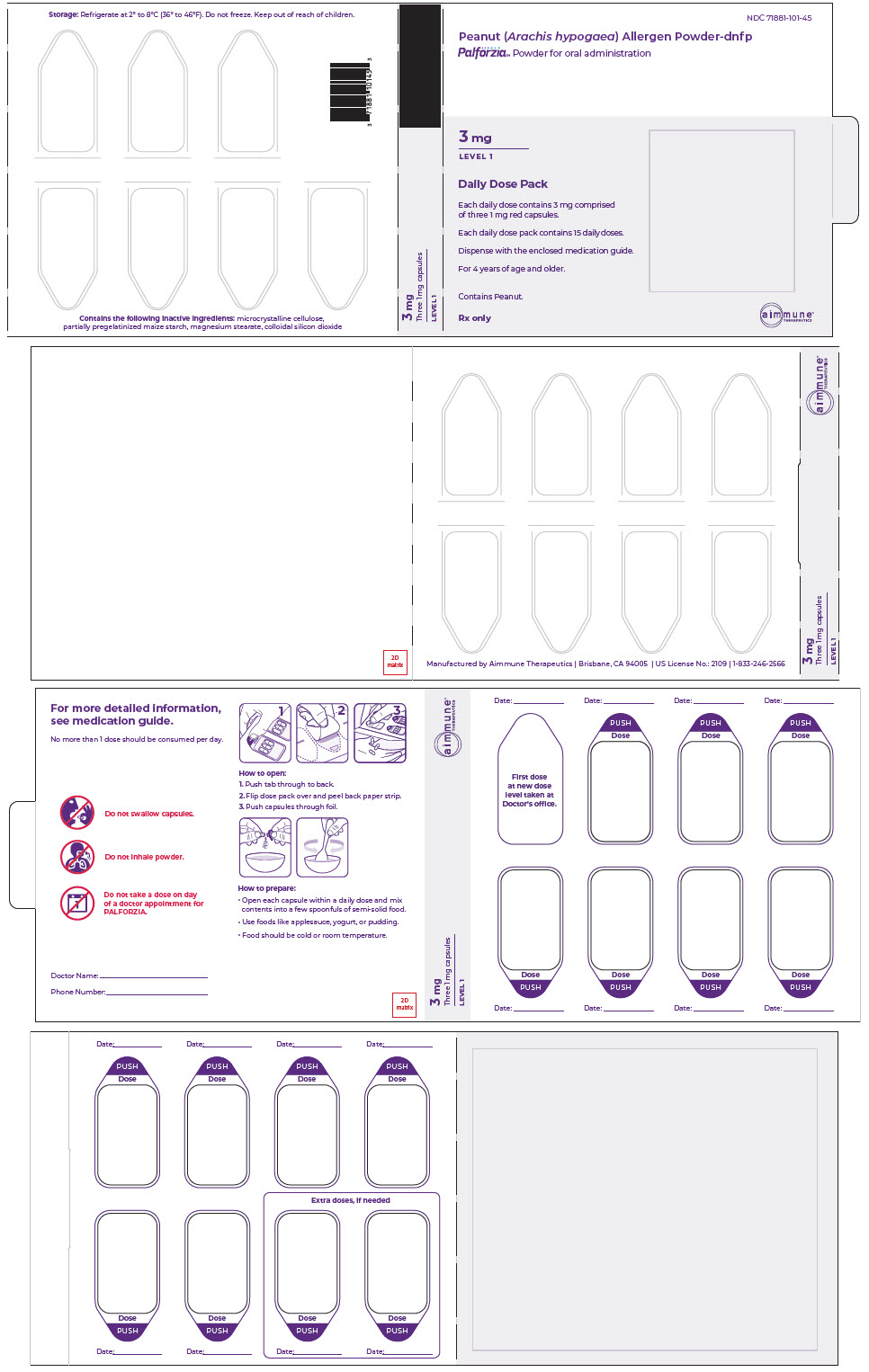
Up-Dosing consists of 11 dose levels and is initiated at a 3 mg dose (Level 1).
The first dose of each new Up-Dosing level is administered under the supervision of a health care professional in a health care setting with the ability to manage potentially severe allergic reactions, including anaphylaxis.
Observe patients after administering the first dose of a new Up-Dosing level for at least 60 minutes until suitable for discharge.
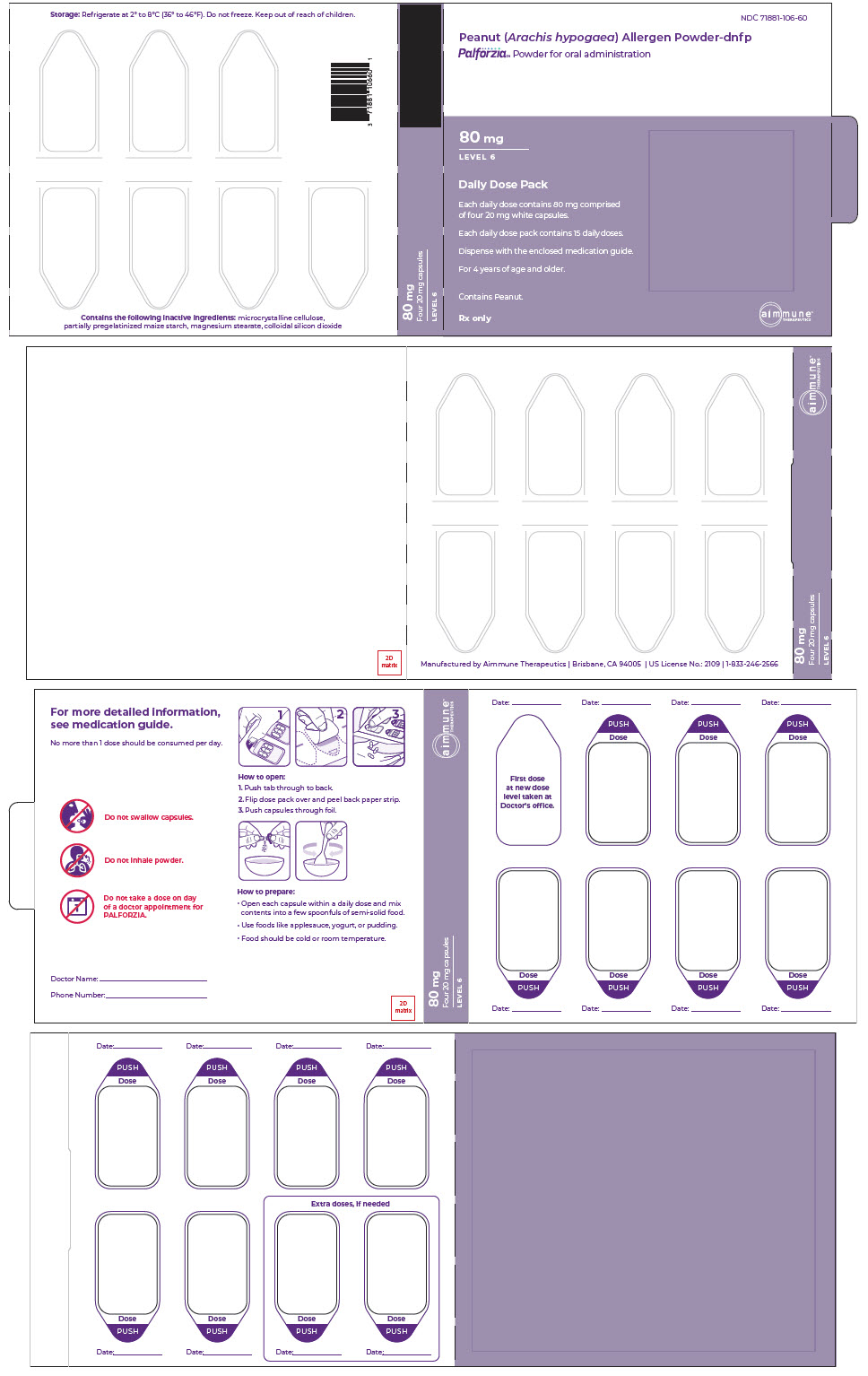
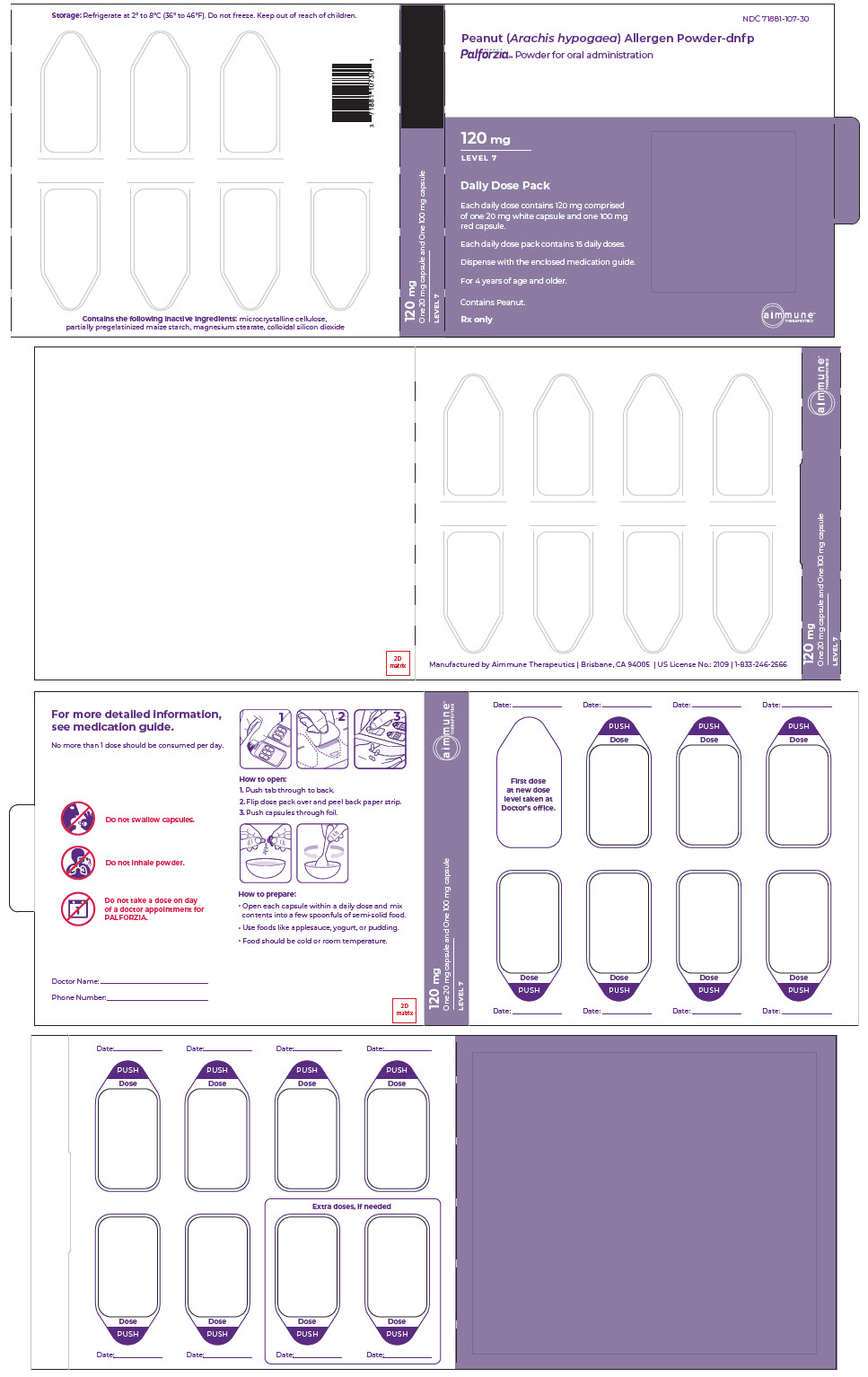
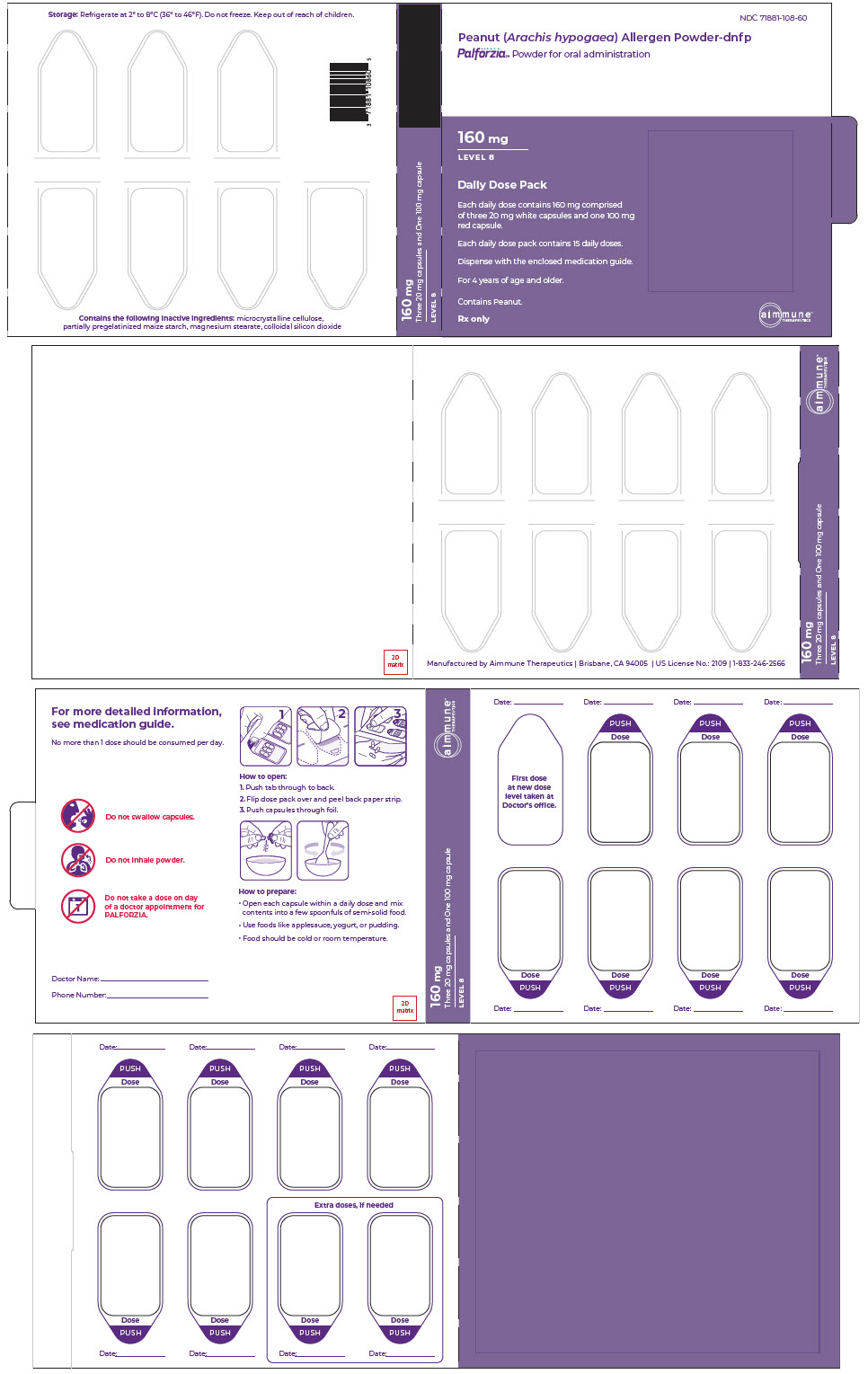
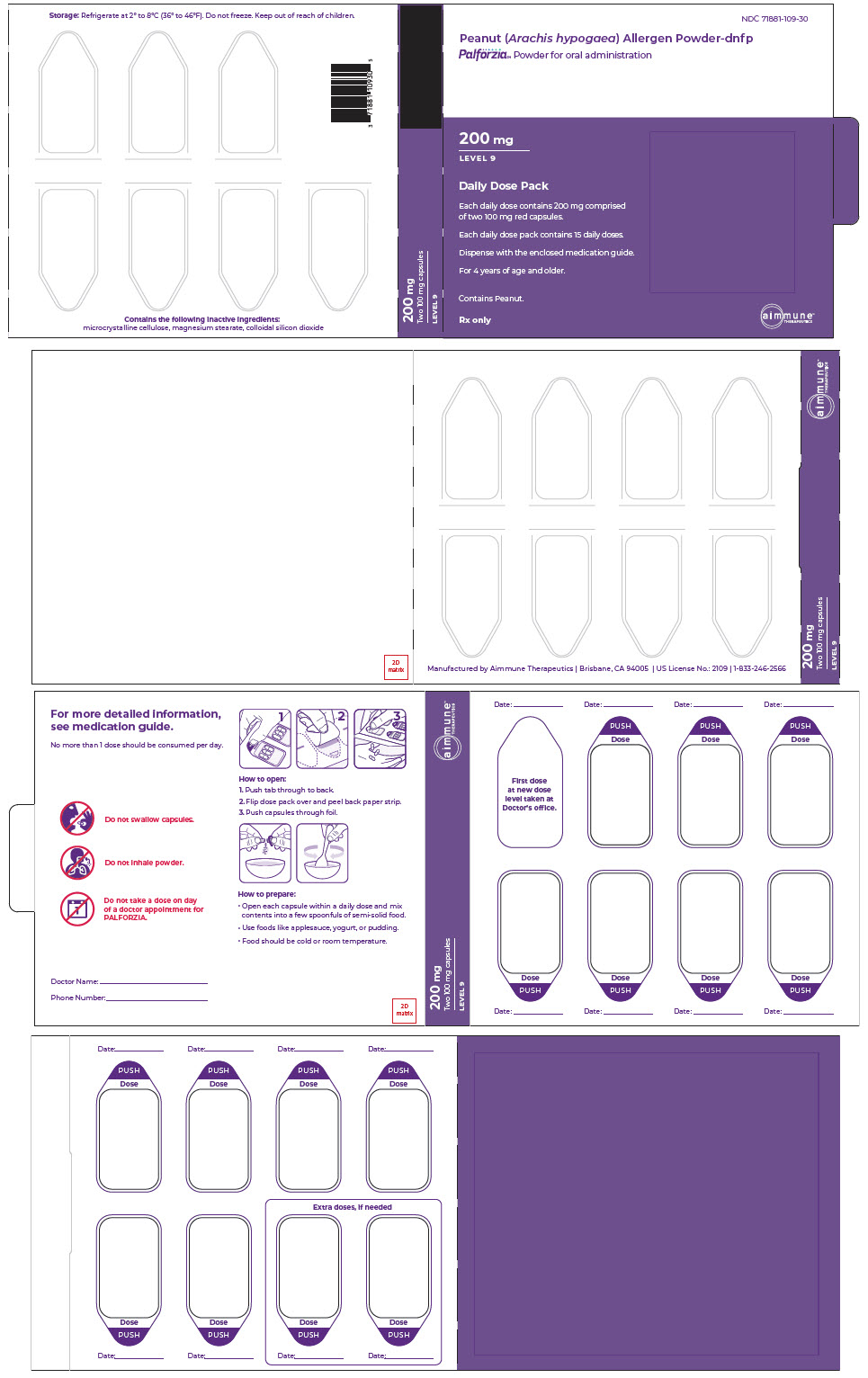
If the patient tolerates the first dose of the increased dose level, the patient may continue that dose level at home. Each dose should be consumed daily with a meal at approximately the same time each day, preferably in the evening.
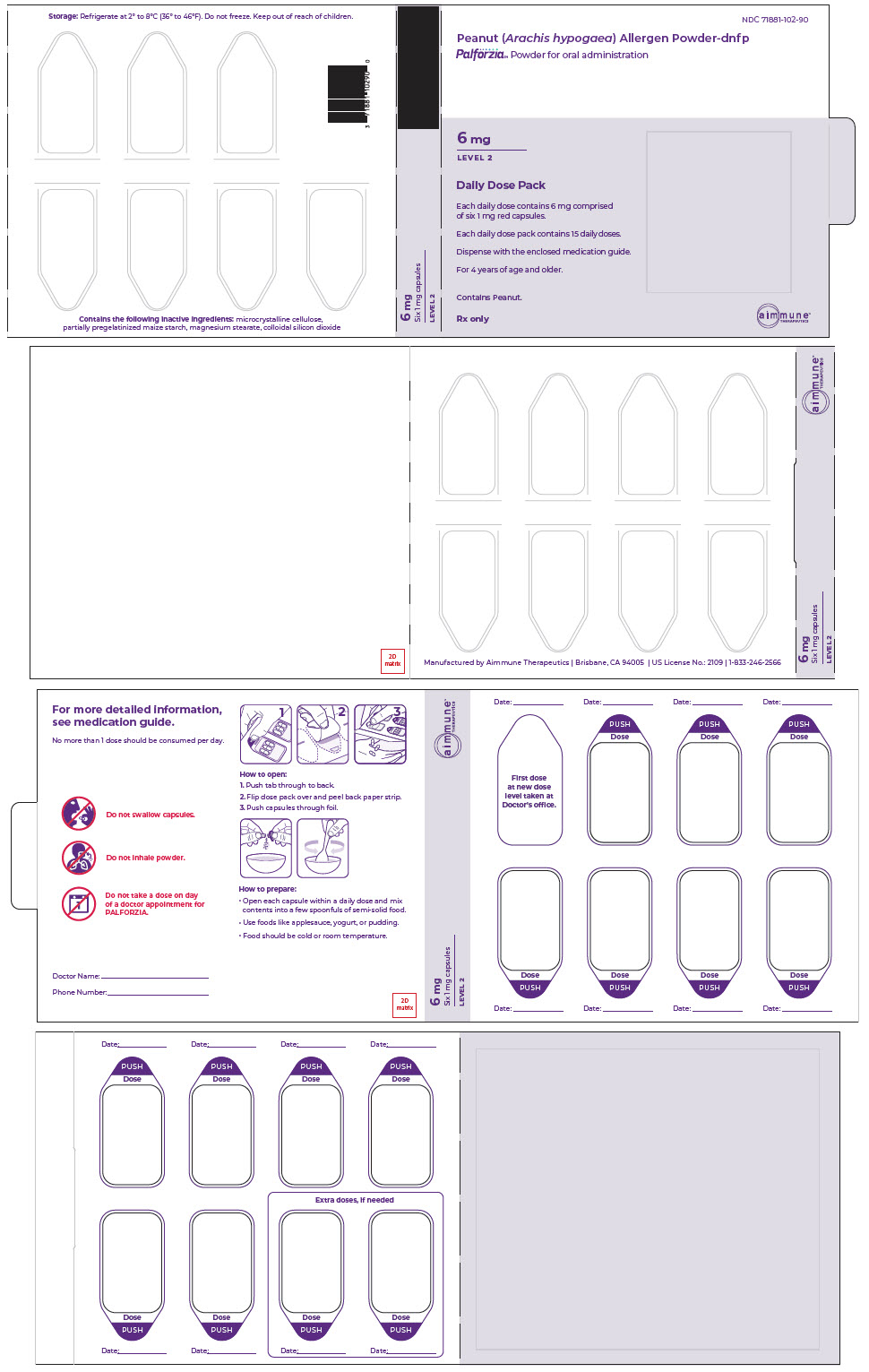
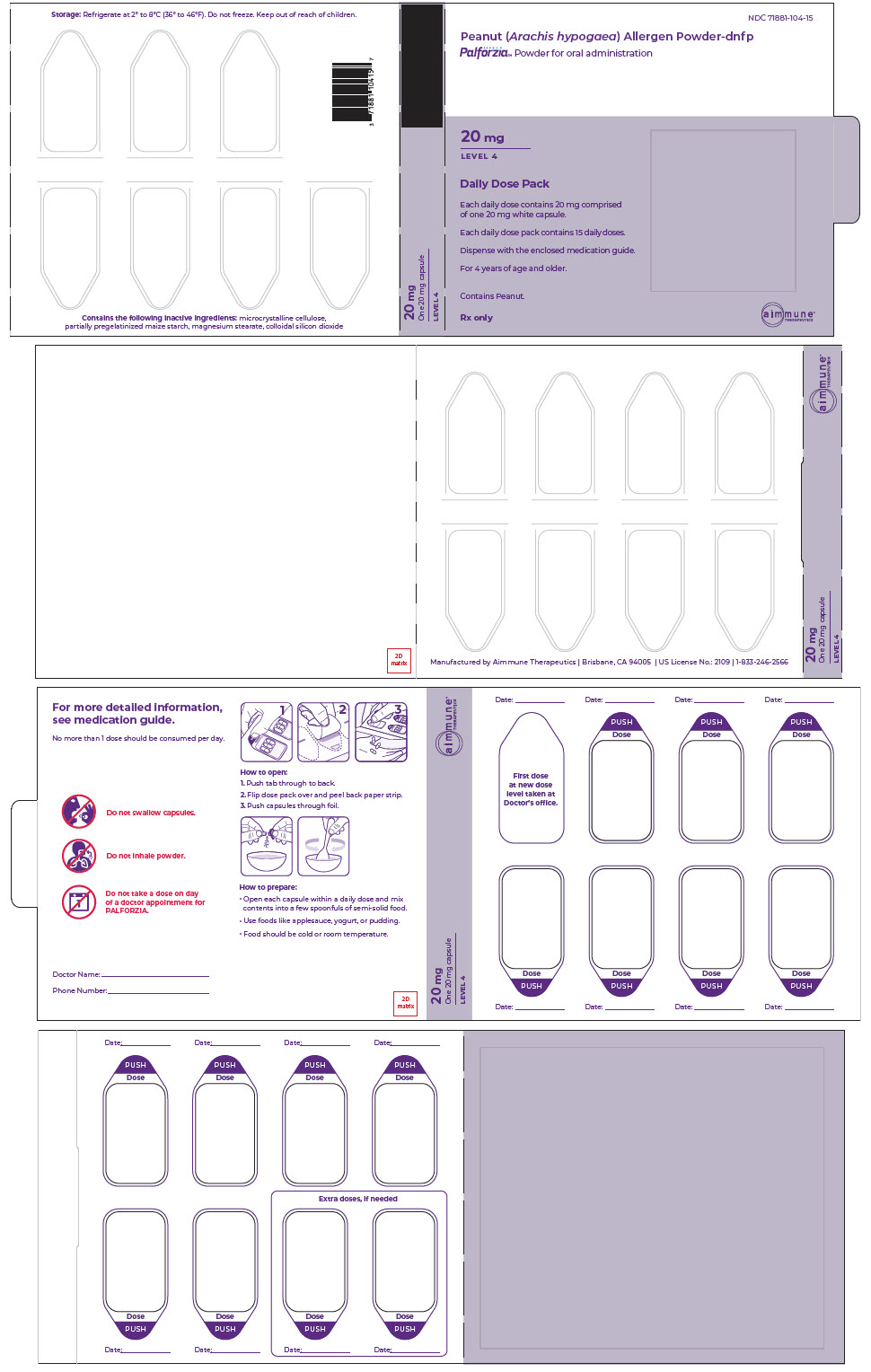
Administer all the dose levels in Table 2 in sequential order at 2-week intervals if tolerated.
No dose level should be omitted.
Do not progress through Up-Dosing more rapidly than shown in Table 2.
No more than 1 dose should be consumed per day. Instruct patients not to consume a dose at home on the same day as a dose consumed in the clinic.
Consider dose modification or discontinuation for patients who do not tolerate Up-Dosing as described in Table 2
[see
Dosage and Administration (2.5)]
.
Maintenance
Complete all dose levels of Up-Dosing before starting Maintenance.
The Maintenance dose of PALFORZIA is 300 mg daily.
Daily Maintenance is required to maintain the effect of PALFORZIA.
During Maintenance, contact patient at regular intervals to assess for adverse reactions to PALFORZIA.
Dose Modification
Dose modifications are not appropriate during Initial Dose Escalation.
Temporary dose modification of PALFORZIA may be required for patients who experience allergic reactions during Up-Dosing or Maintenance, for patients who miss doses, or for practical reasons of patient management. Allergic reactions, including gastrointestinal reactions, that are severe, recurrent, bothersome, or last longer than 90 minutes during Up-Dosing or Maintenance should be actively managed with dose modifications. Use clinical judgment to determine the best course of action, which can include maintaining the dose level for longer than 2 weeks, reducing, withholding, or discontinuing PALFORZIA doses.
Management of Consecutive Missed Doses
Following 1 to 2 consecutive days of missed doses, patients may resume PALFORZIA at the same dose level. Data are insufficient to inform resumption of PALFORZIA following 3 or more consecutive days of missed doses. Patients who miss 3 or more consecutive days of PALFORZIA should consult their healthcare providers; resumption of PALFORZIA should be done under medical supervision.
Discontinuation of PALFORZIA
Discontinue treatment with PALFORZIA for:
- Patients who are unable to tolerate doses up to and including the 3 mg dose during Initial Dose Escalation
- Patients with suspected eosinophilic esophagitis
[see
Warnings and Precautions (5.4 and
5.5)]
- Patients unable to comply with the daily dosing requirements
- Patients with recurrent asthma exacerbations or persistent loss of asthma control
Pregnancy Registry
There is a pregnancy exposure registry that monitors pregnancy outcomes in women exposed to PALFORZIA during pregnancy. Women exposed to PALFORZIA during pregnancy or their health care professionals are encouraged to contact Aimmune by calling 1-833-246-2566.
Risk Summary
All pregnancies have a risk of birth defect, loss, or other adverse outcomes. In the U.S. general population, the estimated background risk of major birth defects and miscarriage in clinically recognized pregnancies is 2% to 4% and 15% to 20%, respectively. No human or animal data are available to establish the presence or absence of the risks due to PALFORZIA in pregnant women.
Clinical Considerations
Disease-associated maternal and/or embryo/fetal risk
Anaphylaxis may occur following accidental exposure to peanut in peanut-allergic pregnant women. Anaphylaxis can cause a dangerous decrease in blood pressure, which could result in compromised placental perfusion and significant risk to a fetus.
Maternal adverse reactions
PALFORZIA may cause anaphylaxis
[see
Warnings and Precautions (5.1) and
Fetal/Neonatal adverse reactions]
.
Fetal/Neonatal adverse reactions
PALFORZIA may cause anaphylaxis
[see
Warnings and Precautions (5.1)]
. Anaphylaxis can cause a dangerous decrease in blood pressure, which could result in compromised placental perfusion and significant risk to a fetus.
Risk Summary
There are no data available on the presence of PALFORZIA in human milk, the effects on the breastfed infant, or the effects on milk production. The developmental and health benefits of breastfeeding should be considered, along with the mother's clinical need for PALFORZIA and any other potential adverse effects on the breastfed child from PALFORZIA or from the underlying maternal condition.
Allergic Reactions
Advise patient, parent, or guardian that PALFORZIA may cause allergic reactions, including anaphylaxis that may be life-threatening. Educate patient, parent, or guardian to recognize the signs and symptoms of an allergic reaction
[see
Warnings and Precautions (5.1)]
. The signs and symptoms of a severe allergic reaction may include syncope, dizziness, hypotension, tachycardia, dyspnea, wheezing, bronchospasm, chest discomfort, cough, abdominal pain, vomiting, diarrhea, rash, pruritus, flushing, and urticaria.
Ensure patient has injectable epinephrine and instruct patient, parent, or guardian on its proper use and that injectable epinephrine must be available for immediate use at all times. Instruct patient, parent, or guardian that if patient experiences a severe allergic reaction to seek immediate medical care, discontinue PALFORZIA, and resume treatment only when advised by their health care professional
[see
Warnings and Precautions (5.1)]
.
Advise patient, parent, or guardian to read the patient information for epinephrine.
Inform patient, parent, or guardian that the first dose of each dose level of PALFORZIA must be administered in a health care setting under the supervision of a health care professional, and that after consuming PALFORZIA, patient will be monitored for signs and symptoms of an allergic reaction
[see
Warnings and Precautions (5.1)]
.
Advise patient, parent, or guardian that if patient experiences an escalating or persistent allergic reaction or becomes intolerant to PALFORZIA at home to contact their health care professional immediately.
Administration of PALFORZIA to young patients should be under adult supervision
[see
Dosage and Administration (2)]
.
PALFORZIA Risk Evaluation and Mitigation Strategy (REMS) Program
Advise patient that due to the risk of anaphylaxis, PALFORZIA is only available through a restricted program called the PALFORZIA REMS Program
[see
Warnings and Precautions (5.2)]
.
Inform patient, parent, or guardian of the following requirements:
- Patient must be enrolled in the PALFORZIA REMS Program.
- Patient, parent or guardian must be educated on the need for monitoring with the Initial Dose Escalation and first dose of each Up-Dosing level and how to recognize the signs and symptoms of anaphylaxis.
- Patient must continue dietary peanut avoidance.
- Injectable epinephrine must be available to patient for immediate use at all times.
Asthma
Instruct patient, parent, or guardian that patients with asthma should stop taking PALFORZIA and contact their health care professional immediately if they have difficulty breathing or if their asthma becomes difficult to control
[see
Warnings and Precautions (5.3)]
.
Eosinophilic Esophagitis
Because of the risk of eosinophilic esophagitis, instruct patient, parent or guardian that patients with severe or persistent symptoms of esophagitis or gastrointestinal intolerance should discontinue PALFORZIA and contact their health care professional
[see
Warnings and Precautions (5.4 and
5.5)]
.
Handling Instructions
Advise patient, parent, or guardian of the following:
- To store PALFORZIA in a refrigerator.
- That patient must not swallow capsule(s) or inhale the powder.
- To open capsule(s) or sachet and empty the entire dose onto a few spoonfuls of refrigerated or room temperature semisolid food (e.g., applesauce, yogurt, pudding) and to mix well. Do not use liquid (e.g., milk, water, juice) to prepare PALFORZIA for consumption.
- That patient should consume the entire prepared mixture.
- To dispose of all unused PALFORZIA
[see
Dosage and Administration (2.3)].
- To dispose of the opened capsule(s) or sachet and wash hands immediately after handling.
Dosing Instructions
Advise patient, parent, or guardian of the following:
- The importance of taking each dose daily to avoid loss of treatment effect.
- That each dose should be consumed with a meal, at approximately the same time each day, preferably in the evening.
- To observe the patient for at least 60 minutes after administering PALFORZIA for any signs of intolerability.
- To contact their health care professional for advice on how to resume PALFORZIA if doses are missed.
- That the risk of an allergic reaction following PALFORZIA administration may be increased in the presence of cofactors such as:
- Exercise or hot water exposure (e.g. a hypermetabolic state)
- A medical event such as an intercurrent illness (e.g., viral infection)
- Fasting
- Menstruation
- Sleep deprivation
- Nonsteroidal anti-inflammatory drug use
- Uncontrolled asthma
Temporarily withholding or decreasing PALFORZIA doses may be required in the presence of these cofactors.
Patient should delay consuming PALFORZIA after strenuous exercise until signs of a hypermetabolic state (e.g., flushing, sweating, rapid breathing, rapid heart rate) have subsided and avoid taking hot showers or baths immediately prior to or within 3 hours after consuming PALFORZIA.
Manufactured by:
Aimmune Therapeutics, Inc.
Brisbane, CA 94005
© 2020 Aimmune Therapeutics, Inc.
PALFORZIA is a trademark of Aimmune Therapeutics, Inc.
US License No. 2109
PALF-US-v1.0