Levalbuterol Solution
Product Images NDC 72162-2083

View Photos of Packaging, Regulatory Labels, and Product Appearance

Product Visual Gallery

This gallery contains 15 technical images submitted to the FDA as part of the official labeling for Levalbuterol (NDC 72162-2083). Unlike standard consumer photos, these assets often include clinical data figures, molecular chemical structures, and official manufacturer packaging layouts.

As provided by Bryant Ranch Prepack, these visuals offer a comprehensive scientific overview of the product's physical and chemical identity, aiding pharmacists and researchers in product verification and study.

FDA Label Image

Label (Lbl721622083)

Label (Lbl721622083)
Label for Levalbuterol Inhalation Solution USP 1.25 mg (0.042%) in 3 mL sterile unit-dose vials. The product is labeled by Bryant Ranch Prepack and manufactured by The Ritedose Corporation. The label indicates a pack size of 25 x 3 mL vials for respiratory inhalation use, with storage instructions and dosage warnings.*
FDA Label Image

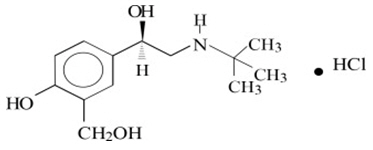
Chemical Structure (Levalbuterol Inhalation Solution Usp 1)

Chemical Structure (Levalbuterol Inhalation Solution Usp 1)
Chemical structure of Levalbuterol Hydrochloride, showing the molecular arrangement with hydroxyl groups, amine, and methyl substituents, paired with a hydrochloride (HCl) component.*
FDA Label Image

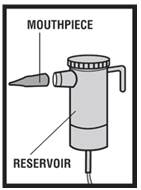
Figure E1 (Levalbuterol Inhalation Solution Usp 10)

Figure E1 (Levalbuterol Inhalation Solution Usp 10)
An instructional illustration showing a medical inhalation device labeled with its main components: the mouthpiece and reservoir. The diagram highlights these parts for user guidance.*
FDA Label Image

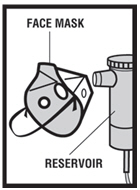
Figure E2 (Levalbuterol Inhalation Solution Usp 11)

Figure E2 (Levalbuterol Inhalation Solution Usp 11)
An illustration showing a respiratory inhalation device with labeled parts, including a face mask and a reservoir. The diagram highlights the components relevant to administration of inhalation solutions like Levalbuterol Hydrochloride.*
FDA Label Image

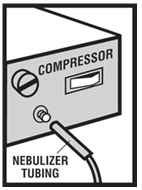
Figure F (Levalbuterol Inhalation Solution Usp 12)

Figure F (Levalbuterol Inhalation Solution Usp 12)
An illustration showing the connection between compressor and nebulizer tubing. It depicts a close-up view where the nebulizer tubing is connected to the compressor, highlighting the setup for respiratory inhalation solution use.*
FDA Label Image

Figure G1 (Levalbuterol Inhalation Solution Usp 13)

Figure G1 (Levalbuterol Inhalation Solution Usp 13)
An instructional diagram illustrating the use of a respiratory solution inhalation device. It highlights the mouthpiece positioned at a person's lips and the reservoir component of the device, depicting how it should be held for inhalation.*
FDA Label Image

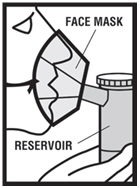
Figure G2 (Levalbuterol Inhalation Solution Usp 14)

Figure G2 (Levalbuterol Inhalation Solution Usp 14)
An instructional illustration showing the parts of an inhalation device including a face mask and a reservoir. The diagram labels the face mask that fits over the nose and mouth, and the reservoir, which holds medication for respiratory inhalation.*
FDA Label Image

Figure 1 (Levalbuterol Inhalation Solution Usp 2)

Figure 1 (Levalbuterol Inhalation Solution Usp 2)
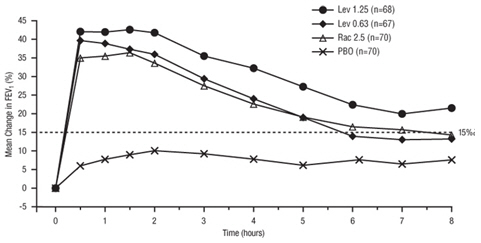
A line graph showing mean change in FEV1 (forced expiratory volume in 1 second) over time (0 to 8 hours) comparing Levalbuterol at doses 1.25 mg and 0.63 mg, Racemic albuterol 2.5 mg, and placebo. The graph illustrates response differences with multiple data points and legend indicating sample sizes for each group.*
FDA Label Image

Figure 2 (Levalbuterol Inhalation Solution Usp 3)

Figure 2 (Levalbuterol Inhalation Solution Usp 3)
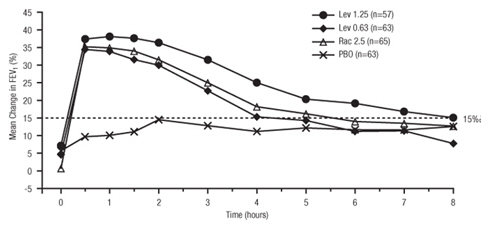
Line graph depicting the mean change in FEV1 (%) over 8 hours for different treatments including Levalbuterol 1.25 mg, Levalbuterol 0.63 mg, Racemic Albuterol 2.5 mg, and placebo. The graph tracks respiratory function changes over time, with data points for each treatment group's average performance.*
FDA Label Image

Figure 3 (Levalbuterol Inhalation Solution Usp 4)

Figure 3 (Levalbuterol Inhalation Solution Usp 4)
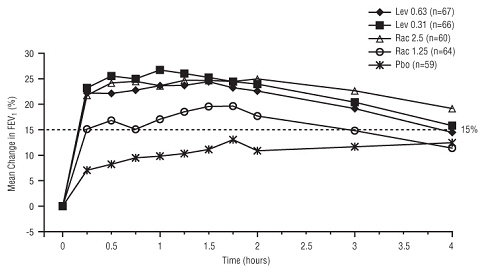
A line chart showing mean change in FEV1 (%) over time (hours) for different treatment groups, including Lev (Levalbuterol) at doses 0.63 and 0.31, Rac (Racemic) at doses 2.5 and 1.25, and a placebo (Pbo). The graph shows response curves for each group over a 4-hour period post-treatment.*
FDA Label Image

Figure 4 (Levalbuterol Inhalation Solution Usp 5)

Figure 4 (Levalbuterol Inhalation Solution Usp 5)
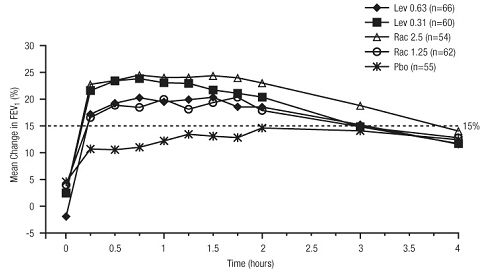
A line graph depicting the mean change in FEV1 (%) over time (hours) for six treatment groups: Lev 0.63, Lev 0.31, Rac 2.5, Rac 1.25, and Pbo. The graph shows percent change on the vertical axis and time in hours on the horizontal axis, illustrating how lung function varies after administration of these treatments within a 4-hour period.*
FDA Label Image

Figure A (Levalbuterol Inhalation Solution Usp 6)

Figure A (Levalbuterol Inhalation Solution Usp 6)
An instructional diagram illustrating a unit-dose vial of Levalbuterol solution with a shaded area highlighting the twist-off tab portion. The image instructs to twist off the tab on both sides to open the vial for inhalation use.*
FDA Label Image

Figure B (Levalbuterol Inhalation Solution Usp 7)

Figure B (Levalbuterol Inhalation Solution Usp 7)
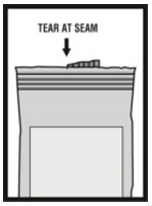
An instructional illustration showing the top portion of a foil pouch or packet with a tear notch and the text 'TEAR AT SEAM' accompanied by a downward arrow, indicating where to open the packet.*
FDA Label Image

Figure C (Levalbuterol Inhalation Solution Usp 8)

Figure C (Levalbuterol Inhalation Solution Usp 8)
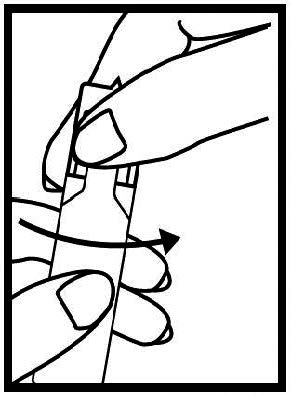
An instructional illustration showing hands twisting the top off a small ampule or vial, indicating how to open the medication container for usage.*
FDA Label Image

Figure D (Levalbuterol Inhalation Solution Usp 9)

Figure D (Levalbuterol Inhalation Solution Usp 9)
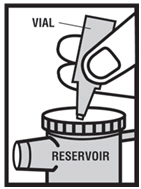
An instructional illustration showing a hand holding and inserting a small vial into a device labeled 'RESERVOIR'. The vial is labeled 'VIAL'. This likely demonstrates how to use the inhalation solution for Levalbuterol by placing the vial into the device reservoir before inhalation.*

* About these descriptions: Image descriptions on this page are generated by automated AI analysis of the product label images from the manufacturer's FDA label submission (SPL). They are provided for reference only and may contain errors or omissions. Always rely on the printed label itself and the official FDA labeling, and consult a pharmacist or healthcare professional with any questions about this product.