Hypotension associated with syncope during the first hour of dosing with butorphanol tartrate nasal spray has been reported rarely, particularly in patients with past history of similar reactions to opioid analgesics. Therefore, patients should be advised to avoid activities with potential risks.
Butorphanol tartrate nasal spray may impair the mental or physical abilities needed to perform potentially hazardous activities such as driving a car or operating machinery. Warn patients not to drive or operate dangerous machinery unless they are tolerant to the effects of butorphanol tartrate nasal spray and know how they will react to the medication [see PRECAUTIONS; Information for Patients].
Butorphanol may produce respiratory depression, especially in patients receiving other CNS active agents, or patients suffering from CNS diseases or respiratory impairment.
In patients with hepatic or renal impairment, the initial dose sequence of butorphanol tartrate nasal spray should be limited to 1 mg followed, if needed, by 1 mg in 90 to 120 minutes. The repeat dose sequence in these patients should be determined by the patient's response rather than at fixed times but will generally be at intervals of no less than at 6 hours [see CLINICAL PHARMACOLOGY: Pharmacokinetics and Individualization of Dosage].
Advise the patient to read the FDA-approved patient labeling (Medication Guide).
Because of the risks associated with accidental ingestion, misuse, and abuse, advise patients to store butorphanol tartrate nasal spray securely, out of sight and reach of children, and in a location not accessible by others, including visitors to the home [see WARNINGS, DRUG ABUSE AND DEPENDENCE]. Inform patients that leaving butorphanol tartrate nasal spray unsecured can pose a deadly risk to others in the home.
Educate patients and caregivers on how to recognize respiratory depression and emphasize the importance of calling 911 or getting emergency medical help right away in the event of a known or suspected overdose (see WARNINGS, Life Threatening Respiratory Depression).
Inform patients that accidental exposure, especially by children, may result in respiratory depression or death [see WARNINGS]. Instruct patients to take steps to store butorphanol tartrate nasal spray securely and to dispose of unused butorphanol tartrate nasal spray by unscrewing the cap, rinsing the bottle, and placing the parts in the waste container.
Discuss with the patient and caregiver the availability of naloxone for the emergency treatment of opioid overdose, both when initiating and renewing treatment with butorphanol tartrate nasal spray. Inform patients and caregivers about the various ways to obtain naloxone as permitted by individual state naloxone dispensing and prescribing requirements or guidelines (e.g., by prescription, directly from a pharmacist, or as part of a community-based program) (see WARNINGS, Life-Threatening Respiratory Depression; DOSAGE AND ADMINISTRATION).
Educate patients and caregivers on how to recognize the signs and symptoms of an overdose.
Explain to patients and caregivers that naloxone’s effects are temporary, and that they must call 911 or get emergency medical help right away in all cases of known or suspected opioid overdose, even if naloxone is administered (see OVERDOSAGE).
- How to treat with naloxone in the event of an opioid overdose
- To tell family and friends about their naloxone and to keep it in a place where family and friends can access it in an emergency
- To read the Patient Information (or other educational material) that will come with their naloxone. Emphasize the importance of doing this before an opioid emergency happens, so the patient and caregiver will know what to do.
Hyperalgesia and Allodynia
Inform patients and caregivers not to increase opioid dosage without first consulting a clinician. Advise patients to seek medical attention if they experience symptoms of hyperalgesia, including worsening pain, increased sensitivity to pain, or new pain [see WARNINGS, Postmarketing Experience ].
Serotonin Syndrome
Inform patients that opioids could cause a rare but potentially life-threatening condition resulting from concomitant administration of serotonergic drugs. Warn patients of the symptoms of serotonin syndrome and to seek medical attention right away if symptoms develop. Instruct patients to inform their healthcare providers if they are taking, or plan to take serotonergic medications[seePRECAUTIONS; Drug Interactions].
Important Administration Instructions
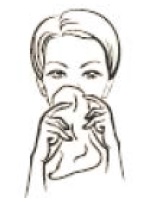
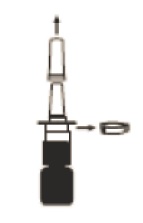
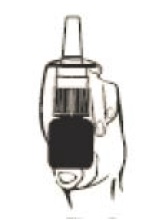
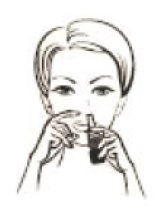
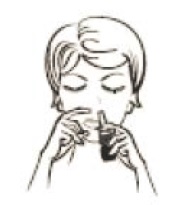
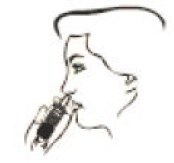
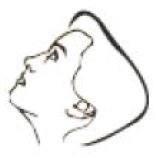
Inform patients of the proper use of butorphanol tartrate nasal spray [see PATIENT INSTRUCTIONS and MEDICATION GUIDE].
Important Discontinuation Instructions
In order to avoid developing withdrawal symptoms, instruct patients not to discontinue butorphanol tartrate nasal spray without first discussing a tapering plan with the prescriber [see DOSAGE AND ADMINISTRATION]
Driving or Operating Heavy Machinery
Inform patients that butorphanol tartrate nasal spray may impair the mental and/or physical abilities required for the performance of potentially hazardous tasks such as driving a car or operating machinery and to avoid such tasks while taking this product, until they know how they will react to the medication [see WARNINGS].
Constipation
Advise patients of the potential for severe constipation, including management instructions and when to seek medical attention [see ADVERSE REACTIONS].
Adrenal Insufficiency
Inform patients that opioids could cause adrenal insufficiency, a potentially life-threatening condition. Adrenal insufficiency may present with non-specific symptoms and signs such as nausea, vomiting, anorexia, fatigue, weakness, dizziness, and low blood pressure. Advise patients to seek medical attention if they experience a constellation of these symptoms [see WARNINGS].
Anaphylaxis
Inform patients that anaphylaxis has been reported with ingredients contained in butorphanol tartrate nasal spray. Advise patients how to recognize such a reaction and when to seek medical attention [see CONTRAINDICATIONS, ADVERSE REACTIONS].
Pregnancy
Neonatal Opioid Withdrawal Syndrome
Inform female patients of reproductive potential that prolonged use of butorphanol tartrate nasal spray during pregnancy can result in neonatal opioid withdrawal syndrome, which may be life-threatening if not recognized and treated [see WARNINGS, PRECAUTIONS; Pregnancy].
Embryo-Fetal Toxicity
Inform female patients of reproductive potential that butorphanol tartrate nasal spray can cause fetal harm and to inform the healthcare provider of a known or suspected pregnancy [see PRECAUTIONS; Pregnancy].
Lactation
Advise nursing mothers to monitor infants for increased sleepiness (more than usual), breathing difficulties, or limpness. Instruct nursing mothers to seek immediate medical care if they notice these signs [see PRECAUTIONS; Nursing Mothers].
Infertility
Inform patients that chronic use of opioids may cause reduced fertility. It is not known whether these effects on fertility are reversible [see ADVERSE REACTIONS].
Disposal of Unused Butorphanol Tartrate
Advise patients to dispose of butorphanol tartrate by unscrewing the cap, rinsing the bottle, and placing the parts in a waste container.
Drug Interactions
Benzodiazepine and Other Central Nervous System (CNS) Depressants
Due to additive pharmacologic effect, the concomitant use of benzodiazepines or other CNS depressants, such as alcohol, other sedative hypnotics, anxiolytics, and tranquilizers, muscle relaxants, general anesthetics, antipsychotics, and other opioids, can increase the risk of hypotension, respiratory depression, profound sedation, coma, and death.
Reserve concomitant prescribing of these drugs for use in patients for whom alternative treatment options are inadequate. Limit dosages and durations to the minimum required. Inform patients and caregivers of this potential interaction, educate them on the signs and symptoms of respiratory depression (including sedation). If concomitant use is warranted, consider prescribing naloxone for the emergency treatment of opioid overdose (see WARNINGS).
Serotonergic Drugs
The concomitant use of opioids with other drugs that affect the serotonergic neurotransmitter system, such as selective serotonin reuptake inhibitors (SSRIs), serotonin and norepinephrine reuptake inhibitors (SNRIs), tricyclic antidepressants (TCAs), triptans, 5-HT3 receptor antagonists, drugs that affect the serotonin neurotransmitter system (e.g., mirtazapine, trazodone, tramadol), certain muscle relaxants (i.e., cyclobenzaprine, metaxalone), monoamine oxidase (MAO) inhibitors (those intended to treat psychiatric disorders and also others, such as linezolid and intravenous methylene blue), has resulted in serotonin syndrome [see PRECAUTIONS; Information for Patients].
If concomitant use is warranted, frequently evaluate the patient, particularly during treatment initiation and dose adjustment. Discontinue butorphanol tartrate nasal spray immediately if serotonin syndrome is suspected.
Cytochrome P450 (CYP 450) Interactions
It is not known if the effects of butorphanol tartrate nasal spray are altered by concomitant medications that affect hepatic metabolism of drugs (CYP 450 inhibitors or inducers) (e.g., erythromycin, theophylline, etc.), but physicians should be alert to the possibility that a smaller initial dose and longer intervals between doses may be needed.
Monoamine Oxidase inhibitors (MAOIs)
No information is available about the use of butorphanol concurrently with MAO inhibitors.
Advise patient to avoid concomitant use of these drugs.
Carcinogenesis, Mutagenesis, Impairment of Fertility
Carcinogenesis
Two-year carcinogenicity studies were conducted in mice and rats given butorphanol tartrate in the diet up to 60 mg/kg/day (24 and 48 times the human daily dose of 12 mg/day based on a body surface area comparison, respectively). There was no evidence of carcinogenicity in either species in these studies.
Mutagenesis
Butorphanol was not genotoxic in the in vitro bacterial reverse mutation assay (Ames) or in an in vitro unscheduled DNA synthesis and repair assay conducted in cultured human fibroblast cells.
Impairment of fertility
In a study where male rats were treated subcutaneously with 0.5 or 2.5 mg/kg butorphanol for 75 days prior to mating to female rats treated subcutaneously with 0.5 or 2.5 mg/kg butorphanol for 14-days prior to mating and throughout gestation and lactation, no adverse effects on fertility were noted (0.4- and 2-times the human daily dose of 12 mg based on body surface area).
In a study where male rats were treated orally with 10, 40, or 160 mg/kg for 63 days prior to mating to female rats treated orally with the same doses of butorphanol for 14 days prior to mating, reduced pregnancy rates were reported in the high dose group (130-times the human daily dose of 12 mg based on body surface area).
Pregnancy
Pregnancy Category C: Reproduction studies in mice, rats, and rabbits during organogenesis did not reveal any teratogenic potential to butorphanol. However, pregnant rats treated subcutaneously with butorphanol at 1 mg/kg (5.9 mg/m2) had a higher frequency of stillbirths than controls. Butorphanol at 30 mg/kg/oral (360 mg/m2) and 60 mg/kg/oral (720 mg/m2) also showed higher incidences of post-implantation loss in rabbits.
There are no adequate and well-controlled studies of butorphanol tartrate nasal spray in pregnant women before 37 weeks of gestation. Butorphanol tartrate nasal spray should be used during pregnancy only if the potential benefit justifies the potential risk to the infant.
Fetal/Neonatal Adverse Reactions
Use of opioid analgesics for an extended period of time during pregnancy for medical or nonmedical purposes can result in physical dependence in the neonate and neonatal opioid withdrawal syndrome shortly after birth.
Neonatal opioid withdrawal syndrome presents as irritability, hyperactivity and abnormal sleep pattern, high pitched cry, tremor, vomiting, diarrhea, and failure to gain weight. The onset, duration, and severity of neonatal opioid withdrawal syndrome vary based on the specific opioid used, duration of use, timing and amount of last maternal use, and rate of elimination of the drug by the newborn. Observe newborns for symptoms of neonatal opioid withdrawal syndrome and manage accordingly [see WARNINGS].
Labor or Delivery
Opioids cross the placenta and may produce respiratory depression and psycho-physiologic effects in neonates. An opioid antagonist, such as naloxone, must be available for reversal of opioid-induced respiratory depression in the neonate. Butorphanol tartrate nasal spray is not recommended for use in pregnant women during or immediately prior to labor, when other analgesic techniques are more appropriate. Opioid analgesics, including butorphanol tartrate nasal spray, can prolong labor through actions which temporarily reduce the strength, duration, and frequency of uterine contractions. However, this effect is not consistent and may be offset by an increased rate of cervical dilation, which tends to shorten labor. Monitor neonates exposed to opioid analgesics during labor for signs of excess sedation and respiratory depression.
Butorphanol tartrate nasal spray is not recommended during labor or delivery because there is no clinical experience with its use in this setting.
Nursing Mothers
Although there is no clinical experience with the use of butorphanol tartrate nasal spray in nursing mothers, butorphanol has been detected in milk following administration of butorphanol tartrate injection to nursing mothers. The amount an infant would receive is probably clinically insignificant (estimated 4 mcg/L of milk in a mother receiving 2 mg IM four times a day). It should be assumed that butorphanol will appear in the milk in similar amounts following the nasal route of administration.
The developmental and health benefits of breastfeeding should be considered along with the mother’s clinical need for butorphanol tartrate nasal spray and any potential adverse effects on the breastfed infant from butorphanol or from the underlying maternal condition.
Infants exposed to butorphanol tartrate nasal spray through breast milk should be monitored for excess sedation and respiratory depression. Withdrawal symptoms can occur in breastfed infants when maternal administration of an opioid analgesic is stopped, or when breast-feeding is stopped.
Females and Males of Reproductive Potential
Infertility
Use of opioids for an extended period of time may cause reduced fertility in females and males of reproductive potential. It is not known whether these effects on fertility are reversible (see CLINICAL PHARMACOLOGY, PRECAUTIONS, Carcinogenesis, Mutagenesis, Impairment of Fertility and ADVERSE REACTIONS ).
Pediatric Use
Butorphanol tartrate nasal spray is not recommended for use in patients below 18 years of age because safety and efficacy have not been established in this population.
Geriatric Use
Elderly patients (aged 65 years or older) may have increased sensitivity to butorphanol tartrate nasal spray.
Of the approximately 1700 patients treated with butorphanol tartrate nasal spray in clinical studies, 8% were 65 years of age or older and 2% were 75 years or older.
Due to changes in clearance, the mean half-life of butorphanol is increased by 25% (to over 6 hours) in patients over the age of 65 years [see CLINICAL PHARMACOLOGY: Pharmacokinetics]. Elderly patients may be more sensitive to the side effects of butorphanol. In clinical studies of butorphanol tartrate nasal spray, elderly patients had an increased frequency of headache, dizziness, drowsiness, vertigo, constipation, nausea and/or vomiting, and nasal congestion compared with younger patients. There are insufficient efficacy data for patients ≥65 years to determine whether they respond differently from younger patients.
Initially a 1 mg dose of butorphanol tartrate nasal spray should be generally used in geriatric patients and 90 to 120 minutes should elapse before administering a second 1 mg dose, if needed [see CLINICAL PHARMACOLOGY: Individualization of Dosage].
In general, use caution when selecting a dosage for an elderly patient, usually starting at the low end of the dosing range, reflecting the greater frequency of decreased hepatic, renal, or cardiac function and of concomitant disease or other drug therapy [see DOSAGE AND ADMINISTRATION].
Respiratory depression is the chief risk for elderly patients treated with opioids, and has occurred after large initial doses were administered to patients who were not opioid-tolerant or when opioids were co-administered with other agents that depress respiration. Titrate the dosage of butorphanol tartrate nasal spray slowly in geriatric patients and frequently reevaluate the patient for signs of central nervous system and respiratory depression [see WARNINGS].
This drug is known to be substantially excreted by the kidney, and the risk of adverse reactions to this drug may be greater in patients with impaired renal function. Because elderly patients are more likely to have decreased renal function, care should be taken in dose selection, and it may be useful to monitor renal function.