Lisdexamfetamine Dimesylate Capsule
Product Images NDC 72162-2216

View Photos of Packaging, Regulatory Labels, and Product Appearance

Product Visual Gallery

This gallery contains 10 technical images submitted to the FDA as part of the official labeling for Lisdexamfetamine Dimesylate (NDC 72162-2216). Unlike standard consumer photos, these assets often include clinical data figures, molecular chemical structures, and official manufacturer packaging layouts.

As provided by Bryant Ranch Prepack, these visuals offer a comprehensive scientific overview of the product's physical and chemical identity, aiding pharmacists and researchers in product verification and study.

FDA Label Image

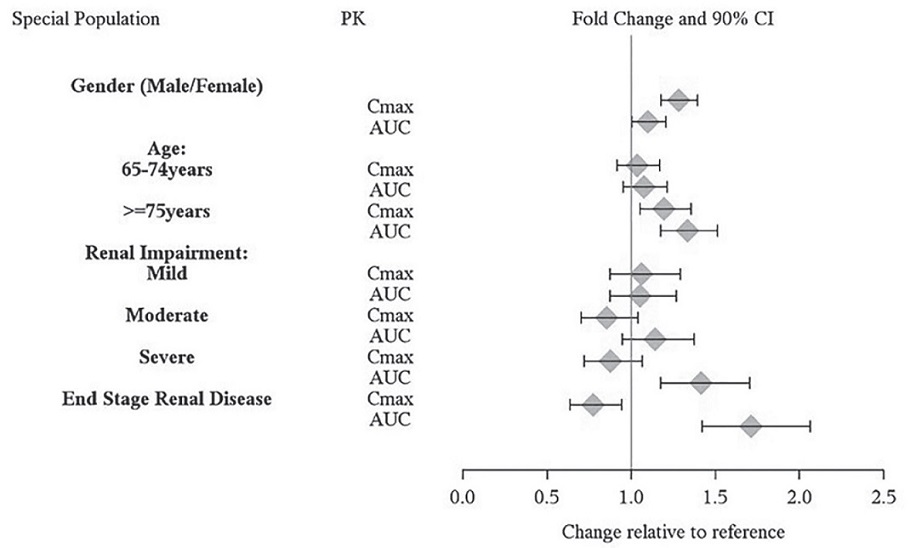
Figure-1 (Figure 1)

Figure-1 (Figure 1)
A forest plot chart illustrating the fold change and 90% confidence intervals for pharmacokinetic parameters Cmax and AUC across different special populations. The populations include gender (male/female), age groups (65-74 years and 75 or older), and varying degrees of renal impairment (mild, moderate, severe, and end-stage renal disease). The x-axis shows the change relative to reference from 0.0 to 2.5.*
FDA Label Image

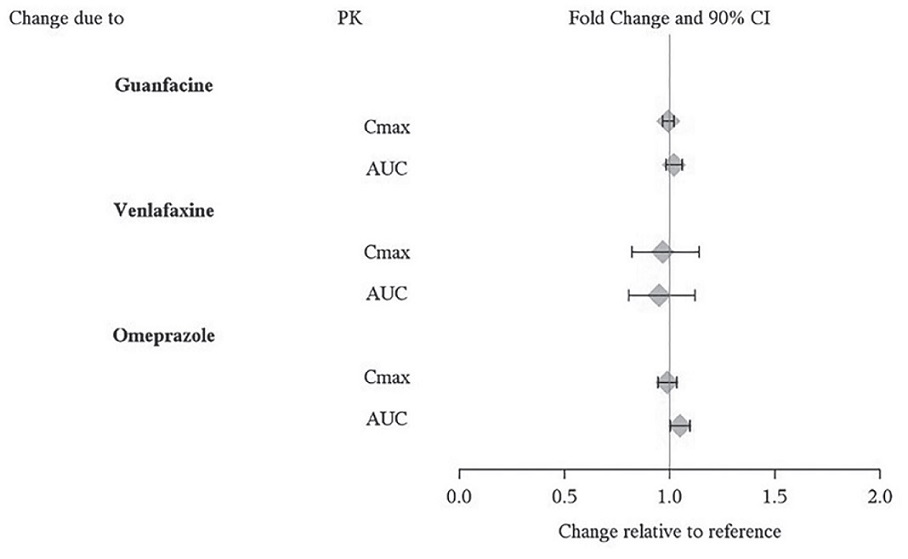
Figure-2 (Figure 2)

Figure-2 (Figure 2)
A pharmacokinetic (PK) plot displaying fold change and 90% confidence intervals for the Cmax and AUC parameters of guanfacine, venlafaxine, and omeprazole. The x-axis represents change relative to reference from 0.0 to 2.0, showing comparative PK data points and error bars for the three drugs.*
FDA Label Image

Figure-3 (Figure 3)

Figure-3 (Figure 3)
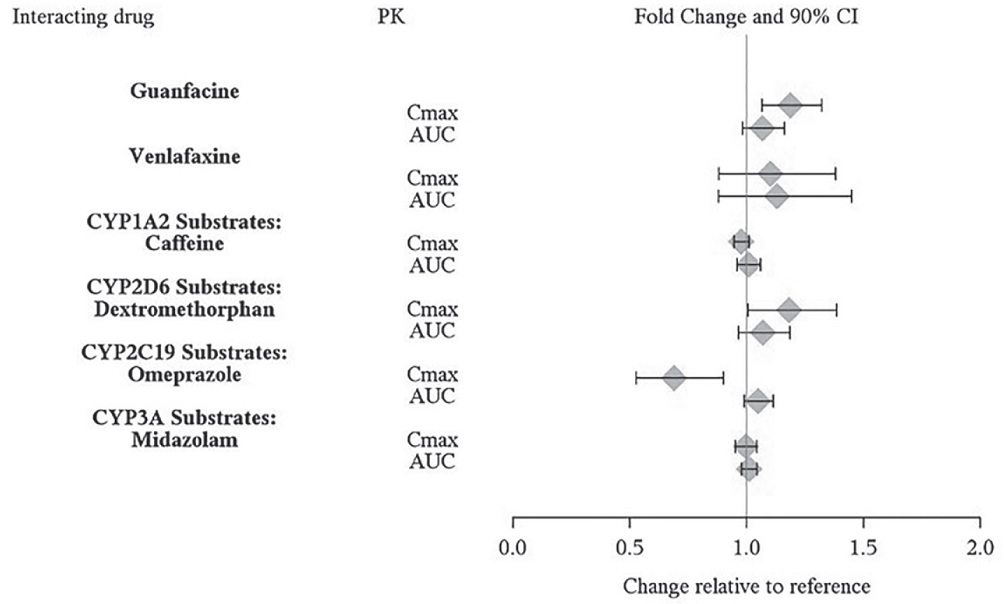
Chart displaying pharmacokinetic (PK) effects of various interacting drugs on lisdexamfetamine dimesylate, showing fold change and 90% confidence intervals in Cmax and AUC relative to reference. Drugs include Guanfacine, Venlafaxine, and substrates for CYP1A2 (Caffeine), CYP2D6 (Dextromethorphan), CYP2C19 (Omeprazole), and CYP3A (Midazolam). The x-axis represents change relative to reference from 0.0 to 2.0 fold.*
FDA Label Image

Figure-4 (Figure 4)

Figure-4 (Figure 4)
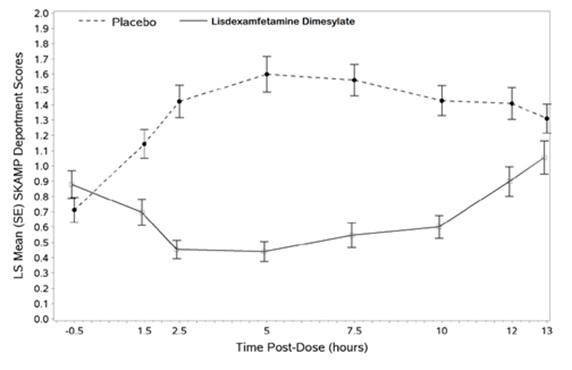
Line graph comparing LS Mean SKAMP Deportment Scores over time post-dose in hours for lisdexamfetamine dimesylate versus placebo. The x-axis shows time from -0.5 to 13 hours, and the y-axis shows scores from 0 to 2.0. Two lines represent treatment groups: solid for lisdexamfetamine dimesylate and dashed for placebo, with error bars indicating variability.*
FDA Label Image

Figure-5 (Figure 5)

Figure-5 (Figure 5)
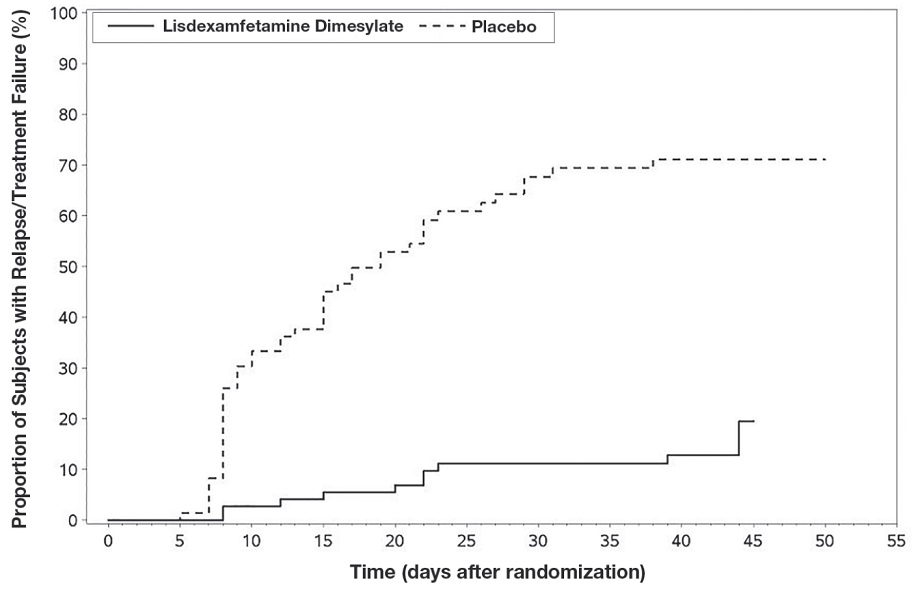
A line graph showing the proportion of subjects with relapse or treatment failure over time (in days after randomization) comparing lisdexamfetamine dimesylate and placebo. The solid line represents lisdexamfetamine dimesylate with a lower and slower increase in relapse, while the dashed line represents placebo with a higher and faster increase in relapse proportion over approximately 50 days.*
FDA Label Image

Figure-6 (Figure 6)

Figure-6 (Figure 6)
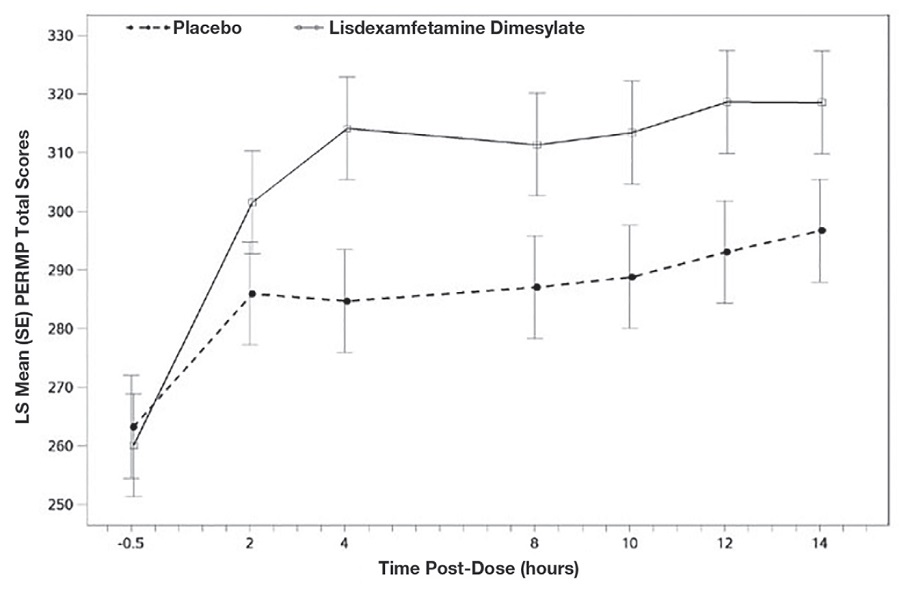
A line graph comparing LS Mean (SE) PERMP Total Scores over time post-dose (hours) between placebo (dashed line) and lisdexamfetamine dimesylate (solid line). The x-axis represents time post-dose from -0.5 to 14 hours, and the y-axis shows PERMP scores ranging approximately from 250 to 330, with lisdexamfetamine dimesylate consistently showing higher scores than placebo across the time points.*
FDA Label Image

Figure-7 (Figure 7)

Figure-7 (Figure 7)
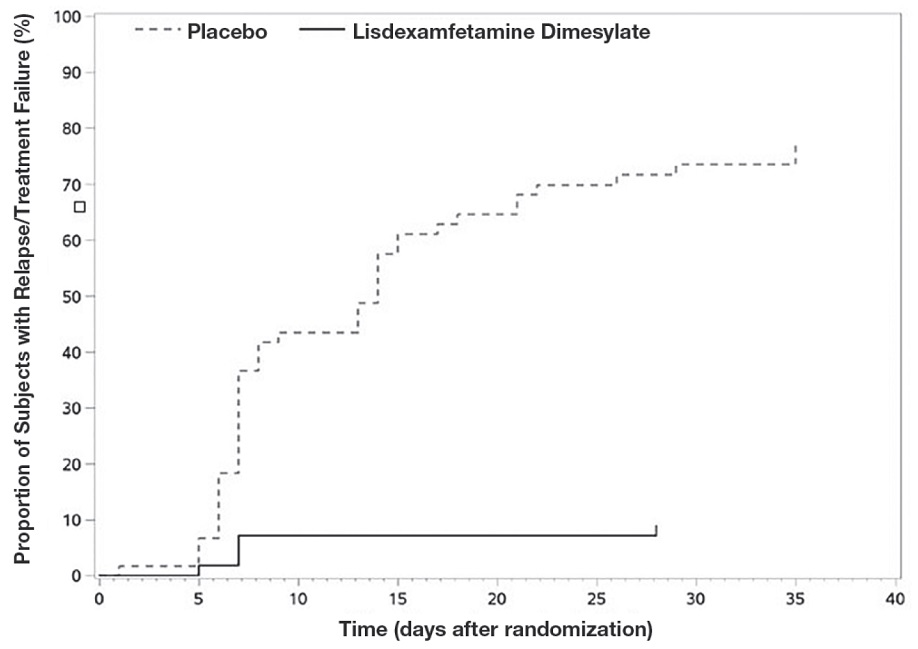
A line graph comparing the proportion of subjects with relapse or treatment failure (%) over time (days after randomization) between placebo and lisdexamfetamine dimesylate groups. The placebo group shows a substantially higher and increasing relapse rate over 35 days, while the lisdexamfetamine dimesylate group shows a relatively stable, low relapse proportion.*
FDA Label Image

Figure-8 (Figure 8)

Figure-8 (Figure 8)
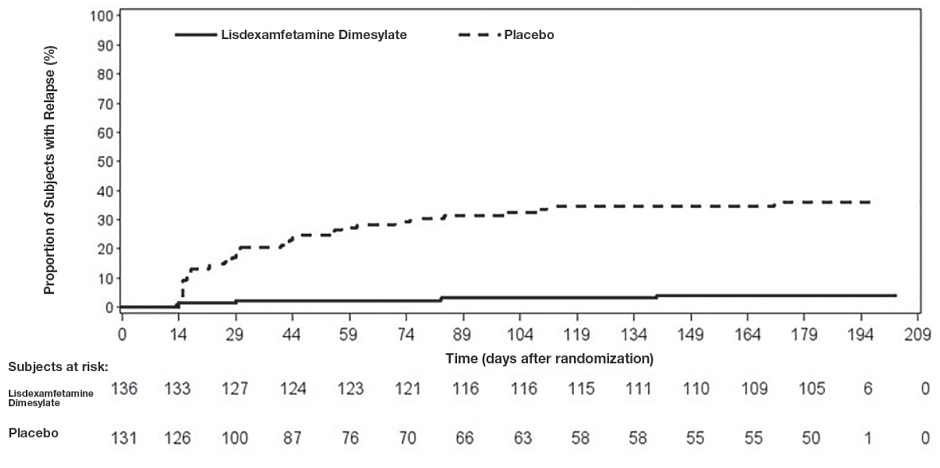
A line graph comparing the proportion of subjects with relapse over time following randomization for lisdexamfetamine dimesylate versus placebo. The x-axis shows time in days after randomization, and the y-axis represents the proportion of subjects with relapse in percentage. The graph includes a table below indicating the number of subjects at risk at various time points for both lisdexamfetamine dimesylate and placebo groups.*
FDA Label Image

Label (Lbl721622216)

Label (Lbl721622216)
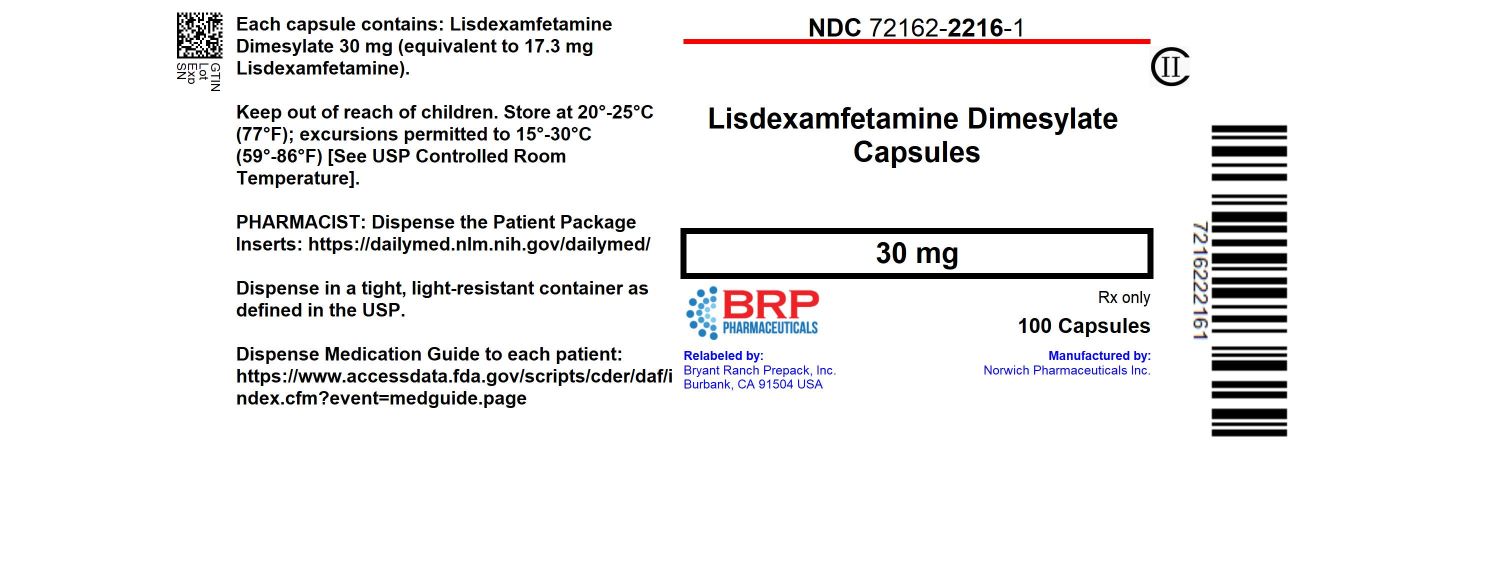
Lisdexamfetamine dimesylate 30 mg capsules label showing the active ingredient strength and quantity of 100 capsules. The label includes storage instructions, dispensing information, and a barcode. It is labeled by Bryant Ranch Prepack and manufactured by Norwich Pharmaceuticals Inc.*
FDA Label Image

Structure (Structure)

Structure (Structure)
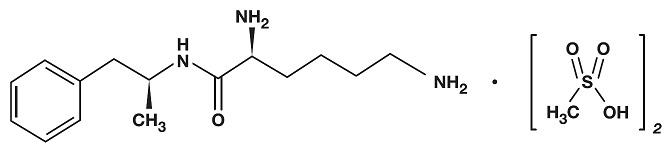
Chemical structure of lisdexamfetamine dimesylate, showing the molecular arrangement including the phenyl group, amide linkage, and two methanesulfonic acid molecules as dimesylate salt components.*

* About these descriptions: Image descriptions on this page are generated by automated AI analysis of the product label images from the manufacturer's FDA label submission (SPL). They are provided for reference only and may contain errors or omissions. Always rely on the printed label itself and the official FDA labeling, and consult a pharmacist or healthcare professional with any questions about this product.