Dosage Adjustments in Patients with Severe Chronic Neutropenia
Chronic daily administration is required to maintain clinical benefit. Individualize the dosage based on the patient's clinical course as well as ANC. In the SCN postmarketing surveillance study, the reported median daily doses of filgrastim were: 6 mcg/kg (congenital neutropenia), 2.1 mcg/kg (cyclic neutropenia), and 1.2 mcg/kg (idiopathic neutropenia). In rare instances, patients with congenital neutropenia have required doses of filgrastim greater than or equal to 100 mcg/kg/day.
Monitor CBCs for Dosage Adjustments
During the initial 4 weeks of NYPOZI therapy and during the 2 weeks following any dosage adjustment‚ monitor CBCs with differential and platelet counts. Once a patient is clinically stable‚ monitor CBCs with differential and platelet counts monthly during the first year of treatment. Thereafter, if the patient is clinically stable, less frequent routine monitoring is recommended.
Subcutaneous Injection
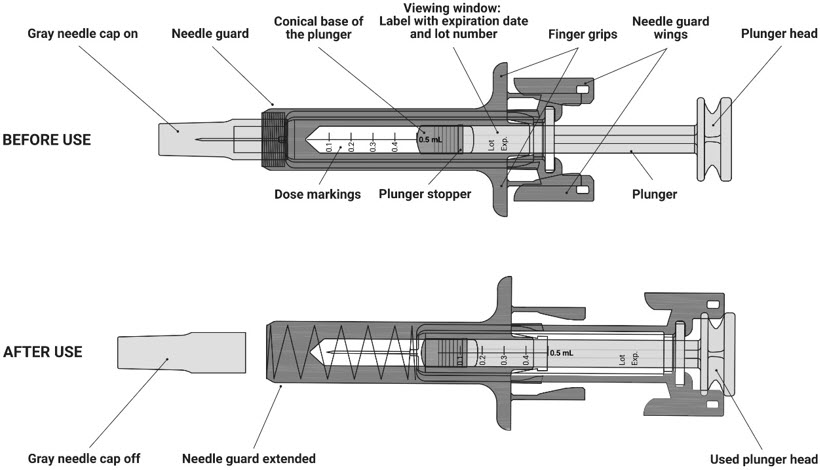
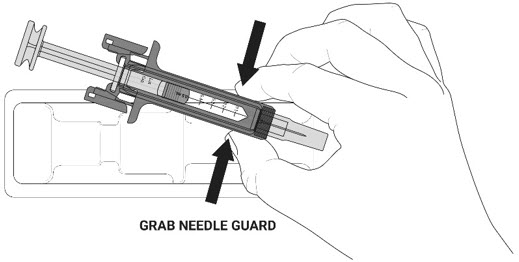
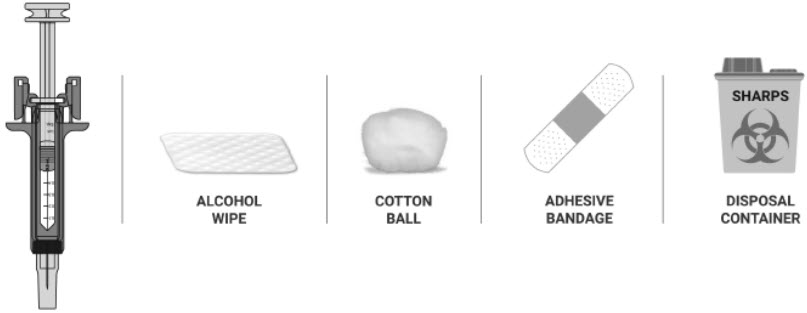
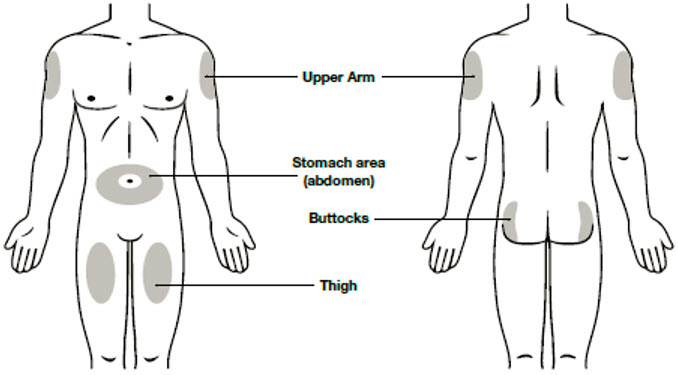
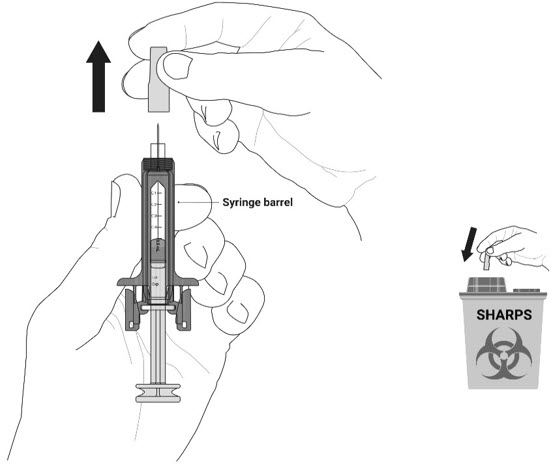
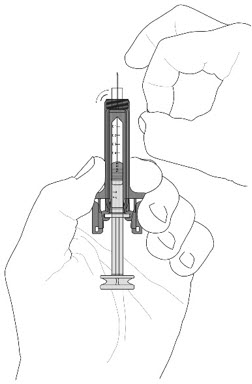
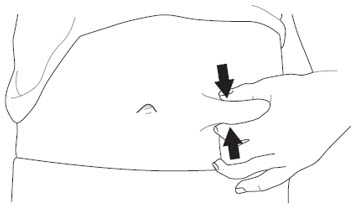
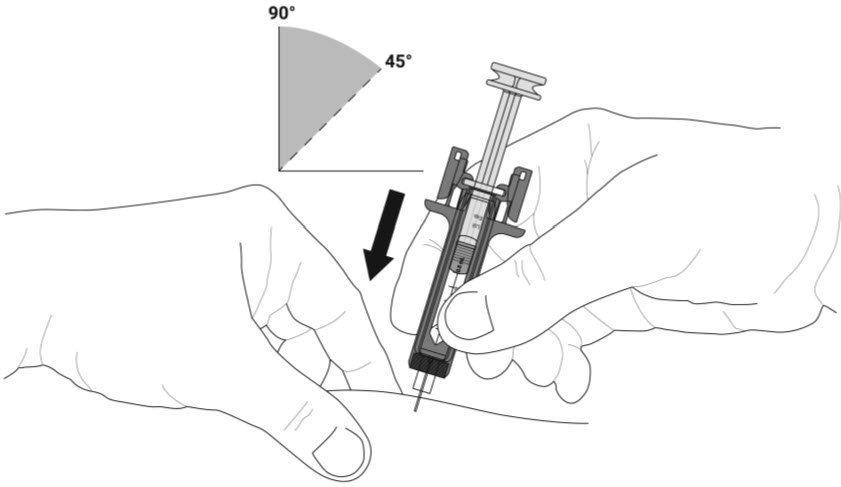
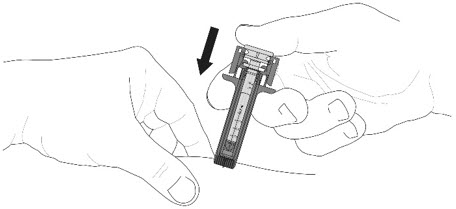
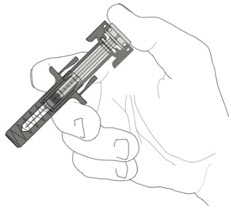
Inject NYPOZI subcutaneously in the outer area of upper arms, abdomen, thighs, or upper outer areas of the buttock. If patients or caregivers are to administer NYPOZI, instruct them in appropriate injection technique and ask them to follow the subcutaneous injection procedures in the Instructions for Use for the prefilled syringe [see Patient Counseling Information (17)].
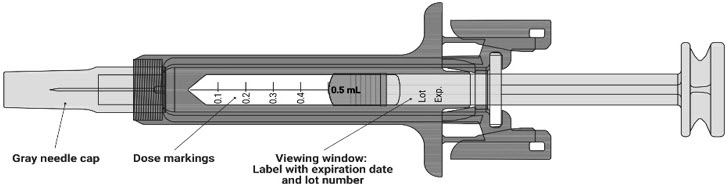
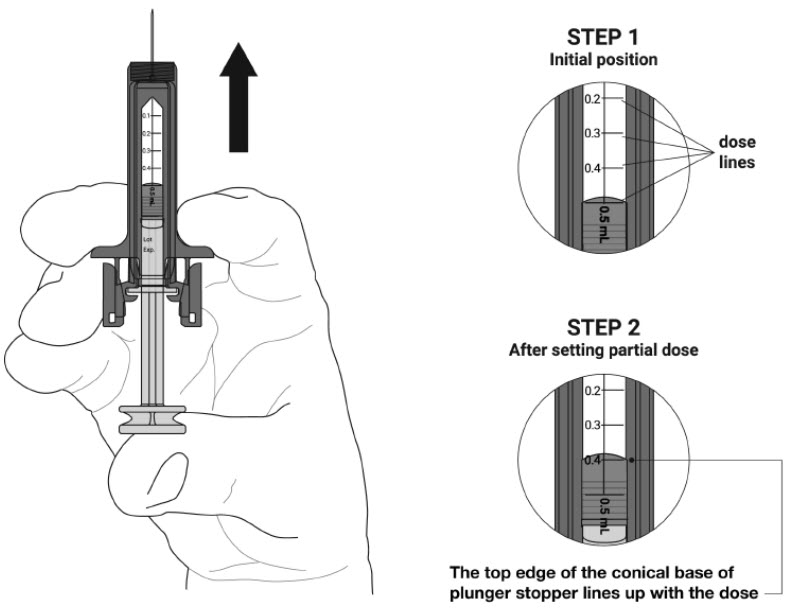
Training by a healthcare professional should aim to demonstrate to those patients and caregivers how to measure the dose using the prefilled syringe, and the focus should be on ensuring that a patient or caregiver can successfully perform all of the steps in the Instructions for Use for the NYPOZI prefilled syringe with BD UltraSafe Passive™ Needle Guard. If a patient or caregiver is not able to demonstrate that they can measure the dose and administer the product successfully, you should consider whether the patient is an appropriate candidate for self-administration of NYPOZI.
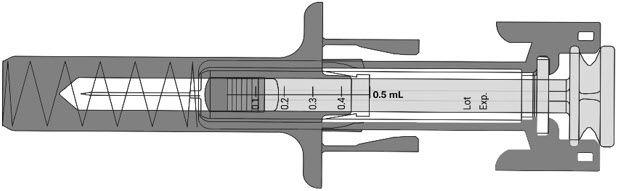
NYPOZI prefilled syringe with BD UltraSafe Passive™ Needle Guard is not designed to allow for direct administration of doses of less than 0.3 mL (180 mcg). The spring-mechanism of the needle guard apparatus affixed to the prefilled syringe interferes with the visibility of the graduation markings on the syringe barrel corresponding to 0.1 mL and 0.2 mL. The visibility of these markings is necessary to accurately measure doses of NYPOZI less than 0.3 mL (180 mcg) for direct administration to patients. Thus, the direct administration to patients requiring doses of less than 0.3 mL (180 mcg) is not recommended due to the potential for dosing errors.
Dilution
If required for intravenous administration, NYPOZI may be diluted in 5% Dextrose Injection to a concentration of 15 mcg/mL. NYPOZI diluted to 15 mcg/mL should be protected from adsorption to plastic materials by the addition of Albumin (Human) to a final concentration of 2 mg/mL. When diluted in 5% Dextrose plus Albumin (Human), NYPOZI is compatible with polyvinylchloride and polyolefin.
Do not dilute with Sodium Chloride Injection at any time, because the product may precipitate.
Diluted NYPOZI solution can be stored at room temperature for up to 14 hours. This 14 hour time period includes the time during room temperature storage of the infusion solution and the duration of the infusion.
If the patient or caregiver misses a dose of NYPOZI, instruct them to contact their healthcare provider.
Patients with Severe Chronic Neutropenia
Confirm the diagnosis of SCN before initiating NYPOZI therapy.
MDS and AML have been reported to occur in the natural history of congenital neutropenia without cytokine therapy. Cytogenetic abnormalities, transformation to MDS, and AML have also been observed in patients treated with filgrastim products for SCN. Based on available data including a postmarketing surveillance study, the risk of developing MDS and AML appears to be confined to the subset of patients with congenital neutropenia. Abnormal cytogenetics and MDS have been associated with the eventual development of myeloid leukemia. The effect of filgrastim products on the development of abnormal cytogenetics and the effect of continued filgrastim products administration in patients with abnormal cytogenetics or MDS are unknown. Monitor patients for signs and symptoms of MDS/AML in these settings. If a patient with SCN develops abnormal cytogenetics or myelodysplasia‚ the risks and benefits of continuing NYPOZI should be carefully considered.
Patients with Breast and Lung Cancer
MDS and AML have been associated with the use of filgrastim products in conjunction with chemotherapy and/or radiotherapy in patients with breast and lung cancer. Monitor patients for signs and symptoms of MDS/AML in these settings.
Patients with Cancer Receiving Myelosuppressive Chemotherapy
White blood cell counts of 100‚000/mm3 or greater were observed in approximately 2% of patients receiving filgrastim at dosages above 5 mcg/kg/day. In patients with cancer receiving NYPOZI as an adjunct to myelosuppressive chemotherapy‚ to avoid the potential risks of excessive leukocytosis‚ it is recommended that NYPOZI therapy be discontinued if the ANC surpasses 10‚000/mm3 after the chemotherapy-induced ANC nadir has occurred. Monitor CBCs at least twice weekly during therapy. Dosages of NYPOZI that increase the ANC beyond 10‚000/mm3 may not result in any additional clinical benefit. In patients with cancer receiving myelosuppressive chemotherapy‚ discontinuation of filgrastim therapy usually resulted in a 50% decrease in circulating neutrophils within 1 to 2 days‚ with a return to pretreatment levels in 1 to 7 days.
Peripheral Blood Progenitor Cell Collection and Therapy
During the period of administration of NYPOZI for PBPC mobilization in patients with cancer, discontinue NYPOZI if the leukocyte count rises to > 100,000/mm3.
Adverse Reactions in Patients with Cancer Receiving Myelosuppressive Chemotherapy
The following adverse reaction data in Table 2 are from three randomized, placebo-controlled studies in patients with:
- small cell lung cancer receiving standard dose chemotherapy with cyclophosphamide‚ doxorubicin‚ and etoposide (Study 1)
- small cell lung cancer receiving ifosfamide, doxorubicin‚ and etoposide (Study 2), and
- non-Hodgkin's lymphoma (NHL) receiving doxorubicin, cyclophosphamide, vindesine, bleomycin, methylprednisolone, and methotrexate ("ACVBP") or mitoxantrone, ifosfamide, mitoguazone, teniposide, methotrexate, folinic acid, methylprednisolone, and methotrexate ("VIM3") (Study 3).
A total of 451 patients were randomized to receive subcutaneous filgrastim 230 mcg/m2 (Study 1), 240 mcg/m2 (Study 2) or 4 or 5 mcg/kg/day (Study 3) (n = 294) or placebo (n = 157). The patients in these studies were median age 61 (range 29 to 78) years and 64% were male. The ethnicity was 95% Caucasian, 4% African American, and 1% Asian.
Table 2. Adverse Reactions in Patients with Cancer Receiving Myelosuppressive Chemotherapy (With ≥ 5% Higher Incidence in Filgrastim Compared to Placebo)System Organ Class
Preferred Term | Filgrastim
(N = 294) | Placebo
(N = 157) |
|---|
| Blood and lymphatic system disorders |
| Thrombocytopenia | 38% | 29% |
| Gastrointestinal disorders |
| Nausea | 43% | 32% |
| General disorders and administration site conditions |
| Pyrexia | 48% | 29% |
| Chest pain | 13% | 6% |
| Pain | 12% | 6% |
| Fatigue | 20% | 10% |
| Musculoskeletal and connective tissue disorders |
| Back pain | 15% | 8% |
| Arthralgia | 9% | 2% |
| Bone pain | 11% | 6% |
| Pain in extremity Percent difference (Filgrastim – Placebo) was 4%. | 7% | 3% |
| Nervous system disorders |
| Dizziness | 14% | 3% |
| Respiratory, thoracic and mediastinal disorders |
| Cough | 14% | 8% |
| Dyspnea | 13% | 8% |
| Skin and subcutaneous tissue disorders |
| Rash | 14% | 5% |
| Investigations |
| Blood lactate dehydrogenase increased | 6% | 1% |
| Blood alkaline phosphatase increased | 6% | 1% |
Adverse events with ≥ 5% higher incidence in filgrastim patients compared to placebo and associated with the sequelae of the underlying malignancy or cytotoxic chemotherapy delivered included anemia, constipation, diarrhea, oral pain, vomiting, asthenia, malaise, edema peripheral, hemoglobin decreased, decreased appetite, oropharyngeal pain, and alopecia.
Adverse Reactions in Patients with Acute Myeloid Leukemia
Adverse reaction data below are from a randomized, double-blind, placebo-controlled study in patients with AML (Study 4) who received an induction chemotherapy regimen of intravenous daunorubicin days 1, 2, and 3; cytosine arabinoside days 1 to 7; and etoposide days 1 to 5 and up to 3 additional courses of therapy (induction 2, and consolidation 1, 2) of intravenous daunorubicin, cytosine arabinoside, and etoposide. The safety population included 518 patients randomized to receive either 5 mcg/kg/day filgrastim (n = 257) or placebo (n = 261). The median age was 54 (range 16 to 89) years and 54% were male.
Adverse reactions with ≥ 2% higher incidence in filgrastim patients compared to placebo included epistaxis, back pain, pain in extremity, erythema, and rash maculo-papular.
Adverse events with ≥ 2% higher incidence in filgrastim patients compared to placebo and associated with the sequelae of the underlying malignancy or cytotoxic chemotherapy included diarrhea, constipation, and transfusion reaction.
Adverse Reactions in Patients with Cancer Undergoing Bone Marrow Transplantation
The following adverse reaction data are from one randomized, no treatment-controlled study in patients with acute lymphoblastic leukemia or lymphoblastic lymphoma receiving high-dose chemotherapy (cyclophosphamide or cytarabine, and melphalan) and total body irradiation (Study 5) and one randomized, no treatment-controlled study in patients with Hodgkin's disease (HD) and NHL undergoing high-dose chemotherapy and autologous bone marrow transplantation (Study 6). Patients receiving autologous bone marrow transplantation only were included in the analysis. A total of 100 patients received either 30 mcg/kg/day as a 4-hour infusion (Study 5) or 10 mcg/kg/day or 30 mcg/kg/day as a 24-hour infusion (Study 6) filgrastim (n = 72), no treatment control or placebo (n = 28). The median age was 30 (range 15 to 57) years, 57% were male.
Adverse reactions with ≥ 5% higher incidence in filgrastim patients compared to patients receiving no filgrastim included rash and hypersensitivity.
Adverse reactions in patients receiving intensive chemotherapy followed by autologous BMT with ≥ 5% higher incidence in filgrastim patients compared to patients receiving no filgrastim included thrombocytopenia, anemia, hypertension, sepsis, bronchitis, and insomnia.
Adverse Reactions in Patients with Cancer Undergoing Autologous Peripheral Blood Progenitor Cell Collection
The adverse reaction data in Table 3 are from a series of 7 trials in patients with cancer undergoing mobilization of autologous peripheral blood progenitor cells for collection by leukapheresis. Patients (n = 166) in all these trials underwent a similar mobilization/collection regimen: filgrastim was administered for 6 to 8 days‚ in most cases the apheresis procedure occurred on days 5‚ 6, and 7. The dosage of filgrastim ranged between 5 to 30 mcg/kg/day and was administered subcutaneously by injection or continuous infusion. The median age was 39 (range 15 to 67) years, and 48% were male.
Table 3. Adverse Reactions in Patients with Cancer Undergoing Autologous PBPC in the Mobilization Phase (≥ 5% Incidence in Filgrastim Patients)System Organ Class
Preferred Term | Mobilization Phase
(N = 166) |
|---|
| Musculoskeletal and connective tissue disorders |
| Bone pain | 30% |
| General disorders and administration site conditions |
| Pyrexia | 16% |
| Investigations |
| Blood alkaline phosphatase increased | 11% |
| Nervous system disorders |
| Headache | 10% |
Adverse Reactions in Patients with Severe Chronic Neutropenia
The following adverse reaction data were identified in a randomized, controlled study in patients with SCN receiving filgrastim (Study 7). 123 patients were randomized to a 4-month observation period followed by subcutaneous filgrastim treatment or immediate subcutaneous filgrastim treatment. The median age was 12 years (range 7 months to 76 years) and 46% were male. The dosage of filgrastim was determined by the category of neutropenia. Initial dosage of filgrastim:
- Idiopathic neutropenia: 3.6 mcg/kg/day
- Cyclic neutropenia: 6 mcg/kg/day
- Congenital neutropenia: 6 mcg/kg/day divided 2 times per day
The dosage was increased incrementally to 12 mcg/kg/day divided 2 times per day if there was no response.
Adverse reactions with ≥ 5% higher incidence in filgrastim patients compared to patients receiving no filgrastim included arthralgia, bone pain, back pain, muscle spasms, musculoskeletal pain, pain in extremity, splenomegaly, anemia, upper respiratory tract infection, and urinary tract infection (upper respiratory tract infection and urinary tract infection were higher in the filgrastim arm, total infection related events were lower in filgrastim treated patients), epistaxis, chest pain, diarrhea, hypoesthesia, and alopecia.
Risk Summary
Available data from published studies, including several observational studies of pregnancy outcomes in women exposed to filgrastim products and those who were unexposed, have not established an association with filgrastim products use during pregnancy and major birth defects, miscarriage, or adverse maternal or fetal outcomes (see Data). Reports in the scientific literature have described transplacental passage of filgrastim in pregnant women when administered ≤ 30 hours prior to preterm delivery (≤ 30 weeks gestation). In animal reproduction studies, effects of filgrastim on prenatal development have been studied in rats and rabbits. No malformations were observed in either species. No maternal or fetal effects were observed in pregnant rats at doses up to 58 times the human doses. Filgrastim has been shown to have adverse effects in pregnant rabbits at doses 2 to 10 times higher than the human doses (see Data).
The estimated background risk of major birth defects and miscarriage for the indicated population is unknown. All pregnancies have a background risk of birth defect, loss, or other adverse outcomes. In the U.S. general population, the estimated background risks of major birth defects and miscarriage in clinically recognized pregnancies is 2-4% and 15- 20%, respectively.
Data
Human Data
Several observational studies based on the Severe Chronic Neutropenia International Registry (SCNIR) described pregnancy outcomes in women with severe chronic neutropenia (SCN) who were exposed to filgrastim products during pregnancy and women with SCN who were unexposed. No major differences were seen between treated and untreated women with respect to pregnancy outcome (including miscarriage and preterm labor), newborn complications (including birth weight), and infections. Methodological limitations of these studies include small sample size and lack of generalizability due to the underlying maternal condition.
Animal Data
Effects of filgrastim on prenatal development have been studied in rats and rabbits. No malformations were observed in either species. Filgrastim has been shown to have adverse effects in pregnant rabbits at doses 2 to 10 times higher than the human doses. In pregnant rabbits showing signs of maternal toxicity, reduced embryo-fetal survival (at 20 and 80 mcg/kg/day) and increased abortions (at 80 mcg/kg/day) were observed. In pregnant rats, no maternal or fetal effects were observed at doses up to 575 mcg/kg/day, which is approximately 58 times higher than the human dose of 10 mcg/kg/day.
Offspring of rats administered filgrastim during the peri-natal and lactation periods exhibited a delay in external differentiation and growth retardation (≥ 20 mcg/kg/day) and slightly reduced survival rate (100 mcg/kg/day).
Risk Summary
There is published literature documenting transfer of filgrastim into human milk. There are a few case reports describing the use of filgrastim in breastfeeding mothers with no adverse effects noted in the infants. There are no data on the effects of filgrastim products on milk production. Other filgrastim products are secreted poorly into breast milk, and filgrastim products are not absorbed orally by neonates. The developmental and health benefits of breastfeeding should be considered along with the mother's clinical need for NYPOZI and any potential adverse effects on the breastfed child from NYPOZI or from the underlying maternal condition.
Specific Populations
Patients Acutely Exposed to Myelosuppressive Doses of Radiation
The pharmacokinetics of filgrastim products is not available in patients acutely exposed to myelosuppressive doses of radiation. Based on limited pharmacokinetics data in irradiated non-human primates, the area under the time-concentration curve (AUC), reflecting the exposure to filgrastim in non-human primates at 10 mcg/kg dose of filgrastim, appears to be similar to that in humans at 5 mcg/kg. Simulations conducted using the population pharmacokinetic model indicates that the exposures to filgrastim at a filgrastim dose of 10 mcg/kg in patients acutely exposed to myelosuppressive doses of radiation are expected to exceed the exposures at a dose of 10 mcg/kg in irradiated non-human primates.
Pediatric Patients: The pharmacokinetics of filgrastim in pediatric patients after chemotherapy are similar to those in adult patients receiving the same weight-normalized doses, suggesting no age-related differences in the pharmacokinetics of filgrastim products [see Use in Specific Populations (8.4)].
Renal Impairment: In a study with healthy volunteers, subjects with moderate renal impairment, and subjects with end stage renal disease (n=4 per group), higher serum concentrations were observed in subjects with end-stage renal disease. However, dose adjustment in patients with renal impairment is not necessary.
Hepatic Impairment: Pharmacokinetics and pharmacodynamics of filgrastim are similar between subjects with hepatic impairment and healthy subjects (n = 12/group). The study included 10 subjects with mild hepatic impairment (Child-Pugh Class A) and 2 subjects with moderate hepatic impairment (Child-Pugh Class B). Therefore, NYPOZI dose adjustment in patients with hepatic impairment is not necessary.
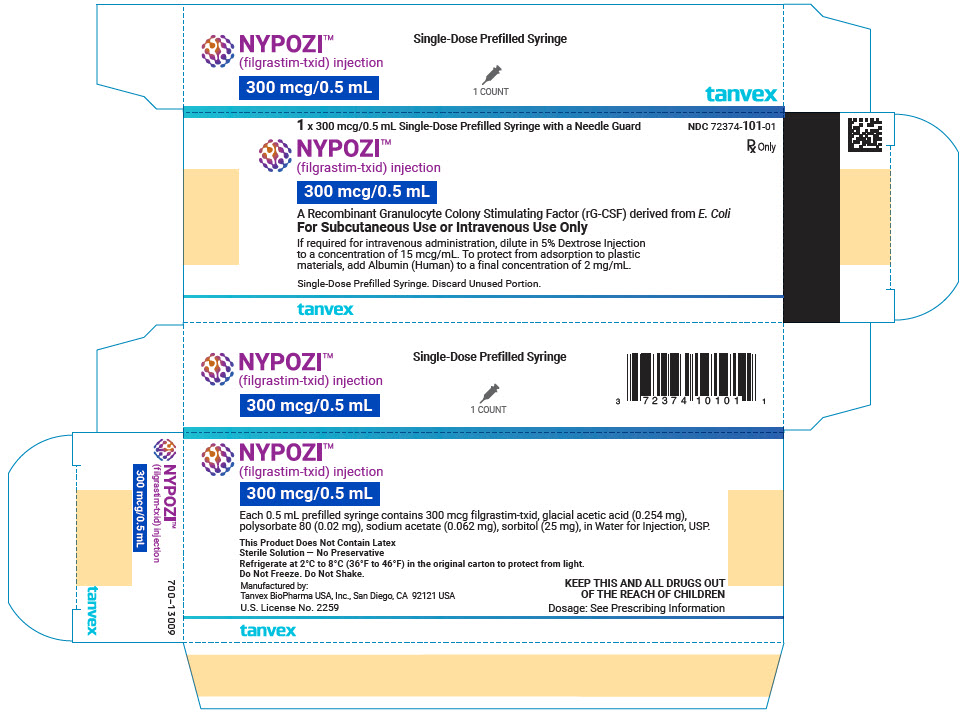
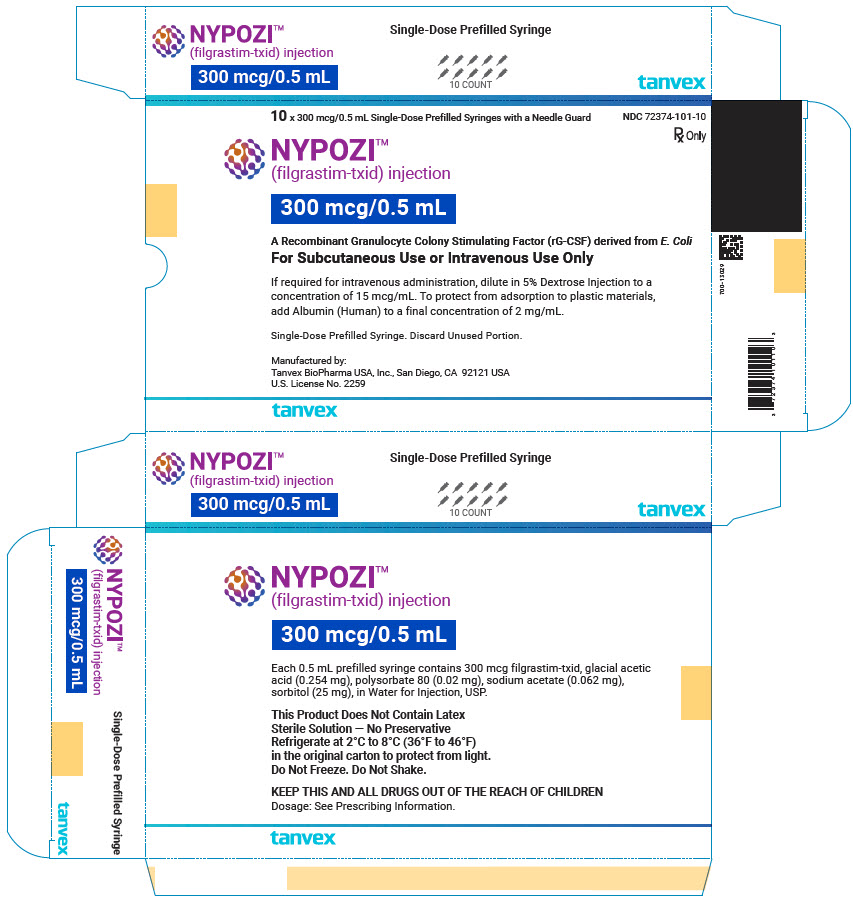
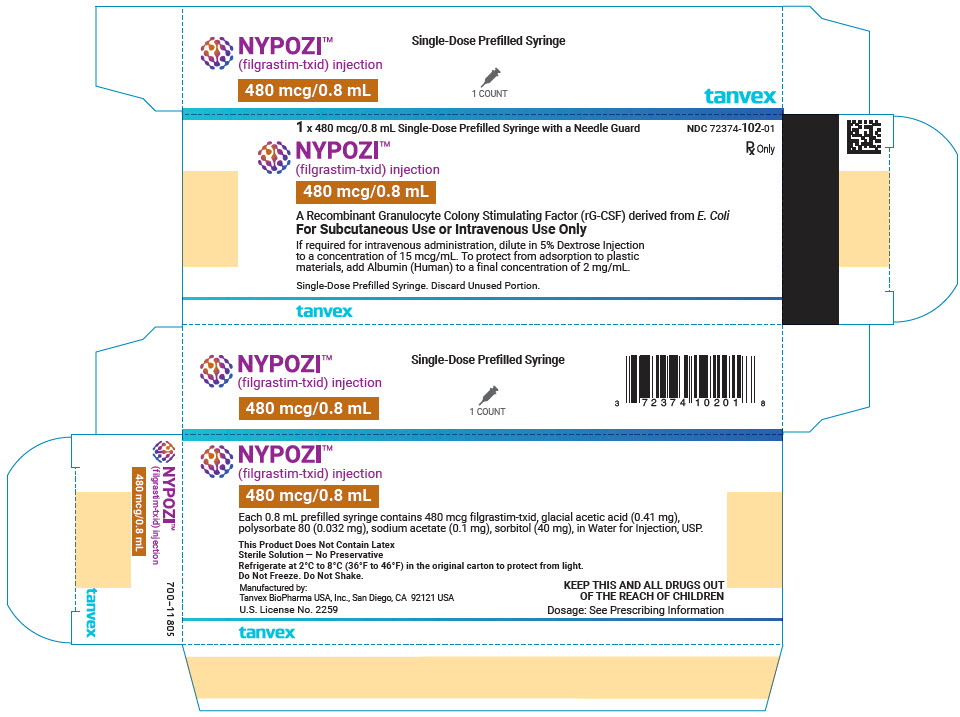
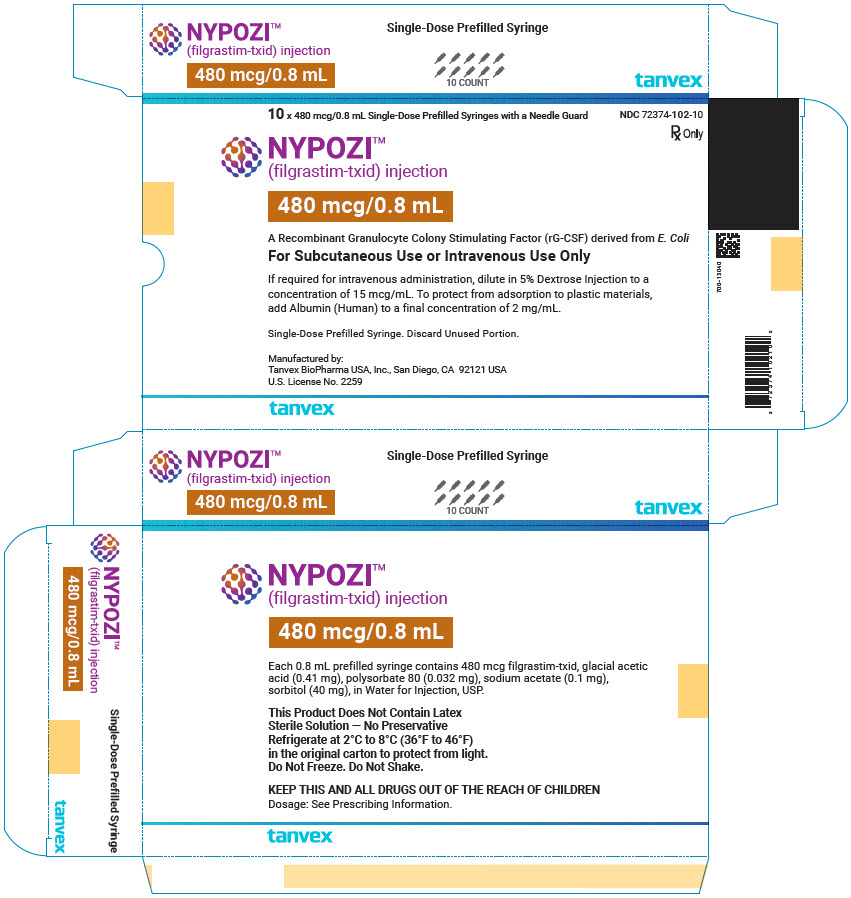
NYPOZI™ (filgrastim-txid)
NYPOZI is a trademark of Tanvex BioPharma USA, Inc.
Manufactured by:
Tanvex BioPharma USA, Inc,
10394 Pacific Center Court
San Diego, CA 92121
US License No. 2259