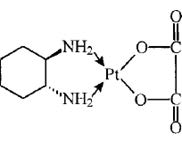
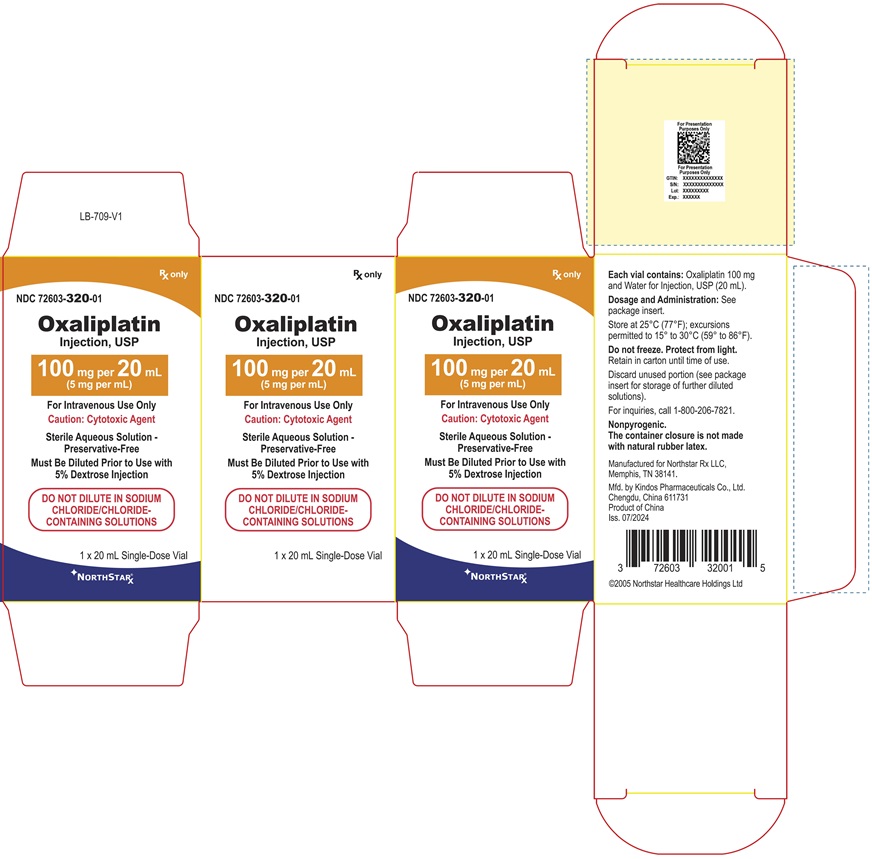
Day 1
Administer oxaliplatin injection 85 mg/m2 as an intravenous infusion over 120 minutes and leucovorin 200 mg/m2 as an intravenous infusion over 120 minutes at the same time in separate bags, followed by fluorouracil 400 mg/m2 as intravenous bolus over 2-4 minutes, followed by fluorouracil 600 mg/m2 as a 22-hour continuous infusion.
Day 2
Administer leucovorin 200 mg/m2 as an intravenous infusion over 120 minutes, followed by fluorouracil 400 mg/m2 as intravenous bolus over 2-4 minutes, followed by fluorouracil 600 mg/m2 as a 22-hour continuous infusion.
Refer to the prescribing information for fluorouracil and leucovorin for additional information.
Dosage Modifications for Adjuvant Treatment
Dosage modifications for adverse reactions for adjuvant treatment are presented in Table 1.
Table 1: Dosage Modifications for Adjuvant Treatment in Patients with Stage III Colon Cancer | Adverse Reactions | Severity | Oxaliplatin Injection Dosage Modifications |
| Peripheral Sensory Neuropathy [see Warnings and Precautions (5.2)] | Persistent Grade 2 | Consider reducing oxaliplatin injection dose to 75 mg/m2. |
| Persistent Grade 3 | Consider discontinuing oxaliplatin injection. |
| Grade 4 | Discontinue oxaliplatin injection. |
| Myelosuppression [see Warnings and Precautions (5.3), Adverse Reactions (6.1)]. | Grade 4 neutropenia or febrile neutropenia | Delay the next dose until neutrophils greater than or equal to 1.5 × 10⁹/L and platelets greater than or equal to 75 × 109/L. Reduce oxaliplatin injection dose to 75 mg/m2. |
| Grade 3 to 4 thrombocytopenia |
| Gastrointestinal Adverse Reactions [see Adverse Reactions (6.1)] | Grade 3 to 4 | After recovery, reduce oxaliplatin injection dose to 75 mg/m2 along with a dose reduction of fluorouracil to 300 mg/m2 as an intravenous bolus and 500 mg/m2 as a 22-hour continuous infusion. |
Dosage Modifications for Advanced Colorectal Cancer
Dosage modifications for adverse reactions for advanced colorectal cancer are presented in Table 2.
Table 2: Dosage Modifications for Advanced Colorectal Cancer | Adverse Reactions | Severity | Oxaliplatin Injection Dosage Modifications |
| Neuropathy [see Warnings and Precautions (5.2)] | Persistent Grade 2 | Consider reducing oxaliplatin injection dose to 65 mg/m2. |
| Persistent Grade 3 | Consider discontinuing oxaliplatin injection. |
| Grade 4 | Discontinue oxaliplatin injection. |
Myelosuppression
[see Warnings and Precautions (5.3), Adverse Reactions (6.1)] | Grade 4 neutropenia or febrile neutropenia | Delay the next dose until neutrophils greater than or equal to 1.5 × 10⁹/L and platelets greater than or equal to 75 × 109/L.
Reduce oxaliplatin injection dose to 65 mg/m2. |
| Grade 3 to 4 thrombocytopenia |
| Gastrointestinal Adverse Reactions [see Adverse Reactions (6.1)] | Grade 3 to 4 | After recovery, reduce oxaliplatin injection dose to 65 mg/m2 along with a dose reduction of fluorouracil to 300 mg/m2 as an intravenous bolus and 500 mg/m2 as a 22-hour continuous infusion. |
Acute Neuropathy
Acute neuropathy typically presents as a reversible, primarily peripheral sensory neuropathy that occurs within hours or 2 days following a dose, resolves within 14 days, and frequently recurs with further dosing. The symptoms can be precipitated or exacerbated by exposure to cold temperature or cold objects and they usually present as transient paresthesia, dysesthesia and hypoesthesia in the hands, feet, perioral area, or throat. Jaw spasm, abnormal tongue sensation, dysarthria, eye pain, and a feeling of chest pressure have also been observed. The acute, reversible pattern of sensory neuropathy was observed in about 56% of patients who received oxaliplatin with fluorouracil/leucovorin. In any individual cycle, acute neuropathy occurred in approximately 30% of patients. For grade 3 peripheral sensory neuropathy, the median time to onset was 9 cycles for adjuvant treatment and 6 cycles for previously treated advanced colorectal cancer.
An acute syndrome of pharyngolaryngeal dysesthesia occurred in 1% to 2% (grade 3 to 4) of patients previously untreated for advanced colorectal cancer. Subjective sensations of dysphagia or dyspnea, without any laryngospasm or bronchospasm (no stridor or wheezing) occurred in patients previously treated for advanced colorectal cancer.
Avoid topical application of ice for mucositis prophylaxis or other conditions, because cold temperature can exacerbate acute neurological symptoms.
Delayed Neuropathy
Delayed neuropathy typically presents as a persistent (greater than 14 days), primarily peripheral sensory neuropathy that is usually characterized by paresthesias, dysesthesias, and hypoesthesias, but may also include deficits in proprioception that can interfere with daily activities (e.g., writing, buttoning, swallowing, and difficulty walking from impaired proprioception). These forms of neuropathy occurred in 48% of patients receiving oxaliplatin. Delayed neuropathy can occur without any prior acute neuropathy. Most patients (80%) who developed grade 3 persistent neuropathy progressed from prior grade 1 or 2 reactions. These symptoms may improve in some patients upon discontinuation of oxaliplatin.
Adjuvant treatment
In the adjuvant treatment trial, neuropathy was graded using NCI CTC, version 1 as summarized in Table 3.
Table 3: Grading for Neuropathy in Adjuvant Treatment Trial | Grade | Definition |
| 0 | No change or none |
| 1 | Mild paresthesias, loss of deep tendon reflexes |
| 2 | Mild or moderate objective sensory loss, moderate paresthesias |
| 3 | Severe objective sensory loss or paresthesias that interfere with function |
| 4 | Not applicable |
Peripheral sensory neuropathy occurred in 92% of patients (all grades), including 13% of patients (grade 3) who received oxaliplatin with fluorouracil/leucovorin. At the 28-day follow-up after the last treatment cycle, 60% of patients had any grade (grade 1=40%, grade 2=16%, grade 3=5%) peripheral sensory neuropathy, decreasing to 39% at 6 months of follow-up (grade 1=31%, grade 2=7%, grade 3=1%) and 21% at 18 months of follow-up (grade 1=17%, grade 2=3%, grade 3=1%).
Advanced colorectal cancer
In the advanced colorectal cancer trials, neuropathy was graded using the neurotoxicity scale summarized in Table 4.
Table 4: Grading for Neuropathy in Advanced Colorectal Cancer Trials | Grade | Definition |
| 1 | Resolved and did not interfere with functioning |
| 2 | Interfered with function but not daily activities |
| 3 | Pain or functional impairment that interfered with daily activities |
| 4 | Persistent impairment that is disabling or life-threatening |
Neuropathy occurred in 82% (all grades) of patients previously untreated for advanced colorectal cancer, including 19% grade 3 to 4; and in 74% (all grades) of patients previously treated for advanced colorectal cancer, including 7% grade 3 to 4.
Adjuvant Treatment
The safety of oxaliplatin in combination with fluorouracil (FU)/leucovorin (LV) was evaluated in patients with stage II or III colon cancer, who had undergone complete resection of the primary tumor in the adjuvant treatment trial [see Clinical Studies (14.1)].
Fatal adverse reactions in patients who received oxaliplatin in the combination arm included sepsis/neutropenic sepsis (n=3), intracerebral hemorrhage (n=2), and eosinophilic pneumonia (n=1).
Thromboembolic events occurred in 6% (grade 3 to 4, 1.2%) of patients in the oxaliplatin arm.
Grade 3 or 4 adverse reactions occurred in 70% of patients in the oxaliplatin arm. Grade 3 to 4 gastrointestinal bleeding occurred in 0.2% of patients. Febrile neutropenia occurred in 0.7% and documented infection with concomitant grade 3 to 4 neutropenia occurred in 1.1%.
Discontinuation due to an adverse reaction occurred in 15% of the patients in the oxaliplatin arm.
Tables 5, 6, and 7 summarize the adverse reactions reported in patients with colon cancer receiving adjuvant treatment.
Table 5: Adverse Reactions Reported in Patients with Colon Cancer Receiving Adjuvant Treatment (greater than or equal to 5% of all patients and with greater than or equal to 1% grade 3 to 4) |
|
| Adverse Reaction* | Oxaliplatin + FU/LV
N=1108 | FU/LV
N=1111 |
All Grades
(%) | Grade 3 to 4
(%) | All Grades
(%) | Grade 3 to 4
(%) |
| Neurology |
| Peripheral Sensory Neuropathy | 92 | 12 | 16 | <1 |
| Gastrointestinal |
| Nausea | 74 | 5 | 61 | 2 |
| Diarrhea | 56 | 11 | 48 | 7 |
| Vomiting | 47 | 6 | 24 | 1 |
| Stomatitis | 42 | 3 | 40 | 2 |
| Anorexia | 13 | 1 | 8 | <1 |
| Constitutional Symptoms/Pain |
| Fatigue | 44 | 4 | 38 | 1 |
| Abdominal Pain | 18 | 1 | 17 | 2 |
| Dermatology/Skin |
| Skin Disorder | 32 | 2 | 36 | 2 |
| Injection Site Reaction† | 11 | 3 | 10 | 3 |
| Fever/Infection |
| Fever | 27 | 1 | 12 | 1 |
| Infection | 25 | 4 | 25 | 3 |
| Allergy/Immunology |
| Allergic Reaction | 10 | 3 | 2 | <1 |
Table 6: Adverse Reactions Reported in Patients with Colon Cancer Receiving Adjuvant Treatment (greater than or equal to 5% of all patients but with less than 1% grade 3 to 4) |
|
| Adverse Reaction* | Oxaliplatin + FU/LV
N=1108 | FU/LV
N=1111 |
All Grades
(%) | All Grades
(%) |
| Dermatology/Skin |
| Alopecia† | 30 | 28 |
| Gastrointestinal |
| Constipation | 22 | 19 |
| Taste Perversion | 12 | 8 |
| Dyspepsia | 8 | 5 |
| Constitutional Symptoms/Pain/Ocular/Visual |
| Epistaxis | 16 | 12 |
| Weight Increase | 10 | 10 |
| Conjunctivitis | 9 | 15 |
| Headache | 7 | 5 |
| Dyspnea | 5 | 3 |
| Pain | 5 | 5 |
| Abnormal Lacrimation | 4 | 12 |
| Neurology |
| Sensory Disturbance | 8 | 1 |
| Allergy/Immunology |
| Rhinitis | 6 | 8 |
In females, the following grade 3 to 4 adverse reactions were more frequent: diarrhea, fatigue, neutropenia, nausea, and vomiting.
In patients greater than or equal to 65 years old, the incidence of grade 3 to 4 diarrhea and neutropenia was higher than in younger adults.
Clinically relevant adverse reactions were reported in greater than or equal to 2% and less than 5% of the patients in the oxaliplatin arm (listed in decreasing order of frequency) were pain, leukopenia, weight loss, and cough.
Table 7: Laboratory-Related Adverse Reactions Occurring in ≥5% of Patients with Colon Cancer Receiving Adjuvant Treatment Laboratory-Related
Adverse Reaction | Oxaliplatin with FU/LV
N=1108 | FU/LV
N=1111 |
All Grades
(%) | Grades 3 to 4
(%) | All Grades
(%) | Grades 3 to 4
(%) |
| Hematology | | | | |
| Neutropenia | 79 | 41 | 40 | 5 |
| Thrombocytopenia | 77 | 2 | 19 | <1 |
| Anemia | 76 | 1 | 67 | <1 |
| Hepatic | | | | |
| Increased Transaminases | 57 | 2 | 34 | 1 |
| Increased Alkaline Phosphatase | 42 | <1 | 20 | <1 |
| Hyperbilirubinemia | 20 | 4 | 20 | 5 |
Previously Untreated Advanced Colorectal Cancer
The safety of oxaliplatin in combination with fluorouracil (FU)/leucovorin (LV) was evaluated in a randomized trial of patients with previously untreated advanced colorectal cancer [see Clinical Studies (14.2)]. The adverse reaction profile in this trial was similar to that seen in other trials.
Tables 8, 9, and 10 summarize the adverse reactions reported in the previously untreated advanced colorectal cancer trial.
Table 8: Adverse Reactions Reported in Patients in the Previously Untreated Advanced Colorectal Cancer Clinical Trial (greater than or equal to 5% of all patients and with greater than or equal to 1% grade 3 to 4) |
|
|
| Adverse Reaction* | Oxaliplatin +
FU/LV
N=259 | Irinotecan +
FU/LV
N=256 | Oxaliplatin +
Irinotecan
N=258 |
All
Grades
(%) | Grades
3 to 4
(%) | All
Grades
(%) | Grades
3 to 4
(%) | All
Grades
(%) | Grades
3 to 4
(%) |
| Neurology |
| Neuropathy | 82 | 19 | 18 | 2 | 69 | 7 |
| Paresthesias | 77 | 18 | 16 | 2 | 62 | 6 |
| Pharyngo-laryngeal Dysesthesias | 38 | 2 | 1 | 0 | 28 | 1 |
| Neuro-sensory | 12 | 1 | 2 | 0 | 9 | 1 |
| Neuro NOS† | 1 | 0 | 1 | 0 | 1 | 0 |
| Gastrointestinal |
| Nausea | 71 | 6 | 67 | 15 | 83 | 19 |
| Diarrhea | 56 | 12 | 65 | 29 | 76 | 25 |
| Vomiting | 41 | 4 | 43 | 13 | 64 | 23 |
| Stomatitis | 38 | 0 | 25 | 1 | 19 | 1 |
| Anorexia | 35 | 2 | 25 | 4 | 27 | 5 |
| Constipation | 32 | 4 | 27 | 2 | 21 | 2 |
| Diarrhea-colostomy | 13 | 2 | 16 | 7 | 16 | 3 |
| Gastrointestinal NOS† | 5 | 2 | 4 | 2 | 3 | 2 |
| Constitutional Symptoms/Pain/Ocular/Visual |
| Fatigue | 70 | 7 | 58 | 11 | 66 | 16 |
| Abdominal Pain | 29 | 8 | 31 | 7 | 39 | 10 |
| Myalgia | 14 | 2 | 6 | 0 | 9 | 2 |
| Pain | 7 | 1 | 5 | 1 | 6 | 1 |
| Abnormal Vision | 5 | 0 | 2 | 1 | 6 | 1 |
| Neuralgia | 5 | 0 | 0 | 0 | 2 | 1 |
| Pulmonary |
| Cough | 35 | 1 | 25 | 2 | 17 | 1 |
| Dyspnea | 18 | 7 | 14 | 3 | 11 | 2 |
| Hiccups | 5 | 1 | 2 | 0 | 3 | 2 |
| Hepatic/Metabolic/Laboratory/Renal |
| Hyperglycemia | 14 | 2 | 11 | 3 | 12 | 3 |
| Hypokalemia | 11 | 3 | 7 | 4 | 6 | 2 |
| Dehydration | 9 | 5 | 16 | 11 | 14 | 7 |
| Hypoalbuminemia | 8 | 0 | 5 | 2 | 9 | 1 |
| Hyponatremia | 8 | 2 | 7 | 4 | 4 | 1 |
| Urinary Frequency | 5 | 1 | 2 | 1 | 3 | 1 |
| Hematology/Infection |
| Infection Normal ANC‡ | 10 | 4 | 5 | 1 | 7 | 2 |
| Infection Low ANC‡ | 8 | 8 | 12 | 11 | 9 | 8 |
| Lymphopenia | 6 | 2 | 4 | 1 | 5 | 2 |
| Febrile Neutropenia | 4 | 4 | 15 | 14 | 12 | 11 |
| Dermatology/Skin |
| Hand/Foot Syndrome | 7 | 1 | 2 | 1 | 1 | 0 |
| Injection Site Reaction | 6 | 0 | 1 | 0 | 4 | 1 |
| Cardiovascular |
| Thrombosis | 6 | 5 | 6 | 6 | 3 | 3 |
| Hypotension | 5 | 3 | 6 | 3 | 4 | 3 |
Table 9: Adverse Reactions Reported in Patients in the Previously Untreated Advanced Colorectal Cancer Clinical Trial (greater than or equal to 5% of all patients but with less than 1% grade 3 to 4) |
|
|
| Adverse Reaction* | Oxaliplatin +
FU/LV
N=259 | Irinotecan +
FU/LV
N=256 | Oxaliplatin +
Irinotecan
N=258 |
All Grades
(%) | All Grades
(%) | All Grades
(%) |
| Dermatology/Skin |
| Alopecia† | 38 | 44 | 67 |
| Flushing | 7 | 2 | 5 |
| Pruritus | 6 | 4 | 2 |
| Dry Skin | 6 | 2 | 5 |
| Hematology/Infection |
| Fever Normal ANC‡ | 16 | 9 | 9 |
| Cardiovascular |
| Edema | 15 | 13 | 10 |
| Gastrointestinal |
| Taste Perversion | 14 | 6 | 8 |
| Dyspepsia | 12 | 7 | 5 |
| Flatulence | 9 | 6 | 5 |
| Mouth Dryness | 5 | 2 | 3 |
| Constitutional Symptoms/Pain/Ocular/Visual |
| Headache | 13 | 6 | 9 |
| Weight Loss | 11 | 9 | 11 |
| Epistaxis | 10 | 2 | 2 |
| Tearing | 9 | 1 | 2 |
| Rigors | 8 | 2 | 7 |
| Dysphasia | 5 | 3 | 3 |
| Sweating | 5 | 6 | 12 |
| Arthralgia | 5 | 5 | 8 |
| Neurology |
| Insomnia | 13 | 9 | 11 |
| Depression | 9 | 5 | 7 |
| Dizziness | 8 | 6 | 10 |
| Anxiety | 5 | 2 | 6 |
| Allergy/Immunology |
| Rash | 11 | 4 | 7 |
| Rhinitis Allergic | 10 | 6 | 6 |
| Hepatic/Metabolic/Laboratory/Renal |
| Hypocalcemia | 7 | 5 | 4 |
| Elevated Creatinine | 4 | 4 | 5 |
Clinically relevant adverse reactions that occurred in greater than or equal to 2% and less than 5% of the patients in the oxaliplatin and fluorouracil/leucovorin combination arm (listed in decreasing order of frequency) were: metabolic, pneumonitis, catheter infection, vertigo, prothrombin time, pulmonary, rectal bleeding, dysuria, nail changes, chest pain, rectal pain, syncope, hypertension, hypoxia, unknown infection, bone pain, pigmentation changes, and urticaria.
Table 10: Laboratory-Related Adverse Reactions Occurring in ≥5% of Patients in the Previously Untreated Advanced Colorectal Cancer Trial |
|
Laboratory-Related
Adverse Reaction | Oxaliplatin and FU/LV
N=259 | Irinotecan and FU/LV
N=256 | Oxaliplatin and Irinotecan
N=258 |
All
Grades
(%) | Grades
3 to 4
(%) | All
Grades
(%) | Grades
3 to 4
(%) | All
Grades
(%) | Grades
3 to 4
(%) |
| Hematology | | | | | | |
| Leukopenia | 85 | 20 | 84 | 23 | 76 | 24 |
| Neutropenia | 81 | 53 | 77 | 44 | 71 | 36 |
| Thrombocytopenia | 71 | 5 | 26 | 2 | 44 | 4 |
| Anemia | 27 | 3 | 28 | 4 | 25 | 3 |
| Hepatic |
| Increased AST* | 17 | 1 | 2 | 1 | 11 | 1 |
| Increased Alkaline Phosphatase | 16 | 0 | 8 | 0 | 14 | 2 |
| Hyperbilirubinemia | 6 | 1 | 3 | 1 | 3 | 2 |
| Increased ALT† | 6 | 1 | 2 | 0 | 5 | 2 |
Previously Treated Advanced Colorectal Cancer
The safety of oxaliplatin in combination with fluorouracil (FU)/leucovorin (LV) was evaluated in a randomized trial in patients with refractory and relapsed colorectal cancer [see Clinical Studies (14.3)]. The adverse reaction profile in this trial was similar to that seen in other trials.
Three patients who received oxaliplatin in the combination arm experienced fatal adverse reactions: gastrointestinal bleeding and dehydration.
Grade 3 and 4 neutropenia were reported in 27% and 17% of patients, respectively, in the oxaliplatin with fluorouracil/leucovorin combination arm. Grade 3 to 4 increased serum creatinine occurred in 1% of patients in the oxaliplatin with combination fluorouracil/leucovorin arm.
Thirteen percent of patients in the oxaliplatin with fluorouracil/leucovorin combination arm discontinued treatment; the most frequent reasons were gastrointestinal adverse reactions, hematologic adverse reactions and neuropathies.
Tables 11, 12, and 13 summarize the adverse reactions reported in the previously treated advanced colorectal cancer trial.
Table 11: Adverse Reactions Reported in Patients in the Previously Treated Advanced Colorectal Cancer Trial (greater than or equal to 5% of all patients and with greater than or equal to 1% grade 3 to 4) |
| Adverse Reaction* | Oxaliplatin + FU/LV
N=150 | Oxaliplatin
N=153 | FU/LV
N=142 |
All
Grades
(%) | Grades
3 to 4
(%) | All
Grades
(%) | Grades
3 to 4
(%) | All
Grades
(%) | Grades
3 to 4
(%) |
| Neurology |
| Neuropathy | 74 | 7 | 76 | 7 | 17 | 0 |
| Acute | 56 | 2 | 65 | 5 | 10 | 0 |
| Persistent | 48 | 6 | 43 | 3 | 9 | 0 |
| Constitutional Symptoms/Pain |
| Fatigue | 68 | 7 | 61 | 9 | 52 | 6 |
| Back Pain | 19 | 3 | 11 | 0 | 16 | 4 |
| Pain | 15 | 2 | 14 | 3 | 9 | 3 |
| Gastrointestinal |
| Diarrhea | 67 | 11 | 46 | 4 | 44 | 3 |
| Nausea | 65 | 11 | 64 | 4 | 59 | 4 |
| Vomiting | 40 | 9 | 37 | 4 | 27 | 4 |
| Stomatitis | 37 | 3 | 14 | 0 | 32 | 3 |
| Abdominal Pain | 33 | 4 | 31 | 7 | 31 | 5 |
| Anorexia | 29 | 3 | 20 | 2 | 20 | 1 |
| Gastroesophageal Reflux | 5 | 2 | 1 | 0 | 3 | 0 |
| Hematology/Infection |
| Fever | 29 | 1 | 25 | 1 | 23 | 1 |
| Febrile Neutropenia | 6 | 6 | 0 | 0 | 1 | 1 |
| Cardiovascular | | | | | | |
| Dyspnea | 20 | 4 | 13 | 7 | 11 | 2 |
| Coughing | 19 | 1 | 11 | 0 | 9 | 0 |
| Edema | 15 | 1 | 10 | 1 | 13 | 1 |
| Thromboembolism | 9 | 8 | 2 | 1 | 4 | 2 |
| Chest Pain | 8 | 1 | 5 | 1 | 4 | 1 |
| Dermatology/Skin |
| Injection Site Reaction | 10 | 3 | 9 | 0 | 5 | 1 |
| Hepatic/Metabolic/Laboratory/Renal |
| Hypokalemia | 9 | 4 | 3 | 2 | 3 | 1 |
| Dehydration | 8 | 3 | 5 | 3 | 6 | 4 |
Table 12: Adverse Reactions Reported in Patients in the Previously Treated Advanced Colorectal Cancer Clinical Trial (greater than or equal to 5% of all patients but with less than 1% grade 3 to 4) |
|
| Adverse Reaction* | Oxaliplatin + FU/LV
N=150 | Oxaliplatin
N=153 | FU/LV
N=142 |
All Grades
(%) | All Grades
(%) | All Grades
(%) |
| Gastrointestinal | | | |
| Constipation | 32 | 31 | 23 |
| Dyspepsia | 14 | 7 | 10 |
| Taste Perversion | 13 | 5 | 1 |
| Mucositis | 7 | 2 | 10 |
| Flatulence | 5 | 3 | 6 |
| Constitutional Symptoms/Pain/Ocular/Visual |
| Headache | 17 | 13 | 8 |
| Arthralgia | 10 | 7 | 10 |
| Epistaxis | 9 | 2 | 1 |
| Abnormal Lacrimation | 7 | 1 | 6 |
| Rigors | 7 | 9 | 6 |
| Allergy/Immunology | | | |
| Rhinitis | 15 | 6 | 4 |
| Allergic Reaction | 10 | 3 | 1 |
| Rash | 9 | 5 | 5 |
| Neurology | | | |
| Dizziness | 13 | 7 | 8 |
| Insomnia | 9 | 11 | 4 |
| Dermatology/Skin | | | |
| Hand-Foot Syndrome | 11 | 1 | 13 |
| Flushing | 10 | 3 | 2 |
| Alopecia† | 7 | 3 | 3 |
| Pulmonary | | | |
| Upper Respiratory Tract Infection | 10 | 7 | 4 |
| Pharyngitis | 9 | 2 | 10 |
| Cardiovascular | | | |
| Peripheral Edema | 10 | 5 | 11 |
| Hepatic/Metabolic/Laboratory/Renal |
| Hematuria | 6 | 0 | 4 |
| Dysuria | 6 | 1 | 1 |
Clinically relevant adverse reactions in greater than or equal to 2% and less than 5% of the patients in the oxaliplatin and fluorouracil/leucovorin combination arm (listed in decreasing order of frequency) were: anxiety, myalgia, erythematous rash, increased sweating, conjunctivitis, weight decrease, dry mouth, rectal hemorrhage, depression, ataxia, ascites, hemorrhoids, muscle weakness, nervousness, tachycardia, abnormal micturition frequency, dry skin, pruritus, hemoptysis, purpura, vaginal hemorrhage, melena, somnolence, pneumonia, proctitis, involuntary muscle contractions, intestinal obstruction, gingivitis, tenesmus, hot flashes, enlarged abdomen, and urinary incontinence.
Table 13: Laboratory-Related Adverse Reactions Occurring in ≥5% of Patients with Previously Treated Advanced Colorectal Cancer |
|
Laboratory-Related
Adverse Reaction | Oxaliplatin and FU/LV
N=150 | Oxaliplatin
N=153 | FU/LV
N=142 |
All
Grades
(%) | Grades
3 to 4
(%) | All
Grades
(%) | Grades
3 to 4
(%) | All
Grades
(%) | Grades
3 to 4
(%) |
| Hematology | | | | | | |
| Anemia | 81 | 2 | 64 | 1 | 68 | 2 |
| Leukopenia | 76 | 19 | 13 | 0 | 34 | 1 |
| Neutropenia | 73 | 44 | 7 | 0 | 25 | 5 |
| Thrombocytopenia | 64 | 4 | 30 | 3 | 20 | 0 |
| Hepatic | | | | | | |
| Increased ALT* | 31 | 0 | 36 | 1 | 28 | 3 |
| Increased AST† | 47 | 0 | 54 | 4 | 39 | 2 |
| Increased Bilirubin | 13 | 1 | 13 | 5 | 22 | 6 |
Additional Adverse Reactions
The following adverse reactions were observed across clinical trials.
Intravenous site reactions
Injection site reaction, including redness, swelling, and pain, can occur with oxaliplatin. In some cases, skin necrosis has occurred with extravasation.
PRES
PRES occurred in less than 0.1% of patients.
Pulmonary fibrosis and interstitial lung disease
Pulmonary fibrosis, which may be fatal, occurred in less than 1% of patients.
Risk Summary
Based on its direct interaction with DNA, oxaliplatin can cause fetal harm when administered to a pregnant woman. The available human data do not establish the presence or absence of major birth defects or miscarriage related to the use of oxaliplatin. Reproductive toxicity studies demonstrated adverse effects on embryo-fetal development in rats at maternal doses that were below the recommended human dose based on body surface area (see Data). Advise a pregnant woman of the potential risk to a fetus.
In the U.S. general population, the estimated background risk of major birth defects and miscarriage in clinically recognized pregnancies is 2% to 4% and 15% to 20%, respectively.
Data
Animal data
Pregnant rats were administered oxaliplatin at less than one-tenth the recommended human dose based on body surface area during gestation days (GD)1 to 5 (preimplantation), GD 6 to 10, or GD 11 to 16 (during organogenesis). Oxaliplatin caused developmental mortality (increased early resorptions) when administered on days GD 6 to 10 and GD 11 to 16 and adversely affected fetal growth (decreased fetal weight, delayed ossification) when administered on days GD 6 to 10.
Risk Summary
There are no data on the presence of oxaliplatin or its metabolites in human or animal milk or its effects on the breastfed infant or on milk production. Because of the potential for serious adverse reactions in breastfed infants, advise women not to breastfeed during treatment with oxaliplatin and for 3 months after the final dose.
Pregnancy Testing
Verify pregnancy status in females of reproductive potential prior to initiating oxaliplatin [see Use in Specific Populations (8.1)].
Contraception
Oxaliplatin can cause embryo-fetal harm when administered to a pregnant woman [see Use in Specific Populations (8.1)].
Females
Advise female patients of reproductive potential to use effective contraception while receiving oxaliplatin and for 9 months after the final dose.
Males
Based on its mechanism action as a genotoxic drug, advise males with female partners of reproductive potential to use effective contraception while receiving oxaliplatin and for 6 months after the final dose [see Nonclinical Toxicology (13.1)].
Infertility
Based on animal studies, oxaliplatin may impair fertility in males and females [see Nonclinical Toxicology (13.1)].
Distribution
At the end of a 2-hour infusion of oxaliplatin, approximately 15% of the administered platinum is present in the systemic circulation. The remaining 85% is rapidly distributed into tissues or eliminated in the urine. The decline of ultrafiltrable platinum levels following oxaliplatin administration is triphasic, including two distribution phases (t1/2α; 0.43 hours and t1/2β; 16.8 hours).
In patients, plasma protein binding of platinum is irreversible and is greater than 90%. The main binding proteins are albumin and gamma-globulins.
Platinum also binds irreversibly and accumulates (approximately 2-fold) in erythrocytes, where it appears to have no relevant activity. No platinum accumulation was observed in plasma ultrafiltrate following 85 mg/m2 every two weeks.
Elimination
The decline of ultrafiltrable platinum concentrations from plasma is characterized by a long terminal elimination phase (t1/2γ; 391 hour).
Metabolism
Oxaliplatin undergoes rapid and extensive nonenzymatic biotransformation. There is no evidence of cytochrome P450-mediated metabolism in vitro.
Up to 17 platinum-containing derivatives have been observed in plasma ultrafiltrate samples from patients, including several cytotoxic species (monochloro DACH platinum, dichloro DACH platinum, and monoaquo and diaquo DACH platinum) and a number of noncytotoxic, conjugated species.
Excretion
The major route of platinum elimination is renal excretion. At five days after a single 2-hour infusion of oxaliplatin, urinary elimination accounted for about 54% of the platinum eliminated, with fecal excretion accounting for only about 2%. Platinum was cleared from plasma at a rate (10 to 17 L/h) that was similar to or exceeded the average human glomerular filtration rate (GFR; 7.5 L/h). The renal clearance of ultrafiltrable platinum is significantly correlated with GFR.
Special Populations
Sex
There was no significant effect of sex on the clearance of ultrafiltrable platinum.
Patients with renal impairment
Patients with normal function (CLcr greater than 80 mL/min) and patients with mild (CLcr=50 to 80 mL/min) and moderate (CLcr equal to 30 to 49 mL/min) renal impairment received oxaliplatin 85 mg/m2 and those with severe (CLcr less than 30 mL/min) renal impairment received oxaliplatin 65 mg/m2. Mean dose adjusted AUC of unbound platinum was 40%, 95%, and 342% higher for patients with mild, moderate, and severe renal impairment, respectively, compared to patients with normal renal function. Mean dose adjusted Cmax of unbound platinum appeared to be similar among the normal, mild and moderate renal function groups, but was 38% higher in the severe group than in the normal group [see Dosage and Administration (2.3)].
Drug Interaction Studies
No pharmacokinetic interaction between oxaliplatin 85 mg/m2 and infusional fluorouracil has been observed in patients treated every 2 weeks, but increases of fluorouracil plasma concentrations by approximately 20% have been observed with doses of 130 mg/m2 of oxaliplatin administered every 3 weeks.
In vitro platinum was not displaced from plasma proteins by the following medications: erythromycin, salicylate, sodium valproate, granisetron, and paclitaxel.
In vitro oxaliplatin does not inhibit human cytochrome P450 isoenzymes.
Hypersensitivity Reactions
Advise patients of the potential risk of hypersensitivity and that oxaliplatin is contraindicated in patients with a history of hypersensitivity reactions to oxaliplatin and other platinum-based drugs. Instruct patients to seek immediate medical attention for signs of severe hypersensitivity reaction such as chest tightness; shortness of breath; wheezing; dizziness or faintness; or swelling of the face, eyelids, or lips [see Warnings and Precautions (5.1)].
Peripheral Sensory Neuropathy
Advise patients of the risk of acute reversible or persistent-type neurosensory toxicity. Advise patients to avoid cold drinks, use of ice, and exposure of skin to cold temperature or cold objects [see Warnings and Precautions (5.2)].
Myelosuppression
Inform patients that oxaliplatin can cause low blood cell counts and the need for frequent monitoring of blood cell counts. Advise patients to contact their healthcare provider immediately for bleeding, fever, particularly if associated with persistent diarrhea, or symptoms of infection develop [see Warnings and Precautions (5.3)].
Posterior Reversible Encephalopathy Syndrome
Advise patients of the potential effects of vision abnormalities, in particular transient vision loss (reversible following therapy discontinuation), which may affect the patients' ability to drive and use machines [see Warnings and Precautions (5.4)].
Pulmonary Toxicity
Advise patients to report immediately to their healthcare provider any persistent or recurrent respiratory symptoms, such as non-productive cough and dyspnea [see Warnings and Precautions (5.5)].
Hepatotoxicity
Advise patients to report signs or symptoms of hepatic toxicity to their healthcare provider [see Warnings and Precautions (5.6)].
QT Interval Prolongation
Advise patients that oxaliplatin can cause QTc interval prolongation and to inform their physician if they have any symptoms, such as syncope [see Warnings and Precautions (5.7)].
Rhabdomyolysis
Advise patients to contact their healthcare provider immediately for new or worsening signs or symptoms of muscle toxicity, dark urine, decreased urine output, or the inability to urinate [see Warnings and Precautions (5.8)].
Hemorrhage
Advise patients that oxaliplatin may increase the risk of bleeding and to promptly inform their healthcare provider of any bleeding episodes [see Warnings and Precautions (5.9)].
Embryo-Fetal Toxicity
Advise females of reproductive potential of the potential risk to a fetus. Advise females to inform their healthcare provider of a known or suspected pregnancy [see Warnings and Precautions (5.10), Use in Specific Populations (8.1)].
Advise females of reproductive potential to use effective contraception during treatment with oxaliplatin and for 9 months after the final dose [see Use in Specific Populations (8.3)].
Advise male patients with female partners of reproductive potential to use effective contraception during treatment with oxaliplatin and for 6 months after the final dose [see Use in Specific Populations (8.3), Nonclinical Toxicology (13.1)].
Lactation
Advise women not to breastfeed during treatment with oxaliplatin and for 3 months after the final dose [see Use in Specific Populations (8.2)].
Infertility
Advise females and males of reproductive potential that oxaliplatin may impair fertility [see Use in Specific Populations (8.3), Nonclinical Toxicology (13.1)].
Gastrointestinal
Advise patients to contact their healthcare provider for persistent vomiting, diarrhea, or signs of dehydration [see Adverse Reactions (6.1)].
Drug Interactions
Inform patients about the risk of drug interactions and the importance of providing a list of prescription and nonprescription drugs to their healthcare provider [see Drug Interactions (7)].
Manufactured for: Northstar Rx LLC
Memphis, TN 38141
Manufactured by Kindos Pharmaceuticals Co., Ltd.
Chengdu, China 611731
Issued: June 2024
LB-707-V1