Other
SERIOUS INFECTIONS
Patients treated with TNF blockers, inculding ZYMFENTRA, are at increased risk for developing serious infections that may lead to hospitalization or death [see Warnings and Precautions (5.1), Adverse Reactions (6.1)]. Most patients who developed these infections were taking concomitant immunosuppressants such as methotrexate or corticosteroids.
Discontinue ZYMFENTRA if a patient develops a serious infection or sepsis.
Reported infections include:
- Active tuberculosis, including reactivation of latent tuberculosis. Patients with tuberculosis have frequently presented with disseminated or extrapulmonary disease. Test patientsfor latent tuberculosis before ZYMFENTRA use and during therapy. Initiate treatment for latent infection prior to ZYMFENTRA use.
- Invasive fungal infections, including histoplasmosis, coccidioidomycosis, candidiasis, aspergillosis, blastomycosis, and pneumocystosis. Patients with histoplasmosis or other invasive fungal infections may present with disseminated, rather than localized, disease. Antigen and antibody testing for histoplasmosis may be negative in some patients with active infection. Consider empiric anti-fungal therapy in patients at risk for invasive fungal infections who develop severe systemic illness.
- Bacterial, viral and other infections due to opportunistic pathogens, including Legionella and Listeria.
- moderately to severely active ulcerative colitis following treatment with an infliximab product administered intravenously.
- moderately to severely active Crohn's disease following treatment with an infliximab product administered intravetnously.
- In two subjects in UC Trial I, ALT and AST levels started rising 7 to 12 months after starting ZYMFENTRA, reaching peak values of 4 to 11x ULN for ALT, and 2 to 7x ULN for AST. Inboth subjects, total bilirubin levels remains below 2x ULN.
- In one subject in CD Trial I, ALT and AST started rising within a month after starting ZYMFENTRA, reaching peack values of 18x ULN for ALT and 14.9x ULN for AST. At approximately 5 months, total bilirubin level also increased to a peak value of 2.5x ULN.
- 1 prefilled syringe (120 mg/mL solution) with 2 alcohol pads. (NDC: 72606-025-05)
- 2 prefilled syringes (120 mg/mL solution) with 2 alcohol pads. (NDC: 72606-025-06)
- 4 prefilled syringes (120 mg/mL solution) with 4 alcohol pads. (NDC: 72606-025-07)
- 6 prefilled syringes (120 mg/mL solution) with 6 alcohol pads. (NDC: 72606-025-08)
- 1 prefilled syringe with needle guard (120 mg/mL solution) with 2 alcohol pads. (NDC: 72606-025-09)
- 2 prefilled syringes with needle guard (120 mg/mL solution) with 2 alcohol pads. (NDC: 72606-025-10)
- 4 prefilled syringes with needle guard (120 mg/mL solution) with 4 alcohol pads. (NDC: 72606-025-11)
- 6 prefilled syringes with needle guard (120 mg/mL solution) with 6 alcohol pads. (NDC: 72606-025-12)
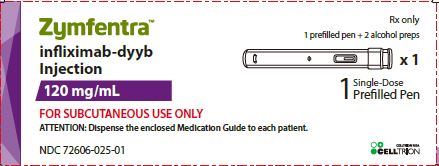
- 1 prefilled pen (120 mg/mL solution) with 2 alcohol pads. (NDC: 72606-025-01)
- 2 prefilled pens (120 mg/mL solution with 2 alcohol pads. (NDC: 72606-025-02)
- 4 prefilled pens (120 mg/mL solution) with 4 alcohol pads. (NDC: 72606-025-03)
- 6 prefilled pens (120 mg/mL solution) with 6 alcohol pads. (NDC: 72606-025-04)
Carefully consider the risks and benefits of treatment with ZYMFENTRA prior to initiating therapy in patients with chronic or recurrent infection.
Closely monitor patients for the development of signs and symtoms of infection during and after treatment with ZYMFENTRA, including the possible development of tuberculosis in patients who tested negative for latent tuberculosis infection prior to initiating therapy.
MALIGNANCY
Lymphoma and other malignancies, some fatal, have been reported in children and adolescent patients treated with TNF blockers, including infliximab products [see Warnings and Precautions (5.2)].
Postmarketing cases of hepatosplenic T-cell lymphoma (HSTCL), a rare type of T-cell lymphoma, have been reported in patients treated with TNF blockers, including infliximab products. These cases have had a very aggressive disease course and have been fatal. Almost all patients had received treatment with azathioprine or 6-mercaptopurine concomitantly with a TNF blocker at or prior to diagnosis. The majority of reported cases have occurred in patients with Crohn’s disease or ulcerative colitis and most were in young adult males. [see Use in Specific Population (8.4)].
ZYMFENTRA is indicated in adults for maintenance treatment of:
Mixed Dose
If an injection of ZYMFENTRA is missed, inject the next subcutaneous dose as soon as possible and then every two weeks thereafter.
Tuberculosis
Cases of reactivation of tuberculosis or new tuberculosis infections have been observed in patients receiving TNF-blockers, including patients who have previously received treatment for latent or active tuberculosis. Cases of active tuberculosis have also occurred in patients being treated with infliximab products during treatment for latent tuberculosis. Evaluate patients for tuberculosis risk factors and test for latent infection prior to initiating ZYMFENTRA and periodically during therapy.
Treatment of latent tuberculosis infection prior to therapy with TNF blockers has been shown to reduce the risk of tuberculosis reactivation during therapy. Induration of 5 mm or greater with tuberculin skin testing should be considered a positive test result when assessing if treatment for latent tuberculosis is needed prior to initiating ZYMFENTRA even for patients previously vaccinated with Bacille Calmette-Guérin (BCG).
Consider anti-tuberculosis therapy prior to initiation of ZYMFENTRA in patients with a past history of latent or active tuberculosis in whom an adequate course of treatment cannot be confirmed, and for patients with a negative test for latent tuberculosis but having risk factors for tuberculosis infection. Consultation with a physician with expertise in the treatment of tuberculosis is recommended to aid in the decision whether initiating anti-tuberculosis therapy is appropriate for an individual patient.
Tuberculosis should be strongly considered in patients who develop a new infection during treatment with ZYMFENTRA especially in patients who have previously or recently traveled to countries with a high prevalence of tuberculosis, or who have had close contact with a person with active tuberculosis.
Monitoring
Closely monitor patients for the development of signs and symptoms of infection during and after treatment with ZYMFENTRA including the development of tuberculosis in patients who tested negative for latent tuberculosis infection prior to initiating therapy. Tests for latent tuberculosis infection may also be falsely negative while on therapy with ZYMFENTRA.
Discontinue ZYMFENTRA if a patient develops a serious infection or sepsis. A patient who develops a new infection during treatment with ZYMFENTRA should undergo prompt and complete diagnostic workup appropriate for an immunocompromised patient; and appropriate antimicrobial therapy should be initiated, and the patient should be closely monitored.
Invasive Fungal Infections
For patients who reside or travel in regions where mycoses are endemic, invasive fungal infection should be suspected if they develop a serious systemic illness. Appropriate empiric antifungal therapy should be considered while a diagnostic workup is being performed. Antigen and antibody testing for histoplasmosis may be negative in some patients with active infection. When feasible, the decision to administer empiric antifungal therapy in these patients should be made in consultation with a physician with expertise in the diagnosis and treatment of invasive fungal infections and should take into account both the risk for severe fungal infection and the risks of antifungal therapy.
Lymphomas
In the controlled portions of clinical trials of TNF blockers, more cases of lymphoma have been observed among patients receiving a TNF blocker compared with control patients. Cases of acute and chronic leukemia have been reported with postmarketing TNF blocker use, including infliximab products.
Hepatosplenic T-cell Lymphoma (HSTCL)
Postmarketing cases of hepatosplenic T-cell lymphoma (HSTCL), a rare type of T-cell lymphoma, have been reported in patients treated with TNF blockers, including infliximab products. TThese cases have had a very aggressive disease course and have been fatal. Almost all patients had received treatment with the immunosuppressants azathioprine or 6-mercaptopurine concomitantly with a TNF blocker at or prior to diagnosis. The majority of reported cases have occurred in patients with Crohn’s disease or ulcerative colitis and most were in adolescent and young adult males. It is uncertain whether the occurrence of HSTCL is related to TNF blockers or TNF blockers in combination with these other immunosuppressants. When treating patients, consideration of whether to use ZYMFENTRA alone or in combination with other immunosuppressants such as azathioprine or 6-mercaptopurine should take into account a possibility that there is a higher risk of HSTCL with combination therapy versus an observed increased risk of immunogenicity and hypersensitivity reactions with TNF blocker monotherapy from the clinical trial data [see Warnings and Precautions (5.7)]
Skin Cancer
Melanoma and Merkel cell carcinoma have been reported in patients treated with TNF blocker therapy, including infliximab products. Periodic skin examination is recommended for all patients during treatment with ZYMFENTRA, particularly those with risk factors for skin cancer.
Cervical Cancer
Cases of invasive cervical cancer have been reported postmarketing in women who received infliximab products for other conditions. A causal relationship between infliximab products and cervical cancer cannot be excluded. Routine cervical cancer screening is recommended during treatment with ZYMFENTRA.
Other Malignancies
In the controlled pportions of clinical trials of some TNF blockers, including infliximab products, more malignancies (excluding lymphoma and nonmelanoma skin cancer) have been observed in patients receiving those TNF blockers compared with control patients. The most common malignancies were breast, colorectal, and melanoma in these controlled trials of TNF blockers.
In controlled trials of TNF blockers in adult patients at higher risk for malignancies (i.e., patients with COPD with a significant smoking history and cyclophosphamide-treated patients with Wegener’s granulomatosis), a greater proportion of malignancies occurred in the TNF blocker group compared to the control group. Patients had a history of heavy smoking. Avoid ZYMFENTRA in patients with moderate to severe COPD.
The potential role of TNF blockers in the development of malignancies is not known. Avoid ZYMFENTRA treatment in patients with a history of malignancy or in continuing treatment in patients who develop malignancy while receiving ZYMFENTRA.
Vaccinations
Prior to initiating ZYMFENTRA in adult patients, update vaccinations in accordance with current vaccination guidelines.
Live Vaccines and Theraeputic Infectious Agents
In patients receiving TNF blockers, limited data are available on the response to vaccination with live vaccines or on the secondary transmission of infection by live vaccines. Use of live vaccines can result in clinical infections, including disseminated infections. The concurrent administration of live vaccines with ZYMFENTRA is not recommended.
Fatal outcome due to disseminated BCG infection has been reported in an infant who received a BCG vaccine after in utero exposure to infliximab products. Infliximab is known to cross the placenta and has been detected in the serum of infants up to 6 months following birth. A 6-month waiting period following birth is recommended before the administration of any live vaccine to infants exposed in utero to infliximab products.
Other uses of therapeutic infectious agents such as live attenuated bacteria (e.g., BCG bladder instillation for the treatment of cancer) could result in clinical infections, including disseminated infections. It is recommended that therapeutic infectious agents not be given concurrently with ZYMFENTRA.
Infections
In UC Trial I, at leaset one serious infection was reported in 3% of ZYMFENTRA-treated subjects compared to 1% in the plaebo group. Serious infections in the ZYMFENTRA-treated subjects were COVID-19, cystitis, pneumonia, salpingitis, and urinary tract injection [seeWarnings and Precautions (5.1)].
In CD Trial I, infections were observed in 30% of ZYMFENTRA-treated subjects compare to 187% of placebo-treated subjects. At least one serious infection was reported in 3% of ZYMFENTRA-treated subjects compared to 1% in the placebo group. Serious infections in the ZYMFENTRA-treated subjects were abscess, appendicitis, bacterial arthritis, bartholinitis, bronchiolitis, and urinary tract infection [seeWarnings and Precautions (5.1)].
Malignancies
In UC Trial I, malignancy (prostate cancer) was reported in a ZYMFENTRA-treated subject. No malignancies were reported among placebo-treated subjects [seeWarnings and Precautions (5.2)].
In another clinical trial in patients with CD, one malignancy (non-small cell lung cancer) was reported in a ZYMFENTRA-treated subject [see Warnings and Precautions (5.2)].
Hepatotoxicity
Three cases of drug induced liver injury were noted in ZYMFENTRA-treated subjects that led to study drug discontinuation [see Warnings and Precautions (5.4)].
Risk Summary
Available data from reports of pregnancy in clinical trials with ZYMFENTRA are insufficient to identify a drug associated risk of major birth defects, miscarriage or other adverse maternal or fetal outcomes. There are risks to the mother and the fetus associated with inflammatory bowel disease
in pregnancy (see Clinical Considerations).
Available observational data in pregnant women exposed to infliximab products administered intravenously showed no increased risk of major malformations among live births as compared to those exposed to non-biologics. Most TNF blockers, such as infliximab products, administered
intravenously are transferred across the placenta during the third trimester of pregnancy and may affect immune response in the in utero exposed infant. Infants exposed in utero should not be administered live vaccines for at least 6 months after birth (see Clinical Considerations). Because infliximab products do not cross-react with TNFα in species other than humans and chimpanzees, animal reproduction studies have not been conducted with ZYMFENTRA.
The background risk of major birth defects and miscarriage for the indicated populations is unknown. All pregnancies have a background risk of birth defect, loss, or other adverse outcomes. In the U.S. general population, the estimated background risk of major birth defects and
miscarriage in clinically recognized pregnancies is 2 to 4% and 15 to 20%, respectively.
Clinical Consideration
Disease-Associated Maternal and/or Embryo/Fetal Risk
Published data suggest that there is an increased risk of adverse pregnancy outcomes in women with inflammatory bowel disease associated with increased disease activity. Adverse pregnancy outcomes include preterm delivery (before 37 weeks of gestation), low birth weight (less than 2.5
kg) and small for gestational age at birth.
Fetal/Neonatal Adverse Reactions
The risk of fetal/neonatal adverse reactions with in utero exposure to infliximab-dyyb administered subcutaneously is unknown. However, most TNF blockers, such as infliximab products, cross the placenta and have been detected in infant serum up to 6 months following birth. Consequently, infants exposed to infliximab products may be at increased risk of infection, including disseminated infection which can become fatal. At least a six-month waiting period following birth is recommended before the administration of live vaccines (e.g., BCG vaccine or other live vaccines, such as the rotavirus vaccine) to infants exposed to intravenous infliximab in utero [see Warnings and Precautions (5.12)].
Cases of agranulocytosis in infants exposed to intravenous infliximab in utero have also been reported. Therefore, ZYMFENTRA, administered during pregnancy may affect immune responses in the in utero-exposed newborn and infant [see Adverse Reactions 6.2].
Data
Animal Data
Because infliximab products do not cross-react with TNFα in species other than humans and chimpanzees, animal reproduction studies have not been conducted with ZYMFENTRA.
Risk Summary
There are no data on the presence of infliximab-dyyb or its metabolites in either human or animal milk, the effects on the breastfed infant, or the effects on milk production after subcutaneous administration. Published literature show that infliximab is present at low levels in human milk after intravenous administration. Systemic exposure in a breastfed infant is expected to be low because infliximab products are largely degraded in the gastrointestinal tract. The developmental and health benefits of breastfeeding should be considered along with the mother’s clinical need for ZYMFNETRA and any potential adverse effects on the brestfed child from ZYMFENTRA or from the underlying maternal condition.
Absorption
In healthy subjects, the median time to reach the maximum serum concentration (Tmax) was 7 days after a single subcutaneous dose of infliximab-dyyb 120 mg. In healthy subjects, AUCinf following a single subcutaneous dosed of infliximab-dyyb 120 mg was approximately 23% relative to a single intravenous dose of infliximab-dyyb 5 mg/kg. Following infliximab-dyyb 120 mg subcuaneosly every 2 weeks, steady state AUC for 8-week internal was 25-35% higher compared to infliximab-dyyb 5 mg/kg administered intravenously every 8 weeks in subjects with UC and CD.
Distribution
Population pharmacokinetic analyses showed that the volume of distribution of infliximab-dyyb was 3.36L.
Elimination
In healthy subjects, the mean half-life was 332 hours after a single subcutaneous dose of infliximab-dyyb 120 mg.
Populatoin pharmacokinetic analyses showed that the clearance of infliximab-dyyb was 0.013 L/hr and the clearance was increased in the presence of anti-drug antibody.
The metabolic pathway of infliximab has not been characterized. As a IgG1κ monoclonal antibody, infliximab is expected to be degraded into small peptides and amino acids via catabolic pathways in the same manner as endogenous IgG.
Weight
Population pharmacokinetic analysis indicated that exposure to infliximab-dyyb was inversely related to body weight. However, the magnitude of body weight effect on systemic exposure was not clinically meaningful in adult subjects with UC and CD weighing from 39 to 130 kg.
Age, Sex and Race
Age (≥65 years ofld), sex, or race did not have a clinically meaningful effect on pharmacokinetics of infliximab-dyyb.
Drug Interaction Studies
Population pharmacokinetic analysis showed that co-administered methotrexate did not have clinically meaningful effect on the pharmacokinetics of infliximab-dyyb.
Table 3: Proportion of Subjects with Ulcerative Colitis Meeting Effficacy Endpoints at Week 54 in UC Trial I | ||||
Endpoint | ZYMFENTRA | Placebo | Treatment Differencea and 95% CI | |
Clinical Remissionb at Week 54 | ||||
| Total population | N=294 43% | N=144 21% | 21% (12, 29) | |
| No prior biological product/JAK inhibitor exposure | N=265 45% | N=131 21% | ||
| Prior biological product/JAK inhibitor exposure | N=29 31% | N=13 15% | ||
| Histologic-Endoscopic Mucosal Improvementd at Week 54 | ||||
Total population | N=294 36% | N=144 17% | 18% (9, 26) | |
| No prior biological product/JAK inhibitor exposure | N=265 36% | N=131 18% | ||
| Prior biological product/JAK inhibitor exposure | N=29 31% | N=13 8% | ||
| Corticosteroid-Fee Remissione at Week 54 | ||||
| Total population | N=120 37% | N=61 18% | 17%f (3, 29) | |
No prior biological product/JAK inhibitor | N=107 36% | N=56 18% | ||
| Prior biological product/JAK inhibitor exposure | N=13 39% | N=5 20% | ||
CI = confience interval, JAK = Janus kinase a Treatement difference (adjusted for stratification factors of previous exposure to biological product and/or JAK inhibitor, use of treatment with oral corticosteoids Week 0, and clinical remission status at Week 10.) b Clinical remissio is defined using the mMS as SFS of 0 or 1 point; RBS of 0 point; and ES of 0 or 1 point (excluding friability). c p < 0.0001 d Histologic-endoscopic mucosal improvement is defined as an absolute ES of 0 or 1 point (excluding friability) from mMS and an absoluted Robarts Histopathology Index (RHI) score of ≤3 poitns with no lamina propria neutrophils, no neutrophils in epithelium, no erosion or ulceration. e Corticosteroid-free remission is defined as being in clinical remission by mMS in addition to not requiring any treatment with corticosteroid for at least 8 weeks at Week 54, among the patients who used oral cotricosteroids at baseline. f p < 0.05 | ||||
The relationship between histologic-endoscopic mucosal improvement at Week 54 and diasease progression and longer-term outcomes after Week 54 was not evaluated in UC Trial I.
Table 4: Proportion of Subjects with Crohn's Disease Meeting Efficacy Endpoints at Week 54 in CD Trial I | |||
Endpoint | ZYMFENTRA | Placebo | Treatment Differencea and 95% CI |
Clinical Remission (Based on CDAI)bat Week 54 | |||
Total population | N=216 63% | N=107 30% | 35%c (24, 45) |
| No prior biological product expousre | N=191 62% | N=98 31% | |
| Prior biological product exposure | N=25 72% | N=9 22% | |
Endoscopic responsed at Week 54 | |||
| Total population | N=216 50% | N=107 87% | 34%c (23, 43) |
| No prior biological product exposure | N=191 51% | N=98 17% | |
| Prior biological product exposure | N=25 48% | N=9 22% | |
Enoscopic Remissione at Week 54 | |||
Total population | N=216 35% | N=107 10% | 25%c (16, 33) |
No prior biological product exposure | N=191 35% | N=98 10% | |
Prior biological product exposure | N=25 36% | N=9 11% | |
Corticosteroid-free Remissionf at Week 54 | |||
| Total population | N=92 40% | N=43 21% | 19%g |
| No prior biological product expousre | N=81 35% | N=40 23% | |
| Prior biological product exposure | N=11 82% | N=3 0% | |
CI=confidence internal, CDAI=Crohn's Disease Activity Index, JAK=Janus kinase a Treatment difference (adjusted for stratification factors of previous exposure to biological product, use of treatment with oral corticosteroids at Week 0, and clinical remission status at Week 10). b Clinical remission (based on CDAI) is defined as an absolute CDAI score of <150 points. c p < 0.0001. d Endoscopic response is defined as a >50% decrease in SES-CD from the baseline value. e Endoscopic remission is defined as an absolute SES-CD score of ≤4 with no sub-score of >1. f Corticosteroid-free remission is defined as being in clinical remission in additio to not receiving any corticosteroid for at least 8 weeks prior to Week 54, among the subjects who used oral corticosteroids at baseline. g p < 0.05 | |||
How Supplied
ZYMFENTRA (Infliximab-dyyb) injection for subcutaneous use is supplied as a sterile, preservative-free, clear to opalescent, colorless to pale brown solution in a single-use prefilled syringe, prefilled syringe with needle guard or prefilled pen. The syringe is fitted with a needle shield which are not made with natural rubber latex or any derivatives from natural rubber latex in any ingredient.
Prefilled Syringe
Each prefilled syringe is equipped with a 29 gauge fixed 1/2 inch needle with a rigid needle shield and a plunger stopper. The following configurations are available:
Prefilled Syringe with Needle Guard
Each prefilled syringe is equipped with a 29 gauge fixed 1/2 inch needle with a rigid needle shield and an automatic needle guard, and a plunger stopper. The following configurations are available:
Prefilled Pen
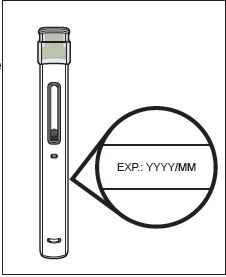
Each prefilled pen is equipped with a 27 gauge fixed 1/2 inch needle with a rigid needle shield and a plunger stopper. The following configurations are available:
Storage and Handling
Store in refrigerator at 2°C to 8°C (36°F to 46°F). DO NOT FREEZE. Keep the product in its outer carton until time of administration in order to protect from light.
If needed, the product may be stored at room temperature at 20°C to 25°C (68°F to 77°F) for up to 14 days with protection from light. Once the product has been stored at room temperature, it should not be placed back into the refrigerator. The product must be discarded if not used within the 14 days.
Infections
Inform patients that ZYMFENTRA increases the risk for developing serious infections. Instruct patients of the importance of contacting their healthcare provider if they develop any symptoms of an infection, including tuberculosis, invasive fungal infections, and reactivation of hepatitis B virus infections [see Warnings and Precautions (5.1, 5.3)].
Malignancies
Malignancies have been reported among children, adolescents and young adults who received treatment with TNF blockers. Patients should be counseled about the risk of lymphoma and other malignancies while receiving ZYMFENTRA [see Warnings and Precautions (5.2)].
Hepatotoxicity
Instruct patients to seek medical attention if they develop signs or symptoms of hepatotoxicity (e.g., jaundice) [see Warnings and Precautions (5.4)].
Congestive Heart Failure
Instruct patients to seek medical attention and consult their prescriber if they develop signs or symptoms of heart failure [see Warnings and Precautions (5.5)].
Hematologic Reactions
Instruct patients to seek immediate medical attention if they develop signs and symptoms suggestive of blood dyscrasias or infection (e.g., persistent fever) while on ZYMFENTRA [seeWarnings and Precautions (5.6)].
Hypersensitivity
Advise patients to seek immediate medical attention if they experience any symptoms of serious hypersensitivity reactions [see Warnings and Precautions (5.7)].
Neurologic Reactions
Advise patients to seek medical attention if they develop signs or symptoms of neurologic reactions [seeWarnings and Precautions (5.8)].
Live Vaccines/Therapeutic Infectious Agents
Instruct ZYMFENTRA-treated patients to avoid receiving live vaccines or therapeutic infectious agents [seeWarnings and Precautions (5.12)]
Administration
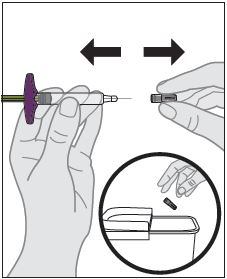
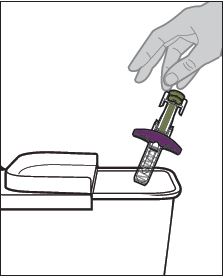
Instruct patients to follow sharp disposal recommendations, as described in the Instructions for Use.
Manufactured by:
CELLTRION, Inc.
23, Academy-ro,
Yeonsu-gu, Incheon
22014, Republic of Korea
U.S. License No. 1996
Distributed by:
CELLTRION USA, Inc.
One Evertrust Plaza Suite 1207,
Jersey City, New Jersey,
07302, USA
CELLTRION USA, Inc.
© CELLTRION, Inc.