Myderm Pro Freeze Cooling Menthol Pain Relief Roll-on Gel
Product Images NDC 72667-073

View Photos of Packaging, Regulatory Labels, and Product Appearance

Product Visual Gallery

This gallery contains 5 technical images submitted to the FDA as part of the official labeling for Myderm Pro Freeze Cooling Menthol Pain Relief Roll-on (NDC 72667-073). Unlike standard consumer photos, these assets often include clinical data figures, molecular chemical structures, and official manufacturer packaging layouts.

As provided by Inspec Solutions, these visuals offer a comprehensive scientific overview of the product's physical and chemical identity, aiding pharmacists and researchers in product verification and study.

FDA Label Image

Yaral Carton (Lidocaine Carton)
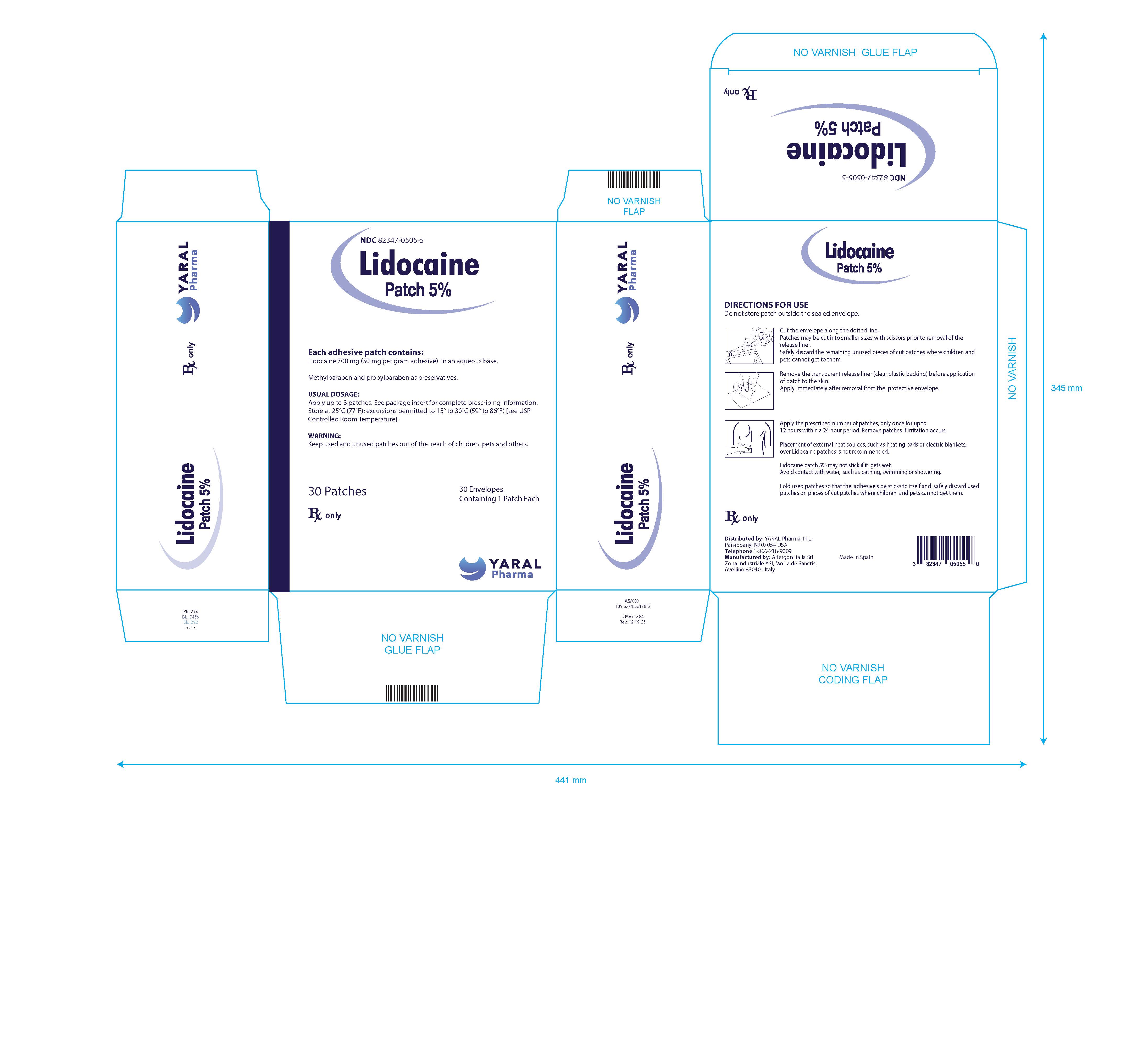
Yaral Carton (Lidocaine Carton)
This text provides instructions and information about a Lidocaine Patch 5%. It includes directions for use, dosage recommendations, storage instructions, and warnings. The patch contains Lidocaine adhesive and should be applied to the skin after removing the protective envelope. It also gives details about the manufacturer and distributor of the product. Additionally, the text warns not to expose the patch to water and advises on proper disposal methods for used patches.*
FDA Label Image

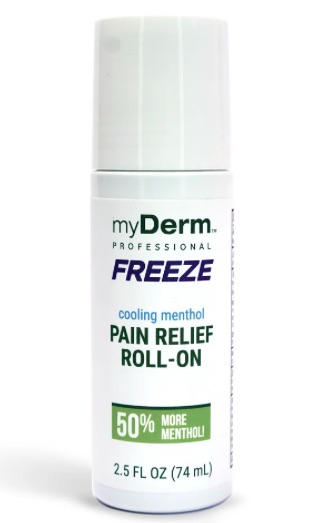
Myderm Freeze (Myderm Bottle)

Myderm Freeze (Myderm Bottle)
This text appears to describe a product called "myDerm Professional Freeze Cooling Menthol Pain Relief Roll-On." The product comes in a size of 25 fluid ounces (74 ml). It likely contains menthol for cooling pain relief.*
FDA Label Image

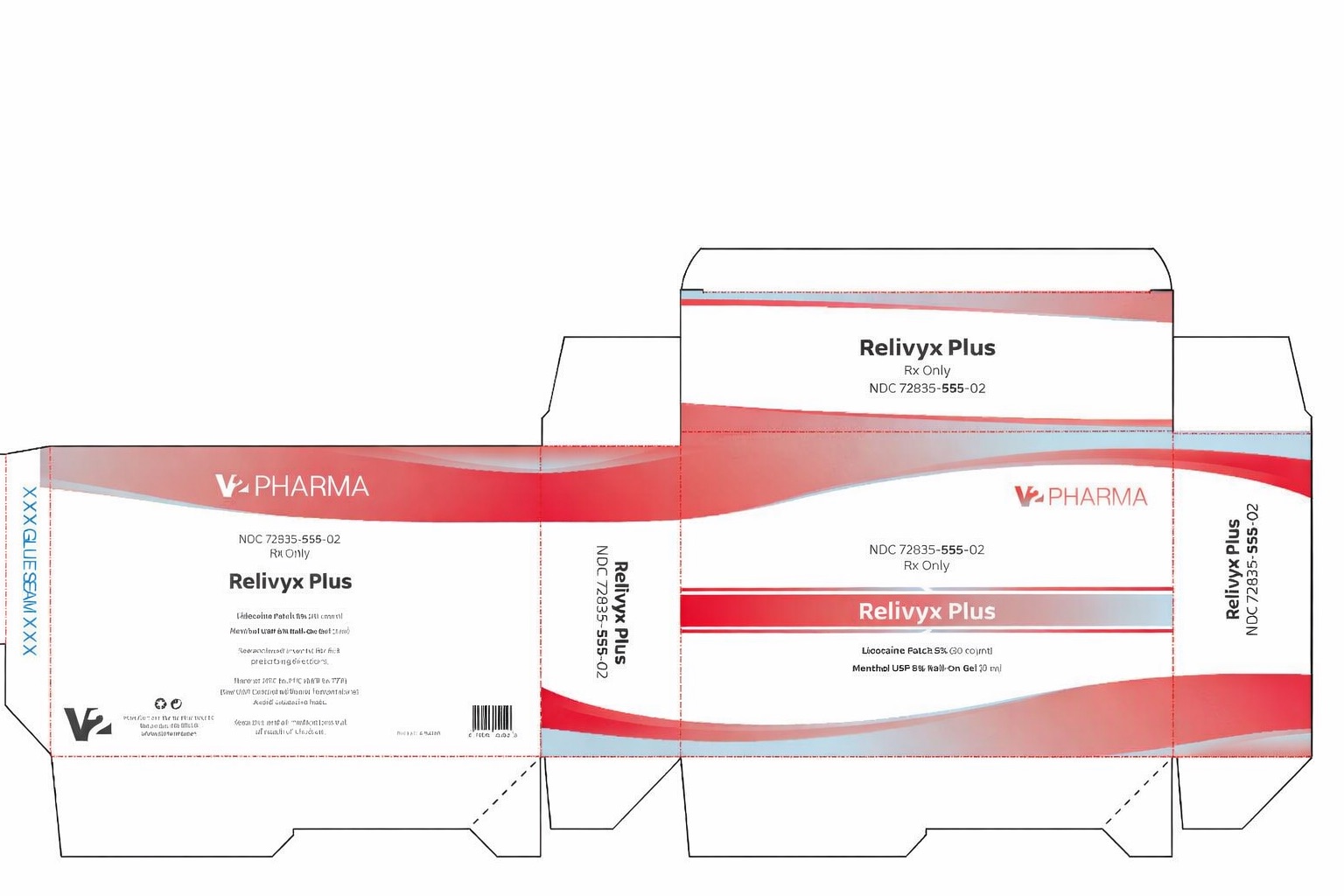
Relivyx Plus Packaging (Relivyx Plus Carton)

FDA Label Image

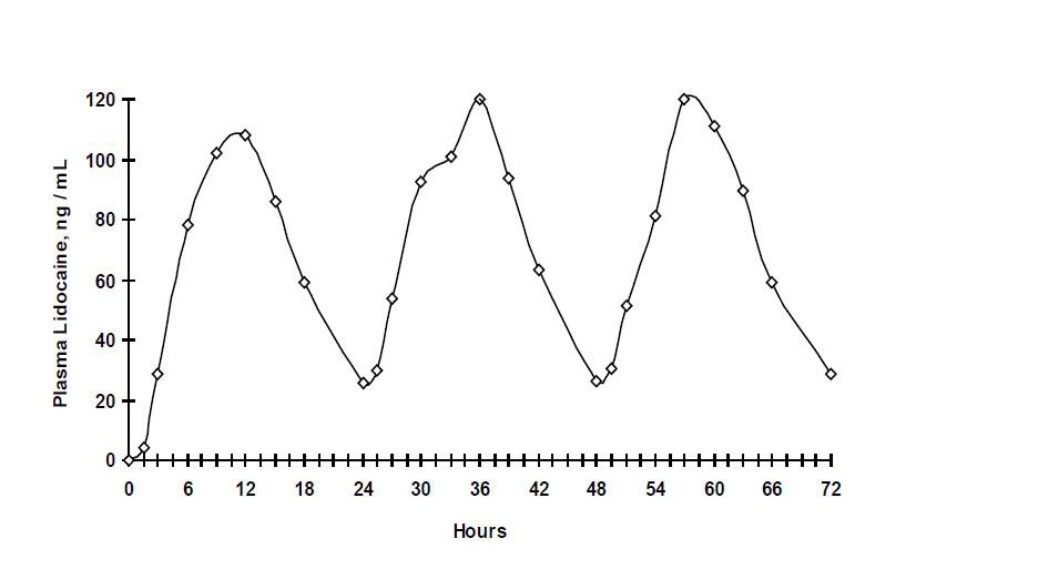
Graphs (Graphs)

Graphs (Graphs)
This text seems to show data regarding plasma lidocaine levels in ng/mL over a 72-hour period. The levels appear to fluctuate between 20 and 120 ng/mL, as displayed on a graph or chart. The data may be part of a study or experiment monitoring the change in lidocaine concentration over time.*
FDA Label Image

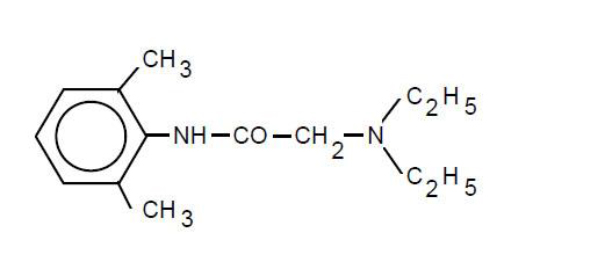
Molecule (Molecule)

* These product label images have been analyzed using experimental machine learning. Please verify findings with the primary label text.