Carvedilol Tablet, Film Coated
Product Images NDC 72789-431

View Photos of Packaging, Regulatory Labels, and Product Appearance

Product Visual Gallery

This gallery contains 6 technical images submitted to the FDA as part of the official labeling for Carvedilol (NDC 72789-431). Unlike standard consumer photos, these assets often include clinical data figures, molecular chemical structures, and official manufacturer packaging layouts.

As provided by Pd-rx Pharmaceuticals, Inc., these visuals offer a comprehensive scientific overview of the product's physical and chemical identity, aiding pharmacists and researchers in product verification and study.

FDA Label Image

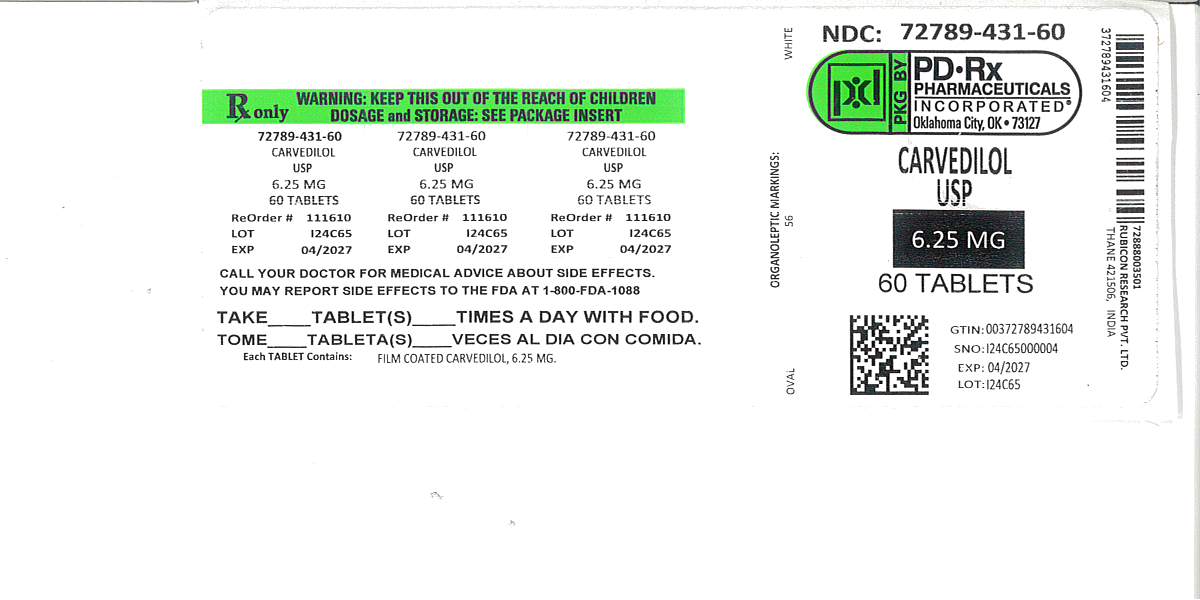
72789431 Label (72789431)
72789431 Label (72789431)
Label for Carvedilol USP 6.25 mg film-coated tablets from PD-Rx Pharmaceuticals, Inc. The package contains 60 tablets with NDC 72789-431-60. The label includes dosage strength, quantity, lot number (I24C65), expiration date (04/2027), manufacturer info, and a medication warning about keeping out of reach of children.*
FDA Label Image

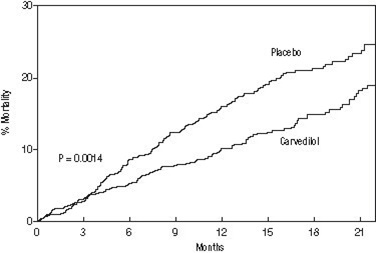
Figure 1. Survival Analysis For Copernicus (intent-to-treat) (Carvedilol Tab Usp Figure1)

Figure 1. Survival Analysis For Copernicus (intent-to-treat) (Carvedilol Tab Usp Figure1)
A line chart comparing the percentage mortality over a period of months between two groups: one treated with Carvedilol and the other with a placebo. The graph shows mortality increasing over time for both groups, with the Carvedilol group having a consistently lower percentage mortality than the placebo group. A p-value of 0.0014 is noted, indicating statistical comparison between the groups.*
FDA Label Image

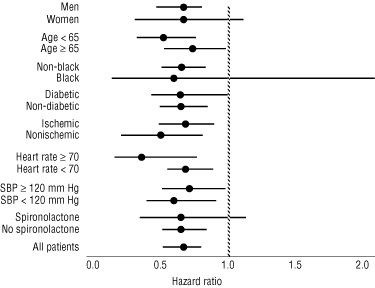
Figure 2. Effects On Mortality For Subgroups In Copernicus (Carvedilol Tab Usp Figure2)

Figure 2. Effects On Mortality For Subgroups In Copernicus (Carvedilol Tab Usp Figure2)
A forest plot chart depicting hazard ratios for various patient subgroups including gender, age, race, diabetic status, ischemic condition, heart rate, systolic blood pressure, and use of spironolactone, with a reference line at hazard ratio 1.0, showing comparative risk data for these groups.*
FDA Label Image

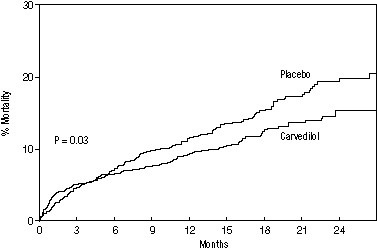
Figure 3. Survival Analysis For Capricorn (intent-to-treat) (Carvedilol Tab Usp Figure3)

Figure 3. Survival Analysis For Capricorn (intent-to-treat) (Carvedilol Tab Usp Figure3)
A Kaplan-Meier survival curve chart showing percent mortality over 30 months comparing Carvedilol and Placebo treatments. The X-axis represents time in months, and the Y-axis indicates percentage mortality. The Carvedilol line shows lower mortality than Placebo throughout the timeline, with a noted significance of P = 0.03.*
FDA Label Image

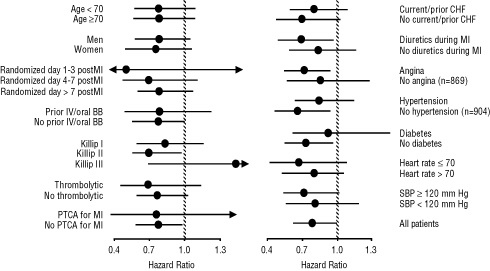
Figure 4. Effects On Mortality For Subgroups In Capricorn (Carvedilol Tab Usp Figure4)

Figure 4. Effects On Mortality For Subgroups In Capricorn (Carvedilol Tab Usp Figure4)
A double forest plot showing hazard ratios with confidence intervals for various subgroups of patients. The left plot compares age, gender, timing post-myocardial infarction, beta-blocker use, Killip class, thrombolytic therapy, and PTCA status. The right plot compares history of congestive heart failure, diuretic use, angina, hypertension, diabetes, heart rate, systolic blood pressure, and includes an overall patient group. Hazard ratios range approximately from 0.4 to 1.3.*
FDA Label Image

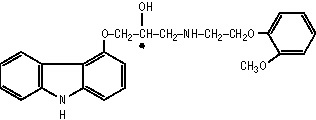
Carvedilol Chemical Structure (Carvedilol Tab Usp Structure)

Carvedilol Chemical Structure (Carvedilol Tab Usp Structure)
Chemical structure diagram of carvedilol, showing its molecular composition with hydroxyl, ether, and amine functional groups, and aromatic rings consistent with the drug's known molecular framework.*

* About these descriptions: Image descriptions on this page are generated by automated AI analysis of the product label images from the manufacturer's FDA label submission (SPL). They are provided for reference only and may contain errors or omissions. Always rely on the printed label itself and the official FDA labeling, and consult a pharmacist or healthcare professional with any questions about this product.