1. Indications And Usage
CAMCEVI ETM is indicated for the treatment of adult patients with advanced prostate cancer.
The following Structured Product Label (SPL) was submitted to the FDA by Foresee Pharmaceuticals Co., Ltd. for the product Camcevi Etm (NDC 72851-100). This document serves as the official prescribing information, containing essential scientific data and clinical materials required for healthcare providers and patients.
This specific version of the label includes detailed information regarding 1. indications and usage, 2.1 recommended dosage, 2.2 preparation and administration, 3 dosage forms and strengths, 4 contraindications, 5.1 tumor flare, 5.2 hyperglycemia and diabetes, 5.3 cardiovascular diseases, and other regulatory disclosures. Use the navigation below to review specific sections of the FDA submission.
CAMCEVI ETM is indicated for the treatment of adult patients with advanced prostate cancer.
The recommended dose of CAMCEVI ETM is 21 mg administered subcutaneously once every 3 months.
In patients treated with GnRH analogues for prostate cancer, treatment is usually continued upon development of metastatic castration-resistant prostate cancer.
CAMCEVI ETM must be administered by a healthcare provider.
Parenteral drug products should be inspected visually for particulate matter and discoloration prior to administration, whenever solution and container permit.
Important: Read the instructions completely before you administer CAMCEVI ETM for the first time. Do NOT substitute any of the components from the kit for administration.
CAMCEVI ETM is packaged in a blister in the kit. Check to make sure the kit contains:
Follow the detailed instructions to ensure correct preparation of CAMCEVI ETM prior to administration:
STEP 1 | |
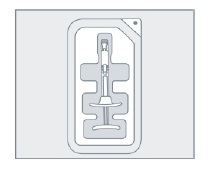 Image1 (Camcevi Inj Image 1) 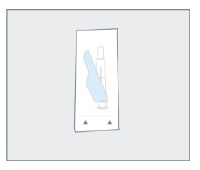 Image2 (Camcevi Inj Image 2) | STEP 2 |
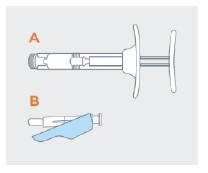 Image3 (Camcevi Inj Image 3) | STEP 3 |
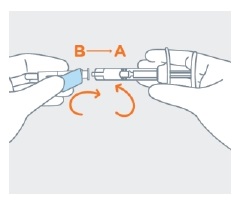 Image4 (Camcevi Inj Image 4) | STEP 4 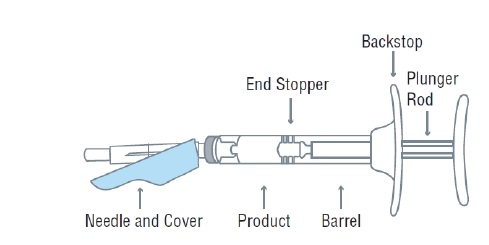 Image5 (Camcevi Inj Image 5) |
 Image6 (Camcevi Inj Image 6) | STEP 5 |
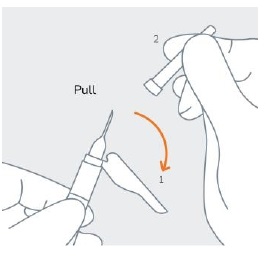 Image7 (Camcevi Inj Image 7) | STEP 6 |
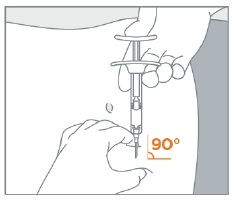 Image8 (Camcevi Inj Image 8) | STEP 7 |
STEP 8 | |
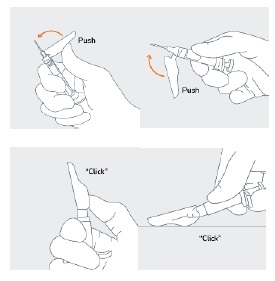 Image Description (Camcevi Inj Image 9) | STEP 9 |
STEP 10 |
Injectable emulsion: 21 mg leuprolide (equivalent to approximately 24 mg leuprolide mesylate) as a sterile, off-white to pale yellow, viscous, and opalescent emulsion in a single-dose, pre-filled syringe for subcutaneous injection.
CAMCEVI ETM is contraindicated in patients known to be hypersensitive to GnRH, GnRH agonist analogs, or any of the excipients in CAMCEVI ETM. Anaphylactic reactions to GnRH agonist analogs have been reported in medical literature.
CAMCEVI ETM, like other GnRH agonists, causes a transient increase in serum levels of testosterone during the first week of treatment, declining thereafter to baseline levels or below by the end of the second week of treatment. Transient worsening of symptoms, or the occurrence of additional signs and symptoms of prostate cancer, may develop during the first few weeks of CAMCEVI ETM treatment. Patients treated with CAMCEVI ETM may experience a temporary increase in bone pain, which can be managed symptomatically.
Cases of ureteral obstruction and spinal cord compression have been observed, which may contribute to paralysis with or without fatal complications.
Patients with metastatic vertebral lesions and/or with urinary tract obstruction should be closely observed during the first few weeks of therapy.
Hyperglycemia and an increased risk of developing diabetes have been reported in men receiving GnRH agonists. Hyperglycemia may represent the development of diabetes mellitus or worsening of glycemic control in patients with diabetes. Monitor blood glucose and/or glycosylated hemoglobin (HbA1c) periodically in patients receiving a GnRH agonist and manage with current practice for treatment of hyperglycemia or diabetes.
Increased risk of developing myocardial infarction, sudden cardiac death, and stroke has been reported in association with use of GnRH agonists in men. The risk appears low based on the reported odds ratios and should be evaluated carefully along with cardiovascular risk factors when determining a treatment for patients with prostate cancer. Patients receiving a GnRH agonist should be monitored for symptoms and signs suggestive of development of cardiovascular disease and be managed according to current clinical practice.
Androgen deprivation therapy may prolong the QT/QTc interval. Providers should consider whether the benefits of androgen deprivation therapy outweigh the potential risks in patients with congenital long QT syndrome, congestive heart failure, frequent electrolyte abnormalities, and in patients taking drugs known to prolong the QT interval. Electrolyte abnormalities should be corrected. Consider periodic monitoring of electrocardiograms and electrolytes.
Convulsions have been reported in patients receiving GnRH agonists, like CAMCEVI ETM [see Adverse Reactions (6.2)]. Manage patients receiving a GnRH agonist who experience convulsions according to current clinical practice.
CAMCEVI ETM can cause severe cutaneous adverse reactions (SCARs), including Stevens-Johnson syndrome/toxic epidermal necrolysis (SJS/TEN), drug reaction with eosinophilia and systemic symptoms (DRESS), and acute generalized exanthematous pustulosis (AGEP). SCARs, including SJS/TEN, DRESS, and AGEP, occurred in patients receiving CAMCEVI ETM or other GnRH agonists; including cases with visceral involvement and/or requiring skin grafts [see Adverse Reactions (6.2)].
Monitor patients for the development of SCARs.
If a SCAR is suspected, interrupt CAMCEVI ETM until the etiology of the reaction has been determined. Consultation with a dermatologist is recommended. If a SCAR is confirmed, or for other Grade 4 skin reactions, permanently discontinue CAMCEVI ETM.
Monitor serum levels of testosterone following injection of CAMCEVI ETM. In the majority of patients treated with CAMCEVI ETM, testosterone levels increased above baseline during the first week, and then declined thereafter to castration levels (<50 ng/dL) within 4 weeks [see Clinical Studies (14) and Adverse Reactions (6)].
Based on findings in animal studies and mechanism of action, CAMCEVI ETM can cause fetal harm when administered to a pregnant woman. In animal developmental and reproductive toxicology studies, administration of a monthly formulation of leuprolide on day 6 of pregnancy (sustained exposure was expected throughout the period of organogenesis) caused adverse embryo-fetal toxicity in animals at doses less than the human dose based on body surface area using an estimated daily dose. Advise pregnant patients and females of reproductive potential of the potential risk to the fetus [see Use in Specific Population (8.1), Clinical Pharmacology (12.1)].
The following adverse reactions are discussed in greater detail in other sections of the labeling:
Because clinical trials are conducted under widely varying conditions, adverse reaction rates observed in the clinical trials of a drug cannot be directly compared to rates in the clinical trials of another drug and may not reflect the rates observed in practice.
The safety of CAMCEVI ETM was evaluated in an open-label, single arm, clinical trial (FP01C-17-001), patients with advanced prostate cancer received CAMCEVI ETM administered subcutaneously at a dose of 21 mg on Day 0 and Day 84 [see Clinical Studies (14)]. Of 144 patients enrolled, 132 (92%) received both doses of CAMCEVI ETM.
Serious adverse reactions occurred in 6% of patients who received CAMCEVI ETM. Serious adverse reactions included acute myocardial infarction, cerebrovascular accident, drug induced liver injury, and pancreatitis (each 0.7%).
Permanent discontinuation of CAMCEVI ETM due to an adverse reaction occurred in 0.7% of patients (stroke).
The most common (≥5%) adverse reactions, including laboratory abnormalities, were increased triglycerides, increased alanine aminotransferase, hot flush, hypertension, decreased hemoglobin, increased sodium, increased aspartate aminotransferase, injection site reaction, weight increase, increased potassium, decreased neutrophils, and decreased white blood cells.
Table 1 summarizes the most common (≥5%) adverse reactions in FP01C-17-001.
| a Only includes a grade 3 adverse reaction. Hypertension includes blood pressure increased, essential hypertension, and hypertension. b Injection site reaction includes injection site erythema, hemorrhage, induration, nodule, localized edema; and injection site pain. | ||
Adverse Reaction | All Grades N = 144 (%) | Grade 3-4a |
Hot flush | 24 | 0 |
Hypertensiona | 15 | 0.7 |
Injection site reactionb | 10 | 0 |
Weight increase | 8 | 0 |
Clinically relevant adverse reactions in < 5% of patients who received CAMCEVI ETM included insomnia, acute myocardial infarction, cerebrovascular accident, diabetes mellitus, decreased libido, and electrocardiogram QT prolonged.
Table 2 summarizes laboratory abnormalities in FP01C-17-001.
| a Only includes a grade 3 adverse reaction. | ||
Laboratory Abnormality | All Grades | Grade 3-4 a |
Chemistry | ||
Increased triglycerides | 44 | 1.4 |
Increased alanine aminotransferase | 28 | 0.7 |
Increased sodium | 13 | 0 |
Increased aspartate aminotransferase | 13 | 0 |
Increased potassium | 7 | 0 |
Hematology | ||
Decreased hemoglobin | 15 | 0 |
Decreased neutrophils | 6 | 0 |
Decreased white blood cells | 6 | 0 |
The following adverse reactions have been identified during post approval use of leuprolide. Because these reactions are reported voluntarily from a population of uncertain size, it is not always possible to reliably estimate their frequency or establish a causal relationship to drug exposure.
During postmarketing surveillance, which includes other dosage forms and other patient populations, the following adverse reactions were reported.
Allergic Conditions: anaphylactoid or asthmatic process, rash, urticaria, and photosensitivity reactions
Cardiovascular System: hypotension, myocardial infarction, pulmonary embolism
Central/Peripheral Nervous System: convulsion, peripheral neuropathy, spinal fracture/paralysis
Endocrine System: pituitary apoplexy, diabetes
Hepato-biliary disorder: drug-induced liver injury
Hematologic: white blood cells decreased
Psychiatric: mood swings, including depression, suicidal ideation and attempt
Respiratory, thoracic and mediastinal disorder: interstitial lung disease
Musculoskeletal System: decreased bone density, tenosynovitis-like symptoms, fibromyalgia
Skin and Subcutaneous: injection site reactions, SJS/TEN, DRESS, AGEP, dermatitis exfoliative, bullous dermatitis, and erythema multiforme
Urogenital System: prostate pain
Risk Summary
Based on findings in animal studies and mechanism of action, CAMCEVI ETM can cause fetal harm when administered to a pregnant woman [see Clinical Pharmacology (12.1)]. There are no available data in pregnant women to inform the drug-associated risk. In animal developmental and reproductive toxicology studies, administration of a monthly formulation of leuprolide on day 6 of pregnancy (sustained exposure was expected throughout the period of organogenesis) caused adverse embryo-fetal toxicity in animals at doses less than the human dose based on body surface area using an estimated daily dose (see data). Advise pregnant patients and females of reproductive potential of the potential risk to the fetus.
Data
Animal Data
Major fetal malformations were observed in developmental and reproductive toxicology studies in rabbits after a single administration of a monthly formulation of leuprolide administered on day 6 of pregnancy at test dosages of 0.00024, 0.0024, and 0.024 mg/kg (approximately 1/1500 to 1/15 the human dose based on body surface area using an estimated daily dose in animals and humans). Since a depot formulation was utilized in the study, a sustained exposure to leuprolide was expected throughout the period of organogenesis and to the end of gestation. Similar studies in rats did not demonstrate an increase in fetal malformations, however, there was increased fetal mortality and decreased fetal weights with the two higher doses of the monthly formulation of leuprolide in rabbits and with the highest dose in rats.
Risk Summary
The safety and efficacy of CAMCEVI ETM have not been established in females. There is no information regarding the presence of leuprolide in human milk, the effects on the breast-fed child, or the effects on milk production. Because many drugs are excreted in human milk and because of the potential for serious adverse reactions in a breastfed child, a decision should be made to discontinue breastfeeding or discontinue the drug, taking into account the importance of the drug to the mother.
Infertility
Males
Based on findings in animals and mechanism of action, CAMCEVI ETM may impair fertility in males of reproductive potential [see Clinical Pharmacology (12.1), Nonclinical Toxicology (13.1)].
The safety and efficacy of CAMCEVI ETM in pediatric patients have not been established.
Of the 144 patients who received CAMCEVI ETM in the FP01C-17-001, 74% were 65 years of age or older, while 31% were 75 years of age or older. No overall differences in safety or effectiveness were observed between patients over the age of 65 and younger patients.
CAMCEVI ETM is a sterile formulation of leuprolide mesylate for subcutaneous injection. CAMCEVI ETM is designed to deliver approximately 21 mg of leuprolide over 3 months.
Leuprolide mesylate is a synthetic nonapeptide analog of naturally occurring GnRH and is a GnRH agonist. The analog possesses greater potency than the natural hormone. The chemical name is 5-oxo-L-prolyl-L-histidyl-L-tryptophyl-L-seryl-L-tyrosyl-D-leucyl-L-leucyl-L-arginyl-N-ethyl-L-prolinamide mesylate (salt) with the following structural formula. The pH of 50 mg/mL solution of leuprolide mesylate in water is approximately 5.7.
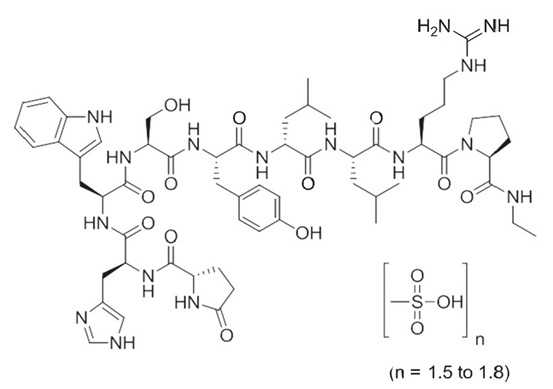
Image10 (Camcevi Inj Structure)
CAMCEVI ETM is supplied as a kit with a pre-filled, single-dose, sterile syringe for subcutaneous injection. Each pre-filled syringe delivers 21 mg leuprolide (equivalent to approximately 24 mg leuprolide mesylate), poly (D, L-lactide-co-Glycolide) (160 mg) polymer and N-methyl-2-pyrrolidone (116 mg).
Leuprolide, a GnRH agonist, acts as an inhibitor of gonadotropin secretion. Animal and human studies indicate that following an initial stimulation of gonadotropins, chronic administration of leuprolide results in suppression of ovarian and testicular steroidogenesis. This effect is reversible upon discontinuation of drug therapy.
Mean serum testosterone concentrations transiently increased, then fell to below castrate threshold levels (< 50 ng/dL) within 4 weeks following administration of the dose of leuprolide, and generally remained below castrate thresholds levels throughout treatment.
In humans, subcutaneous administration of single daily doses of leuprolide result in an initial increase in circulating levels of LH and FSH, leading to a transient increase in levels of the gonadal steroids (testosterone and dihydrotestosterone in males). However, continuous daily administration of leuprolide results in decreased levels of LH and FSH. In males, testosterone is reduced to below castration levels. These decreases generally occur within 2 to 4 weeks after initiation of treatment, and castration levels of testosterone in prostatic cancer patients have been demonstrated for periods of up to 5 years.
Leuprolide concentration is variable, exhibiting an initial rapid increase followed by a rapid decline over the first 3 days before reaching steady concentrations for the duration of the dosing interval. The mean serum leuprolide Cmax was 34.8 ng/mL following the first dose and 32.6 ng/mL following the second dose of CAMCEVI ETM. The mean serum leuprolide concentration was maintained at 0.32 – 1.91 ng/mL after Day 3 following the first dose and maintained at 0.23 – 2.02 ng/mL after Day 3 following the second dose. The mean AUC0-3 mon was 80.1 day.ng/mL following the first dose and 92.9 day.ng/mL following the second dose of CAMCEVI ETM.
Absorption
The median Tmax of leuprolide was 4 hours following the first and second doses of CAMCEVI ETM.
Distribution
The mean steady-state volume of distribution of leuprolide was 27 L following an intravenous bolus in healthy male volunteers. Protein binding of leuprolide ranged from 43% to 49% in vitro.
Elimination
The mean systemic clearance was 7.6 L/h and terminal elimination half-life of approximately 3 hours following an intravenous bolus of leuprolide in healthy male volunteers.
Metabolism
Administration of radiolabeled leuprolide was metabolized to smaller inactive peptides which may then be further catabolized.
Excretion
Excretion of leuprolide has not been evaluated with CAMCEVI ETM.
Specific Populations
No clinically significant differences in the systemic exposure of leuprolide were observed based on age (51 to 89 years), race (White, Asian), or body weight (54 to 119 kg). The effect of renal or hepatic impairment on the pharmacokinetics of leuprolide has not been evaluated.
Two-year carcinogenicity studies were conducted with leuprolide in rats and mice. In rats, a dose-related increase of benign pituitary hyperplasia and benign pituitary adenomas was noted at 24 months when the drug was administered subcutaneously at high daily doses (0.6 to 4 mg/kg). There was a significant but not dose-related increase of pancreatic islet-cell adenomas in females and of testicular interstitial cell adenomas in males (highest incidence in the low dose group). In mice, no pituitary abnormalities were observed at a dose as high as 60 mg/kg for 2 years. Patients have been treated with leuprolide for up to 3 years with doses as high as 10 mg/day and for 2 years with doses as high as 20 mg/day without demonstrable pituitary abnormalities.
Mutagenicity studies have been performed with leuprolide using bacterial and mammalian systems. These studies provided no evidence of mutagenic potential.
Leuprolide may reduce male and female fertility. Administration of leuprolide to male and female rats at doses of 0.024, 0.24, and 2.4 mg/kg as monthly depot formulation for up to 3 months (approximately as low as 1/30 of the human dose based on body surface area using an estimated daily dose in animals and humans) caused atrophy of the reproductive organs, and suppression of reproductive function. These changes were reversible upon cessation of treatment.
The efficacy of CAMCEVI ETM was evaluated in an open label, single arm, multinational study FP01C-17-001 (NCT03261999) in patients with advanced prostate carcinoma who have a screening morning serum testosterone level >150 ng/dL and Eastern Cooperative Oncology Group performance status ≤ 2. CAMCEVI ETM was administered subcutaneously at a dose of 21 mg initially on Day 0 and on Week 12.
The population (n = 144) had a median age of 70 years (range 51 to 89) and was 88% White, 11% Asian, and 1% Black. Disease stage was distributed as follows: 5% metastatic (M1), 41% locally advanced (T3/4 NX M0 or any T N1 M0), 30% localized (T1 or T2 N0 M0), and 24% not classifiable.
The major efficacy outcome measure was medical castration rate, defined as achieving and maintaining serum testosterone suppression to < 50 ng/dL by Week 4 through Week 24 of treatment. Following the first injection of CAMCEVI ETM, serum testosterone levels were suppressed to < 50 ng/dL by Week 4 (+/-1day) in 97.9% of the patients; and from Week 4 through Week 24 in 97.2% of patients (95% CI: 92.7- 98.9) estimated using the Kaplan-Meier method. The time course of change from baseline in testosterone suppression are shown in Figure 1. The percentage of patients with testosterone suppression to < 20 ng/dL was 70.8% on Day 28.
Figure 1 CAMCEVI ETM Mean (95% CI) Percentage Change from Baseline in Serum Testosterone Concentration Over Time
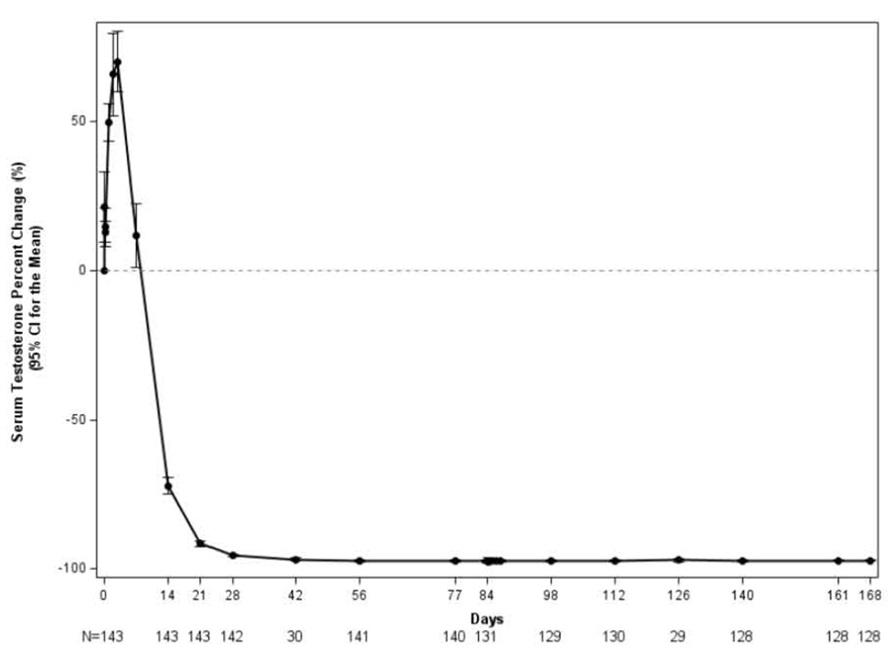
Image11 (Camcevi Inj Figure 1)
Note: 1 subject with baseline testosterone value < 0.05 ng/mL was excluded from analysis.
In the clinical trial, PSA levels were monitored and were lowered on average by 48% after 4 weeks after administration of CAMCEVI ETM, 88% after 3 months and remained suppressed throughout the 24 weeks of treatment. These PSA results should be interpreted with caution because of the heterogeneity of the patient population studied. No evidence has shown that the rapidity of PSA decline correlates with clinical benefit.
CAMCEVI ETM is a sterile, off-white to pale yellow, viscous, and opalescent injectable emulsion supplied in a kit as a single-dose, pre-filled syringe. CAMCEVI ETM is available as follows:
Kit Contents | NDC |
Injectable emulsion in a pre-filled syringe containing 21 mg leuprolide for subcutaneous injection, a sterile 18-gauge SurGuard®3 safety needle, and Prescribing Information. | XXXXX-XXX-XX |
Store CAMCEVI ETM at 2°C to 8°C (36°F to 46°F). Protect CAMCEVI ETM from light by storing in the original package until time of use. Do not freeze or shake.
Excursions permitted to room temperature 25°C (77°F) for up to 6 days.
The rubber used in syringe tip cap and plunger stopper is not made of natural rubber latex.
Hypersensitivity
Tumor Flare
Hyperglycemia and Diabetes
Cardiovascular Diseases
QT/QTc Prolongation
Convulsions
Severe Cutaneous Adverse Reactions
Injection Site Reactions
Urogenital Disorders
Infertility
Manufactured for:
Foresee Pharmaceuticals Co., Ltd.
Taipei City 115, Taiwan (R.O.C.)
By:
Fareva Pau
Fareva Pau, Avenue du Bearn, IDRON, 64320, France
* Please review the disclaimer below.
