Generic Drug
Product Images NDC 72994-001

13 FDA label images from Ningbo Shouzheng Medicinal Research Co., Ltd · Packaging, Regulatory Labels, and Product Appearance

Product Visual Gallery

This gallery contains 13 technical images submitted to the FDA as part of the official labeling for Generic Drug (NDC 72994-001). Unlike standard consumer photos, these assets often include clinical data figures, molecular chemical structures, and official manufacturer packaging layouts.

As provided by Ningbo Shouzheng Medicinal Research Co., Ltd, these visuals offer a comprehensive scientific overview of the product's physical and chemical identity, aiding pharmacists and researchers in product verification and study.

FDA Label Image

8680f005 1ff4 80f4 E053 2a91aa0af6a4
8680f005 1ff4 80f4 E053 2a91aa0af6a4
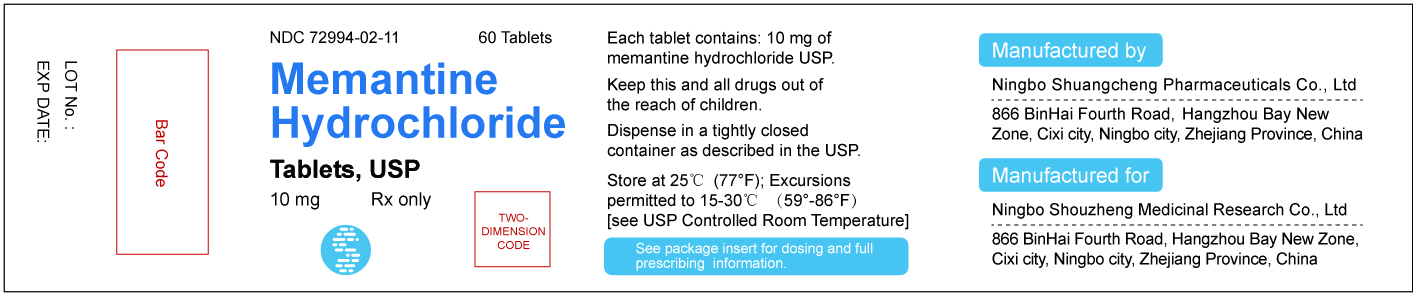
Label for Memantine Hydrochloride Tablets USP 10mg, containing 60 tablets. The label includes storage instructions, manufacturer Ningbo Shuangcheng Pharmaceutical Co., Ltd, and manufactured for Ningbo Shouzheng Medicinal Research Co., Ltd, both located in Zhejiang Province, China. The label also notes the product is Rx only.*
FDA Label Image

8680f005 1ff5 80f4 E053 2a91aa0af6a4

8680f005 1ff5 80f4 E053 2a91aa0af6a4
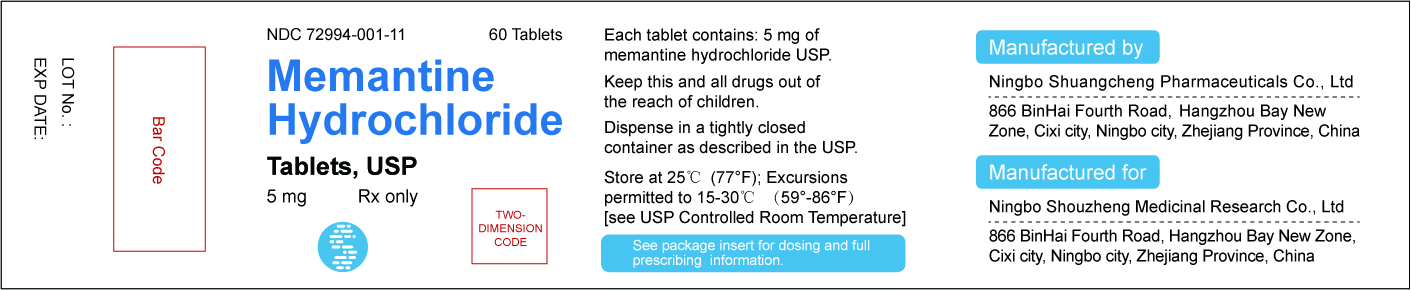
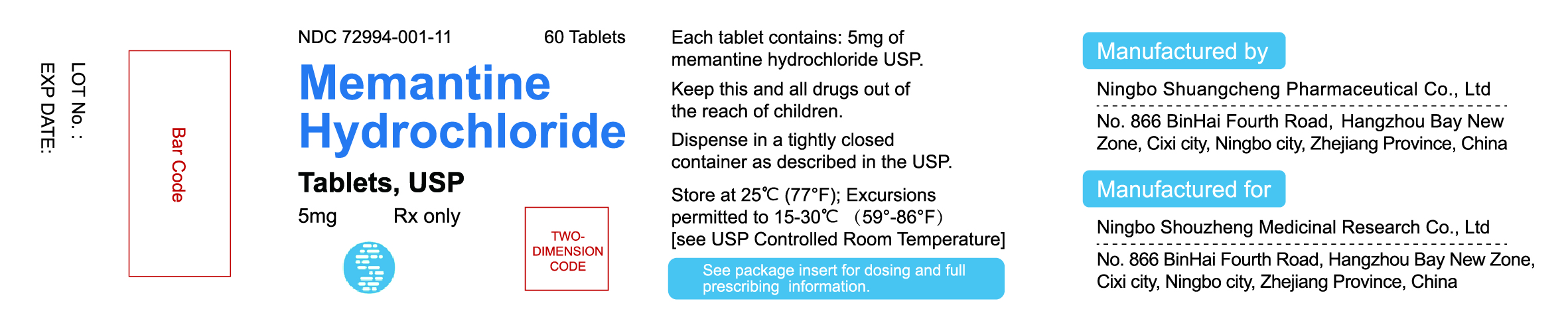
Label for Memantine Hydrochloride Tablets, USP 5mg, with a package count of 60 tablets. The label shows the NDC number 72994-001-11 and indicates the product is Rx only. It includes storage instructions and manufacturer information for Ningbo Shuangcheng Pharmaceutical Co., Ltd, manufactured for Ningbo Shouzheng Medicinal Research Co., Ltd in Zhejiang Province, China.*
FDA Label Image

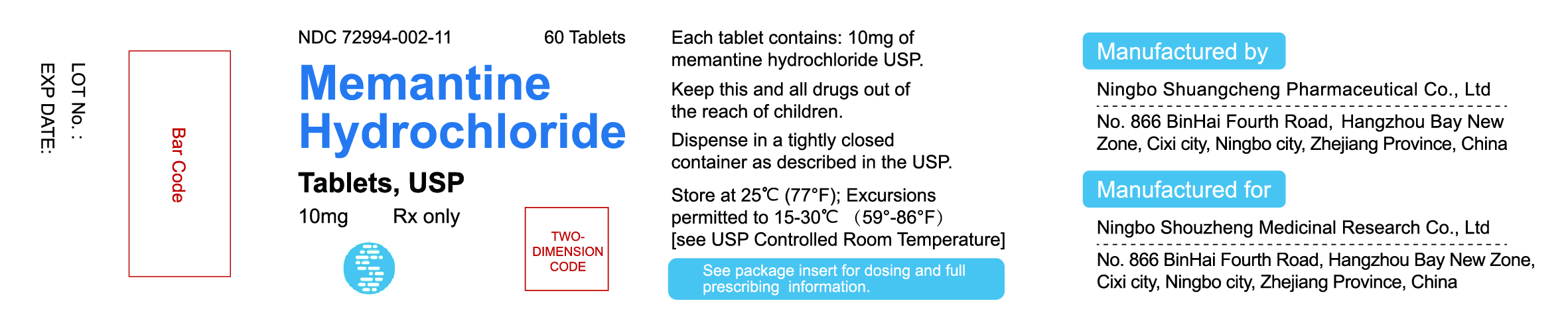
Draft Container Label 10mg60ct (Draft Container Label 10mg60ct)

Draft Container Label 10mg60ct (Draft Container Label 10mg60ct)
Label for Memantine Hydrochloride Tablets, USP 10 mg, 60 tablets, Rx only. The label shows storage instructions, dosing information reference, and manufacturing details by Ningbo Shuangcheng Pharmaceuticals Co., Ltd and manufactured for Ningbo Shouzheng Medicinal Research Co., Ltd in China. NDC 72994-02-11 is displayed.*
FDA Label Image

Draft Container Label 5mg60ct (Draft Container Label 5mg60ct)

Draft Container Label 5mg60ct (Draft Container Label 5mg60ct)
Label for Memantine Hydrochloride Tablets USP 5 mg, containing 60 tablets. The label includes NDC 72994-001-11 and instructs storage at 25°C with allowed excursions, keeping out of reach of children, and dispensing in a tightly closed container. Manufactured by Ningbo Shuangcheng Pharmaceuticals Co., Ltd and manufactured for Ningbo Shouzheng Medicinal Research Co., Ltd, both located in Zhejiang Province, China.*
FDA Label Image

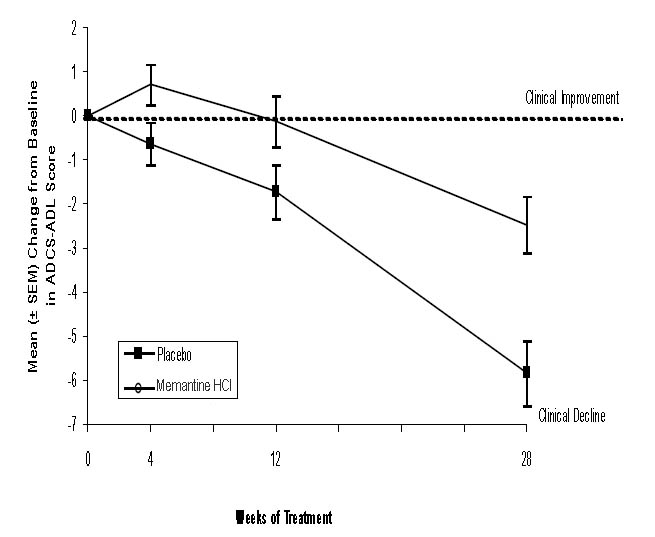
Figure 1: Time Course Of The Change From Baseline Inadcs-adl Score For Patients Completing 28 Weeks Of Treatment. (Figure1)

Figure 1: Time Course Of The Change From Baseline Inadcs-adl Score For Patients Completing 28 Weeks Of Treatment. (Figure1)
A line graph showing the mean change from baseline in ADCS-ADL score over 28 weeks of treatment. Two lines represent Placebo and Memantine HCl groups. The y-axis ranges from clinical improvement to clinical decline, with the placebo group showing greater decline over time compared to the Memantine HCl group. Error bars indicate SEM variability at each time point.*
FDA Label Image

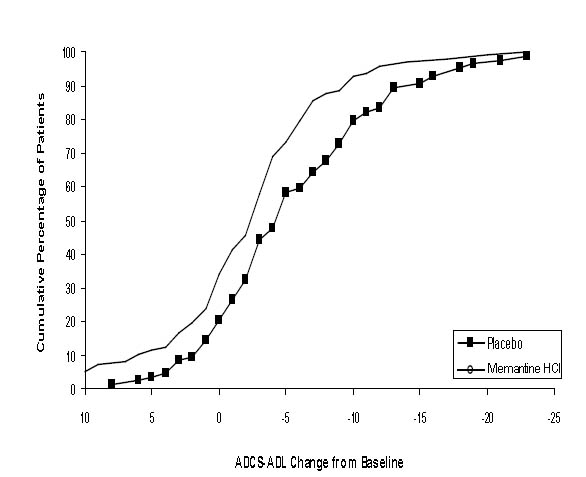
Figure 2: Cumulative Percentage Of Patients Completing 28 Weeks Of Double-blind Treatment With Specified Changes From Baseline In Adcs-adl Scores. (Figure2)

Figure 2: Cumulative Percentage Of Patients Completing 28 Weeks Of Double-blind Treatment With Specified Changes From Baseline In Adcs-adl Scores. (Figure2)
A cumulative percentage graph comparing patients on Placebo versus Memantine HCl. The x-axis represents ADCS ADL Change from Baseline, and the y-axis shows the cumulative percentage of patients. The graph plots two curves, with Memantine HCl showing a generally higher cumulative percentage at larger negative ADL changes compared to Placebo.*
FDA Label Image

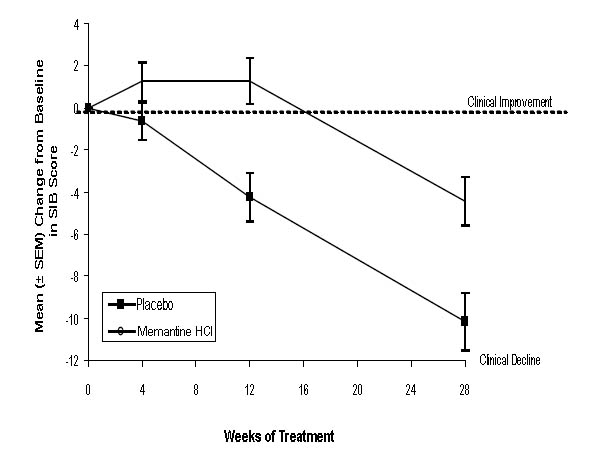
Figure 3: Time Course Of The Change From Baseline In Sib Score For Patients Completing 28 Weeks Of Treatment. (Figure3)

Figure 3: Time Course Of The Change From Baseline In Sib Score For Patients Completing 28 Weeks Of Treatment. (Figure3)
A line graph showing the mean change from baseline in SIB score over 28 weeks of treatment for Placebo and Memantine HCl groups. The x-axis represents weeks of treatment, and the y-axis shows the mean change with standard error bars. The graph includes lines indicating clinical improvement and clinical decline.*
FDA Label Image

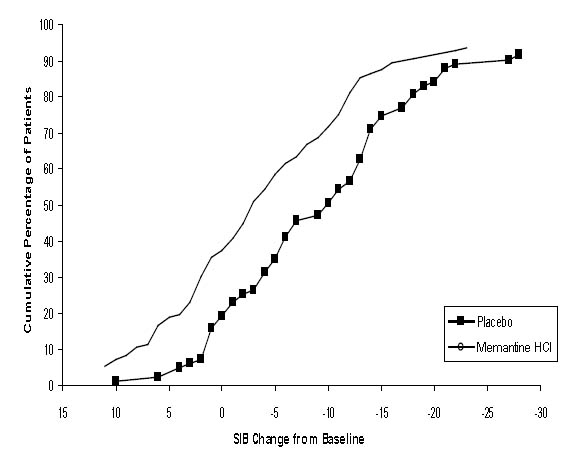
Figure 4: Cumulative Percentage Of Patients Completing 28 Weeks Of Double-blind Treatment With Specified Changes From Baseline In Sib Scores. (Figure4)

Figure 4: Cumulative Percentage Of Patients Completing 28 Weeks Of Double-blind Treatment With Specified Changes From Baseline In Sib Scores. (Figure4)
A cumulative percentage of patients graph showing SIB (Severe Impairment Battery) change from baseline. The x-axis represents the SIB change from baseline, ranging from positive to negative values, while the y-axis shows the cumulative percentage of patients from 0 to 100%. Two lines are plotted: one for Placebo (black squares) and one for Memantine HCl (open circles), indicating patient response differences between treatments.*
FDA Label Image

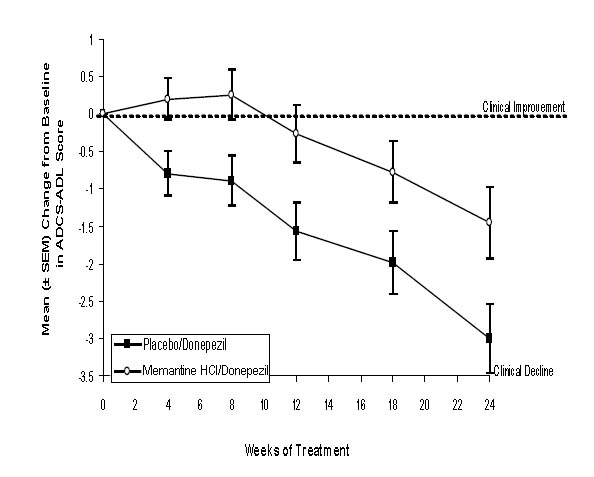
Figure 5: Time Course Of The Change From Baseline In Adcs-adl Score For Patients Completing 24 Weeks Of Treatment. (Figure5)

Figure 5: Time Course Of The Change From Baseline In Adcs-adl Score For Patients Completing 24 Weeks Of Treatment. (Figure5)
A line graph showing mean change from baseline in ADCS-ADL scores over 24 weeks of treatment, comparing Placebo/Donepezil and Memantine HCl/Donepezil groups. The graph includes error bars and marks clinical improvement and decline thresholds on the y-axis.*
FDA Label Image

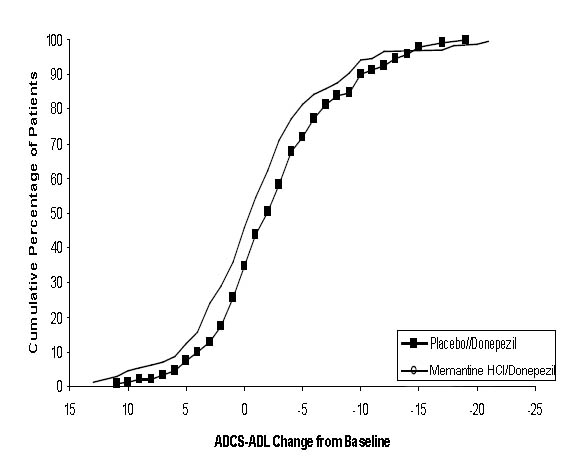
Figure 6: Cumulative Percentage Of Patients Completing 24 Weeks Of Double-blind Treatment With Specified Changes From Baseline In Adcs-adl Scores. (Figure6)

Figure 6: Cumulative Percentage Of Patients Completing 24 Weeks Of Double-blind Treatment With Specified Changes From Baseline In Adcs-adl Scores. (Figure6)
A line graph depicting cumulative percentage of patients plotted against ADCS-ADL change from baseline. Two groups are compared: Placebo/Donepezil (black squares) and Memantine HCl/Donepezil (open circles), showing patient response distribution over a range of ADCS-ADL score changes.*
FDA Label Image

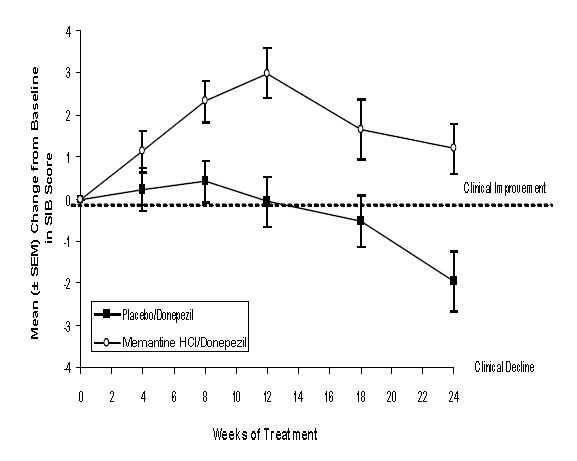
Figure 7: Time Course Of The Change From Baseline In Sib Score For Patients Completing 24 Weeks Of Treatment. (Figure7)

Figure 7: Time Course Of The Change From Baseline In Sib Score For Patients Completing 24 Weeks Of Treatment. (Figure7)
A line graph comparing mean change from baseline in SIB scores over 24 weeks of treatment between Placebo/Donepezil and Memantine HCl/Donepezil. The x-axis represents weeks of treatment, and the y-axis shows mean change, with positive values indicating clinical improvement and negative values indicating clinical decline. The graph includes error bars for SEM.*
FDA Label Image

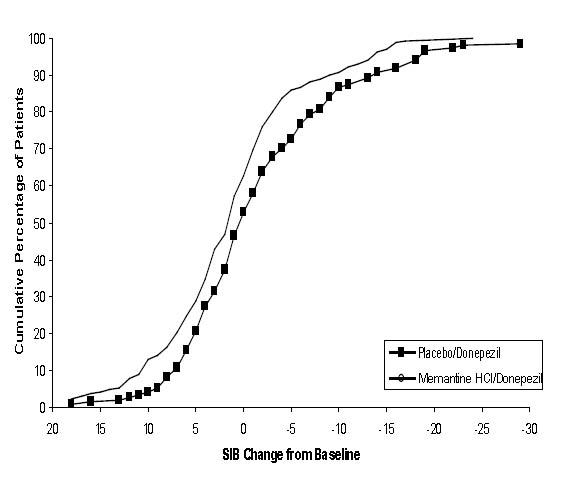
Figure 8: Cumulative Percentage Of Patients Completing 24 Weeks Of Double-blind Treatment With Specified Changes From Baseline In Sib Scores. (Figure8)

Figure 8: Cumulative Percentage Of Patients Completing 24 Weeks Of Double-blind Treatment With Specified Changes From Baseline In Sib Scores. (Figure8)
A cumulative distribution plot showing the percentage of patients versus SIB change from baseline. The graph compares two groups: Placebo/Donepezil (black squares) and Memantine HCl/Donepezil (white circles). The x-axis represents SIB change from baseline, ranging approximately from 30 to -30, and the y-axis represents cumulative percentage of patients from 0% to 100%.*
FDA Label Image

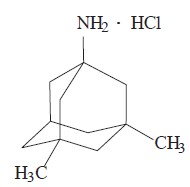
Structural Formula (Structural Formula)

Structural Formula (Structural Formula)
Chemical structure diagram showing the molecular formula of the active ingredient, featuring a bicyclic structure with amino (NH2) and hydrochloride (HCl) groups, as depicted for the product labeled under Ningbo Shouzheng Medicinal Research Co., Ltd.*

* About these descriptions: Image descriptions on this page are generated by automated AI analysis of the product label images from the manufacturer's FDA label submission (SPL). They are provided for reference only and may contain errors or omissions. Always rely on the printed label itself and the official FDA labeling, and consult a pharmacist or healthcare professional with any questions about this product.