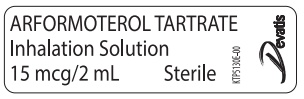
Arformoterol Tartrate Inhalation Solution
Product Images NDC 73043-052

View Photos of Packaging, Regulatory Labels, and Product Appearance

Product Visual Gallery

This gallery contains 11 technical images submitted to the FDA as part of the official labeling for Arformoterol Tartrate Inhalation (NDC 73043-052). Unlike standard consumer photos, these assets often include clinical data figures, molecular chemical structures, and official manufacturer packaging layouts.

As provided by Devatis, Inc., these visuals offer a comprehensive scientific overview of the product's physical and chemical identity, aiding pharmacists and researchers in product verification and study.

FDA Label Image

Carton Image (Carton)
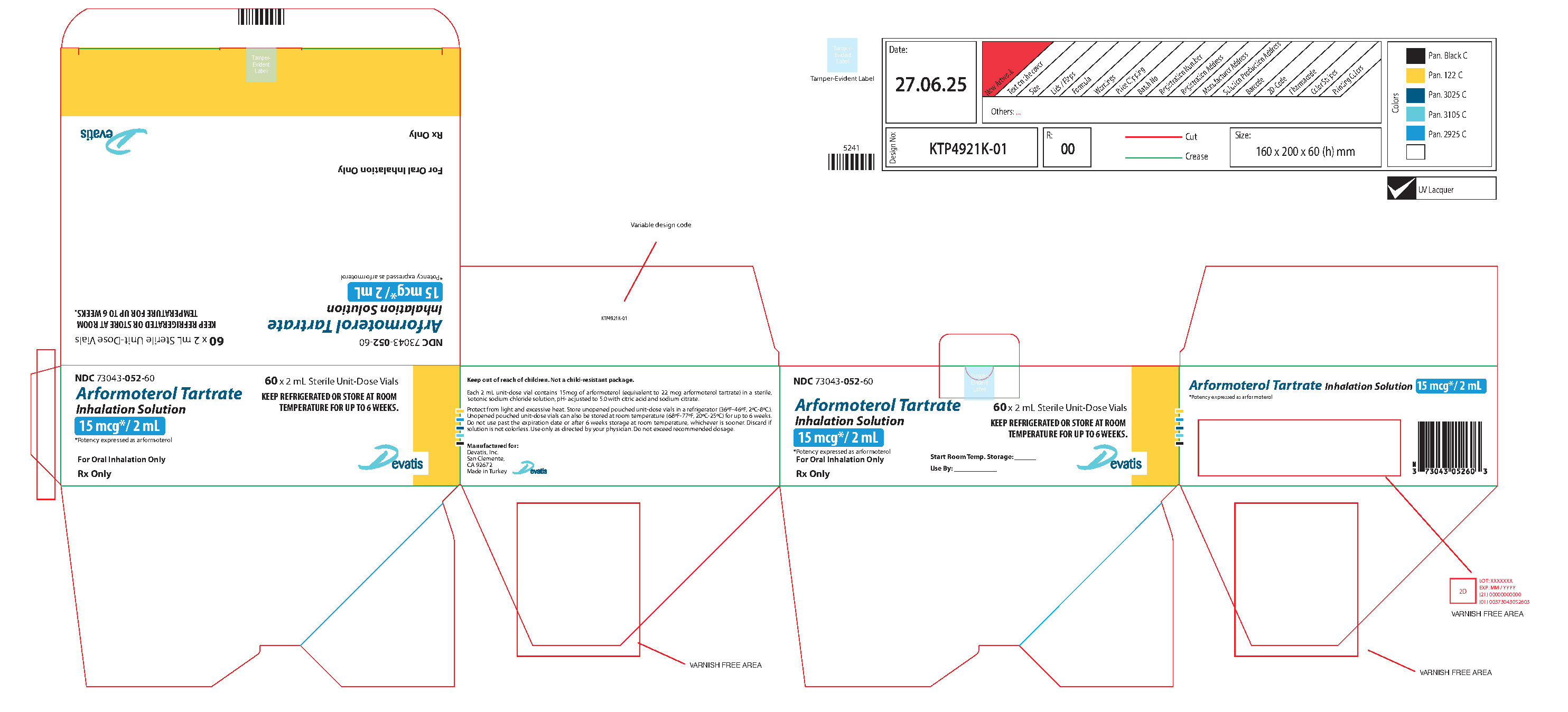
FDA Label Image

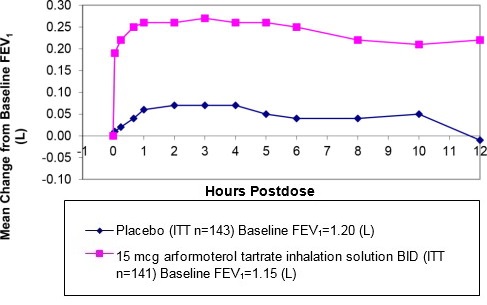
Image (Figure 1)

Image (Figure 1)
This text provides data on the change in Forced Expiratory Volume in one second (FEV1) from baseline after treatment with a placebo and 15 mcg of arformoterol tartrate inhalation solution twice daily. The results are based on 143 participants in the placebo group and 141 participants in the arformoterol tartrate group. The baseline FEV1 for the placebo group was 1.20 liters, and for the arformoterol tartrate group was 1.15 liters.*
FDA Label Image

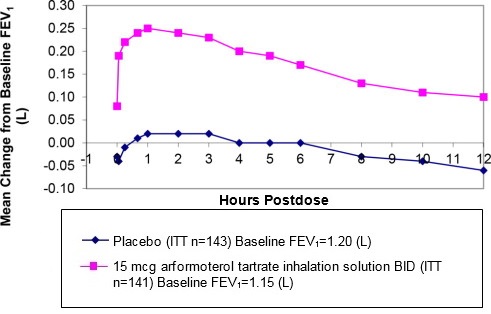
Image (Figure 2)

Image (Figure 2)
This text provides information on the mean change from baseline Forced Expiratory Volume in one second (FEV1) at different time points postdose for a placebo group and a group receiving 15 mcg arformoterol tartrate inhalation solution twice a day. The baseline FEV1 values for both groups are also mentioned.*
FDA Label Image

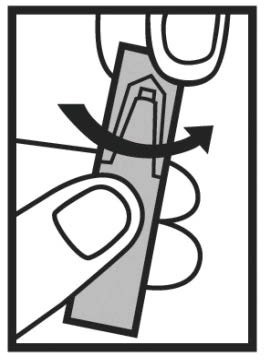
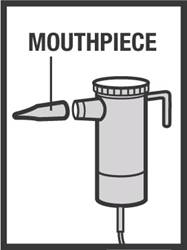
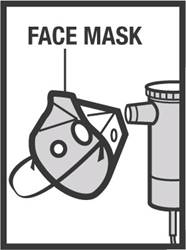
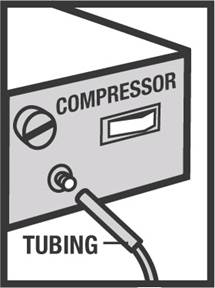
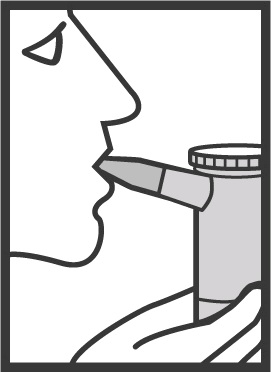
Patient Information Figure 1 (Patient 1)

FDA Label Image

Patient Information Figure 2 (Patient 2)

FDA Label Image

Patient Information Figure 3 (Patient 3)

FDA Label Image

Patient Information Figure 4 (Patient 4)

FDA Label Image

Patient Information Figure 5 (Patient 5)

FDA Label Image

Patient Information Figure 6 (Patient 6)

FDA Label Image

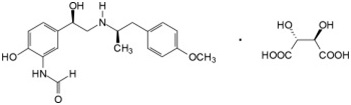
Structure (Structure)

FDA Label Image

Ampule Label (Tail)

* These product label images have been analyzed using experimental machine learning. Please verify findings with the primary label text.