Highlights Of Prescribing Information
These highlights do not include all the information needed to use Lidocaine Hydrochloride Injection, USP safely and effectively. See full prescribing information for Lidocaine Hydrochloride Injection, USP.
Lidocaine Hydrochloride Injection, USP for infiltration and nerve block
Lidocaine Hydrochloride Injection, USP-Methylparaben Free, for infiltration, nerve block, epidural and caudal
Initial U.S. Approval: 2020
-------------------- INDICATIONS AND USAGE--------------------
Lidocaine Hydrochloride Injection, USP contains lidocaine, an amide local anesthetic. Lidocaine Hydrochloride Injection, USP is indicated in adult and pediatric patients for the production of local or regional anesthesia or analgesia for surgery, dental, and oral surgery procedures, diagnostic and therapeutic procedures, and for obstetrical procedures. For each type of block indicated to produce local or regional anesthesia or analgesia, specific concentrations and presentations are recommended. (1, 2.2)
-------------- DOSAGE AND ADMINISTRATION-----------------
- See Full Prescribing Information for recommended dosages and administration information for adult and pediatric patients
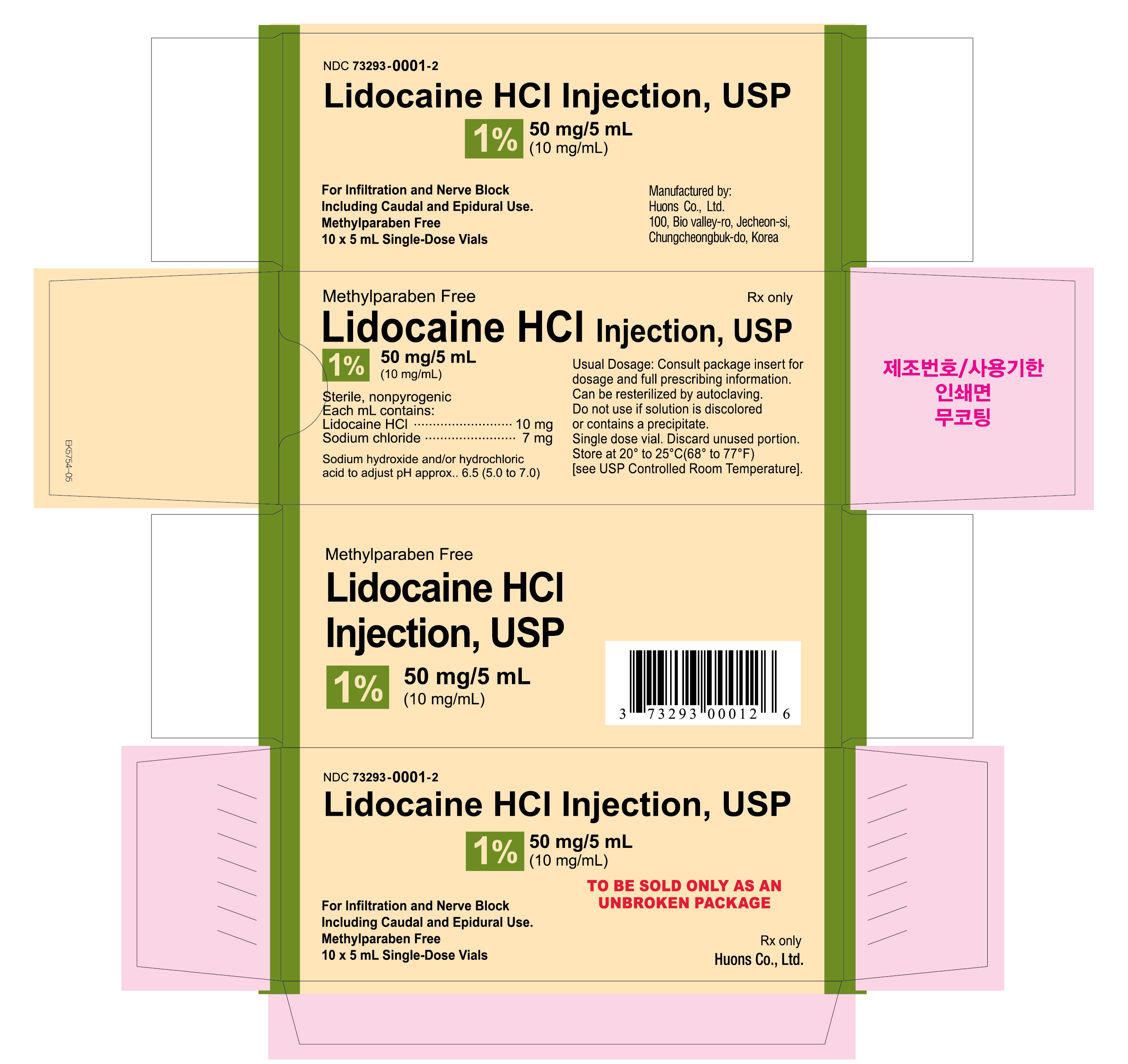
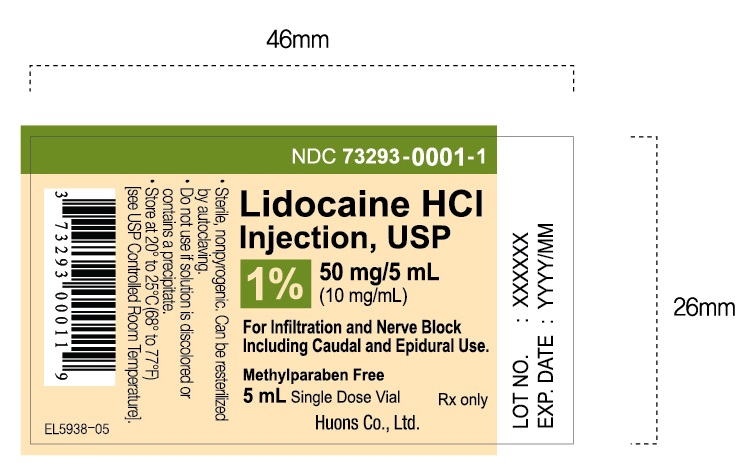
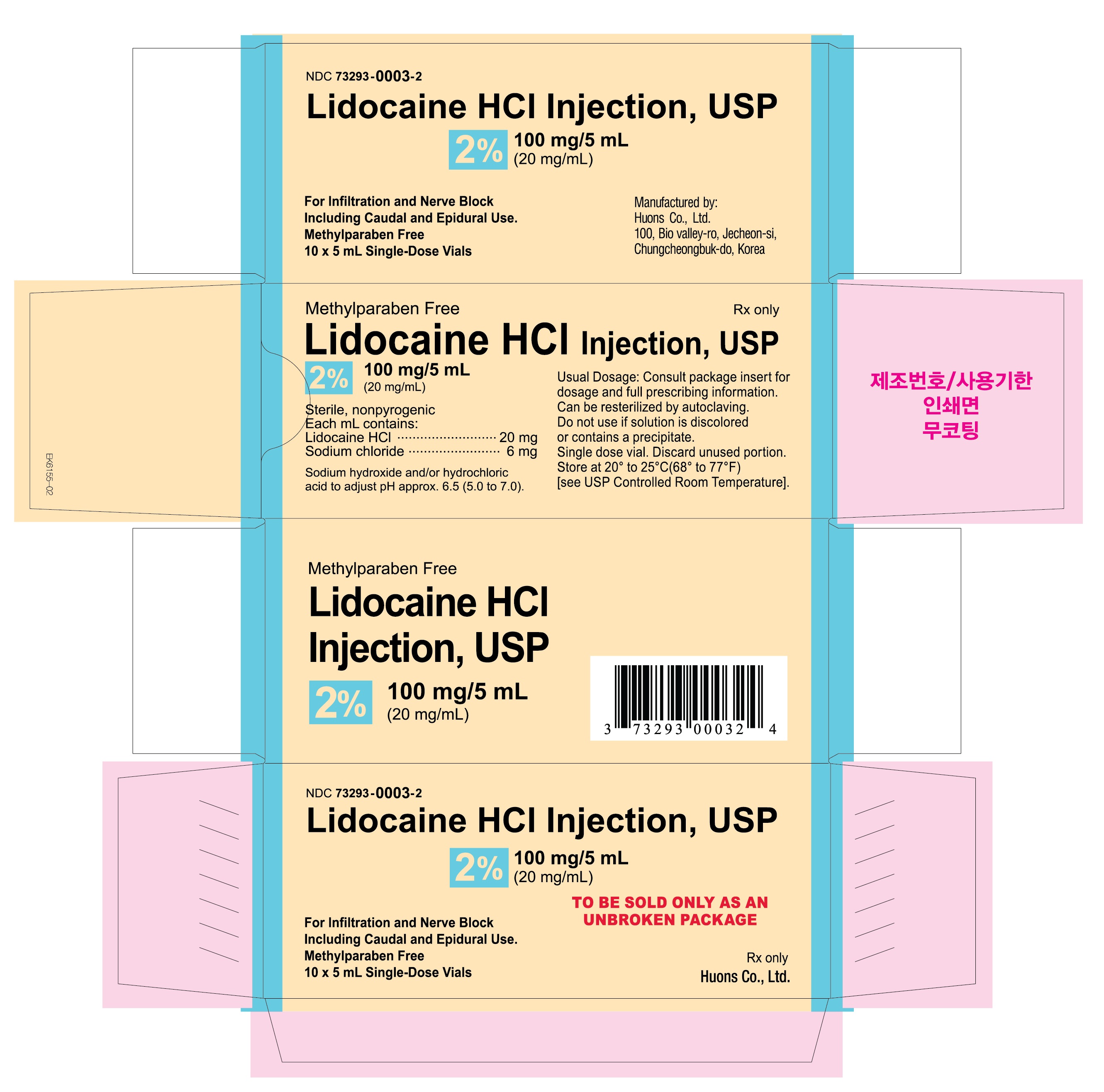
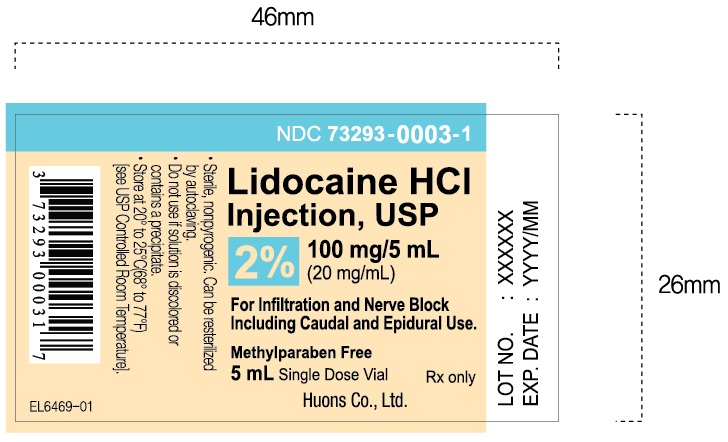
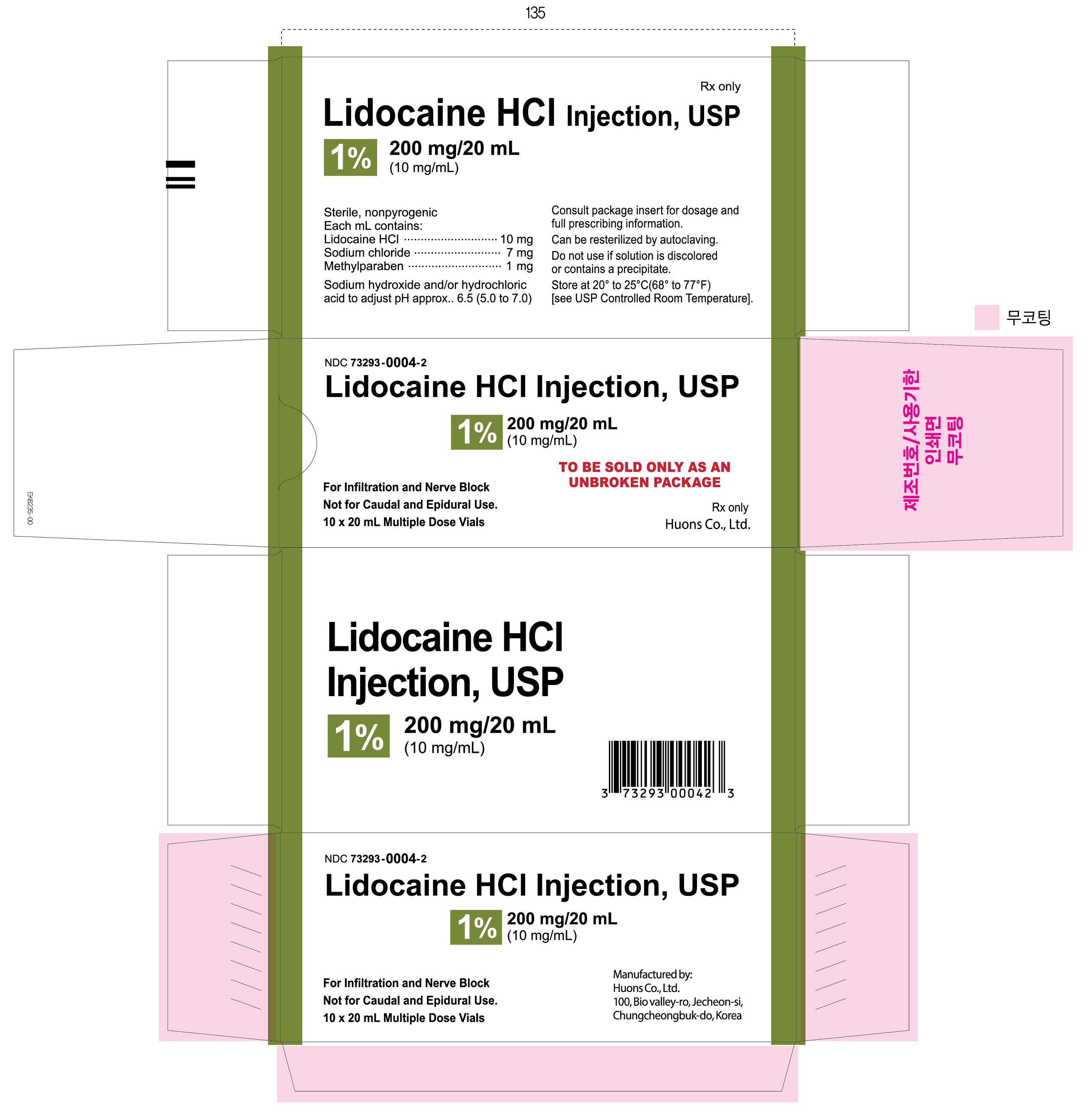
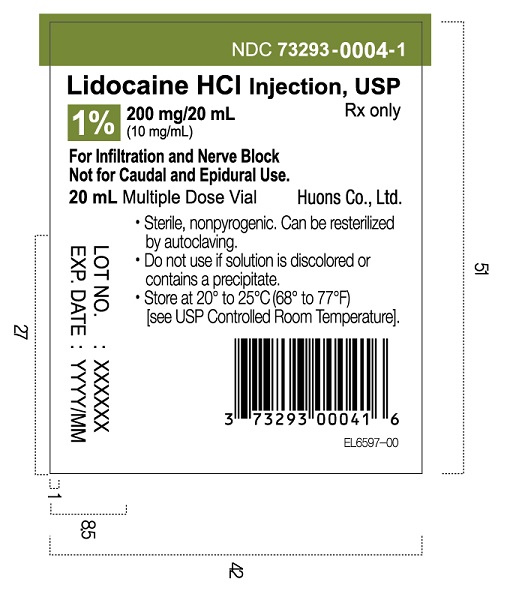
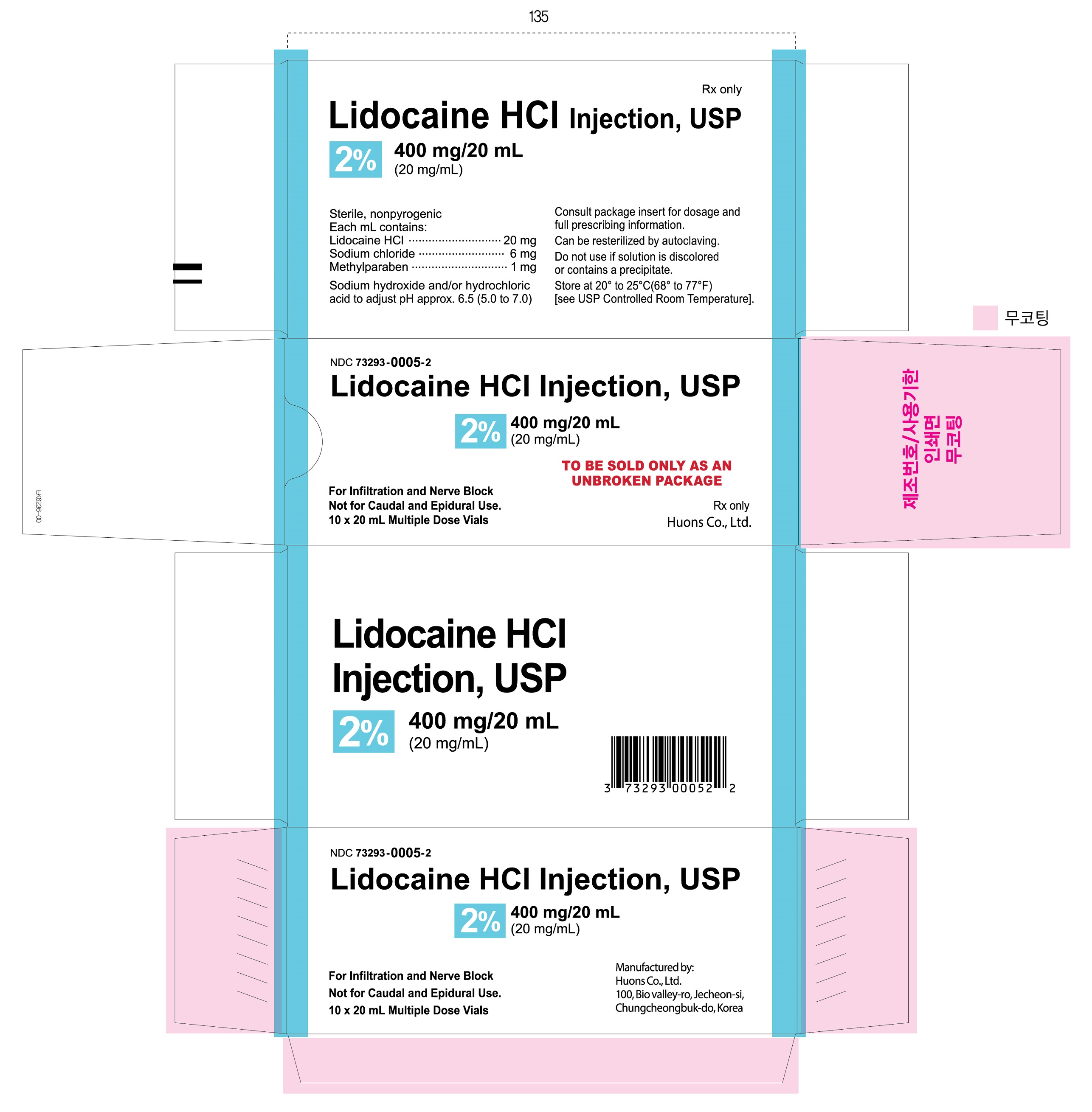
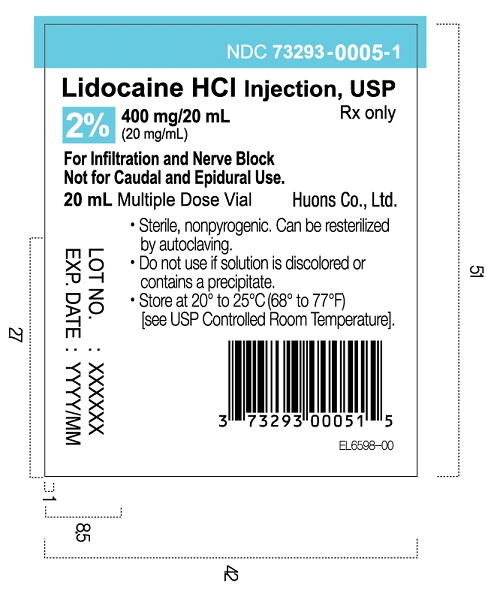
- Lidocaine Hydrochloride Injection, USP: 1%, 2%
- Lidocaine Hydrochloride Injection, USP-Methylparaben Free: 1%, 2%
- Known hypersensitivity to any local anesthetic agent of the amide-type or to other components of Lidocaine Hydrochloride Injection, USP.
- Dose-Related Toxicity: Monitor cardiovascular and respiratory vital signs and patient’s state of consciousness after injection of Lidocaine Hydrochloride Injection, USP (5.1)
- Methemoglobinemia: Cases of methemoglobinemia have been reported in association with local anesthetics use. See full prescribing information for more details on managing these risks. (5.2)
- Chondrolysis with Intra-Articular Infusion: Avoid Intra-articular infusions as there have been post-marketing reports of chondrolysis in patients receiving such infusion. (5.4)
- Risk of Systemic Toxicities with Unintended Intravascular or Intrathecal Injection: Unintended intravascular or intrathecal injection may be associated with systemic toxicities, including CNS or cardiorespiratory depression and coma, progression ultimately to respiratory arrest. Aspirate for blood or cerebrospinal fluid (where applicable) prior to each dose and consider using a test dose of Lidocaine Hydrochloride Injection, USP (5.7)
- Central Nervous System: Lightheadedness, nervousness, apprehension, euphoria, confusion, dizziness, drowsiness, tinnitus, blurred or double vision, vomiting, sensations of heat, cold or numbness, twitching, tremors, convulsions, unconsciousness, respiratory depression and arrest. (6)
- Cardiovascular System: Bradycardia, hypotension, and cardiovascular collapse. (6)
- Allergic: Cutaneous lesions, urticaria, edema or anaphylactoid reactions. (6)
- Neurologic: Positional headaches, hypotension and backache. (6)
- Hematologic: Methemoglobinemia. (6)
- Local Anesthetics: The toxic effects of local anesthetics are additive. Monitor for neurologic and cardiovascular effects when additional local anesthetics are administered (7.1)
- Drugs Associated with Methemoglobinemia: Patients are at increased risk of developing methemoglobinemia when concurrently exposed to nitrates, nitrites, local anesthetics, antineoplastic agents, antibiotics, antimalarials, anticonvulsants and other drugs (7.5)
- Potent Inhalation Anesthetics: Serious dose-related cardiac arrhythmias may occur if preparations containing epinephrine are used in patients during or following the administration of potent inhalation anesthetics (5.11, 7.6)
- Geriatric Use: Elderly patients should be given reduced doses commensurate with their age and physical condition (8.5)
- Hepatic Impairment: consider reduced dosing and increased monitoring for local anesthetic systemic toxicity in patients with hepatic impairment (8.6)
-------------- DOSAGE FORMS AND STRENGTHS--------------
---------------------- CONTRAINDICATIONS -----------------------
---------------- WARNINGS AND PRECAUTIONS----------------
---------------------- ADVERSE REACTIONS -----------------------
Most common adverse reactions are follows:
To report SUSPECTED ADVERSE REACTIONS, contact FDA at 1-800-FDA-1088 or www.fda.gov/medwatch.
----------------------- DRUG INTERACTIONS------------------------
See 17 for PATIENT COUNSELING INFORMATION.
Revised: 12/2024