Obstructive Hypertrophic Cardiomyopathy
The efficacy of CAMZYOS was evaluated in EXPLORER-HCM (NCT-03470545) a Phase 3, double-blind, randomized, placebo-controlled, multicenter, international, parallel-group trial in 251 adults with symptomatic NYHA class II and III obstructive HCM, LVEF ≥55%, and Valsalva LVOT peak gradient ≥50 mmHg at rest or with provocation.
Patients on dual therapy with beta blocker and calcium channel blocker treatment or monotherapy with disopyramide or ranolazine were excluded. Patients with a known infiltrative or storage disorder causing cardiac hypertrophy that mimicked obstructive HCM, such as Fabry disease, amyloidosis, or Noonan syndrome with left ventricular hypertrophy, were also excluded.
Patients were randomized in a 1:1 ratio to receive either a starting dose of 5 mg of CAMZYOS or placebo once daily for 30 weeks. Treatment assignment was stratified by baseline disease severity NYHA functional class, baseline use of beta blockers, and type of ergometer (treadmill or exercise bicycle).
Groups were well matched with respect to age (mean 59 years), BMI (mean 30 kg/m2), heart rate (mean 62 bpm), blood pressure (mean 128/76 mmHg), and race (90% Caucasian). Males comprised 54% of the CAMZYOS group and 65% of the placebo group.
At baseline, approximately 73% of the randomized patients were NYHA class II and 27% were NYHA class III. The mean LVEF was 74%, and the mean Valsalva LVOT gradient was 73 mmHg. About 10% had prior septal reduction therapy, 75% were on beta blockers, 17% were on calcium channel blockers, and 14% had a history of atrial fibrillation.
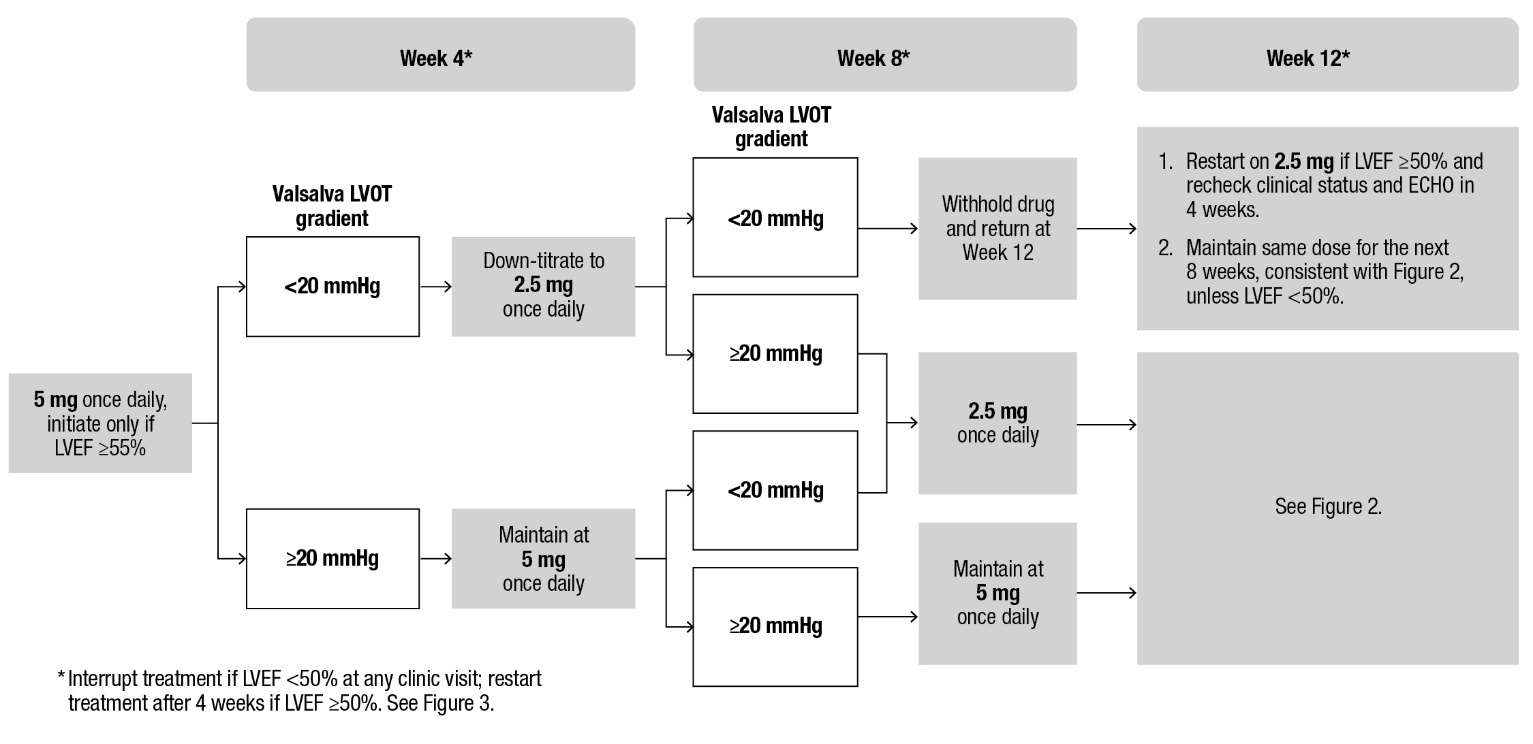
All patients were initiated on CAMZYOS 5 mg (or matching placebo) once daily, and the dose was periodically adjusted to optimize patient response (decrease in LVOT gradient with Valsalva maneuver) and maintain LVEF ≥50%. The dose was also informed by plasma concentrations of CAMZYOS.
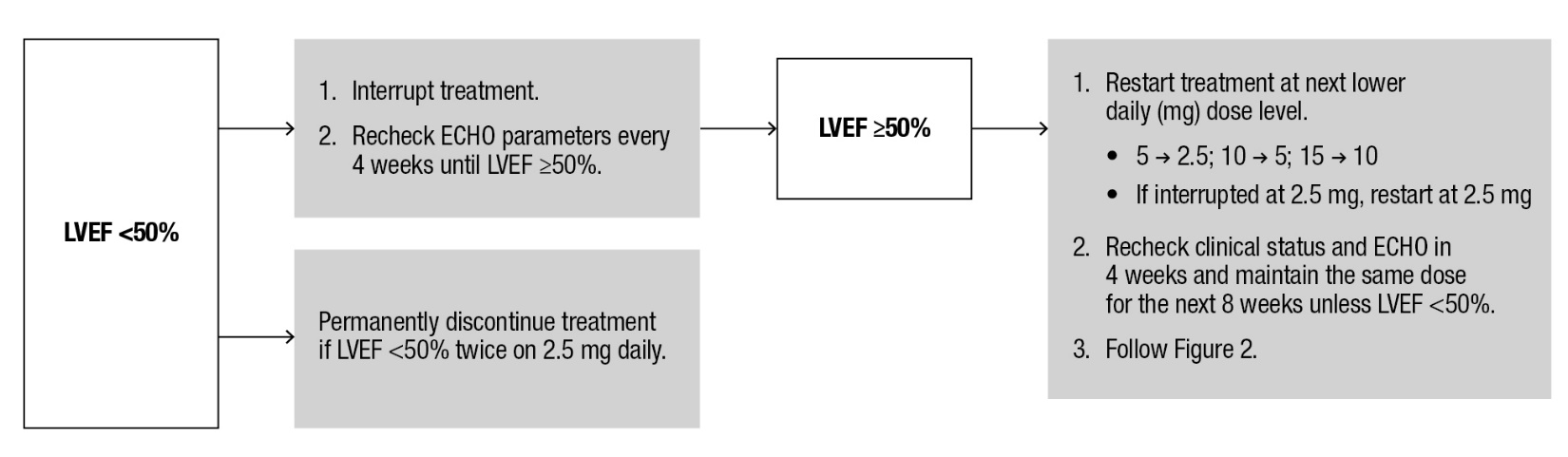
In the CAMZYOS group, at the end of treatment, 49% of patients were receiving the 5-mg dose, 33% were receiving the 10-mg dose, and 11% were receiving the 15-mg dose. Three patients temporarily interrupted their dose due to LVEF <50%, of whom two resumed treatment at the same dose and one had the dose reduced from 10 mg to 5 mg.
Primary endpoint
The primary composite functional endpoint, assessed at 30 weeks, was defined as the proportion of patients who achieved either improvement of mixed peak oxygen consumption (pVO2) by ≥1.5 mL/kg/min plus improvement in NYHA class by at least 1 or improvement of pVO2 by ≥3.0 mL/kg/min plus no worsening in NYHA class.
A greater proportion of patients met the primary endpoint at Week 30 in the CAMZYOS group compared to the placebo group (37% vs. 17%, respectively, p=0.0005; see Table 2).
Table 2: Primary Endpoint at 30 Weeks | CAMZYOS N = 123 | Placebo N = 128 | Difference (95% CI) | p-value |
Total responders | 45 (37%) | 22 (17%) | 19% (9, 30) | 0.0005 |
Change from baseline pVO2 ≥1.5 mL/kg/min and decreased NYHA | 41 (33%) | 18 (14%) | 19% (9, 30) | |
Change from baseline pVO2 ≥3 mL/kg/min and NYHA not increased | 29 (23%) | 14 (11%) | 13% (3, 22) | |
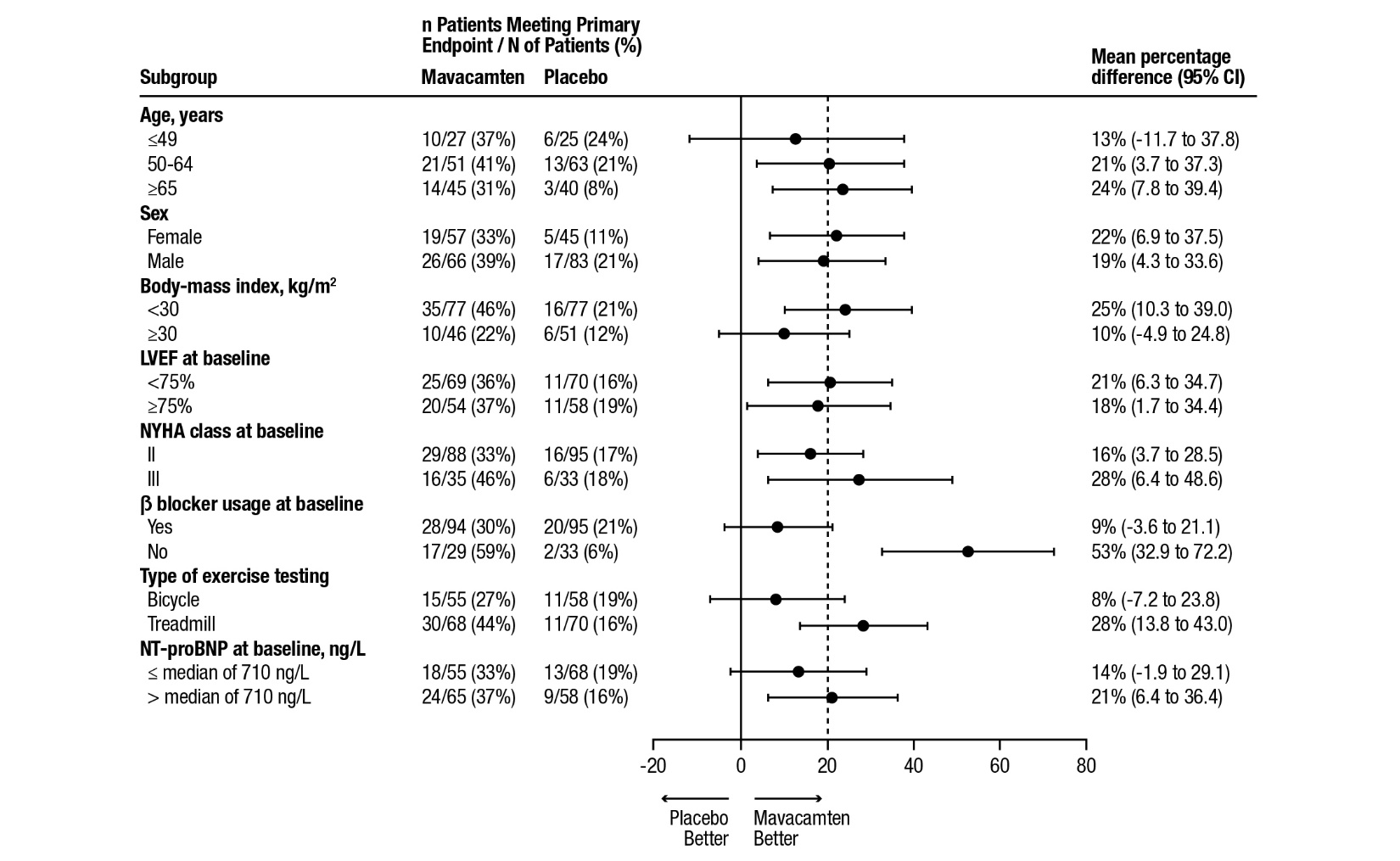
A range of demographic characteristics, baseline disease characteristics, and baseline concomitant medications were examined for their influence on outcomes. Results of the primary analysis consistently favored CAMZYOS across all subgroups analyzed (Figure 4).
Figure 4: Subgroup Analysis of the Primary Composite Functional Endpoint

Fig_subgroupanalysisoftheprimarycompositefunctionalendpoint (Fig Subgroupanalysisoftheprimarycompositefunctionalendpoint)
The dashed vertical line represents the overall treatment effect and the solid vertical line (no effect) indicates no difference between treatment groups.
Note: The figure above presents effects in various subgroups, all of which are baseline characteristics.
The 95% confidence limits that are shown do not take into account the number of comparisons made and
may not reflect the effect of a particular factor after adjustment for all other factors. Apparent
homogeneity or heterogeneity among groups should not be over-interpreted.
Although the benefit of mavacamten was smaller in patients on background beta blocker therapy compared to those who were not (attenuated improvement in pVO2), analyses of other secondary endpoints (symptoms, LVOT gradient) suggest that patients might benefit from mavacamten treatment regardless of beta blocker use.
Secondary endpoints
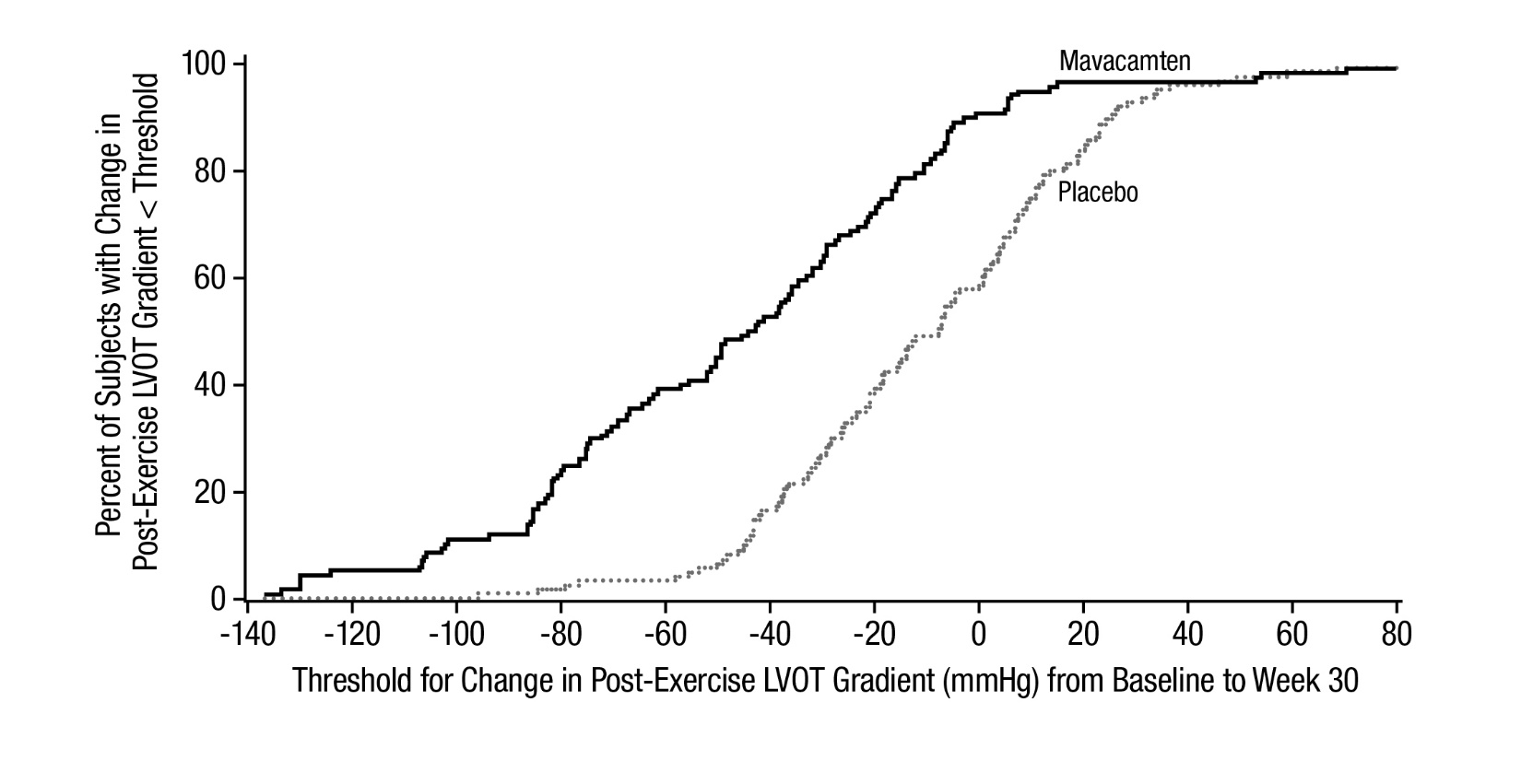
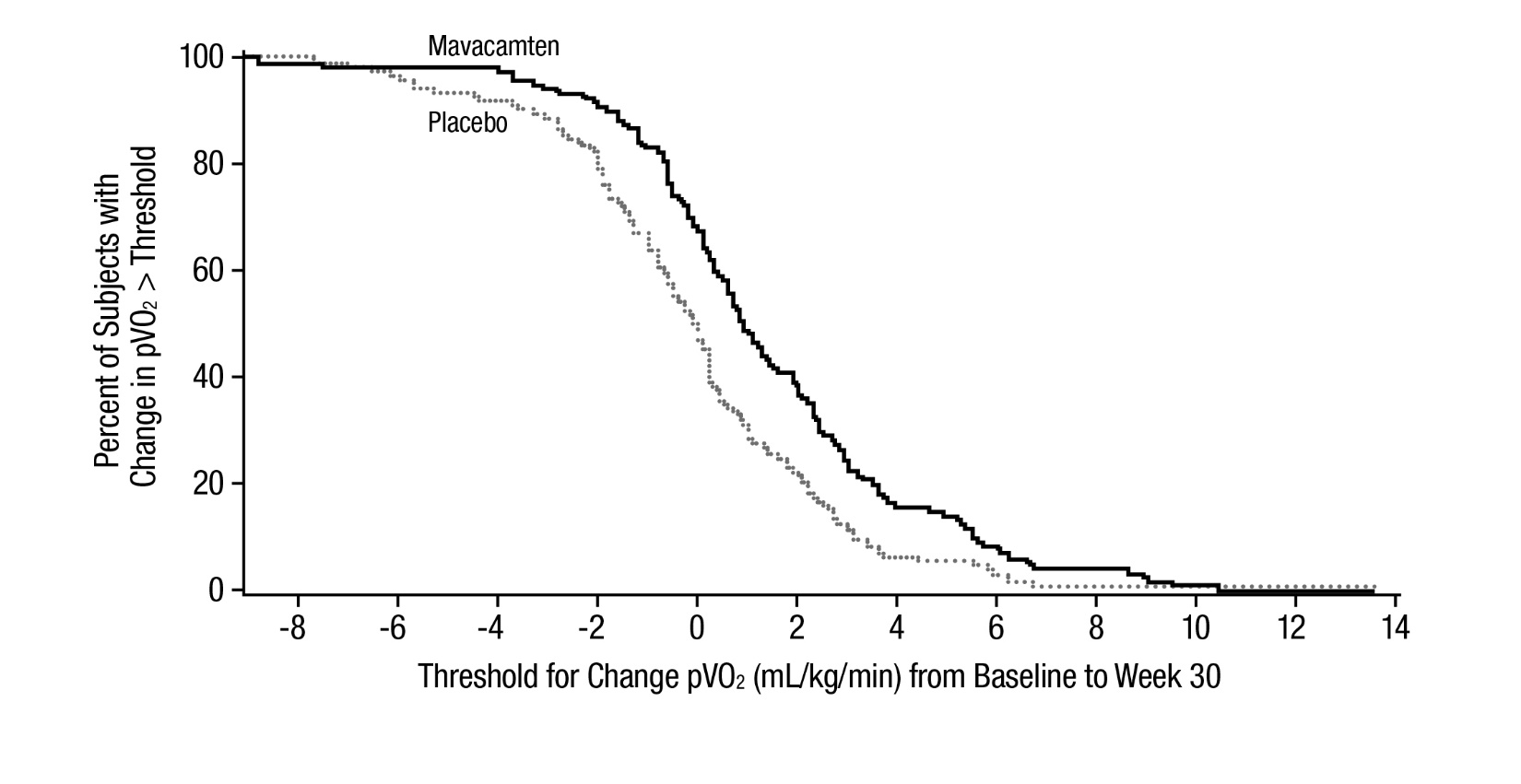
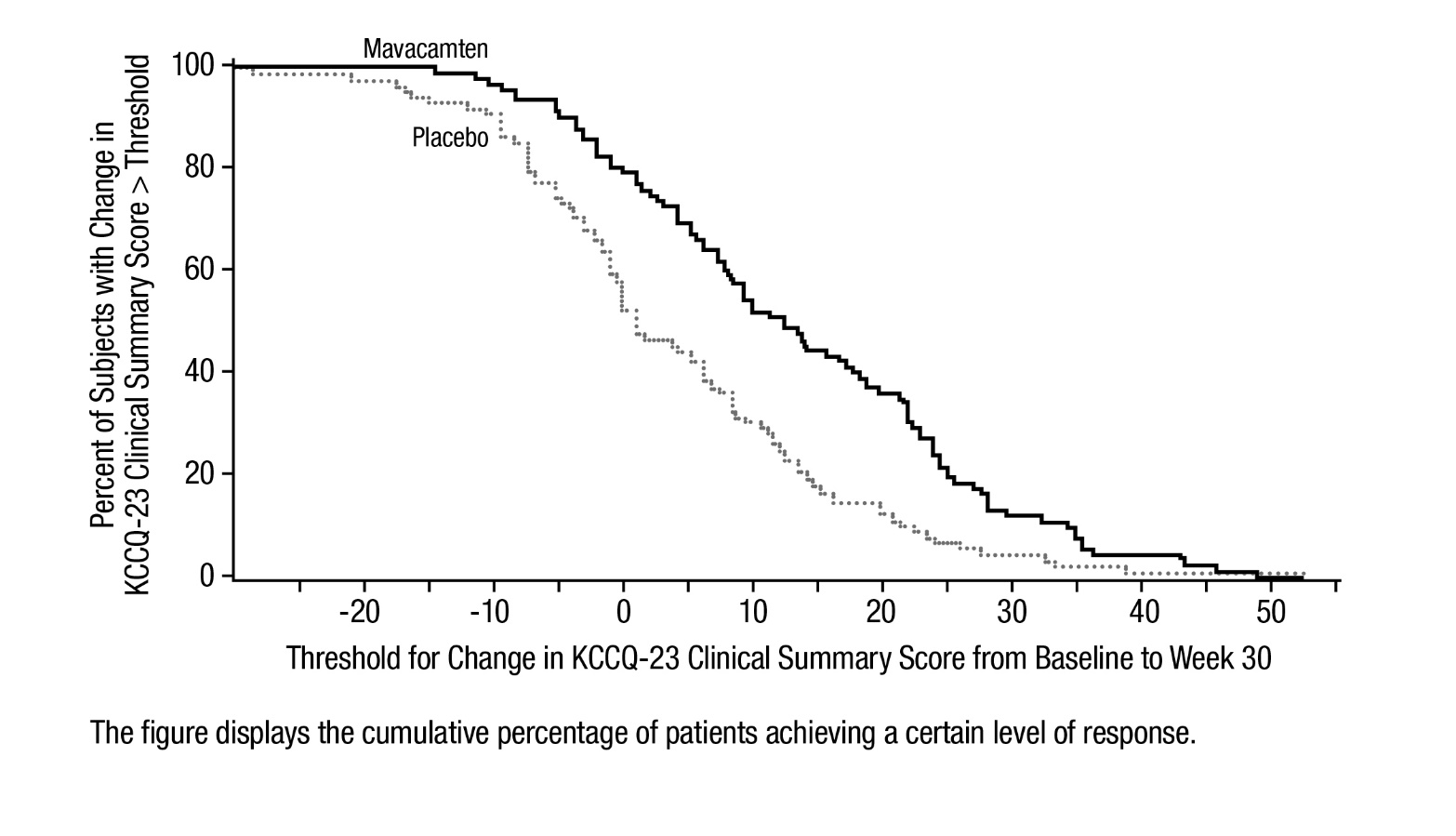
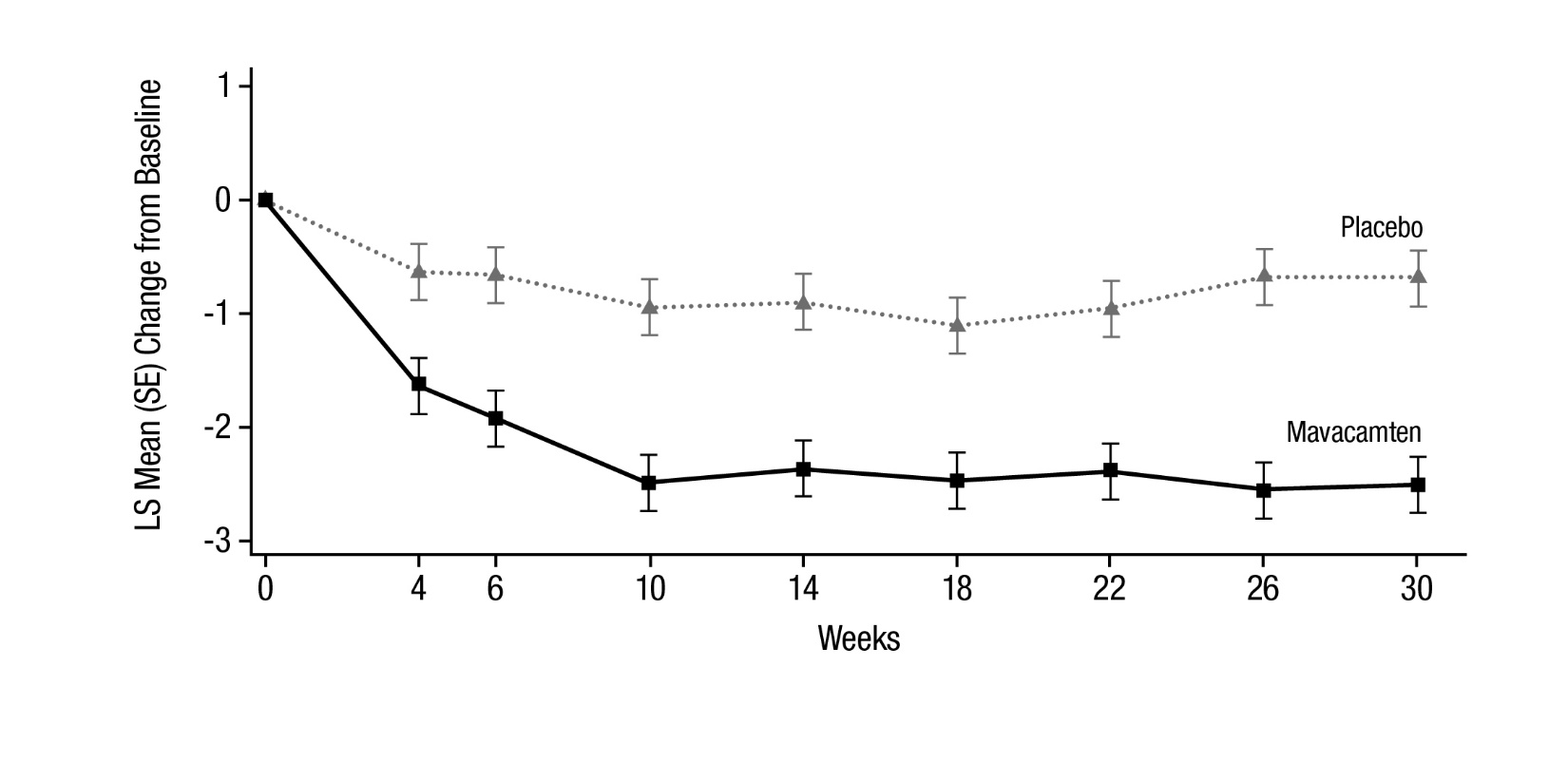
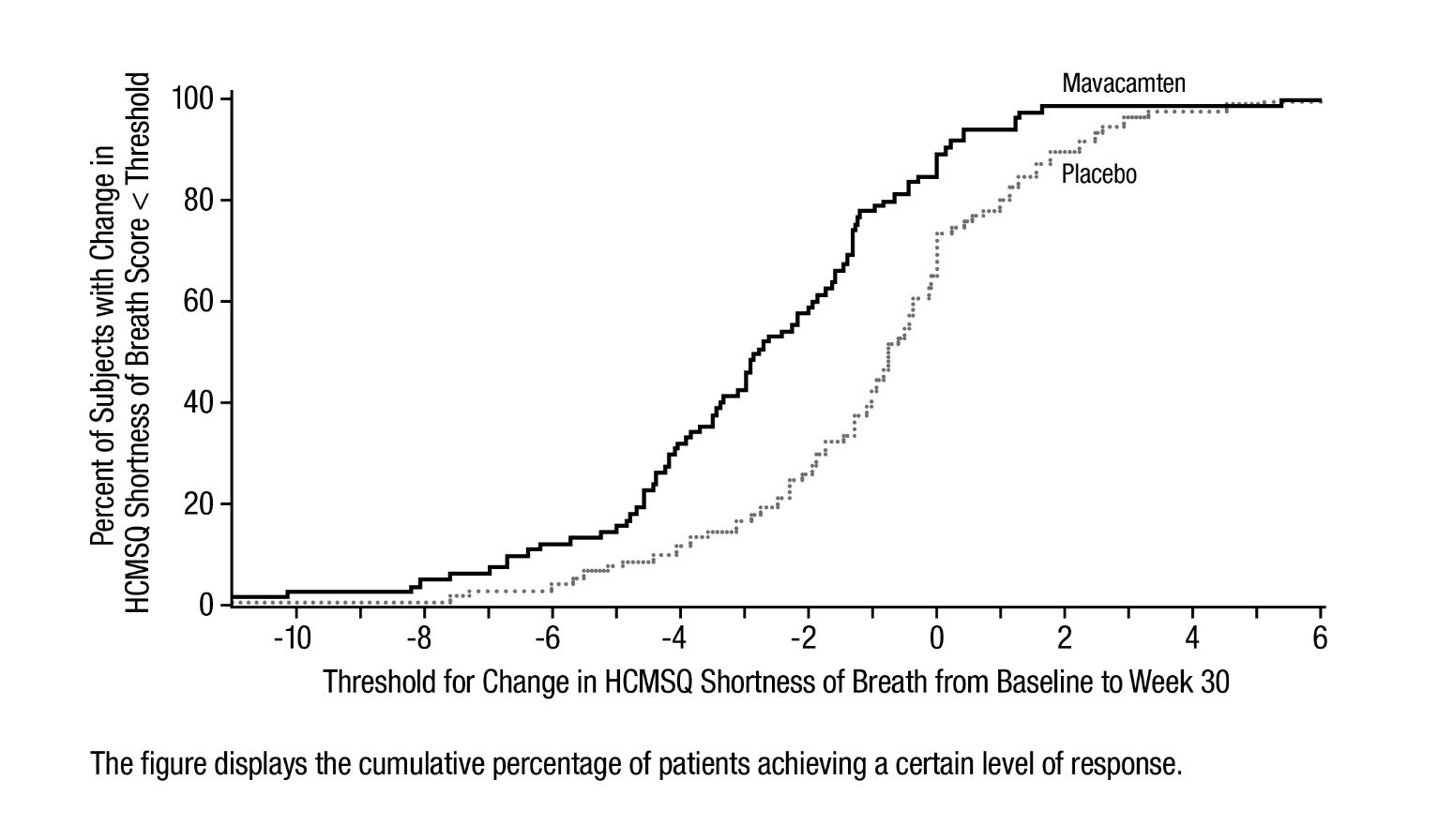
The treatment effects of CAMZYOS on LVOT obstruction, functional capacity, and health status were assessed by change from baseline through Week 30 in post-exercise LVOT peak gradient, change in pVO2, proportion of patients with improvement in NYHA class, Kansas City Cardiomyopathy Questionnaire-23 (KCCQ-23) Clinical Summary Score (CSS), and Hypertrophic Cardiomyopathy Symptom Questionnaire (HCMSQ) Shortness of Breath (SoB) domain score. At Week 30, patients receiving CAMZYOS had greater improvement compared to the placebo group across all secondary endpoints (Table 3, Figure 5, Figure 6, Table 4, and Figures 7-10).
Table 3: Change from Baseline to Week 30 in Post-Exercise LVOT Gradient, pVO2, and NYHA Class | CAMZYOS N = 123 | Placebo N = 128 | Difference (95% CI) | p-value |
Post-Exercise LVOT gradient (mmHg), mean (SD) | -47 (40) | -10 (30) | -35 (-43, -28) | <0.0001 |
pVO2 (mL/kg/min), mean (SD) | 1.4 (3.1) | -0.1 (3.0) | 1.4 (0.6, 2.1) | <0.0006 |
Number (%) with NYHA Class improved ≥1 | 80 (65%) | 40 (31%) | 34% (22%, 45%) | <0.0001 |
Figure 5: Cumulative Distribution of Change from Baseline to Week 30 in LVOT Peak Gradient

Fig_cumulativedistributionofchangefrombaselinetoweek30inlvotpeakgradient (Fig Cumulativedistributionofchangefrombaselinetoweek30inlvotpeakgradient)
Figure 6: Cumulative Distribution of Change from Baseline to Week 30 in pVO2

Fig_cumulativedistributionofchangefrombaselinetoweek30inpvo2 (Fig Cumulativedistributionofchangefrombaselinetoweek30inpvo2)
Table 4: Change from Baseline to Week 30 in KCCQ‑23 CSS and HCMSQ SoB Domain | Baseline, Mean (SD) | Change from Baseline to Week 30, Mean (SD) | Difference, LS Mean (95%CI) and p-value |
| CAMZYOS | Placebo | CAMZYOS | Placebo |
KCCQ‑23 CSS† | n=99 71 (16) | n=97 71 (19) | 14 (14) | 4 (14) | 9 (5, 13) p<0.0001 |
KCCQ-23 TSS | 71 (17) | 69 (22) | 12 (15) | 5 (16) | |
KCCQ-23 PL | 70 (18) | 72 (19) | 15 (17) | 4 (15) | |
HCMSQ SoB‡ | n=108 5 (3) | n=109 5 (3) | -3 (3) | -1 (2) | -2 (-2, -1) p<0.0001 |
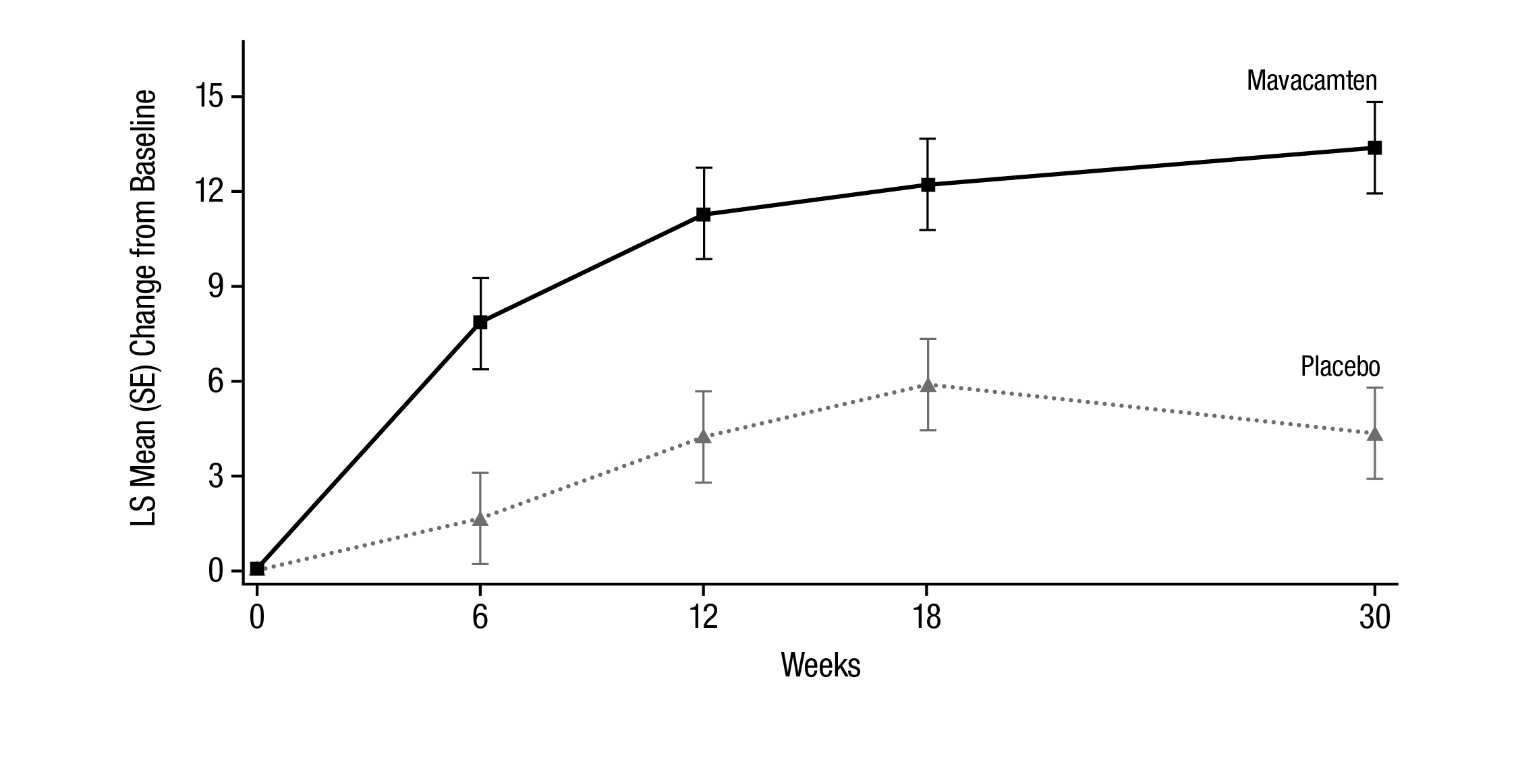
Figure 7 shows the time course for changes in KCCQ-23 CSS. Figure 8 shows the distribution of changes from baseline to Week 30 for KCCQ-23 CSS.
Figure 7: KCCQ-23 Clinical Summary Score: Mean Change from Baseline Over Time

Fig_kccq-23clinicalsummaryscoremeanchangefrombaselineovertime (Fig Kccq 23clinicalsummaryscoremeanchangefrombaselineovertime)
Figure 8: KCCQ-23 Clinical Summary Score: Cumulative Distribution of Change from Baseline to Week 30

Fig_kccq-23clinicalsummaryscorecumalativedistributionofchangefrombaselinetoweek30 (Fig Kccq 23clinicalsummaryscorecumalativedistributionofchangefrombaselinetoweek30)
Figure 9 shows the time course for changes in HCMSQ SoB. Figure 10 shows the distribution of changes from baseline to Week 30 for HCMSQ SoB.
Figure 9: HCMSQ Shortness of Breath Domain: Mean Change from Baseline Over Time

Fig_hcmsqshortnessofbreathdomainmeanchangefrombaselineovertime (Fig Hcmsqshortnessofbreathdomainmeanchangefrombaselineovertime)
Figure 10: HCMSQ Shortness of Breath Domain: Cumulative Distribution of Change from Baseline to Week 30

Fig_hcmsqshortnessofbreathdomaincummlativedistributionofchangefrombaselinetoweek30 (Fig Hcmsqshortnessofbreathdomaincummlativedistributionofchangefrombaselinetoweek30)