Brush Buddies Crayola Anticavity Fluoride Bubblegum Liquid
Product Images NDC 73928-037

View Photos of Packaging, Regulatory Labels, and Product Appearance

Product Visual Gallery

This gallery contains 2 technical images submitted to the FDA as part of the official labeling for Brush Buddies Crayola Anticavity Fluoride Bubblegum (NDC 73928-037). Unlike standard consumer photos, these assets often include clinical data figures, molecular chemical structures, and official manufacturer packaging layouts.

As provided by Kingkey Mbc Life Technology Group Co., Ltd, these visuals offer a comprehensive scientific overview of the product's physical and chemical identity, aiding pharmacists and researchers in product verification and study.

FDA Label Image

1b4cc11d F94f 5d88 E063 6394a90a2c97
1b4cc11d F94f 5d88 E063 6394a90a2c97
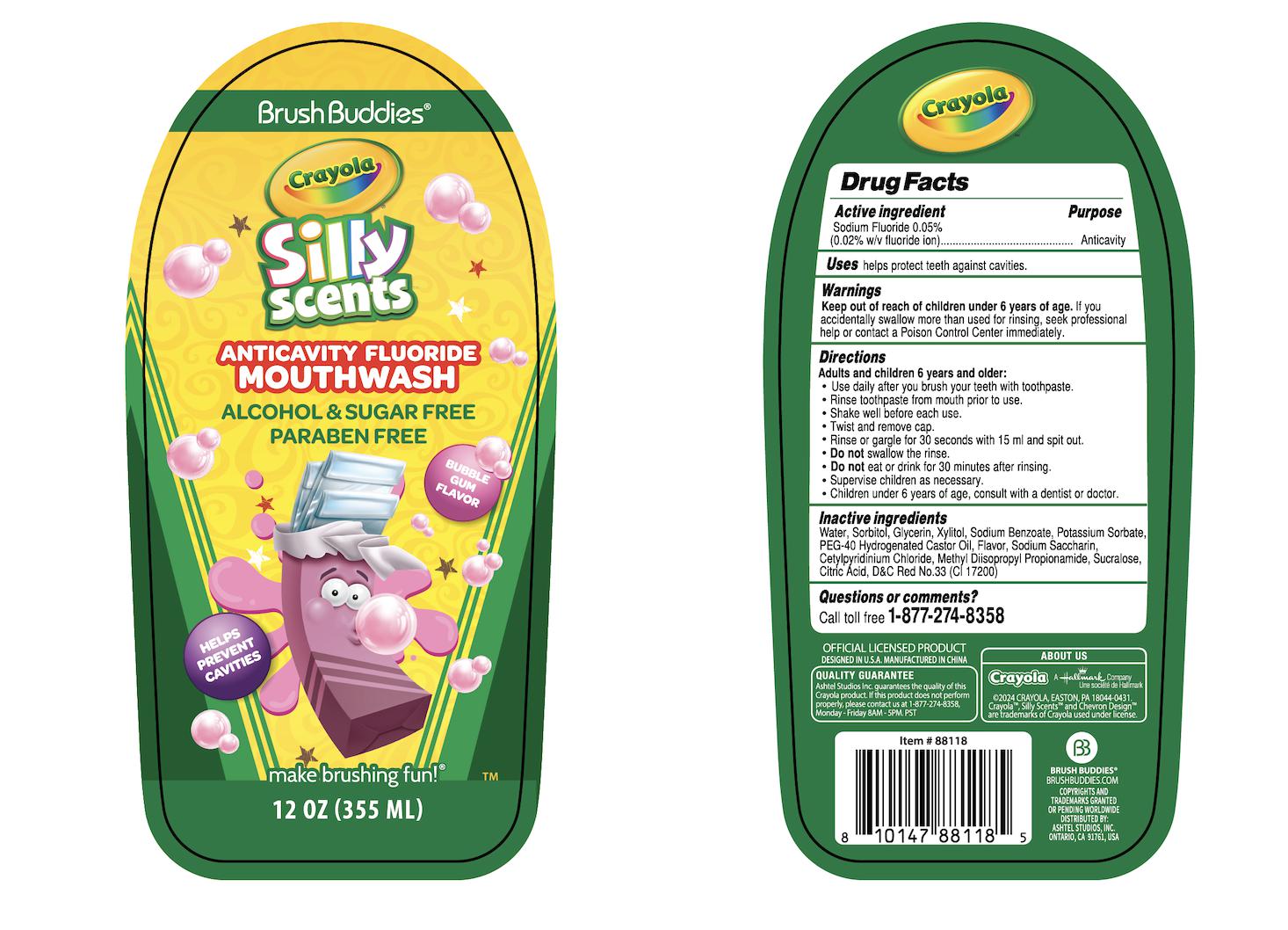
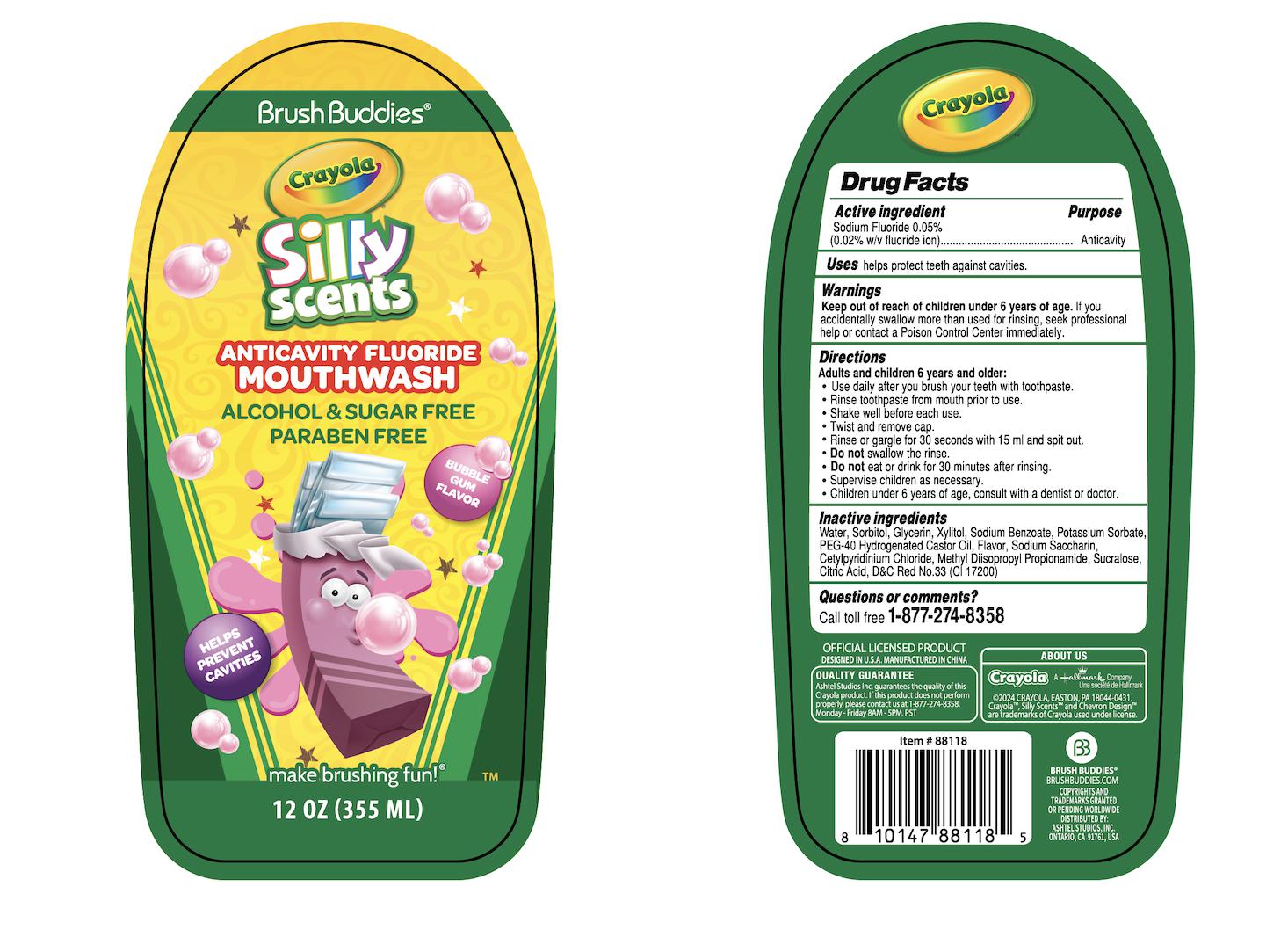
This is a label for a BrushBuddies® mouthwash product that is alcohol and sugar-free, as well as paraben-free. The mouthwash contains Sodium Fluoride to help protect teeth against cavities. Directions for use are provided for adults and children over 6 years old. The inactive ingredients listed include water, sorbitol, glycerin, xylitol, and several others. A quality guarantee and a toll-free number for questions or comments are also included on the label.*
FDA Label Image

Label (Crayola Bubblegum Compressed)

Label (Crayola Bubblegum Compressed)
This description could be for a dental rinse product, likely a fluoride mouthwash by BrushBuddies®. It is alcohol and sugar-free, as well as paraben-free. The mouthwash contains Sodium Fluoride as the active ingredient to help protect against cavities. The product should be used by adults and children over 6 years old, following specific directions such as rinsing for 30 seconds and not swallowing the rinse. The inactive ingredients include water, glycerin, xylitol, and various additives. For any queries or feedback, the consumer is encouraged to call the toll-free number provided. The item number is 88118.*

* These product label images have been analyzed using experimental machine learning. Please verify findings with the primary label text.