Other
Venlafaxine Extended-Release Tablets
Major Depressive Disorder
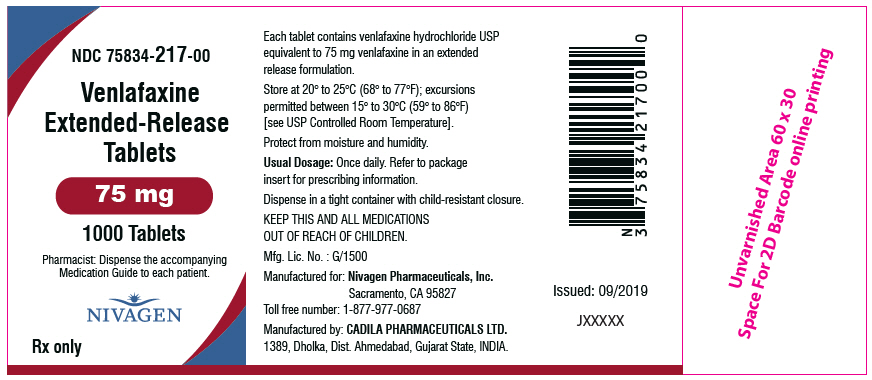
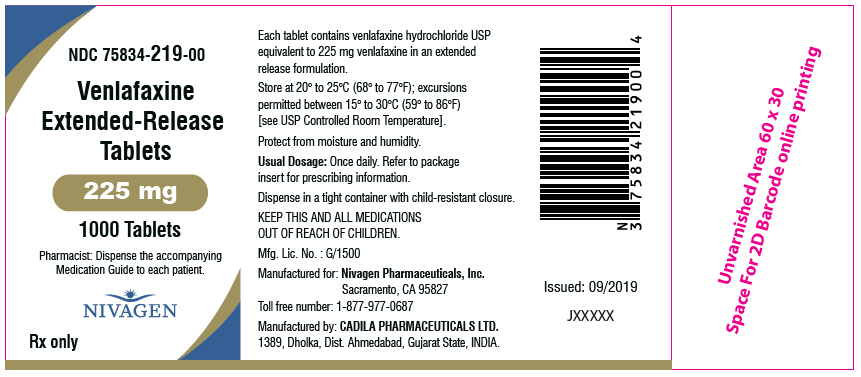
For most patients, the recommended starting dose for venlafaxine extended-release tablets are 75 mg/day, administered in a single dose. In the clinical trials establishing the efficacy of venlafaxine hydrochloride extended-release capsules in moderately depressed outpatients, the initial dose of venlafaxine was 75 mg/day. For some patients, it may be desirable to start at 37.5 mg/day for 4 to 7 days, to allow new patients to adjust to the medication before increasing to 75 mg/day. While the relationship between dose and antidepressant response for venlafaxine hydrochloride extended-release capsules has not been adequately explored, patients not responding to the initial 75 mg/day dose may benefit from dose increases to a maximum of approximately 225 mg/day. Dose increases should be in increments of up to 75 mg/day, as needed, and should be made at intervals of not less than 4 days, since steady state plasma levels of venlafaxine and its major metabolites are achieved in most patients by day 4. In the clinical trials establishing efficacy, upward titration was permitted at intervals of 2 weeks or more; the average doses were about 140 to 180 mg/day [see Clinical Studies (14)].
It should be noted that, while the maximum recommended dose for moderately depressed outpatients is also 225 mg/day for venlafaxine hydrochloride immediate-release tablets, more severely depressed inpatients in one study of the development program for that product responded to a mean dose of 350 mg/day (range of 150 to 375 mg/day). Whether or not higher doses of venlafaxine extended-release tablets are needed for more severely depressed patients is unknown; however, the experience with venlafaxine hydrochloride extended-release capsule doses higher than 225 mg/day is very limited. [See Warnings and Precautions (5.17)]
Social Anxiety Disorder (Social Phobia)
The recommended dose is 75 mg/day, administered in a single dose. There was no evidence that higher doses confer any additional benefit. [See Warnings and Precautions (5.17)]
Treatment of Pregnant Women During the Third Trimester
Neonates exposed to venlafaxine hydrochloride extended-release capsules, other SNRIs, or SSRIs, late in the third trimester have developed complications requiring prolonged hospitalization, respiratory support, and tube feeding [see Use in Specific Populations (8.1)]. When treating pregnant women with venlafaxine extended-release tablets during the third trimester, the physician should carefully consider the potential risks and benefits of treatment.
Patients with Hepatic Impairment
Given the decrease in clearance and increase in elimination half-life for both venlafaxine and ODV that is observed in patients with hepatic cirrhosis and mild and moderate hepatic impairment compared with normal subjects [see Use in Specific Populations (8.6) and Clinical Pharmacology (12.3)], it is recommended that the total daily dose be reduced by 50% in patients with mild to moderate hepatic impairment. Since there was much individual variability in clearance between patients with cirrhosis, it may be necessary to reduce the dose even more than 50%, and individualization of dosing may be desirable in some patients.
Patients with Renal Impairment
Given the decrease in clearance for venlafaxine and the increase in elimination half-life for both venlafaxine and ODV that is observed in patients with renal impairment (GFR = 10 to 70 mL/min) compared with normal subjects [see Use in Specific Populations (8.7) and Clinical Pharmacology (12.3)], it is recommended that the total daily dose be reduced by 25% to 50%.
In patients undergoing hemodialysis, it is recommended that the total daily dose be reduced by 50%. Because there was much individual variability in clearance between patients with renal impairment, individualization of dosage may be desirable in some patients.
Elderly Patients
No dose adjustment is recommended for elderly patients solely on the basis of age. As with any drug for the treatment of major depressive disorder or Social Anxiety Disorder, however, caution should be exercised in treating the elderly. When individualizing the dosage, extra care should be taken when increasing the dose.
Elevations in Systolic and Diastolic Blood Pressure
In placebo-controlled premarketing studies, there were changes in mean blood pressure (see Table 4 for mean change in supine systolic and supine diastolic blood pressure). Across most indications, a dose-related increase in supine systolic and diastolic blood pressure was evident in venlafaxine hydrochloride extended-release capsule-treated patients.
| Venlafaxine Hydrochloride Extended-Release Capsules mg/day | Placebo | |||||
|---|---|---|---|---|---|---|
| ≤75 | >75 | SSBP | SDBP | |||
| SSBP Supine Systolic Blood Pressure | SDBP Supine Diastolic Blood Pressure | SSBP | SDBP | |||
| Major Depressive Disorder 8 to 12 weeks | -0.28 | 0.37 | 2.93 | 3.56 | -1.08 | -0.10 |
| Other Clinical Trials 12 weeks | -0.29 | -1.26 | 1.18 | 1.34 | -1.96 | -1.22 |
Across all clinical trials, 1.4% of patients in the venlafaxine hydrochloride extended-release capsule-treated groups experienced a ≥15 mm Hg increase in supine diastolic blood pressure with blood pressure ≥105 mm Hg compared to 0.9% of patients in the placebo groups. Similarly, 1% of patients in the venlafaxine hydrochloride extended-release capsule-treated groups experienced a ≥20 mm Hg increase in supine systolic blood pressure with blood pressure ≥180 mm Hg compared to 0.3% of patients in the placebo groups.
Angle-Closure Glaucoma: The pupillary dilation that occurs following use of many antidepressant drugs including venlafaxine may trigger an angle closure attack in a patient with anatomically narrow angles who does not have a patent iridectomy.
Adult Patients: A loss of 5% or more of body weight occurred in 7% of patients treated with venlafaxine hydrochloride extended-release capsules and 2% of placebo-treated patients in the short-term placebo-controlled major depressive disorder trials. The discontinuation rate for weight loss associated with venlafaxine hydrochloride extended-release capsules was 0.1% in major depressive disorder studies. In other placebo-controlled trials, 4% of the patients treated with venlafaxine hydrochloride extended-release capsules and 1% of the placebo-treated patients sustained a loss of 7% or more of body weight during up to 6 months of treatment. None of the patients receiving venlafaxine hydrochloride extended-release capsules in other studies discontinued for weight loss.
The safety and efficacy of venlafaxine therapy in combination with weight loss agents, including phentermine, have not been established. Co-administration of venlafaxine extended-release tablets and weight loss agents is not recommended. Venlafaxine extended-release tablets are not indicated for weight loss alone or in combination with other products.
Pediatric Patients: Weight loss has been observed in pediatric patients (ages 6 to 17) receiving venlafaxine hydrochloride extended-release capsules. In a pooled analysis of four eight-week, double-blind, placebo-controlled, flexible dose outpatient trials for major depressive disorder (MDD) and another disorder, patients treated with venlafaxine hydrochloride extended-release capsules lost an average of 0.45 kg (n = 333), while placebo-treated patients gained an average of 0.77 kg (n = 333). More patients treated with venlafaxine hydrochloride extended-release capsules than with placebo experienced a weight loss of at least 3.5% in the studies (18% of patients treated with venlafaxine hydrochloride extended-release capsules vs. 3.6% of placebo-treated patients; p<0.001). In a 16-week, double-blind, placebo-controlled, flexible dose outpatient study for another disorder, venlafaxine hydrochloride extended-release capsule-treated patients lost an average of 0.75 kg (n=137), while placebo-treated patients gained an average of 0.76 kg (n=148). More patients treated with venlafaxine hydrochloride extended-release capsules than with placebo experienced a weight loss of at least 3.5% in the study (47% of patients treated with venlafaxine hydrochloride extended-release capsules vs. 14% of placebo-treated patients; p<0.001). Weight loss was not limited to patients with treatment-emergent anorexia [see Warnings and Precautions (5.9)].
The risks associated with longer-term use of venlafaxine hydrochloride extended-release capsules were assessed in an open-label MDD study of children and adolescents who received venlafaxine hydrochloride extended-release capsules for up to six months. The children and adolescents in the study had increases in weight that were less than expected based on data from age- and sex-matched peers. The difference between observed weight gain and expected weight gain was larger for children (<12 years old) than for adolescents (≥12 years old).
Pediatric Patients: During an eight-week, placebo-controlled non-MDD study, venlafaxine hydrochloride extended-release capsule-treated patients (ages 6 to 17) grew an average of 0.3 cm (n=122), while placebo-treated patients grew an average of 1.0 cm (n=132); p=0.041. This difference in height increase was most notable in patients younger than twelve. During the eight-week placebo-controlled MDD studies, venlafaxine hydrochloride extended-release capsule-treated patients grew an average of 0.8 cm (n = 146), while placebo-treated patients grew an average of 0.7 cm (n = 147). During a 16-week, placebo-controlled non-MDD study, both the venlafaxine hydrochloride extended-release capsule-treated patients (n=109) and the placebo-treated (n=112) patients each grew an average of 1.0 cm. In the six-month, open-label MDD study, children and adolescents had height increases that were less than expected based on data from age- and sex-matched peers. The difference between observed growth rates and expected growth rates was larger for children (<12 years old) than for adolescents (≥12 years old).
Adult Patients: Treatment-emergent anorexia was more commonly reported for patients treated with venlafaxine hydrochloride extended-release capsules (8%) than for placebo-treated patients (4%) in the pool of short-term, double-blind, placebo-controlled major depressive disorder studies. The discontinuation rate for anorexia associated with venlafaxine hydrochloride extended-release capsules was 1.0% in major depressive disorder studies. Treatment-emergent anorexia was more commonly reported for patients treated with venlafaxine hydrochloride extended-release capsules (20%) than for placebo-treated patients (2%) in the pool of short-term, double-blind, placebo-controlled Social Anxiety Disorder studies. The discontinuation rate for anorexia was 0.4% for patients receiving venlafaxine hydrochloride extended-release capsules for up to 12 weeks in Social Anxiety Disorder studies.
Pediatric Patients: Decreased appetite has been observed in pediatric patients receiving venlafaxine hydrochloride extended-release capsules. In placebo-controlled trials in MDD and another disorder, 10% of patients aged 6 to 17 treated with venlafaxine hydrochloride extended-release capsules for up to eight weeks and 3% of patients treated with placebo reported treatment-emergent anorexia (decreased appetite). None of the patients receiving venlafaxine hydrochloride extended-release capsules discontinued for anorexia or weight loss.
In a placebo-controlled non-MDD trial, 22% and 3% of patients aged 8 to 17 treated for up to 16 weeks with venlafaxine hydrochloride extended-release capsules and placebo, respectively, reported treatment-emergent anorexia (decreased appetite). The discontinuation rates for anorexia were 0.7% and 0.0% for patients receiving venlafaxine hydrochloride extended-release capsules and placebo, respectively; the discontinuation rates for weight loss were 0.7% for patients receiving either venlafaxine hydrochloride extended-release capsules or placebo.
Data Sources
The information included in subsection "Adverse Findings Observed in Short-Term, Placebo- Controlled Studies with Venlafaxine Hydrochloride Extended-Release Capsules" is based on data from a pool of three 8- and 12-week controlled clinical trials in major depressive disorder (includes two U.S. trials and one European trial), and on data up to 12 weeks from a pool of two controlled clinical trials in Social Anxiety Disorder. Information on additional adverse reactions associated with venlafaxine hydrochloride extended-release capsules in the entire development program for the formulation and with venlafaxine hydrochloride immediate-release tablets is included in the subsection "Other Adverse Reactions Observed During the Premarketing Evaluation of Venlafaxine Hydrochloride Immediate-Release Tablets and Venlafaxine Hydrochloride Extended-Release Capsules" [see also Warnings and Precautions (5)].
Because clinical trials are conducted under widely varying conditions, adverse reaction rates observed in the clinical trials of a drug cannot be directly compared to rates in the clinical trials of another drug and may not reflect the rates observed in practice.
Adverse Findings Observed in Short-Term, Placebo-Controlled Studies with Venlafaxine Hydrochloride Extended-Release Capsules
Adverse Reactions Associated with Discontinuation of Treatment
Major Depressive Disorder: Approximately 11% of the 357 patients who received venlafaxine hydrochloride extended-release capsules in placebo-controlled clinical trials for major depressive disorder discontinued treatment due to an adverse reaction, compared with 6% of the 285 placebo-treated patients in those studies. Adverse reactions that led to treatment discontinuation in a least 2% of drug-treated patients were nausea, dizziness, and somnolence.
Social Anxiety Disorder: Approximately 17% of the 277 patients who received venlafaxine hydrochloride extended-release capsules in placebo-controlled clinical trials for Social Anxiety Disorder discontinued treatment due to an adverse reaction, compared with 5% of the 274 placebo-treated patients in those studies. Adverse reactions that led to treatment discontinuation in a least 2% of drug-treated patients were nausea, insomnia, impotence, headache, dizziness, and somnolence.
Adverse Reactions Occurring at an Incidence of 5% or More
Major Depressive Disorder: Note in particular the following adverse reactions that occurred in at least 5% of the patients receiving venlafaxine hydrochloride extended-release capsules and at a rate at least twice that of the placebo group for all placebo-controlled trials for the major depressive disorder indication (see Table 6): Abnormal ejaculation, gastrointestinal complaints (nausea, dry mouth, and anorexia), CNS complaints (dizziness, somnolence, and abnormal dreams), and sweating. In the two U.S. placebo-controlled trials, the following additional reactions occurred in at least 5% of patients treated with venlafaxine hydrochloride extended-release capsules (n = 192) and at a rate at least twice that of the placebo group: Abnormalities of sexual function (impotence in men, anorgasmia in women, and libido decreased), gastrointestinal complaints (constipation and flatulence), CNS complaints (insomnia, nervousness, and tremor), problems of special senses (abnormal vision), cardiovascular effects (hypertension and vasodilatation), and yawning.
Social Anxiety Disorder: Note in particular the following adverse reactions that occurred in at least 5% of the patients receiving venlafaxine hydrochloride extended-release capsules and at a rate at least twice that of the placebo group for the 2 placebo-controlled trials for the Social Anxiety Disorder indication (see Table 7): Asthenia, gastrointestinal complaints (anorexia, constipation, dry mouth, nausea), CNS complaints (dizziness, insomnia, libido decreased, nervousness, somnolence), abnormalities of sexual function (abnormal ejaculation, impotence, libido decreased, orgasmic dysfunction), yawn, sweating, and abnormal vision.
Adverse Reactions Occurring at an Incidence of 2% or More Among Patients Treated with Venlafaxine Hydrochloride Extended-Release Capsules
Tables 6 and 7 enumerate the incidence, rounded to the nearest percent, of adverse reactions that occurred during acute therapy of major depressive disorder (up to 12 weeks; dose range of 75 mg/day to 225 mg/day) and of Social Anxiety Disorder (up to 12 weeks; dose range of 75 mg/day to 225 mg/day), respectively, in 2% or more of patients treated with venlafaxine hydrochloride extended-release capsules where the incidence in patients treated with venlafaxine hydrochloride extended-release capsules was greater than the incidence for the respective placebo-treated patients. The table shows the percentage of patients in each group who had at least one episode of a reaction at some time during their treatment. Reported adverse reactions were classified using a standard COSTART-based Dictionary terminology.
The prescriber should be aware that these figures cannot be used to predict the incidence of adverse reactions in the course of usual medical practice where patient characteristics and other factors differ from those which prevailed in the clinical trials. Similarly, the cited frequencies cannot be compared with figures obtained from other clinical investigations involving different treatments, uses and investigators. The cited figures, however, do provide the prescribing physician with some basis for estimating the relative contribution of drug and nondrug factors to the adverse reaction incidence rate in the population studied.
| % Reporting Reaction | ||
|---|---|---|
| Body System Preferred Term | Venlafaxine Hydrochloride Extended-Release Capsules | Placebo |
| (n = 357) | (n = 285) | |
| Body as a Whole | ||
| Asthenia | 8% | 7% |
| Cardiovascular System | ||
| Vasodilatation Mostly "hot flashes." | 4% | 2% |
| Hypertension | 4% | 1% |
| Digestive System | ||
| Nausea | 31% | 12% |
| Constipation | 8% | 5% |
| Anorexia | 8% | 4% |
| Vomiting | 4% | 2% |
| Flatulence | 4% | 3% |
| Metabolic/Nutritional | ||
| Weight Loss | 3% | 0% |
| Nervous System | ||
| Dizziness | 20% | 9% |
| Somnolence | 17% | 8% |
| Insomnia | 17% | 11% |
| Dry Mouth | 12% | 6% |
| Nervousness | 10% | 5% |
| Abnormal Dreams Mostly "vivid dreams," "nightmares," and "increased dreaming." | 7% | 2% |
| Tremor | 5% | 2% |
| Depression | 3% | <1% |
| Paresthesia | 3% | 1% |
| Libido Decreased | 3% | <1% |
| Agitation | 3% | 1% |
| Respiratory System | ||
| Pharyngitis | 7% | 6% |
| Yawn | 3% | 0% |
| Skin | ||
| Sweating | 14% | 3% |
| Special Senses | ||
| Abnormal Vision Mostly "blurred vision" and "difficulty focusing eyes." | 4% | <1% |
| Urogenital System | ||
| Abnormal Ejaculation (male) Mostly "delayed ejaculation." ,Incidence is based on the number of male patients. | 16% | <1% |
| Impotence | 4% | <1% |
| Anorgasmia (female) Mostly "delayed orgasm" or "anorgasmia." ,Incidence is based on the number of female patients. | 3% | <1% |
| % Reporting Reaction | ||
|---|---|---|
| Body System Preferred Term | Venlafaxine Hydrochloride Extended-Release Capsules (n = 277) | Placebo |
| (n = 274) | ||
| Body as a Whole | ||
| Headache | 34% | 33% |
| Asthenia | 17% | 8% |
| Flu Syndrome | 6% | 5% |
| Accidental Injury | 5% | 3% |
| Abdominal Pain | 4% | 3% |
| Cardiovascular System | ||
| Hypertension | 5% | 4% |
| Vasodilatation Mostly "hot flashes." | 3% | 1% |
| Palpitation | 3% | 1% |
| Digestive System | ||
| Nausea | 29% | 9% |
| Anorexia Mostly "decreased appetite" and "loss of appetite." | 20% | 1% |
| Constipation | 8% | 4% |
| Diarrhea | 6% | 5% |
| Vomiting | 3% | 2% |
| Eructation | 2% | 0% |
| Metabolic/Nutritional | ||
| Weight Loss | 4% | 0% |
| Nervous System | ||
| Insomnia | 23% | 7% |
| Dry Mouth | 17% | 4% |
| Dizziness | 16% | 8% |
| Somnolence | 16% | 8% |
| Nervousness | 11% | 3% |
| Libido Decreased | 9% | <1% |
| Anxiety | 5% | 3% |
| Agitation | 4% | 1% |
| Tremor | 4% | <1% |
| Abnormal Dreams Mostly "vivid dreams," "nightmares," and "increased dreaming." | 4% | <1% |
| Paraesthesia | 3% | <1% |
| Twitching | 2% | 0% |
| Respiratory System | ||
| Yawn | 5% | <1% |
| Sinusitis | 2% | 1% |
| Skin | ||
| Sweating | 13% | 2% |
| Special Senses | ||
| Abnormal Vision Mostly "blurred vision." | 6% | 3% |
| Urogenital System | ||
| Abnormal Ejaculation Includes "delayed ejaculation" and "anorgasmia." ,Percentage based on the number of males (venlafaxine hydrochloride extended-release capsules = 158, placebo = 153). | 16% | 1% |
| Impotence | 10% | 1% |
| Orgasmic Dysfunction Includes "abnormal orgasm" and "anorgasmia." ,Percentage based on the number of females (venlafaxine hydrochloride extended-release capsules = 119, placebo = 121). | 8% | 0% |
Vital Sign Changes
Treatment with venlafaxine hydrochloride extended-release capsules treatment for up to 12 weeks in premarketing placebo-controlled major depressive disorder trials was associated with a mean final on-therapy increase in pulse rate of approximately 2 beats per minute, compared with 1 beat per minute for placebo.
Treatment with venlafaxine hydrochloride extended-release capsules for up to 12 weeks in premarketing placebo-controlled Social Anxiety Disorder trials was associated with a mean final on-therapy increase in pulse rate of approximately 4 beats per minute, compared with an increase of 1 beat per minute for placebo. [See Warnings and Precautions (5.4) for effects on blood pressure.]
In a flexible-dose study in MDD, with doses of venlafaxine hydrochloride immediate-release tablets in the range of 200 to 375 mg/day and mean dose greater than 300 mg/day, the mean pulse was increased by about 2 beats per minute compared with a decrease of about 1 beat per minute for placebo. [See Warnings and Precautions (5.16) for effects on heart rate.]
Laboratory Changes
Serum Cholesterol
Venlafaxine hydrochloride extended-release capsules treatment for up to 12 weeks in premarketing placebo-controlled trials for major depressive disorder was associated with a mean final on-therapy increase in serum cholesterol concentration of approximately 1.5 mg/dL compared with a mean final decrease of 7.4 mg/dL for placebo. Venlafaxine hydrochloride extended-release capsules treatment for up to 12 weeks in other premarketing placebo-controlled trials was associated with mean final on-therapy increases in serum cholesterol concentration of approximately 7.9 mg/dL compared with a mean final decrease of 2.9 mg/dL for placebo.
Patients treated with venlafaxine hydrochloride immediate-release tablets for at least 3 months in placebo-controlled 12-month extension trials had a mean final on-therapy increase in total cholesterol of 9.1 mg/dL compared with a decrease of 7.1 mg/dL among placebo-treated patients. This increase was duration dependent over the study period and tended to be greater with higher doses. Clinically relevant increases in serum cholesterol, defined as 1) a final on-therapy increase in serum cholesterol ≥50 mg/dL from baseline and to a value ≥261 mg/dL, or 2) an average on-therapy increase in serum cholesterol ≥50 mg/dL from baseline and to a value ≥261 mg/dL, were recorded in 5.3% of venlafaxine-treated patients and 0.0% of placebo-treated patients [see Warnings and Precautions (5.14)].
Serum Triglycerides
Venlafaxine hydrochloride extended-release capsules treatment for up to 12 weeks in pooled premarketing trials was associated with a mean final on-therapy increase in fasting serum triglyceride concentration of approximately 8.2 mg/dl, compared with a mean final increase of 0.4 mg/dl for placebo.
ECG Changes
In a flexible-dose MDD study with doses of venlafaxine hydrochloride immediate-release tablets in the range of 200 mg/day to 375 mg/day and mean dose greater than 300 mg/day, the mean change in heart rate was 8.5 beats per minute compared with 1.7 beats per minute for placebo. [See Warnings and Precautions (5.16)]
Other Adverse Reactions Observed During the Premarketing Evaluation of Venlafaxine Hydrochloride Immediate-Release Tablets and Venlafaxine Hydrochloride Extended-Release Capsules
During its premarketing assessment, multiple doses of venlafaxine hydrochloride extended-release capsules were administered to 705 patients in Phase 3 major depressive disorder studies and venlafaxine hydrochloride immediate-release tablets was administered to 96 patients. During its premarketing assessment, multiple doses of venlafaxine hydrochloride extended-release capsules were also administered to 3,514 patients in other Phase 3 studies. In addition, in premarketing assessment of venlafaxine hydrochloride immediate-release tablets, multiple doses were administered to 2,897 patients in Phase 2 to Phase 3 studies for major depressive disorder. The conditions and duration of exposure to venlafaxine in both development programs varied greatly, and included (in overlapping categories) open and double-blind studies, uncontrolled and controlled studies, inpatient (venlafaxine hydrochloride immediate-release tablets only) and outpatient studies, fixed-dose, and titration studies. Adverse reactions associated with this exposure were recorded by clinical investigators using terminology of their own choosing. Consequently, it is not possible to provide a meaningful estimate of the proportion of individuals experiencing adverse reactions without first grouping similar types of untoward events into a smaller number of standardized reaction categories.
In the tabulations that follow, reported adverse reactions were classified using a standard COSTART-based Dictionary terminology. The frequencies presented, therefore, represent the proportion of the 7,212 patients exposed to multiple doses of either formulation of venlafaxine who experienced a reaction of the type cited on at least one occasion while receiving venlafaxine. All reported reactions are included except those already listed in Tables 6 and 7 and those reactions for which a drug cause was remote.
If the COSTART term for a reaction was so general as to be uninformative, it was replaced with a more informative term. It is important to emphasize that, although the reactions reported occurred during treatment with venlafaxine, they were not necessarily caused by it.
Reactions are further categorized by body system and listed in order of decreasing frequency using the following definitions: frequent adverse reactions are defined as those occurring on one or more occasions in at least 1/100 patients; infrequent adverse reactions are those occurring in 1/100 to 1/1,000 patients; rare reactions are those occurring in fewer than 1/1,000 patients.
Body as a whole - Frequent: chest pain substernal, chills, fever, neck pain; Infrequent: face edema, intentional injury, malaise, moniliasis, neck rigidity, pelvic pain, photosensitivity reaction, suicide attempt, withdrawal syndrome; Rare: appendicitis, bacteremia, cellulitis, granuloma.
Cardiovascular system - Frequent: migraine, tachycardia; Infrequent: angina pectoris, bradycardia, extrasystoles, hypotension, peripheral vascular disorder (mainly cold feet and/or cold hands), postural hypotension, syncope; Rare: aortic aneurysm, arteritis, first-degree atrioventricular block, bigeminy, bundle branch block, capillary fragility, cerebral ischemia, coronary artery disease, congestive heart failure, heart arrest, hematoma, cardiovascular disorder (mitral valve and circulatory disturbance), mucocutaneous hemorrhage, myocardial infarct, pallor, sinus arrhythmia, thrombophlebitis.
Digestive system - Frequent: increased appetite; Infrequent: bruxism, colitis, dysphagia, tongue edema, eructation, esophagitis, gastritis, gastroenteritis, gastrointestinal ulcer, gingivitis, glossitis, rectal hemorrhage, hemorrhoids, melena, oral moniliasis, stomatitis, mouth ulceration; Rare: abdominal distension, biliary pain, cheilitis, cholecystitis, cholelithiasis, esophageal spasms, duodenitis, hematemesis, gastroesophageal reflux disease, gastrointestinal hemorrhage, gum hemorrhage, hepatitis, ileitis, jaundice, intestinal obstruction, liver tenderness, parotitis, periodontitis, proctitis, salivary gland enlargement, increased salivation, soft stools, tongue discoloration.
Endocrine system - Rare: galactorrhoea, goiter, hyperthyroidism, hypothyroidism, thyroid nodule, thyroiditis.
Hemic and lymphatic system - Frequent: ecchymosis; Infrequent: anemia, leukocytosis, leukopenia, lymphadenopathy, thrombocythemia; Rare: basophilia, bleeding time increased, cyanosis, eosinophilia, lymphocytosis, multiple myeloma, purpura, thrombocytopenia.
Metabolic and nutritional - Frequent: edema, weight gain; Infrequent: alkaline phosphatase increased, dehydration, hypercholesteremia, hyperglycemia, hyperlipidemia, hypokalemia, SGOT (AST) increased, SGPT (ALT) increased, thirst; Rare: alcohol intolerance, bilirubinemia, BUN increased, creatinine increased, diabetes mellitus, glycosuria, gout, healing abnormal, hemochromatosis, hypercalcinuria, hyperkalemia, hyperphosphatemia, hyperuricemia, hypocholesteremia, hypoglycemia, hyponatremia, hypophosphatemia, hypoproteinemia, uremia.
Musculoskeletal system - Infrequent: arthritis, arthrosis, bone spurs, bursitis, leg cramps, myasthenia, tenosynovitis; Rare: pathological fracture, muscle cramp, muscle spasms, musculoskeletal stiffness, myopathy, osteoporosis, osteosclerosis, plantar fasciitis, rheumatoid arthritis, tendon rupture.
Nervous system - Frequent: amnesia, confusion, depersonalization, hypesthesia, trismus, vertigo; Infrequent: akathisia, apathy, ataxia, circumoral paresthesia, CNS stimulation, emotional lability, euphoria, hallucinations, hostility, hyperesthesia, hyperkinesia, hypotonia, incoordination, libido increased, manic reaction, myoclonus, neuralgia, neuropathy, psychosis, seizure, stupor, suicidal ideation; Rare: akinesia, alcohol abuse, aphasia, bradykinesia, buccoglossal syndrome, cerebrovascular accident, feeling drunk, loss of consciousness, delusions, dementia, dystonia, energy increased, facial paralysis, abnormal gait, Guillain-Barre Syndrome, homicidal ideation, hyperchlorhydria, hypokinesia, hysteria, impulse control difficulties, motion sickness, neuritis, nystagmus, paranoid reaction, paresis, psychotic depression, reflexes decreased, reflexes increased, torticollis.
Respiratory system - Frequent: cough increased, dyspnea; Infrequent: asthma, chest congestion, epistaxis, hyperventilation, laryngismus, laryngitis, pneumonia; Rare: atelectasis, hemoptysis, hypoventilation, hypoxia, larynx edema, pleurisy, pulmonary embolus, sleep apnea.
Skin and appendages - Frequent: pruritus; Infrequent: acne, alopecia, contact dermatitis, dry skin, eczema, maculopapular rash, psoriasis, urticaria; Rare: brittle nails, erythema nodosum, exfoliative dermatitis, lichenoid dermatitis, furunculosis, hirsutism, leukoderma, miliaria, petechial rash, pruritic rash, pustular rash, vesiculobullous rash, seborrhea, skin atrophy, skin hypertrophy, skin striae, sweating decreased.
Special senses - Frequent: abnormality of accommodation, mydriasis, taste perversion; Infrequent: conjunctivitis, diplopia, dry eyes, otitis media, parosmia, photophobia, taste loss; Rare: blepharitis, cataract, chromatopsia, conjunctival edema, corneal lesion, deafness, exophthalmos, eye hemorrhage, angle-closure glaucoma, retinal hemorrhage, subconjunctival hemorrhage, hyperacusis, keratitis, labyrinthitis, miosis, papilledema, decreased pupillary reflex, otitis externa, scleritis, uveitis, visual field defect.
Urogenital system - Frequent: albuminuria, urination impaired; Infrequent: amenorrhea,
Based on the number of men and women as appropriate.
cystitis, dysuria, hematuria, kidney calculus, kidney pain, leukorrhea,CYP2D6 Inhibitors: In vitro and in vivo studies indicate that venlafaxine is metabolized to its active metabolite, ODV, by CYP2D6, the isoenzyme that is responsible for the genetic polymorphism seen in the metabolism of many antidepressants. Therefore, the potential exists for a drug interaction between drugs that inhibit CYP2D6-mediated metabolism of venlafaxine, reducing the metabolism of venlafaxine to ODV, resulting in increased plasma concentrations of venlafaxine and decreased concentrations of the active metabolite. CYP2D6 inhibitors such as quinidine would be expected to do this, but the effect would be similar to what is seen in patients who are genetically CYP2D6 poor metabolizers [see Clinical Pharmacology (12.3)]. Therefore, no dosage adjustment is required when venlafaxine is coadministered with a CYP2D6 inhibitor.
Ketoconazole: A pharmacokinetic study with ketoconazole 100 mg b.i.d. with a single dose of venlafaxine 50 mg in extensive metabolizers (EM; n=14) and 25 mg in poor metabolizers (PM;n=6) of CYP2D6 resulted in higher plasma concentrations of both venlafaxine and O-desmethylvenlafaxine (ODV) in most subjects following administration of ketoconazole. Venlafaxine Cmax increased by 26% in EM subjects and 48% in PM subjects. Cmax values for ODV increased by 14% and 29% in EM and PM subjects, respectively.
Venlafaxine AUC increased by 21% in EM subjects and 70% in PM subjects (range in PM's -2% to 206%), and AUC values for ODV increased by 23% and 33% in EM and PM (range in PM's - 38% to 105%) subjects, respectively. Combined AUC's of venlafaxine and ODV increased on average by approximately 23% in EM's and 53% in PM's, (range in PM's 4% to 134%).
Concomitant use of CYP3A4 inhibitors and venlafaxine may increase levels of venlafaxine and ODV. Therefore, caution is advised if a patient's therapy includes a CYP3A4 inhibitor and venlafaxine concomitantly.
CYP2D6
In vitro studies indicate that venlafaxine is a relatively weak inhibitor of CYP2D6. These findings have been confirmed in a clinical drug interaction study comparing the effect of venlafaxine with that of fluoxetine on the CYP2D6-mediated metabolism of dextromethorphan to dextrorphan.
Imipramine - Venlafaxine did not affect the pharmacokinetics of imipramine and 2-OH-imipramine. However, desipramine AUC, Cmax, and Cmin increased by about 35% in the presence of venlafaxine. The 2-OH-desipramine AUC's increased by at least 2.5 fold (with venlafaxine 37.5 mg q12h) and by 4.5 fold (with venlafaxine 75 mg q12h). Imipramine did not affect the pharmacokinetics of venlafaxine and ODV. The clinical significance of elevated 2-OH-desipramine levels is unknown.
Metoprolol - Concomitant administration of venlafaxine (50 mg every 8 hours for 5 days) and metoprolol (100 mg every 24 hours for 5 days) to 18 healthy male subjects in a pharmacokinetic interaction study for both drugs resulted in an increase of plasma concentrations of metoprolol by approximately 30 to 40% without altering the plasma concentrations of its active metabolite, α-hydroxymetoprolol. Metoprolol did not alter the pharmacokinetic profile of venlafaxine or its active metabolite, O-desmethylvenlafaxine.
Venlafaxine appeared to reduce the blood pressure lowering effect of metoprolol in this study. The clinical relevance of this finding for hypertensive patients is unknown. Caution should be exercised with co-administration of venlafaxine and metoprolol.
Venlafaxine treatment has been associated with dose-related increases in blood pressure in some patients. It is recommended that patients receiving venlafaxine extended-release tablets have regular monitoring of blood pressure [see Warnings and Precautions (5.3)].
Risperidone - Venlafaxine administered under steady-state conditions at 150 mg/day slightly inhibited the CYP2D6-mediated metabolism of risperidone (administered as a single 1 mg oral dose) to its active metabolite, 9-hydroxyrisperidone, resulting in an approximate 32% increase in risperidone AUC. However, venlafaxine coadministration did not significantly alter the pharmacokinetic profile of the total active moiety (risperidone plus 9-hydroxyrisperidone).
CYP3A4
Venlafaxine did not inhibit CYP3A4 in vitro. This finding was confirmed in vivo by clinical drug interaction studies in which venlafaxine did not inhibit the metabolism of several CYP3A4 substrates, including alprazolam, diazepam, and terfenadine.
Indinavir - In a study of 9 healthy volunteers, venlafaxine administered under steady-state conditions at 150 mg/day resulted in a 28% decrease in the AUC of a single 800 mg oral dose of indinavir and a 36% decrease in indinavir Cmax. Indinavir did not affect the pharmacokinetics of venlafaxine and ODV. The clinical significance of this finding is unknown.
CYP1A2
Venlafaxine did not inhibit CYP1A2 in vitro. This finding was confirmed in vivo by a clinical drug interaction study in which venlafaxine did not inhibit the metabolism of caffeine, a CYP1A2 substrate.
CYP2C9
Venlafaxine did not inhibit CYP2C9 in vitro. In vivo, venlafaxine 75 mg by mouth every 12 hours did not alter the pharmacokinetics of a single 500 mg dose of tolbutamide or the CYP2C9 mediated formation of 4-hydroxy-tolbutamide.
CYP2C19
Venlafaxine did not inhibit the metabolism of diazepam, which is partially metabolized by CYP2C19 (see Diazepam above).
Pregnancy Category C
Venlafaxine did not cause malformations in offspring of rats or rabbits given doses up to 2.5 times (rat) or 4 times (rabbit) the maximum recommended human daily dose on a mg/m2 basis.
However, in rats, there was a decrease in pup weight, an increase in stillborn pups, and an increase in pup deaths during the first 5 days of lactation, when dosing began during pregnancy and continued until weaning. The cause of these deaths is not known. These effects occurred at 2.5 times (mg/m2) the maximum human daily dose. The no effect dose for rat pup mortality was 0.25 times the human dose on a mg/m2 basis. There are no adequate and well-controlled studies in pregnant women. Because animal reproduction studies are not always predictive of human response, this drug should be used during pregnancy only if clearly needed.
Absorption and Distribution
Venlafaxine is well absorbed and extensively metabolized in the liver. ODV is the only major active metabolite. On the basis of mass balance studies, at least 92% of a single oral dose of venlafaxine is absorbed. The absolute bioavailability of venlafaxine is about 45%. Administration of 75 mg venlafaxine extended-release tablets under fed conditions resulted in mean ± SD venlafaxine Cmax of 26.9 ± 13.4 ng/mL and AUC of 1,536.3 ± 496.8 ng∙hr/mL. Tmax was 6.3 ± 2.3 hours. ODV mean ± SD Cmax, AUC, Tmax after administration of 75 mg venlafaxine extended-release tablets under fed conditions were 97.9 ± 29.4 ng/mL, 2,926.0 ± 746.1 ng∙hr/mL, and 11.6 ± 2.9 hours, respectively.
Administration of venlafaxine hydrochloride extended-release capsules (150 mg q24 hours) generally resulted in lower Cmax (150 ng/mL for venlafaxine and 260 ng/mL for ODV) and later Tmax (5.5 hours for venlafaxine and 9 hours for ODV) than for immediate release venlafaxine tablets (Cmax's for immediate release 75 mg q12 hours were 225 ng/mL for venlafaxine and 290 ng/mL for ODV; Tmax's were 2 hours for venlafaxine and 3 hours for ODV). When equal daily doses of venlafaxine were administered as either an immediate release tablet or the extended-release form of venlafaxine, the exposure to both venlafaxine and ODV would be similar for the two treatments. Venlafaxine extended-release tablets would, therefore, provide a slower rate of absorption, but the same extent of absorption compared with the immediate release tablet.
Food did not affect the pharmacokinetic parameters AUC, Cmax, and Tmax of venlafaxine or its active metabolite, ODV, after administration of venlafaxine extended-release tablets. Time of administration (AM vs PM) would not affect the pharmacokinetics of venlafaxine and ODV.
Equal doses of venlafaxine extended-release tablets are bioequivalent to venlafaxine hydrochloride extended-release capsules when administered under fed conditions.
Metabolism and Excretion
Following absorption, venlafaxine undergoes extensive presystemic metabolism in the liver, primarily to ODV, but also to N-desmethylvenlafaxine, N,O-didesmethylvenlafaxine, and other minor metabolites. In vitro studies indicate that the formation of ODV is catalyzed by CYP2D6; this has been confirmed in a clinical study showing that patients with low CYP2D6 levels ("poor metabolizers") had increased levels of venlafaxine and reduced levels of ODV compared to people with normal CYP2D6 ("extensive metabolizers"). The differences between the CYP2D6 poor and extensive metabolizers, however, are not expected to be clinically important because the sum of venlafaxine and ODV is similar in the two groups and venlafaxine and ODV are pharmacologically approximately equiactive and equipotent.
Approximately 87% of a venlafaxine dose is recovered in the urine within 48 hours as unchanged venlafaxine (5%), unconjugated ODV (29%), conjugated ODV (26%), or other minor inactive metabolites (27%). Renal elimination of venlafaxine and its metabolites is thus the primary route of excretion.
Special Populations
Age and Gender: A population pharmacokinetic analysis of 404 venlafaxine-treated patients from two studies involving both b.i.d. and t.i.d. regimens showed that dose-normalized trough plasma levels of either venlafaxine or ODV were unaltered by age or gender differences. Dosage adjustment based on the age or gender of a patient is generally not necessary [see Dosage and Administration (2)].
Extensive/Poor Metabolizers: Plasma concentrations of venlafaxine were higher in CYP2D6 poor metabolizers than extensive metabolizers. Because the total exposure (AUC) of venlafaxine and ODV was similar in poor and extensive metabolizer groups, however, there is no need for different venlafaxine dosing regimens for these two groups.
Liver Disease: In 9 subjects with hepatic cirrhosis, the pharmacokinetic disposition of both venlafaxine and ODV was significantly altered after oral administration of venlafaxine. Venlafaxine elimination half-life was prolonged by about 30%, and clearance decreased by about 50% in cirrhotic subjects compared to normal subjects. ODV elimination half-life was prolonged by about 60%, and clearance decreased by about 30% in cirrhotic subjects compared to normal subjects. A large degree of intersubject variability was noted. Three patients with more severe cirrhosis had a more substantial decrease in venlafaxine clearance (about 90%) compared to normal subjects.
In a second study, venlafaxine was administered orally and intravenously in normal (n = 21) subjects, and in Child-Pugh A (n = 8) and Child-Pugh B (n = 11) subjects (mildly and moderately impaired, respectively). Venlafaxine oral bioavailability was increased 2 to 3 fold, oral elimination half-life was approximately twice as long and oral clearance was reduced by more than half, compared to normal subjects. In hepatically impaired subjects, ODV oral elimination half-life was prolonged by about 40%, while oral clearance for ODV was similar to that for normal subjects. A large degree of intersubject variability was noted.
Dosage adjustment is necessary in these hepatically impaired patients [see Dosage and Administration (2.3) and Use in Specific Populations (8.6)].
Renal Disease: In a renal impairment study, venlafaxine elimination half-life after oral administration was prolonged by about 50% and clearance was reduced by about 24% in renally impaired patients (GFR=10 to 70 mL/min), compared to normal subjects. In dialysis patients, venlafaxine elimination half-life was prolonged by about 180% and clearance was reduced by about 57% compared to normal subjects. Similarly, ODV elimination half-life was prolonged by about 40% although clearance was unchanged in patients with renal impairment (GFR=10 to 70 mL/min) compared to normal subjects. In dialysis patients, ODV elimination half-life was prolonged by about 142% and clearance was reduced by about 56% compared to normal subjects. A large degree of intersubject variability was noted. Dosage adjustment is necessary in these patients [see Dosage and Administration (2.3) and Use in Specific Populations (8.7)].
Carcinogenesis
Venlafaxine was given by oral gavage to mice for 18 months at doses up to 120 mg/kg per day, which was 1.7 times the maximum recommended human dose on a mg/m2 basis. Venlafaxine was also given to rats by oral gavage for 24 months at doses up to 120 mg/kg per day. In rats receiving the 120 mg/kg dose, plasma concentrations of venlafaxine at necropsy were 1 times (male rats) and 6 times (female rats) the plasma concentrations of patients receiving the maximum recommended human dose. Plasma levels of the O-desmethyl metabolite were lower in rats than in patients receiving the maximum recommended dose. Tumors were not increased by venlafaxine treatment in mice or rats.
Mutagenesis
Venlafaxine and the major human metabolite, O-desmethylvenlafaxine (ODV), were not mutagenic in the Ames reverse mutation assay in Salmonella bacteria or the Chinese hamster ovary/HGPRT mammalian cell forward gene mutation assay. Venlafaxine was also not mutagenic or clastogenic in the in vitro BALB/c-3T3 mouse cell transformation assay, the sister chromatid exchange assay in cultured Chinese hamster ovary cells, or in the in vivo chromosomal aberration assay in rat bone marrow. ODV was not clastogenic in the in vitro Chinese hamster ovary cell chromosomal aberration assay, but elicited a clastogenic response in the in vivo chromosomal aberration assay in rat bone marrow.
Impairment of Fertility
Reproduction and fertility studies in rats showed no effects on male or female fertility at oral doses of up to 2 times the maximum recommended human dose on a mg/m2 basis.
Manufactured by:
Cadila Pharmaceuticals Limited
1389, Dholka, District - Ahmedabad,
Gujarat State, INDIA.
Manufactured for:
Nivagen Pharmaceuticals, Inc.
Sacramento, CA 95827
Toll free number: 1-877-977-0687
Rev. 09/2019