Product Images Levora
View Photos of Packaging, Labels & Appearance
Product Label Images
The following 7 images provide visual information about the product associated with Levora NDC 75907-090 by Dr. Reddy's Laboratories Inc., such as packaging, labeling, and the appearance of the drug itself. This resource could be helpful for medical professionals, pharmacists, and patients seeking to verify medication information and ensure they have the correct product.
Figure A - Levora 05
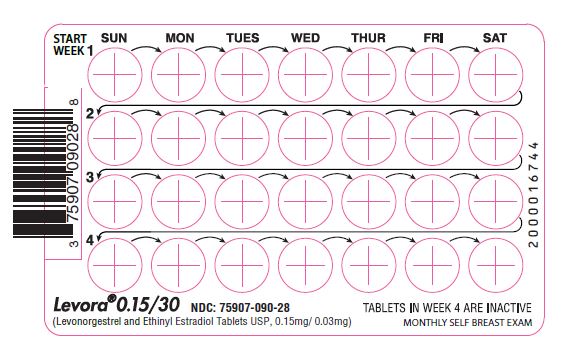
This text mentions Levord® tablets containing Levonorgestrel and Ethinyl Estradiol used in a four-week cycle where tablets in week 4 are inactive, emphasizing the importance of monthly self breast exams.*
PDP - kit carton - Levora 06
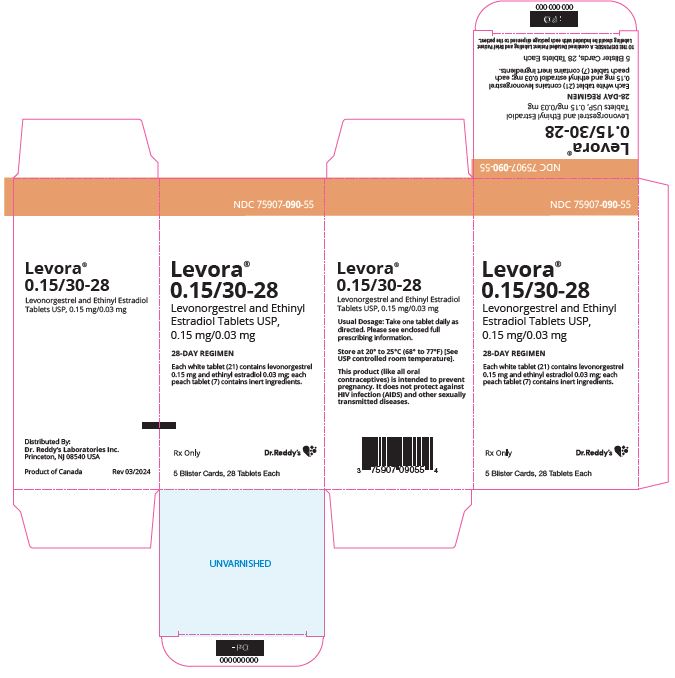
This text appears to be a product label for Levora 0.15/30-28 tablets containing Levonorgestrel and Ethinyl Estradiol. The tablets are used as contraception with a specific dosage of 0.15mg Levonorgestrel and 0.03mg Ethinyl Estradiol. The NDC number is provided as NDC75207:090.55.*
Chemical Structure - levora 01

Chemical Structure - levora 02
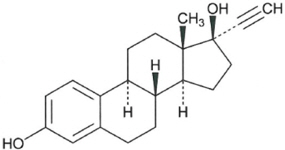
Figure 1 - levora 03
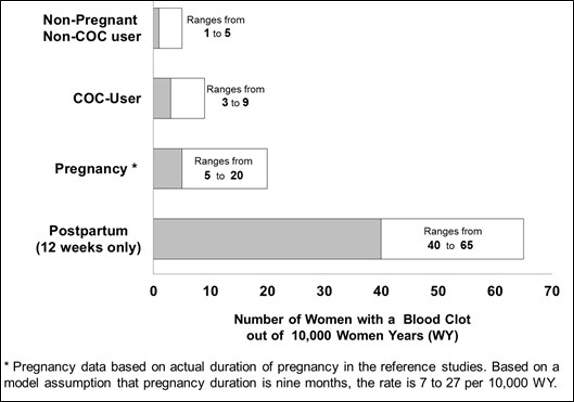
This text provides information on the ranges of blood clot incidence in non-pregnant and postpartum individuals, specifically non-users of contraceptive pills. The data includes the number of women with blood clots per 10,000 women years (WY) during pregnancy and postpartum (up to 12 weeks). It also mentions that the pregnancy data is based on the actual duration of pregnancy, with a rate of 7 to 27 per 10,000 WY under the assumption that pregnancy lasts nine months.*
Figure 2 - levora 03a
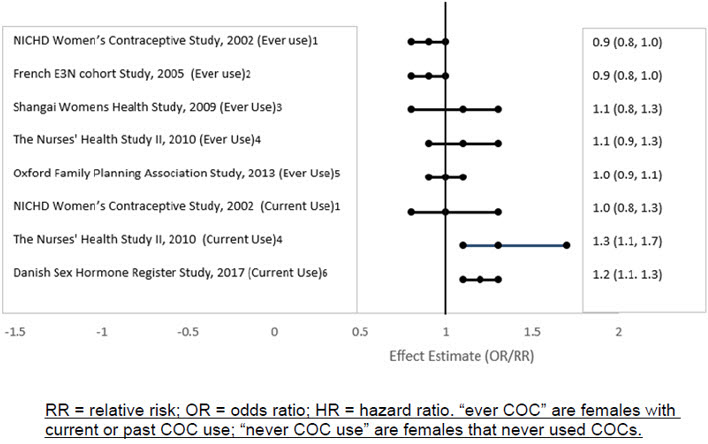
This text provides information on various studies related to women's contraceptive use, including the NICHD Women's Contraceptive Study, the French E3N cohort study, the Shanghai Women's Health Study, the Nurses' Health Study I, and the Oxford Family Planning Association Study. It also mentions the Nurses' Health Study I, the Danish Sex Hormone Register Study, and includes definitions for "ever COC" and "never COC use." The studies evaluate the use of contraceptives among women and present effect estimates such as relative risk (RR), odds ratio (OR), and hazard ratio (HR).*
Figure - levora 04
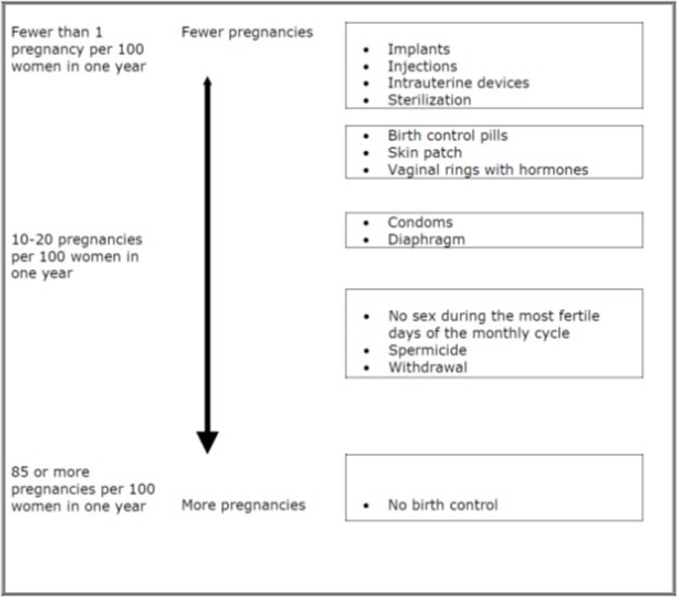
This text provides information on different methods of birth control and their effectiveness in preventing pregnancy. It categorizes the frequency of pregnancies per 100 women in one year, ranging from fewer than 1 pregnancy to 85 or more pregnancies. Various birth control options are listed, such as implants, injections, intrauterine devices, sterilization, birth control pills, skin patch, vaginal rings with hormones, condoms, diaphragm, no sex during the most fertile days of the monthly cycle, spermicide, and withdrawal. This information can be helpful for individuals looking to understand and compare different contraceptive methods.*
* The product label images have been analyzed using a combination of traditional computing and machine learning techniques. It should be noted that the descriptions provided may not be entirely accurate as they are experimental in nature. Use the information in this page at your own discretion and risk.
