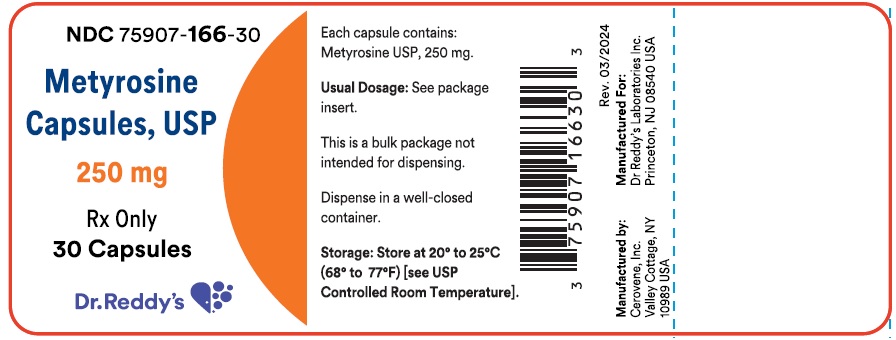
Metyrosine Crystalluria:
Crystalluria and urolithiasis have been found in dogs treated with metyrosine at doses similar to those used in humans, and crystalluria has also been observed in a few patients. To minimize the risk of crystalluria, patients should be urged to maintain water intake sufficient to achieve a daily urine volume of 2,000 mL or more, particularly when doses greater than 2 g per day are given. Routine examination of the urine should be carried out. Metyrosine will crystallize as needles or rods. If metyrosine crystalluria occurs, fluid intake should be increased further. If crystalluria persists, the dosage should be reduced or the drug discontinued.
Relatively Little Data Regarding Long-Term Use:
The total human experience with the drug is quite limited and few patients have been studied long term.
Chronic animal studies have not been carried out. Therefore, suitable laboratory tests should be carried out periodically in patients requiring prolonged use of metyrosine and caution should be observed in patients with impaired hepatic or renal function.
Pregnancy: Animal reproduction studies have not been conducted with metyrosine. It is also not known whether metyrosine can cause fetal harm when administered to a pregnant woman or can affect reproduction capacity. Metyrosine should be given to a pregnant woman only if clearly needed.
Sedation: The most common adverse reaction to metyrosine is moderate to severe sedation, which has been observed in almost all patients. It occurs at both low and high dosages. Sedative effects begin within the first 24 hours of therapy, are maximal after two to three days, and tend to wane during the next few days.
Sedation usually is not obvious after one week unless the dosage is increased, but at dosages greater than 2,000 mg/day some degree of sedation or fatigue may persist.
In most patients who experience sedation, temporary changes in sleep pattern occur following withdrawal of the drug. Changes consist of insomnia that may last for two or three days and feelings of increased alertness and ambition. Even patients who do not experience sedation while on metyrosine may report symptoms of psychic stimulation when the drug is discontinued.
Extrapyramidal Signs: Extrapyramidal signs such as drooling, speech difficulty, and tremor have been reported in approximately 10% of patients. These occasionally have been accompanied by trismus and frank parkinsonism.
Anxiety and Psychic Disturbances: Anxiety and psychic disturbances such as depression, hallucinations, disorientation, and confusion may occur. These effects seem to be dose-dependent and may disappear with reduction of dosage.