Rite Aid Lidocaine Roll On
Product Images NDC 76168-307

View Photos of Packaging, Regulatory Labels, and Product Appearance

Product Visual Gallery

This gallery contains 2 technical images submitted to the FDA as part of the official labeling for Rite Aid Lidocaine Roll On (NDC 76168-307). Unlike standard consumer photos, these assets often include clinical data figures, molecular chemical structures, and official manufacturer packaging layouts.

As provided by Velocity Pharma Llc, these visuals offer a comprehensive scientific overview of the product's physical and chemical identity, aiding pharmacists and researchers in product verification and study.

FDA Label Image

1

1
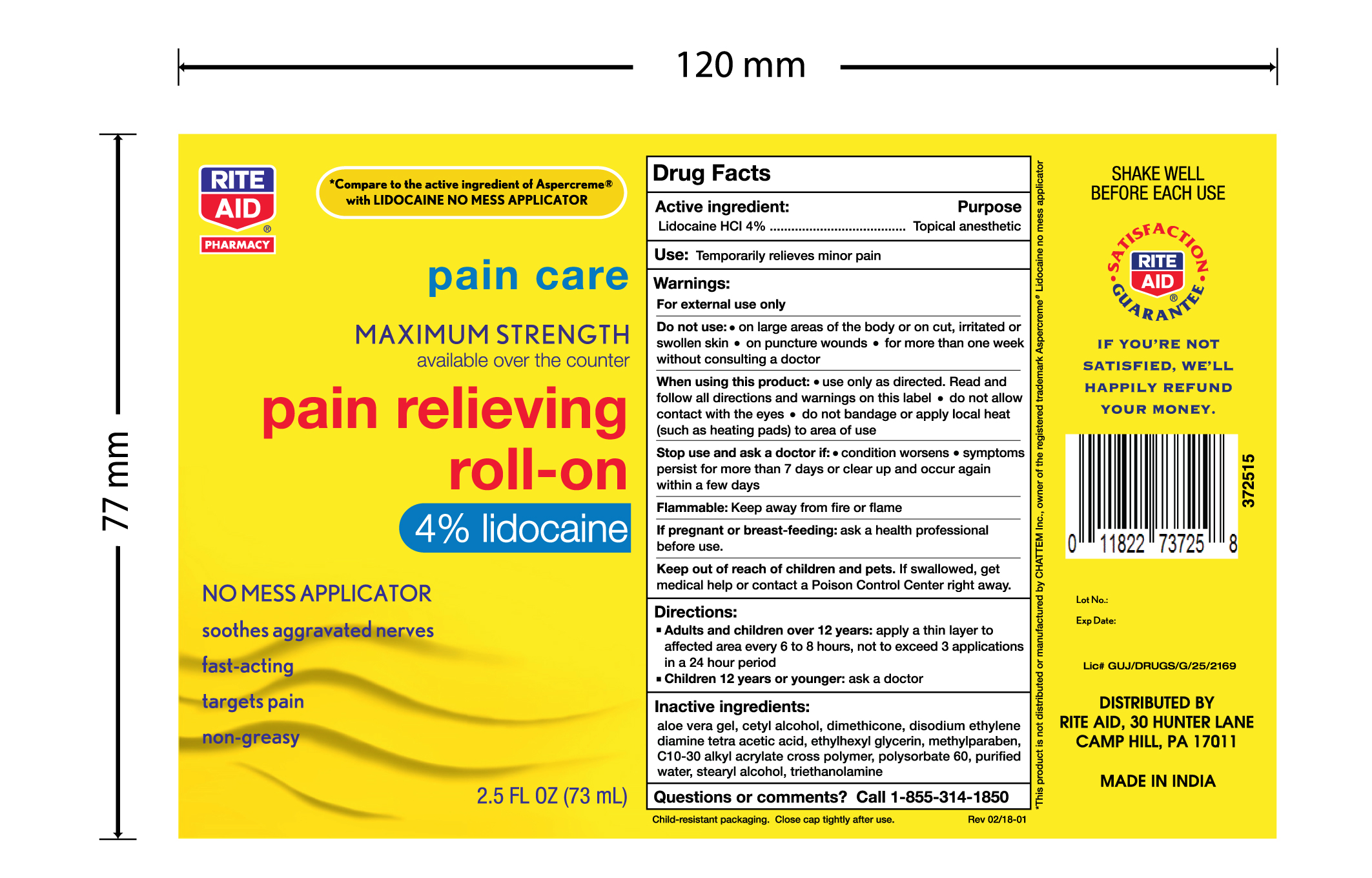
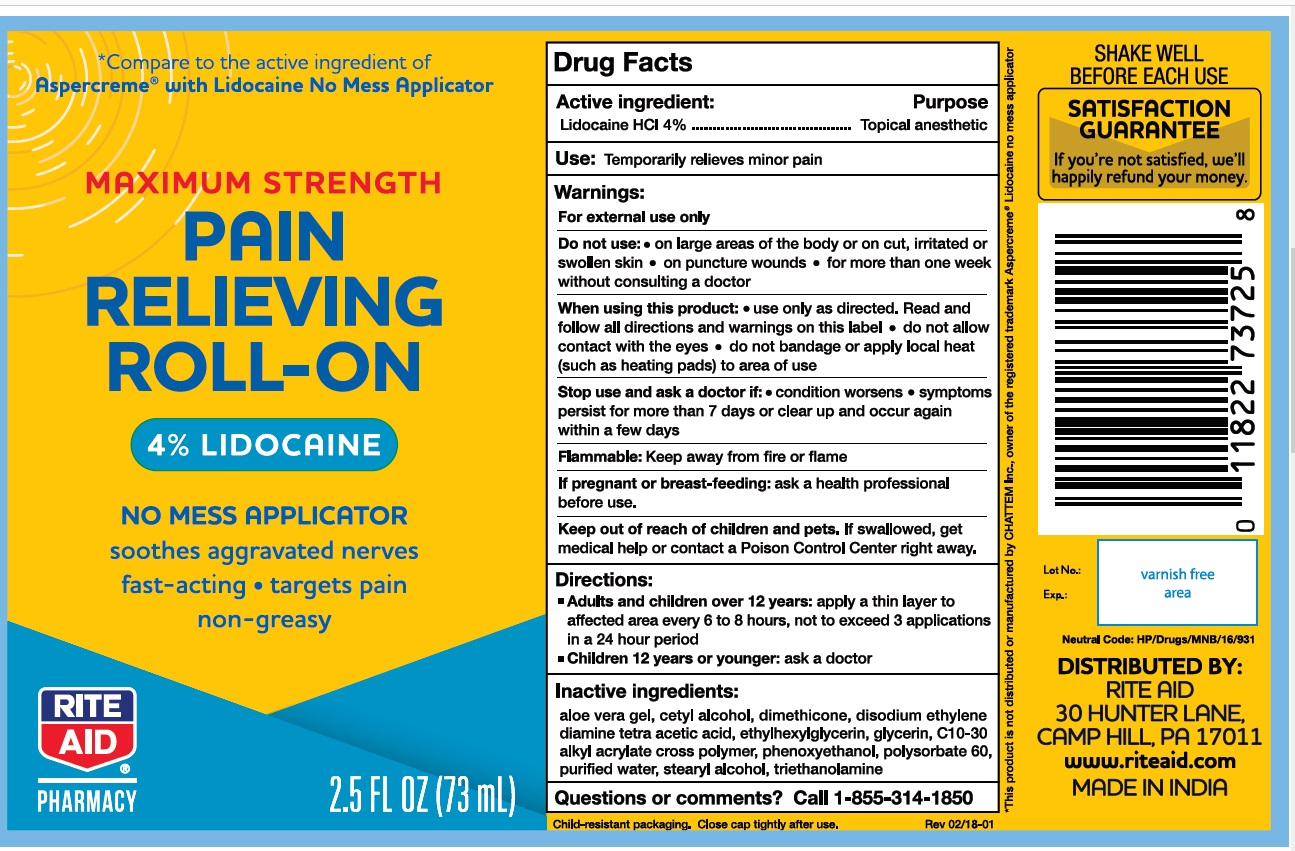
This is a drug facts label for a pain-relieving roll-on product that has a maximum strength of 4% Lidocaine HCI. The product targets pain and is fast-acting while also being non-greasy. It has a no-mess applicator for easy use and is meant to soothe aggravated nerves. This product should be used only as directed, and users should avoid contact with the eyes, large areas of the body, or cut, swollen or irritated skin. If symptoms persist or worsen, users should contact a doctor. The inactive ingredients include aloe vera gel, cetyl alcohol, and triethanolamine. This product is not distributed or manufactured by HATTEM Inc., the owner of Aspercreme Lidocaine.*
FDA Label Image

Pain-relieving-roll-on_2.5-floz (Pain Relieving Roll On 2.5 Floz)

Pain-relieving-roll-on_2.5-floz (Pain Relieving Roll On 2.5 Floz)
This is a drug called "pain care" that is sold over the counter. It has the active ingredient Lidocaine HCI 4% that temporarily treats minor pain by acting as a topical anesthetic. It is fast-acting and has a roll-on no mess applicator that targets pain and soothes aggravated nerves. The drug is child-resistant and has detailed instructions and warnings listed in the packaging, including not using it on large areas of the body or puncture wounds. It is distributed by Rite Aid and made in India.*

* These product label images have been analyzed using experimental machine learning. Please verify findings with the primary label text.