LIFYORLI
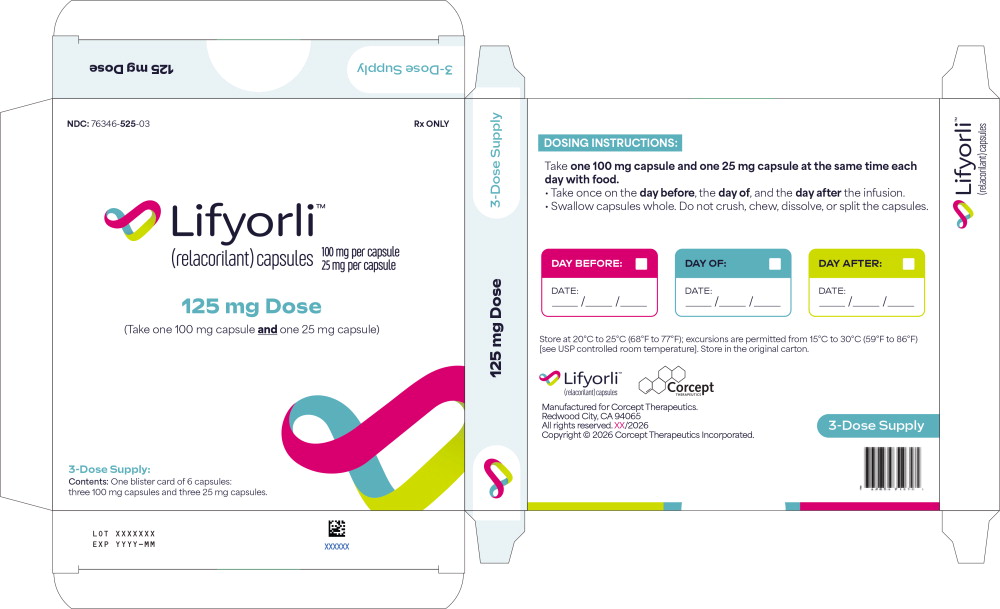
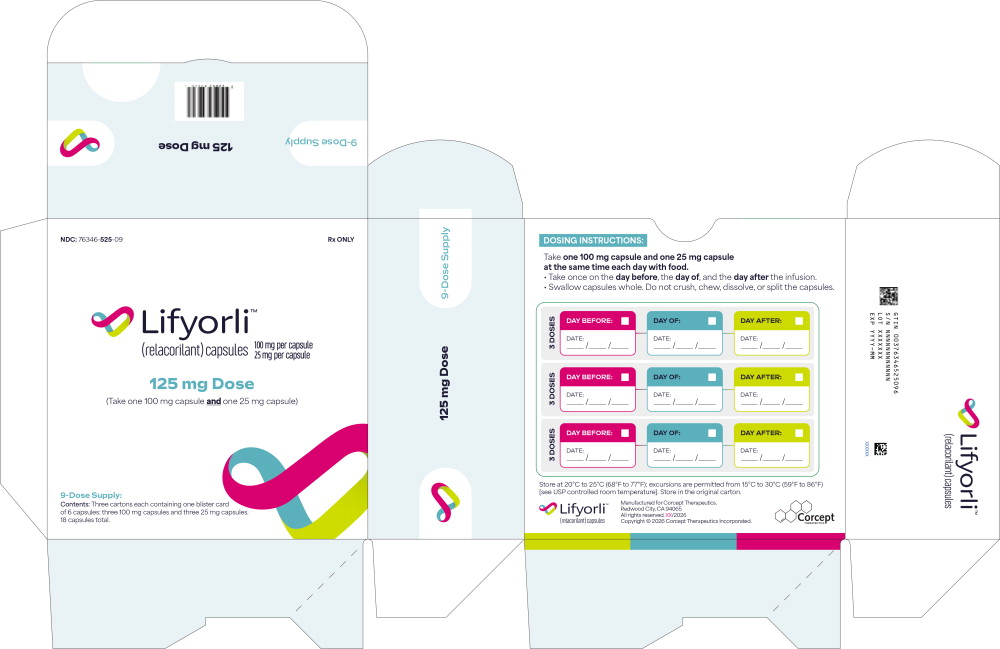
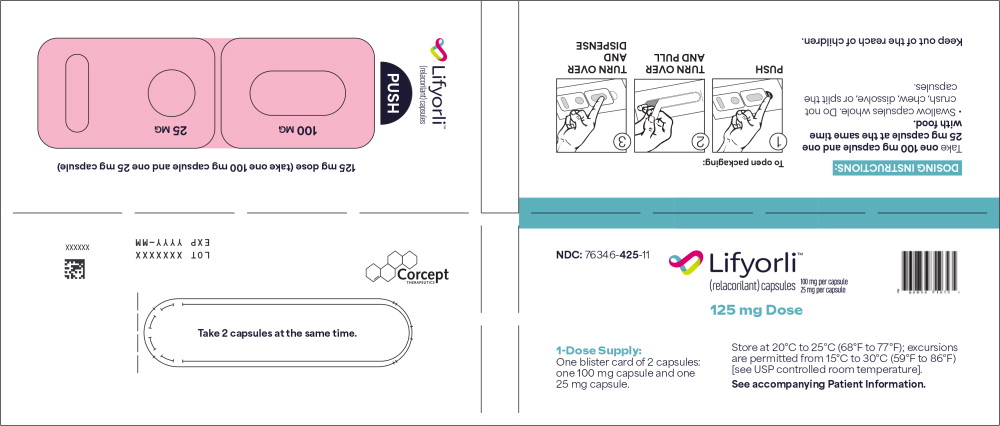
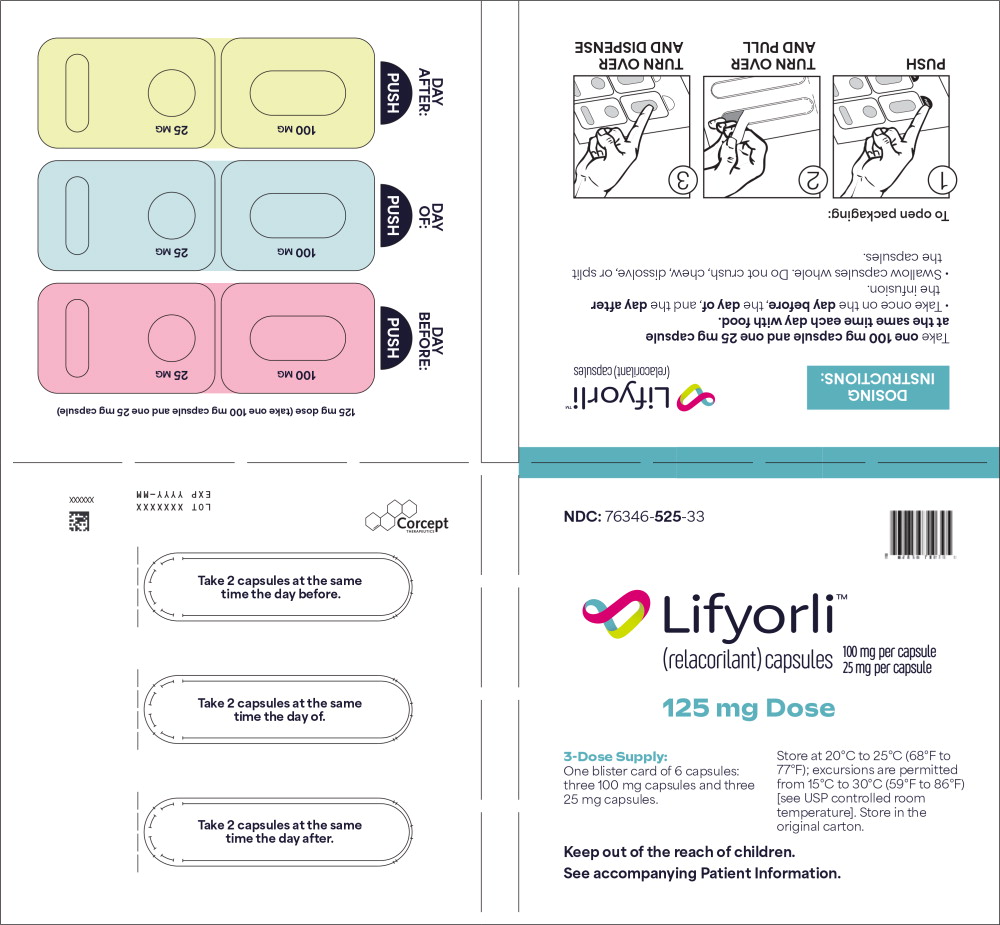
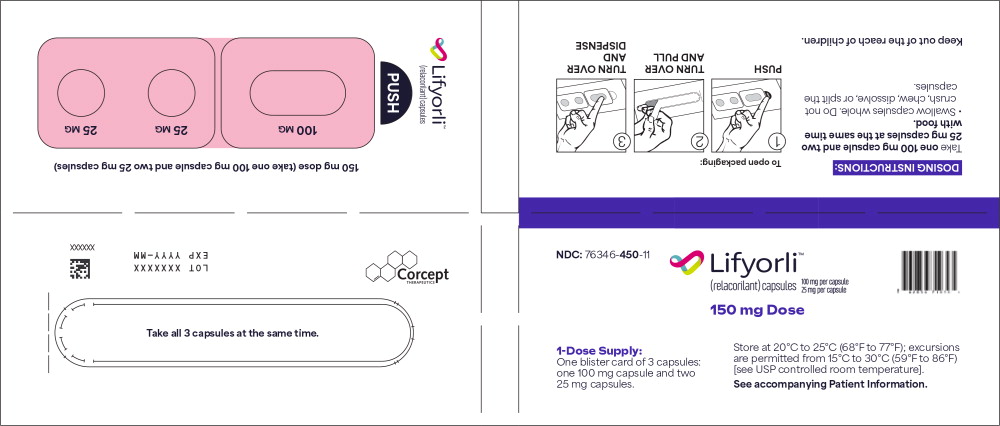
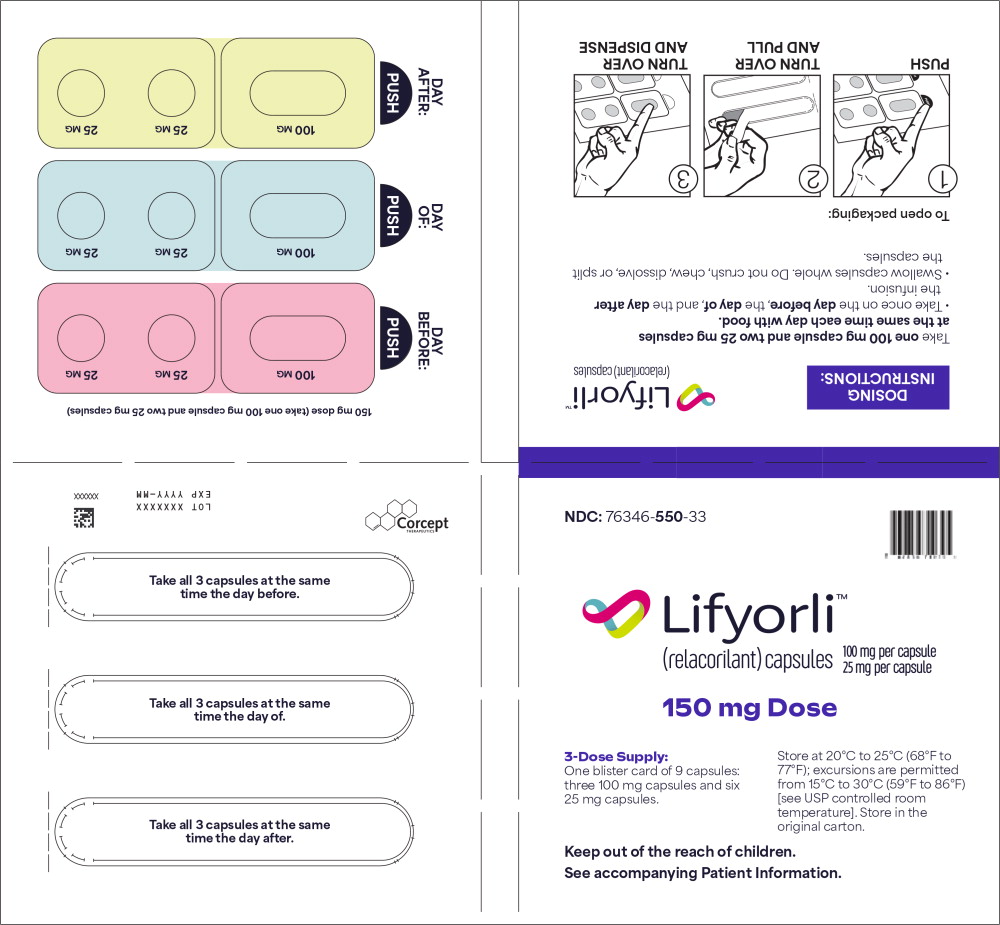
Follow LIFYORLI dosing instructions provided on the blister card.
Take LIFYORLI with food.
Swallow capsules whole. Do not crush, chew, dissolve, or split the capsules.
If a dose of LIFYORLI is missed by less than 12 hours, take the missed dose. If a dose of LIFYORLI is missed by 12 hours or more, skip the missed dose and take the next dose at the regularly scheduled time. Do not take 2 doses at the same time to make up for a missed dose.
If vomiting occurs after taking LIFYORLI, do not take an additional dose.
Nab-Paclitaxel
The recommended dosage and dosage modifications for nab-paclitaxel when administered in combination with LIFYORLI differ from those for other nab-paclitaxel indications [see Dosage and Administration (2.2 and 2.3) and Clinical Studies (14)].
Do not substitute with other paclitaxel formulations.
Strong CYP3A Inducers
Avoid coadministration of LIFYORLI plus nab-paclitaxel with strong CYP3A inducers.
Both relacorilant and paclitaxel are CYP3A substrates. Coadministration of strong CYP3A inducers can decrease concentrations of relacorilant and paclitaxel, which may reduce their effectiveness [see Clinical Pharmacology (12.3)].
CYP2C8 Inducers and Moderate CYP3A Inducers
Monitor for reduced effectiveness of LIFYORLI plus nab-paclitaxel with CYP2C8 inducers and moderate CYP3A inducers.
Paclitaxel is a substrate of CYP2C8 and CYP3A and relacorilant is a CYP3A substrate. Coadministration of CYP2C8 inducers and moderate CYP3A inducers can decrease concentrations of paclitaxel and relacorilant, which may reduce their effectiveness.
CYP2C8 Inhibitors
Monitor for increased adverse reactions and modify the dosage for adverse reactions as recommended [see Dosage and Administration (2.3)].
Paclitaxel is a substrate of CYP2C8. Coadministration of CYP2C8 inhibitors may increase concentrations of paclitaxel, which may increase the risk of adverse reactions.
CYP3A Substrates
Avoid concomitant use unless otherwise recommended in the Prescribing Information for CYP3A substrates.
Relacorilant is a strong CYP3A inhibitor. Relacorilant increases exposure of CYP3A substrates [see Clinical Pharmacology (12.3)], which may increase the risk for adverse reactions related to these substrates.
Certain CYP2C8 Substrates
Avoid concomitant use unless otherwise recommended in the Prescribing Information for CYP2C8 substrates where minimal concentration changes may lead to reduced effectiveness. Relacorilant is a weak CYP2C8 inducer. Relacorilant decreases exposure of CYP2C8 substrates [see Clinical Pharmacology (12.3)], which may decrease the effectiveness related to these substrates.
Risk Summary
LIFYORLI is used in combination with nab-paclitaxel. Refer to the Prescribing Information of nab-paclitaxel for pregnancy information.
Based on findings in animals, LIFYORLI can cause fetal harm when administered to a pregnant woman. There are no available data on relacorilant use in pregnant women to inform drug-associated risk. In animal embryo-fetal development studies, oral administration of relacorilant to pregnant rabbits during the period of organogenesis resulted in embryo-fetal mortality and structural abnormalities at maternal doses of ≥ 10 mg/kg/day (0.6 times the human exposure based on area under the curve (AUC) at the recommended dose). Oral administration of relacorilant to pregnant rats during the period of organogenesis did not result in fetal malformations [see Data].
Advise pregnant women and females of reproductive potential of the potential risk to a fetus.
In the U.S. general population, the estimated background risk of major birth defects and miscarriage in clinically recognized pregnancies is between 2 to 4% and 15 to 20%, respectively.
Data
Animal Data
Relacorilant is a partial agonist of the glucocorticoid receptor in rats. In an embryo-fetal development study, relacorilant was administered to pregnant rats at oral doses of 1, 2.5, and 10 mg/kg/day during the period of organogenesis. Maternal toxicity (decreased body weight and food consumption) was observed at a dose of 10 mg/kg/day (3.8 times the human exposure based on AUC at the recommended dose). No developmental toxicity was noted at doses up to 10 mg/kg/day.
In an embryo-fetal development study, relacorilant administered to pregnant rabbits at oral doses of 1, 3, and 10 mg/kg/day during the period of organogenesis resulted in embryo-fetal mortality (increased post-implantation loss, fetal resorptions, and a decrease in litter size) at 10 mg/kg/day (0.6 times the human exposure based on AUC at the recommended dose). Fetal malformations (abnormal flexure of the forepaw, microcephaly, malrotated hindlimbs, absent interparietal bone, and fused sternebra in sternum) were observed at a dose of 10 mg/kg/day (0.6 times the human exposure based on AUC at the recommended dose). Additional adverse effects included skeletal variations of bipartite interparietal bone of the skull observed at doses ≥ 1 mg/kg/day (lower than the human exposure based on AUC at the recommended dose).
Risk Summary
LIFYORLI is used in combination with nab-paclitaxel. Refer to the Prescribing Information of nab-paclitaxel for lactation information.
There are no data on the presence of relacorilant or its metabolites in animal or human milk, the effects on the breastfed child, or the effects on milk production. Because of the potential for serious adverse reactions in a breastfed child, advise women not to breastfeed during treatment with LIFYORLI and for one week after the last dose.
Pregnancy Testing
Verify pregnancy status in women of reproductive potential prior to initiating LIFYORLI.
Contraception
Females
Advise females of reproductive potential to use effective contraception during treatment with LIFYORLI and for 1 week after the last dose.
Males
Advise male patients with female partners of reproductive potential to use effective contraception during treatment with LIFYORLI and for 1 week after the last dose.
Exposure-Response Relationships
Relacorilant exposure-response relationships and the time course of pharmacodynamic response have not been fully characterized.
Cardiac Electrophysiology
At 3.8 times the mean maximal relacorilant concentration of the recommended dosage, clinically significant QTc interval prolongation was not observed.
Absorption
Relacorilant median (min, max) time to maximum plasma concentration (Tmax) is 2.5 hours (1.2, 5.5).
Effect of Food
Relacorilant Cmax increased 1.7-fold, AUC increased 2-fold, and Tmax was delayed 0.5 hours following administration with a low-fat meal (approximately 400 to 500 calories, 25% fat content).
Relacorilant Cmax increased 1.9-fold, AUC increased 2.4-fold, and Tmax was delayed 0.25 hours following administration with a high-fat meal (approximately 800 to 1,000 calories, 50% fat content).
Distribution
Relacorilant apparent volume of distribution (Vz/F) is 2490 (54%) L after a single 150 mg dose under fasted conditions. Protein binding of relacorilant in human plasma is >99% in vitro.
Elimination
Relacorilant terminal half-life is 27 (30%) hours with an apparent total clearance of 52 (69%) L/h under fasted conditions.
Metabolism
Relacorilant is primarily metabolized by cytosolic reductases and CYP3A. An active metabolite, CORT125295, with functional activity approximately 5-fold lower than relacorilant, represents 75% of the parent AUC.
Excretion
After a single oral dose of radiolabeled relacorilant 250 mg to healthy participants, about 73% (< 1% unchanged) of the dose was recovered in feces and 17% (< 2% unchanged) in urine.
Specific Populations
No clinically significant differences in the pharmacokinetics of relacorilant were observed based on age (26 to 85 years), body weight (35 to 128 kg), race (White [81%], Asian [9%]), ethnicity (Non-Hispanic [93%], Hispanic [7%]), CLcr 30 to <90 mL/min, or mild hepatic impairment (total bilirubin > ULN to ≤ 1.5 × ULN or AST > ULN and total bilirubin ≤ ULN).
The effect of CLcr <30 mL/min or end-stage renal disease undergoing hemodialysis or severe hepatic impairment (total bilirubin > 3 to 10 × ULN and any AST) on the pharmacokinetics of relacorilant is unknown.
Patients with Hepatic Impairment
Relacorilant AUC increased 1.3-fold in participants with moderate hepatic impairment (Child-Pugh Class B).
Drug Interaction Studies
Clinical Studies
Nab-paclitaxel: Dose-normalized paclitaxel (CYP2C8 and CYP3A4 substrate) Cmax increased 2-fold and dose-normalized AUC increased 1.7-fold following coadministration of nab-paclitaxel with LIFYORLI 150 mg.
No clinically significant differences in the pharmacokinetics of relacorilant were observed when given in combination with nab-paclitaxel.
Strong CYP3A Inhibitors: Relacorilant (300 mg once daily for 10 days under fasted conditions) steady state Cmax increased 1.2-fold and steady state AUC increased 1.5-fold following coadministration of itraconazole (strong CYP3A inhibitor) 200 mg once daily for 10 days.
CYP3A Substrates: Midazolam (CYP3A substrate) Cmax increased 3.1-fold and AUC increased 8.9-fold following coadministration of LIFYORLI 350 mg under fasted conditions (1.8 times the relacorilant exposure at the recommended dosage) once daily for 10 days.
CYP2C8 Substrates: Pioglitazone (CYP2C8 substrate) Cmax decreased to 78% and AUC to 75% following coadministration of LIFYORLI 350 mg under fasted conditions (1.8 times the relacorilant exposure at the recommended dosage) once daily for 11 days.
Other Drugs: No clinically significant differences in the pharmacokinetics of the following drugs were observed when used concomitantly with relacorilant: metoprolol (CYP2D6), tolbutamide (CYP2C9), omeprazole (CYP2C19), or dabigatran etexilate (P-gp).
In Vitro Studies
CYP450 Enzymes: Relacorilant and CORT125295 are inducers of CYP1A2.
Transporter Systems: Relacorilant and CORT125295 are inhibitors of BCRP.
Carcinogenesis
In a 6-month carcinogenicity study, transgenic rasH2 mice were orally administered up to 100 mg/kg/day relacorilant. In a 2-year carcinogenicity study, rats were orally administered up to 10 mg/kg/day in male rats (1.3 times the human exposure based on AUC at the recommended dose) and 3 mg/kg/day in female rats (0.7 times the human exposure based on AUC at the recommended dose). There was no evidence of relacorilant-induced carcinogenicity in either study.
Mutagenesis
Relacorilant was not genotoxic in the bacterial reverse mutation (Ames) assay, an in vitro human lymphocyte micronucleus assay, or an in vivo micronucleus assay in rats.
Impairment of Fertility
In a fertility study, relacorilant was administered orally to male rats prior to and throughout mating and to female rats prior to mating and up to the implantation day (gestation day 7). Relacorilant had no effect on fertility or reproductive function in male or female rats at doses up to 40 mg/kg/day (≥4.5 times the human exposure based on AUC at the recommended dose).
How Supplied
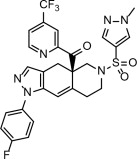
LIFYORLI is available as soft gelatin capsules containing 25 mg or 100 mg of relacorilant.
LIFYORLI 25 mg are opaque dark brown, oval soft gelatin capsules with “CR25” printed in black.
LIFYORLI 100 mg are opaque yellow, oblong soft gelatin capsules with “CR100” printed in black.
LIFYORLI capsules are supplied as follows:
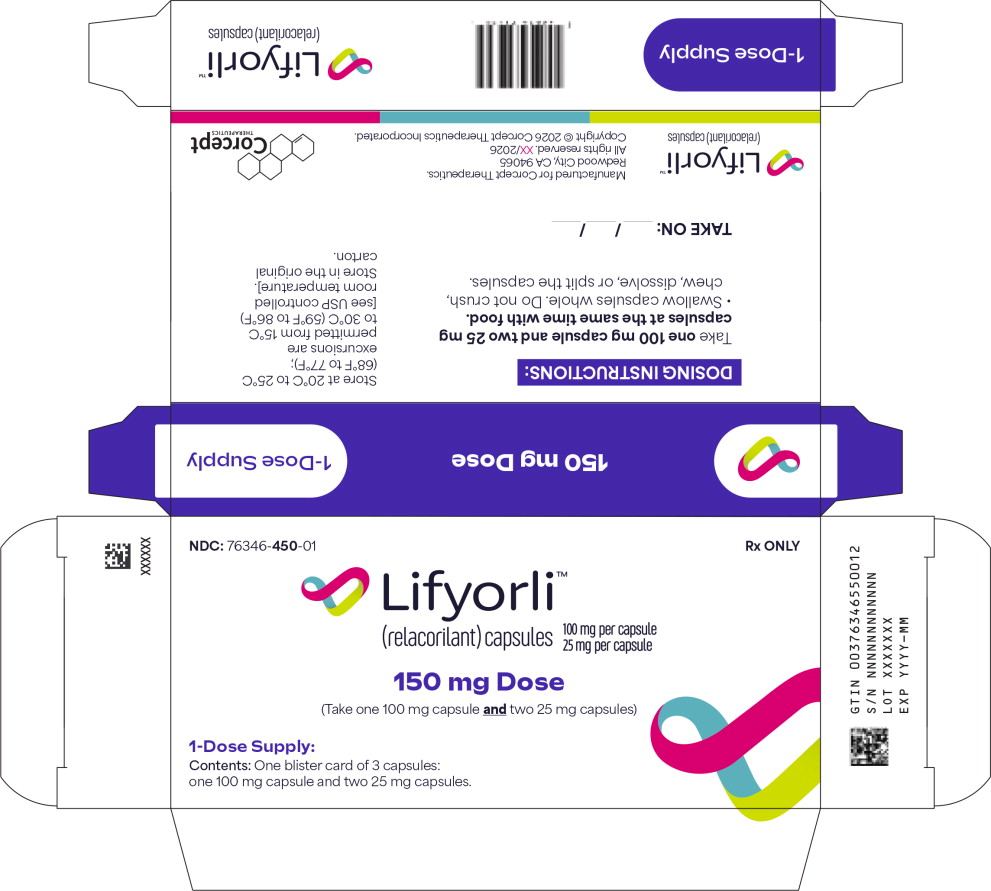
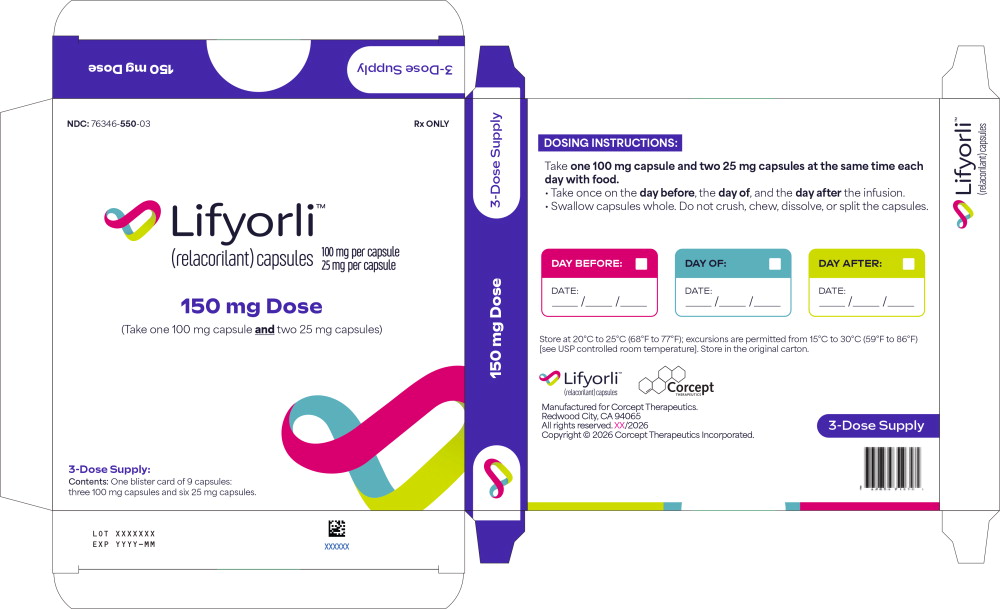
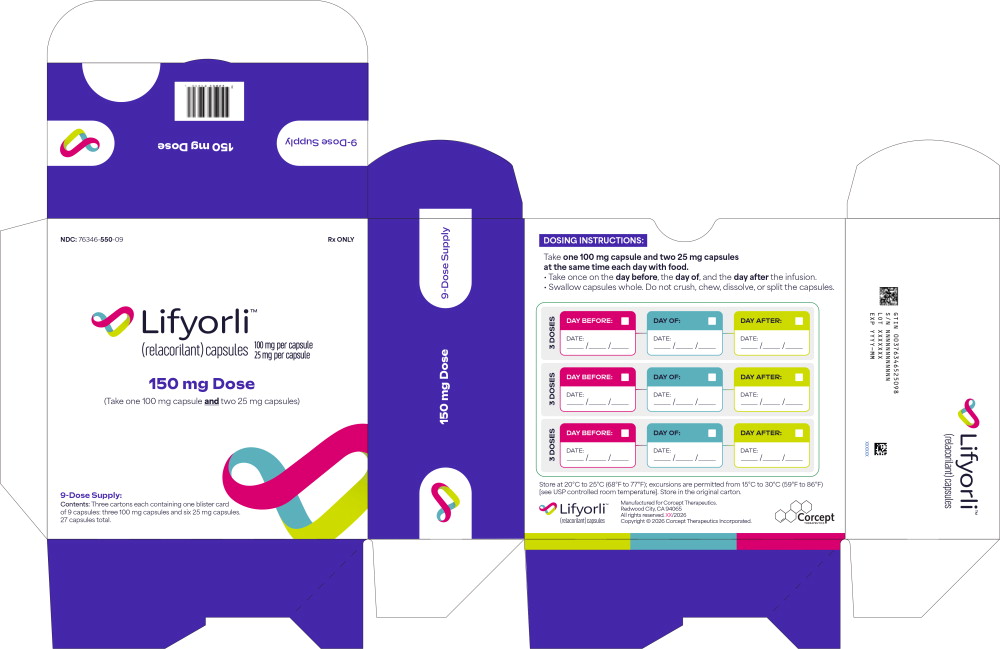
| Dose | Each Carton Contains | Each Blister Card Contains | NDC |
|---|
| 150 mg
| One blister card of 3 capsules.
| One 100 mg capsule, and
Two 25 mg capsules.
| NDC 76346-450-01
|
One blister card of 9 capsules.
| Three 100 mg capsules, and
Six 25 mg capsules.
| NDC 76346-550-03
|
Three cartons each containing one blister card of 9 capsules.
(27 capsules total).
| Three 100 mg capsules, and
Six 25 mg capsules.
| NDC 76346-550-09
|
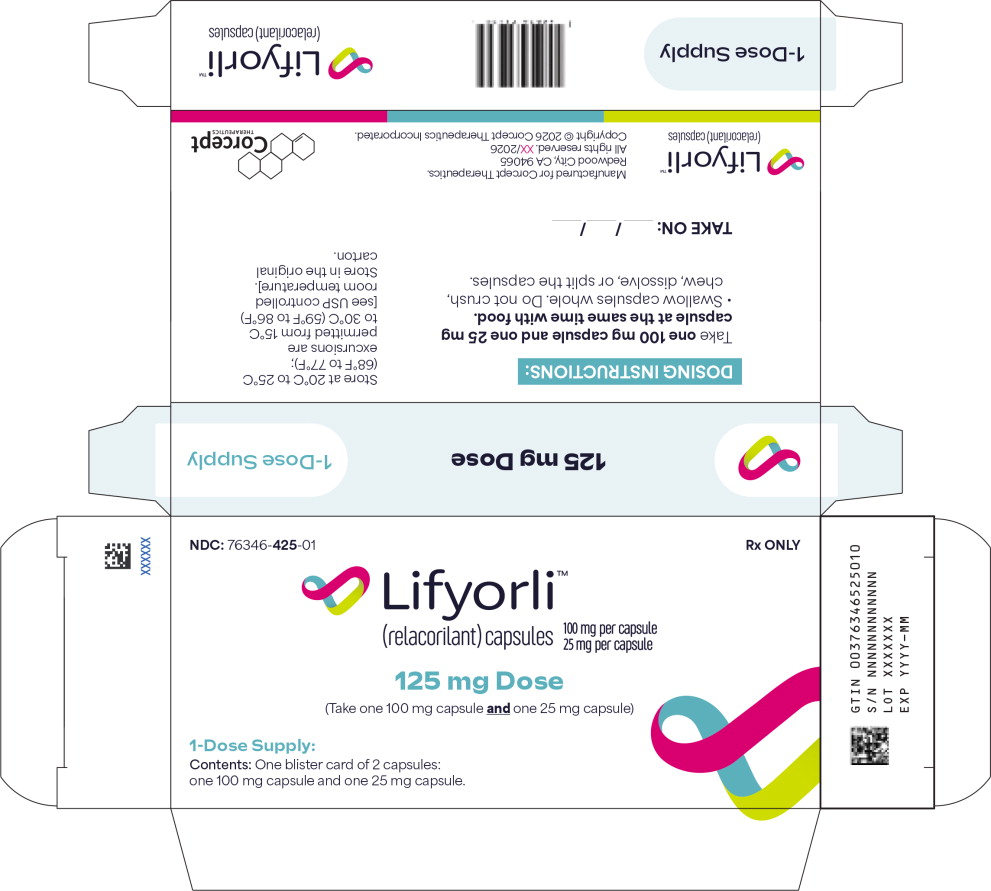
| 125 mg
| One blister card of 2 capsules.
| One 100 mg capsule, and
One 25 mg capsule.
| NDC 76346-425-01
|
One blister card of 6 capsules.
| Three 100 mg capsules, and
Three 25 mg capsules.
| NDC 76346-525-03
|
Three cartons each containing one blister card of 6 capsules.
(18 capsules total).
| Three 100 mg capsules, and
Three 25 mg capsules.
| NDC 76346-525-09
|
Neutropenia and Severe Infections
Inform patients about the risk of neutropenia and infection. Instruct patients to immediately report any fever or symptoms of infection to their healthcare provider [see Warnings and Precautions (5.1)].
Adrenal Insufficiency
Inform patients that LIFYORLI can cause adrenal insufficiency, a potentially life-threatening condition. Advise patients to immediately report signs or symptoms of adrenal insufficiency to their healthcare provider [see Warnings and Precautions (5.2)].
Exacerbation of Conditions Treated with Glucocorticoids
Advise patients who require chronic or frequent use of glucocorticoids that glucocorticoids may be less effective and to contact their healthcare provider for any worsening symptoms during concomitant use [see Warnings and Precautions (5.3)].
Embryo-Fetal Toxicity
Advise pregnant women and females of reproductive potential of the potential risk to a fetus.
Advise females to inform their healthcare provider of a known or suspected pregnancy. Advise females of reproductive potential to use effective contraception during treatment with LIFYORLI and for 1 week after the last dose.
Advise male patients with female partners of reproductive potential to use effective contraception during treatment with LIFYORLI and for 1 week after the last dose [see Warnings and Precautions (5.4) and Use in Specific Population (8.1, 8.3)].
Lactation
Advise women not to breastfeed during treatment with LIFYORLI and for 1 week after the last dose [see Use in Specific Populations (8.2)].
Administration
Advise patients to follow the LIFYORLI dosing instructions on the blister card. Advise patients to take LIFYORLI with food, how to make up a missed dose, and to swallow capsules whole and to not crush, chew, dissolve or split the capsules [see Dosage and Administration (2.1, 2.2)].
Manufactured for:
Corcept Therapeutics Incorporated
Redwood City, CA 94065
LIFYORLITM is a trademark of Corcept Therapeutics Incorporated.
Copyright 2026 Corcept Therapeutics Incorporated. All rights reserved.
USPI-220641-v01 03/2026