Epinephrine Injection
Product Images NDC 76420-188

16 FDA label images from Asclemed Usa, Inc. · Packaging, Regulatory Labels, and Product Appearance

Product Visual Gallery

This gallery contains 16 technical images submitted to the FDA as part of the official labeling for Epinephrine (NDC 76420-188). Unlike standard consumer photos, these assets often include clinical data figures, molecular chemical structures, and official manufacturer packaging layouts.

As provided by Asclemed Usa, Inc., these visuals offer a comprehensive scientific overview of the product's physical and chemical identity, aiding pharmacists and researchers in product verification and study.

FDA Label Image

Structure (Image 1)

Structure (Image 1)
Chemical structure diagram of epinephrine showing the arrangement of its functional groups including hydroxyl groups on a benzene ring and an amine side chain.*
FDA Label Image

Trainer Image 2 (Image 10)

Trainer Image 2 (Image 10)
An instructional illustration showing hands removing a blue cap from a small Epinephrine injection trainer device. The label on the trainer is partially visible and marked 'TRAINER,' indicating it is for practice use only. A yellow left-turn arrow suggests the motion to open or unlock the cap.*
FDA Label Image

Trainer Image 3 (Image 11)

Trainer Image 3 (Image 11)
An instructional image showing a person holding an epinephrine auto-injector at their side, preparing to use it. The device has a gray body and an orange tip, with a yellow arrow pointing toward the thigh, indicating the injection site for intramuscular or subcutaneous administration.*
FDA Label Image

Trainer Image 4 (Image 12)

Trainer Image 4 (Image 12)
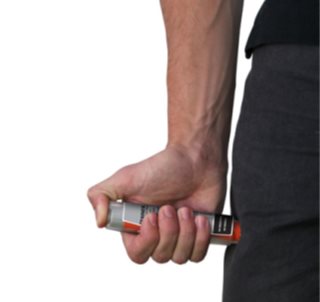
An image showing a person holding an epinephrine injection device in their hand, demonstrating the grip and positioning of the auto-injector for intramuscular or subcutaneous administration.*
FDA Label Image

Trainer Image 5 (Image 13)

Trainer Image 5 (Image 13)
An instructional image showing hands preparing an Epinephrine injection for intramuscular or subcutaneous administration. The person is removing a yellow safety cap from the syringe, which contains 0.3 mg/0.3 mL Epinephrine by Asclemed USA, Inc.*
FDA Label Image

Trainer Injector (Image 14)

Trainer Injector (Image 14)
Epinephrine injection 0.3 mg/0.3 mL in an autoinjector device. The label includes usage instructions with graphics demonstrating how to remove the safety cap, position the device on the outer thigh, and administer the injection. The product is labeled for intramuscular or subcutaneous use and is manufactured by Asclemed USA, Inc.*
FDA Label Image

0.3 mg Injector (Image 15)

0.3 mg Injector (Image 15)
Epinephrine 0.3 mg/0.3 mL injection auto-injector by Asclemed USA, Inc., designed for intramuscular or subcutaneous administration. The image shows a yellow-capped auto-injector with black and orange instructional labels on the body, detailing step-by-step emergency use instructions and safety information on the side.*
FDA Label Image

1 (Image 17)

1 (Image 17)
Label for Epinephrine Injection USP, 0.3 mg auto-injectors relabeled by Enovac hem Pharmaceuticals, showing NDC 76420-188-02 and quantity of 2. The label includes manufacturer info for Teva Pharmaceuticals USA, Inc., barcode, storage instructions, and warnings about prescription dispensing and child safety.*
FDA Label Image

Ppi Image (Image 2)

Ppi Image (Image 2)
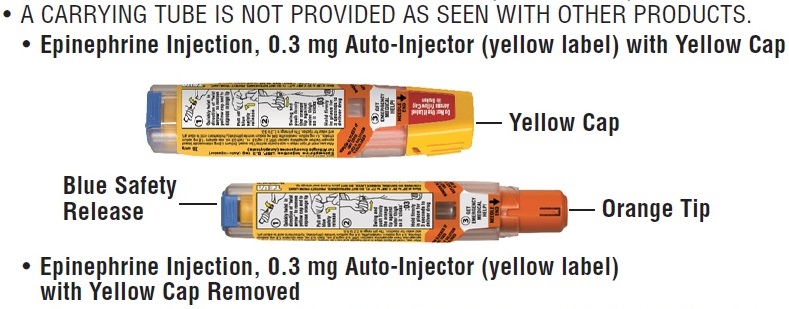
Illustration of Epinephrine Injection 0.3 mg auto-injector with a yellow label and cap. The image shows the auto-injector with the yellow cap on, highlighting the yellow cap and orange tip, and the auto-injector with the cap removed, highlighting the blue safety release and orange tip. The labels include instructions and safety information.*
FDA Label Image

Ppi Ifu Image 1 (Image 3)

Ppi Ifu Image 1 (Image 3)
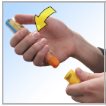
An instructional diagram showing hands preparing a medication syringe. The sequence illustrates removing a cap from a vial and then pulling back the syringe plunger, indicating steps to draw medication. The images demonstrate proper hand positioning and motion for injection preparation.*
FDA Label Image

Ppi Ifu Image 2 (Image 4)

Ppi Ifu Image 2 (Image 4)
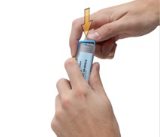
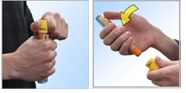
An instructional illustration showing a person's hands holding an Epinephrine injection device, demonstrating how to remove the cap prior to use. A numbered arrow indicates the first step in the preparation process for administering the injection intramuscularly or subcutaneously.*
FDA Label Image

Ppi Ifu Image 3 (Image 5)

Ppi Ifu Image 3 (Image 5)
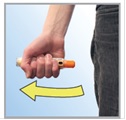
An instructional illustration showing a hand holding an epinephrine injection device with an orange cap, positioned to be administered into the thigh. A yellow arrow points toward the thigh, indicating the injection site for intramuscular or subcutaneous use.*
FDA Label Image

Ppi Ifu Image 4 (Image 6)

Ppi Ifu Image 4 (Image 6)
An instructional illustration showing the use of an epinephrine injection device. It depicts a hand removing the yellow safety cap from the device, preparing it for intramuscular or subcutaneous administration.*
FDA Label Image

Ppi Ifu Image 5 (Image 7)

Ppi Ifu Image 5 (Image 7)
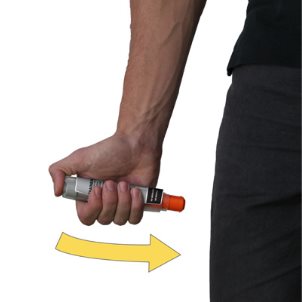
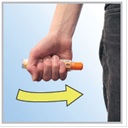
An instructional illustration showing a person holding an Epinephrine injection device in their hand. A yellow arrow indicates the motion to swing the device outward from the body, demonstrating how to prepare or position for injection intramuscularly or subcutaneously.*
FDA Label Image

Ppi Ifu Image 6 (Image 8)

FDA Label Image

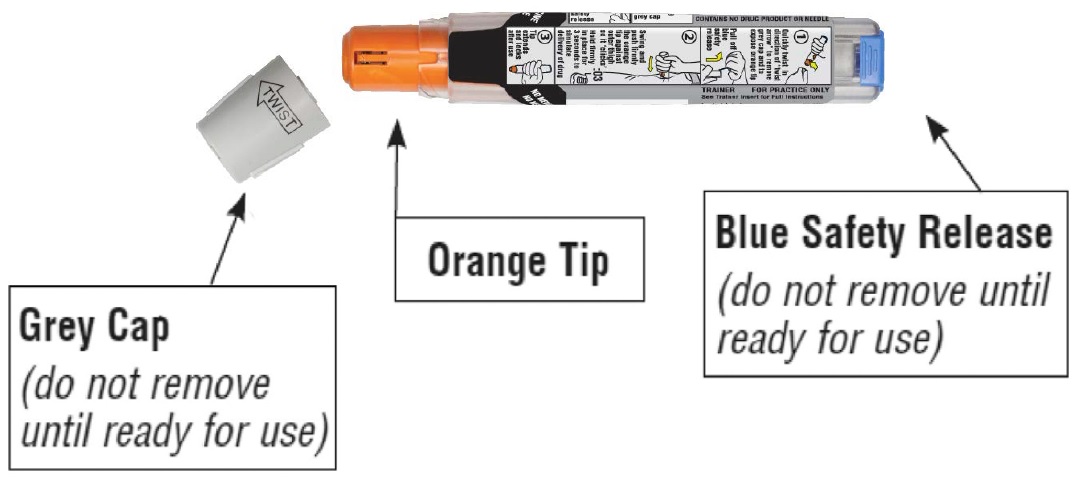
Trainer-ifu Image (Image 9)

Trainer-ifu Image (Image 9)
Illustration showing labeled parts of an Epinephrine injection trainer device from Asclemed USA, Inc. The image points out the grey cap labeled 'Twist' which should not be removed until ready for use, an orange tip at the injection end, and a blue safety release that also should remain until ready for use. The trainer is clearly marked as for practice only and contains no drug product or needle.*

* About these descriptions: Image descriptions on this page are generated by automated AI analysis of the product label images from the manufacturer's FDA label submission (SPL). They are provided for reference only and may contain errors or omissions. Always rely on the printed label itself and the official FDA labeling, and consult a pharmacist or healthcare professional with any questions about this product.