Paroxetine Tablet, Film Coated
Product Images NDC 76420-716

View Photos of Packaging, Regulatory Labels, and Product Appearance

Product Visual Gallery

This gallery contains 8 technical images submitted to the FDA as part of the official labeling for Paroxetine (NDC 76420-716). Unlike standard consumer photos, these assets often include clinical data figures, molecular chemical structures, and official manufacturer packaging layouts.

As provided by Asclemed Usa, Inc., these visuals offer a comprehensive scientific overview of the product's physical and chemical identity, aiding pharmacists and researchers in product verification and study.

FDA Label Image

Image (Fig 01)

Image (Fig 01)
Chemical structure of paroxetine hydrochloride, showing its molecular arrangement including fluorophenyl, piperidine, and methylenedioxybenzene components.*
FDA Label Image

Image (Fig 02)

Image (Fig 02)
A pharmacokinetic graph showing fold changes and 90% confidence intervals for Cmax and AUC of paroxetine when co-administered with various interacting drugs including Pimozide 2 mg, Desipramine 100 mg, Propranolol 80 mg twice daily, Digoxin 0.25 mg once daily, and Phenytoin 300 mg. The x-axis represents change relative to reference on a logarithmic scale from 0.1 to 10.*
FDA Label Image

Image (Fig 03)

Image (Fig 03)
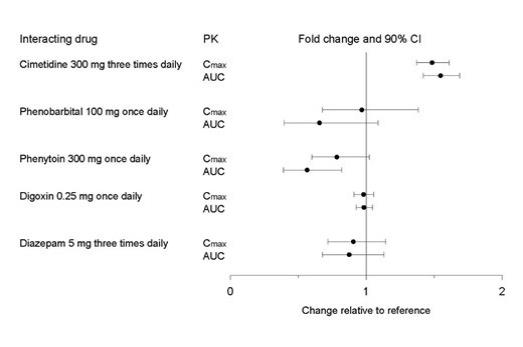
A forest plot showing the fold change and 90% confidence intervals for pharmacokinetic parameters Cmax and AUC of Paroxetine when interacting with various drugs, including Cimetidine, Phenobarbital, Phenytoin, Digoxin, and Diazepam. The x-axis represents change relative to reference, ranging from 0 to 2.*
FDA Label Image

Image (Fig 04)

Image (Fig 04)
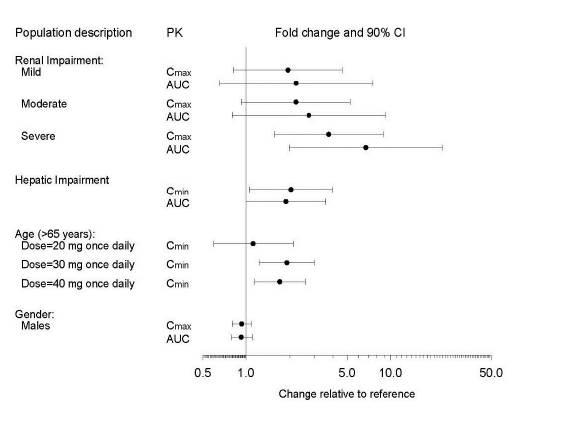
A scatter plot with horizontal error bars showing fold changes and 90% confidence intervals for pharmacokinetic parameters (Cmax, AUC, Cmin) of Paroxetine in different populations. Populations include mild, moderate, and severe renal impairment, hepatic impairment, age groups over 65 at various doses, and males. The x-axis represents change relative to reference on a logarithmic scale from 0.5 to 50, while the y-axis lists the population descriptions.*
FDA Label Image

10 mg (Label 10mg)

10 mg (Label 10mg)
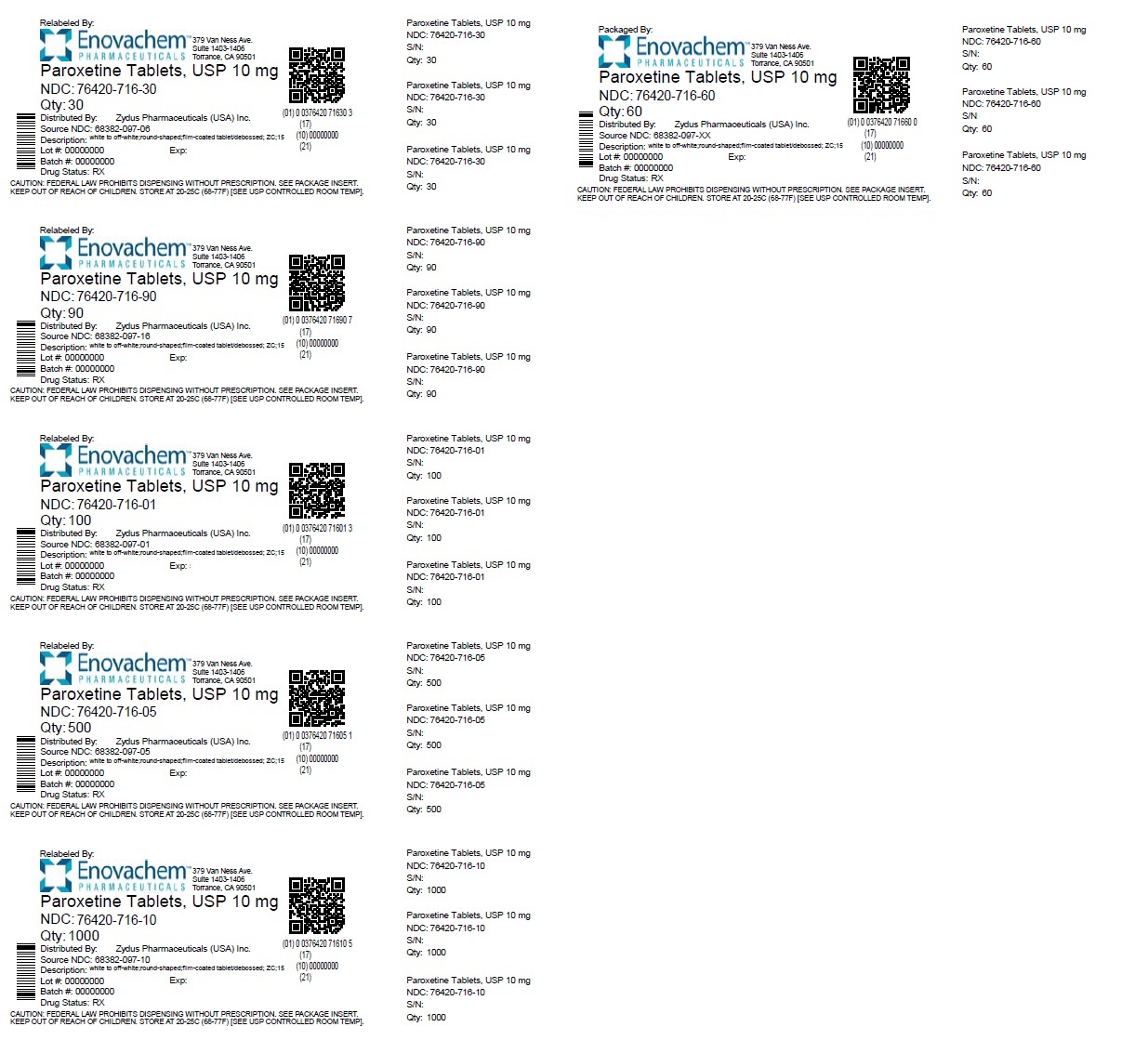
Multiple packaging labels for Paroxetine Tablets USP 10 mg film-coated tablets by Enovachem Pharmaceuticals, relabeled by Zydus Pharmaceuticals (USA) Inc. Each label shows varying quantities (30, 60, 90, 100, 500, 1000 count) with NDC codes (76420-716-xx). Labels include lot and expiration placeholders, barcodes, QR codes, and federal prescription warnings.*
FDA Label Image

20 mg (Label 20mg)

20 mg (Label 20mg)
Multiple Paroxetine Tablets, USP 20 mg film-coated tablet labels shown for different package sizes including quantities of 30, 60, 90, 100, 500, and 1000 tablets. Relabeled by Enovachem Pharmaceuticals with distributor Zydus Pharmaceuticals (USA) Inc. Each label includes the National Drug Code (NDC) and a QR code. The tablets are described as white to off-white, round, film-coated, and debossed.*
FDA Label Image

30 mg (Label 30mg)

30 mg (Label 30mg)
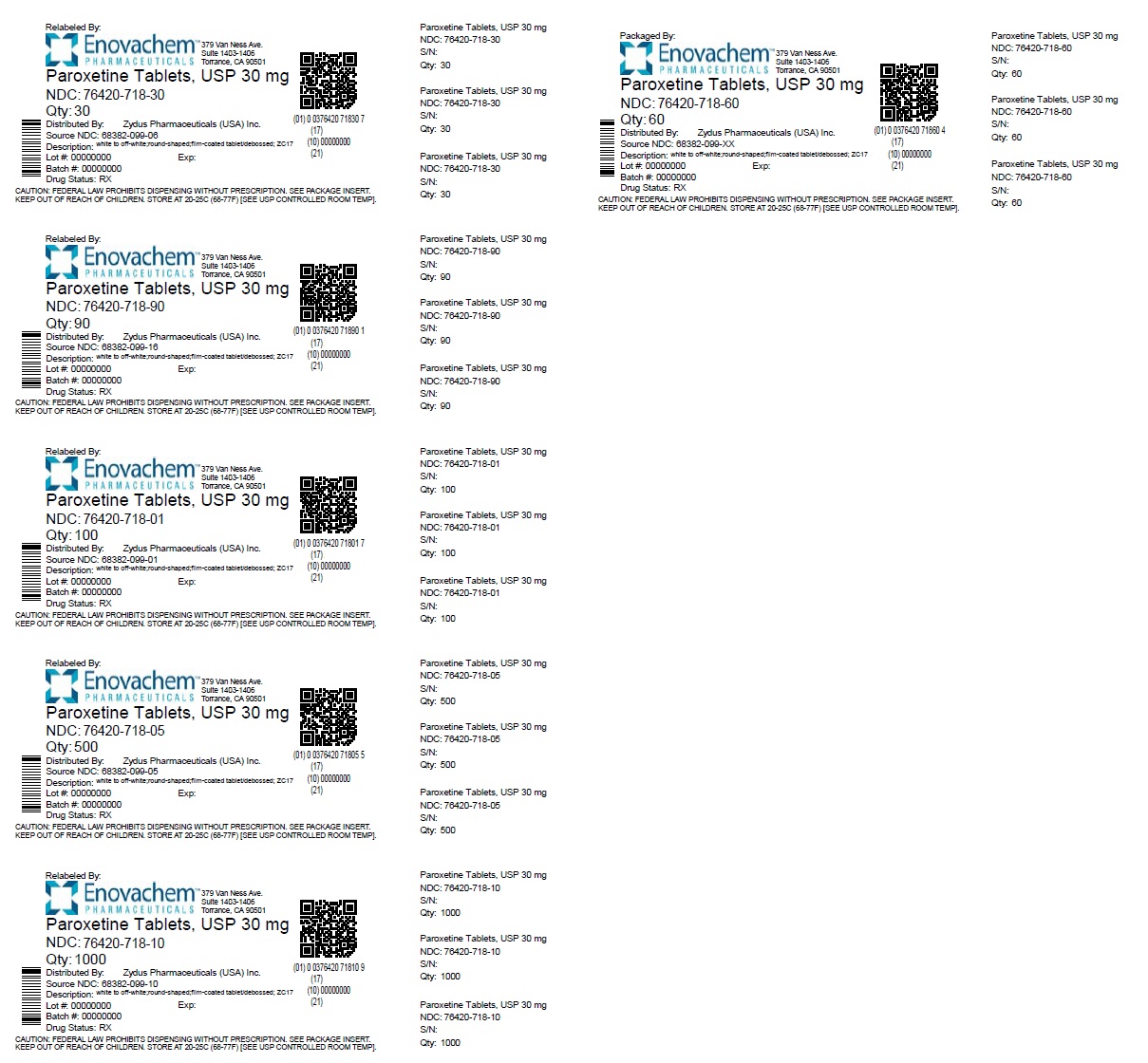
This image shows multiple relabeler and packaging labels for Paroxetine Tablets USP 30 mg in oral film-coated tablet form. Labels display various quantities including 30, 60, 90, 100, 500, and 1000 tablets. The relabeler is Enovachem Pharmaceuticals and the distributor is Zydus Pharmaceuticals (USA) Inc. Each label includes the NDC code, lot number, expiration, and storage instructions.*
FDA Label Image

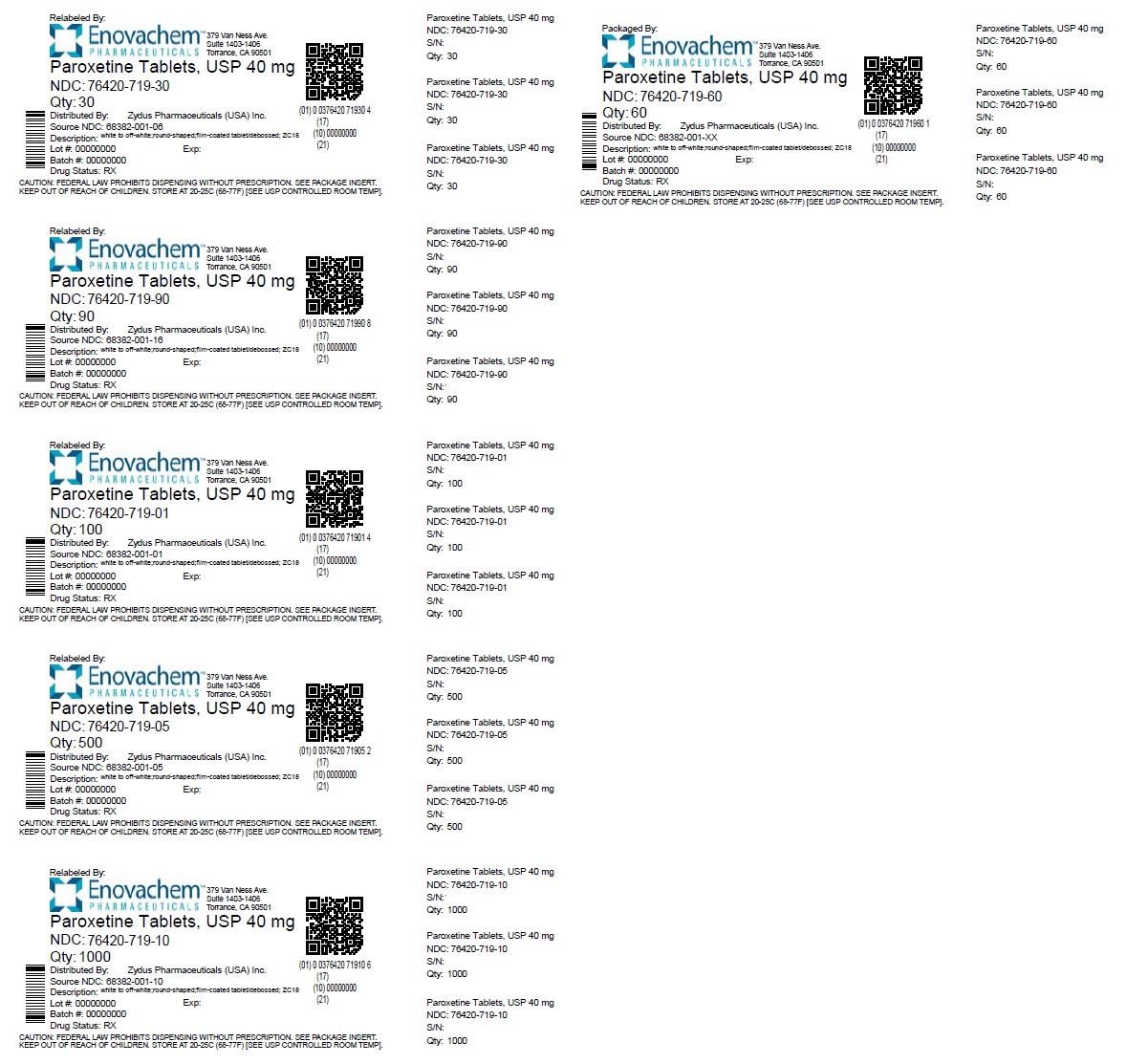
40 mg (Label 40mg)

40 mg (Label 40mg)
This image shows multiple labels for Paroxetine Tablets, USP 40 mg, film-coated oral tablets relabeled by Enovachem Pharmaceuticals. The labels display different package quantities including 30, 60, 90, 100, 500, and 1000 tablets. Distributed by Zydus Pharmaceuticals (USA) Inc., each label includes NDC numbers, batch placeholders, drug status as prescription (RX), and storage instructions at controlled room temperature.*

* About these descriptions: Image descriptions on this page are generated by automated AI analysis of the product label images from the manufacturer's FDA label submission (SPL). They are provided for reference only and may contain errors or omissions. Always rely on the printed label itself and the official FDA labeling, and consult a pharmacist or healthcare professional with any questions about this product.