Hemacord
Product Images NDC 76489-001

View Photos of Packaging, Regulatory Labels, and Product Appearance

Product Visual Gallery

This gallery contains 13 technical images submitted to the FDA as part of the official labeling for Hemacord (NDC 76489-001). Unlike standard consumer photos, these assets often include clinical data figures, molecular chemical structures, and official manufacturer packaging layouts.

As provided by New York Blood Center, these visuals offer a comprehensive scientific overview of the product's physical and chemical identity, aiding pharmacists and researchers in product verification and study.

FDA Label Image

Figure 1 (Hemacord Figure 1)
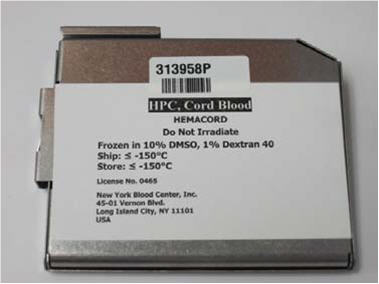
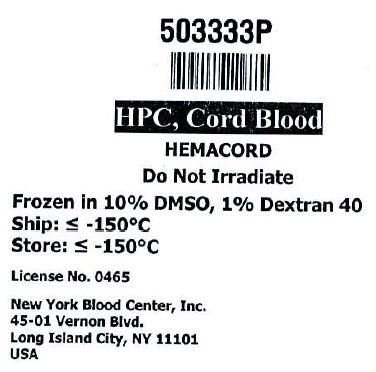
Figure 1 (Hemacord Figure 1)
HemaCord HPC Cord Blood packaging label from New York Blood Center. The label includes storage instructions indicating the product is frozen in 10% DMSO and 1% Dextran 40, shipped and stored at temperatures at or below -150°C. It also states the product should not be irradiated and displays the license number and New York Blood Center contact information.*
FDA Label Image

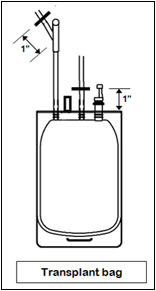
Figure 9 (Hemacord Figure 10)

Figure 9 (Hemacord Figure 10)
Illustration diagram showing a transplant bag labeled as "HemaCord" by New York Blood Center. The diagram includes measurements indicating 1-inch distances for specific tube lengths attached to the bag, likely for medical or transplant use.*
FDA Label Image

Package Label (25 mL Bag)

Package Label (25 mL Bag)
Label for HemaCord HPC, Cord Blood product from New York Blood Center. It includes storage instructions to keep the product at or below -150°C, advises not to irradiate, and notes the product is frozen in 10% DMSO and 1% Dextran 40. The label also shows the New York Blood Center address in Long Island City, NY.*
FDA Label Image

Package Label (25 mL Canister)

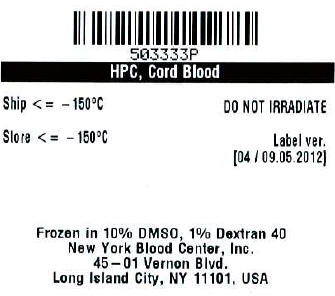
Package Label (25 mL Canister)
Packaging label for HemaCord by New York Blood Center. The label specifies HPC, Cord Blood with handling instructions indicating it is frozen and stored at or below -150°C. It also notes the presence of 10% DMSO and 1% Dextran 40, with a caution to not irradiate. License number and address of the manufacturer are provided.*
FDA Label Image

Package Label (NDC 76489-001-01)

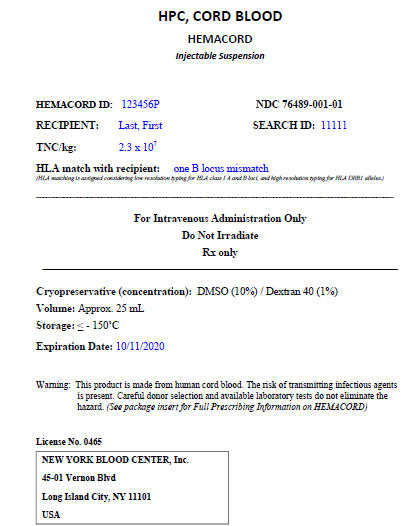
Package Label (NDC 76489-001-01)
Text panel for HemaCord injectable suspension from New York Blood Center provides key details including HemaCord ID, recipient information, TNC/kg value, and HLA mismatch. Instructions specify intravenous administration only and no irradiation. Contains cryopreservative information, approximate volume, storage temperature, expiration date, and a warning about risks related to human cord blood transfusion.*
FDA Label Image

Figure 2. (Hemacord Figure 2)

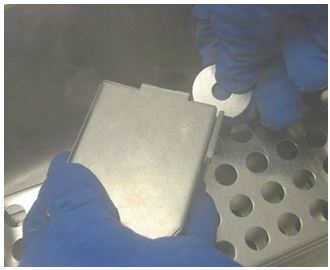
Figure 2. (Hemacord Figure 2)
An instructional diagram showing gloved hands handling a circular sample container lid and a rectangular container, positioned over a metal holder with multiple circular wells. The image appears to demonstrate proper sample handling or preparation technique for the HemaCord product by New York Blood Center.*
FDA Label Image

Figure 3 (Hemacord Figure 3)

Figure 3 (Hemacord Figure 3)
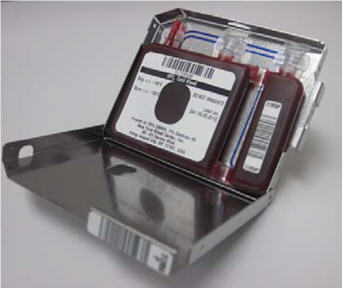
HemaCord by New York Blood Center is shown in a transparent plastic container with two compartments filled with a red liquid, likely blood or cord blood product. The container has white labels with barcodes and text on both compartments, and it rests on a metallic tray with a visible barcode on the outside. The image depicts the product's storage or transport packaging.*
FDA Label Image

Figure 4a (Hemacord Figure 4)

Figure 4a (Hemacord Figure 4)
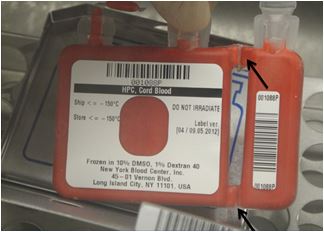
HemaCord HPC, Cord Blood in a sealed red collection bag with attached tubing. The label indicates storage instructions, freezing method in 10% DMSO and 10% Dextran 40, and the New York Blood Center as the labeler. The label also shows barcodes and product handling notes. The container is used for storing hematopoietic progenitor cells from cord blood.*
FDA Label Image

Figure 4b (Hemacord Figure 5)

Figure 4b (Hemacord Figure 5)
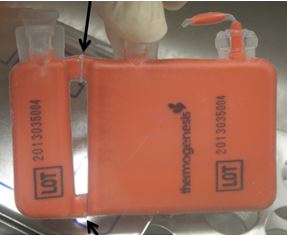
HemaCord blood collection and transport device labeled with lot number 2013030504, manufactured by New York Blood Center. The image shows two connected orange containers with plastic tubing and closures, marked with lot numbers for identification.*
FDA Label Image

Figure 5 (Hemacord Figure 6)

Figure 5 (Hemacord Figure 6)
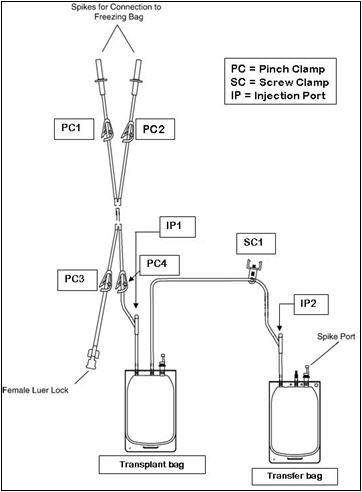
A labeled line diagram illustrating the connections in a blood bag system for HemaCord by New York Blood Center. The diagram shows components including the transplant bag, transfer bag, pinch clamps (PC1-PC4), screw clamp (SC1), injection ports (IP1, IP2), female Luer lock, spike ports, and spikes for connection to a freezing bag, depicting fluid pathways between bags.*
FDA Label Image

Figure 6. (Hemacord Figure 7)

Figure 6. (Hemacord Figure 7)
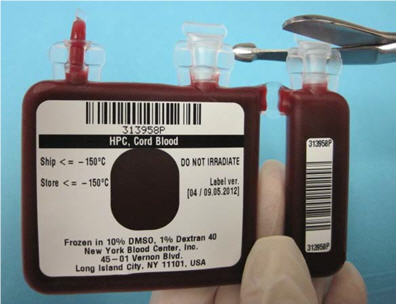
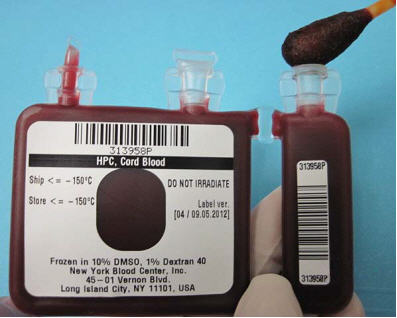
HemaCord HPC Cord Blood bag labeled by New York Blood Center with storage instructions to keep frozen at -150 degrees Celsius and not to irradiate. The label also indicates the content is frozen in 10% DMSO and 10% Dextran 40. The image shows a blood storage bag with barcodes and tubing connectors.*
FDA Label Image

Figure 7 (Hemacord Figure 8)

Figure 7 (Hemacord Figure 8)
Label for HemaCord HPC Cord Blood product from New York Blood Center. The label indicates the product is frozen in 10% DMSO and 1% Dextran 40, with storage instructions at -150°C or colder. It includes product identification numbers and a date label area. The image shows two connected blood bags with the label prominently displayed on the larger bag.*
FDA Label Image

Figure 8 (Hemacord Figure 9)

Figure 8 (Hemacord Figure 9)
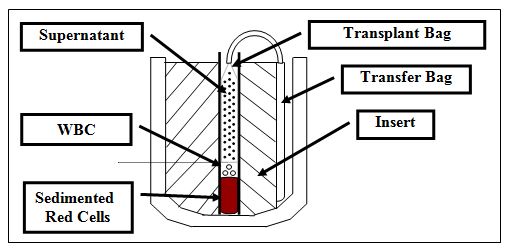
An illustration diagram of a blood processing unit labeled with components including Transplant Bag, Transfer Bag, Insert, Supernatant, WBC, and Sedimented Red Cells. The diagram shows the arrangement and separation of blood components within the bags and insert.*

* About these descriptions: Image descriptions on this page are generated by automated AI analysis of the product label images from the manufacturer's FDA label submission (SPL). They are provided for reference only and may contain errors or omissions. Always rely on the printed label itself and the official FDA labeling, and consult a pharmacist or healthcare professional with any questions about this product.