The risk of myopathy and rhabdomyolysis is increased by elevated plasma levels of simvastatin and simvastatin acid. Simvastatin is metabolized by the cytochrome P450 isoform 3A4. Certain drugs that inhibit this metabolic pathway can raise the plasma levels of simvastatin and may increase the risk of myopathy. These include itraconazole, ketoconazole, posaconazole, and voriconazole, the macrolide antibiotics erythromycin and clarithromycin, and the ketolide antibiotic telithromycin, HIV protease inhibitors, boceprevir, telaprevir, the antidepressant nefazodone, cobicistat-containing products, or grapefruit juice. [See Clinical Pharmacology (12.3).] Combination of these drugs with VYTORIN is contraindicated. If short-term treatment with strong CYP3A4 inhibitors is unavoidable, therapy with VYTORIN must be suspended during the course of treatment [see Contraindications (4) and Drug Interactions (7)].
Caution should be used when prescribing fenofibrates with VYTORIN, as these agents can cause myopathy when given alone and the risk is increased when they are coadministered [see Drug Interactions (7.2, 7.7)].
Cases of myopathy, including rhabdomyolysis, have been reported with simvastatin coadministered with colchicine, and caution should be exercised when prescribing VYTORIN with colchicine [see Drug Interactions (7.9)].
The benefits of the combined use of VYTORIN with the following drugs should be carefully weighed against the potential risks of combinations: other lipid-lowering drugs (fenofibrates or, for patients with HoFH, lomitapide), amiodarone, dronedarone, verapamil, diltiazem, amlodipine, or ranolazine [see Dosage and Administration (2.4), Drug Interactions (7.3)].
Cases of myopathy, including rhabdomyolysis, have been observed with simvastatin coadministered with lipid-modifying doses (≥1 g/day niacin) of niacin-containing products [see Drug Interactions (7.4)].
Cases of rhabdomyolysis have been reported with VYTORIN administered with daptomycin. Temporarily suspend VYTORIN in patients taking daptomycin [see Drug Interactions (7.10)].
Because clinical trials are conducted under widely varying conditions, adverse reaction rates observed in the clinical trials of a drug cannot be directly compared to rates in the clinical trials of another drug and may not reflect the rates observed in practice.
In the VYTORIN (ezetimibe and simvastatin) placebo-controlled clinical trials database of 1420 patients (age range 20-83 years, 52% women, 87% Caucasians, 3% Blacks, 5% Hispanics, 3% Asians) with a median treatment duration of 27 weeks, 5% of patients on VYTORIN and 2.2% of patients on placebo discontinued due to adverse reactions.
The most common adverse reactions in the group treated with VYTORIN that led to treatment discontinuation and occurred at a rate greater than placebo were:
- Increased ALT (0.9%)
- Myalgia (0.6%)
- Increased AST (0.4%)
- Back pain (0.4%)
The most commonly reported adverse reactions (incidence ≥2% and greater than placebo) in controlled clinical trials were: headache (5.8%), increased ALT (3.7%), myalgia (3.6%), upper respiratory tract infection (3.6%), and diarrhea (2.8%).
VYTORIN has been evaluated for safety in more than 10,189 patients in clinical trials.
Table 2 summarizes the frequency of clinical adverse reactions reported in ≥2% of patients treated with VYTORIN (n=1420) and at an incidence greater than placebo, regardless of causality assessment, from four placebo-controlled trials.
Table 2Includes two placebo-controlled combination studies in which the active ingredients equivalent to VYTORIN were coadministered and two placebo-controlled studies in which VYTORIN was administered.
: Clinical Adverse Reactions Occurring in ≥2% of Patients Treated with VYTORIN and at an Incidence Greater than Placebo, Regardless of CausalityBody System/Organ Class
Adverse Reaction | Placebo
(%)
n=371 | Ezetimibe
10 mg
(%)
n=302 | Simvastatin All doses.
(%)
n=1234 | VYTORIN
(%)
n=1420 |
|---|
| Body as a whole – general disorders | | | | |
| Headache | 5.4 | 6.0 | 5.9 | 5.8 |
| Gastrointestinal system disorders | | | | |
| Diarrhea | 2.2 | 5.0 | 3.7 | 2.8 |
| Infections and infestations | | | | |
| Influenza | 0.8 | 1.0 | 1.9 | 2.3 |
| Upper respiratory tract infection | 2.7 | 5.0 | 5.0 | 3.6 |
| Musculoskeletal and connective tissue disorders | | | | |
| Myalgia | 2.4 | 2.3 | 2.6 | 3.6 |
| Pain in extremity | 1.3 | 3.0 | 2.0 | 2.3 |
Study of Heart and Renal Protection
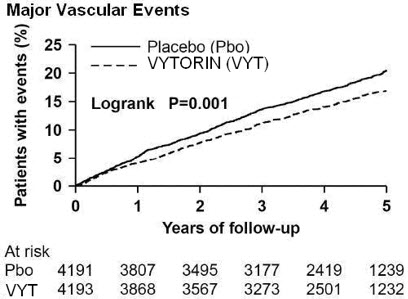
In SHARP, 9270 patients were allocated to VYTORIN 10/20 mg daily (n=4650) or placebo (n=4620) for a median follow-up period of 4.9 years. The proportion of patients who permanently discontinued study treatment as a result of either an adverse event or abnormal safety blood result was 10.4% vs. 9.8% among patients allocated to VYTORIN and placebo, respectively. Comparing those allocated to VYTORIN vs. placebo, the incidence of myopathy (defined as unexplained muscle weakness or pain with a serum CK >10 times ULN) was 0.2% vs. 0.1% and the incidence of rhabdomyolysis (defined as myopathy with a CK >40 times ULN) was 0.09% vs. 0.02%, respectively. Consecutive elevations of transaminases (>3 × ULN) occurred in 0.7% vs. 0.6%, respectively. Patients were asked about the occurrence of unexplained muscle pain or weakness at each study visit: 21.5% vs. 20.9% patients ever reported muscle symptoms in the VYTORIN and placebo groups, respectively. Cancer was diagnosed during the trial in 9.4% vs. 9.5% of patients assigned to VYTORIN and placebo, respectively.
Ezetimibe
Other adverse reactions reported with ezetimibe in placebo-controlled studies, regardless of causality assessment: Musculoskeletal system disorders: arthralgia; Infections and infestations: sinusitis; Body as a whole – general disorders: fatigue.
Simvastatin
In a clinical trial in which 12,064 patients with a history of myocardial infarction were treated with simvastatin (mean follow-up 6.7 years), the incidence of myopathy (defined as unexplained muscle weakness or pain with a serum creatine kinase [CK] >10 times upper limit of normal [ULN]) in patients on 80 mg/day was approximately 0.9% compared with 0.02% for patients on 20 mg/day. The incidence of rhabdomyolysis (defined as myopathy with a CK >40 times ULN) in patients on 80 mg/day was approximately 0.4% compared with 0% for patients on 20 mg/day. The incidence of myopathy, including rhabdomyolysis, was highest during the first year and then notably decreased during the subsequent years of treatment. In this trial, patients were carefully monitored and some interacting medicinal products were excluded.
Other adverse reactions reported with simvastatin in placebo-controlled clinical studies, regardless of causality assessment: Cardiac disorders: atrial fibrillation; Ear and labyrinth disorders: vertigo; Gastrointestinal disorders: abdominal pain, constipation, dyspepsia, flatulence, gastritis; Skin and subcutaneous tissue disorders: eczema, rash; Endocrine disorders: diabetes mellitus; Infections and infestations: bronchitis, sinusitis, urinary tract infections; Body as a whole – general disorders: asthenia, edema/swelling; Psychiatric disorders: insomnia.
Laboratory Tests
Marked persistent increases of hepatic serum transaminases have been noted [see Warnings and Precautions (5.3)]. Elevated alkaline phosphatase and γ-glutamyl transpeptidase have been reported. About 5% of patients taking simvastatin had elevations of CK levels of 3 or more times the normal value on one or more occasions. This was attributable to the noncardiac fraction of CK [see Warnings and Precautions (5.1)].
Pregnancy Category X.
[See Contraindications (4).]
VYTORIN
VYTORIN is contraindicated in women who are or may become pregnant. Lipid-lowering drugs offer no benefit during pregnancy, because cholesterol and cholesterol derivatives are needed for normal fetal development. Atherosclerosis is a chronic process, and discontinuation of lipid-lowering drugs during pregnancy should have little impact on long-term outcomes of primary hypercholesterolemia therapy. There are no adequate and well-controlled studies of VYTORIN use during pregnancy; however, there are rare reports of congenital anomalies in infants exposed to statins in utero. Animal reproduction studies of simvastatin in rats and rabbits showed no evidence of teratogenicity. Serum cholesterol and triglycerides increase during normal pregnancy, and cholesterol or cholesterol derivatives are essential for fetal development. Because statins, such as simvastatin, decrease cholesterol synthesis and possibly the synthesis of other biologically active substances derived from cholesterol, VYTORIN may cause fetal harm when administered to a pregnant woman. If VYTORIN is used during pregnancy or if the patient becomes pregnant while taking this drug, the patient should be apprised of the potential hazard to the fetus.
Women of childbearing potential, who require VYTORIN treatment for a lipid disorder, should be advised to use effective contraception. For women trying to conceive, discontinuation of VYTORIN should be considered. If pregnancy occurs, VYTORIN should be immediately discontinued.
Ezetimibe
In oral (gavage) embryo-fetal development studies of ezetimibe conducted in rats and rabbits during organogenesis, there was no evidence of embryolethal effects at the doses tested (250, 500, 1000 mg/kg/day). In rats, increased incidences of common fetal skeletal findings (extra pair of thoracic ribs, unossified cervical vertebral centra, shortened ribs) were observed at 1000 mg/kg/day (~10 times the human exposure at 10 mg daily based on AUC0-24hr for total ezetimibe). In rabbits treated with ezetimibe, an increased incidence of extra thoracic ribs was observed at 1000 mg/kg/day (150 times the human exposure at 10 mg daily based on AUC0-24hr for total ezetimibe). Ezetimibe crossed the placenta when pregnant rats and rabbits were given multiple oral doses.
Multiple-dose studies of ezetimibe coadministered with statins in rats and rabbits during organogenesis result in higher ezetimibe and statin exposures. Reproductive findings occur at lower doses in coadministration therapy compared to monotherapy.
Simvastatin
Simvastatin was not teratogenic in rats or rabbits at doses (25, 10 mg/kg/day, respectively) that resulted in 3 times the human exposure based on mg/m2 surface area. However, in studies with another structurally-related statin, skeletal malformations were observed in rats and mice.
There are rare reports of congenital anomalies following intrauterine exposure to statins. In a review
Manson, J.M., Freyssinges, C., Ducrocq, M.B., Stephenson, W.P., Postmarketing Surveillance of Lovastatin and Simvastatin Exposure During Pregnancy, Reproductive Toxicology, 10(6):439-446, 1996.
of approximately 100 prospectively followed pregnancies in women exposed to simvastatin or another structurally-related statin, the incidences of congenital anomalies, spontaneous abortions and fetal deaths/stillbirths did not exceed what would be expected in the general population. The number of cases is adequate only to exclude a 3- to 4-fold increase in congenital anomalies over the background incidence. In 89% of the prospectively followed pregnancies, drug treatment was initiated prior to pregnancy and was discontinued at some point in the first trimester when pregnancy was identified.
Ezetimibe
Based on total ezetimibe (ezetimibe + ezetimibe-glucuronide) there are no pharmacokinetic differences between adolescents and adults. Pharmacokinetic data in the pediatric population <10 years of age are not available.
Simvastatin
The pharmacokinetics of simvastatin has not been studied in the pediatric population.
VYTORIN
No specific treatment of overdosage with VYTORIN can be recommended. In the event of an overdose, symptomatic and supportive measures should be employed.
Ezetimibe
In clinical studies, administration of ezetimibe, 50 mg/day to 15 healthy subjects for up to 14 days, or 40 mg/day to 18 patients with primary hyperlipidemia for up to 56 days, was generally well tolerated.
A few cases of overdosage have been reported; most have not been associated with adverse experiences. Reported adverse experiences have not been serious.
Simvastatin
Significant lethality was observed in mice after a single oral dose of 9 g/m2. No evidence of lethality was observed in rats or dogs treated with doses of 30 and 100 g/m2, respectively. No specific diagnostic signs were observed in rodents. At these doses the only signs seen in dogs were emesis and mucoid stools.
A few cases of overdosage with simvastatin have been reported; the maximum dose taken was 3.6 g. All patients recovered without sequelae.
The dialyzability of simvastatin and its metabolites in man is not known at present.
VYTORIN
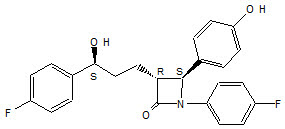
Plasma cholesterol is derived from intestinal absorption and endogenous synthesis. VYTORIN contains ezetimibe and simvastatin, two lipid-lowering compounds with complementary mechanisms of action. VYTORIN reduces elevated total-C, LDL-C, Apo B, TG, and non-HDL-C, and increases HDL-C through dual inhibition of cholesterol absorption and synthesis.
Ezetimibe
Ezetimibe reduces blood cholesterol by inhibiting the absorption of cholesterol by the small intestine. The molecular target of ezetimibe has been shown to be the sterol transporter, Niemann-Pick C1-Like 1 (NPC1L1), which is involved in the intestinal uptake of cholesterol and phytosterols. In a 2-week clinical study in 18 hypercholesterolemic patients, ezetimibe inhibited intestinal cholesterol absorption by 54%, compared with placebo. Ezetimibe had no clinically meaningful effect on the plasma concentrations of the fat-soluble vitamins A, D, and E and did not impair adrenocortical steroid hormone production.
Ezetimibe localizes at the brush border of the small intestine and inhibits the absorption of cholesterol, leading to a decrease in the delivery of intestinal cholesterol to the liver. This causes a reduction of hepatic cholesterol stores and an increase in clearance of cholesterol from the blood; this distinct mechanism is complementary to that of statins [see Clinical Studies (14)].
Simvastatin
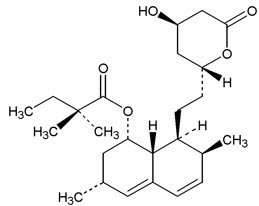
Simvastatin is a prodrug and is hydrolyzed to its active β-hydroxyacid form, simvastatin acid, after administration. Simvastatin is a specific inhibitor of 3-hydroxy-3-methylglutaryl-coenzyme A (HMG-CoA) reductase, the enzyme that catalyzes the conversion of HMG-CoA to mevalonate, an early and rate limiting step in the biosynthetic pathway for cholesterol. In addition, simvastatin reduces very-low-density lipoproteins (VLDL) and TG and increases HDL-C.
Absorption
Ezetimibe
After oral administration, ezetimibe is absorbed and extensively conjugated to a pharmacologically active phenolic glucuronide (ezetimibe-glucuronide).
Simvastatin
The availability of the β-hydroxyacid to the systemic circulation following an oral dose of simvastatin was found to be less than 5% of the dose, consistent with extensive hepatic first-pass extraction.
Effect of Food on Oral Absorption
Ezetimibe
Concomitant food administration (high-fat or non-fat meals) had no effect on the extent of absorption of ezetimibe when administered as 10-mg tablets. The Cmax value of ezetimibe was increased by 38% with consumption of high-fat meals.
Simvastatin
Relative to the fasting state, the plasma profiles of both active and total inhibitors of HMG-CoA reductase were not affected when simvastatin was administered immediately before an American Heart Association recommended low-fat meal.
Distribution
Ezetimibe
Ezetimibe and ezetimibe-glucuronide are highly bound (>90%) to human plasma proteins.
Simvastatin
Both simvastatin and its β-hydroxyacid metabolite are highly bound (approximately 95%) to human plasma proteins. When radiolabeled simvastatin was administered to rats, simvastatin-derived radioactivity crossed the blood-brain barrier.
Metabolism and Excretion
Ezetimibe
Ezetimibe is primarily metabolized in the small intestine and liver via glucuronide conjugation with subsequent biliary and renal excretion. Minimal oxidative metabolism has been observed in all species evaluated.
In humans, ezetimibe is rapidly metabolized to ezetimibe-glucuronide. Ezetimibe and ezetimibe-glucuronide are the major drug-derived compounds detected in plasma, constituting approximately 10 to 20% and 80 to 90% of the total drug in plasma, respectively. Both ezetimibe and ezetimibe-glucuronide are eliminated from plasma with a half-life of approximately 22 hours for both ezetimibe and ezetimibe-glucuronide. Plasma concentration-time profiles exhibit multiple peaks, suggesting enterohepatic recycling.
Following oral administration of 14C-ezetimibe (20 mg) to human subjects, total ezetimibe (ezetimibe + ezetimibe-glucuronide) accounted for approximately 93% of the total radioactivity in plasma. After 48 hours, there were no detectable levels of radioactivity in the plasma.
Approximately 78% and 11% of the administered radioactivity were recovered in the feces and urine, respectively, over a 10-day collection period. Ezetimibe was the major component in feces and accounted for 69% of the administered dose, while ezetimibe-glucuronide was the major component in urine and accounted for 9% of the administered dose.
Simvastatin
Simvastatin is a lactone that is readily hydrolyzed in vivo to the corresponding β-hydroxyacid, a potent inhibitor of HMG-CoA reductase. Inhibition of HMG-CoA reductase is a basis for an assay in pharmacokinetic studies of the β-hydroxyacid metabolites (active inhibitors) and, following base hydrolysis, active plus latent inhibitors (total inhibitors) in plasma following administration of simvastatin. The major active metabolites of simvastatin present in human plasma are the β-hydroxyacid of simvastatin and its 6'-hydroxy, 6'-hydroxymethyl, and 6'-exomethylene derivatives.
Following an oral dose of 14C-labeled simvastatin in man, 13% of the dose was excreted in urine and 60% in feces. Plasma concentrations of total radioactivity (simvastatin plus 14C-metabolites) peaked at 4 hours and declined rapidly to about 10% of peak by 12 hours postdose.
Specific Populations
Geriatric Patients
Ezetimibe
In a multiple-dose study with ezetimibe given 10 mg once daily for 10 days, plasma concentrations for total ezetimibe were about 2-fold higher in older (≥65 years) healthy subjects compared to younger subjects.
Simvastatin
In a study including 16 elderly patients between 70 and 78 years of age who received simvastatin 40 mg/day, the mean plasma level of HMG-CoA reductase inhibitory activity was increased approximately 45% compared with 18 patients between 18-30 years of age.
Pediatric Patients: [See Use in Specific Populations (8.4).]
Gender
Ezetimibe
In a multiple-dose study with ezetimibe given 10 mg once daily for 10 days, plasma concentrations for total ezetimibe were slightly higher (<20%) in women than in men.
Race
Ezetimibe
Based on a meta-analysis of multiple-dose pharmacokinetic studies, there were no pharmacokinetic differences between Black and Caucasian subjects. Studies in Asian subjects indicated that the pharmacokinetics of ezetimibe was similar to those seen in Caucasian subjects.
Hepatic Impairment
Ezetimibe
After a single 10-mg dose of ezetimibe, the mean exposure (based on area under the curve [AUC]) to total ezetimibe was increased approximately 1.7-fold in patients with mild hepatic impairment (Child-Pugh score 5 to 6), compared to healthy subjects. The mean AUC values for total ezetimibe and ezetimibe increased approximately 3- to 4-fold and 5- to 6-fold, respectively, in patients with moderate (Child-Pugh score 7 to 9) or severe hepatic impairment (Child-Pugh score 10 to 15). In a 14-day, multiple-dose study (10 mg daily) in patients with moderate hepatic impairment, the mean AUC for total ezetimibe and ezetimibe increased approximately 4-fold compared to healthy subjects.
Renal Impairment
Ezetimibe
After a single 10-mg dose of ezetimibe in patients with severe renal disease (n=8; mean CrCl ≤30 mL/min/1.73 m2), the mean AUC for total ezetimibe and ezetimibe increased approximately 1.5-fold, compared to healthy subjects (n=9).
Simvastatin
Pharmacokinetic studies with another statin having a similar principal route of elimination to that of simvastatin have suggested that for a given dose level higher systemic exposure may be achieved in patients with severe renal impairment (as measured by creatinine clearance).
Drug Interactions [See also Drug Interactions (7).]
No clinically significant pharmacokinetic interaction was seen when ezetimibe was coadministered with simvastatin. No specific pharmacokinetic drug interaction studies with VYTORIN have been conducted other than the following study with NIASPAN (Niacin extended-release tablets).
Niacin: The effect of VYTORIN (10/20 mg daily for 7 days) on the pharmacokinetics of NIASPAN extended-release tablets (1000 mg for 2 days and 2000 mg for 5 days following a low-fat breakfast) was studied in healthy subjects. The mean Cmax and AUC of niacin increased 9% and 22%, respectively. The mean Cmax and AUC of nicotinuric acid increased 10% and 19%, respectively (N=13). In the same study, the effect of NIASPAN on the pharmacokinetics of VYTORIN was evaluated (N=15). While concomitant NIASPAN decreased the mean Cmax of total ezetimibe (1%), and simvastatin (2%), it increased the mean Cmax of simvastatin acid (18%). In addition, concomitant NIASPAN increased the mean AUC of total ezetimibe (26%), simvastatin (20%), and simvastatin acid (35%).
Cases of myopathy/rhabdomyolysis have been observed with simvastatin coadministered with lipid-modifying doses (≥1 g/day niacin) of niacin-containing products. [See Warnings and Precautions (5.1) and Drug Interactions (7.4).]
Cytochrome P450: Ezetimibe had no significant effect on a series of probe drugs (caffeine, dextromethorphan, tolbutamide, and IV midazolam) known to be metabolized by cytochrome P450 (1A2, 2D6, 2C8/9 and 3A4) in a "cocktail" study of twelve healthy adult males. This indicates that ezetimibe is neither an inhibitor nor an inducer of these cytochrome P450 isozymes, and it is unlikely that ezetimibe will affect the metabolism of drugs that are metabolized by these enzymes.
In a study of 12 healthy volunteers, simvastatin at the 80-mg dose had no effect on the metabolism of the probe cytochrome P450 isoform 3A4 (CYP3A4) substrates midazolam and erythromycin. This indicates that simvastatin is not an inhibitor of CYP3A4 and, therefore, is not expected to affect the plasma levels of other drugs metabolized by CYP3A4.
Simvastatin acid is a substrate of the transport protein OATP1B1. Concomitant administration of medicinal products that are inhibitors of the transport protein OATP1B1 may lead to increased plasma concentrations of simvastatin acid and an increased risk of myopathy. For example, cyclosporine has been shown to increase the AUC of statins; although the mechanism is not fully understood, the increase in AUC for simvastatin acid is presumably due, in part, to inhibition of CYP3A4 and/or OATP1B1.
Simvastatin is a substrate for CYP3A4. Inhibitors of CYP3A4 can raise the plasma levels of HMG-CoA reductase inhibitory activity and increase the risk of myopathy. [See Warnings and Precautions (5.1); Drug Interactions (7.1).]
Ezetimibe
Table 4: Effect of Coadministered Drugs on Total Ezetimibe| Coadministered Drug and Dosing Regimen | Total Ezetimibe Based on 10 mg-dose of ezetimibe. |
|---|
| Change in AUC | Change in Cmax |
|---|
| | | |
| Cyclosporine-stable dose required (75-150 mg BID) Post-renal transplant patients with mild impaired or normal renal function. In a different study, a renal transplant patient with severe renal insufficiency (creatinine clearance of 13.2 mL/min/1.73 m2) who was receiving multiple medications, including cyclosporine, demonstrated a 12-fold greater exposure to total ezetimibe compared to healthy subjects. , See 7. Drug Interactions. | ↑240% | ↑290% |
| Fenofibrate, 200 mg QD, 14 days | ↑48% | ↑64% |
| Gemfibrozil, 600 mg BID, 7 days | ↑64% | ↑91% |
| Cholestyramine, 4 g BID, 14 days | ↓55% | ↓4% |
| Aluminum & magnesium hydroxide combination antacid, single dose Supralox, 20 mL. | ↓4% | ↓30% |
| Cimetidine, 400 mg BID, 7 days | ↑6% | ↑22% |
| Glipizide, 10 mg, single dose | ↑4% | ↓8% |
| Statins | | |
| Lovastatin 20 mg QD, 7 days | ↑9% | ↑3% |
| Pravastatin 20 mg QD, 14 days | ↑7% | ↑23% |
| Atorvastatin 10 mg QD, 14 days | ↓2% | ↑12% |
| Rosuvastatin 10 mg QD, 14 days | ↑13% | ↑18% |
| Fluvastatin 20 mg QD, 14 days | ↓19% | ↑7% |
Table 5: Effect of Ezetimibe Coadministration on Systemic Exposure to Other Drugs| Coadministered Drug and its Dosage Regimen | Ezetimibe Dosage Regimen | Change in AUC of Coadministered Drug | Change in Cmax of Coadministered Drug |
|---|
| Warfarin, 25 mg single dose on Day 7 | 10 mg QD, 11 days | ↓2% (R-warfarin)
↓4% (S-warfarin) | ↑3% (R-warfarin)
↑1% (S-warfarin) |
| Digoxin, 0.5 mg single dose | 10 mg QD, 8 days | ↑2% | ↓7% |
| Gemfibrozil, 600 mg BID, 7 days See 7. Drug Interactions. | 10 mg QD, 7 days | ↓1% | ↓11% |
| Ethinyl estradiol & Levonorgestrel, QD, 21 days | 10 mg QD, Days 8-14 of 21 day oral contraceptive cycle | Ethinyl estradiol
0%
Levonorgestrel
0% | Ethinyl estradiol
↓9%
Levonorgestrel
↓5% |
| Glipizide, 10 mg on Days 1 and 9 | 10 mg QD, Days 2-9 | ↓3% | ↓5% |
| Fenofibrate, 200 mg QD, 14 days | 10 mg QD, 14 days | ↑11% | ↑7% |
| Cyclosporine, 100 mg single dose Day 7 | 20 mg QD, 8 days | ↑15% | ↑10% |
| Statins | | | |
| Lovastatin 20 mg QD, 7 days | 10 mg QD, 7 days | ↑19% | ↑3% |
| Pravastatin 20 mg QD, 14 days | 10 mg QD, 14 days | ↓20% | ↓24% |
| Atorvastatin 10 mg QD, 14 days | 10 mg QD, 14 days | ↓4% | ↑7% |
| Rosuvastatin 10 mg QD, 14 days | 10 mg QD, 14 days | ↑19% | ↑17% |
| Fluvastatin 20 mg QD, 14 days | 10 mg QD, 14 days | ↓39% | ↓27% |
Simvastatin
Table 6: Effect of Coadministered Drugs or Grapefruit Juice on Simvastatin Systemic Exposure| Coadministered Drug or Grapefruit Juice | Dosing of Coadministered Drug or Grapefruit Juice | Dosing of Simvastatin | Geometric Mean Ratio
(RatioResults based on a chemical assay except results with propranolol as indicated. with / without coadministered drug)
No Effect = 1.00 |
|---|
| AUC | Cmax |
|---|
| Contraindicated with VYTORIN [see Contraindications (4) and Warnings and Precautions (5.1)] |
| Telithromycin Results could be representative of the following CYP3A4 inhibitors: ketoconazole, erythromycin, clarithromycin, HIV protease inhibitors, and nefazodone. | 200 mg QD for 4 days | 80 mg | simvastatin acid Simvastatin acid refers to the β-hydroxyacid of simvastatin. | 12 | 15 |
| | | simvastatin | 8.9 | 5.3 |
| Nelfinavir | 1250 mg BID for 14 days | 20 mg QD for 28 days | simvastatin acid | | |
| | | simvastatin | 6 | 6.2 |
| Itraconazole | 200 mg QD for 4 days | 80 mg | simvastatin acid | | 13.1 |
| | | simvastatin | | 13.1 |
| Posaconazole | 100 mg (oral suspension)
QD for 13 days | 40 mg | simvastatin acid | 7.3 | 9.2 |
| | simvastatin | 10.3 | 9.4 |
| 200 mg (oral suspension)
QD for 13 days | 40 mg | simvastatin acid | 8.5 | 9.5 |
| | simvastatin | 10.6 | 11.4 |
| Gemfibrozil | 600 mg BID for 3 days | 40 mg | simvastatin acid | 2.85 | 2.18 |
| | | simvastatin | 1.35 | 0.91 |
| Avoid grapefruit juice with VYTORIN [see Warnings and Precautions (5.1)] |
| Grapefruit Juice The effect of amounts of grapefruit juice between those used in these two studies on simvastatin pharmacokinetics has not been studied.
(high dose) | 200 mL of double-strength TID Double-strength: one can of frozen concentrate diluted with one can of water. Grapefruit juice was administered TID for 2 days, and 200 mL together with single dose simvastatin and 30 and 90 minutes following single dose simvastatin on Day 3. | 60 mg single dose | simvastatin acid | 7 | |
| | | simvastatin | 16 | |
Grapefruit Juice
(low dose) | 8 oz (about 237 mL) of single-strength Single-strength: one can of frozen concentrate diluted with 3 cans of water. Grapefruit juice was administered with breakfast for 3 days, and simvastatin was administered in the evening on Day 3. | 20 mg single dose | simvastatin acid | 1.3 | |
| | | simvastatin | 1.9 | |
| Avoid taking with >10/10 mg VYTORIN, based on clinical and/or postmarketing simvastatin experience [see Warnings and Precautions (5.1)] |
| Verapamil SR | 240 mg QD Days 1-7 then 240 mg BID on Days 8-10 | 80 mg on Day 10 | simvastatin acid | 2.3 | 2.4 |
| | simvastatin | 2.5 | 2.1 |
| Diltiazem | 120 mg BID for 10 days | 80 mg on Day 10 | simvastatin acid | 2.69 | 2.69 |
| | | simvastatin | 3.10 | 2.88 |
| Diltiazem | 120 mg BID for 14 days | 20 mg on Day 14 | simvastatin | 4.6 | 3.6 |
| Dronedarone | 400 mg BID for 14 days | 40 mg QD for 14 days | simvastatin acid | 1.96 | 2.14 |
| | | simvastatin | 3.90 | 3.75 |
| Avoid taking with >10/20 mg VYTORIN, based on clinical and/or postmarketing simvastatin experience [see Warnings and Precautions (5.1)] |
| Amiodarone | 400 mg QD for 3 days | 40 mg on Day 3 | simvastatin acid | 1.75 | 1.72 |
| | | simvastatin | 1.76 | 1.79 |
| Amlodipine | 10 mg QD for 10 days | 80 mg on Day 10 | simvastatin acid | 1.58 | 1.56 |
| | | simvastatin | 1.77 | 1.47 |
| Ranolazine SR | 1000 mg BID for 7 days | 80 mg on Day 1 and Days 6-9 | simvastatin acid | 2.26 | 2.28 |
| | | simvastatin | 1.86 | 1.75 |
| Avoid taking with >10/20 mg VYTORIN (or 10/40 mg for patients who have previously taken 80 mg simvastatin chronically, e.g., for 12 months or more, without evidence of muscle toxicity), based on clinical experience |
| Lomitapide | 60 mg QD for 7 days | 40 mg single dose | simvastatin acid | 1.7 | 1.6 |
| | | simvastatin | 2 | 2 |
| Lomitapide | 10 mg QD for 7 days | 20 mg single dose | simvastatin acid | 1.4 | 1.4 |
| | | simvastatin | 1.6 | 1.7 |
| No dosing adjustments required for the following: |
| Fenofibrate | 160 mg QD for 14 days | 80 mg QD on Days 8-14 | simvastatin acid | 0.64 | 0.89 |
| | | simvastatin | 0.89 | 0.83 |
| Propranolol | 80 mg single dose | 80 mg single dose | total inhibitor | 0.79 | ↓ from 33.6 to 21.1 ng∙eq/mL |
| | | active inhibitor | 0.79 | ↓ from 7.0 to 4.7 ng∙eq/mL |
VYTORIN
No animal carcinogenicity or fertility studies have been conducted with the combination of ezetimibe and simvastatin. The combination of ezetimibe with simvastatin did not show evidence of mutagenicity in vitro in a microbial mutagenicity (Ames) test with Salmonella typhimurium and Escherichia coli with or without metabolic activation. No evidence of clastogenicity was observed in vitro in a chromosomal aberration assay in human peripheral blood lymphocytes with ezetimibe and simvastatin with or without metabolic activation. There was no evidence of genotoxicity at doses up to 600 mg/kg with the combination of ezetimibe and simvastatin (1:1) in the in vivo mouse micronucleus test.
Ezetimibe
A 104-week dietary carcinogenicity study with ezetimibe was conducted in rats at doses up to 1500 mg/kg/day (males) and 500 mg/kg/day (females) (~20 times the human exposure at 10 mg daily based on AUC0-24hr for total ezetimibe). A 104-week dietary carcinogenicity study with ezetimibe was also conducted in mice at doses up to 500 mg/kg/day (>150 times the human exposure at 10 mg daily based on AUC0-24hr for total ezetimibe). There were no statistically significant increases in tumor incidences in drug-treated rats or mice.
No evidence of mutagenicity was observed in vitro in a microbial mutagenicity (Ames) test with Salmonella typhimurium and Escherichia coli with or without metabolic activation. No evidence of clastogenicity was observed in vitro in a chromosomal aberration assay in human peripheral blood lymphocytes with or without metabolic activation. In addition, there was no evidence of genotoxicity in the in vivo mouse micronucleus test.
In oral (gavage) fertility studies of ezetimibe conducted in rats, there was no evidence of reproductive toxicity at doses up to 1000 mg/kg/day in male or female rats (~7 times the human exposure at 10 mg daily based on AUC0-24hr for total ezetimibe).
Simvastatin
In a 72-week carcinogenicity study, mice were administered daily doses of simvastatin of 25, 100, and 400 mg/kg body weight, which resulted in mean plasma drug levels approximately 1, 4, and 8 times higher than the mean human plasma drug level, respectively, (as total inhibitory activity based on AUC) after an 80-mg oral dose. Liver carcinomas were significantly increased in high-dose females and mid- and high-dose males with a maximum incidence of 90% in males. The incidence of adenomas of the liver was significantly increased in mid- and high-dose females. Drug treatment also significantly increased the incidence of lung adenomas in mid- and high-dose males and females. Adenomas of the Harderian gland (a gland of the eye of rodents) were significantly higher in high-dose mice than in controls. No evidence of a tumorigenic effect was observed at 25 mg/kg/day.
In a separate 92-week carcinogenicity study in mice at doses up to 25 mg/kg/day, no evidence of a tumorigenic effect was observed (mean plasma drug levels were 1 times higher than humans given 80 mg simvastatin as measured by AUC).
In a two-year study in rats at 25 mg/kg/day, there was a statistically significant increase in the incidence of thyroid follicular adenomas in female rats exposed to approximately 11 times higher levels of simvastatin than in humans given 80 mg simvastatin (as measured by AUC).
A second two-year rat carcinogenicity study with doses of 50 and 100 mg/kg/day produced hepatocellular adenomas and carcinomas (in female rats at both doses and in males at 100 mg/kg/day). Thyroid follicular cell adenomas were increased in males and females at both doses; thyroid follicular cell carcinomas were increased in females at 100 mg/kg/day. The increased incidence of thyroid neoplasms appears to be consistent with findings from other statins. These treatment levels represented plasma drug levels (AUC) of approximately 7 and 15 times (males) and 22 and 25 times (females) the mean human plasma drug exposure after an 80-mg daily dose.
No evidence of mutagenicity was observed in a microbial mutagenicity (Ames) test with or without rat or mouse liver metabolic activation. In addition, no evidence of damage to genetic material was noted in an in vitro alkaline elution assay using rat hepatocytes, a V-79 mammalian cell forward mutation study, an in vitro chromosome aberration study in CHO cells, or an in vivo chromosomal aberration assay in mouse bone marrow.
There was decreased fertility in male rats treated with simvastatin for 34 weeks at 25 mg/kg body weight (4 times the maximum human exposure level, based on AUC, in patients receiving 80 mg/day); however, this effect was not observed during a subsequent fertility study in which simvastatin was administered at this same dose level to male rats for 11 weeks (the entire cycle of spermatogenesis including epididymal maturation). No microscopic changes were observed in the testes of rats from either study. At 180 mg/kg/day (which produces exposure levels 22 times higher than those in humans taking 80 mg/day based on surface area, mg/m2), seminiferous tubule degeneration (necrosis and loss of spermatogenic epithelium) was observed. In dogs, there was drug-related testicular atrophy, decreased spermatogenesis, spermatocytic degeneration and giant cell formation at 10 mg/kg/day (approximately 2 times the human exposure, based on AUC, at 80 mg/day). The clinical significance of these findings is unclear.
CNS Toxicity
Optic nerve degeneration was seen in clinically normal dogs treated with simvastatin for 14 weeks at 180 mg/kg/day, a dose that produced mean plasma drug levels about 12 times higher than the mean plasma drug level in humans taking 80 mg/day.
A chemically similar drug in this class also produced optic nerve degeneration (Wallerian degeneration of retinogeniculate fibers) in clinically normal dogs in a dose-dependent fashion starting at 60 mg/kg/day, a dose that produced mean plasma drug levels about 30 times higher than the mean plasma drug level in humans taking the highest recommended dose (as measured by total enzyme inhibitory activity). This same drug also produced vestibulocochlear Wallerian-like degeneration and retinal ganglion cell chromatolysis in dogs treated for 14 weeks at 180 mg/kg/day, a dose that resulted in a mean plasma drug level similar to that seen with the 60 mg/kg/day dose.
CNS vascular lesions, characterized by perivascular hemorrhage and edema, mononuclear cell infiltration of perivascular spaces, perivascular fibrin deposits and necrosis of small vessels, were seen in dogs treated with simvastatin at a dose of 360 mg/kg/day, a dose that produced mean plasma drug levels that were about 14 times higher than the mean plasma drug levels in humans taking 80 mg/day. Similar CNS vascular lesions have been observed with several other drugs of this class.
There were cataracts in female rats after two years of treatment with 50 and 100 mg/kg/day (22 and 25 times the human AUC at 80 mg/day, respectively) and in dogs after three months at 90 mg/kg/day (19 times) and at two years at 50 mg/kg/day (5 times).
Ezetimibe
The hypocholesterolemic effect of ezetimibe was evaluated in cholesterol-fed Rhesus monkeys, dogs, rats, and mouse models of human cholesterol metabolism. Ezetimibe was found to have an ED50 value of 0.5 µg/kg/day for inhibiting the rise in plasma cholesterol levels in monkeys. The ED50 values in dogs, rats, and mice were 7, 30, and 700 µg/kg/day, respectively. These results are consistent with ezetimibe being a potent cholesterol absorption inhibitor.
In a rat model, where the glucuronide metabolite of ezetimibe (ezetimibe-glucuronide) was administered intraduodenally, the metabolite was as potent as ezetimibe in inhibiting the absorption of cholesterol, suggesting that the glucuronide metabolite had activity similar to the parent drug.
In 1-month studies in dogs given ezetimibe (0.03 to 300 mg/kg/day), the concentration of cholesterol in gallbladder bile increased ~2- to 4-fold. However, a dose of 300 mg/kg/day administered to dogs for one year did not result in gallstone formation or any other adverse hepatobiliary effects. In a 14-day study in mice given ezetimibe (0.3 to 5 mg/kg/day) and fed a low-fat or cholesterol-rich diet, the concentration of cholesterol in gallbladder bile was either unaffected or reduced to normal levels, respectively.
A series of acute preclinical studies was performed to determine the selectivity of ezetimibe for inhibiting cholesterol absorption. Ezetimibe inhibited the absorption of 14C-cholesterol with no effect on the absorption of triglycerides, fatty acids, bile acids, progesterone, ethinyl estradiol, or the fat-soluble vitamins A and D.
In 4- to 12-week toxicity studies in mice, ezetimibe did not induce cytochrome P450 drug-metabolizing enzymes. In toxicity studies, a pharmacokinetic interaction of ezetimibe with statins (parents or their active hydroxy acid metabolites) was seen in rats, dogs, and rabbits.
VYTORIN
VYTORIN reduces total-C, LDL-C, Apo B, TG, and non-HDL-C, and increases HDL-C in patients with hyperlipidemia. Maximal to near maximal response is generally achieved within 2 weeks and maintained during chronic therapy.
VYTORIN is effective in men and women with hyperlipidemia. Experience in non-Caucasians is limited and does not permit a precise estimate of the magnitude of the effects of VYTORIN.
Five multicenter, double-blind studies conducted with either VYTORIN or coadministered ezetimibe and simvastatin equivalent to VYTORIN in patients with primary hyperlipidemia are reported: two were comparisons with simvastatin, two were comparisons with atorvastatin, and one was a comparison with rosuvastatin.
In a multicenter, double-blind, placebo-controlled, 12-week trial, 1528 hyperlipidemic patients were randomized to one of ten treatment groups: placebo, ezetimibe (10 mg), simvastatin (10 mg, 20 mg, 40 mg, or 80 mg), or VYTORIN (10/10, 10/20, 10/40, or 10/80).
When patients receiving VYTORIN were compared to those receiving all doses of simvastatin, VYTORIN significantly lowered total-C, LDL-C, Apo B, TG, and non-HDL-C. The effects of VYTORIN on HDL-C were similar to the effects seen with simvastatin. Further analysis showed VYTORIN significantly increased HDL-C compared with placebo. (See Table 7.) The lipid response to VYTORIN was similar in patients with TG levels greater than or less than 200 mg/dL.
Table 7: Response to VYTORIN in Patients with Primary Hyperlipidemia (MeanFor triglycerides, median % change from baseline.
% Change from Untreated BaselineBaseline - on no lipid-lowering drug.
)| Treatment | | | | | | | |
|---|
| (Daily Dose) | N | Total-C | LDL-C | Apo B | HDL-C | TG | Non-HDL-C |
|---|
| Pooled data (All VYTORIN doses) VYTORIN doses pooled (10/10-10/80) significantly reduced total-C, LDL-C, Apo B, TG, and non-HDL-C compared to simvastatin and significantly increased HDL-C compared to placebo. | 609 | -38 | -53 | -42 | +7 | -24 | -49 |
| Pooled data (All simvastatin doses) | 622 | -28 | -39 | -32 | +7 | -21 | -36 |
| Ezetimibe 10 mg | 149 | -13 | -19 | -15 | +5 | -11 | -18 |
| Placebo | 148 | -1 | -2 | 0 | 0 | -2 | -2 |
| VYTORIN by dose | | | | | | | |
| 10/10 | 152 | -31 | -45 | -35 | +8 | -23 | -41 |
| 10/20 | 156 | -36 | -52 | -41 | +10 | -24 | -47 |
| 10/40 | 147 | -39 | -55 | -44 | +6 | -23 | -51 |
| 10/80 | 154 | -43 | -60 | -49 | +6 | -31 | -56 |
| Simvastatin by dose | | | | | | | |
| 10 mg | 158 | -23 | -33 | -26 | +5 | -17 | -30 |
| 20 mg | 150 | -24 | -34 | -28 | +7 | -18 | -32 |
| 40 mg | 156 | -29 | -41 | -33 | +8 | -21 | -38 |
| 80 mg | 158 | -35 | -49 | -39 | +7 | -27 | -45 |
In a multicenter, double-blind, controlled, 23-week study, 710 patients with known CHD or CHD risk equivalents, as defined by the NCEP ATP III guidelines, and an LDL-C ≥130 mg/dL were randomized to one of four treatment groups: coadministered ezetimibe and simvastatin equivalent to VYTORIN (10/10, 10/20, and 10/40) or simvastatin 20 mg. Patients not reaching an LDL-C <100 mg/dL had their simvastatin dose titrated at 6-week intervals to a maximal dose of 80 mg.
At Week 5, the LDL-C reductions with VYTORIN 10/10, 10/20, or 10/40 were significantly larger than with simvastatin 20 mg (see Table 8).
Table 8: Response to VYTORIN after 5 Weeks in Patients with CHD or CHD Risk Equivalents and an LDL-C ≥130 mg/dL | Simvastatin
20 mg | VYTORIN
10/10 | VYTORIN
10/20 | VYTORIN
10/40 |
|---|
| N | 253 | 251 | 109 | 97 |
| Mean baseline LDL-C | 174 | 165 | 167 | 171 |
| Percent change LDL-C | -38 | -47 | -53 | -59 |
In a multicenter, double-blind, 6-week study, 1902 patients with primary hyperlipidemia, who had not met their NCEP ATP III target LDL-C goal, were randomized to one of eight treatment groups: VYTORIN (10/10, 10/20, 10/40, or 10/80) or atorvastatin (10 mg, 20 mg, 40 mg, or 80 mg).
Across the dosage range, when patients receiving VYTORIN were compared to those receiving milligram-equivalent statin doses of atorvastatin, VYTORIN lowered total-C, LDL-C, Apo B, and non-HDL-C significantly more than atorvastatin. Only the 10/40 mg and 10/80 mg VYTORIN doses increased HDL-C significantly more than the corresponding milligram-equivalent statin dose of atorvastatin. The effects of VYTORIN on TG were similar to the effects seen with atorvastatin. (See Table 9.)
Table 9: Response to VYTORIN and Atorvastatin in Patients with Primary Hyperlipidemia (MeanFor triglycerides, median % change from baseline.
% Change from Untreated BaselineBaseline - on no lipid-lowering drug.
)| Treatment | | | | | | | |
|---|
| (Daily Dose) | N | Total-C VYTORIN doses pooled (10/10-10/80) provided significantly greater reductions in total-C, LDL-C, Apo B, and non-HDL-C compared to atorvastatin doses pooled (10-80). | LDL-C | Apo B | HDL-C | TG | Non-HDL-C |
|---|
| VYTORIN by dose | | | | | | | |
| 10/10 | 230 | -34 p<0.05 for difference with atorvastatin at equal mg doses of the simvastatin component. | -47 | -37 | +8 | -26 | -43 |
| 10/20 | 233 | -37 | -51 | -40 | +7 | -25 | -46 |
| 10/40 | 236 | -41 | -57 | -46 | +9 | -27 | -52 |
| 10/80 | 224 | -43 | -59 | -48 | +8 | -31 | -54 |
| Atorvastatin by dose | | | | | | | |
| 10 mg | 235 | -27 | -36 | -31 | +7 | -21 | -34 |
| 20 mg | 230 | -32 | -44 | -37 | +5 | -25 | -41 |
| 40 mg | 232 | -36 | -48 | -40 | +4 | -24 | -45 |
| 80 mg | 230 | -40 | -53 | -44 | +1 | -32 | -50 |
In a multicenter, double-blind, 24-week, forced-titration study, 788 patients with primary hyperlipidemia, who had not met their NCEP ATP III target LDL-C goal, were randomized to receive coadministered ezetimibe and simvastatin equivalent to VYTORIN (10/10 and 10/20) or atorvastatin 10 mg. For all three treatment groups, the dose of the statin was titrated at 6-week intervals to 80 mg. At each pre-specified dose comparison, VYTORIN lowered LDL-C to a greater degree than atorvastatin (see Table 10).
Table 10: Response to VYTORIN and Atorvastatin in Patients with Primary Hyperlipidemia (MeanFor triglycerides, median % change from baseline.
% Change from Untreated BaselineBaseline - on no lipid-lowering drug.
)| Treatment | N | Total-C | LDL-C | Apo B | HDL-C | TG | Non-HDL-C |
|---|
| Week 6 | | | | | | | |
| Atorvastatin 10 mg Atorvastatin: 10 mg start dose titrated to 20 mg, 40 mg, and 80 mg through Weeks 6, 12, 18, and 24. | 262 | -28 | -37 | -32 | +5 | -23 | -35 |
| VYTORIN 10/10 VYTORIN: 10/10 start dose titrated to 10/20, 10/40, and 10/80 through Weeks 6, 12, 18, and 24. | 263 | -34 p≤0.05 for difference with atorvastatin in the specified week. | -46 | -38 | +8 | -26 | -43 |
| VYTORIN 10/20 VYTORIN: 10/20 start dose titrated to 10/40, 10/40, and 10/80 through Weeks 6, 12, 18, and 24. | 263 | -36 | -50 | -41 | +10 | -25 | -46 |
| Week 12 | | | | | | | |
| Atorvastatin 20 mg | 246 | -33 | -44 | -38 | +7 | -28 | -42 |
| VYTORIN 10/20 | 250 | -37 | -50 | -41 | +9 | -28 | -46 |
| VYTORIN 10/40 | 252 | -39 | -54 | -45 | +12 | -31 | -50 |
| Week 18 | | | | | | | |
| Atorvastatin 40 mg | 237 | -37 | -49 | -42 | +8 | -31 | -47 |
| VYTORIN 10/40 Data pooled for common doses of VYTORIN at Weeks 18 and 24. | 482 | -40 | -56 | -45 | +11 | -32 | -52 |
| Week 24 | | | | | | | |
| Atorvastatin 80 mg | 228 | -40 | -53 | -45 | +6 | -35 | -50 |
| VYTORIN 10/80 | 459 | -43 | -59 | -49 | +12 | -35 | -55 |
In a multicenter, double-blind, 6-week study, 2959 patients with primary hyperlipidemia, who had not met their NCEP ATP III target LDL-C goal, were randomized to one of six treatment groups: VYTORIN (10/20, 10/40, or 10/80) or rosuvastatin (10 mg, 20 mg, or 40 mg).
The effects of VYTORIN and rosuvastatin on total-C, LDL-C, Apo B, TG, non-HDL-C and HDL-C are shown in Table 11.
Table 11: Response to VYTORIN and Rosuvastatin in Patients with Primary Hyperlipidemia (MeanFor triglycerides, median % change from baseline.
% Change from Untreated BaselineBaseline - on no lipid-lowering drug.
)Treatment
(Daily Dose) | N | Total-C VYTORIN doses pooled (10/20-10/80) provided significantly greater reductions in total-C, LDL-C, Apo B, and non-HDL-C compared to rosuvastatin doses pooled (10-40 mg). | LDL-C | Apo B | HDL-C | TG | Non-HDL-C |
|---|
| VYTORIN by dose | | | | | | | |
| 10/20 | 476 | -37 p<0.05 vs. rosuvastatin 10 mg. | -52 | -42 | +7 | -23 | -47 |
| 10/40 | 477 | -39 p<0.05 vs. rosuvastatin 20 mg. | -55 | -44 | +8 | -27 | -50 |
| 10/80 | 474 | -44 p<0.05 vs. rosuvastatin 40 mg. | -61 | -50 | +8 | -30 | -56 |
| Rosuvastatin by dose | | | | | | | |
| 10 mg | 475 | -32 | -46 | -37 | +7 | -20 | -42 |
| 20 mg | 478 | -37 | -52 | -43 | +8 | -26 | -48 |
| 40 mg | 475 | -41 | -57 | -47 | +8 | -28 | -52 |
In a multicenter, double-blind, 24-week trial, 214 patients with type 2 diabetes mellitus treated with thiazolidinediones (rosiglitazone or pioglitazone) for a minimum of 3 months and simvastatin 20 mg for a minimum of 6 weeks were randomized to receive either simvastatin 40 mg or the coadministered active ingredients equivalent to VYTORIN 10/20. The median LDL-C and HbA1c levels at baseline were 89 mg/dL and 7.1%, respectively.
VYTORIN 10/20 was significantly more effective than doubling the dose of simvastatin to 40 mg. The median percent changes from baseline for VYTORIN vs. simvastatin were: LDL-C -25% and -5%; total-C -16% and -5%; Apo B -19% and -5%; and non-HDL-C -23% and -5%. Results for HDL-C and TG between the two treatment groups were not significantly different.
Ezetimibe
In two multicenter, double-blind, placebo-controlled, 12-week studies in 1719 patients with primary hyperlipidemia, ezetimibe significantly lowered total-C (-13%), LDL-C (-19%), Apo B (-14%), and TG (-8%), and increased HDL-C (+3%) compared to placebo. Reduction in LDL-C was consistent across age, sex, and baseline LDL-C.
Simvastatin
In two large, placebo-controlled clinical trials, the Scandinavian Simvastatin Survival Study (N=4,444 patients) and the Heart Protection Study (N=20,536 patients), the effects of treatment with simvastatin were assessed in patients at high risk of coronary events because of existing coronary heart disease, diabetes, peripheral vessel disease, history of stroke or other cerebrovascular disease. Simvastatin was proven to reduce: the risk of total mortality by reducing CHD deaths; the risk of non-fatal myocardial infarction and stroke; and the need for coronary and non-coronary revascularization procedures.
No incremental benefit of VYTORIN on cardiovascular morbidity and mortality over and above that demonstrated for simvastatin has been established.
Distributed by: Organon LLC, a subsidiary of
ORGANON & Co.,
Jersey City, NJ 07302, USA
For patent information: www.organon.com/our-solutions/patent/
Copyright © 2021 Organon Global Inc.
All rights reserved.
uspi-og0653a-t-2106r000
Distributed by: Organon LLC, a subsidiary of
ORGANON & Co.,
Jersey City, NJ 07302, USA
For patent information: www.organon.com/our-solutions/patent/
Copyright © 2021 Organon Global Inc.
All rights reserved.
Revised: 6/2021
usppi-og0653a-t-2106r000