Livmarli Solution
Product Images NDC 79378-111

29 FDA label images from Mirum Pharmaceuticals Inc. · Packaging, Regulatory Labels, and Product Appearance

Product Visual Gallery

This gallery contains 29 technical images submitted to the FDA as part of the official labeling for Livmarli (NDC 79378-111). Unlike standard consumer photos, these assets often include clinical data figures, molecular chemical structures, and official manufacturer packaging layouts.

As provided by Mirum Pharmaceuticals Inc., these visuals offer a comprehensive scientific overview of the product's physical and chemical identity, aiding pharmacists and researchers in product verification and study.

FDA Label Image

Chemical Structure (Livmarli 01)
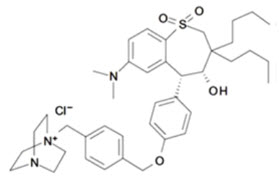
Chemical Structure (Livmarli 01)
Chemical structure diagram of the active ingredient maralixibat chloride, shown with its molecular components including aromatic rings, hydroxyl groups, sulfonate, and chloride ion.*
FDA Label Image

Figure A (Livmarli 02)

Figure A (Livmarli 02)
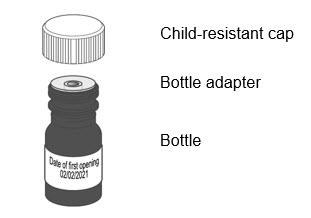
An instructional illustration showing the components of an oral solution bottle for Livmarli (maralixibat chloride). It depicts a child-resistant cap above a bottle adapter and the bottle itself, highlighting the dose of first opening dated 02/02/2021 on the bottle label.*
FDA Label Image

Figure B (Livmarli 03)

Figure B (Livmarli 03)
The image shows three dosing dispensers for Livmarli (maralixibat chloride) oral solution: a 0.5 mL dosing dispenser, a 1 mL dosing dispenser, and a 3 mL dosing dispenser. Each dispenser is individually packaged in a sealed pouch, with the dispenser positioned alongside its cap.*
FDA Label Image

Figure C (Livmarli 04)

Figure C (Livmarli 04)
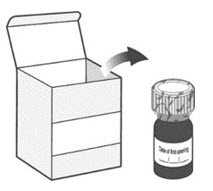
An instructional illustration showing an open carton next to a small bottle with a child-resistant cap labeled "Check all ingredients before use." The image likely demonstrates the step of opening the product carton and preparing the bottle for use.*
FDA Label Image

Figure D (Livmarli 05)

Figure D (Livmarli 05)
An instructional grayscale illustration demonstrating how to open or use a bottle with a child-resistant cap. A hand holds the bottle, and another hand applies downward pressure on the cap with fingers while twisting it. The bottle label is visible but the text is not legible.*
FDA Label Image

Figure E (Livmarli 06)

Figure E (Livmarli 06)
An instructional illustration showing a hand placing a security seal or cap on a small medicine bottle labeled with a 'Date of first opening.' The bottle represents a solution drug vial, emphasizing proper sealing after initial use.*
FDA Label Image

Figure F (Livmarli 07)

Figure F (Livmarli 07)
An instructional illustration showing the proper method to open a child-resistant cap on a medication bottle, demonstrating pressing down on the cap while turning it counterclockwise. A label area for "Date of first opening" is visible on the bottle.*
FDA Label Image

Figure G (Livmarli 08)

Figure G (Livmarli 08)
An instructional diagram showing the components and use of a dosing syringe for Livmarli oral solution. It labels the parts of the syringe as tip, barrel, flange, and plunger, includes dose markings, and shows a hand preparing the syringe by pulling the plunger back.*
FDA Label Image

Figure H (Livmarli 09)

Figure H (Livmarli 09)
An illustration showing a hand removing the cap from a syringe or applicator, with an arrow indicating the direction to pull the cap off. The image is instructional, likely demonstrating how to prepare the Livmarli oral solution for administration.*
FDA Label Image

Figure I (Livmarli 10)

Figure I (Livmarli 10)
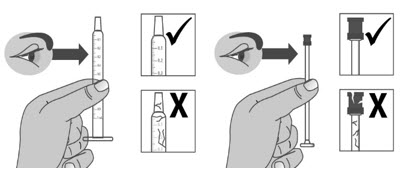
An instructional diagram showing correct and incorrect methods of using two different oral liquid measuring devices. The left side depicts a syringe with clear content and an empty syringe, with a check mark on the filled syringe and an X on the empty syringe. The right side shows a dropper bottle with a dropper in two states: correctly filled with liquid (check mark) and improperly filled with air bubbles (X), indicating proper liquid measurement technique for Livmarli oral solution.*
FDA Label Image

Figure J (Livmarli 11)

Figure J (Livmarli 11)
An instructional illustration showing a finger pressing the plunger of a syringe-like dropper, dispensing liquid from the tip. The image likely depicts administration or measurement of a liquid solution.*
FDA Label Image

Figure K (Livmarli 12)

Figure K (Livmarli 12)
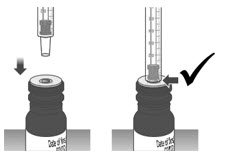
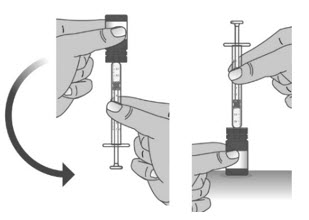
An instructional illustration showing the proper way to use a syringe to withdraw liquid from a bottle. The left side depicts an incorrect method where the syringe is placed above the bottle opening without being inserted, marked by a downward arrow. The right side shows the correct method with the syringe inserted into the bottle, indicated by a check mark.*
FDA Label Image

Figure L (Livmarli 13)

Figure L (Livmarli 13)
An instructional illustration showing how to use a dosing syringe for Livmarli solution. The images depict a hand holding the syringe, removing a protective cap, and preparing the syringe for oral administration by drawing up the liquid medication.*
FDA Label Image

Figure M (Livmarli 14)

Figure M (Livmarli 14)
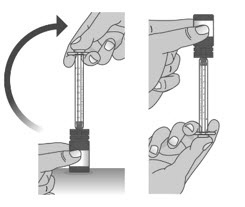
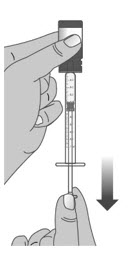
An instructional illustration showing a hand holding a vial and drawing solution into a syringe. The image includes an arrow indicating the downward motion for drawing the liquid from the vial into the syringe. This likely demonstrates the preparation of Livmarli oral solution for dosing.*
FDA Label Image

Figure N (Livmarli 15)

Figure N (Livmarli 15)
Instructional illustration showing two types of plungers used for measuring doses: a flat tip plunger and a pointy tip plunger. Each plunger is labeled with parts like tip, dose, and plunger, and both examples indicate a 0.2 mL dose measurement.*
FDA Label Image

Figure O (Livmarli 16)

Figure O (Livmarli 16)
An instructional illustration showing correct and incorrect methods for using an oral syringe to measure liquid medication. It highlights avoiding measurement if air bubbles are present, and shows drawing liquid up without bubbles for accurate dosing.*
FDA Label Image

Figure P (Livmarli 17)

Figure P (Livmarli 17)
An instructional diagram showing two steps for preparing an oral syringe with medication. The first step depicts hands attaching a plunger or stopper to the syringe. The second step shows the syringe being inserted into a bottle, likely to draw the solution out. This illustration is relevant for accurately measuring and administering liquid medication.*
FDA Label Image

Figure Q (Livmarli 18)

Figure Q (Livmarli 18)
An instructional illustration showing a hand withdrawing liquid medication with a syringe from a small bottle. The syringe is labeled with the part "Barrel," and an upward arrow indicates pulling the syringe barrel to draw the solution from the bottle, representing the preparation of an oral solution dose.*
FDA Label Image

Figure R (Livmarli 19)

Figure R (Livmarli 19)
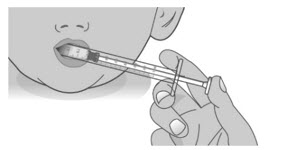
Illustration showing a person receiving an oral liquid dose with a dosing syringe inserted into the mouth. The hand holds the syringe horizontally, delivering the solution. This image visually demonstrates oral administration of a liquid medication.*
FDA Label Image

Figure S (Livmarli 20)

Figure S (Livmarli 20)
Instructional illustration showing a person administering oral medication using a dosing syringe. The syringe is placed into the person's mouth with an arrow indicating the plunger being pushed to deliver the liquid medication.*
FDA Label Image

Figure T (Livmarli 21)

Figure T (Livmarli 21)
An instructional illustration showing hands opening a child-resistant cap on a medication bottle. One hand holds the bottle while the other hand presses down and turns the cap to open it. The bottle label includes a space labeled "Date of first opening."*
FDA Label Image

Figure U (Livmarli 22)

Figure U (Livmarli 22)
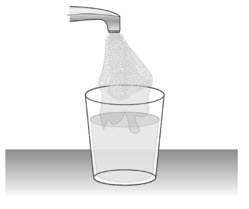
An instructional illustration showing a liquid being poured from a bottle into a clear glass cup. The image suggests preparation or measuring of an oral solution dose.*
FDA Label Image

Figure V (Livmarli 23)

Figure V (Livmarli 23)
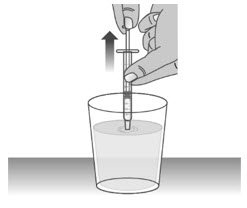
An instructional illustration showing a hand pulling a syringe straight up from a glass of liquid, demonstrating the correct method of withdrawal of solution for oral administration.*
FDA Label Image

Figure W (Livmarli 24)

Figure W (Livmarli 24)
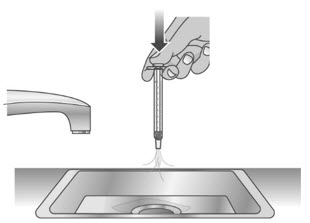
An instructional illustration showing a hand pressing down on a Livmarli oral solution dropper bottle to dispense liquid into a sink, demonstrating dosage administration or how to release the medication from the dropper.*
FDA Label Image

Figure X (Livmarli 25)

Figure X (Livmarli 25)
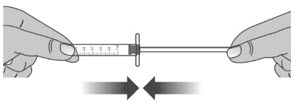
An instructional illustration showing how to use a syringe with a solution product. It depicts a hand holding a syringe on the left, aligned by an arrow pointing right to another hand holding the syringe's plunger or stopper. This likely demonstrates how to prepare or administer the oral solution of Livmarli (maralixibat chloride).*
FDA Label Image

Principal Display Panel (30 mL Bottle Label)

Principal Display Panel (30 mL Bottle Label)
An instructional illustration showing hands holding two types of oral syringes above a sink, demonstrating the rinsing or cleaning process with water running. Wavy lines indicate flushing or rinsing action to clean the syringes after use.*
FDA Label Image

Livmarli 27

Livmarli 27
The image shows a single-dose oral syringe prefilled with Livmarli solution, containing maralixibat chloride. The syringe is clear with measurement markings and a black plunger, designed for oral administration. The syringe is packaged in a molded tray for protection and sterility.*
FDA Label Image

Livmarli 28

Livmarli 28
An instructional illustration showing two hands holding a syringe and a tube or vial connected by an arrow indicating the direction of connection or transfer of fluid. The syringe has measurement markings visible. The image likely demonstrates how to attach or use the syringe properly.*
FDA Label Image

Livmarli 29

Livmarli 29
Livmarli (maralixibat) oral solution 9.5 mg/mL in a 30 mL bottle. The label includes storage instructions, a space for the date of first opening, and a note to dispose of remaining medicine 45 days after opening. Manufactured for Mirum Pharmaceuticals Inc., Foster City, CA, and made in Canada.*

* About these descriptions: Image descriptions on this page are generated by automated AI analysis of the product label images from the manufacturer's FDA label submission (SPL). They are provided for reference only and may contain errors or omissions. Always rely on the printed label itself and the official FDA labeling, and consult a pharmacist or healthcare professional with any questions about this product.