Desogestrel And Ethinyl Estradiol Kit
Product Images NDC 79929-006

View Photos of Packaging, Regulatory Labels, and Product Appearance

Product Visual Gallery

This gallery contains 6 technical images submitted to the FDA as part of the official labeling for Desogestrel And Ethinyl Estradiol (NDC 79929-006). Unlike standard consumer photos, these assets often include clinical data figures, molecular chemical structures, and official manufacturer packaging layouts.

As provided by Naari Pte Limited, these visuals offer a comprehensive scientific overview of the product's physical and chemical identity, aiding pharmacists and researchers in product verification and study.

FDA Label Image

Blister-28s-pack (Blister 28s Pack)
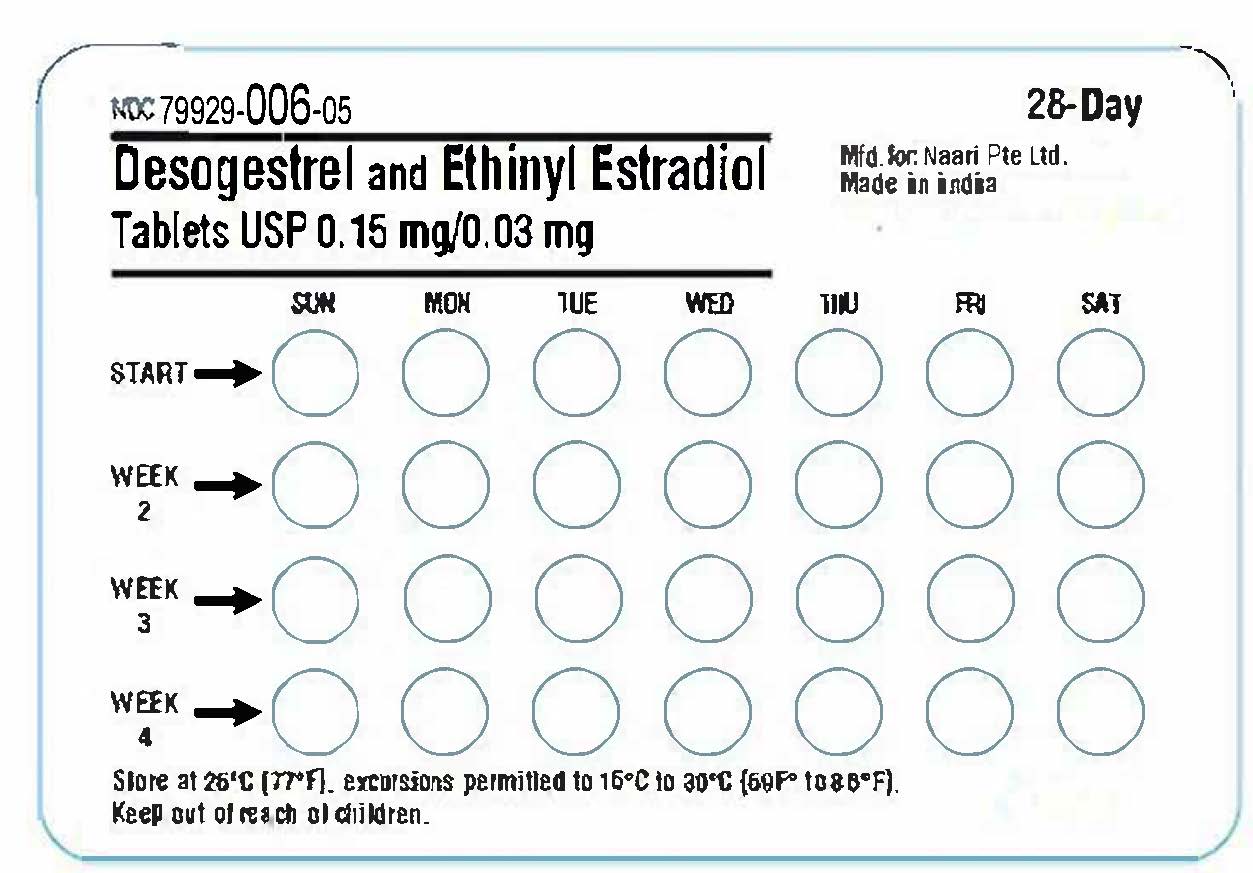
FDA Label Image

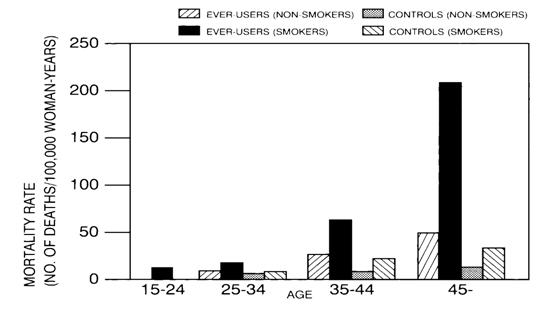
Figure 1 (Deso Ee 02)

Figure 1 (Deso Ee 02)
This is a chart showing the mortality rate in terms of the number of deaths per 100,000 woman-years, categorized by age group and smoking status. The chart compares the mortality rate of smokers and non-smokers. There is not enough data to determine what the numbers represent or what health conditions were observed.*
FDA Label Image

Chemical Structure (Deso Ee Structure)

FDA Label Image

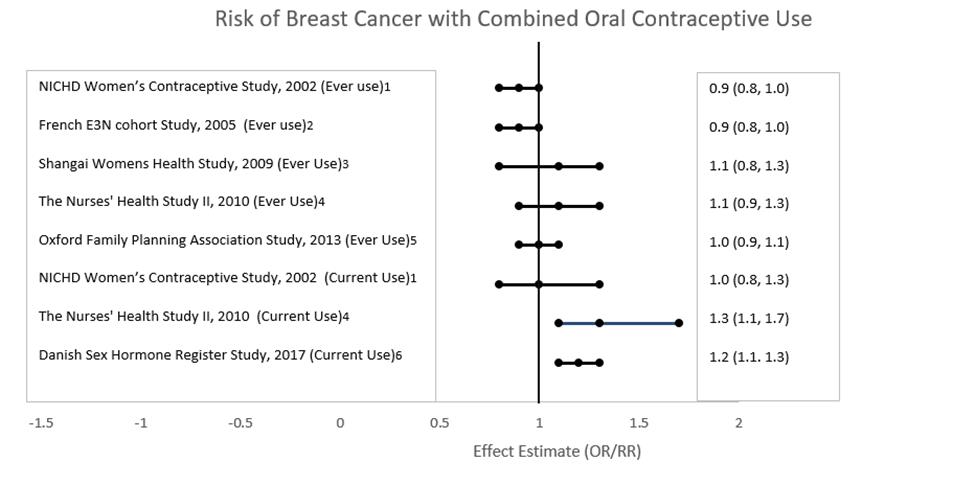
Figure-2 (Fig 2)

Figure-2 (Fig 2)
This text presents a list of studies that evaluate the risk of breast cancer among women who use combined oral contraceptives. The studies cited include NICHD Women's Contraceptive Study, French E3N cohort Study, Shanghai Women's Health Study, The Nurses' Health Study ll, and others. The text also includes effect estimates (OR/RR) for different timeframes of use.*
FDA Label Image

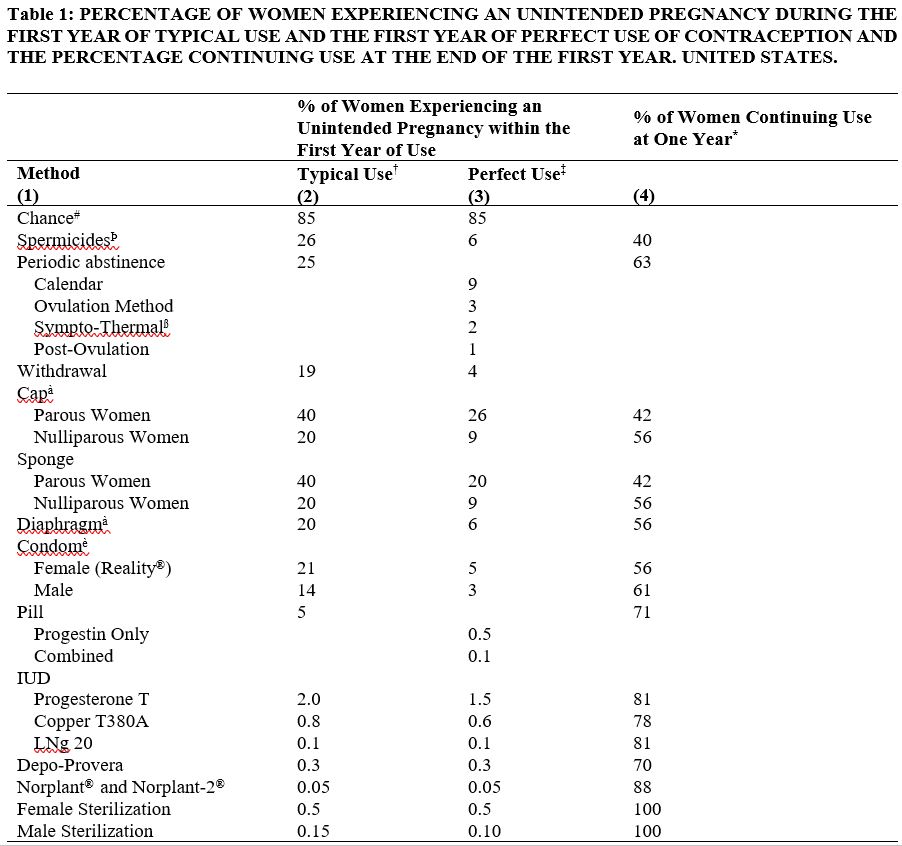
Table1-part1 (Table1 Part1)

Table1-part1 (Table1 Part1)
This table provides information on the percentage of women who experience unintended pregnancy during their first year of using different contraceptive methods in the United States. It also shows the percentage of women who continue using the same method at the end of the first year. The methods include chance, spermicides, periodic abstinence, withdrawal, caps, sponge, diaphragm, condom, the pill, Progesterone T, Copper T380A, LNg20, Depo-Provera, Norplant, female and male sterilization among others. The first column shows the different contraceptive methods, the second and third columns indicate the percentage of women experiencing unintended pregnancy during typical and perfect use respectively. The fourth column shows the percentage of women continuing the same contraceptive method at the end of the first year.*
FDA Label Image

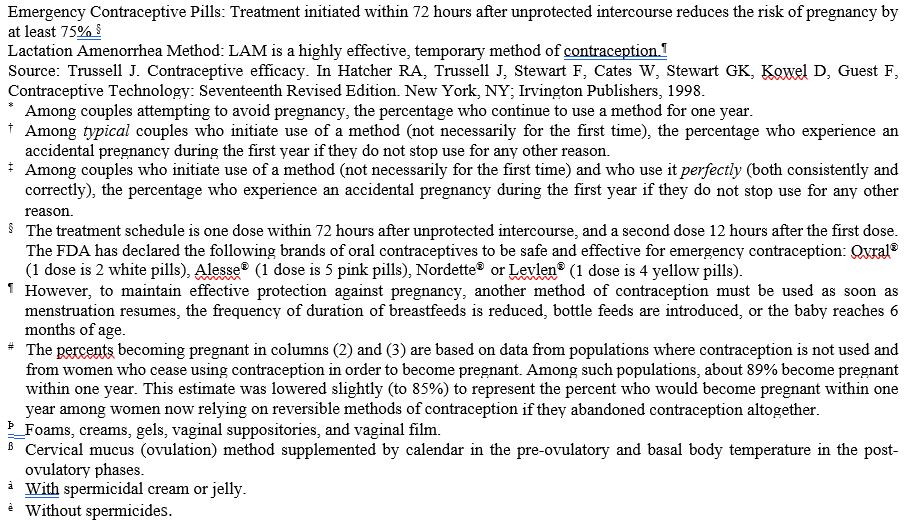
Table1-part2 (Table1 Part2)

Table1-part2 (Table1 Part2)
Emergency Contraceptive Pills can reduce the risk of pregnancy by at least 75% if taken within 72 hours after unprotected intercourse. Lactation Amenorrhea Method is a highly effective temporary contraception method. The percentage of couples who continue to use a contraception method for one year and the percentage of couples who experience an accidental pregnancy during the first year of use are mentioned. Certain brands of oral contraceptives are declared safe by the FDA for emergency contraception. However, another method of contraception must be used to maintain effective protection against pregnancy. Different types of contraception methods have been specified for effectiveness.*

* These product label images have been analyzed using experimental machine learning. Please verify findings with the primary label text.