Pregabalin Capsule
Product Images NDC 80425-0027
View Photos of Packaging, Regulatory Labels, and Product Appearance
Product Visual Gallery
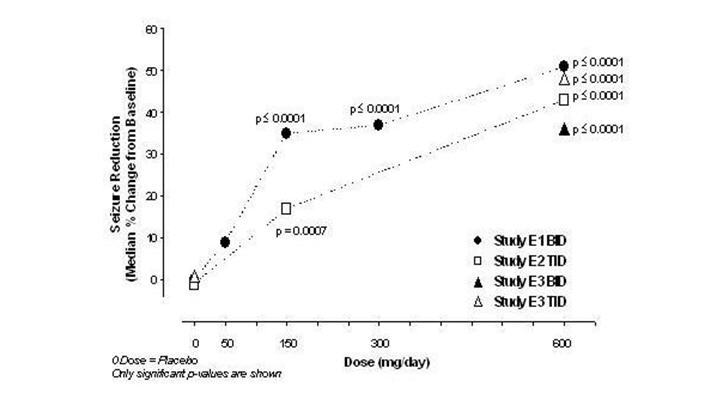
This gallery contains 14 technical images submitted to the FDA as part of the official labeling for Pregabalin (NDC 80425-0027). Unlike standard consumer photos, these assets often include clinical data figures, molecular chemical structures, and official manufacturer packaging layouts.
As provided by Advanced Rx Of Tennessee, Llc, these visuals offer a comprehensive scientific overview of the product's physical and chemical identity, aiding pharmacists and researchers in product verification and study.
Product Images & Figures Index
Fig 1
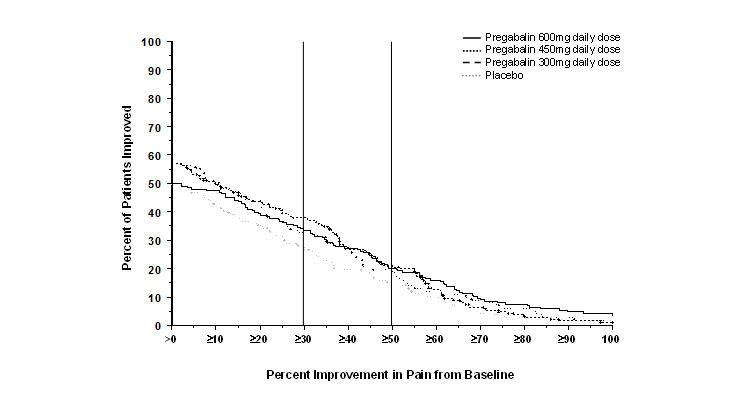
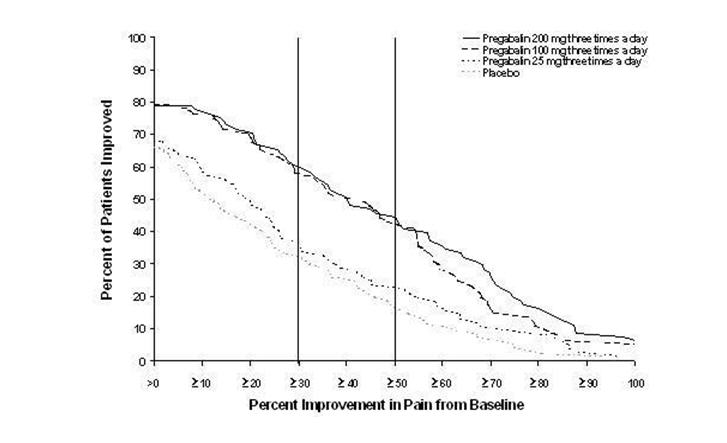
The text seems to be a graph or chart that shows the percentage of patients who have improved, possibly in regards to pain, over time. The percentages appear to be represented by numbers from 0 to 8 and are labeled "Percent of Patients Improved." There is a separate row or column labeled "Percent Improvement in Pain from Baseline" but it is not clear how this is related to the numbers in the chart. The text also includes some non-English characters and some nonsensical characters, which may be due to the limitations of the software or the quality of the source document.*
Fig 10
Fig 11
Fig 12
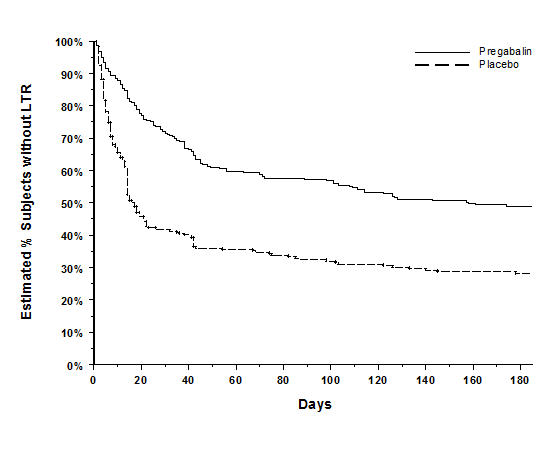
The given text represents a table that shows the percentage of subjects improved from baseline to week 16 in a trial comparing the effectiveness of pregabalin versus placebo. The percent of subjects improved is shown at the top, where it is 100%. Then, on the left-hand side of the table are various values ranging from 210 to 270. The section on the right-hand side shows the percent improved from baseline to week 16 in the BOCF (best overall response rate) using pregabalin and placebo. The values for pregabalin and placebo are 280 and 200 respectively.*
Fig 2
This appears to be a partial data table with some values for a medication called Pregabalin, dosed at 160mg per day for 3 days. There is a column indicating the percentage of patients who showed improvement in pain from a baseline value, but it is not clear what the baseline value or pain scale is. The text also includes some numbers that do not seem to be related to the table and reference a social media platform (Facebook), so it is difficult to determine the full context.*
Fig 3
Fig 4
Fig 5
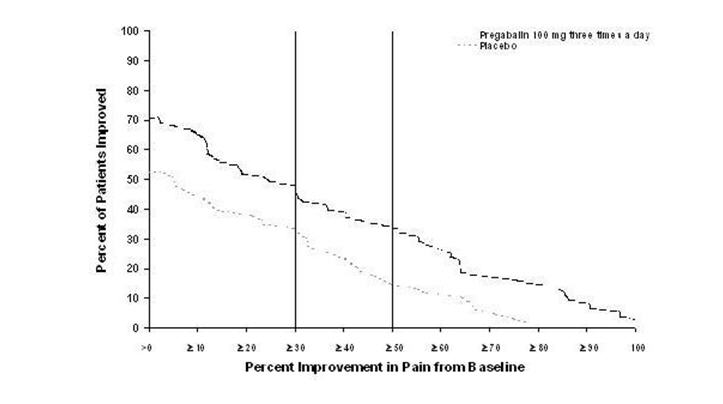
This text appears to be a chart or a table displaying the dosages of medications used in a clinical trial, along with the percentage of patients who showed improvement and the percentage of pain improvement from baseline. The medications listed are Fregabalin (presumably meant to be Pregabalin) at a dosage of 100 mg three times a day, Pregabalin at a dosage of 80 mg three times a day, and a placebo. However, the output contains multiple errors and inconsistencies, making it difficult to interpret the data accurately.*
Fig 6
Fig 7
Fig 9
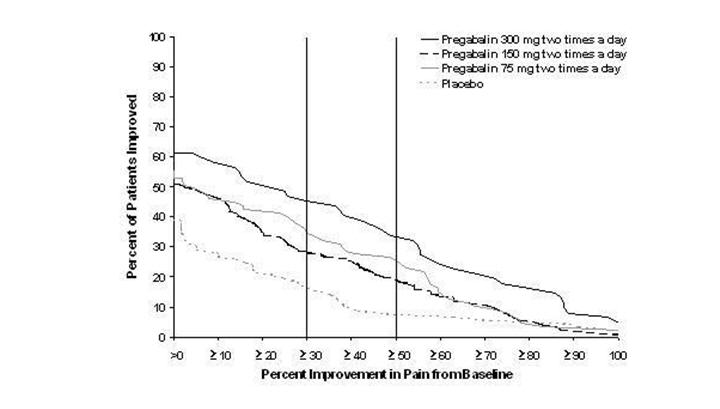
This appears to be a medical document related to dosages of Pregabalin for pain relief. The document provides dosage details for Pregabalin at 450mg daily dose and 100mg daily dose. Additionally, a Placsbo is also mentioned. The document also presents a graphical representation of the percentage of patients who experienced improvement in pain from the baseline.*
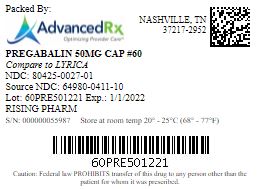
Pregabalin 50 mg Cap Qty 60 80425 0027
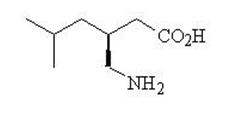
Structure
* These product label images have been analyzed using experimental machine learning. Please verify findings with the primary label text.